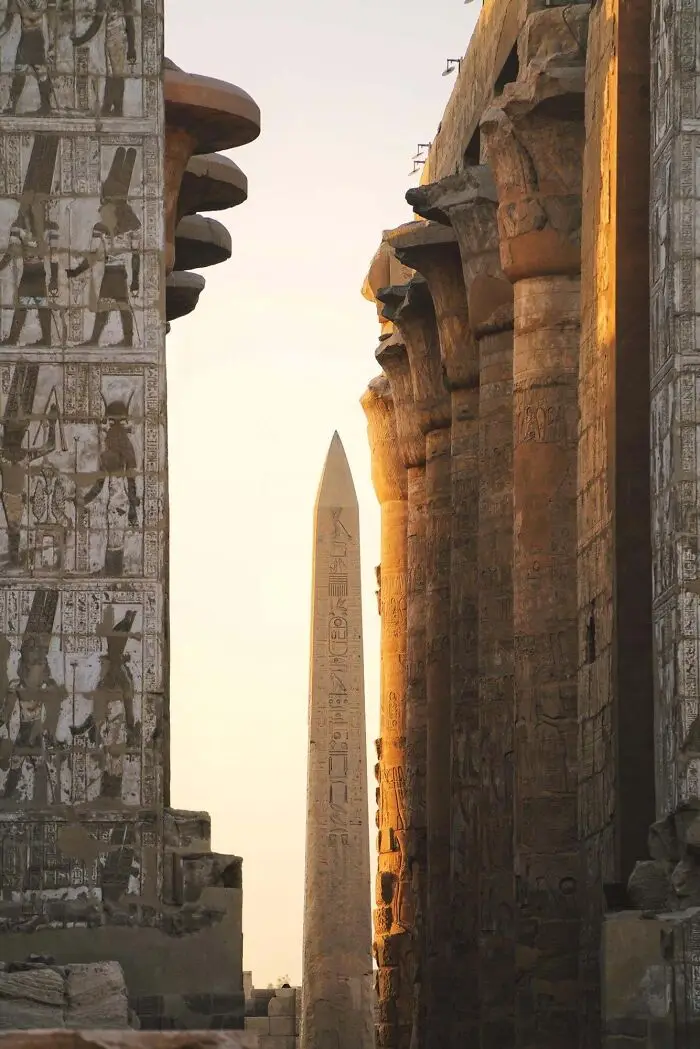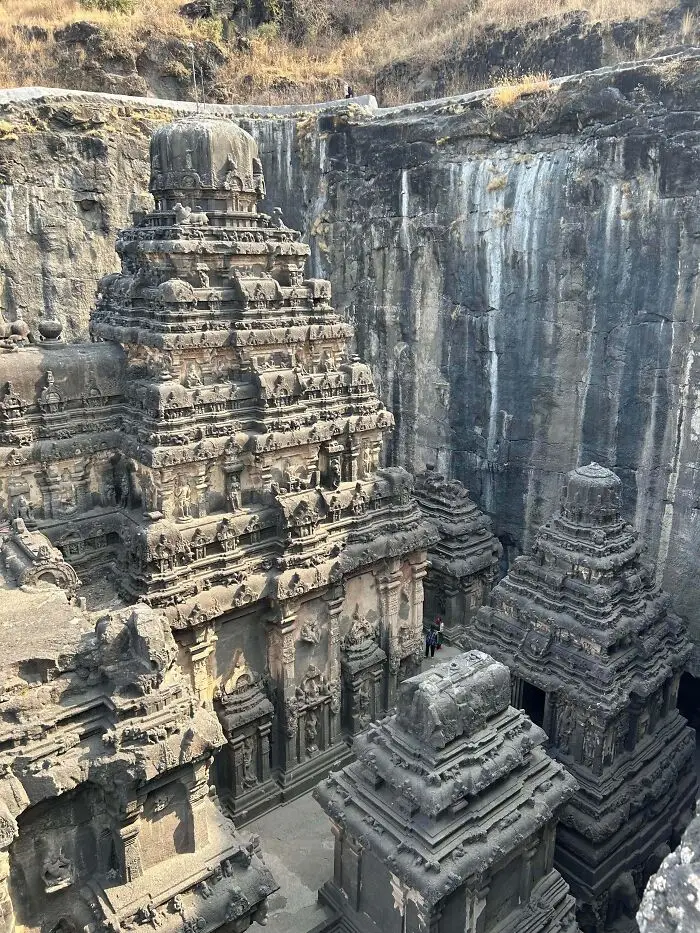




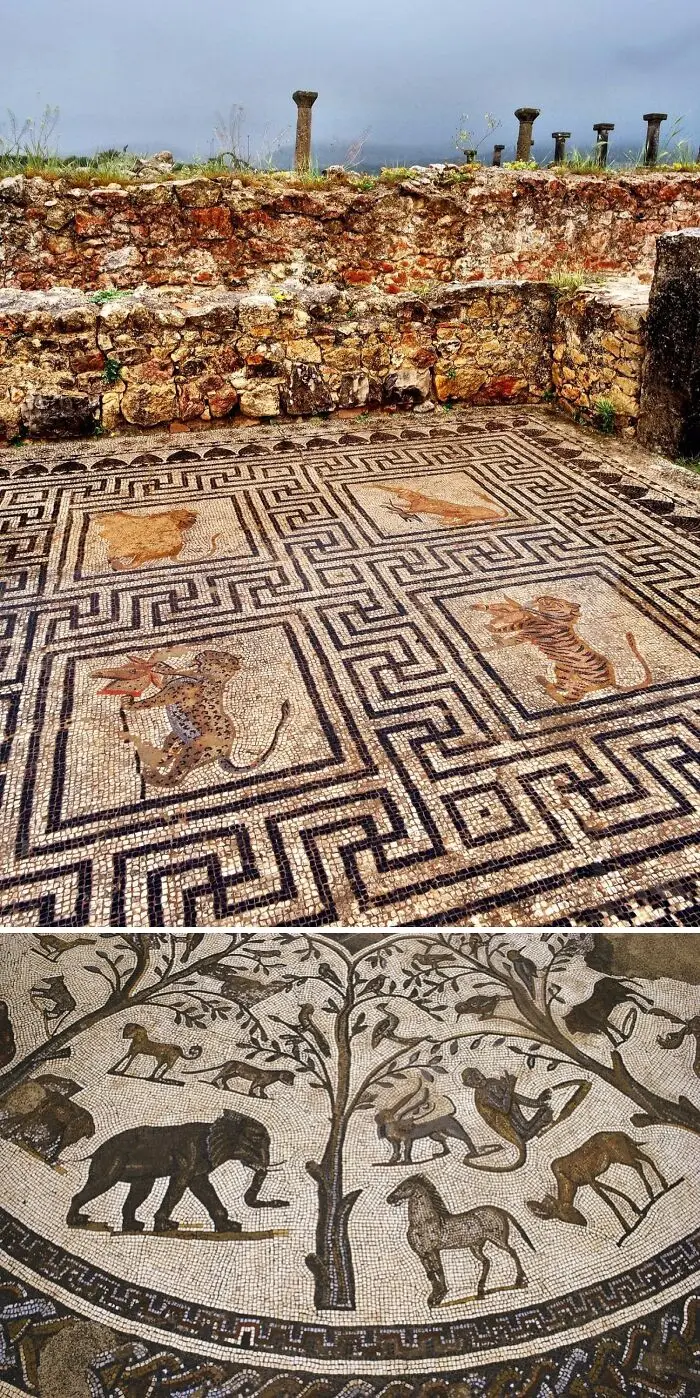
#1 Ancient Remains In Morocco Showing The Animals That Once Inhabited The African Region
#2 Everyone Knows The Nazca Lines. Almost Nobody Knows About The Wind-Powered Underground Aqueducts Right Next To Them — And They Still Work
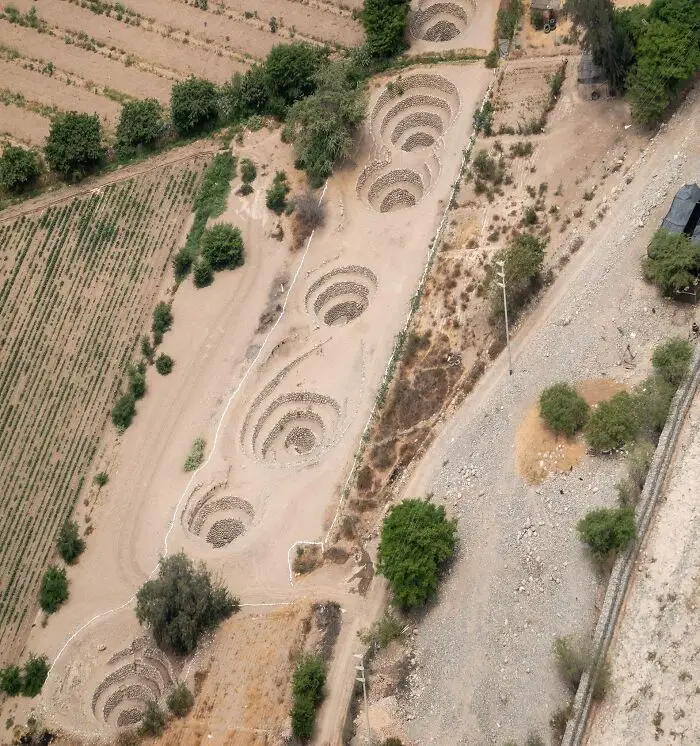
One of the most fascinating things about visiting a historical place is realizing just how long it has existed. I remember the first time I visited Rome, for example. It’s a weird sensation, as it can make you stop and think that people were already living there 2,700 years ago. The streets around you suddenly feel connected to lives that unfolded centuries before yours.
That realization changes the way you look at your surroundings. Ancient streets, buildings, and public squares stop feeling like distant historical attractions when you imagine the people who once used them.
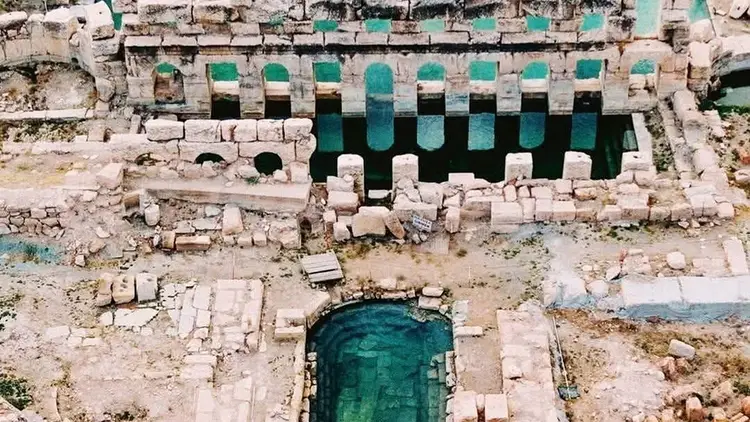
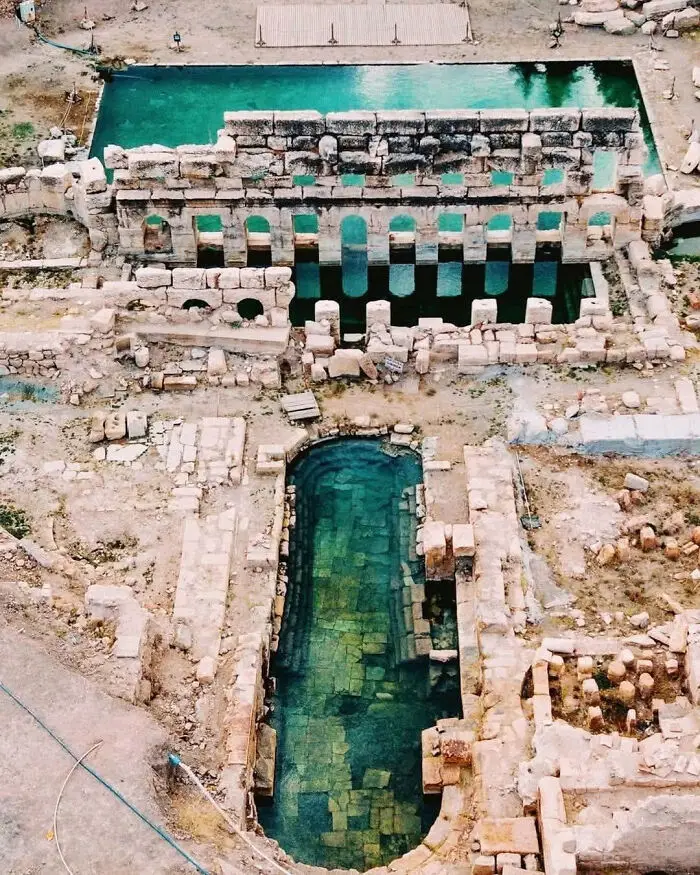
#3 A 2,200-Year-Old Roman Bath In Central Türkiye That Has Never Stopped Flowing At 45°c
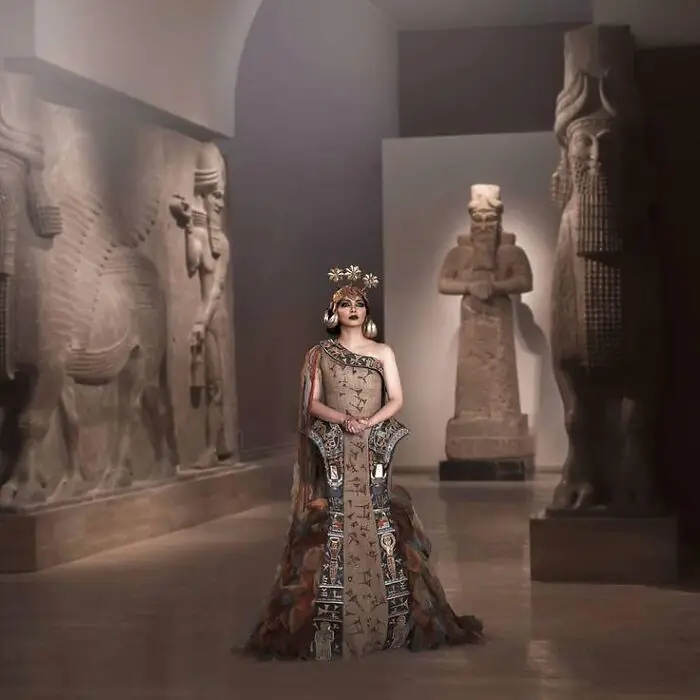
#4 An Iraqi Woman Dressed In The Ceremonial Costume Of The Goddess Ishtar
The people who lived in these ancient places walked to work, met friends, bought food, and went about their daily routines, just as people do today. This connection with the past is one reason historical places can leave such a lasting impression.
Research on visits to historically significant locations explores how these experiences shape people's relationship with the past and give places meaning beyond their physical appearance. Sometimes, just standing in a place that has been there for thousands of years makes history feel real.
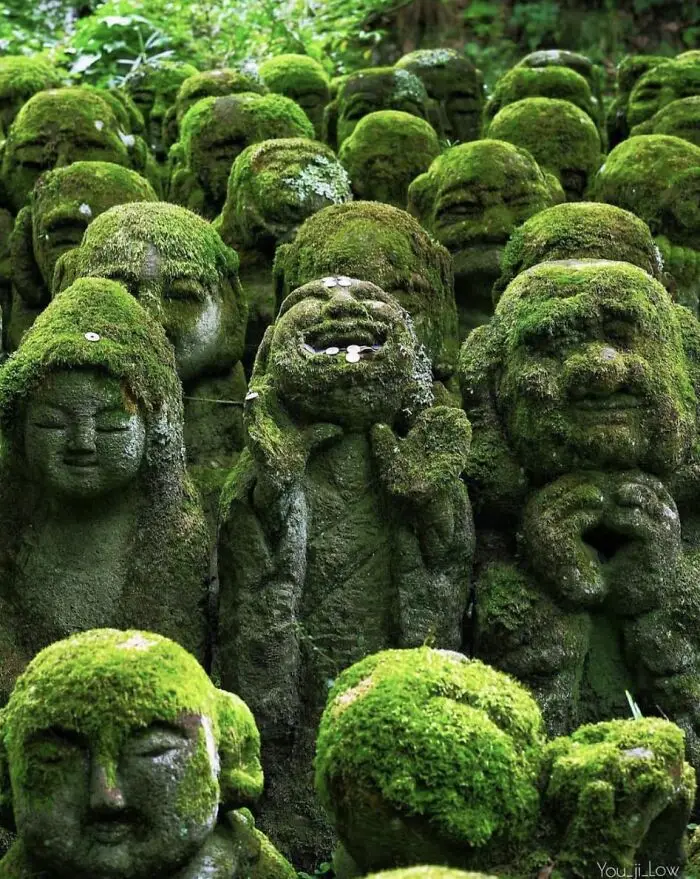
#5 A Temple Called Otagi Nenbutsu-Ji, Hidden In The Hills In The Far West Of Arashiyama With A Collection Of 1,200 Rakan Statues
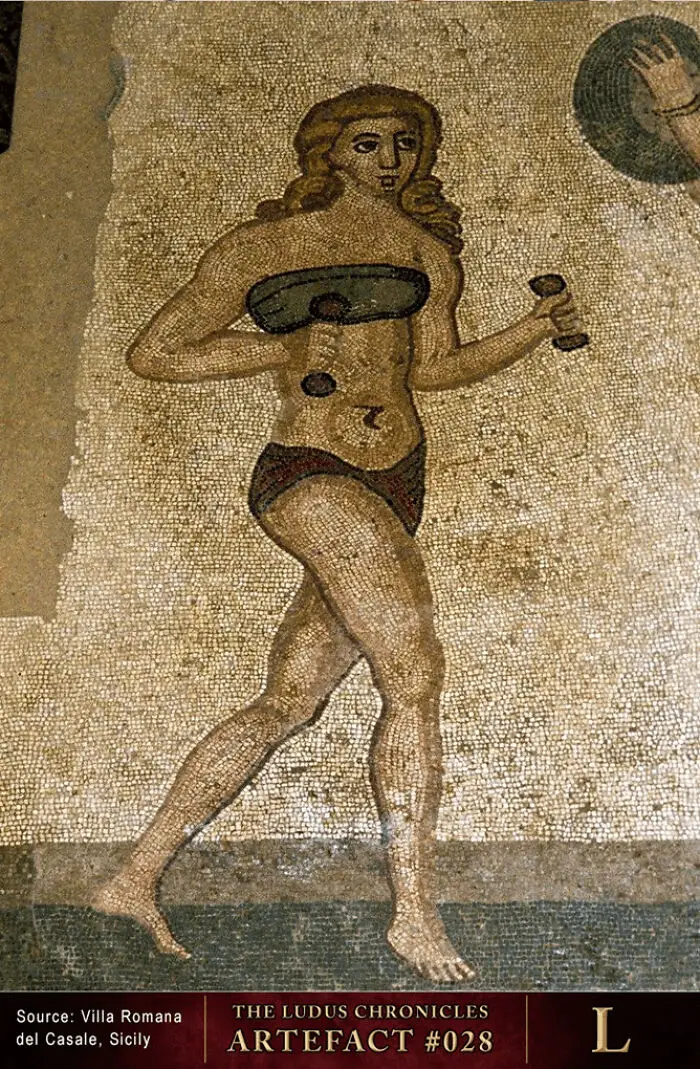
Once we start imagining the people who lived in ancient cities, their everyday surroundings become just as interesting as their monuments. Houses, gardens, household objects, and personal belongings offer clues about ordinary routines. Archaeologists can use these details to explore how families organized their homes and spent their days.
For example, a record from a second-century BCE Egyptian village tells us about a woman named Tharetis. She managed a shrine to Isis and lived with her elderly husband and their adult son, who was a priest. Stories like this help us see real families from the past and make ancient history feel more personal.
Homes can also show us who did the work in wealthy households. In Pompeii, digging in a rich family's garden revealed clues about the skills of gardeners, like how they grew miniature trees and used the local soil well. These findings help archaeologists notice the efforts of people besides the wealthy owners.
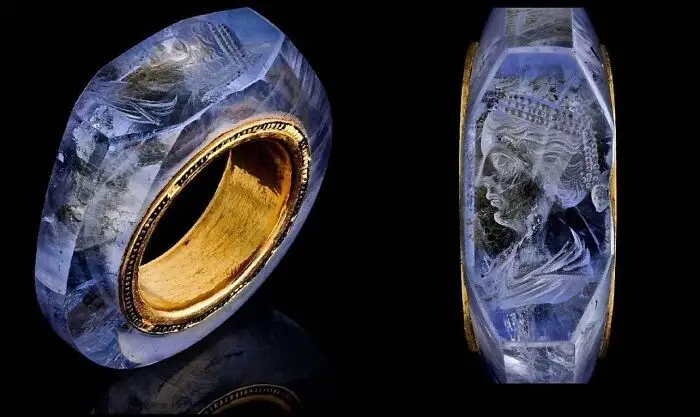
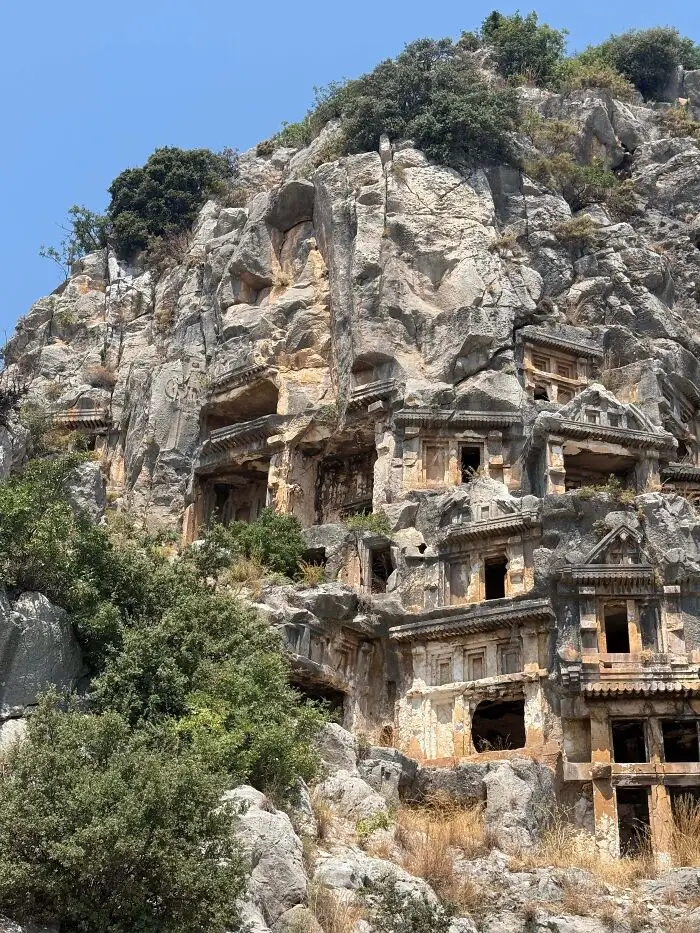
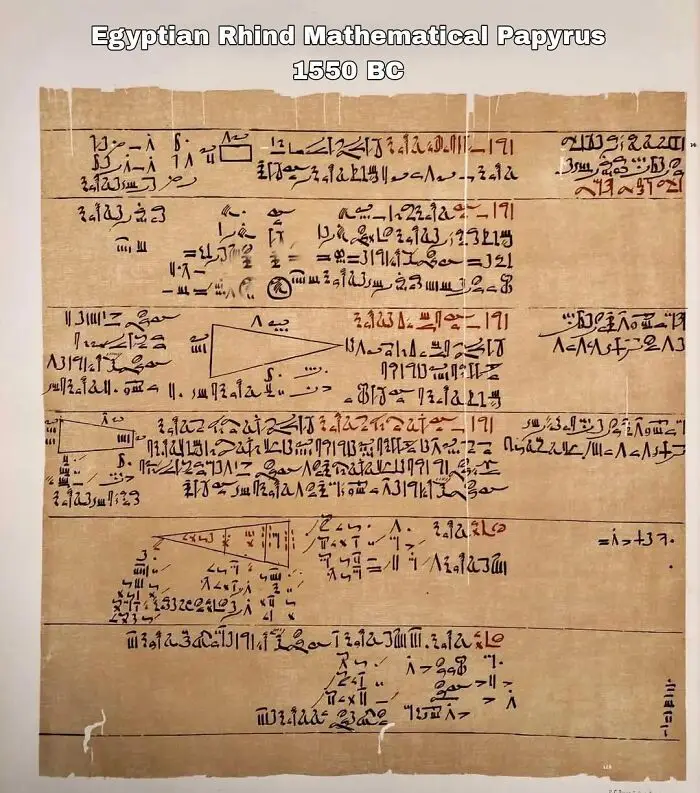
The houses, gardens, and public spaces that ancient people left behind also raise another question: how did some of their buildings survive for so long? Roman concrete offers an interesting example. Its unique mix helped buildings stand up to earthquakes, weather, and other problems that often damage modern materials.
Roman builders used a method called hot mixing. They mixed quicklime with volcanic ash and other dry materials, then added water. This reaction made heat and left small lime-rich pieces in the concrete. If cracks formed later, these pieces could dissolve and fill the gaps, so the concrete could repair itself.
A construction site in ancient Pompeii gave clear proof of this process. Archaeologists found quicklime pieces mixed with other materials, which helped show how Roman workers made their concrete. This find also shows that looking at unfinished building sites can teach us about construction methods that finished monuments do not reveal.
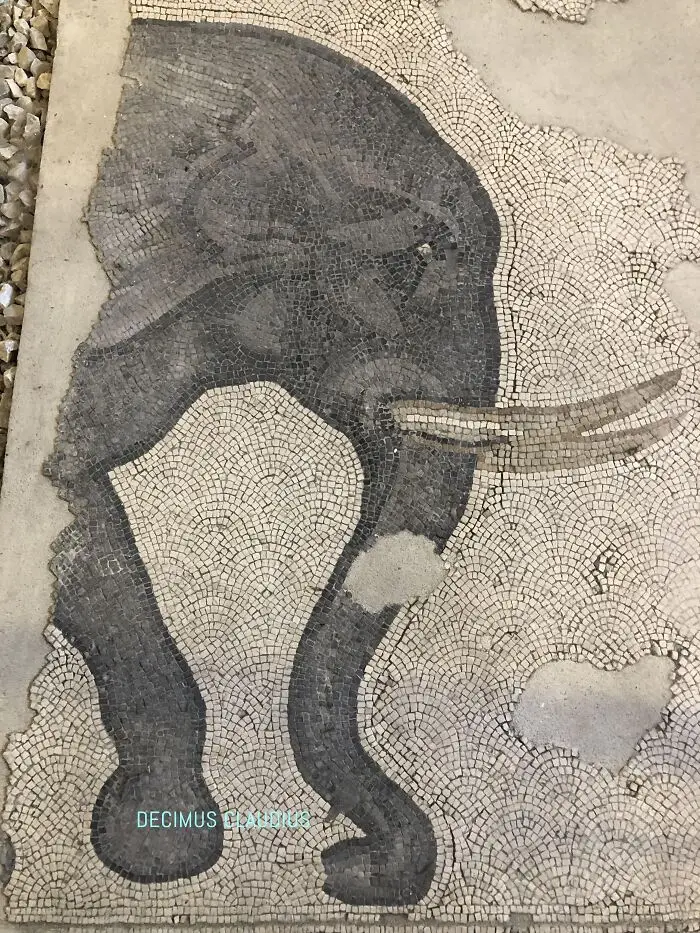
#10 A Portion Of A Huge Early Byzantine Mosaic In The Great Palace Of Constantinople Depiction An Elephant
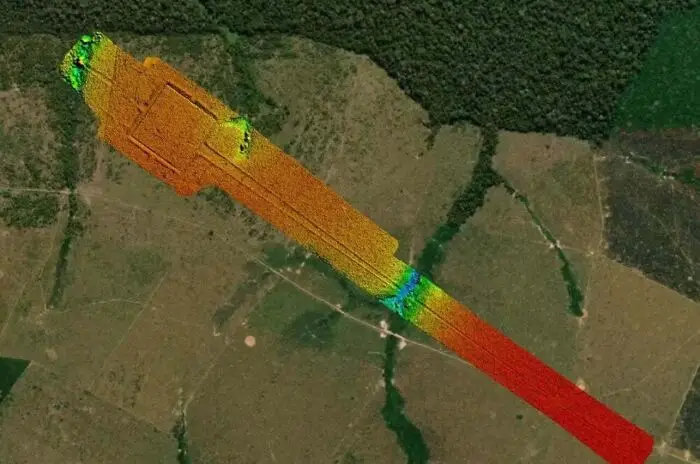
#12 Lidar Reveals The Massive Scale Of A Pre-Columbian Civilization Hidden Beneath The Amazon Rainfores
Understanding how ancient people built their homes is only one part of reconstructing their lives. Archaeologists also examine tools, food remains, pottery, decorations, and other objects to understand how communities worked, traded, prepared meals, and practiced their traditions. Even a small artifact can reveal something about the society that produced it.
The context of an object is just as important as the object itself. For example, if an obsidian tool is found far from where the stone came from, it can show us ancient trade routes and how much people valued certain materials. By looking at where objects are found and what is around them, archaeologists can link single finds to bigger stories.
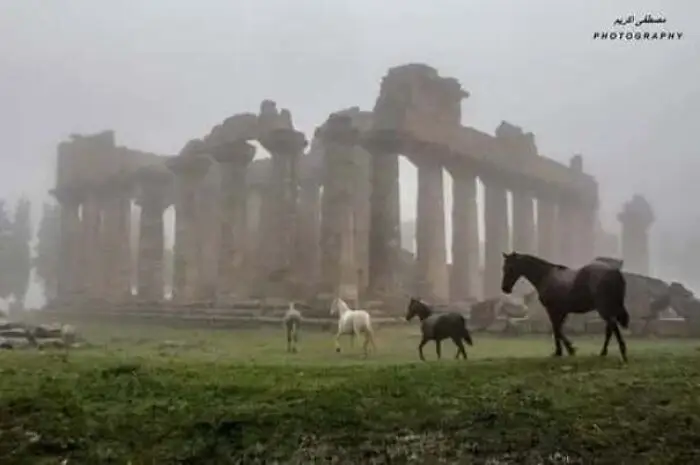
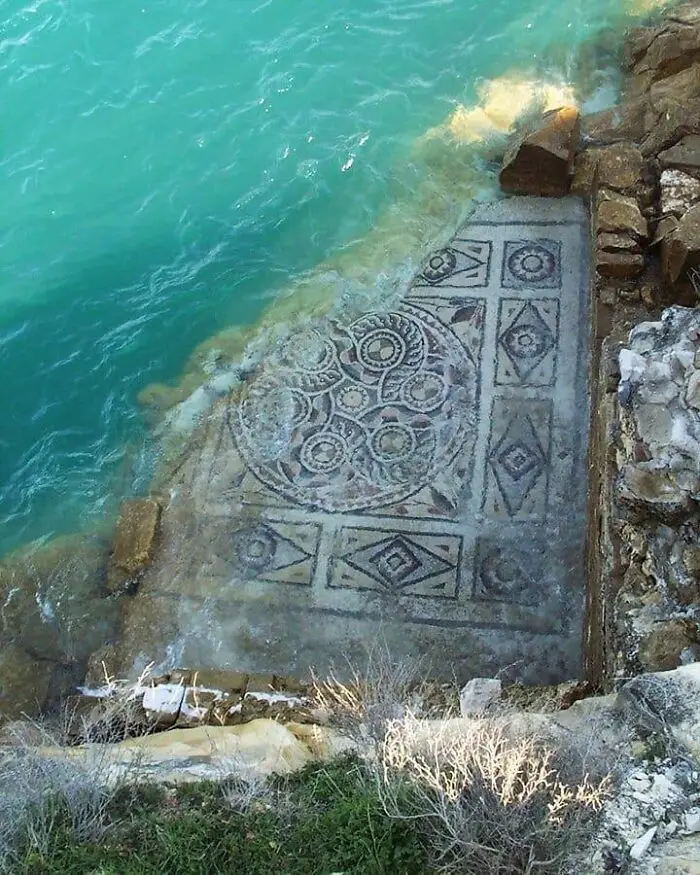
#14 Zeugma Ancient City. 2,000-Year-Old Mosaics Unearthed By The Waves In Turkey
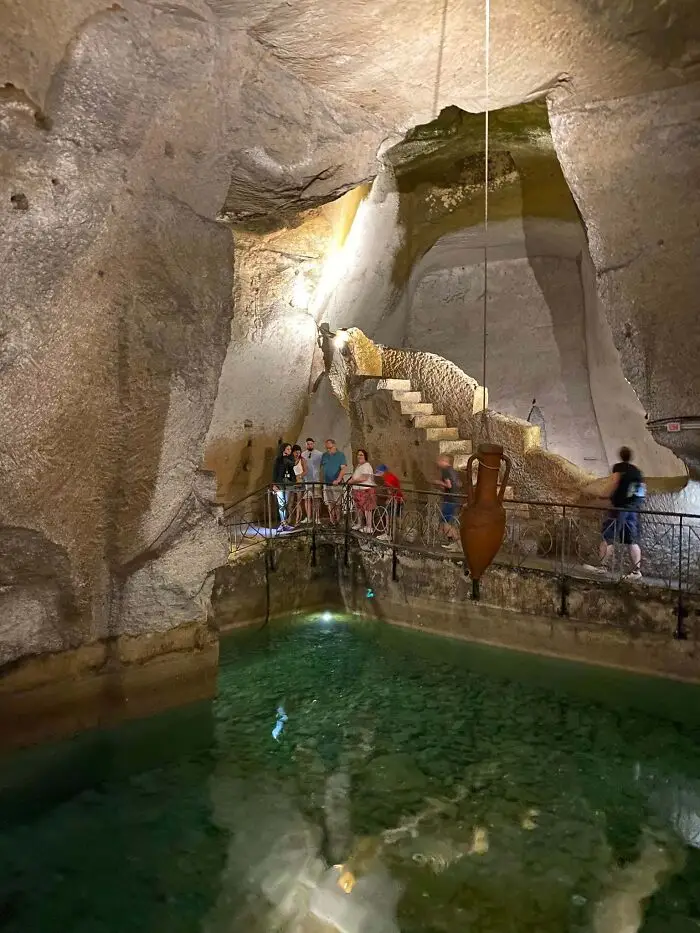
#15 Photos I Took Of Napoli Sotterranea - The Ancient Aqueducts Under Naples, Italy
Sometimes, however, archaeologists cannot easily reach the places they want to investigate. Dense rainforest vegetation can hide enormous structures from conventional aerial photography, leaving researchers unaware of what lies beneath the trees.
LiDAR technology solves this problem by sending laser pulses to the ground and measuring how they bounce back to make detailed maps. In southwestern Amazonia, researchers used airborne LiDAR to study thousands of square kilometers of rainforest.
They found hundreds of earthworks that had not been recorded before and estimated that the area may have supported between 1.25 and 3 million people around 100 to 300 CE. These results suggest there were far more people living there before Columbus than experts thought before.
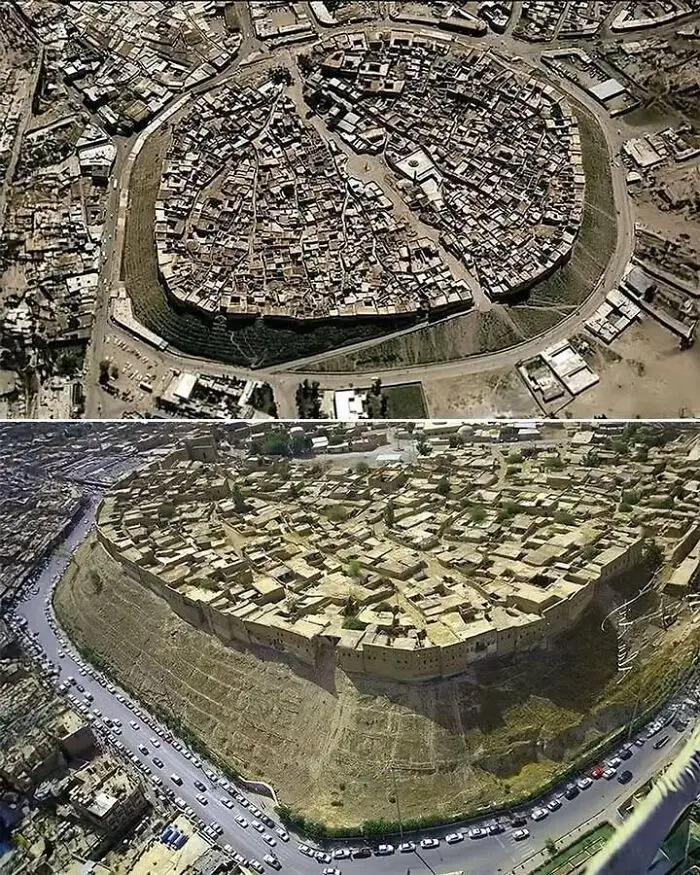
#17 The Erbil Citadel, In Iraqi Kurdistan, Is Indeed One Of The World’s Oldest Continuously Inhabited Cities, Boasting A History Spanning Over 6,000 Years
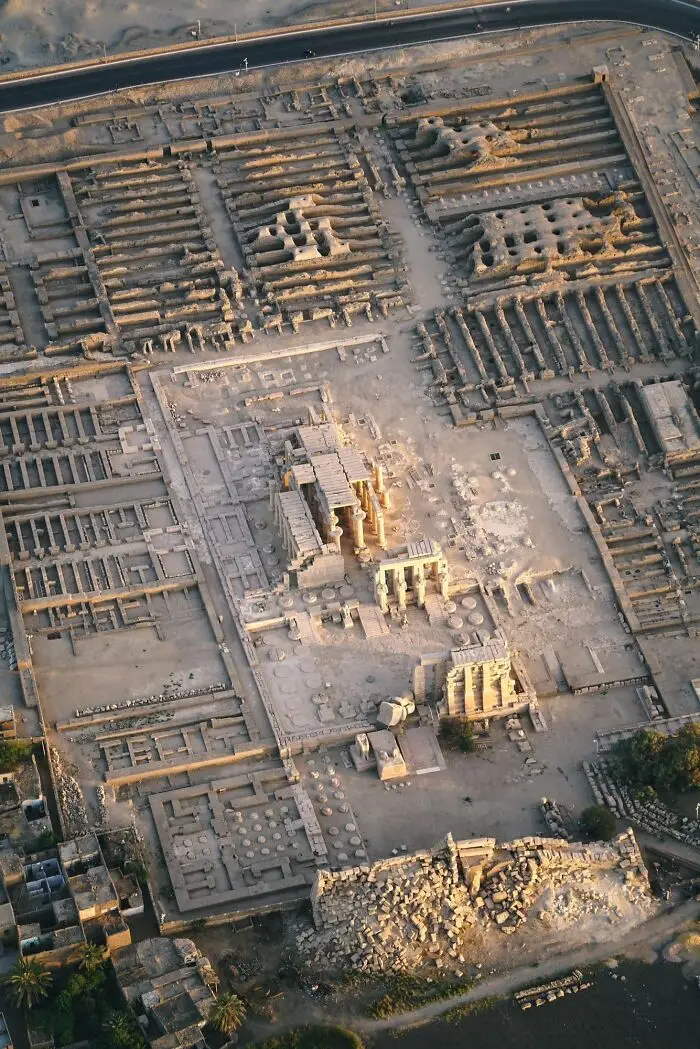
Discoveries like these also highlight how incomplete our picture of ancient civilizations remains. Archaeologists can only look at some of the objects, buildings, and traces left behind. Some materials vanish over time, while others stay buried, out of reach, or too hard to study with current resources.
Researchers must also decide which areas and artifacts to study more closely. Studies have found considerable differences in how researchers collected small material remains, including sample sizes and sampling strategies. Making these methods better could help archaeologists get more reliable information from the evidence they already have.
Even though thousands of years separate us from these civilizations, the traces they left help us feel closer to their world. And who knows how many more stories still lie hidden beneath our feet?
Which of these discoveries fascinates you the most? Share your thoughts in the comments!