Bored PandaBored Panda
Categories
FunnyAnimalsInstallationEntertainmentAutomotiveCuriosities
Art & DesignBlogRelationshipsMemes FeedLifestyleSociety
Resources
Contact UsAbout usAdvertisingPrivacy PolicySitemap
Follow Us
FacebookFacebookX (Twitter)X (Twitter)InstagramInstagram
FunnyAnimalsInstallationEntertainmentAutomotiveCuriositiesArt & DesignBlogRelationshipsMemes FeedLifestyleSociety
"World Beauties And Wonders": 75 Of Most Interesting Discoveries Around The World
History,CuriositiesAPR 3, 2026

"World Beauties And Wonders": 75 Of Most Interesting Discoveries Around The World

Community Panda
Gabriela Zagorska
Community Panda and Gabriela Zagorska
65
7
Advertisement
The popular Facebook page ‘World Beauties and Wonders’ is all about showcasing breathtaking sights from across the globe. Today, we’re bringing you some of the page’s most stunning recent photos, hoping to ignite a little wanderlust and inspire you to discover the amazing experiences that await beyond your comfort zone.
Scroll through, upvote your favorite shots, and tell us which ones impressed you the most and why. Have you recently encountered a view or adventure that took your breath away? Share your stories with us in the comments!
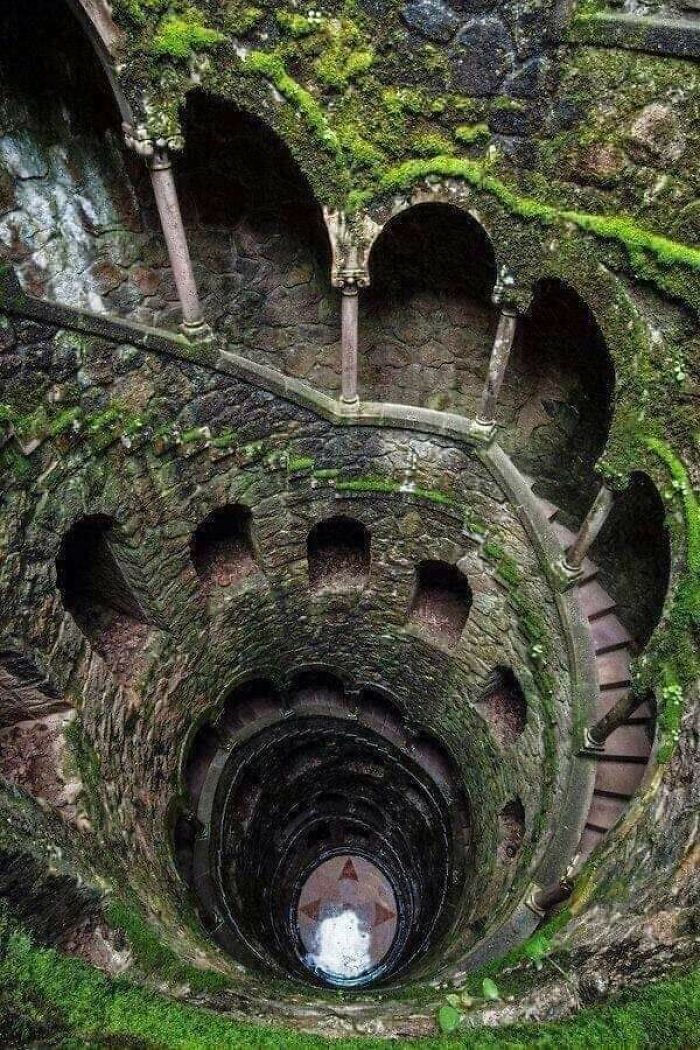
# The Masonic Initiation Well Of Quinta Da Regaleira

The Masonic Initiation Well Of Quinta Da Regaleira
Hidden beneath the lush gardens of the Quinta da Regaleira estate in Sintra, Portugal, lies a spectacular 27-meter-deep “Initiation Well”—an inverted tower built not for water but for ritual. Constructed between 1904 and 1910 under the direction of António Augusto Carvalho Monteiro, a wealthy man fascinated by esoteric traditions, and architect-set designer Luigi Manini, the well merges Gothic, Egyptian, Moorish, and Renaissance influences.
The spiral descent symbolized death and rebirth, echoing mystical rites associated with the Knights Templar and later Masonic traditions. Candidates reportedly entered blindfolded, descended nine flights of stairs—representing the nine founding Templars—and navigated a dark labyrinth before emerging into the light to complete their symbolic rebirth.
Now under UNESCO protection, the Initiation Well remains one of Portugal’s most enigmatic architectural creations.
worldbeautiesandwonders
Reportar
36puntos

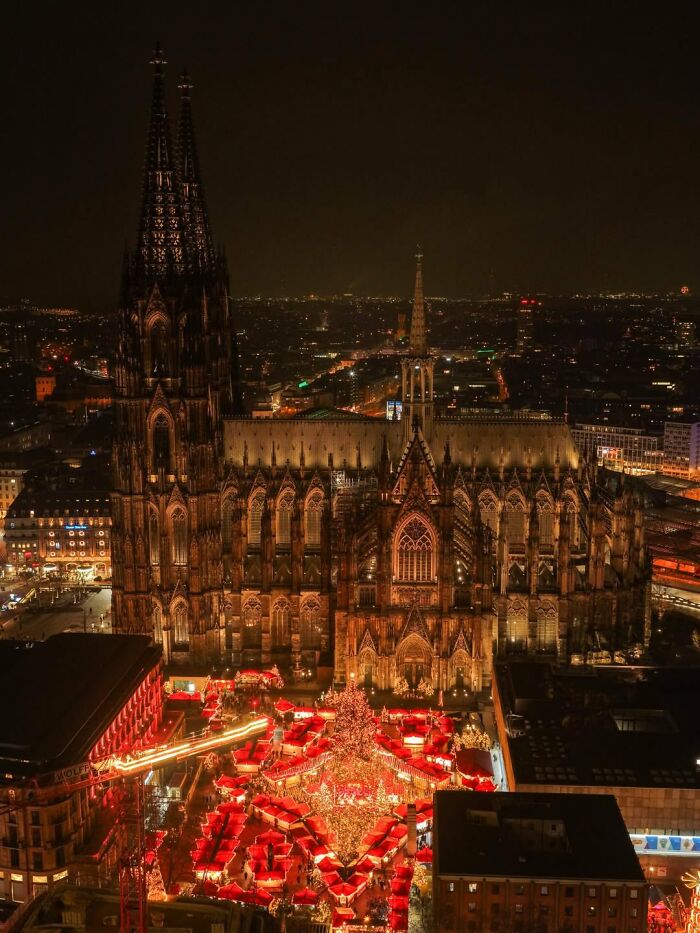
# Christmas Market Beside Cologne Cathedral, Germany

Christmas Market Beside Cologne Cathedral, Germany
worldbeautiesandwonders
Reportar
34puntos

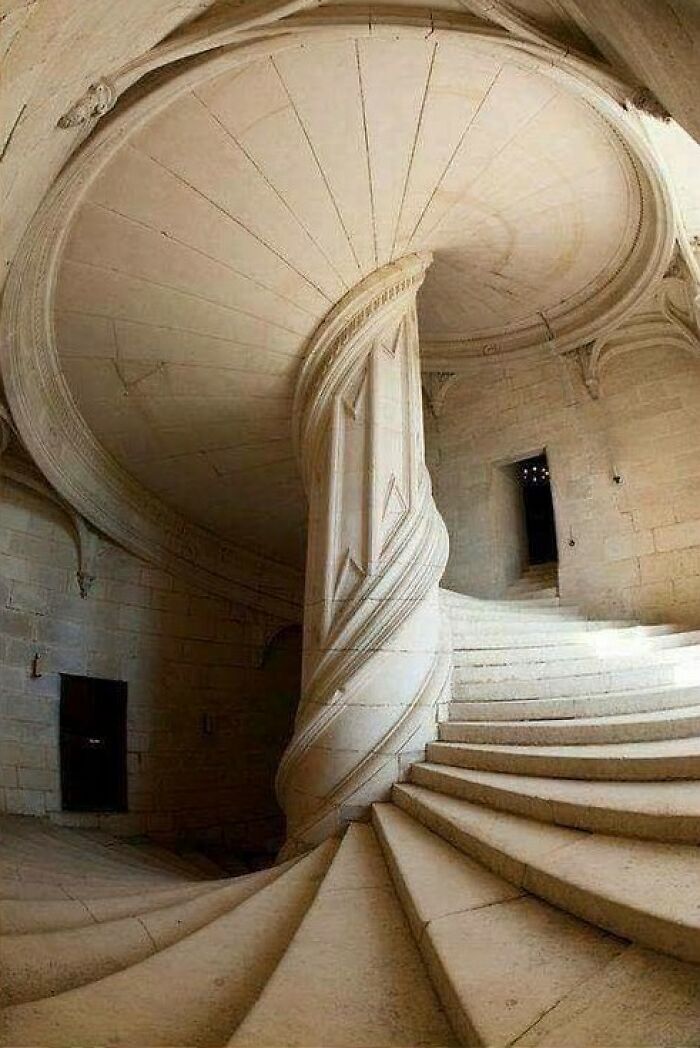
# A Renowned Spiral Staircase Designed By Leonardo Da Vinci In 1516

A Renowned Spiral Staircase Designed By Leonardo Da Vinci In 1516
worldbeautiesandwonders
Reportar
32puntos

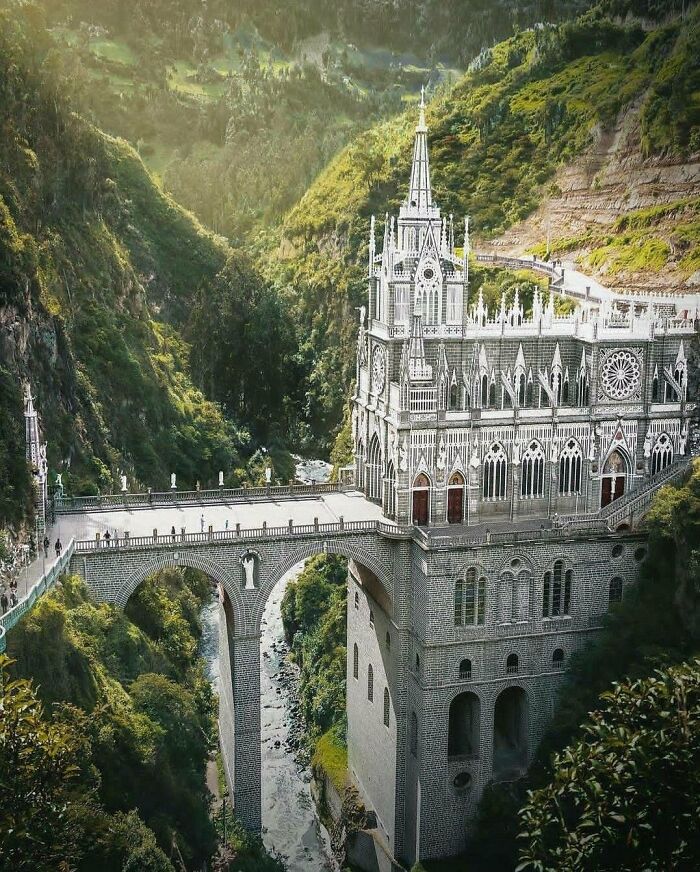
# The Sanctuary Of Las Lajas, Dramatically Perched In The Canyons Of Colombia

The Sanctuary Of Las Lajas, Dramatically Perched In The Canyons Of Colombia
worldbeautiesandwonders
Reportar
32puntos

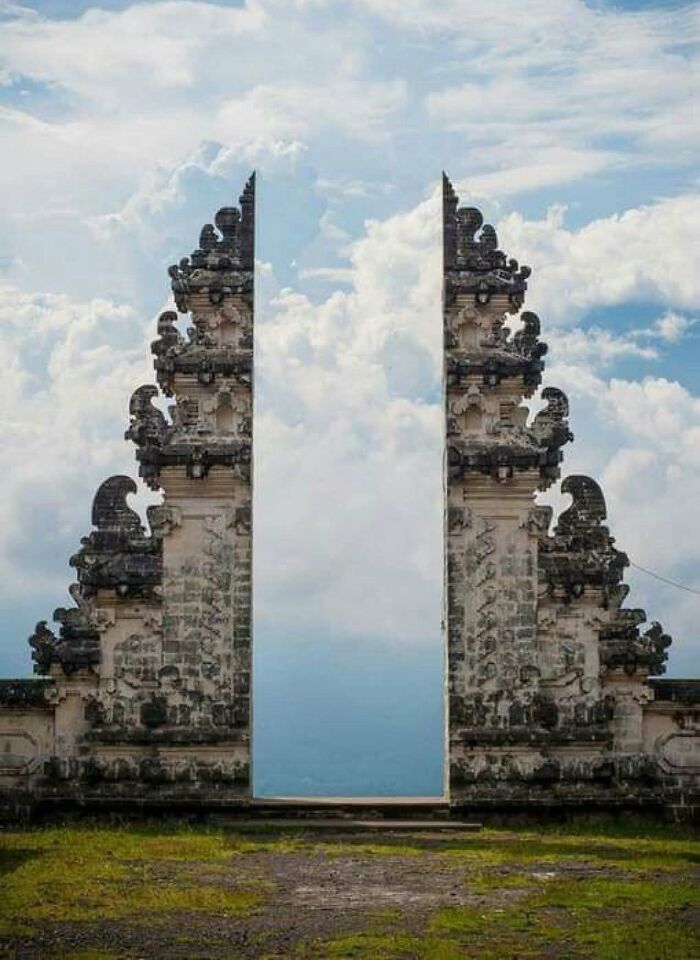
# “Gates Of Heaven,"Pura Penataran Agung Lempuyang, Bali

“Gates Of Heaven,"Pura Penataran Agung Lempuyang, Bali
The “Gates of Heaven” at Pura Penataran Agung Lempuyang in Bali 🇮🇩 are among Indonesia’s most iconic temple views.
Situated 600 meters above sea level, the ancient Hindu complex frames Mount Agung in the distance. The temple features intricate carvings inspired by Balinese mythology and the Ramayana.
It remains one of Bali’s most sacred pilgrimage sites.
worldbeautiesandwonders
Reportar
31puntos

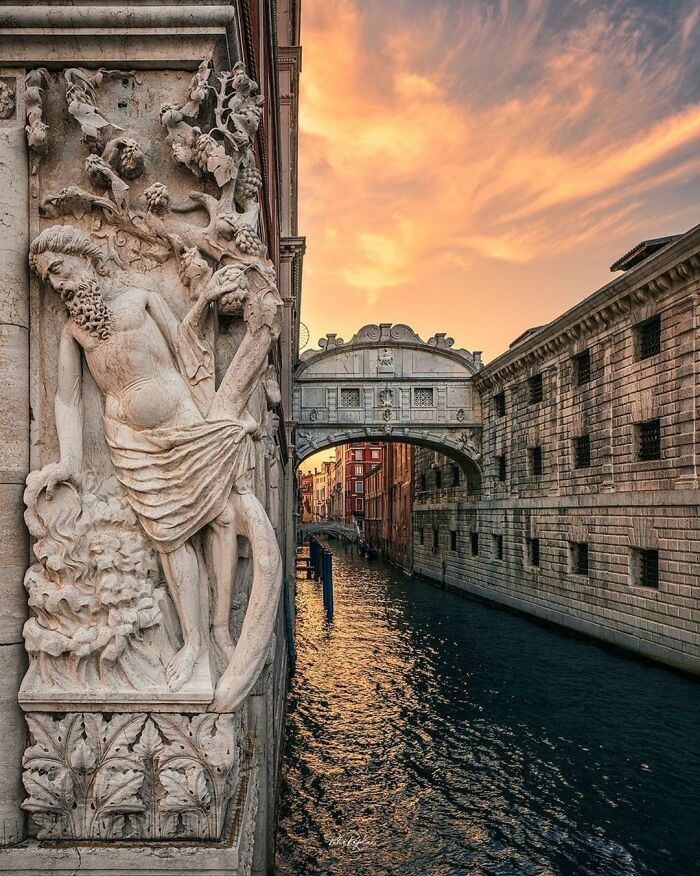
# The Bridge Of Sighs, Venice, Italy (Circa 1600)

The Bridge Of Sighs, Venice, Italy (Circa 1600)
worldbeautiesandwonders
Reportar
31puntos

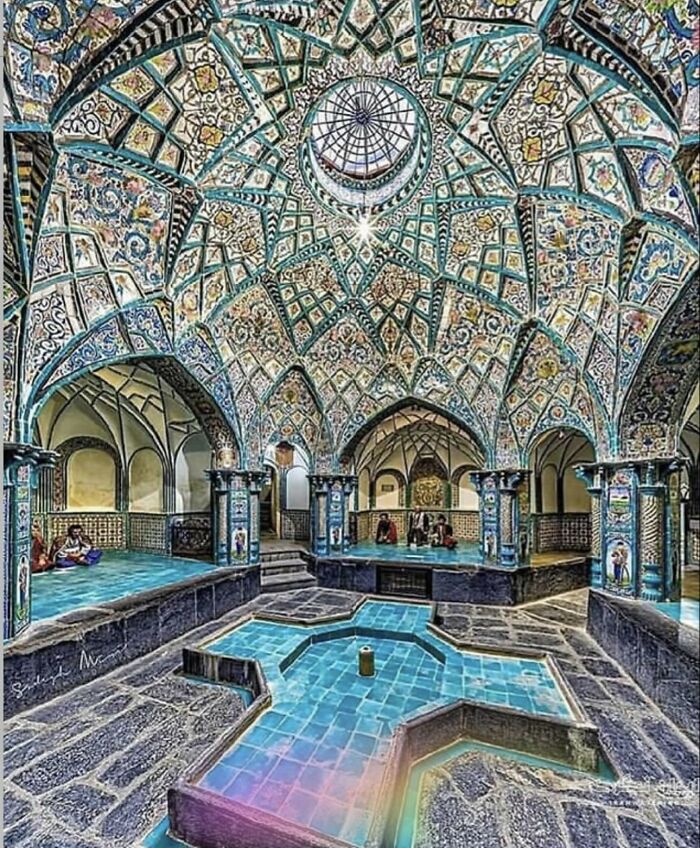
# Arak Four Seasons Bath Museum, Arak, Iran

Arak Four Seasons Bath Museum, Arak, Iran
Iran must be among the most breathtaking countries on earth… beauty can be found in every corner…
worldbeautiesandwonders
Reportar
30puntos

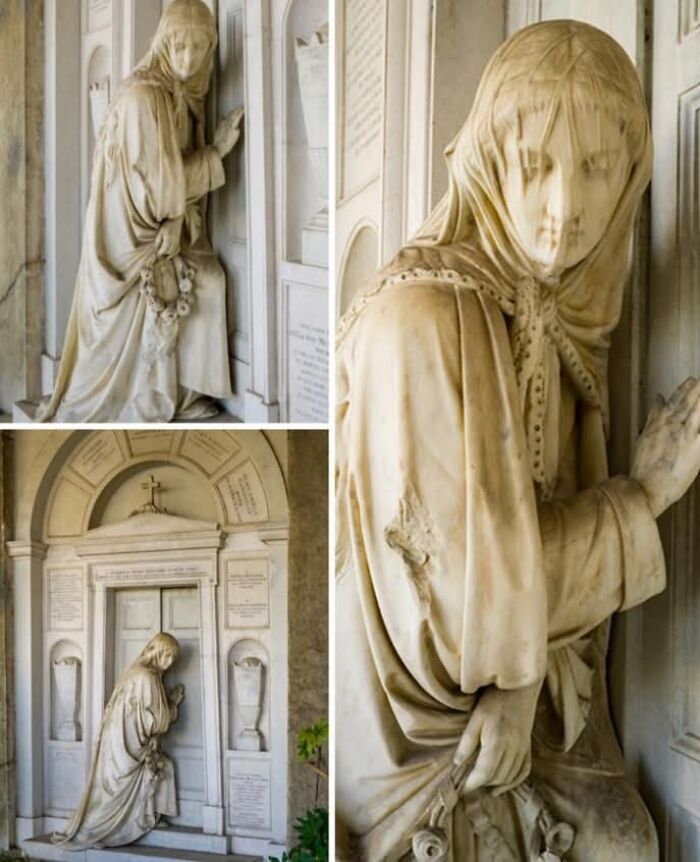
# The Veiled Marble Sculpture

The Veiled Marble Sculpture
A remarkable example of artistic craftsmanship shows marble carved to resemble delicate, transparent fabric draped over a mourning woman. The funerary monument was created in 1856 by Italian sculptor Giovanni Battista Lombardi and is located in the Cimitero Vantiniano, also known as the Monumental Cemetery of Brescia.
This artistic approach, often called “veiled sculpture,” became particularly celebrated during the eighteenth and nineteenth centuries. Sculptors pushed the limits of stone carving by producing figures that seemed covered in thin fabric, despite being carved from a single block of marble. The process required sculpting the figure first and then meticulously chiseling away the surrounding stone to form the illusion of a translucent veil without adding any separate material.
The illusion works partly because marble can be polished to a soft translucency, allowing light to penetrate slightly below the surface. This subtle interaction between light and stone produces the visual effect of skin visible beneath delicate cloth.
One artist who became famous for mastering this technique was Raffaelle Monti. His 1860 sculpture The Veiled Lady astonished Victorian audiences, many of whom believed the fabric must have been carved separately and placed over the figure afterward.
Perhaps the most celebrated work of this type is Veiled Christ, sculpted in 1753 by Giuseppe Sanmartino in Naples. Even today, many modern sculptors find it difficult to reproduce the same effect without the assistance of modern power tools.
worldbeautiesandwonders
Reportar
30puntos

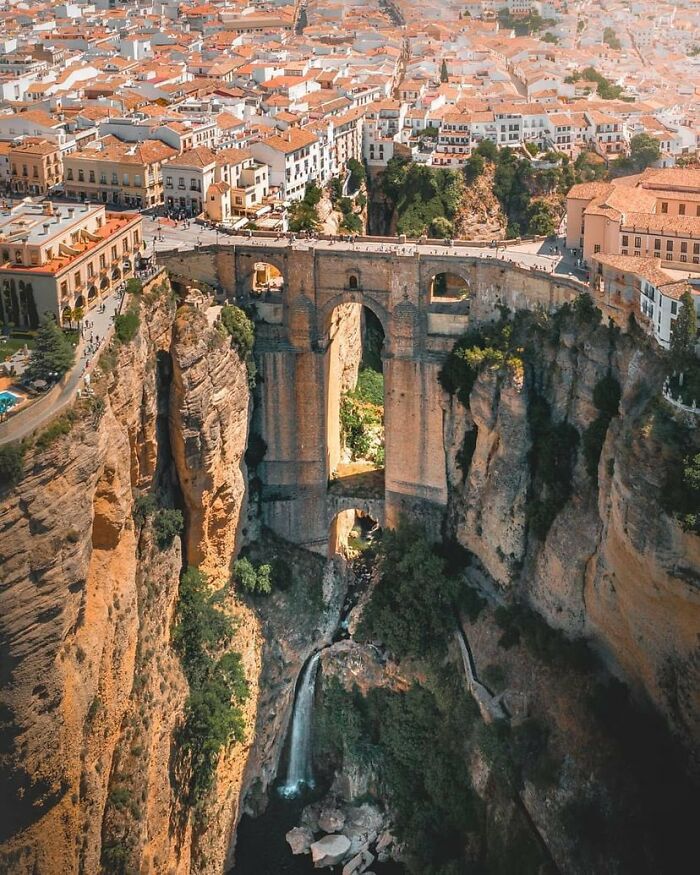
# Puente Nuevo Bridge In Ronda, Spain

Puente Nuevo Bridge In Ronda, Spain
worldbeautiesandwonders
Reportar
29puntos

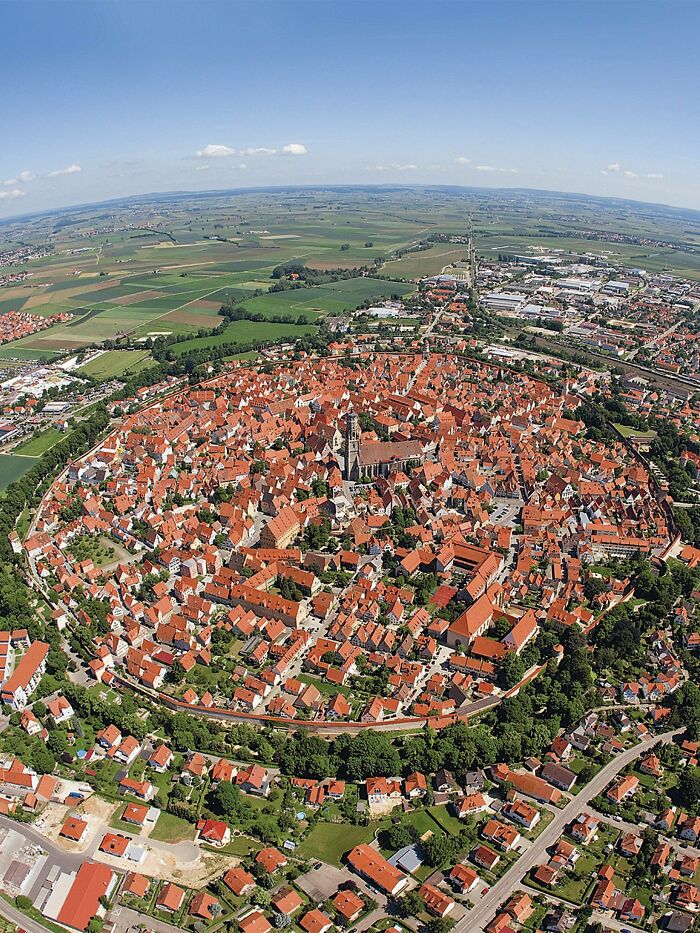
# Nördlingen, Germany

Nördlingen, Germany
The medieval town of Nördlingen in Germany, uniquely situated within a 15-million-year-old meteorite crater.
worldbeautiesandwonders
Reportar
28puntos

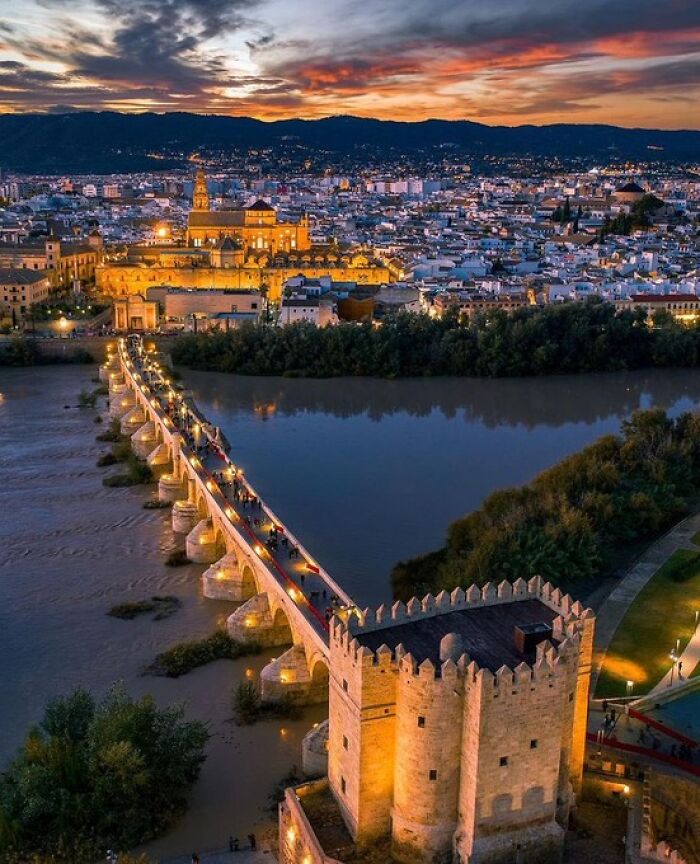
# The Roman Bridge Of Córdoba, Spain

The Roman Bridge Of Córdoba, Spain
Rising proudly for more than 2,000 years, the Roman Bridge of Córdoba is a masterpiece of engineering elegance.
worldbeautiesandwonders
Reportar
28puntos

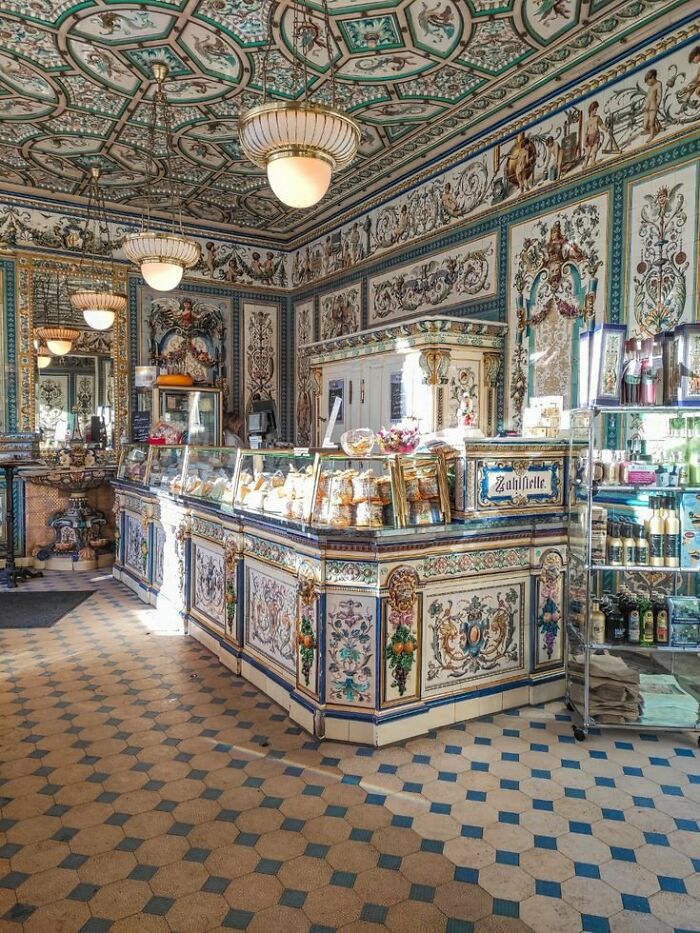
# Dresden, Germany

Dresden, Germany
Pfunds Molkerei, founded in 1880 by the Pfund brothers in Dresden, Germany, is often called the most beautiful milk shop in the world.
worldbeautiesandwonders
Reportar
28puntos

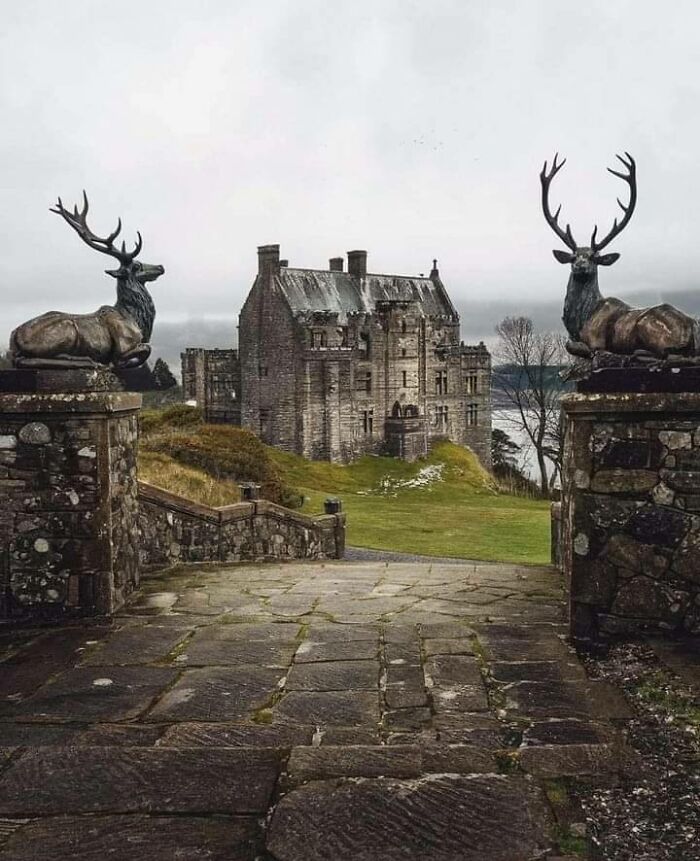
# Duntrune Castle, Scotland

Duntrune Castle, Scotland
worldbeautiesandwonders
Reportar
28puntos

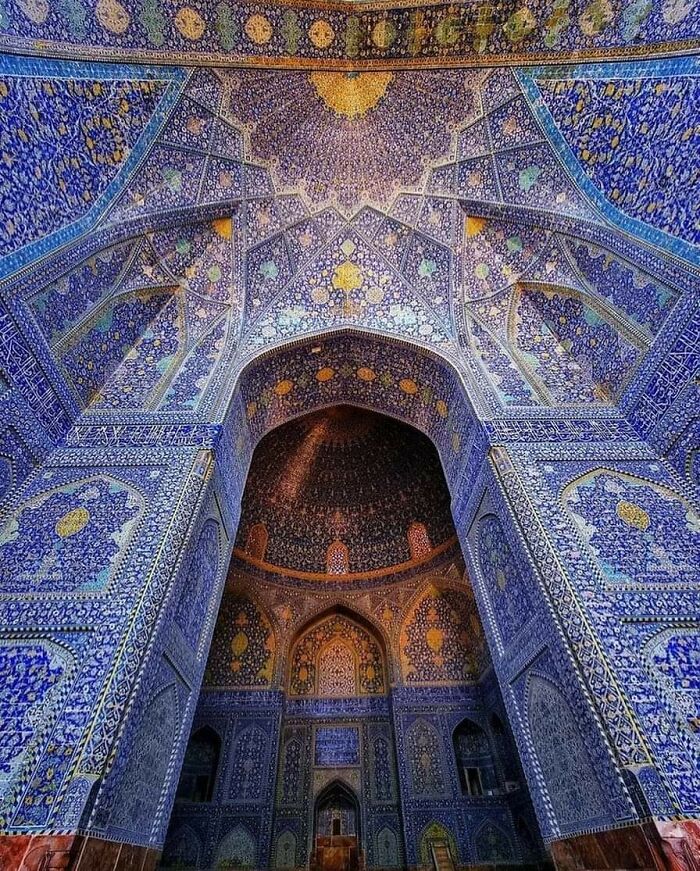
# Imam Mosque Of Isfahan

Imam Mosque Of Isfahan
The Shah Mosque, now called the Imam Mosque, forms part of Naqsh-e Jahan Square in Isfahan and stands as a masterpiece of Persian Islamic architecture.
Constructed between 1611 and 1629 under Shah Abbas I of the Safavid dynasty, the mosque symbolized both religious authority and imperial ambition. Architect Shaykh Bahai designed the complex to integrate education, worship, and urban planning.
A unique architectural feature is its orientation: the entrance aligns with the square, but visitors turn slightly upon entering to face Mecca precisely, allowing both the portal and dome to remain visible from the plaza.
Renowned for its acoustics and intricate blue tilework, the mosque remains one of Iran’s most celebrated UNESCO World Heritage sites.
worldbeautiesandwonders
Reportar
27puntos

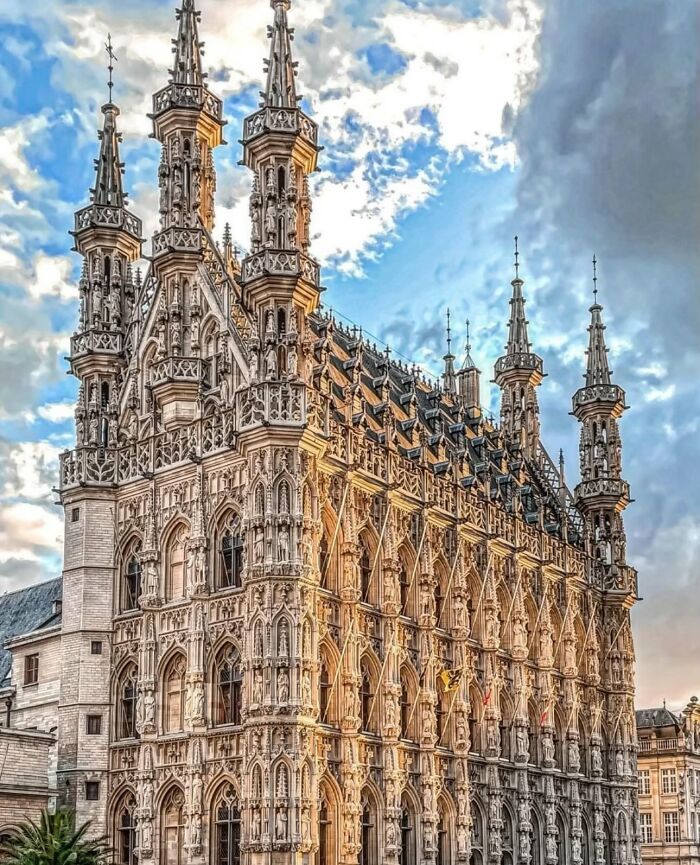
# Leuven, Belgium

Leuven, Belgium
worldbeautiesandwonders
Reportar
27puntos

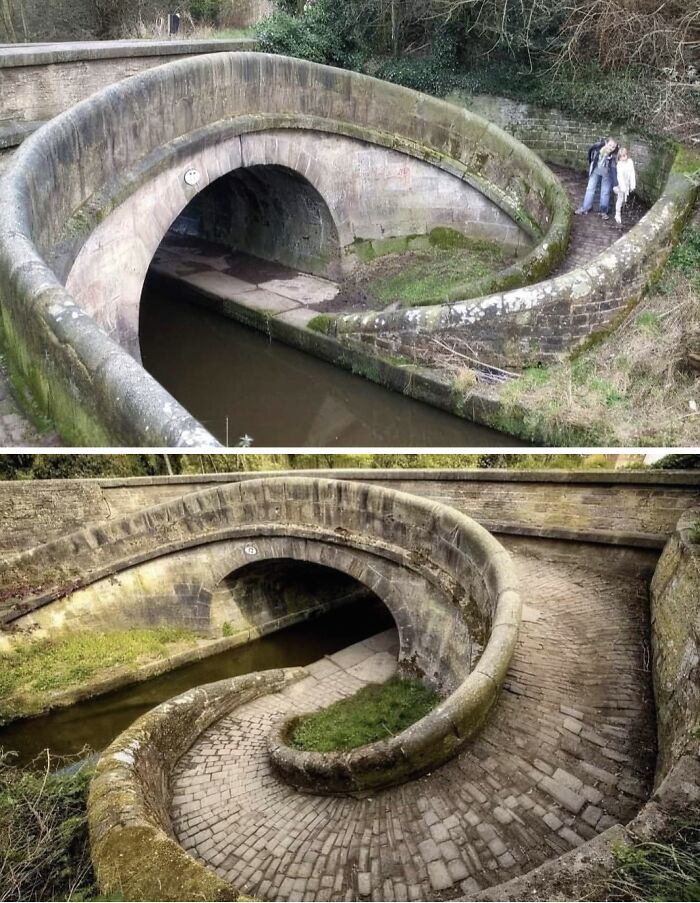
# The Snake Bridge Crossing The Macclesfield Canal, Astbury Village, England

The Snake Bridge Crossing The Macclesfield Canal, Astbury Village, England
worldbeautiesandwonders
Reportar
27puntos

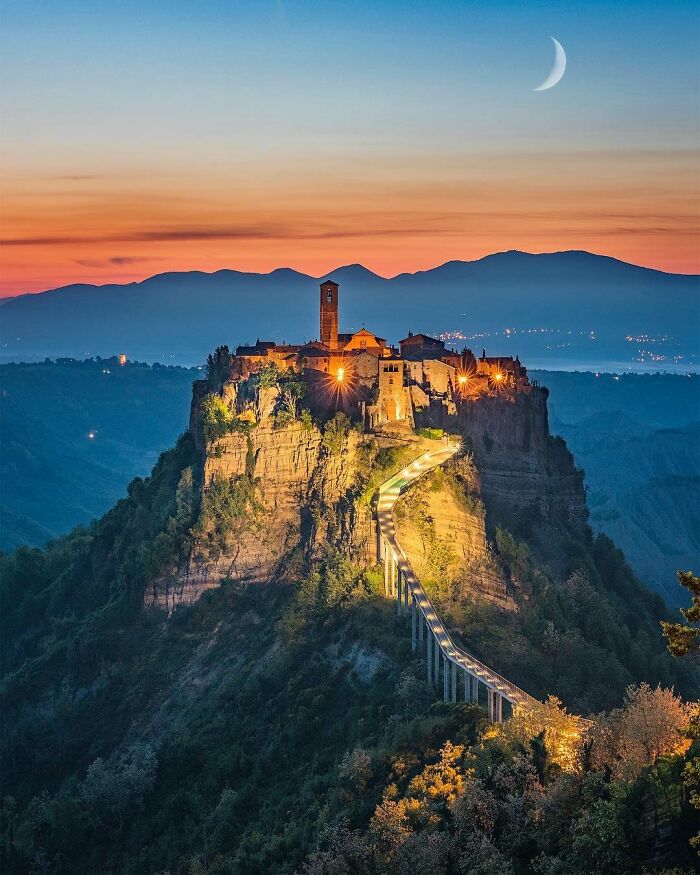
# Civita Di Bagnoregio, The “Dying City” Of Italy

Civita Di Bagnoregio, The “Dying City” Of Italy
worldbeautiesandwonders
Reportar
27puntos

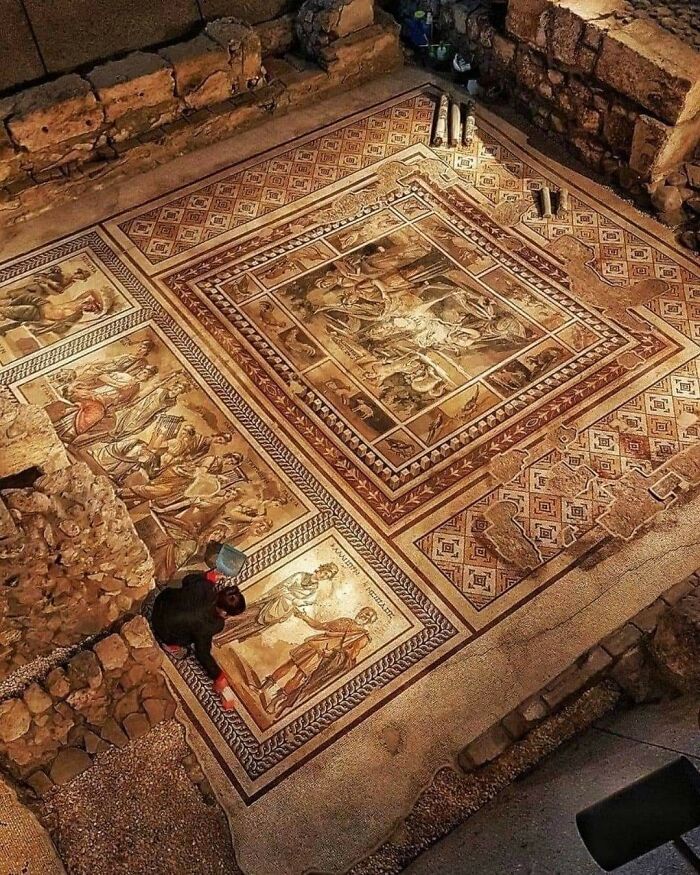
# Antakya, Turkey

Antakya, Turkey
The world’s largest preserved mosaic, opened to visitors in 2019 in Antakya, Türkiye, within the newly constructed Antakya Museum Hotel. The 1,300-year-old, 9,000-square-foot mosaic was unearthed in 2010. Archaeologists and architects worked together to protect the massive piece during construction. A raised platform supported by structural columns now hovers above the mosaic, with designated viewing areas that allow guests to look down upon the artwork. Experts believe the mosaic, composed of complex geometric forms, once floored a public building in ancient Antioch. Earthquakes in AD 526–528 shifted the foundation dramatically, but because the mosaic remained bonded to the moving substrate, the warped surface actually enhances its visual character. Founded in 300 BC by Seleucus I Nicator, one of Alexander the Great’s successors, Antioch served as capital of the Seleucid Empire until the Roman conquest in 63 BC. It later became the seat of the governor and a major crossroads for trade linking the Mediterranean with the East. At its height, Antioch reached roughly half a million inhabitants and rivaled first Alexandria and later Constantinople as the empire’s second city. Today, Antakya is renowned for the extraordinary quantity and quality of mosaics beneath its streets. The Hatay Archaeological Museum houses an unparalleled Roman mosaic collection, many lifted and conserved indoors. Thus, when construction of a hotel exposed a monumental late Roman mosaic, the discovery—though remarkable—was not astonishing. What set it apart was the unprecedented approach to conservation: rather than removing, covering, or bypassing it, the archaeological team and architects created a hybrid “museum-hotel.” Emre Arolat Architecture aligned structural supports along an ancient riverbed cutting through the site, placing them outside the mosaic’s footprint. A platform carrying the hotel’s shared spaces—ballroom, conference halls, pool, gym—was built above, with corridors and viewing decks integrated for observing the archaeology below. Prefabricated room units were stacked overhead to minimize on-site building activity and avoid harming the mosaic. Walkways and bridges allow open views of the ruins throughout the hotel.
worldbeautiesandwonders
Reportar
26puntos

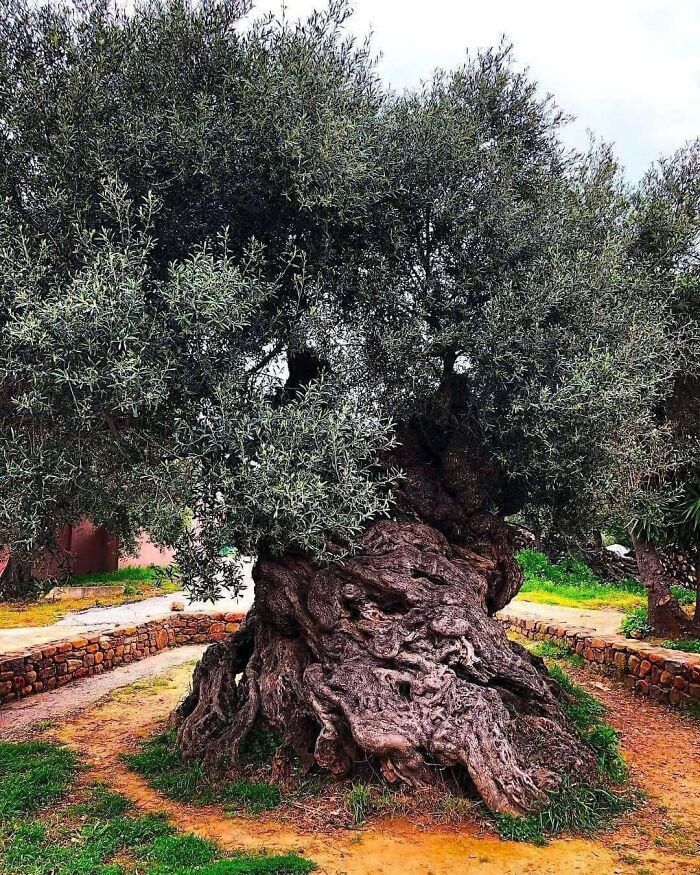
# The Olive Tree Of Vouves, Crete

The Olive Tree Of Vouves, Crete
The Olive Tree of Vouves in Crete is considered the oldest living olive tree on Earth, estimated at over 3,000 years old. Declared a Natural Monument in 1990, it continues to bear fruit and symbolizes endurance, renewal, and immortality. Its sculptural trunk and historical continuity attract visitors from around the world, representing the deep cultural bond between Greece and the olive tree.
worldbeautiesandwonders
Reportar
25puntos

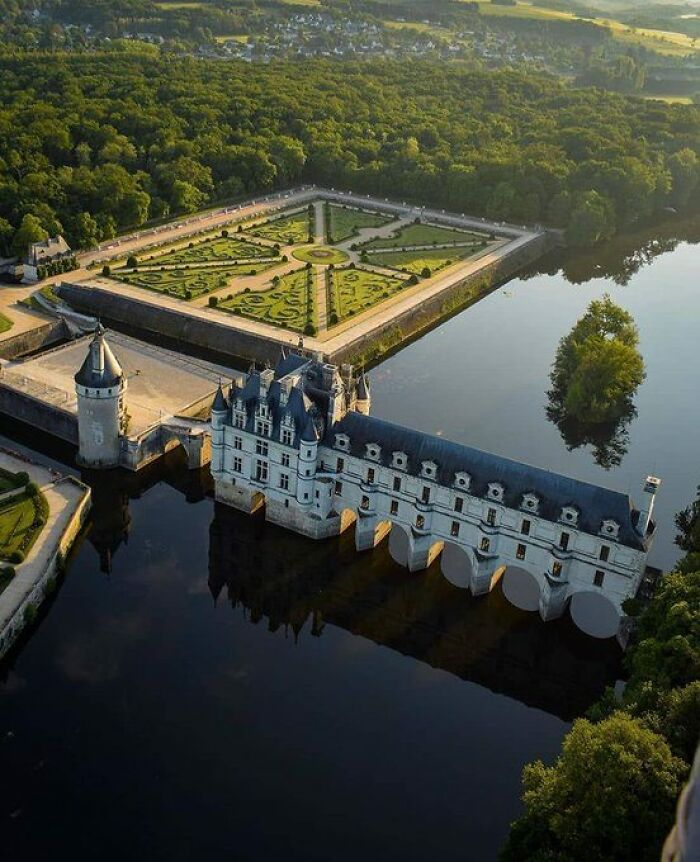
# Château Des Dames, Chenonceau, France

Château Des Dames, Chenonceau, France
Known as the Château des Dames, Chenonceau (1522) is among the most beautiful castles in the Loire Valley and all of France.
worldbeautiesandwonders
Reportar
24puntos
65
7