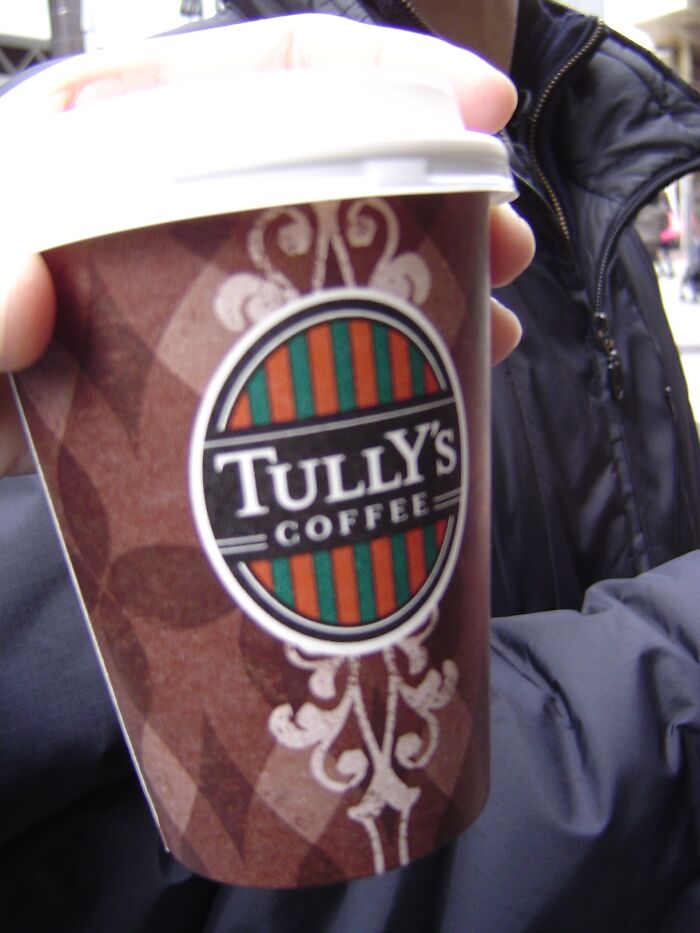
Kyoto—Japan's former capital city for more than a millennium—is one of the oldest cities in the country that has a rich culture and deeply entrenched traditions. Loved by tourists and locals alike, the city has managed to seamlessly combine modernity with ancient traditions. What's even more interesting about Kyoto is that its unique culture can be seen in... the signs! Signs and logos of convenience stores, restaurants, and coffee shops have been altered and re-colored to fit the unique vibe of Kyoto. Scroll down below to find out more!
As it turns out, the city of Kyoto, Japan has strict rules for city planning
Image credits:
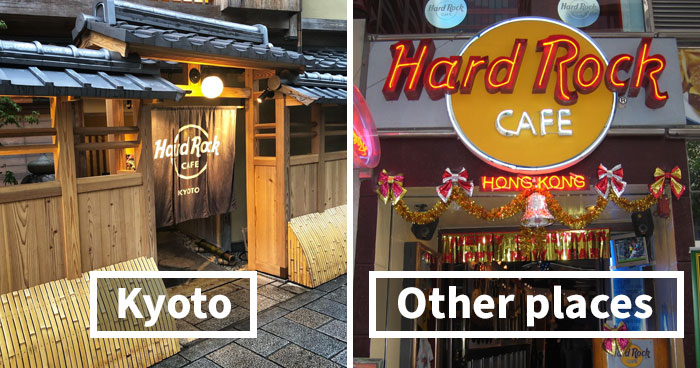
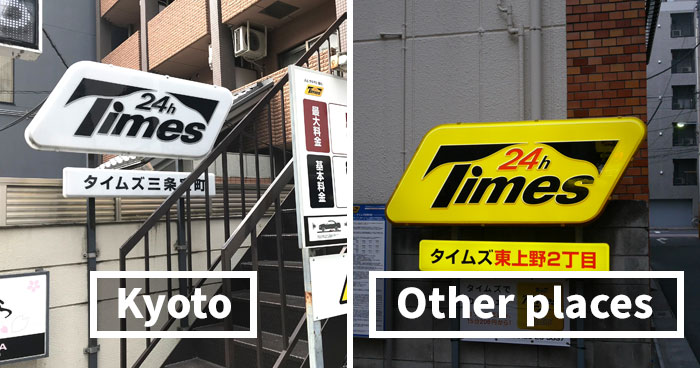
Victor GusukumaThe city of Kyoto is planned so as to preserve its historical scenery. For this reason, in 2007, the Miyako Landscape Guidelines were created that set strict rules and regulations regarding the height, color, and design of buildings, including even their outdoor advertisements. The set of rules basically prevent buildings, signs, etc. from clashing with the original image of Kyoto and its rich heritage.
Image credits:
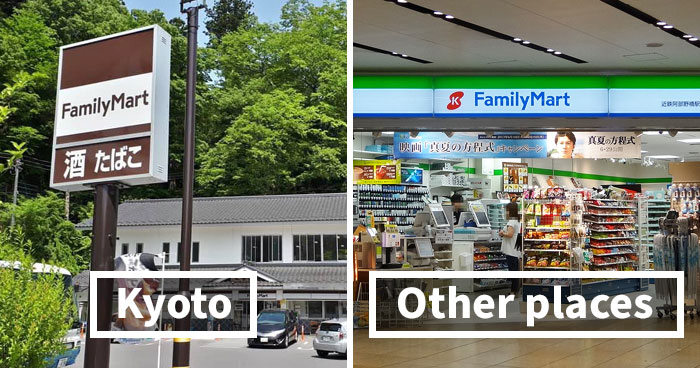
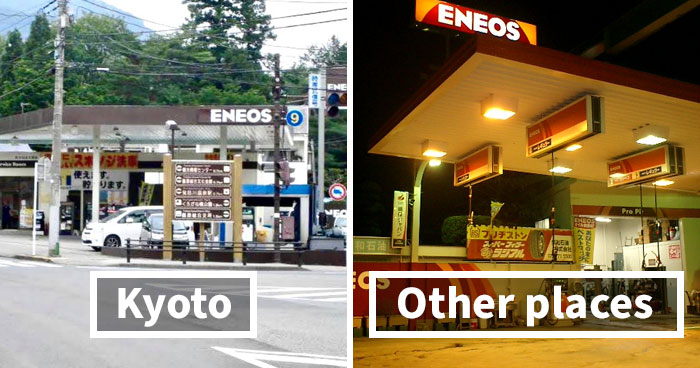
Victor GusukumaIn the city, the logos and signs of businesses must be adapted to fit the original scenery
Image credits:
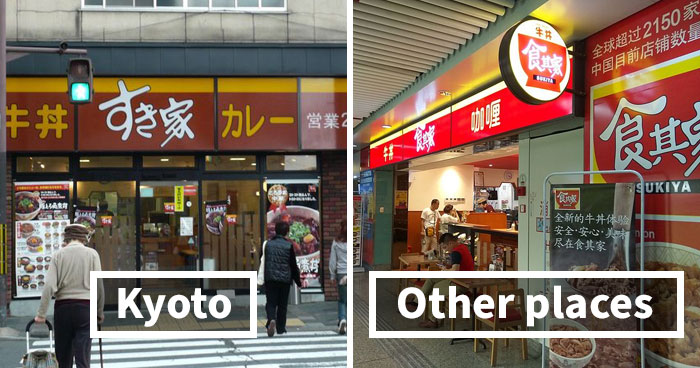
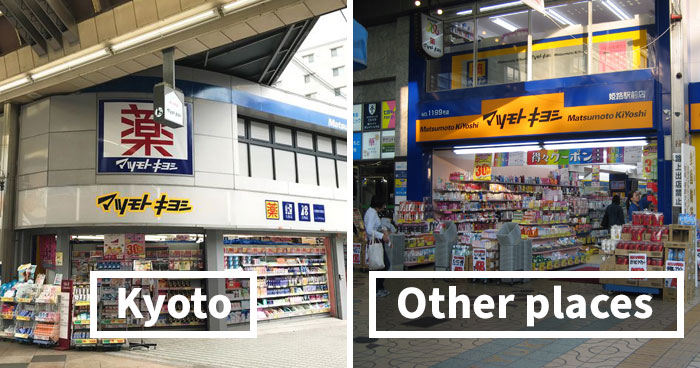
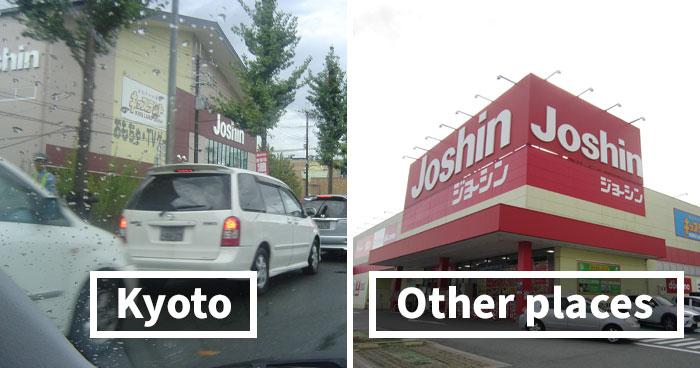
Victor GusukumaTsunagu Japan has outlined some of the regulations for the city: “Roof tiles are to be silver-colored,” “Metal sheets other than copper sheets must be dark gray or black with no gloss,” and, “Walls with R hues [on the Munsell system] may not exceed 6 in value.” This the reason why logos of businesses and enterprises look slightly different in Kyoto than elsewhere in the world.
Image credits:
Victor GusukumaThe strict guidelines were enforced back in 2007
Image credits:
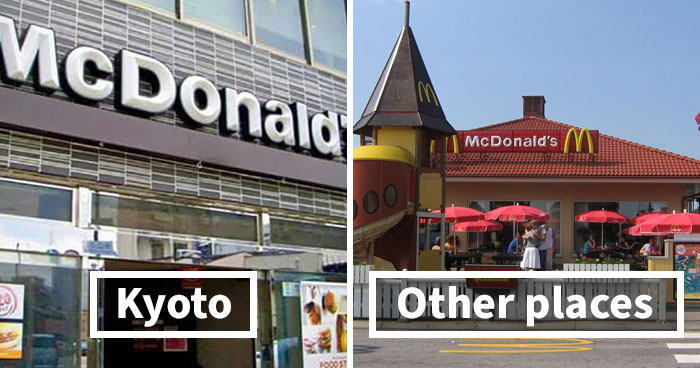
Victor GusukumaOne of the world's most popular fast food chains—McDonald's—is known for its yellow letter M on a red background. In Kyoto, however, while the logo is yellow, the overall design is sepia-colored and blends in with the rest of the surrounding buildings. Like most stores in the city, McDonald's used a brown color for the background in order to maintain Kyoto's overall style.
Image credits:
Victor GusukumaThey usually involve changing the colors of the logos
Image credits:
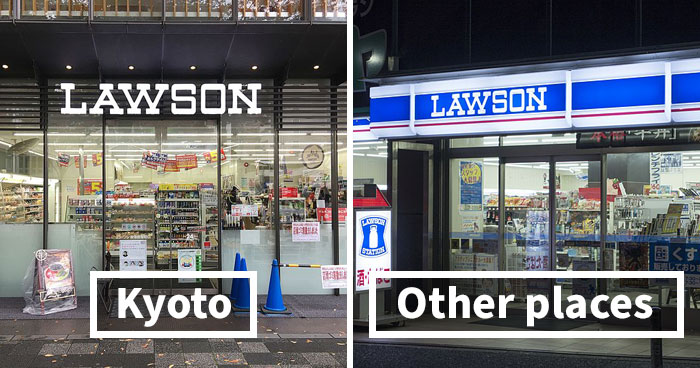
Victor GusukumaLawson is yet another majorly popular convenience store in Japan that recently branched out to Indonesia, China, the Philippines, and Thailand. The original design of the store features light blue and pink colors. In Kyoto, the logo design is toned down, and the light blue color is used only as an accent.
Image credits:
Victor GusukumaGlobal as well as local brands have to adapt to the city's brownish color scheme
Image credits:
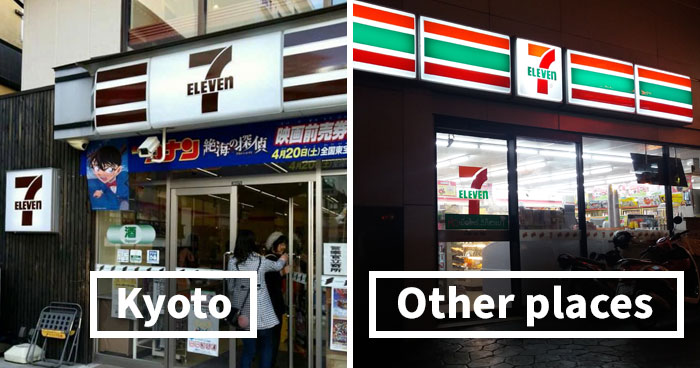
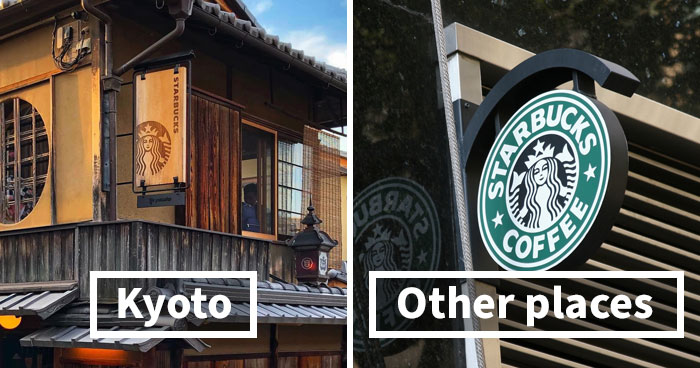
Victor GusukumaStarbucks—which is known for its white and green-colored logo—also altered its sign in Kyoto to blend in with traditional Kyoto-style houses. Same goes for 7-Eleven, a chain of convenience stores with 20,000 branches in Japan and 60,000 worldwide. All around the world, it has a bright logo with orange, red, and green stripes. In Kyoto, the logo features a calm combination of brown and white. Tsunagu Japan writes that while some branches have maintained the original colorful logo, they made the white stripes transparent to make them blend in more with the surroundings.
Image credits:
Victor GusukumaIn order to maintain the harmonious scenery of the ancient Japanese city
Image credits:
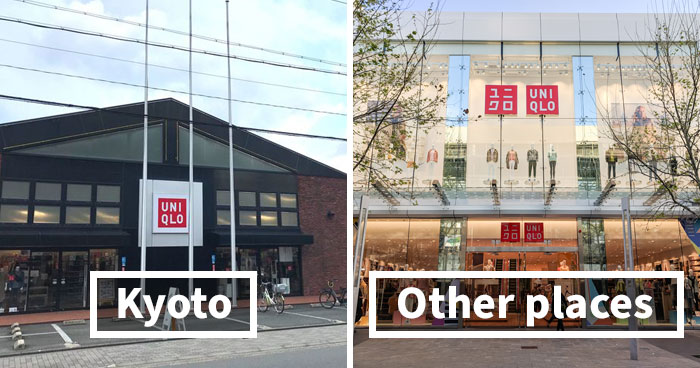
Victor GusukumaJapanese clothing brand Uniqlo, which is known for its affordable yet high-quality clothes, has over 2,000 branches all around the world. Its logo features white text in a square bright red logo. Some branches of the store in Kyoto have framed the logo with a white border to make it look more elegant.
Image credits:
Victor GusukumaHowever, not only buildings are painted brown
Image credits:
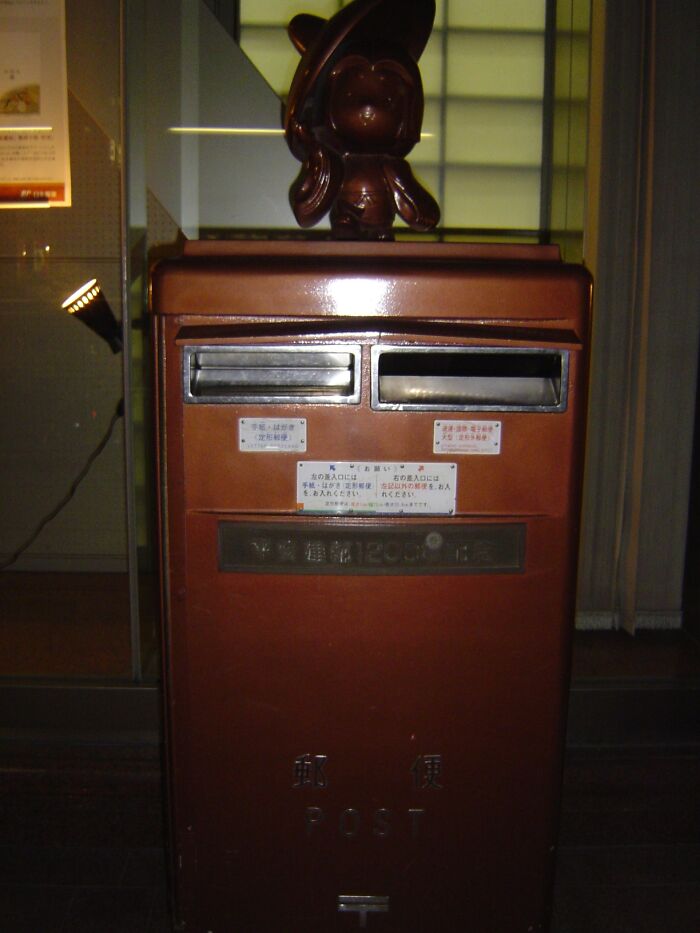
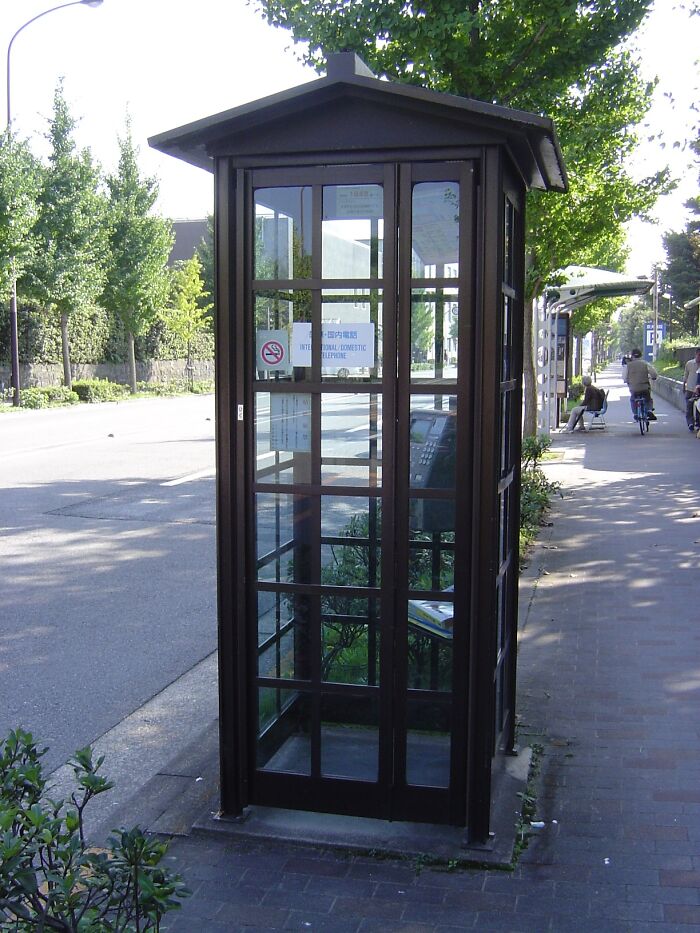
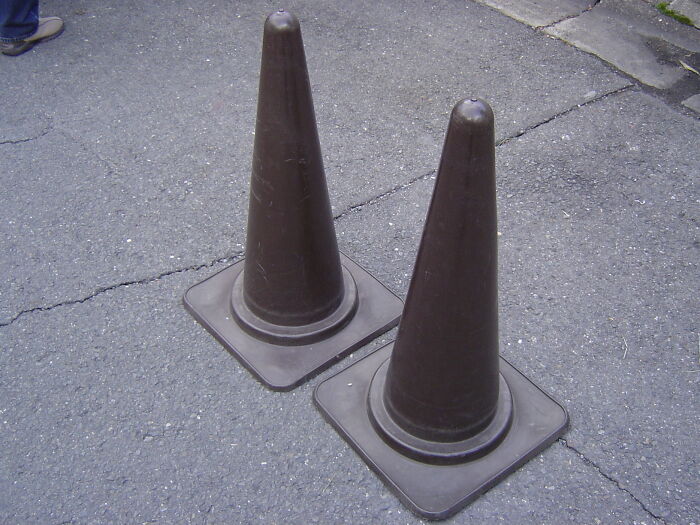
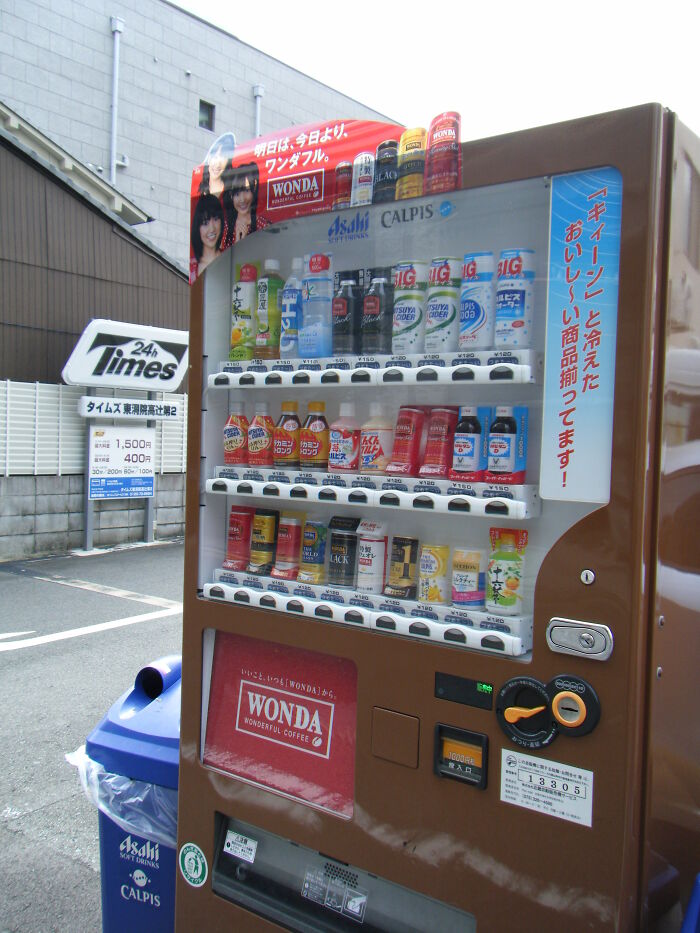
buraburakyotoHowever, the style guidelines are applied not only to buildings. In Kyoto, vending machines, street cones, mailboxes, and telephone booths are dyed in a brown-ish color to fit the overall chic vibe of the city.
Image credits:
buraburakyotoBut also the city's mailboxes, street cones, and telephone booths
Image credits:
buraburakyotoImage credits:
buraburakyotoHave you ever been to Kyoto? Did you notice the city's color scheme? Share in the comments down below!
Image credits:
buraburakyoto