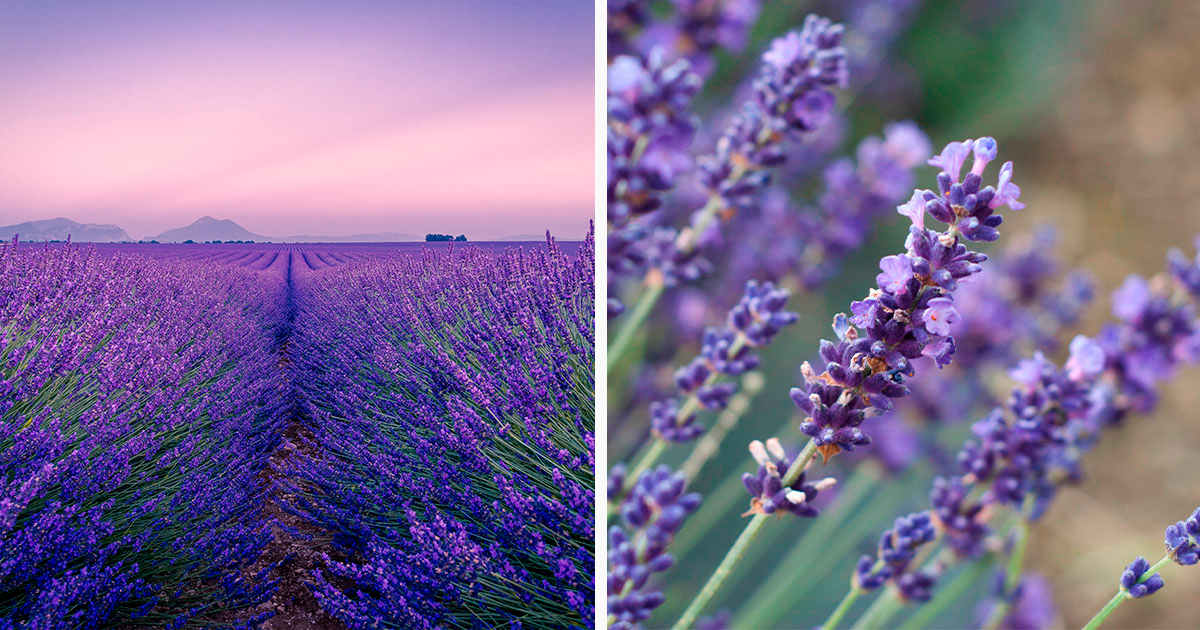
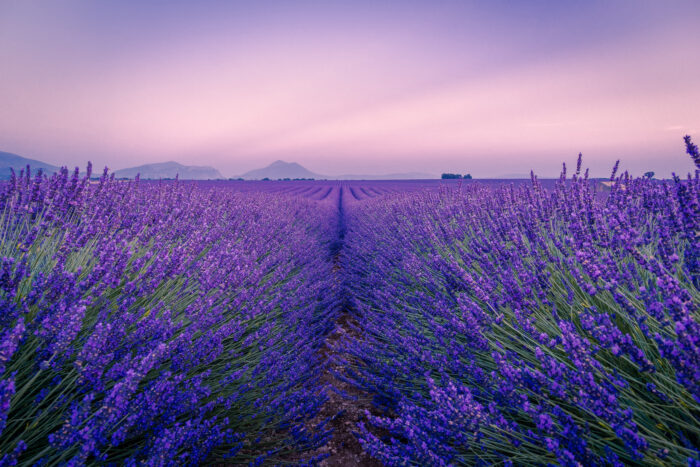
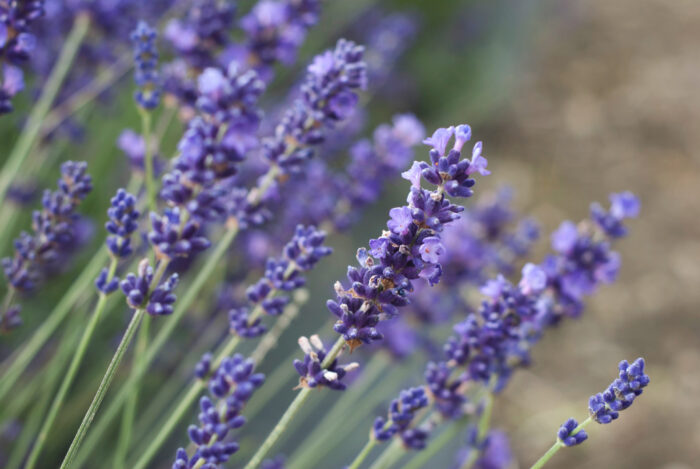
No other flower has garnered so much attention as the elegant lavender plant. It occupies the nose with a sweet aroma, captures the eye with its beauty, and the best part is that it doesn’t require constant care. You can grow this beauty indoors or outdoors, wherever you prefer.
However, growing and caring for lavender isn't as easy as planting a seed. To grow a healthy and beautiful lavender flower,you must consider a few essential things. To save you time and nerves, we’ve created a guide that covers all of them: planting, caring, and even use of this plant.
Image credits: Antony BEC Quick Facts
Lavender Plant Types
Instead of one, you can choose between several lavender varieties. While all of them are beautiful, each type has different characteristics, allowing them to stand out.
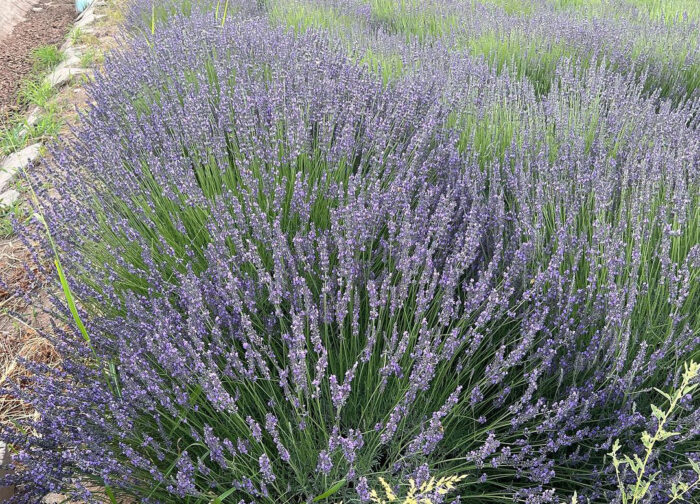
English Lavender (Lavandula angustifolia)
Image credits: Gemma Evans This variety is a must-have for creating an herb garden. English lavender has a pleasant aroma and effortlessly adds beauty to your surroundings. Moreover, it will act as a natural repellent for certain bugs and even larger animals like deer and rabbits. The English variety has a few different cultivars.
French Lavender (Lavandula dentata)
While not as aromatic as its English counterpart, French lavender is known for its purple blooms. The lavender tends to bloom all year round if grown in a warmer climate. Depending on the climate, cultivars can develop interesting colors.
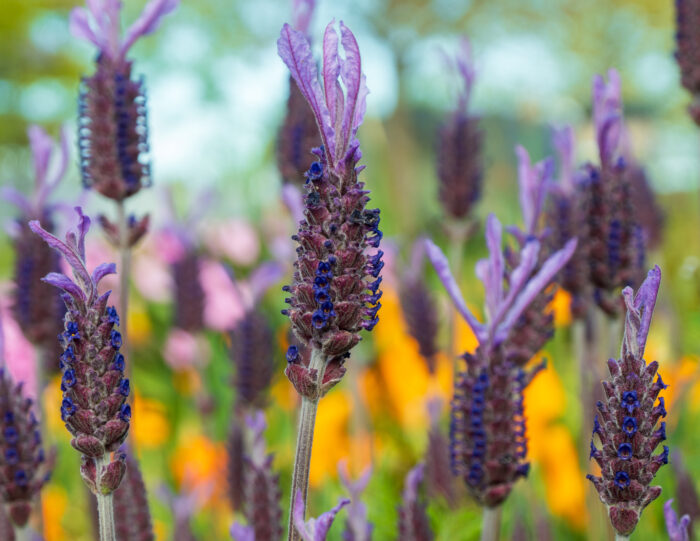
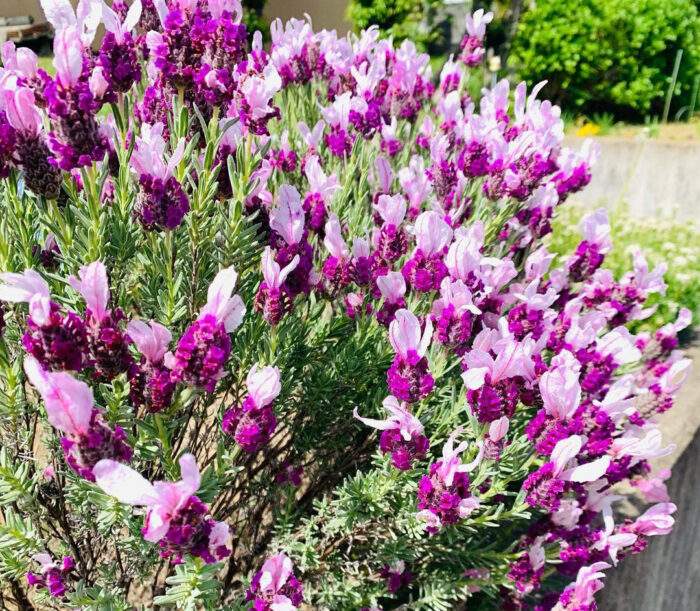
Spanish Lavender (Lavandula stoechas)
Spanish lavender is known for its upright petals that appear at the top of the flower heads, giving the blooms a rabbit-like appearance. A shrub-like plant, this variety provides visual and practical benefits (more on that later). Cultivars offer a colorful selection.
Lavandin (Lavandula x intermedia)
Image credits: asifembroidery Lavandin is a hybrid plant, a cross between two lavender species: English lavender (Lavandula angustifolia) and Spike lavender (Lavandula latifolia). Due to its natural camphor production, Lavandin can repel moths and other pests. Its cultivars are as beautiful as they are useful.
Where, When, and How to Plant Lavender
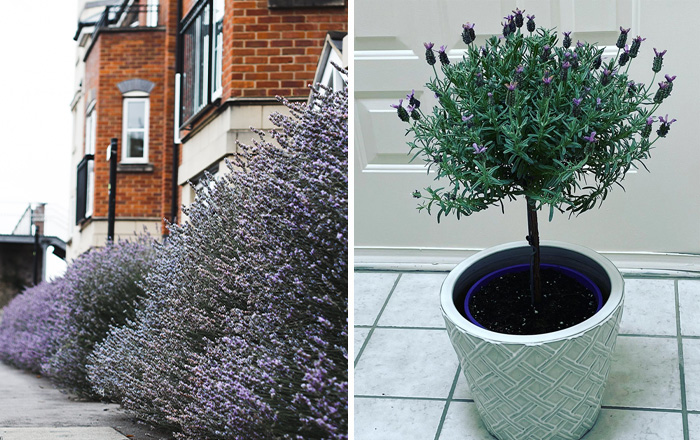
Image credits: Vladimir Gladkov Image credits: joyceannlavin Picked the variety you like? Well, now you have to plant it. However, you shouldn’t plant it whenever or wherever you want. You should carefully consider where, when, and how to plant lavender. This will ensure you start your lavender plant in the best conditions.
Location-wise, most lavender varieties grow best in sunny locations. Choose a location that receives a minimum of 6 to 8 hours of sunlight daily. You should plant your lavender on a raised surface (gardening bed or ridge), which is 8 to 12 in (20 to 30 cm) high. Depending on whether you’re growing lavender in groups or hedges, you will want to distance the plants differently.
Timing is everything. When it comes to your typical lavender, you do have a large timeframe to work with. However, it’s best to plant it when the soil is warming up, usually around April and May. Planting in mid-spring gives the roots plenty of time to develop before the upcoming colder seasons.
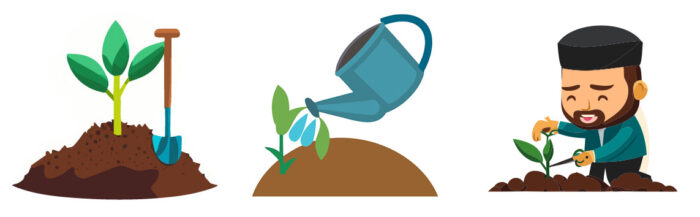
Now it’s time to cover the “how” part. Here’s an easy step-by-step guide on how to plant your lavender plant outside. So go grab your shovel, and let’s get started!
Step 1. Dig out a hole the size of the rootball. (Tip: Mix some sand or gravel into the soil to improve drainage)
Step 2. Unpot your pre-bought starter plant and plant it.
Step 3. Fill in the empty space and add some mulch to keep weeds at bay. (Tip: rock or pea gravel works great)
Step 4. Immediately after planting, water the plant thoroughly. Later, as the lavender establishes, water once or twice a week, allowing the soil to dry slightly between waterings.
You can grow your lavender in an indoor/container setting, too. Here’s a step-by-step guide to growing your lavender indoors.
Step 1. Grab a container. Ensure it fits the rootball and provides just an inch of extra space. Make sure it has one or two drainage holes at the bottom. (Tip: Take time to prepare the right soil mix. While the plant might live in even the worst of soils, a little help goes a long way)
Step 2. Fill the new pot about one-third to half full with the potting mix.
Step 3. Gently remove the lavender plant from its nursery container. Place the lavender plant in the center of the pot, ensuring it sits at the same level it was in its original container.
Step 4. Water. If it’s hot or the compost dries out—water more. A rule of thumb: water your plant once a week, if needed, twice. (Tip: Make sure to water the base of the plant and not the foliage)
Lavenders are known to require little care and be trouble-free. However, while ensuring it grows in the conditions it enjoys is a great start, proper care will keep your lavender flourishing for years. Remember, even with the best care, this plant usually lives for ten years on average.
Light
The more—the better. One of the Mediterranean plants, lavenders grow best in full sunlight. The more sunlight it gets, the healthier and the more fragrant the flowers will be.
Soil
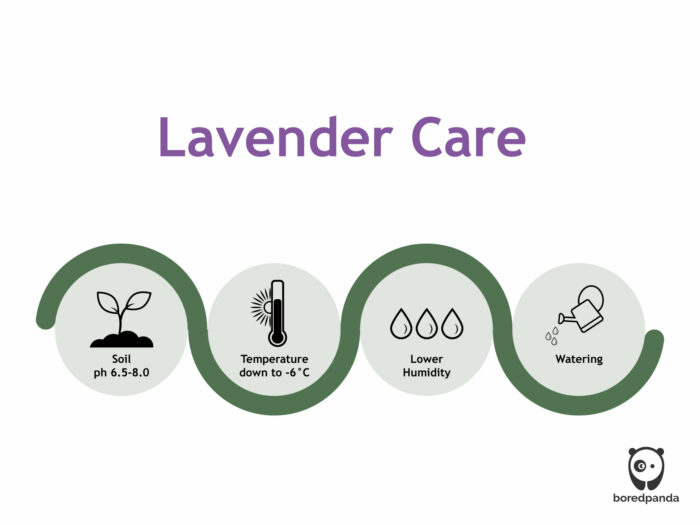
Lavender likes lean or low-fertility soil. To ensure optimal soil conditions, you might need to amend your soil with organic matter like sand or gravel to improve drainage and adjust pH levels if necessary. Lavender prefers slightly alkaline to neutral soil with a pH ranging between 6.5 and 8. It’s also important to regularly check the soil moisture levels. Overwatering is a big no-no.
Water
Once planted, ensure the soil is consistently moist but, once again, not waterlogged. Overwatering is the main culprit that leads to root rot. Once established (usually after the first few months), water only when the surface of the soil feels dry.
Temperature and Humidity
Your common lavender can withstand quite hostile temperatures. However, each variety handles the weather differently. A French lavender, for example, can survive mild frosts and temperatures down to ~20°F (-6°C) for short periods. The English counterpart is even more cold-hardy. However, to add that extra layer of protection, you could add some mulch or rocks around your plant.
Lavender generally prefers lower humidity and won’t tolerate high humidity levels for long. Hence, try to ensure optimal drainage and good air circulation.
Fertilizer
Lavender is known for growing well in the poorest of soils. However, you should add a small amount of compost when planting. A bit of compost during planting gently boosts nutrients for lavender without making the soil too rich. After that, your lavender won’t need any additional fertilizer again.
Long-Term Maintenance of Lavender
Pruning
Although harvesting flowers naturally prunes the plant, some spring pruning helps encourage new growth. Most pruning takes place with mature lavender plants. If your plants grow too tall and woody, cut the woody stems back by one-third. However, don't cut into the woody base. Trim the stem about 2 inches above the woody part. Or, if you want a whole new plant, cut your lavender to the base, where new growths are visible.
Potting and Repotting
The problem with lavenders? They grow large root systems. If growing this plant in a container, repotting isn't only advisable but necessary. You should repot your lavender into a new container yearly to ensure it stays healthy and beautiful. Make sure to use a sandy or gravelly potting mix that mimics the well-draining conditions lavender enjoys.
Overwintering
You can take extra precautions to protect your lavender during the colder months. The first step is to add a layer of mulch around the base. Mulch creates a warm upper layer that can keep your plant’s roots safe from the cold. Secondly, you can lightly prune the plant to prevent snow or ice damage.
Harvesting
You should harvest the flowers as they are about to open up. Once done, leave the flowers to dry in a warm place with good air circulation. Once they are dried, you can use them however you want: in salads, stews, or as seasoning. But more on that later!
Lavender Propagation
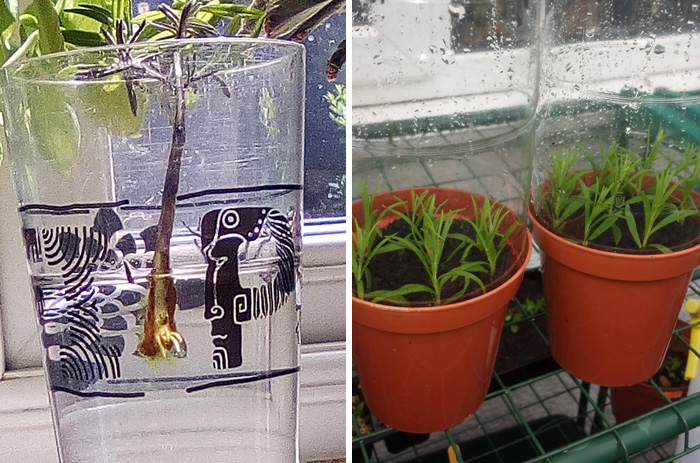
Image credits: maxwelts Image credits: constablo If you like the flower, you might want to grow more of it. The best way to do so is through cuttings. The process is easy and very cost-effective. You can propagate lavender by water or soil.
Propagating in Water
Propagating by water might lead to root problems, so make sure to grow several cuttings simultaneously.
Step 1. Prepare some glass containers. Fill them with water.
Step 2. Take 6 in (15 cm) cuttings from new growth. (Tip: Softwood cuttings are generally easier to propagate because they root quicker)
Step 3. Remove lower leaves. (Tip: Optionally, dip cuttings in rooting hormone)
Step 4. Place cuttings into the containers. Make sure you keep the cuttings in a sunny location.
Step 5. Change the water every four to five days.
Step 6. Once the roots develop, go ahead and transplant your baby lavender! If you want to plant outside, ensure the soil is warm enough.
Propagating in Soil
Propagating in soil is generally safer and more efficient. Cuttings propagated in soil tend to develop stronger root systems and are better prepared for the transition to being planted in the ground or in pots compared to those started in water. Here are the steps:
Step 1. Take cuttings from softwood or semi-hardwood stems.
Step 2. Remove the lower leaves to expose nodes for rooting.
Step 3. Use a well-draining mix of soil, sand, or perlite and make small holes in the soil mixture. (Tip: you can use a rooting hormone powder to enhance root development).
Step 4. Insert the cuttings into the holes.
Step 5. Place the pot in a sunny spot. Water the plant when the top layer of soil feels dry.
Step 6. Over 2 to 4 weeks, roots will start to develop. Once they’re several inches long, transplant the cuttings.
Uses for Lavender
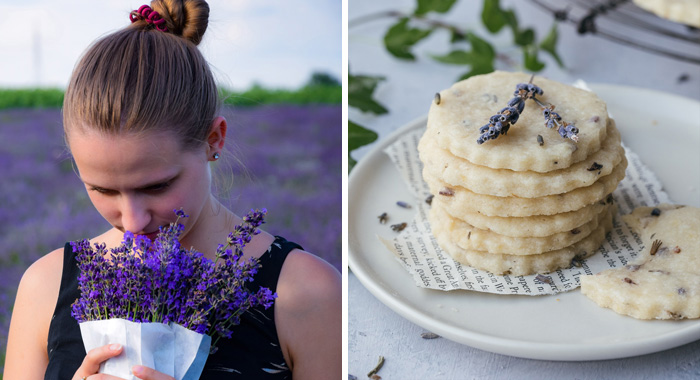
Image credits: Richárd Ecsedi Image credits: Heather Barnes The uses vary depending on what you are looking for. You can use it to treat mild health problems or add a pleasant scent to your house. Below, we have compiled some of the best uses for your dry (or fresh!) lavender flowers.
Common Diseases and Pests
Image credits: mrmegamannn No plant is immune to diseases and pests. Luckily, lavenders are somewhat resistant to the more common diseases. However, your lavender might still face challenges, especially fungal diseases. Phytophthora, for example, can cause problems like root rot. Another issue might be septoria, a fungal disease that affects the plant’s leaves.
In terms of pests, the smell should deter the more common ones. However, if the scent is too weak, your lavender plant can fall victim to some nasty pests. From spider mites to whiteflies, a simple solution to get rid of most pests is spraying the plant with a mixture of soap and water.
Common Problems
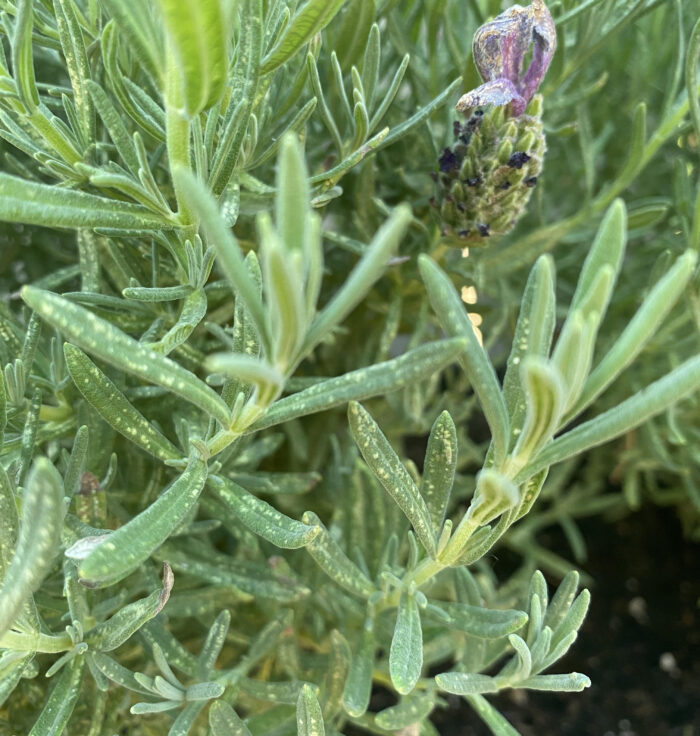
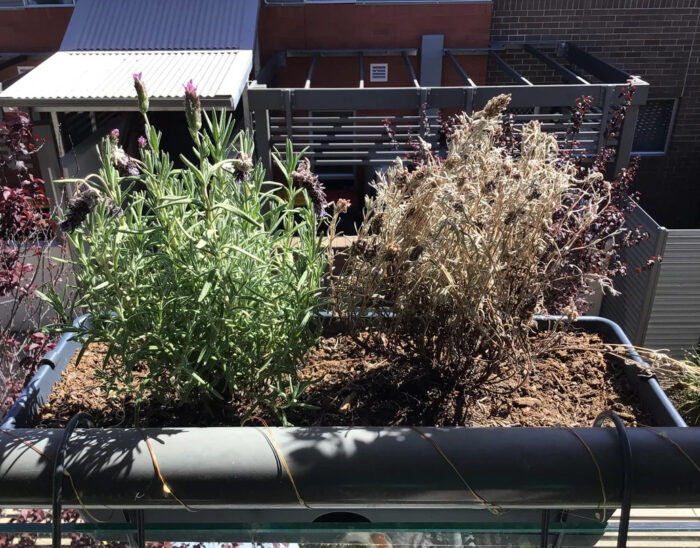
Image credits: reddit.com Common problems are usually the same across the whole plant family. Understanding the issue can help you identify the problem and find the right solution.
Issue: Leaves dropping or turning yellow.
Reason: Too much or too little water.
Solution: Repot or water when the top of the soil feels dry.
Issue: Awful smell
Reason: Root rot.
Solution: First, make sure you don’t overwater the plant. Secondly, cut off the rotten parts with a clean knife or scissors. Just make sure not to damage other roots.
Issue: Lavender isn’t flowering.
Reason: Lack of care or too much of it.
Solution: Too much nitrogen-rich fertilizer can lead to healthy foliage but relatively weak, tiny flower buds. Give your lavender enough water to survive and as much sunshine as possible, and it will flower nicely.
And there you have it—a comprehensive guide to growing a stunning lavender plant! We hope you found this guide helpful and will share it with a fellow green thumb. If you have any more problems (or maybe tips), share them in the comments below. We will try to answer them as best as we can!
Also, if you love fragrant flowering plants, try growing even more varieties to infuse your garden with colors and delightful aromas. You can plant a gorgeous Bird of Paradise plant, Dianthus, or even a Begonia! FAQ
When Not to Use Lavender?
If you are allergic or experience uncomfortable or dangerous side effects when using products with lavender, stop using them.
Does Lavender Grow Better in Pots or Ground?
Lavender can thrive in both, and each environment has its own set of advantages and disadvantages. For example, potted lavender allows better control over soil conditions, but when planted in the ground, lavender can establish stronger root systems. Ultimately, success depends on factors like your climate, soil quality, available space, and how well you care for it.
Is Lavender Safe for Cats?
Lavender is toxic to cats as they can’t digest the flower, potentially causing side effects like nausea. However, it usually takes a significant amount to experience severe problems. Nevertheless, if your cat has ingested lavender and is showing concerning symptoms, it’s best to seek advice from a veterinarian.
Is Lavender Safe for Dogs?
Lavender can be dangerous to dogs, especially when ingested. But the danger doesn’t stop here. Because of their keen sense of smell, dogs can develop breathing problems when exposed to too much lavender. So, while your nose might like it, it might not be the same for your dog. Nevertheless, before using lavender products on your dog, it’s best to consult with a veterinarian, especially if your dog has a history of allergies or other health issues.