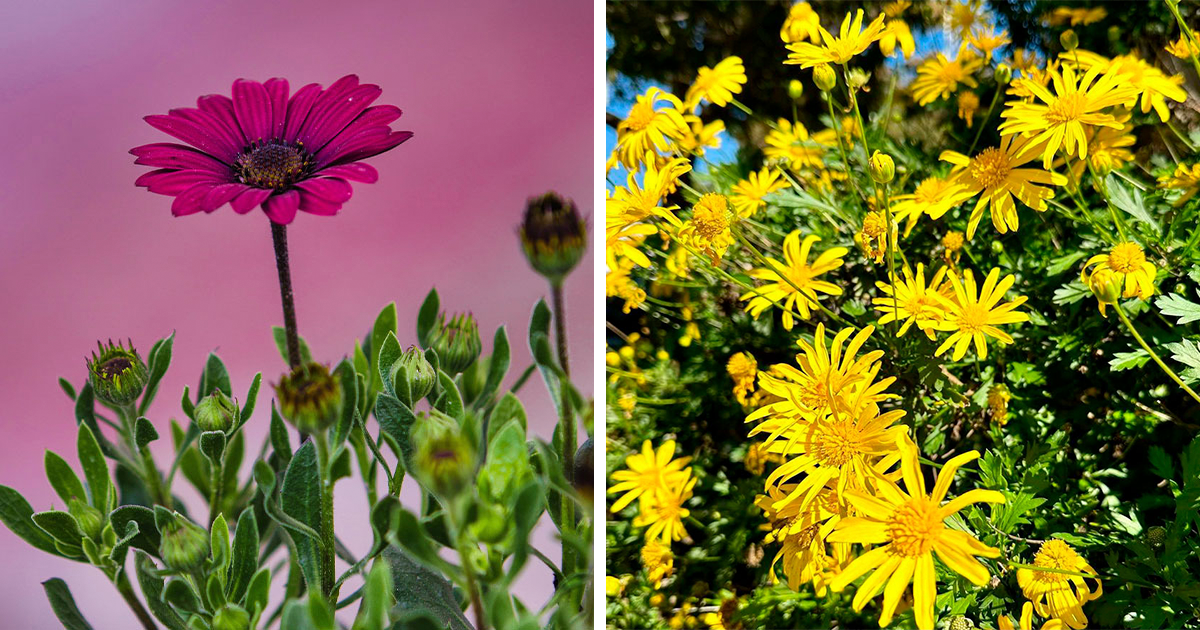
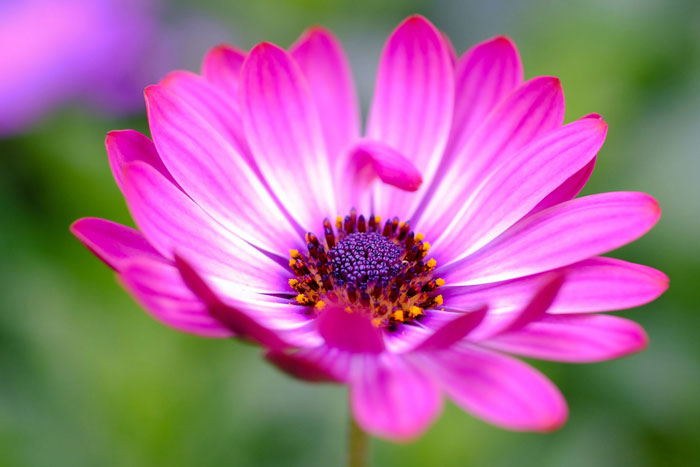
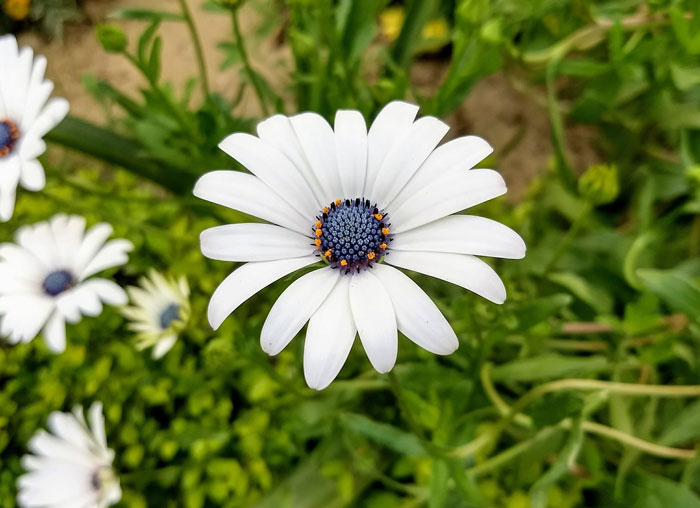
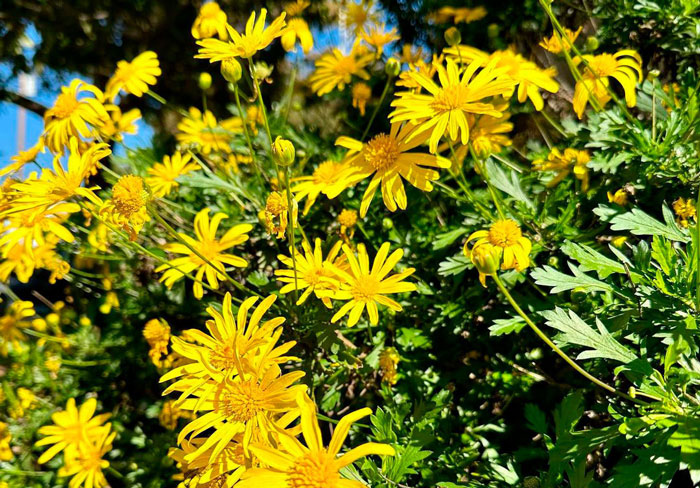
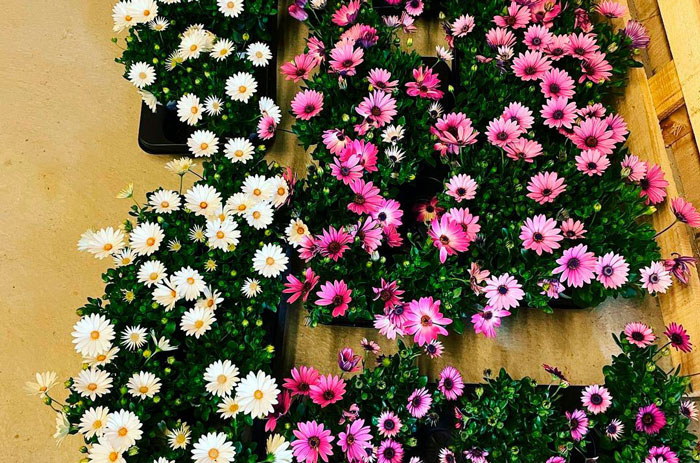
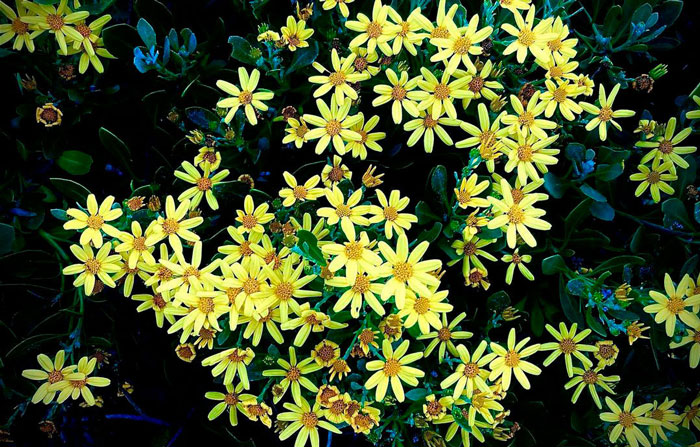
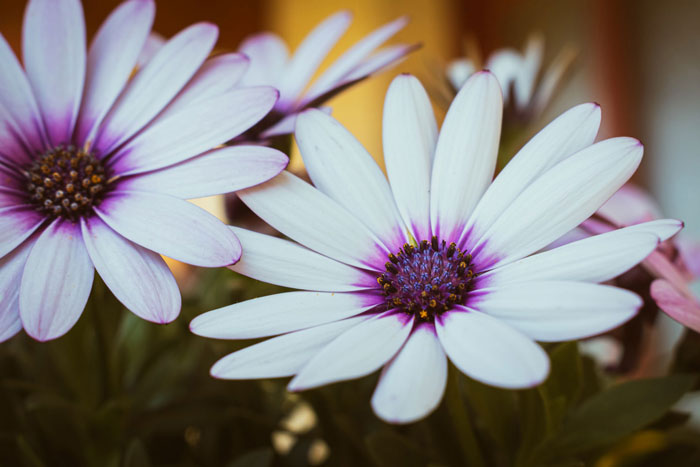
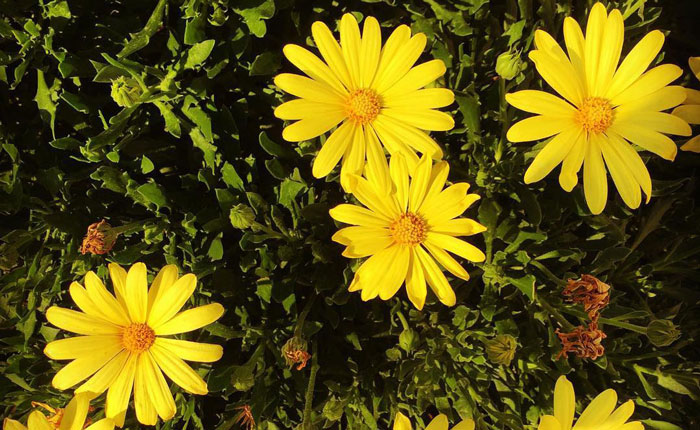
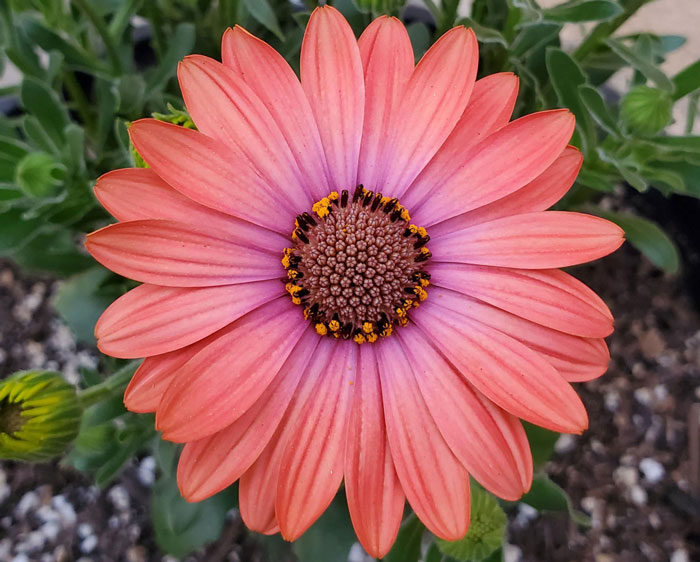
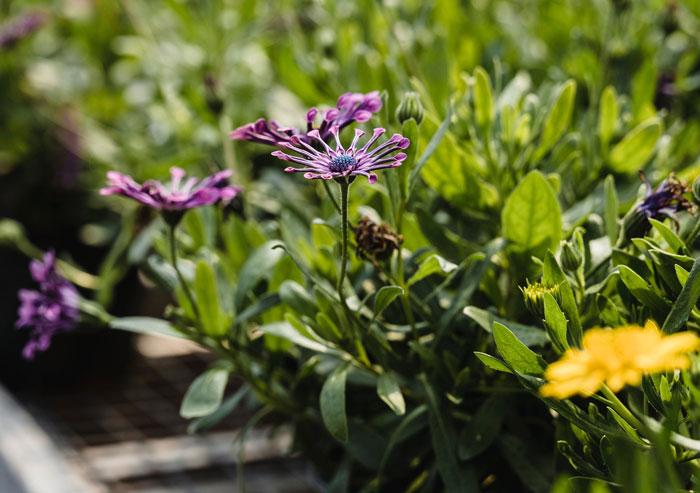
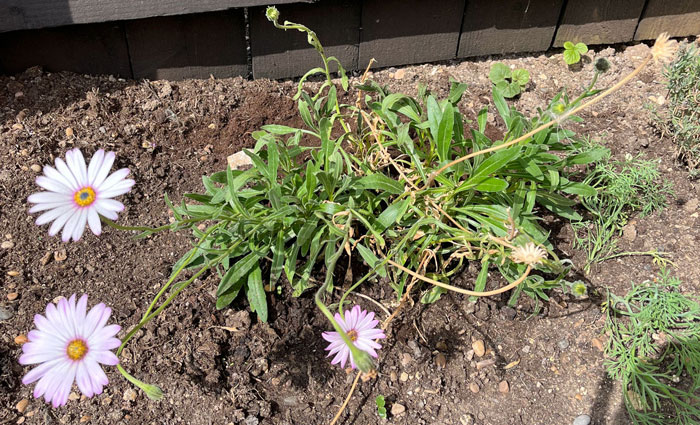
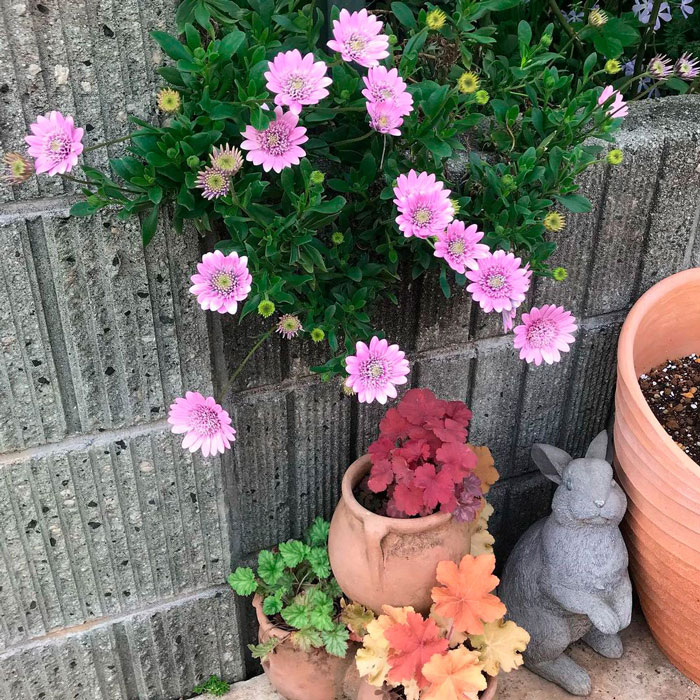
Osteospermum, commonly known as African daisy or Cape daisy, is a recent addition to the gardening world. Member of the Asteraceae family, it has that classic daisy look—a central disc surrounded by flat, oval petals that grow on the outer edge. The petals come in beautiful shades of white, purple, pink, blue, or orange. The center disc is usually darker, making the whole flower pop. Even its silver-green foliage looks beautiful!
These colorful flowers are an excellent choice for growing along garden edges or in containers. Moreover, they are easy to grow and care for. So, if you’re just starting out with gardening, African daisies won’t be a pain in the grass! Without further ado, let’s look at how to cultivate and care for these delicate beauties.
Quick Facts
Different Types of Osteospermum
The genus Osteospermum includes five species:
Blue-eyed Daisy (Osteospermum ecklonis)
This is the most common variety from which many cultivars and hybrids have been developed. It’s often recognized for its striking blue center surrounded by petals in different colors, including white, purple, or orange. Yet another thing that makes them so special is the mesmerizing color contrast—an intense blue or violet center against the softer hues of the petals.
Trailing African Daisy (Osteospermum fruticosum)
This species is known for its trailing or cascading growth habit, making them excellent for hanging baskets, containers, or as ground cover. It produces white, pink, yellow, or purple flowers.
African Bush Daisy (Osteospermum barberae)
Osteospermum barberae is an ornamental shrub that can reach significant heights of up to 6 ft (1.8 m). Its beautiful daisy-like flowers, available in various hues with eye-catching centers, add a burst of color that’s tough to miss.
Jucundum Daisy (Osteospermum jucundum)
This species has yellow-centered flowers with white or pinkish petals. These are wildflowers, often found in rocky grasslands. Their ability to flourish in rocky grasslands showcases their resilience and adaptability, making them a delightful sight in natural landscapes. However, they adapt well to garden settings, too!
Moniliferum Daisy/ Bietou (Osteospermum moniliferum)
This variety produces bright yellow daisy-like flowers and edible berries. It’s classified as a semi-succulent shrub due to its ability to retain water in its foliage, making it somewhat drought-tolerant and resilient in arid conditions. Regarding its size, this variety can reach heights of up to 6.5 ft (2 m), creating a significant presence in a garden.
Five Osteospermum ecklonis Cultivars to Grow
Osteospermum ‘Soprano’ Series
The Osteospermum ‘Soprano’ Series has a compact growth habit, which makes it a good choice for growing in containers. Another thing that makes these plants so special is their ability to continuously produce flowers throughout the growing season, offering a long-lasting display of vibrant colors in gardens, containers, or borders.
Osteospermum ‘Voltage’ Series
This series has intense flower colors, often featuring shades of yellow, purple, pink, and magenta. These flowers stand out for their vibrant, almost neon-like colors that infuse gardens with a bold and energetic vibe. Moreover, these flowers often boast distinct shapes or patterns, further elevating their visual allure.
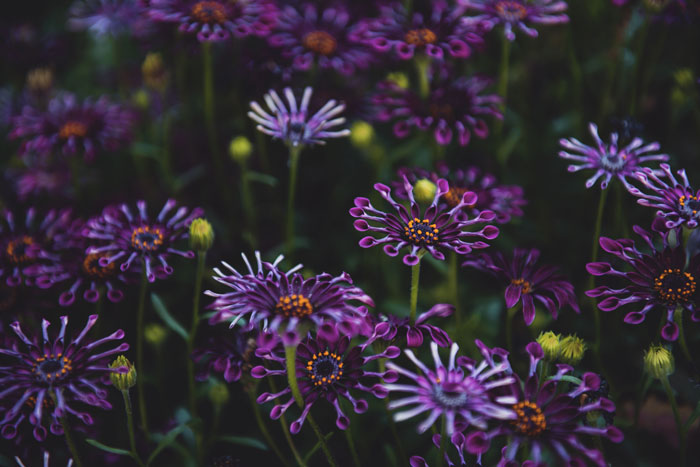
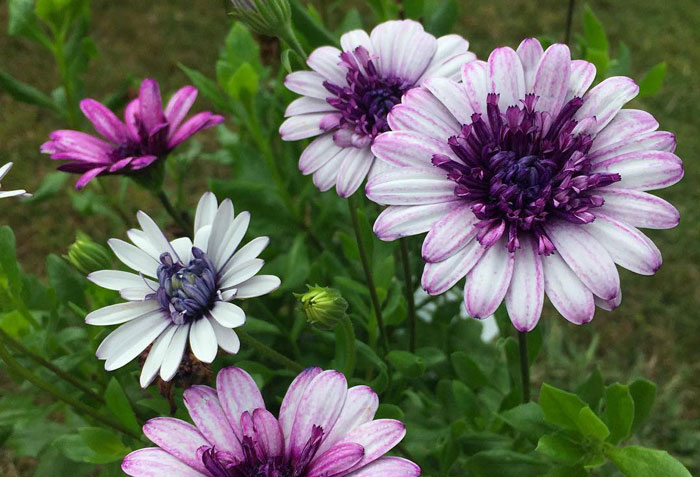
Osteospermum ‘3D’ Series
The 3D series has a unique flower formation, giving it a three-dimensional effect. The flowers typically come in variegated shades of white and purple, blending together to produce a striking and visually intriguing effect. The unique petal arrangement gives each flower a sculptural quality, making them standout additions to gardens or containers.
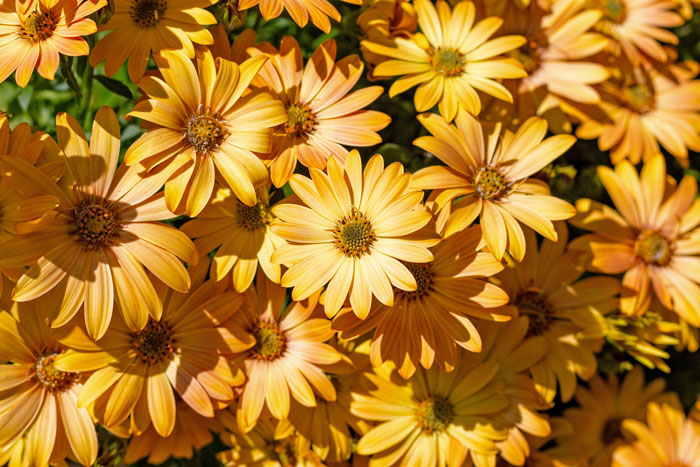
Osteospermum ‘Akila’ Series
These flowers usually have sunset colors—burnt orange, dark red, and deep yellow. What sets these flowers apart is their ability to mimic the warm, fiery hues of a sunset, evoking a sense of warmth and vibrancy in gardens or landscapes. Moreover, they are heat tolerant and known for blooming for a long time.
Osteospermum ‘Serenity’ Series
These flowers have a beautiful bronze shade, making them a gorgeous filler in containers or landscapes. Whether nestled in a container arrangement or scattered across garden beds, these flowers bring a warm and rich tone that complements a variety of plantings, making them a versatile and captivating addition to any setting.
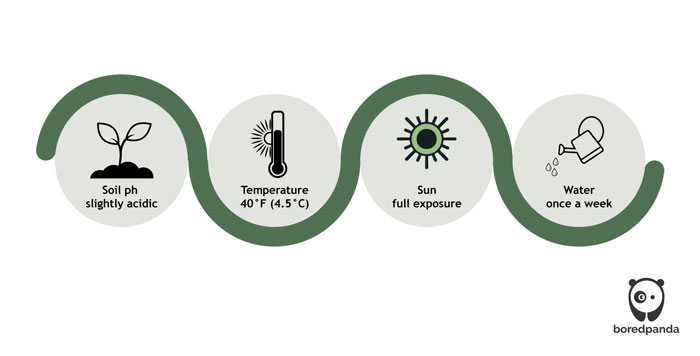
The osteospermum flower is a great choice for garden edges and landscaping to add a burst of color to your outdoor space. If you are growing them in containers, hang them on your patio or deck, where they can receive at least six hours of sunlight. These are sun-loving plants, so find them a spot where they can bask in full sunlight.
However, African daisies can’t tolerate chilly winds and frost. So, avoid planting them in the garden bed if you live in a colder climate. Instead, grow them in small containers that can be moved indoors at night or during winter. Osteospermums need to feel warm and cozy to thrive.
The best time to plant them is early spring or fall, so they have enough time to establish themselves before winter sets in. If you’re in a tropical climate, you can plant osteospermum any time except in summer, when the soil becomes too dry.
Pro Tip: Stagger the planting every 2–3 weeks. This way, you’ll be able to enjoy the blooms longer.
How to Plant Osteospermum
Prepare the soil with a well-draining potting mix. Mix in compost or manure for added nutrients. If you’re planting directly in the garden bed, loosen the soil with a trowel and add compost. Dig small furrows in the soil, around an inch deep or as big as the root ball of your seedling. Pop the plants in, pat the soil gently around them, and water them thoroughly to help them settle in their new home.
Note: Space the seedlings 12–18 inches apart to give the plants enough room to grow.
Osteospermum Care
Osteospermums are tender perennials that can survive for several years in temperate climates. With a little bit of TLC, you can enjoy healthy blooms from spring to fall.
Light
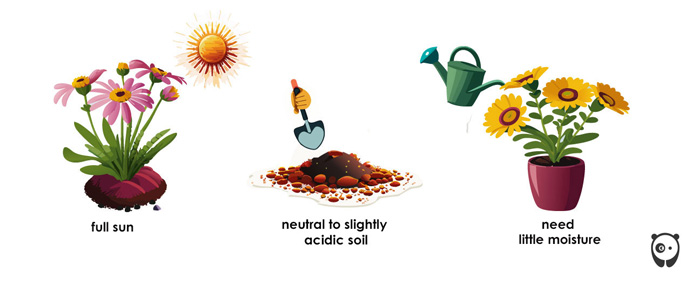
Just like other daisy species, the osteospermum flower needs full sun. The more sunlight it gets, the healthier the flowers will be. If you are growing osteospermum as a hanging plant, place it near a sun-facing window, in a sunroom, or on a deck. Soil
Osteospermums thrive in neutral to slightly acidic soil. Add organic matter, such as compost, to enrich it with nutrients, and sand and perlite to improve drainage. Till the soil before planting to ensure it is loose and airy.
Water
Established osteospermums are drought-tolerant and need little moisture. Watering every 4–5 days is enough to help them grow. However, young seedlings require more moisture—water young plants thrice a week.
Note: African daisies become dormant in peak summer heat. This doesn’t mean they need more water. Just keep the soil moist, and they will start blooming again when the temperature becomes slightly cooler.
Temperature and Humidity
Osteospermums like mild weather but can tolerate nighttime temperatures of 40°F (4.5°C). However, they can’t survive frost, so you must overwinter them. A layer of mulch around the base will help insulate the roots. Also, you should avoid excessive pruning in winter, as the dry leaves and stems act as additional barriers against frost. Humidity is not an issue for osteospermums as long as they have good air circulation.
Fertilizer
Fertilize them every 4–6 weeks in spring and summer to ensure continuous blooming. You can opt for a granular fertilizer and sprinkle it around the base, or choose a water-soluble fertilizer for a quick nutrient boost during watering. Pruning African Daisies
There are three ways to prune osteospermums: trimming, pinching, and deadheading. Whichever you choose depends on the situation. If your plant becomes leggy (showing excessive foliage with fewer flowers), a light trim can help. This process will encourage new blooms.
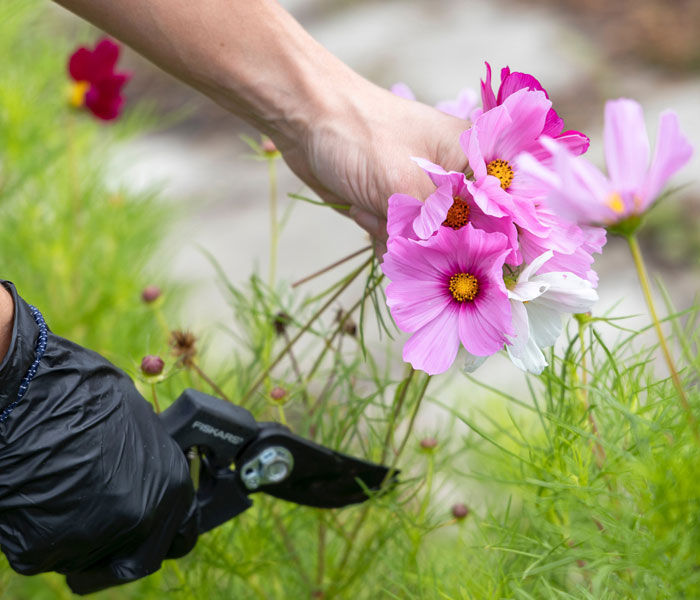
Pinching is another way to encourage blooming. Cut back the tips of your plant in its growing phase to create a bushy growth. Make sure to trim just above a set of healthy leaves. Pinch only before flowering starts. Lastly, deadhead regularly to ensure an extended bloom time. Pinch wilted flowers to encourage new buds.
Propagating Osteospermum
Stem Cuttings
Stem cutting is the fastest method to propagate osteospermum. Here’s a step-by-step guide for successful propagation:
Step 1: Select a healthy, non-flowering stem with several sets of leaves and snip a 4–6 in (11 cm) stem just below a leaf node.
Step 3: Fill a small pot with a well-draining potting mix containing peat, perlite, and vermiculite. Insert the cuttings around two inches deep. If you’re propagating multiple cuttings, space them out to avoid overcrowding.
Step 4: Gently pat the soil around them so they can stand firm.
Step 5: Cover the pot with a plastic bag or dome to create a greenhouse environment.
Step 6: Spray the soil regularly to keep it moist.
In 4–5 weeks, your stems will develop roots and be ready for garden transplantation. However, before planting them in the garden, you should gradually acclimate them to outdoor conditions.
Growing Osteospermum from Seeds
The name ‘Osteospermum’ is derived from the Greek words osteon, meaning bone, and spermum, meaning seed. That’s because osteospermum seeds have a hard shell that makes germination a bit challenging. But don’t worry! A process called “scarification” can help speed up their germination.
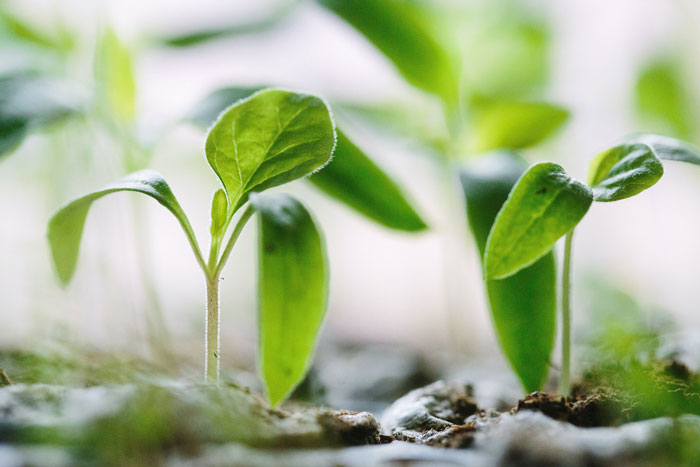
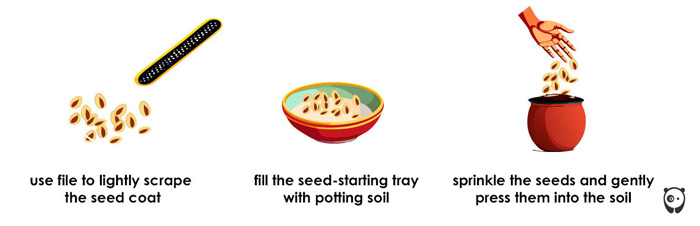
To scarify seeds, take a nail file and make small nicks or scratches on the seed coat. This helps with water penetration and kickstarts the germination process. Next, fill a seed-starting tray with potting soil and sprinkle the seeds on the surface. Osteospermum seeds require light to germinate, so make sure not to bury them too deep. A gentle press into the soil should be sufficient. Water the soil using a spray bottle and cover the tray with plastic to give them a hot and humid environment to germinate. Seedlings will emerge in 10–21 days. Once leaves emerge, remove the plastic covering and expose the tiny plants to sunlight. At last, transplant them into a bigger pot or directly into the soil when they appear to outgrow the tray.
Common Diseases (plus how to treat them)
Common Pests
While osteospermums provide a tranquil sanctuary for bees and butterflies, they also attract these unwelcome guests:
Companion Plants
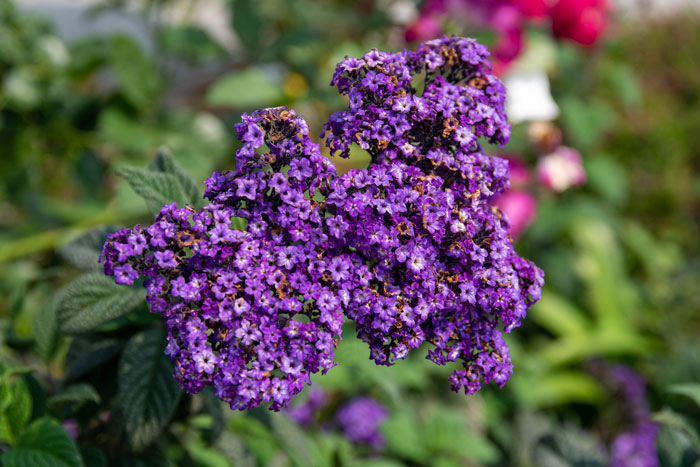
Heliotropes (Heliotropium)
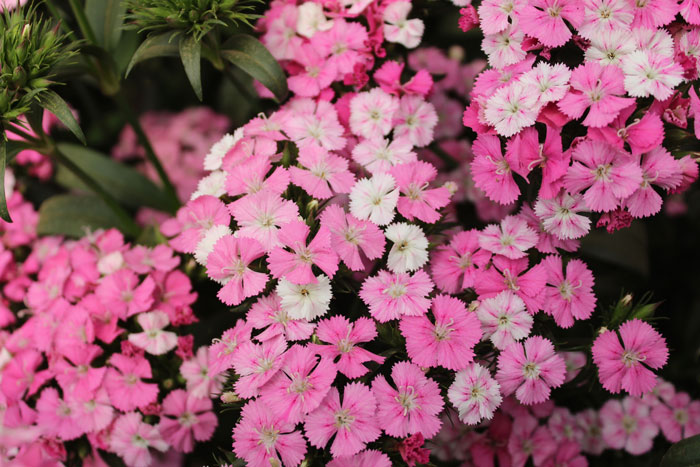
Dianthus
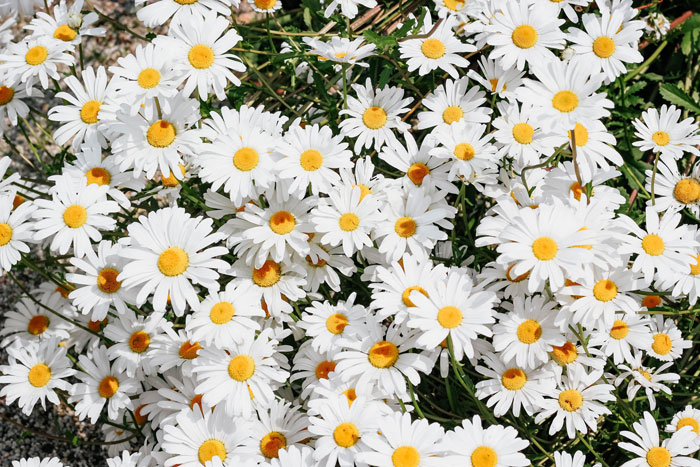
Shasta Daisy (Leucanthemum x superbum)
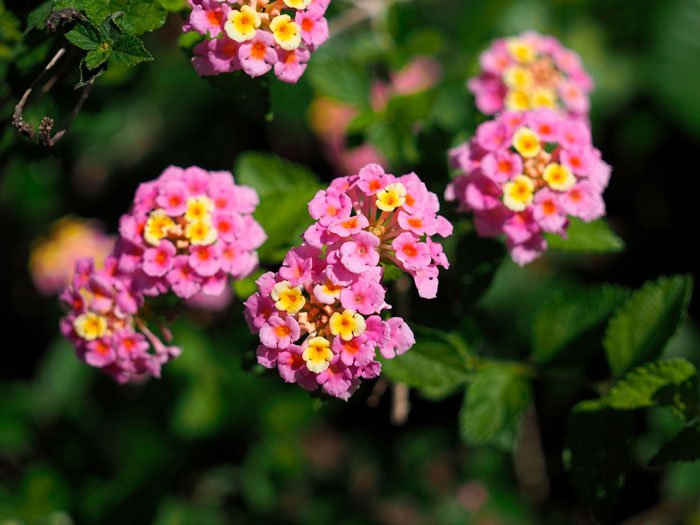
Lantana (Lantana camara)
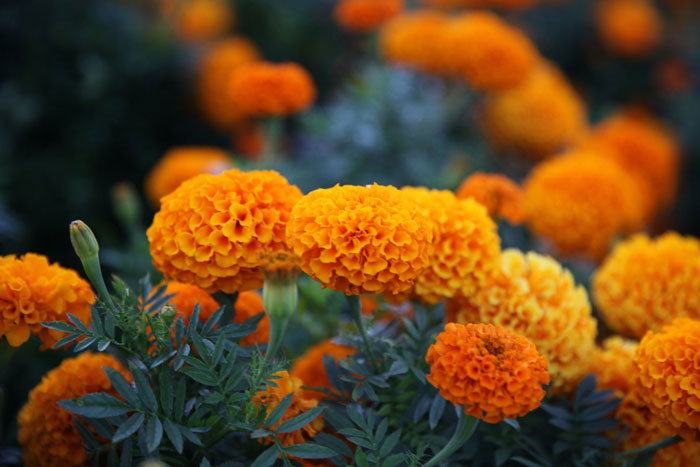
Marigolds (Tagetes spp.)
Landscaping Tips
Embrace the Cheerful Charm of Osteospermums
African daisies are resilient and low-maintenance, making them a perfect choice for both seasoned gardeners and beginners. They come in a spectrum of colors that look excellent in hanging baskets, ornamental containers and along garden edges. So, get your gardening gloves out and plant African daisies today!
FAQs
How Do I Keep African Daisies Blooming Longer?
Regular deadheading and watering will ensure your plants remain healthy. If you see fewer blooms, increase the frequency of fertilization to every 2–3 weeks. Remember, African daisies need full sun exposure to bloom. So, choose a spot that receives adequate light.
Does Osteospermum Spread?
Yes, this is a subshrub that has a spreading and trailing habit. This makes it a good choice for growing along garden edges.
How Long Does it Take for Osteospermum to Bloom?
Depending on the variety and growing conditions, osteospermums will go from seed to flower in 12 weeks. Plant them in early spring to enjoy the blooms from summer until fall.
READ NEXT: