Bored PandaBored Panda
Categories
FunnyAnimalsInstallationEntertainmentAutomotiveCuriosities
Art & DesignBlogRelationshipsMemes FeedLifestyleSociety
Resources
Contact UsAbout usAdvertisingPrivacy PolicySitemap
Follow Us
FacebookFacebookX (Twitter)X (Twitter)InstagramInstagram
FunnyAnimalsInstallationEntertainmentAutomotiveCuriositiesArt & DesignBlogRelationshipsMemes FeedLifestyleSociety
20 Rare Photos Of Extinct Animals You’ll Only Ever Get To See In Pictures Now
FEB 2, 2026

20 Rare Photos Of Extinct Animals You’ll Only Ever Get To See In Pictures Now

Mariia Tkachenko
Emily Nyoni
Mariia Tkachenko and Emily Nyoni
0
0
Advertisement
It’s hard to imagine that extinction actually happens. But as it turns out, many animals that once roamed the Earth virtually just dropped off the face of the planet. Some of these creatures disappeared centuries ago, while others vanished far more recently than we could’ve ever realized. However, thanks to photography, most of them aren’t completely lost to us. The pictures serve as rare records of their existence, allowing us to learn more about how similar or how different they were to the modern-day species we’re used to. Get ready to be captivated by these 20 photos of extinct animals you probably never knew existed, until now.
# The Barbary Lion

The Barbary Lion
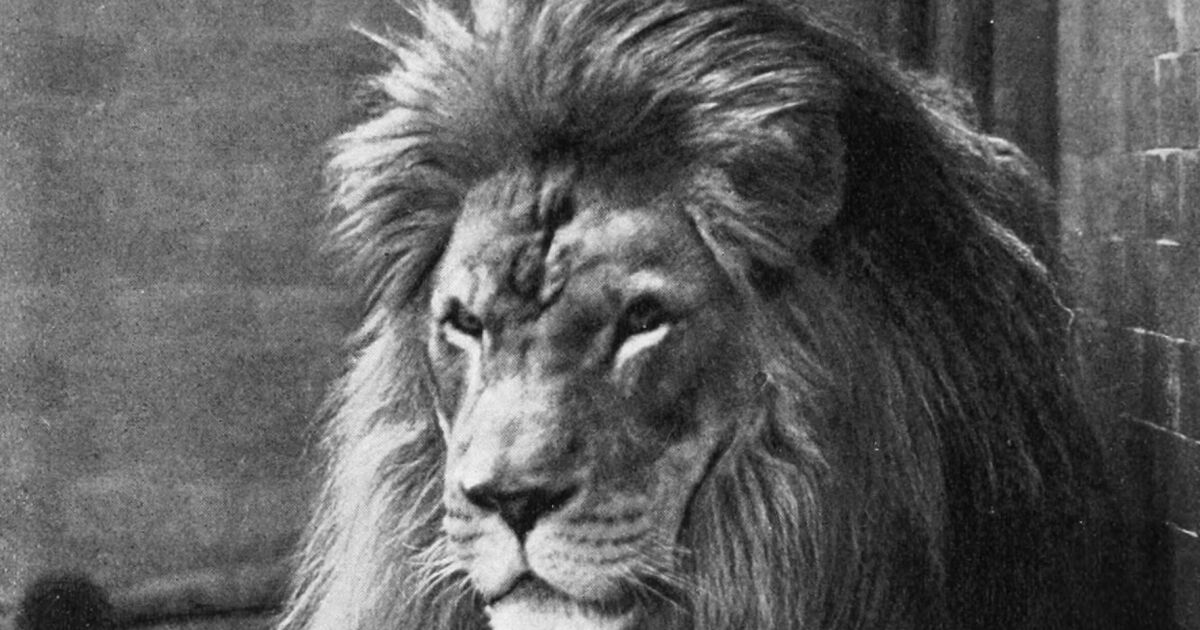
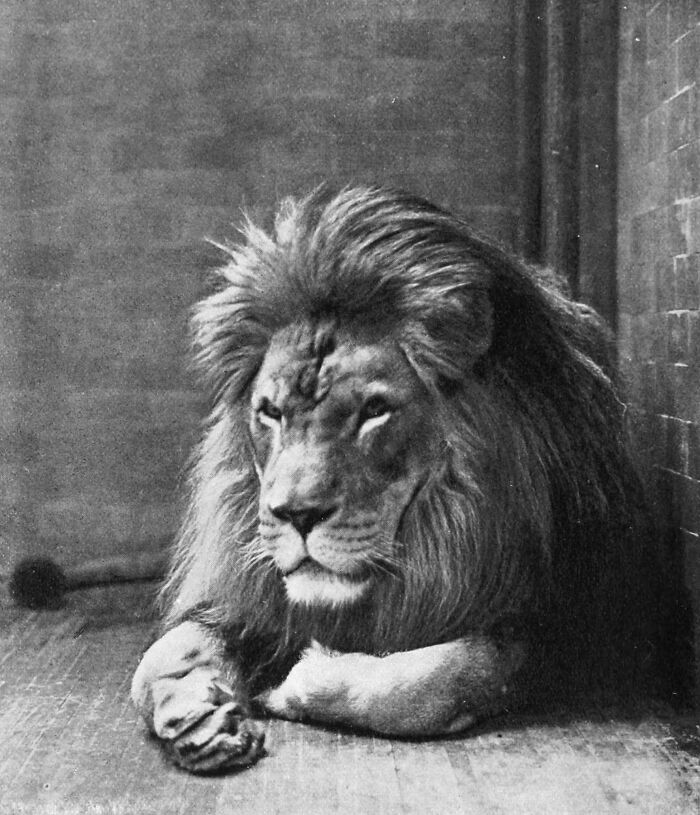
It may come as a surprise to learn that while Mufasa from The Lion King represents a typical male African lion, not all lions look the same. This statement is especially true when we consider what the Barbary species looked like before it was wiped out by human intervention in the early 1940s. Interestingly, the male lions could be identified by their strikingly large, dark manes that extended all the way down to their bellies.
Nelson Robinson
Reportar
0puntos

# The Tasmanian Tiger

The Tasmanian Tiger
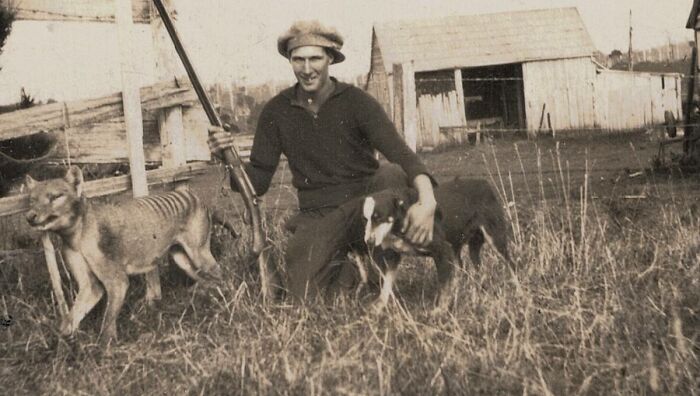
When we first saw this image of the Tasmanian tiger, we couldn’t help but notice how much it resembled a regular dog with stripes on its lower back. And believe it or not, it was neither a canine nor a feline: it was actually a marsupial. Due to competition and bounty hunting, the carnivore eventually went extinct in both Australia and Tasmania, with the last of its species passing away in 1936 at Hobart Zoo.
Wikimedia Commons
Reportar
0puntos

# The Bali Tiger

The Bali Tiger
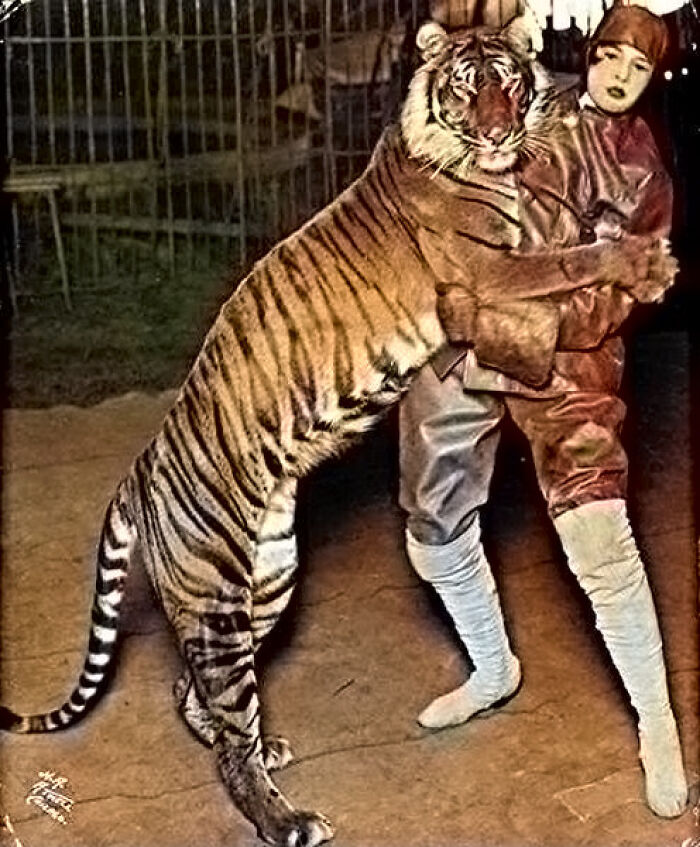
Unlike the tigers we’ve grown accustomed to seeing today, the Bali Tiger weighed in at 90 to 100 kgs, relatively closer in size to the modern-day leopard. Apart from its small stature in comparison to other living tiger species, it also had a distinctly shorter, darker coat with fewer stripes. Sadly, these compact tigers were hunted into extinction between the 1940s and 1950s.
Hary Atwell
Reportar
0puntos

# Caspian Tiger, 1899

Caspian Tiger, 1899
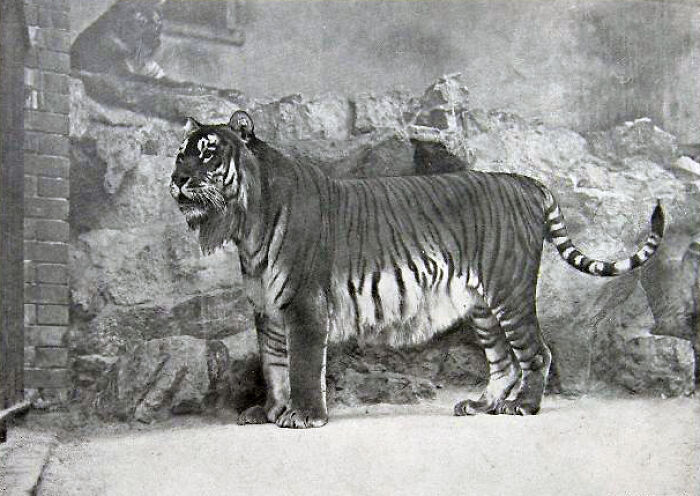
It probably won’t come as much of a surprise to see another species of wild cat on this list. Going extinct in the mid-20th century, the Caspian tiger was lost to us due to decades of excessive hunting and habitat loss. But fear not, genetic research suggests that the species lives on in the modern-day Siberian Tiger.
Wikimedia Commons
Reportar
0puntos

# The Quagga

The Quagga
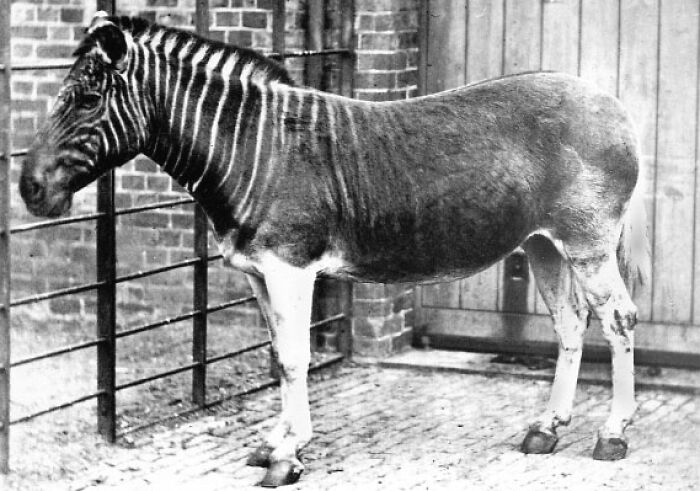
We’d be lying if we said we didn’t immediately think, “Half zebra, half horse,” when we first saw this photo of the quagga. This striking plains zebra was sadly wiped out by uncontrolled hunting and competition in the late 19th century, with the last known wild quagga traced back to the 1870s.  
Frederick York
Reportar
0puntos

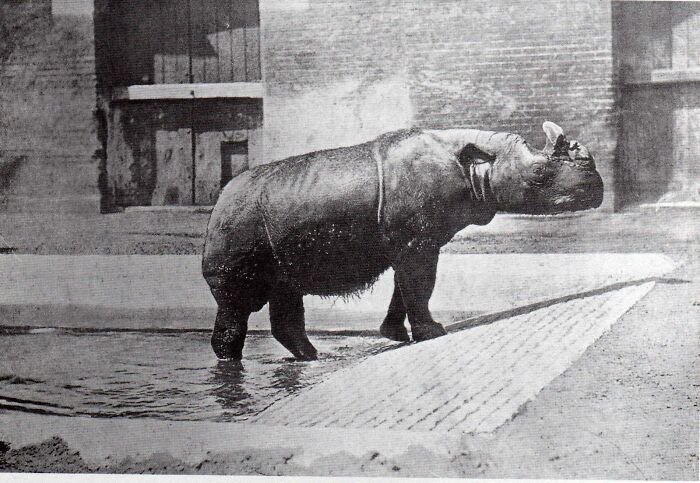
# The Northern Sumatran Rhinoceros

The Northern Sumatran Rhinoceros
Largely due to poaching and illegal trade, this rhino, which once thrived in Southeast Asia and India, was officially declared extinct in 2015. Sadly, with the last surviving female passing away in captivity in 2019, the Northern Sumatran species has all but vanished.
Wikimedia Commons
Reportar
0puntos

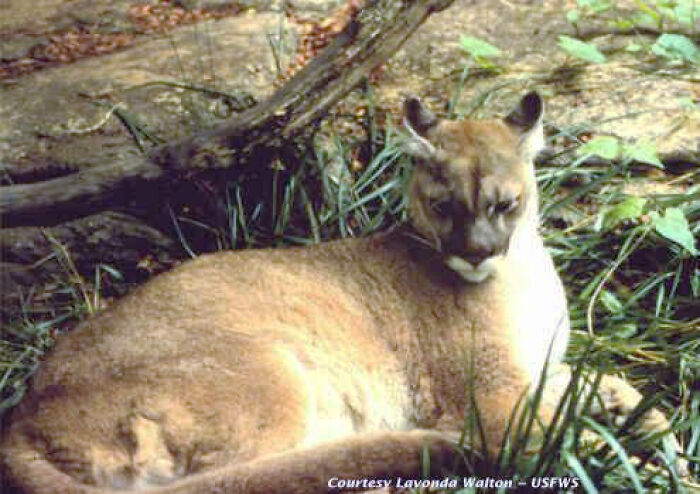
# The Eastern Cougar

The Eastern Cougar
You’re probably wondering why we’ve included a mountain lion on the list when they’re clearly not extinct. But believe it or not, the animal photographed here was actually the Eastern cougar, which was officially declared extinct by the U.S. Fish and Wildlife Service in 2011. And as you might expect, overhunting, habitat loss, and a lack of prey were the root causes.
USG (US Fish & Wildlife Service)
Reportar
0puntos

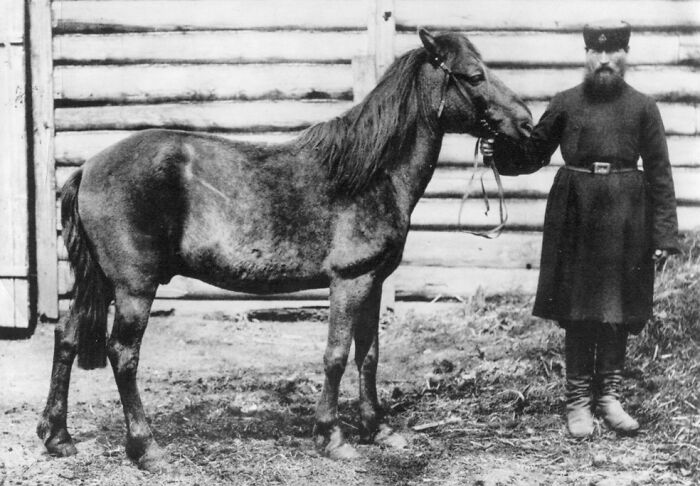
# The Tarpan

The Tarpan
Because the Tarpan didn’t look that much bigger than a pony, it’s easy to see why some historians still argue that it couldn’t possibly have been a wild horse. Unfortunately, like most of the other long-lost animals on this list, human beings were the primary cause of the species’ demise in the late 19th century.
European Wildlife
Reportar
0puntos

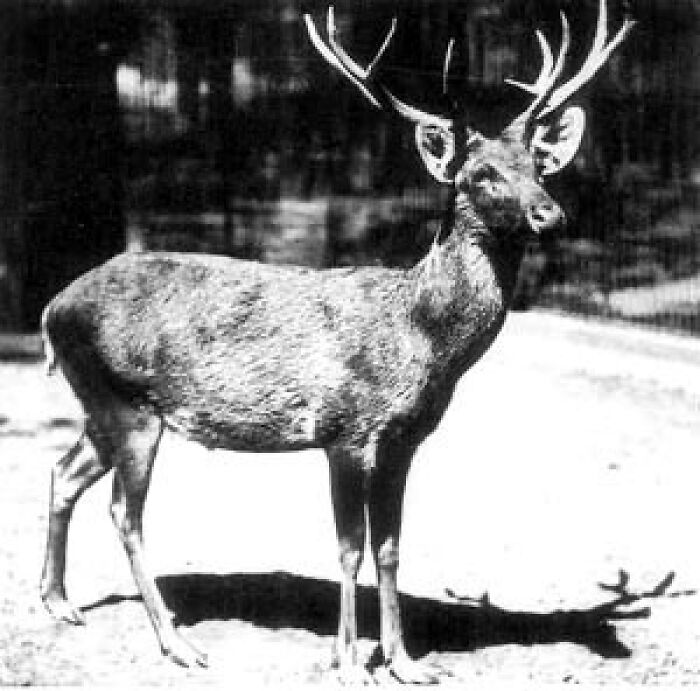
# The Schomburgk's Deer

The Schomburgk's Deer
Thanks to the single mounted specimen on display in a French museum, we don’t have to wonder what this species of deer actually looked like. Named after Bangkok’s 19th-century British Consul Sir Robert H. Schomburgk, this species of deer was native to Thailand before it went extinct in 1938. It is said that hunting and habitat loss were the primary causes of its extinction.
Lothar Schlawe
Reportar
0puntos

# The Carolina Parakeet

The Carolina Parakeet
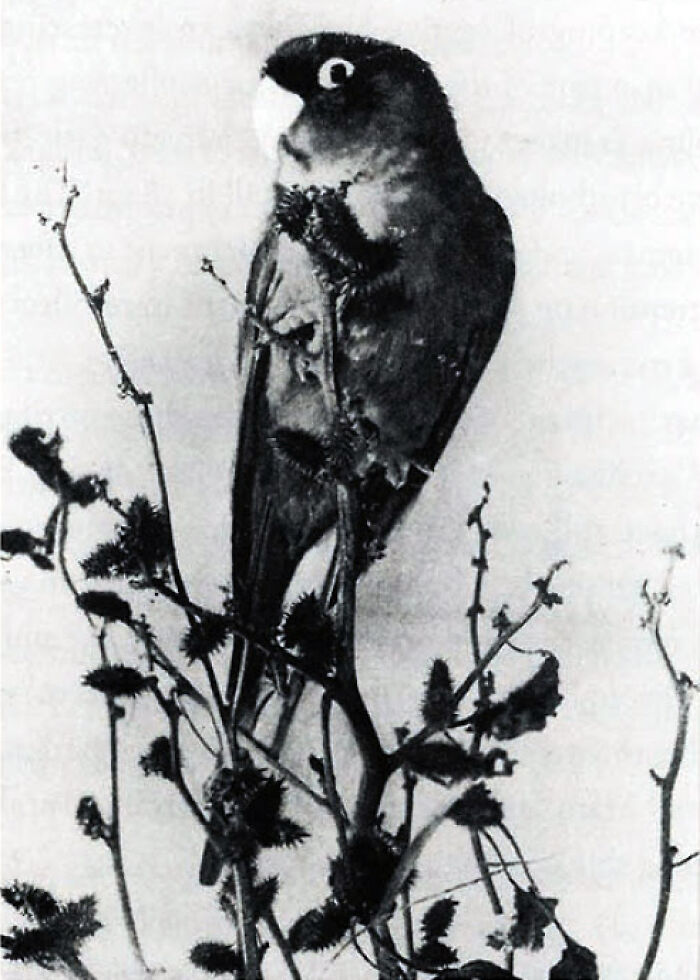
This species of parrot was truly something to marvel at with its striking yellow-orange head and vibrant markings. Sadly, these beautiful birds fell victim to deforestation and the hat-making business in the 18th and 19th centuries, and possibly disease in the 20th century, rendering them extinct since the 1920s.
Robert Wilson Shufeldt
Reportar
0puntos

# The Caribbean Monk Seal

The Caribbean Monk Seal
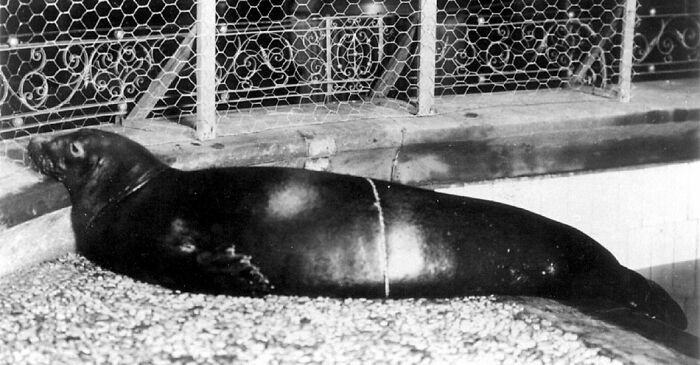
As it turns out, being docile and constantly lounging around on the beach made the Caribbean monk seal an easy target for centuries of unregulated hunting by humans. While large numbers of the species were wiped out because of being hunted, others were lost to starvation due to overfishing that occurred in their habitat.
New York Zoological Society
Reportar
0puntos

# Ivory-Billed Woodpecker

Ivory-Billed Woodpecker
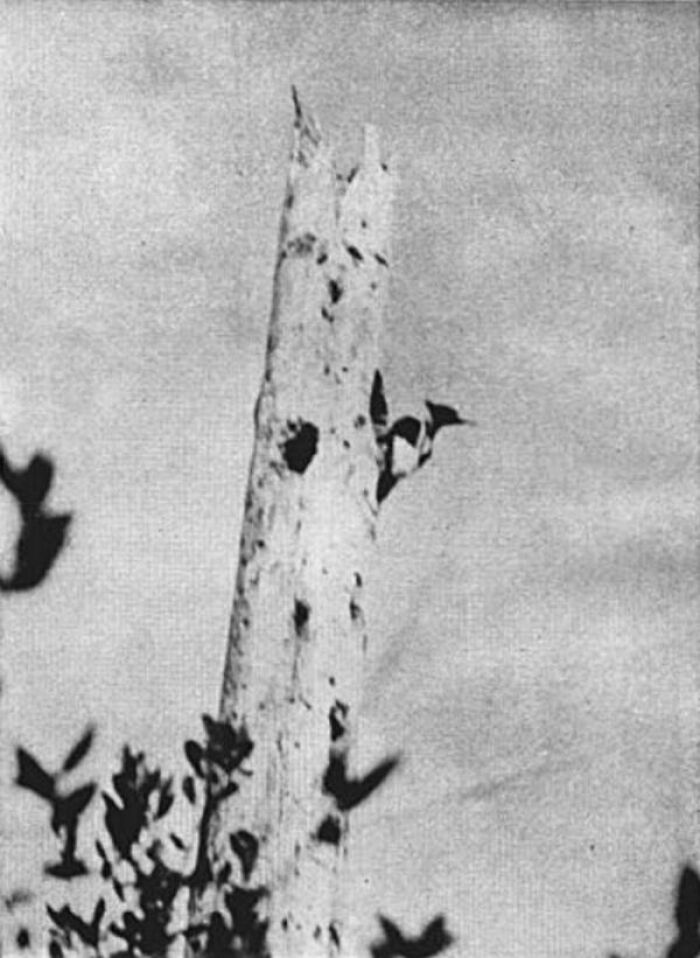
It may seem a little odd that we’ve included the ivory-billed woodpecker on this list now that its extinction is still highly debated. It’s worth noting that although the last accepted sightings of the bird were in the United States in 1944 and Cuba in the 1980s, the species hasn’t officially been declared extinct. 
John Dennis
Reportar
0puntos

# The Japanese Sea Lion

The Japanese Sea Lion
You may find this image of the Japanese sea lion quite upsetting. But sadly, it was hunting activities, such as these, that led to the species being wiped out in the 1970s. Shockingly, between the 18th and 20th centuries, as many as 16500 sea lions were hunted for oil, medicine, and even leather. 
Wikimedia Commons
Reportar
0puntos

# The Golden Toad

The Golden Toad
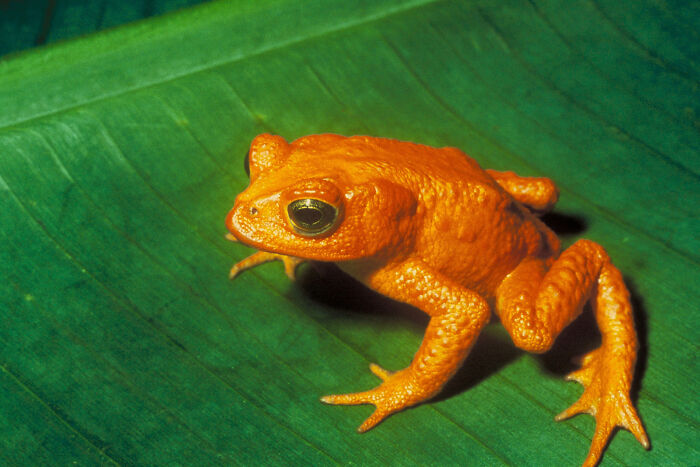
The golden toad truly lived up to its name with its rare golden-orange coloring. Once abundant in the forests of Costa Rica, the amphibian’s last confirmed sighting occurred in 1989, before being declared extinct in 2004. While the exact cause of its extinction is unknown, scientists believe climate change, severe droughts, or exposure to the chytrid fungus likely played a major role.
Charles H. Smith
Reportar
0puntos

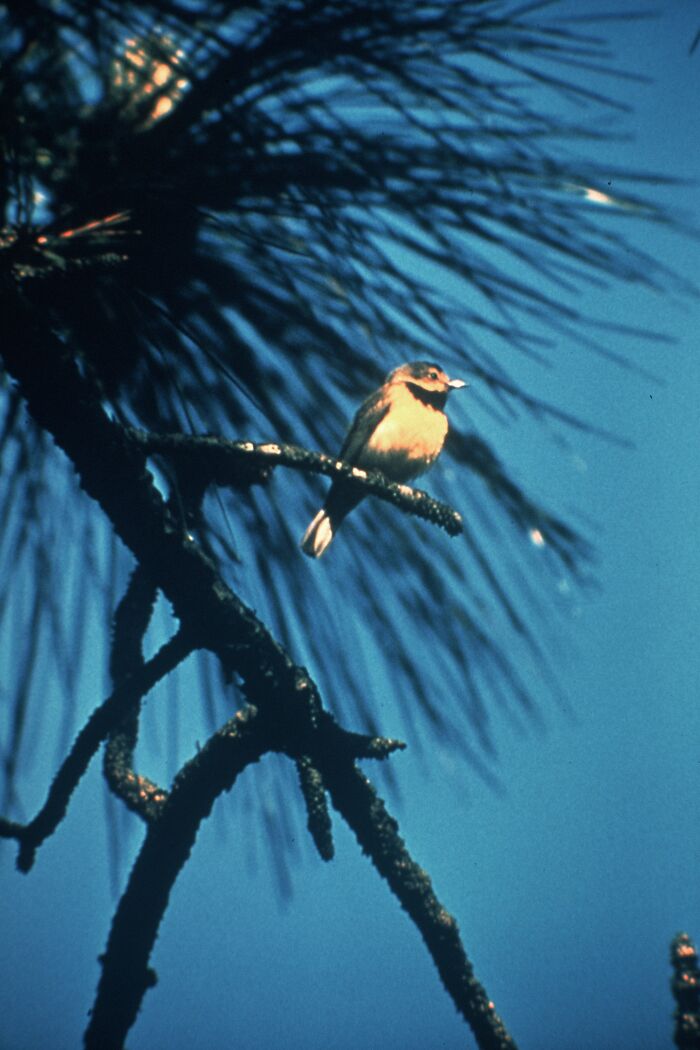
# The Bachman's Warbler

The Bachman's Warbler
This positively adorable American songbird was once found in swampy forests across the southeastern United States, including parts of the Gulf Coast. Although scientists never identified a single definitive explanation for its population decline, it’s believed that habitat loss was the most likely cause, with its last confirmed sighting in 1988.
Jerry A. Payne
Reportar
0puntos

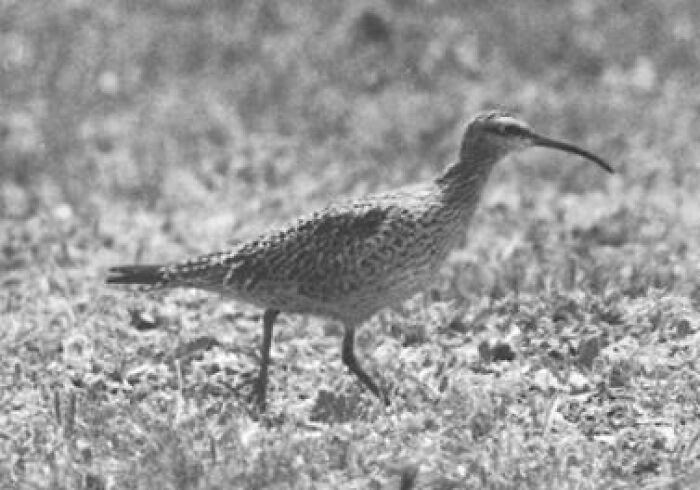
# The Eskimo Curlew

The Eskimo Curlew
Once one of North America’s most abundant shorebirds, the Eskimo curlew population declined rapidly in the late 1800s when millions of them were hunted for food. Although a handful of reported sightings in Texas during the 1980s sparked brief hope, the species is now considered critically endangered and possibly extinct.
Don Bleitz
Reportar
0puntos

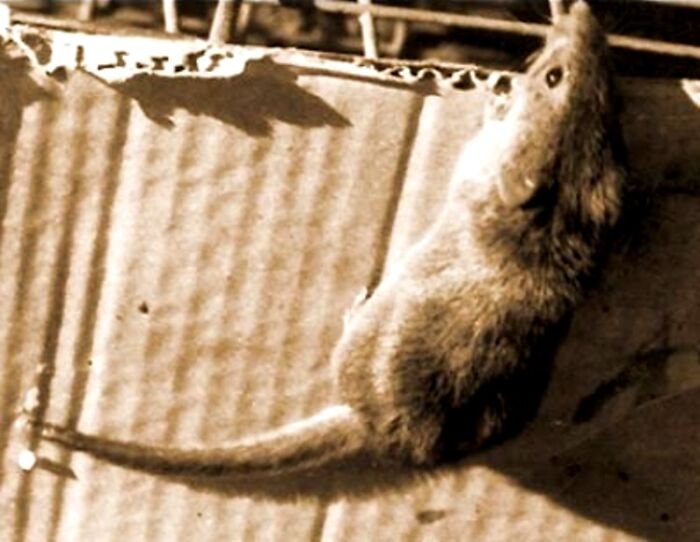
# The Candango Mouse

The Candango Mouse
Don’t let its small frame and furry appearance fool you; this rodent, native to central Brazil, was an expert burrower during its prime. Sadly, due to rapid urban expansion in the early 20th century, particularly around the growing city of Brasília, much of the Candago mouse’s habitat was destroyed. Because of this, the species was last recorded in 1960 and is now considered extinct.
J Moojen
Reportar
0puntos

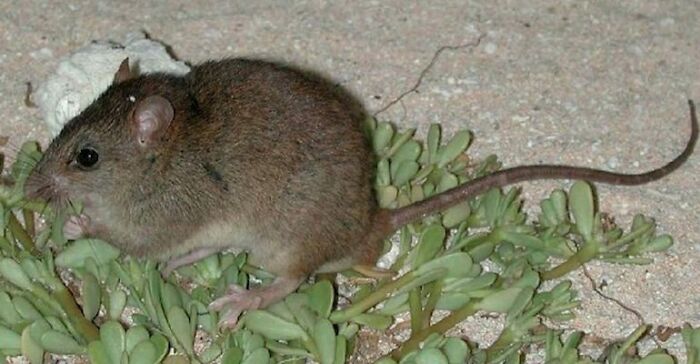
# The Bramble Cay Melomys

The Bramble Cay Melomys
The Bramble Cay melomys, also known as the mosaic-tailed rat, sadly became a casualty of global warming. Last sighted in 2009, the tiny mammal just couldn’t survive after rising sea levels decimated 97% of its only source of food on its native island, Bramble Cay. This ultimately led to its extinction.
Ian Bell, EHP, State of Queensland
Reportar
0puntos

# The Pinta Island Tortoise

The Pinta Island Tortoise
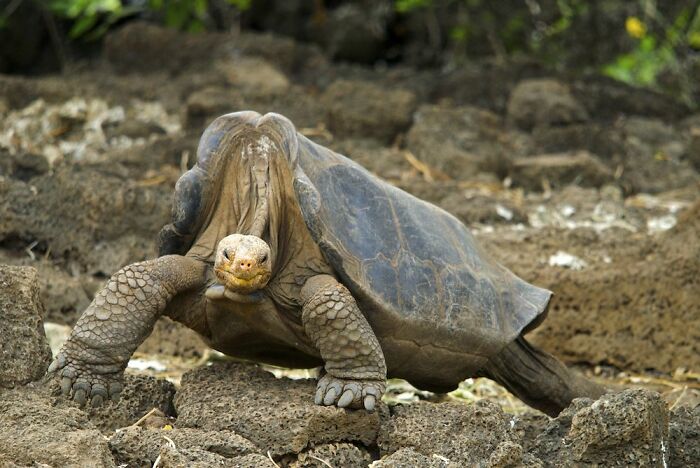
You’re probably wondering why the Pinta Island tortoise had such an awkwardly shaped shell. Interestingly, the upturned front edge was an adaptation that allowed its long, slender neck to reach high vegetation and cacti. Much like many other animals on this list, the tortoise was also extensively hunted for food and oil in the 18th and 19th centuries. The species was believed to be extinct until, in a surprising turn of events, a single male known as Lonesome George was discovered in 1971.
Arturo de Frias Marques, Wikipedia
Reportar
0puntos

# The Laysan Rail

The Laysan Rail
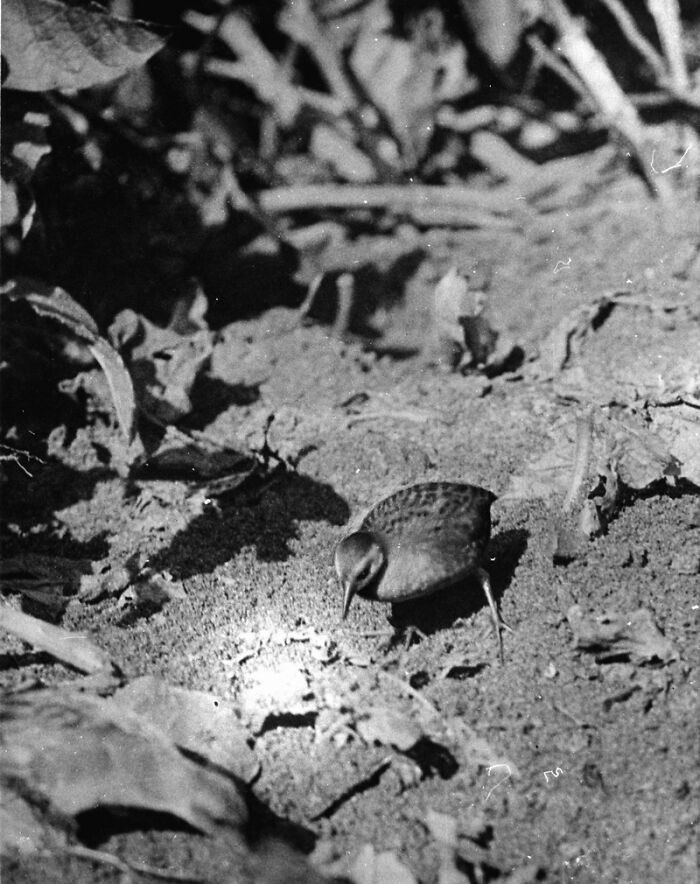
The Laysan rail population once thrived on Laysan Island in the Northwestern Hawaiian Islands until rabbits and rats devastated its habitat in the early 1900s. You’re probably wondering why the species didn’t just relocate to a more favorable environment. Well, unfortunately, the Laysan rail was a flightless bird.
Alfred M. Bailey, Wikipedia
Reportar
0puntos
0
0