


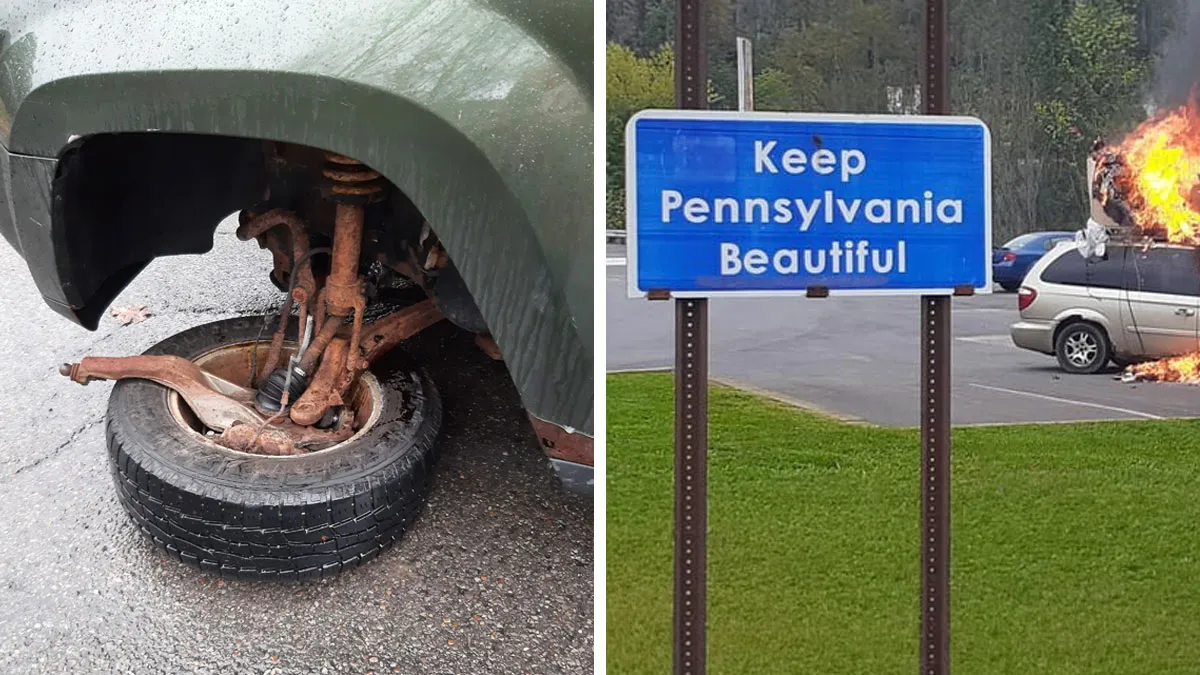



#2 This Is What Happens When You Take The Ice Tray Out Of The Freezer That Makes Ice Automatically

#3 I'm Puzzled. Bought This At A Yard Sale And The Person Who Put It Together Before Me Kept All Of The Edge Pieces

They say when it rains, it pours. Some days prove it. A small stressor can turn into total chaos in the blink of an eye — like catching COVID on your very first day at a new job.
Experts often point to Murphy’s Law to explain these moments: the idea that if anything can go wrong, it will go wrong.
Despite how it feels, Murphy’s Law does not mean the universe is out to get you. It is simply a reminder that mistakes and failures are always possible.


#6 There Goes My Jeep
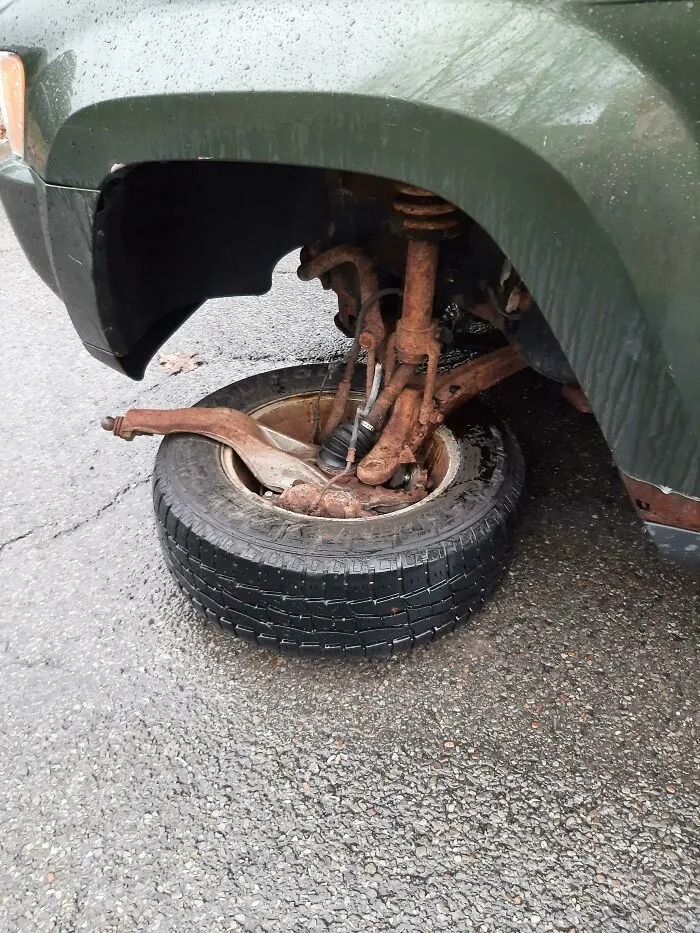
But the miracle is that we were going like 2 MPH. In another 3 minutes we would've been on the main road going 55+.
Even though it is not a scientific principle, why does Murphy’s Law feel so real in our daily lives?
It mostly comes down to how our minds process bad news. Studies show that we naturally remember negative events much more vividly than routine ones. If 10 things go right today and one thing goes completely wrong, that single disaster is what sticks in our heads.
“Negative events often carry a heavier emotional weight than positive ones due to a negativity bias, a tendency to focus more on negative stimuli,” says Berit Brogaard, a professor and the director of the Brogaard Lab for Multisensory Research at the University of Miami.
“When bad events occur in close succession, this bias amplifies their emotional impact, making them seem disproportionately significant.”
#7 I Spilled An Entire Carton Of Almond Milk On A Wood Plank Floor And My Pet Rabbit

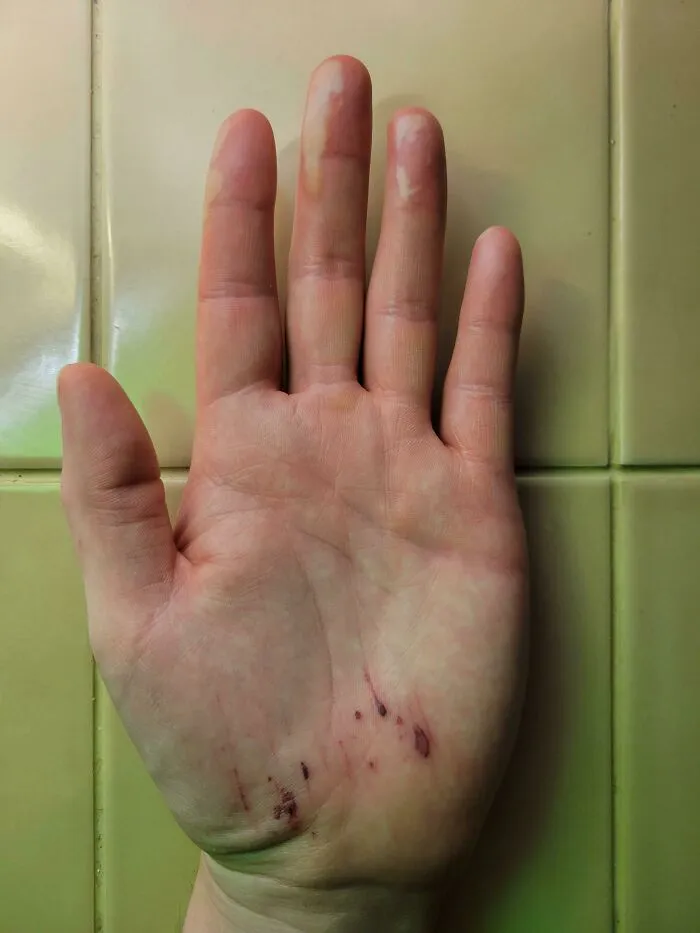
#8 Burned My Fingers On A Hot Pan. The Next Day I Slipped On Ice And Cut Up My Palm
#9 Ordering Michael Myers Mask From Wish.com Be Like What You Expected vs. What You Got

Basic math also explains why mistakes are practically inevitable. The more moving parts a situation has, the higher the chance that at least one detail will slip through the cracks.
If you send 100 emails, even the most careful person will likely make a small typo in at least one of them. When you multiply those odds across a busy workday, a mistake becomes almost guaranteed.

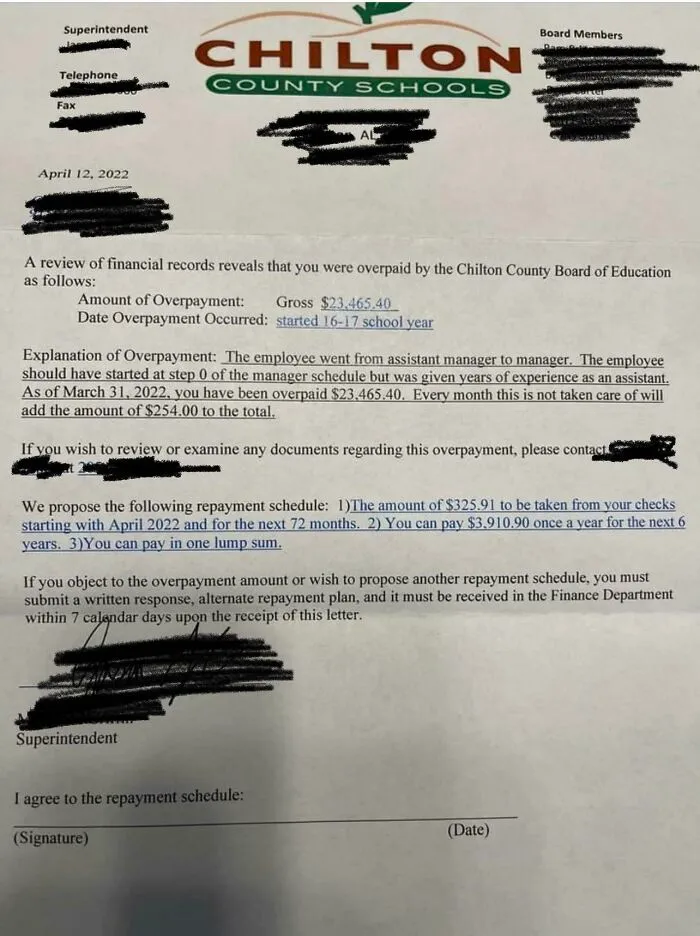
#11 When This Lunch Lady Got A Promotion Six Years Ago She Got Too Much Of A Raise. Now The School System Wants Her To Repay It This Week

Many disasters also happen simply because we fail to plan for the unexpected. Murphy’s Law then becomes a reality check. It proves that without proper preparation, small oversights will naturally turn into major headaches.
Experts note that initial bad luck also triggers a spike in stress.
This stress impairs our focus and decision-making, which naturally leads to more accidental mistakes.
#13 Got A Call From Apartment Office Saying My Neighbor Flooded The Apartment And My Roof Came In. "Pretty Bad" Was A Fair Statement

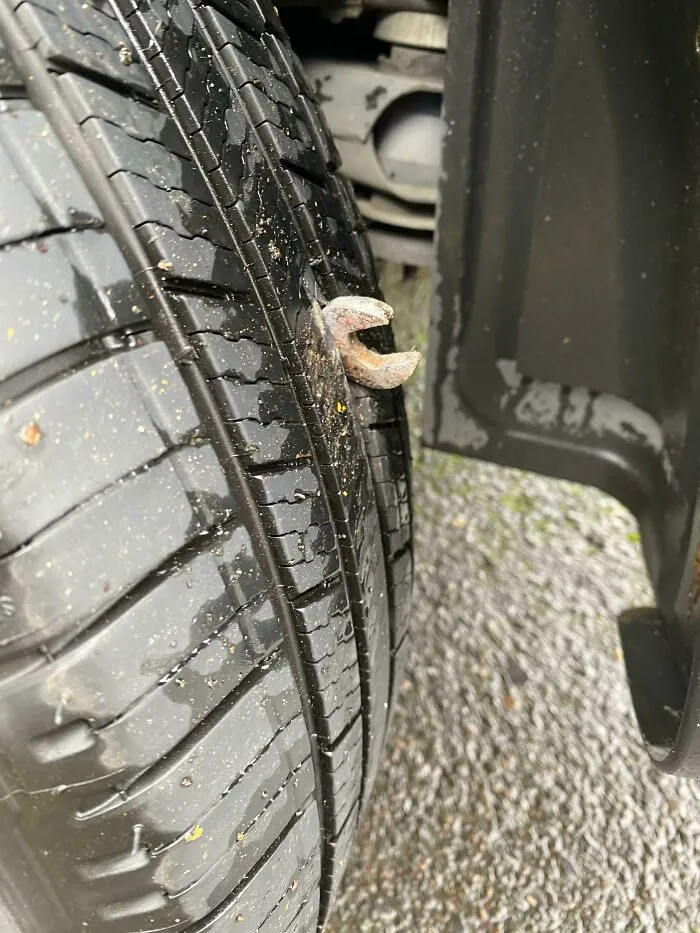

If stress is one of the factors responsible for turning one slip-up into a full chain reaction, it’s worth asking just how often people are dealing with that chain reaction in the first place.
The average American experiences 60 bad days per year, according to a survey by the fitness app Freeletics.
It found that work was the biggest culprit, with people blaming their job for four of the five bad days they have every month. When looking at specific triggers, poor sleep took the top spot. About 67% of respondents said not getting enough sleep made their day terrible.
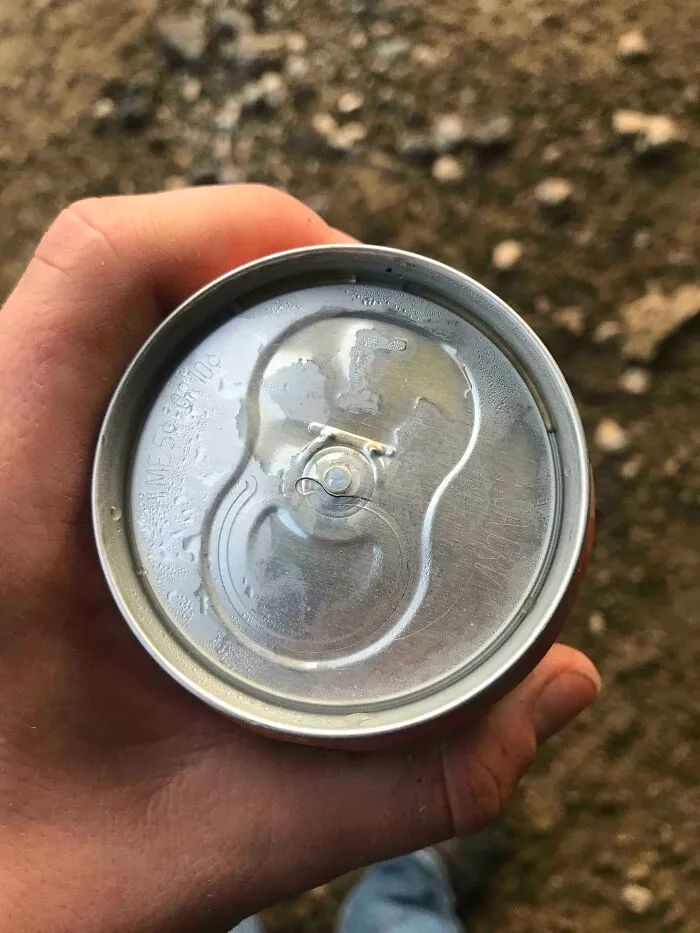
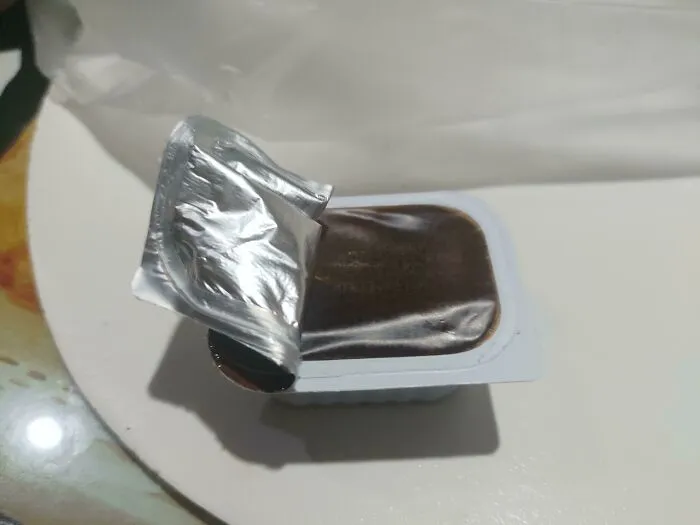

While we can’t always control a sudden wave of bad luck, we can certainly control how we react to the situation.
Exercise turns out to be one of the best ways to turn a terrible day around.
A survey found that among people who exercise two to three times a week, 46% say it relieves stress. For those working out four to five times a week, that number jumps to 64%
Overall, 95% of respondents said exercising after a bad day instantly makes them feel better.
“Any form of exercise can help to relieve stress and frustration: it leads to an increased level of some hormones, dopamine, serotonin and endorphins in the body. These, in turn, contribute to the feeling of happiness and a reduced level of the stress hormone cortisol," says John-Francis Kennedy, a training specialist at Freeletics.
#19 Best Friend Of 50+ Years Garage Burnt Down With His 1969 Mustang Mach 1 Fastback Inside