




The printer itself is not clever at all. It just obeys. It heats a strand of filament to roughly 200 degrees Celsius, pushes it through a nozzle narrower than a pencil lead, and traces out one flat layer. The plastic cools in seconds and fuses to whatever is underneath it. Do that a few thousand times and you have a dragon.
That approach is called fused deposition modeling, and it covers most hobby machines. There is a whole other family, though. Resin printers dip a build plate into a vat of liquid that hardens the instant light touches it, curing each layer with a screen or a laser rather than a nozzle.
The detail you get is ridiculous, which is why tabletop gamers swear by them, though the cleanup is messier and the chemicals demand respect. Industrial equipment goes further and fuses powdered nylon, titanium, or steel using lasers. The principle never changes. Put material exactly where you want it and skip everything else.
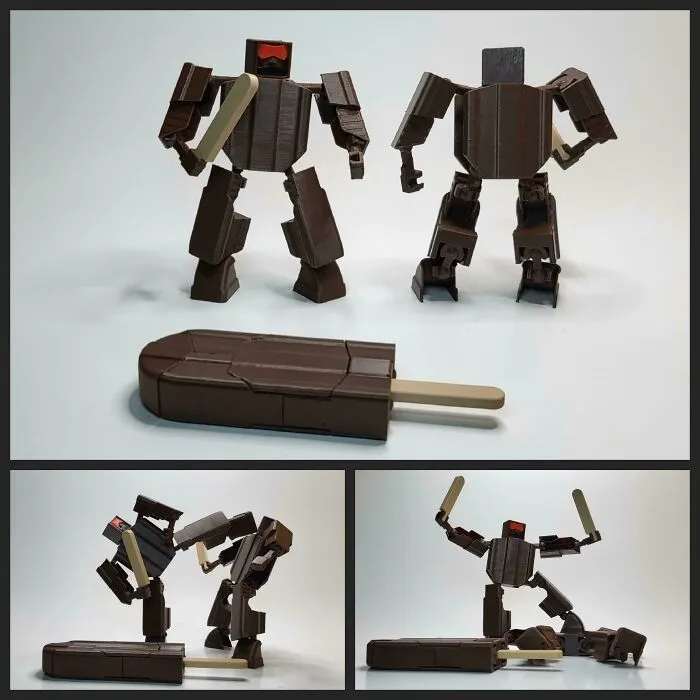
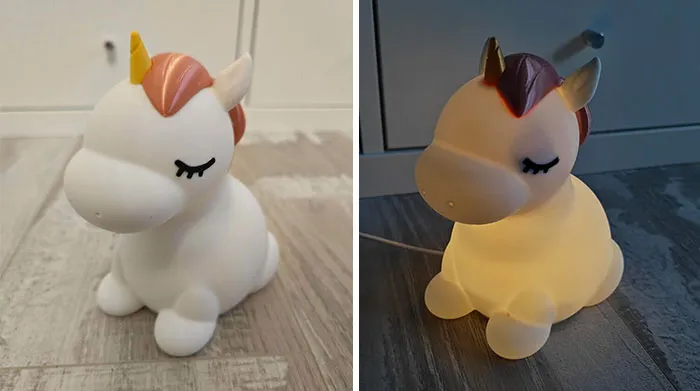
#7 I Designed A Bot That Transforms Into A Fudge-Pop. I Call Him Fudgement Day
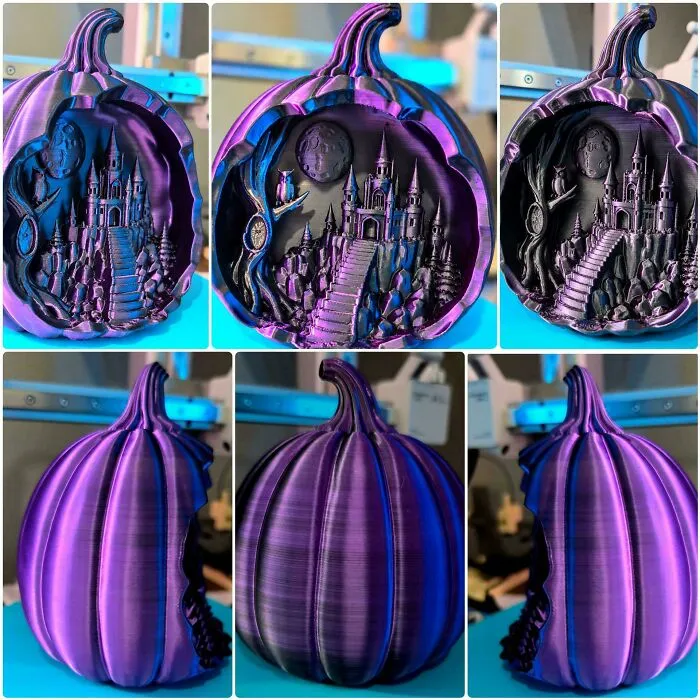
#9 Just Uploaded My Latest Halloween Design, A Haunted Castle Inside A Pumpkin
None of this is as recent as it feels. Japanese researcher Hideo Kodama wrote up a layered, light cured process back in 1980. A French team filed for a patent on something similar in 1984, only to watch their employer shelve the whole thing for lacking commercial potential. A few weeks after that, an American engineer named Chuck Hull submitted his own application for a process he dubbed stereolithography, and that patent, granted in 1986, usually gets treated as the technology's birth certificate.

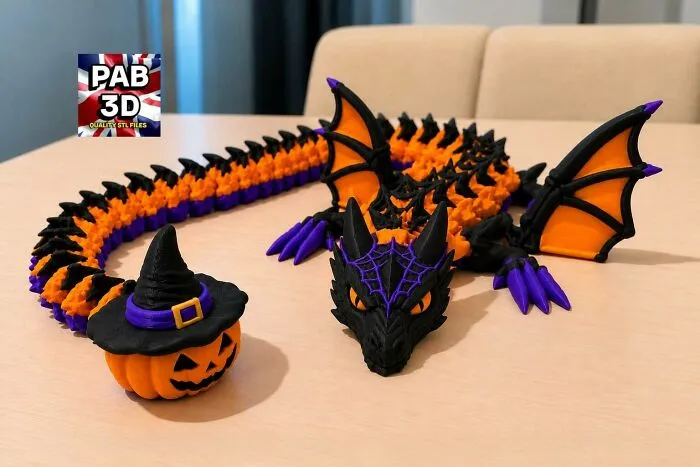
#11 First Time Using Reddit Just Wanted To Share A Couple Halloween Designs!

Hull also created the STL file format that printers still happily swallow today. He started a company, sold machines to research labs, and told his wife it would probably take 25 or 30 years before one of these things landed in an average home. He was almost spookily accurate.
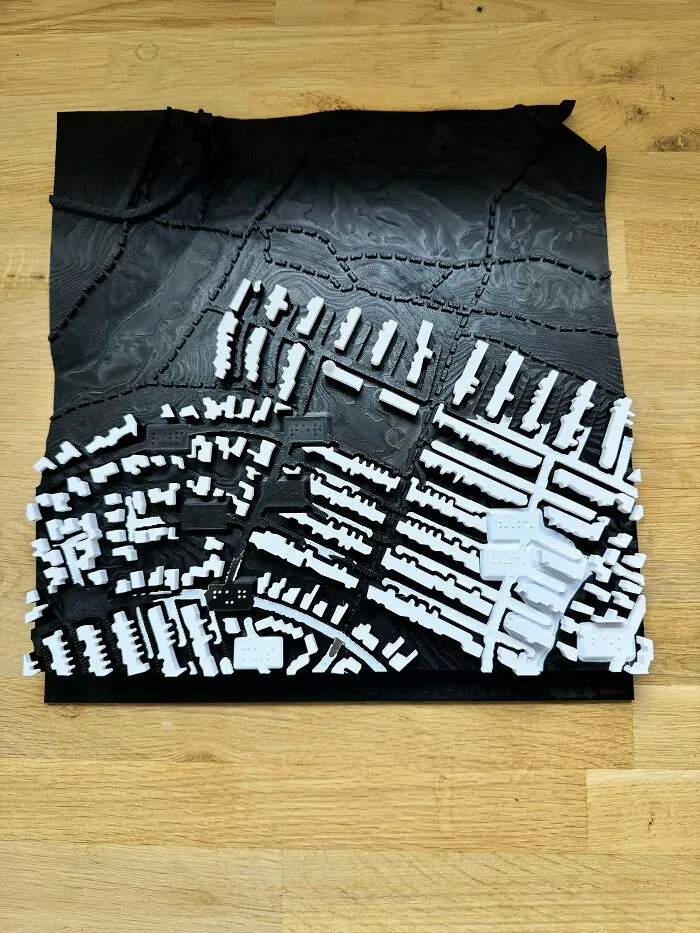
#15 My H2c's First Big Job: A Tactile Terrain Map For Blind Users, Designed By A Blind Maker (Me)
The reason he was right is that the early machines cost as much as a down payment on a flat. Then a University of Bath engineer named Adrian Bowyer had a deceptively simple thought. What if a 3D printer could print the parts for another 3D printer? He kicked off the RepRap project and gave away every design for free, dropping the material cost of a working machine to a few hundred euros and attracting a global swarm of tinkerers who improved it in public. Almost every desktop brand you can name traces its family tree straight back to that project. Once the original patents started expiring around 2009, the floodgates opened for real.
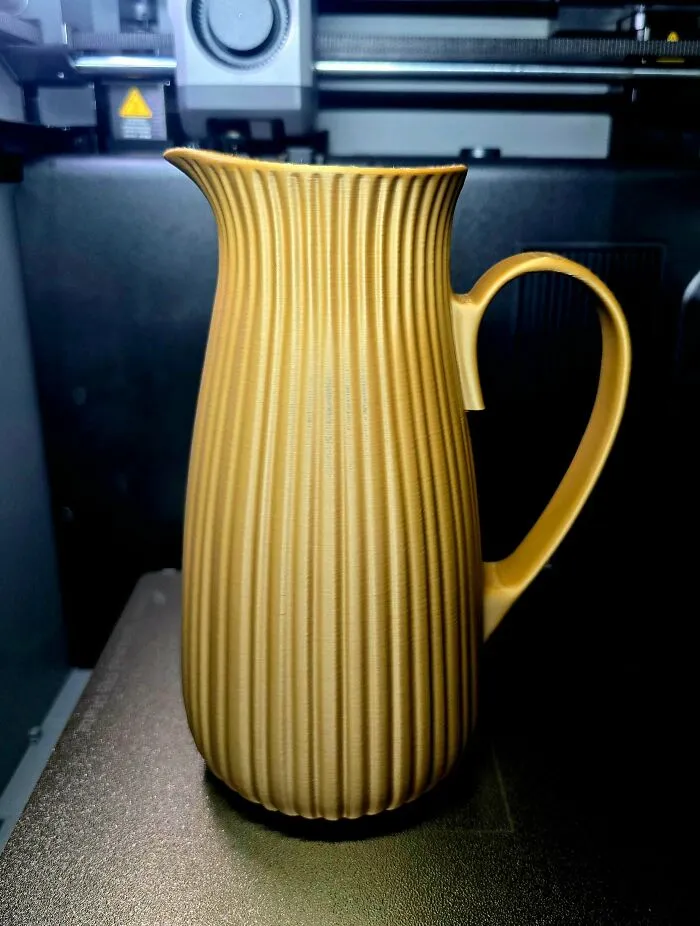
#17 Couldn't Find A 3D Printable Water Pitcher I Actually Liked, So I Designed One You Can Print Too :)
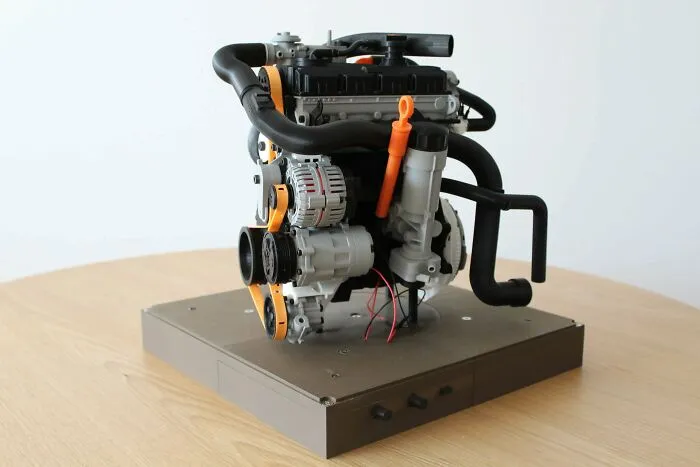
Anybody who wrestled with a printer in 2013 and rage quit would barely recognize what sits on shelves now. Beds level themselves. Filament loads at the push of a button. Machines that used to crawl through an overnight job finish it before lunch, and multi material setups swap colors mid print without anyone hovering nearby.
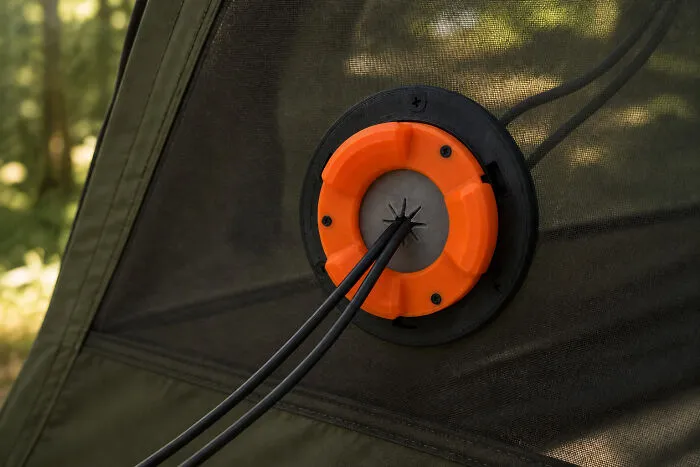
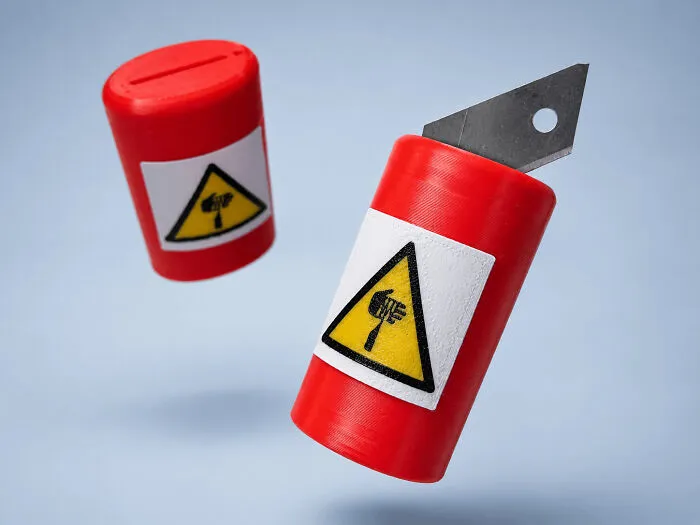
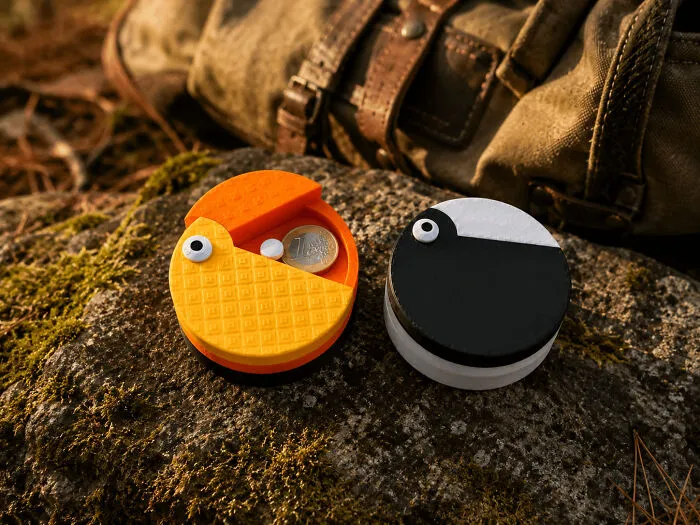
#20 I Designed A Blade Disposal Container That Lets You Snap Blades Inside And Permanently Seal It When Full