




Sometimes racism or other forms of discrimination have a more subtle appearance. Less outright insults, more passive aggressive words and “suggestions” that really toe the line between hostile and downright rude.
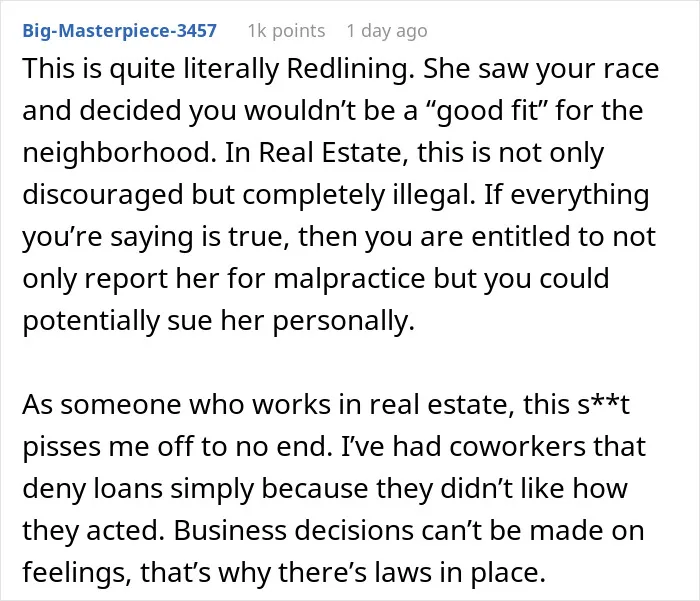
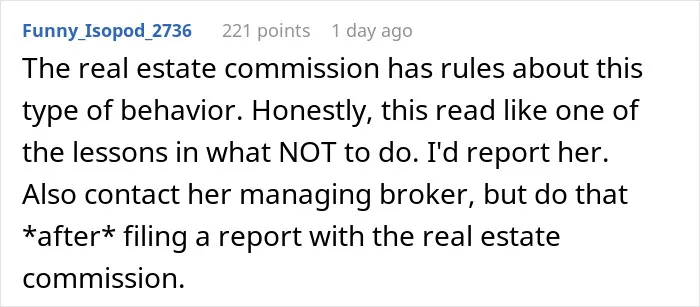
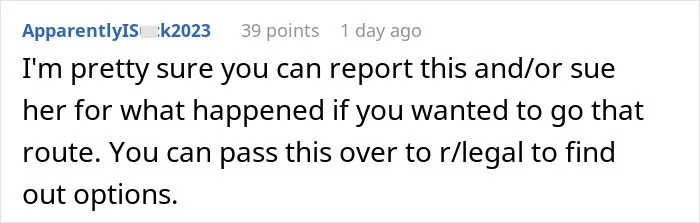
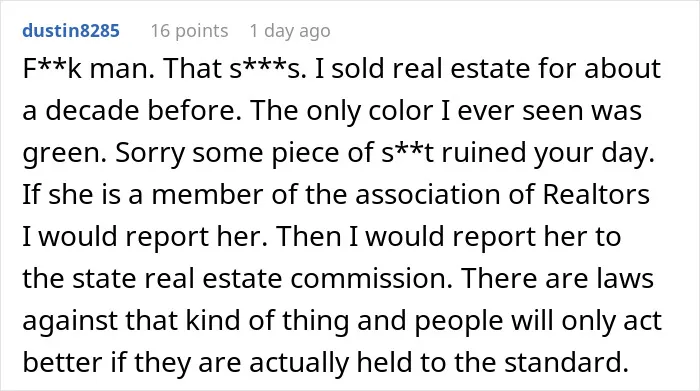
A black man went online to vent about his horrible experience going to view a home with a realtor. Upon arrival, it quickly became clear that said realtor was trying to find any excuse to make him feel uncomfortable, because the neighborhood was “particular” about who lived there. He discussed the story with a handful of commenters and a few gave some advice.
Some folks are more cautious about being openly xenophobic

But one man realized something was up when a realtor started making strange comments about the neighborhood
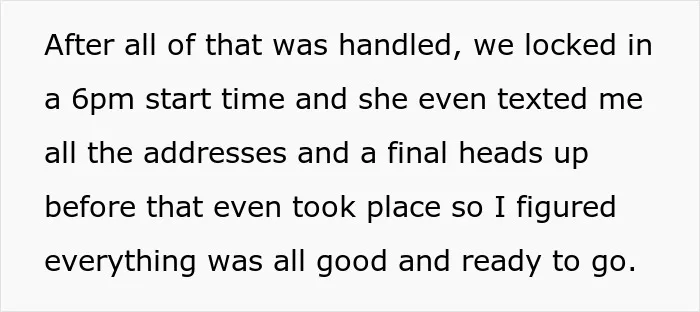
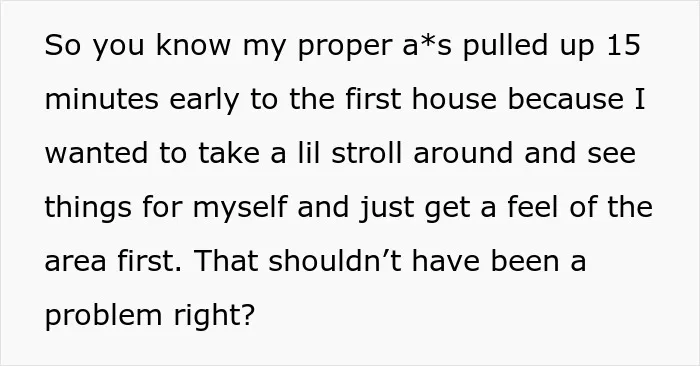

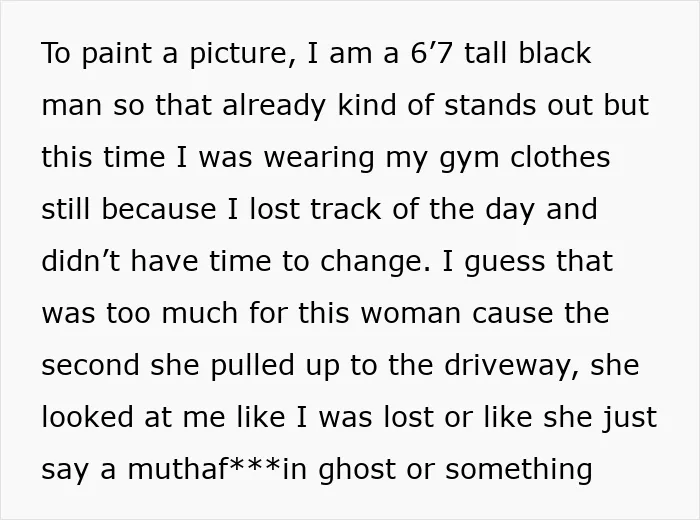
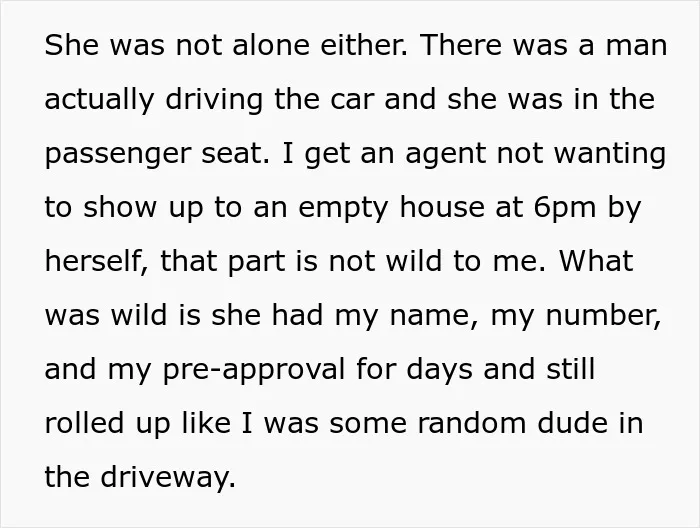
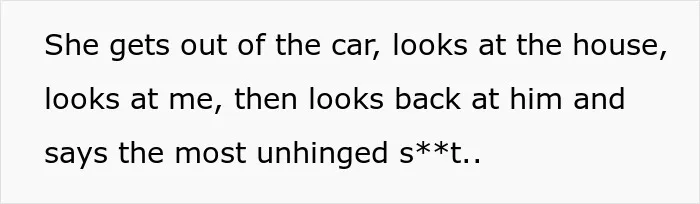
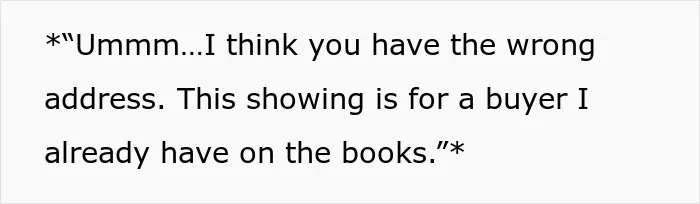
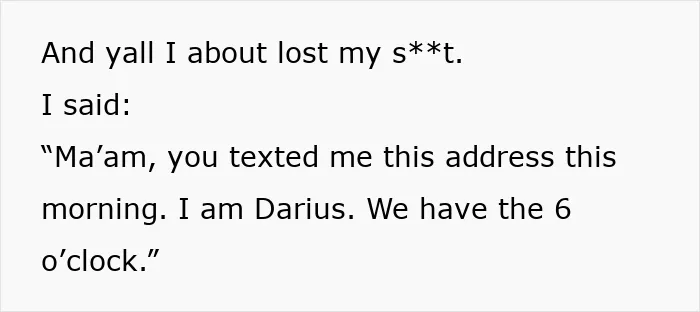
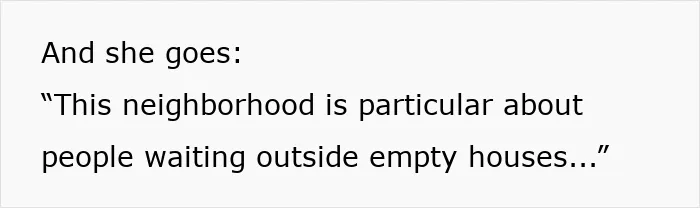

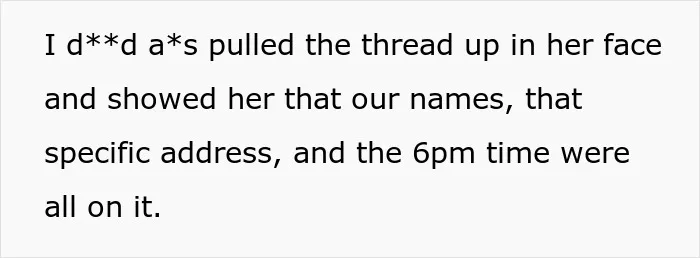
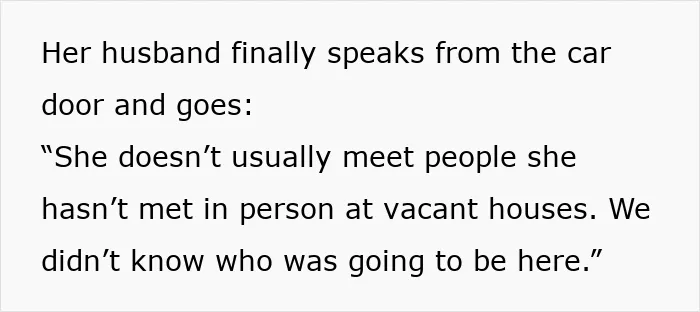
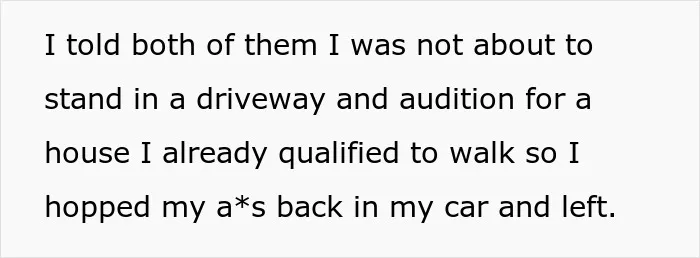
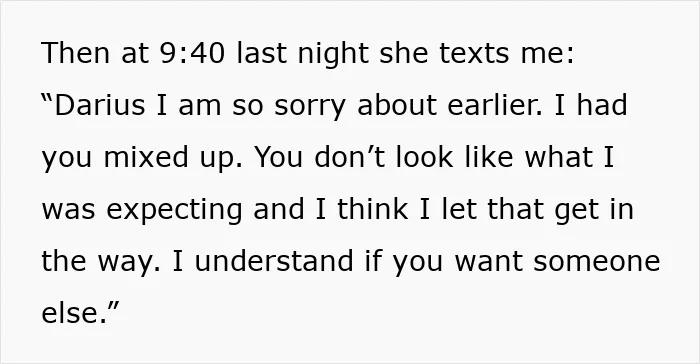

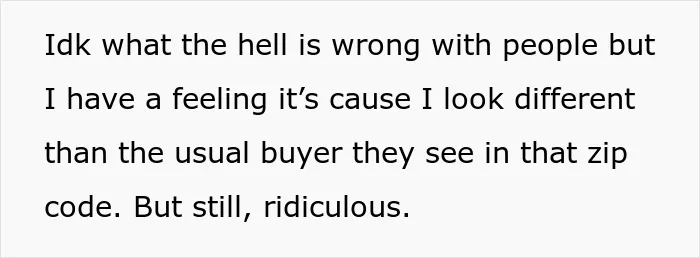
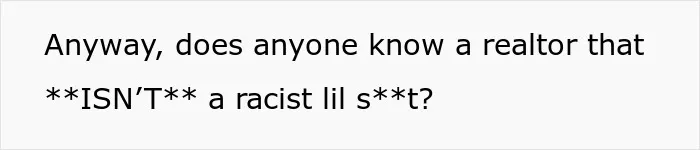

Not all racism or bigotry is loud and easily visible
In the paper that popularised the term, racial microaggressions are described as brief, commonplace slights, intentional or not, that carry a negative message, and the people delivering them are frequently unaware they are doing it, which you can read in the original 2007 write up. One of the recurring themes researchers catalogued is the assumption that a person of colour does not belong in a given space, or is a potential threat in it. That is not a feeling someone has to voice for it to govern their behaviour.
The second tell is where the stated reason goes. "This neighborhood is particular about people waiting outside empty houses" moves responsibility onto an invisible third party. Not me, the neighbors. Not my discomfort, community standards. Reasons that live somewhere else cannot be questioned, cannot be checked and cannot be held to account, which makes them useful. When an explanation is offered on behalf of a group that is not present, it is worth asking what it is standing in for.
The third tell is safety framing, which is the hardest one to talk about honestly. Meeting a stranger at a vacant property at six in the evening is a real professional concern, and plenty of agents have sensible rules about it. The question is never whether the concern exists. It is whether the rule was applied evenly. A blanket policy that every first showing happens with a colleague present is a policy. Suspicion that activates only once a specific client is standing there, after identity was already confirmed in writing, is something else. Consistency is the test, and it is a test most people can run on their own interactions.
This sort of discrimination might be more common than you think
The fourth tell arrives in the apology. "You don't look like what I was expecting" is unusually candid, and it locates the problem exactly where it sat, in an expectation formed before anyone met. Most people never get that sentence. They get silence, or a story about a scheduling mix up.
None of this is a fringe experience in property. A national study run for the housing department using matched testers found that Black buyers were told about roughly seventeen percent fewer homes and shown nearly eighteen percent fewer than equally qualified white buyers, detailed in HUD's 2012 findings. A later three year newspaper investigation on Long Island found that testers from minority backgrounds were treated differently in forty percent of cases, rising to about half the time for Black buyers, and that reporting triggered state hearings and subpoenas. Complaints have stayed stubbornly high, with more than thirty two thousand filed nationally in 2024 according to the latest fair housing trends report.
The reason those studies use matched pairs of buyers is the same reason this kind of treatment is so slippery to name. You only ever see your own transaction. You do not get to watch how the same agent greeted the buyer before you, which is why researchers had to build a whole method around it. Without that comparison, anyone on the receiving end is left doing guesswork, and guesswork is easy to dismiss as oversensitivity. So the practical version is simple enough. Keep the texts. Note who was told what and when. Ask for reasons in writing rather than in a driveway, because written reasons tend to be more careful than spoken ones. And when something feels off, the useful question is not whether a person is prejudiced, which is unanswerable. It is whether the same thing would have happened to someone else with the same approval letter.
He chatted with some of the readers in the comments
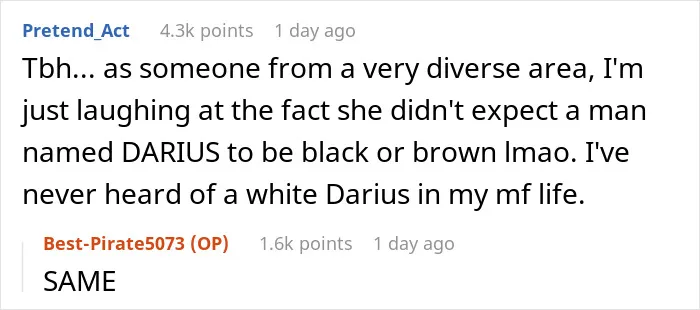
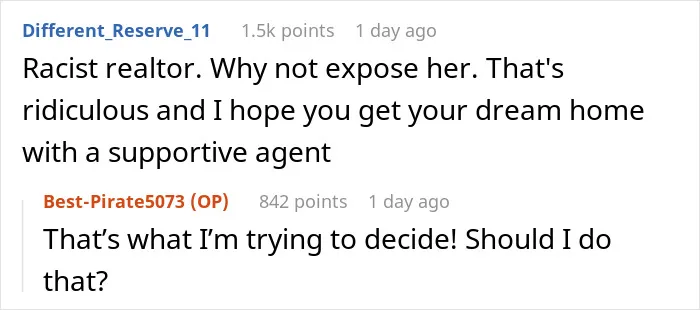
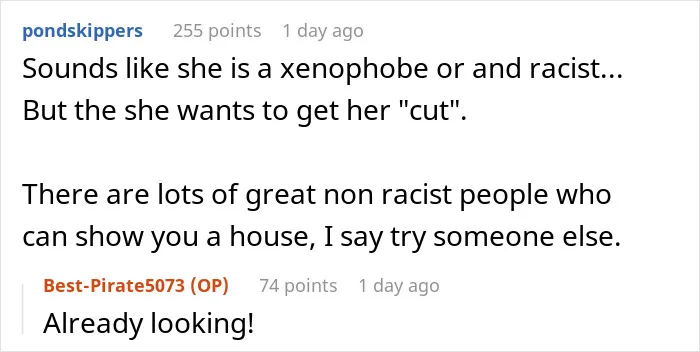
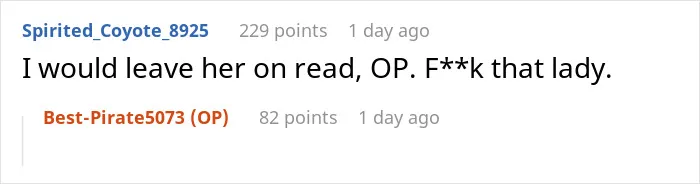


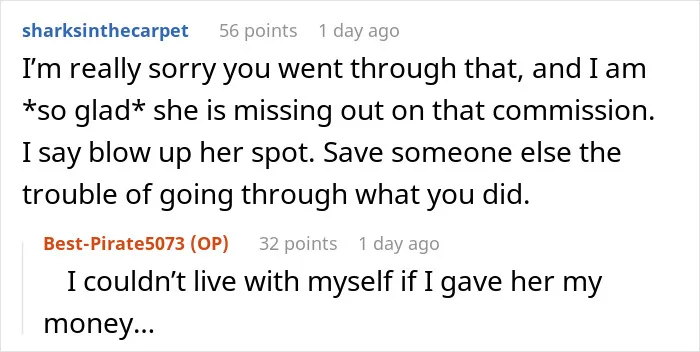
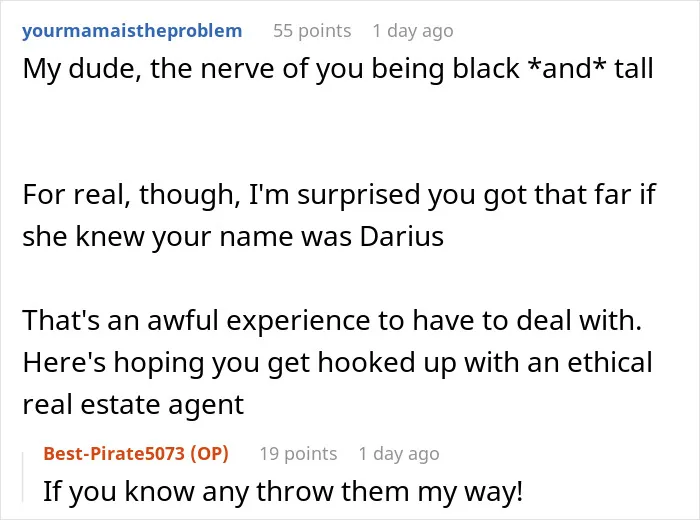
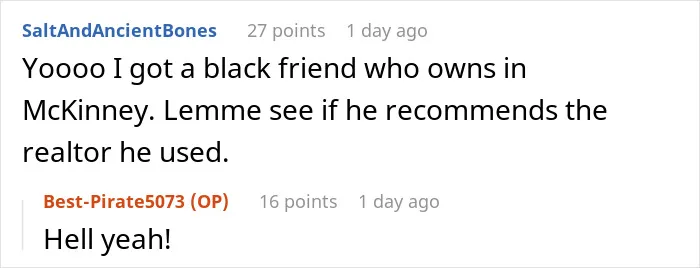
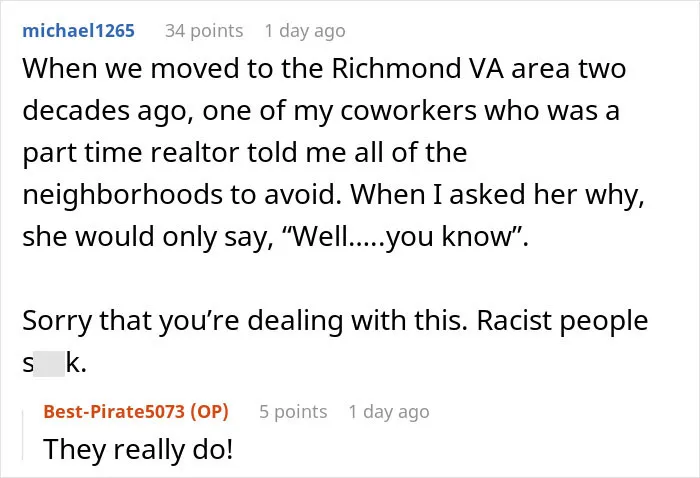
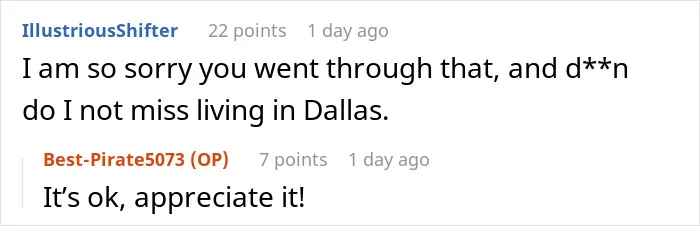
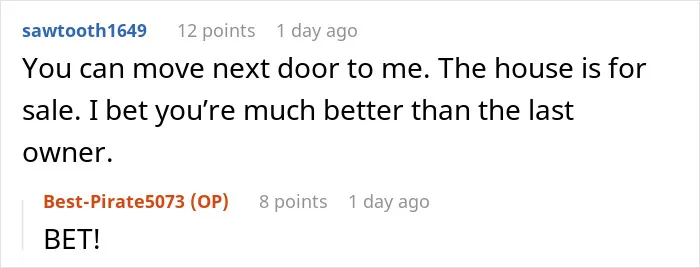
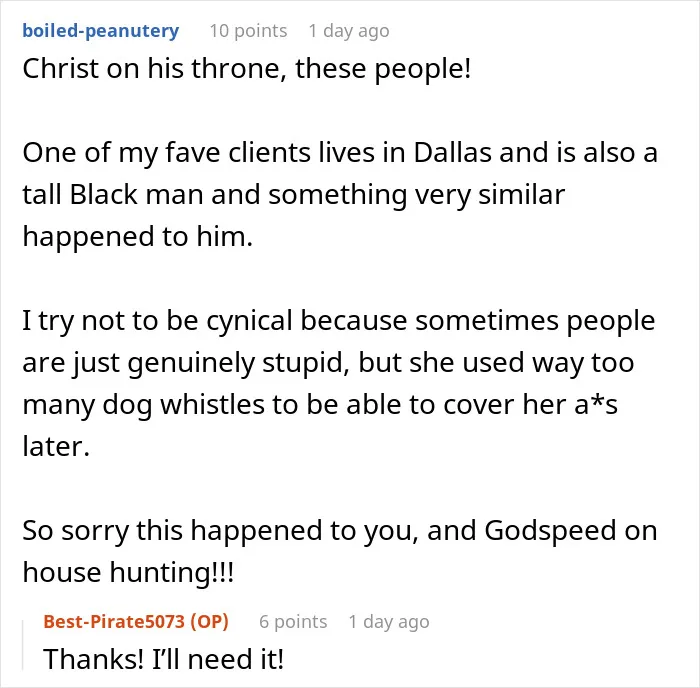
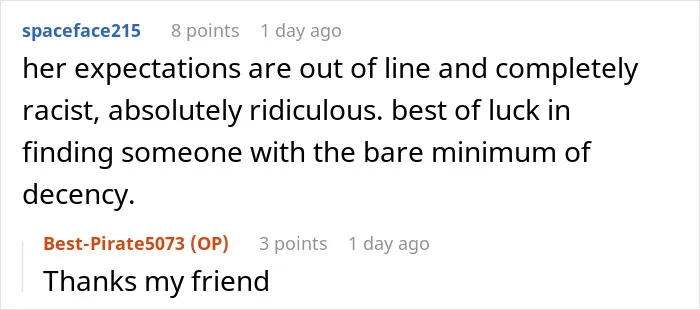
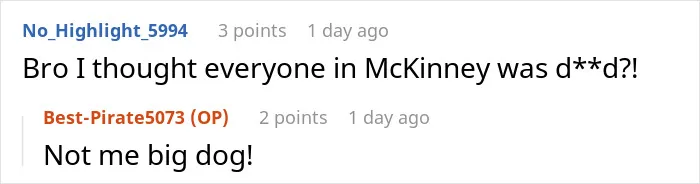
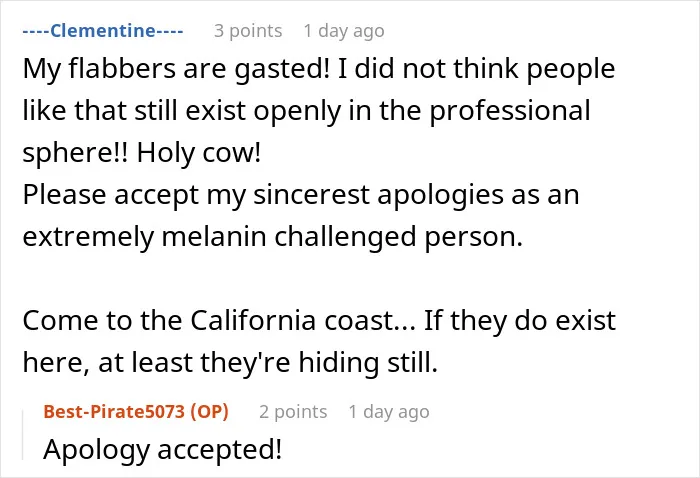
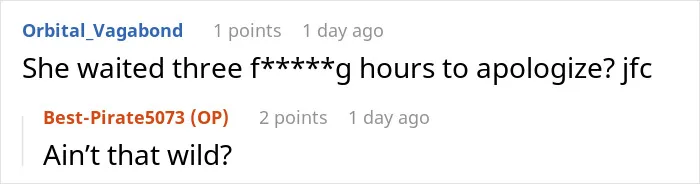
People agreed that the realtor's actions were racist