


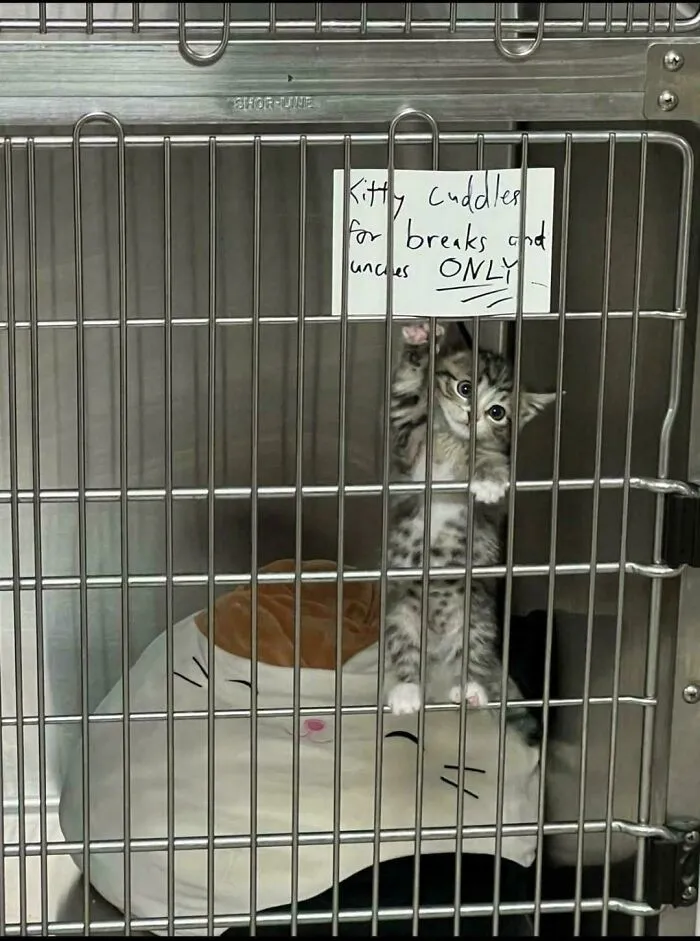
#2 "Kitten Cuddles For Breaks And Lunches Only". My Boy Nori Was Too Beloved By The Clinic Staff
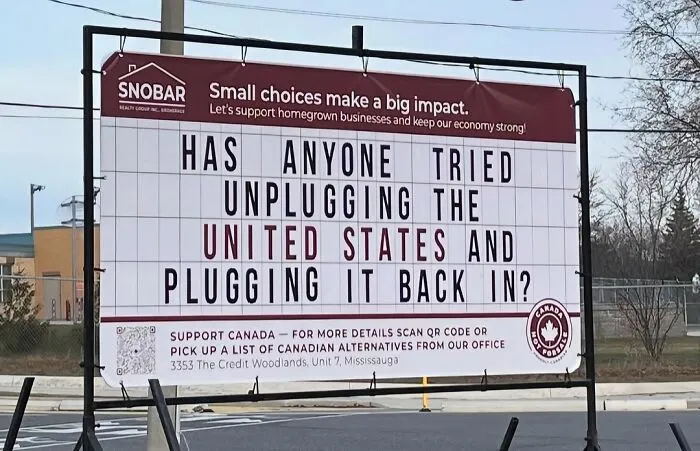
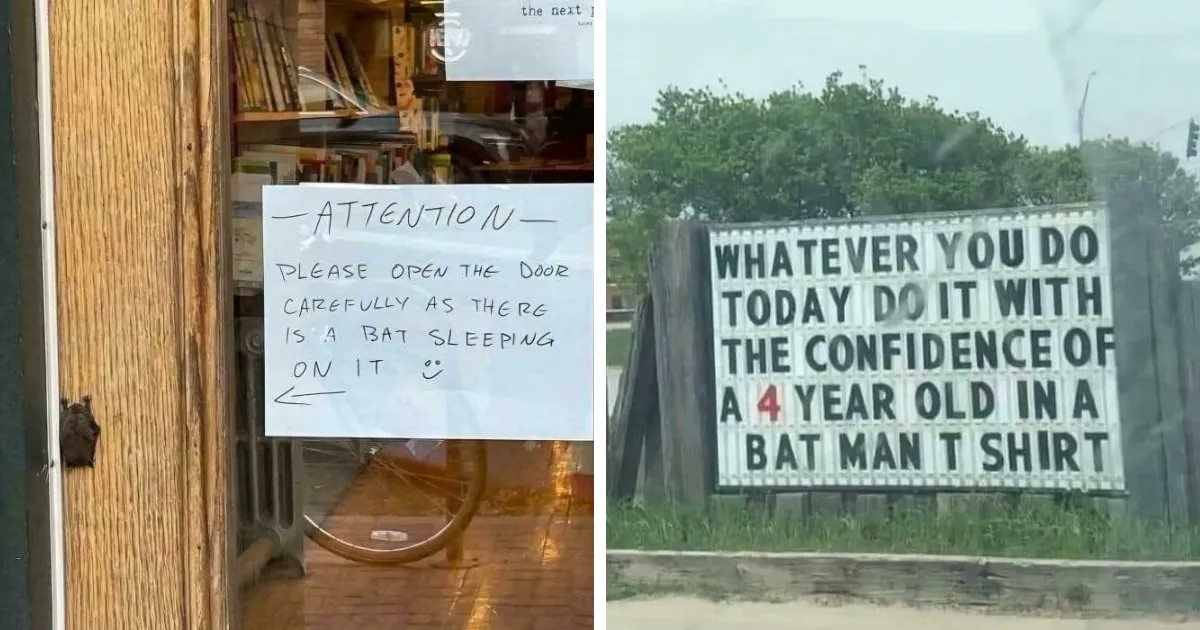
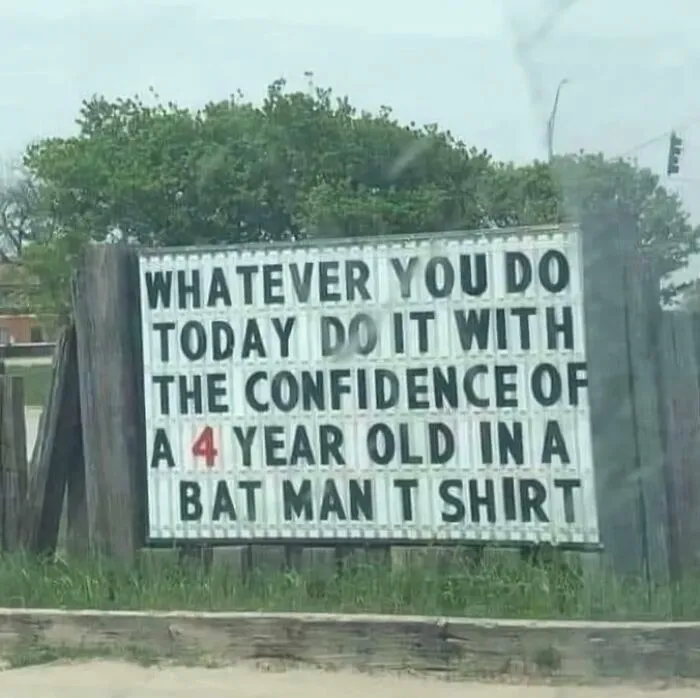
We think a lot of these ridiculous signs are probably intentional, because sometimes the best way to get people to pay attention is to make them laugh first. An unexpected message can make you stop and read it twice, especially when it is so oddly written that you cannot help but wonder why anyone chose those particular words.
Let’s be honest, when a sign is funny enough, you are probably more likely to remember it than a perfectly ordinary one you walked past five minutes ago.
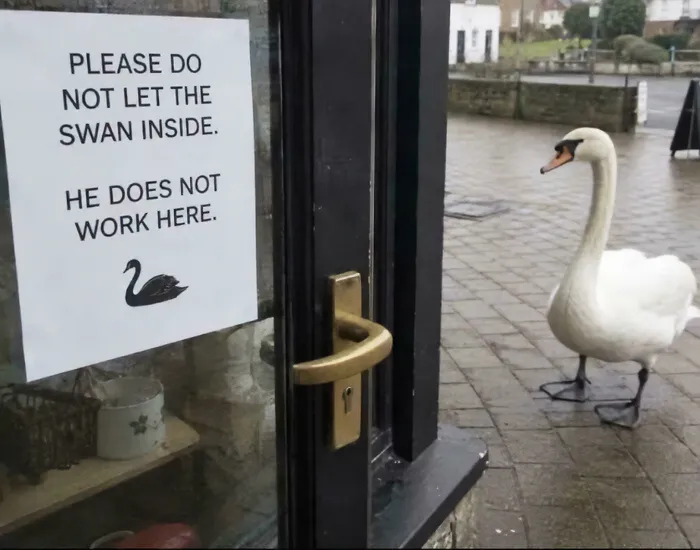
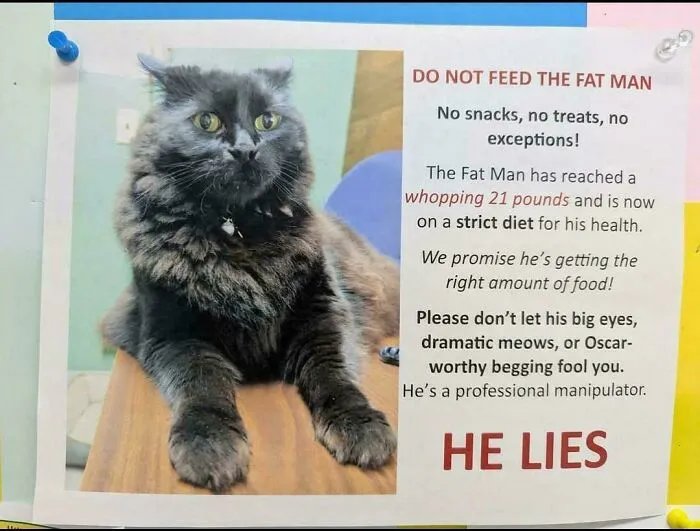
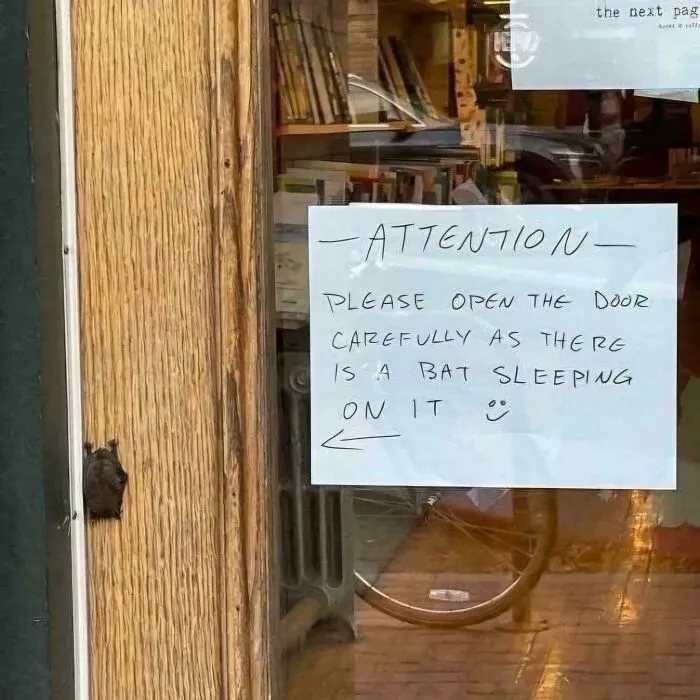
Businesses have long used humor to make their advertisements feel a little less like advertisements. A funny line can give a brand some personality and make a product feel more relatable.
Research on humor in advertising has found that it can improve people’s attitudes toward an advert and the brand behind it, which may explain why businesses keep finding creative ways to make us laugh with their signs.
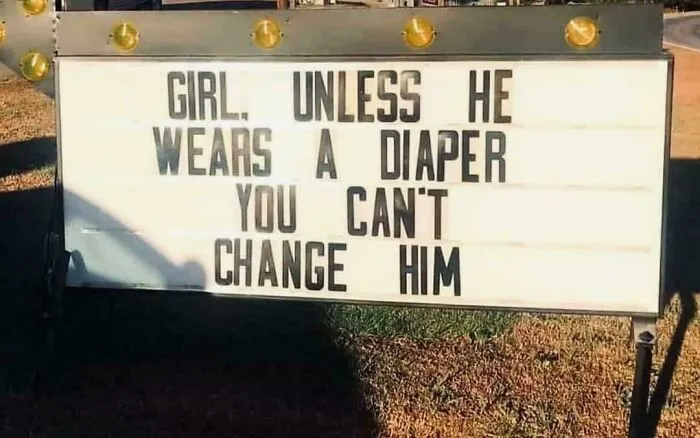
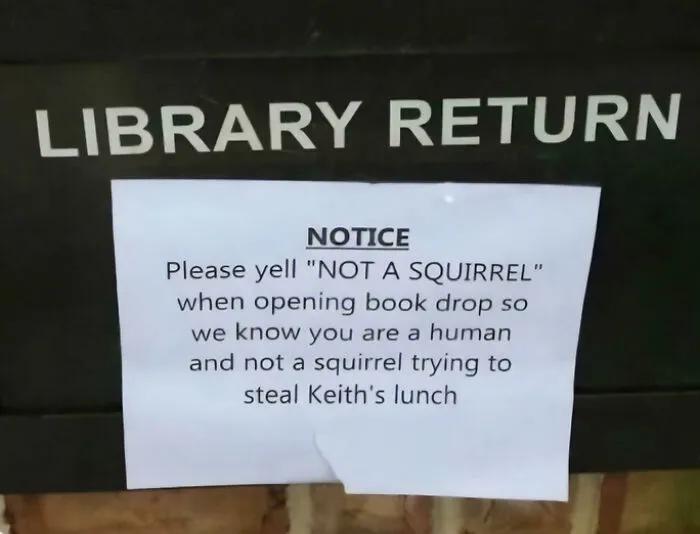
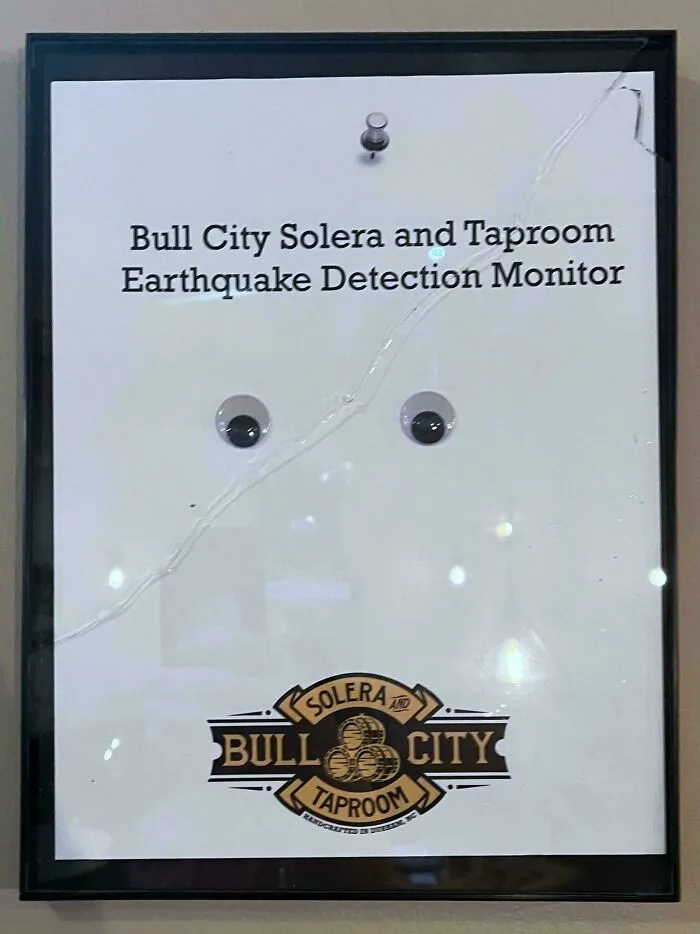
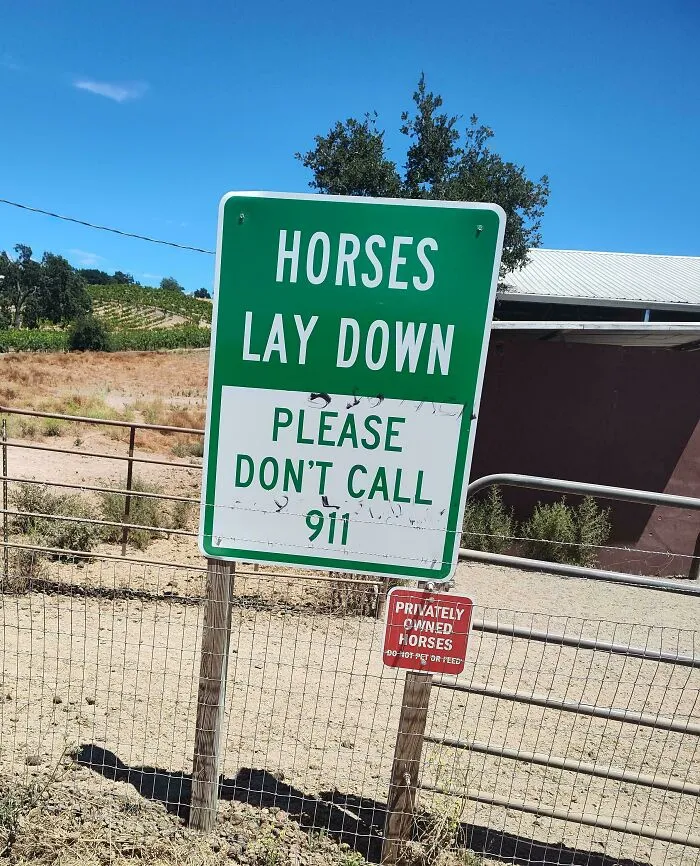
Some of the funniest signs I’ve seen feel like they have a whole story behind them. When the message is strangely specific, it can leave you wondering what happened to make that particular rule necessary in the first place.
You may never get the full story, but that little mystery is part of what makes these signs so entertaining. There is always a chance that somebody, somewhere, did exactly what the notice tells everyone else not to do.
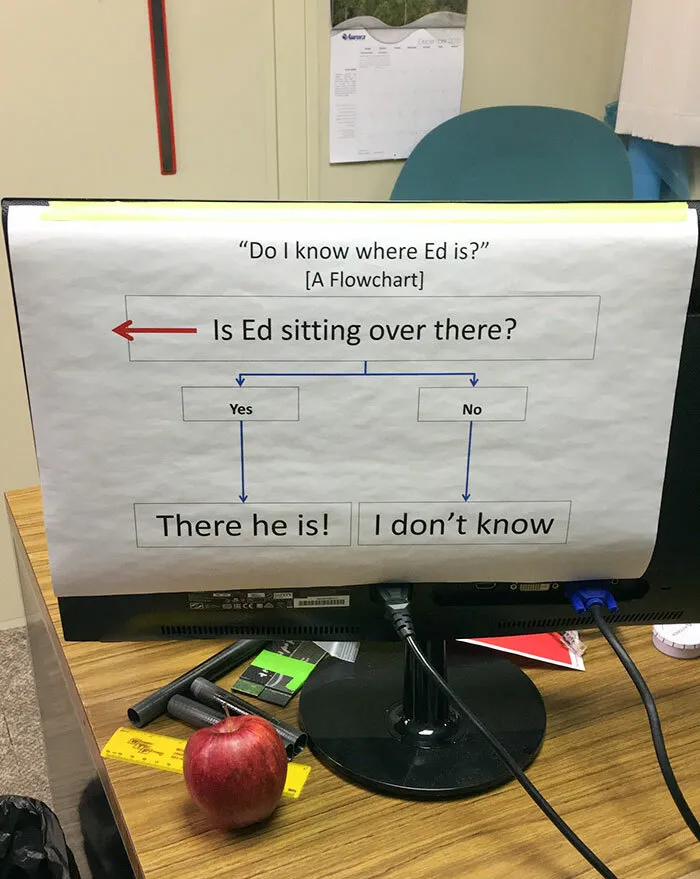
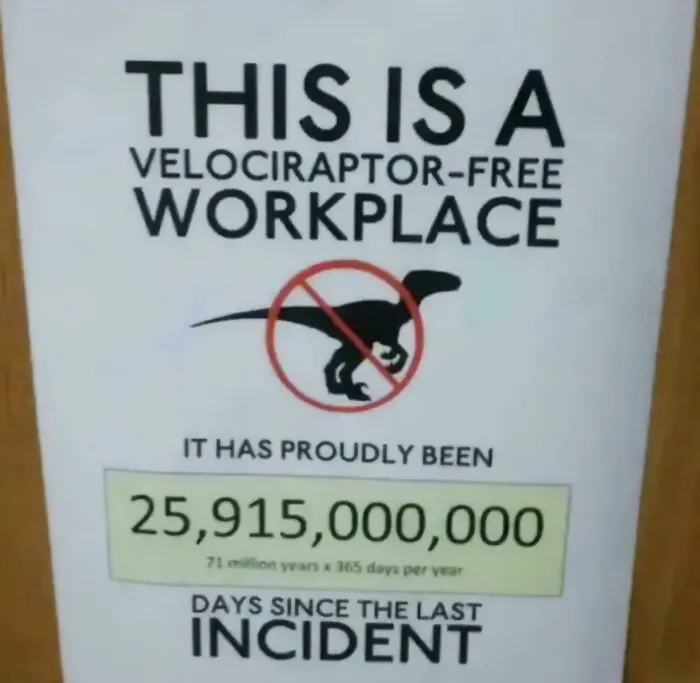
#12 This Is An Actual Street Sign Where I Live (It's A Very Tiny Tourist Island With Very Few Permanent Residents)
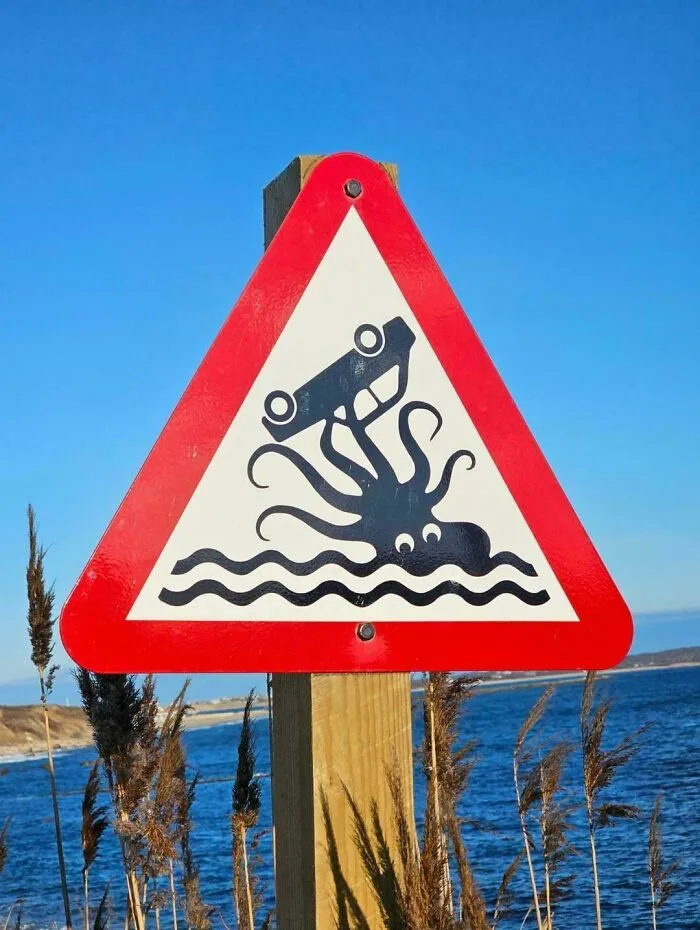
Warnings do not always have to be boring, either. A few well-chosen words can do the job, but throw in a striking image and you have a much better chance of getting people to actually look.
Research has found that pictorial health warnings can grab and hold attention more effectively than text alone, which makes sense when you think about how quickly most of us skim past a wall of words.
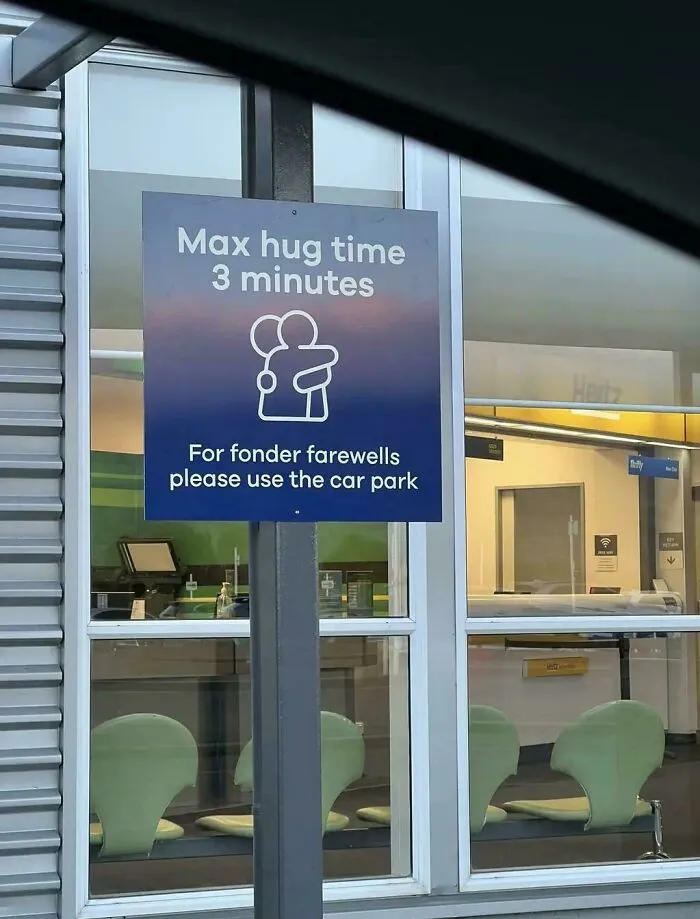
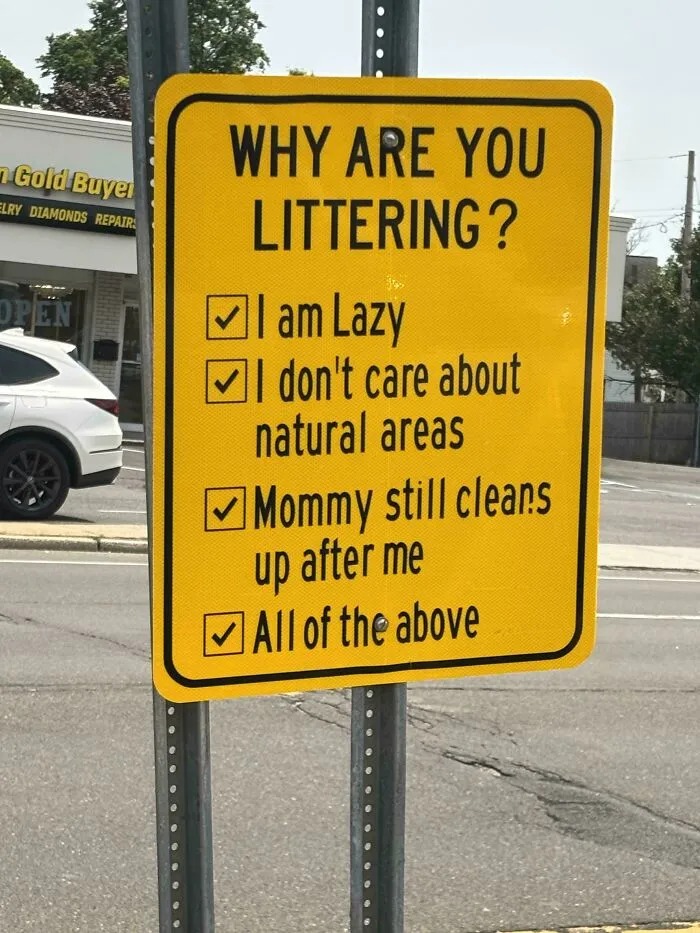
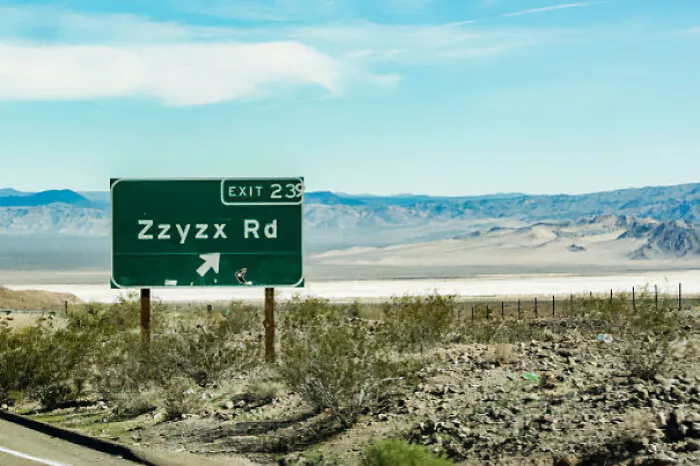
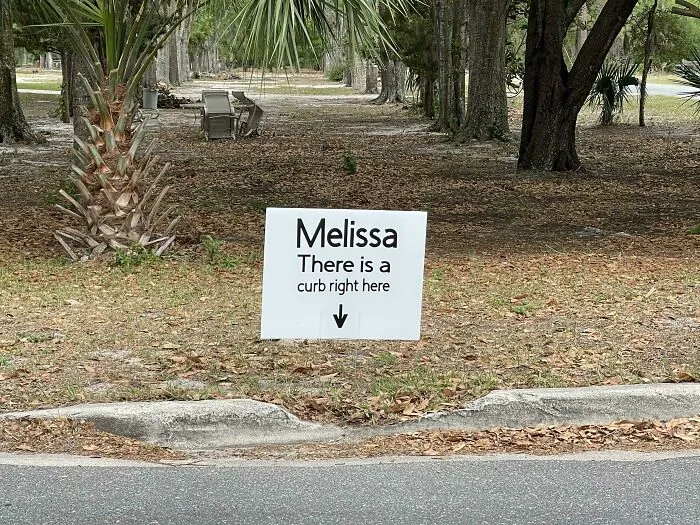
Specific wording can make a notice feel strangely personal. “Keep out” gets the point across, but “Melissa, there’s a curb right here!” makes you wonder what exactly is happening at that spot and how many people needed that warning before somebody put it up.
Studies on public signage have found that clearly stating the requested behavior can make a message more effective, which may explain why some notices get very specific about what they want people to do.
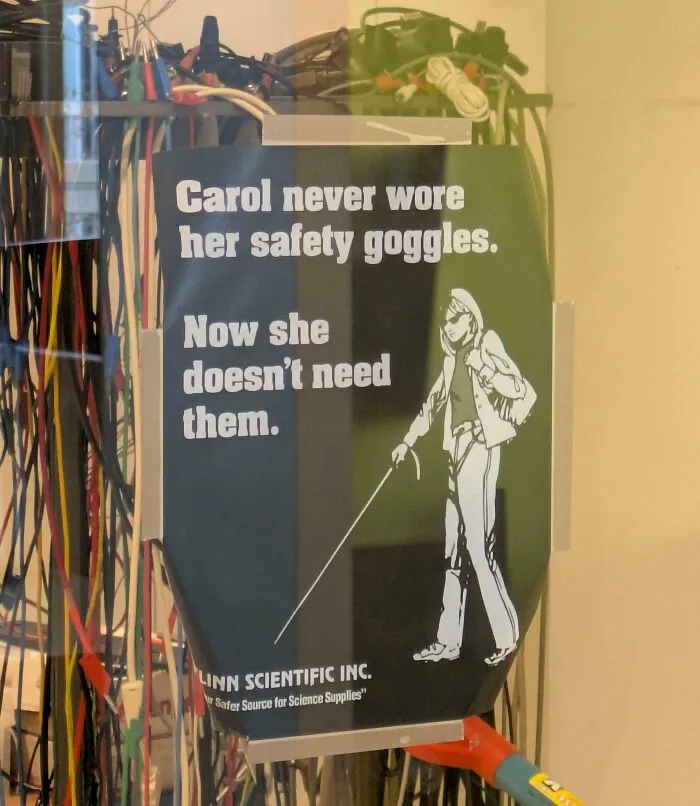
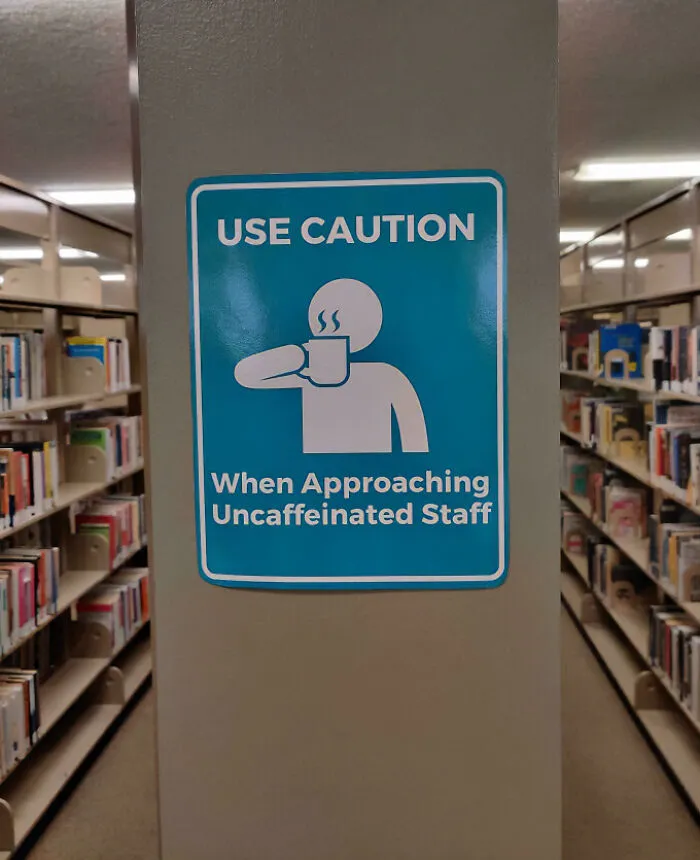

Some signs seem to have a personality of their own. The wording might be unusually polite, slightly sarcastic, or just plain cheeky, and now a boring instruction feels like an actual human being wrote it.
In fact, research on public signs has found that humor and other rhetorical touches can help create a sense of connection with readers.