



This post may include affiliate links.
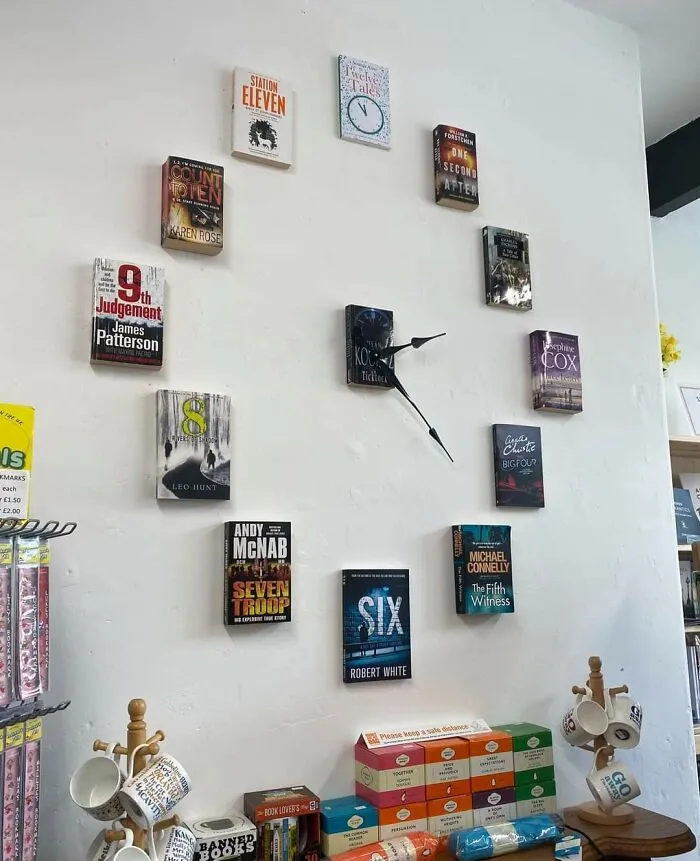
#1 Clock Made Using Books With Numbers On The Cover Page. The Book Lounge In Kirkby Lonsdale
#2


Usability and ergonomic design play a major role in how people experience consumer products, which is why even small design improvements can make a surprisingly big difference.
In design, ergonomics is about making products fit our bodies, not forcing our bodies to fit the product. The goal is to eliminate discomfort and risk of injury due to work.
Don Norman, the author of “The Design of Everyday Things,” argues that many everyday frustrations come from poor design, not user mistakes. For example, a door that makes people push when they should pull, or a bottle that is impossible to open.
This usually happens because some designs focus on the requirements of the system and the machines rather than on the requirements of people.
#4

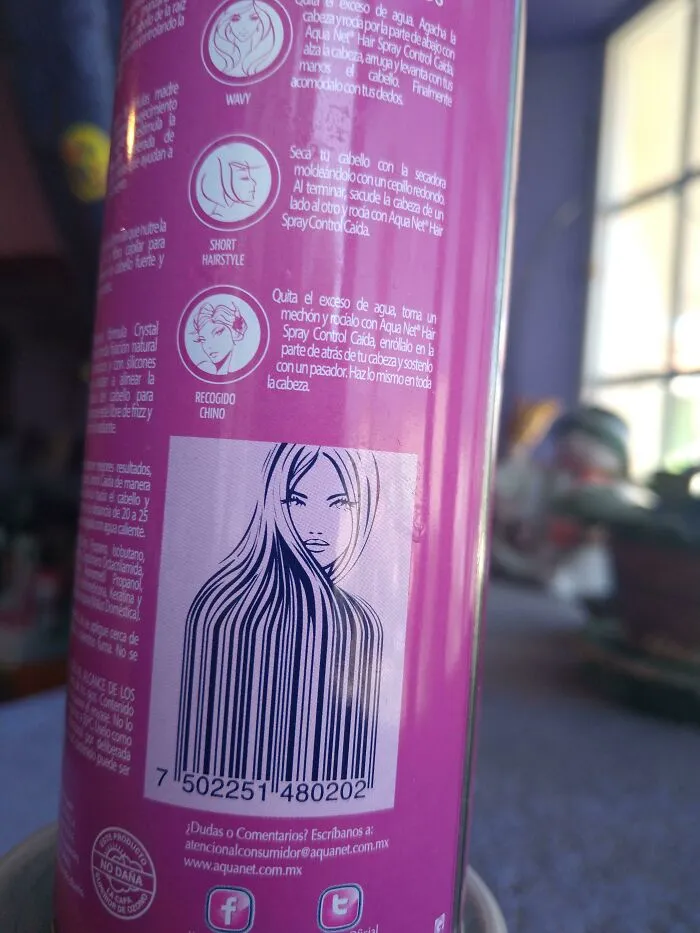
It’s easy to assume that the tools we use every single day were designed for the masses from the start. However, some of the most functional upgrades in modern history didn’t start out as mass-market consumer ideas at all. They began as targeted solutions for people living with physical disabilities, and ended up making life better for everyone else.
This phenomenon is known as the curb cut effect. It proves that laws and programs designed to benefit vulnerable groups, such as the disabled or people of color, often end up benefiting all of society.
In the 1970s, disability activists fought for sloped sidewalk ramps so wheelchair users could cross streets safely. Once the ramps were built, everyone started using them. Parents with strollers, travelers with rolling bags, delivery workers, and bicyclists all use the ramps now because they make moving easier.
Even electric toothbrushes were originally designed for hospital patients with limited arm movement, but are now widely used.

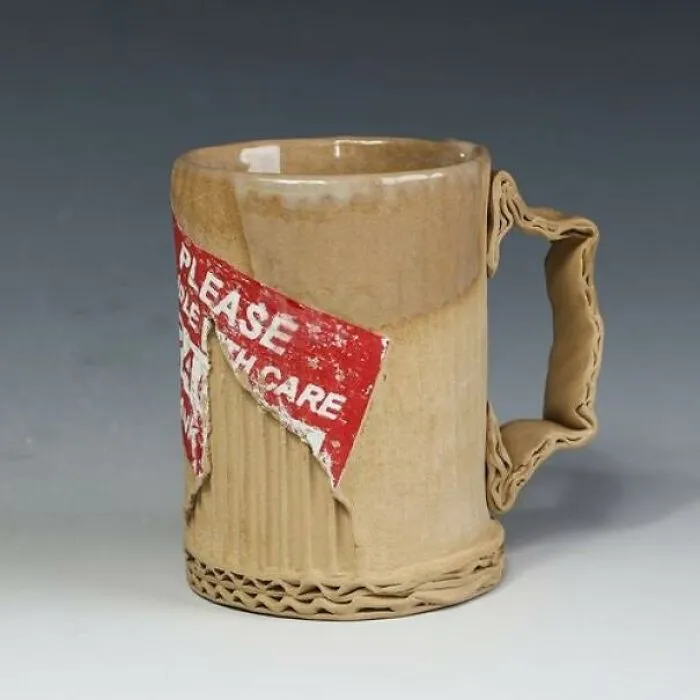
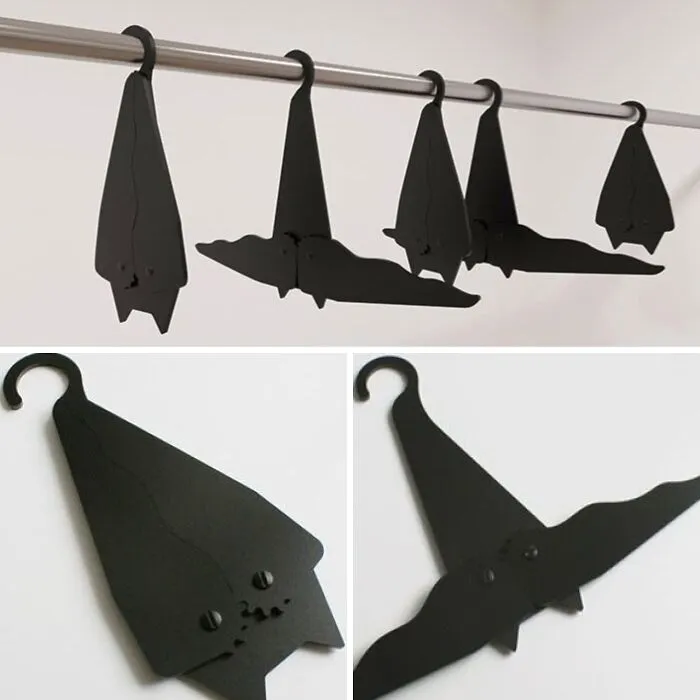
When we talk about clever home designs, it is easy to think of features like glow-in-the-dark toilet seats or motion-activated ambient night lights as mere aesthetics.
But looking closely at injury data reveals that these simple design changes solve a major public health hazard hiding in plain sight.
According to the Centers for Disease Control and Prevention (CDC), roughly 80% of all bathroom injuries are caused by slips and falls.
The bathroom is, statistically, the most dangerous room in the average house. Hard, slippery surfaces combined with water create a constant risk. The danger spikes drastically at night when people walk into dark bathrooms half-asleep.
#10 The Water Fountain Repair Guy Left Behind A Tiny Water Fountain Calling Card


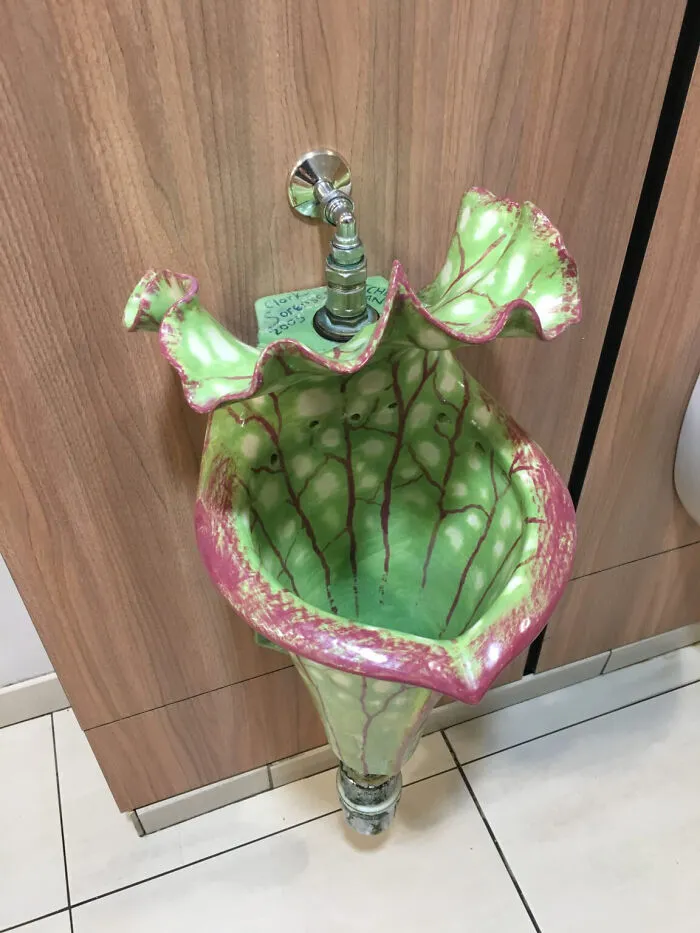
Simple modifications can actually become life-saving tools.
A Cochrane Systematic Review analyzing data from thousands of participants found that targeted home safety adaptations, such as improving lighting, adding non-slip surfaces, and installing grab bars, reduce overall fall rates by 26%.
They also cut falls among high-risk seniors by up to 38%.
“Make sure that your bathroom lighting is adequately bright enough for your daily needs… You may want to use a nightlight or install an illuminated switch in order to make the bathroom easier to find in the middle of the night. Some even use glow-in-the-dark stickers or markings to create an easy-to-see path from the bedroom to the bathroom,” says Brian O. Sutter of Florida’s All Injuries Law Firm.

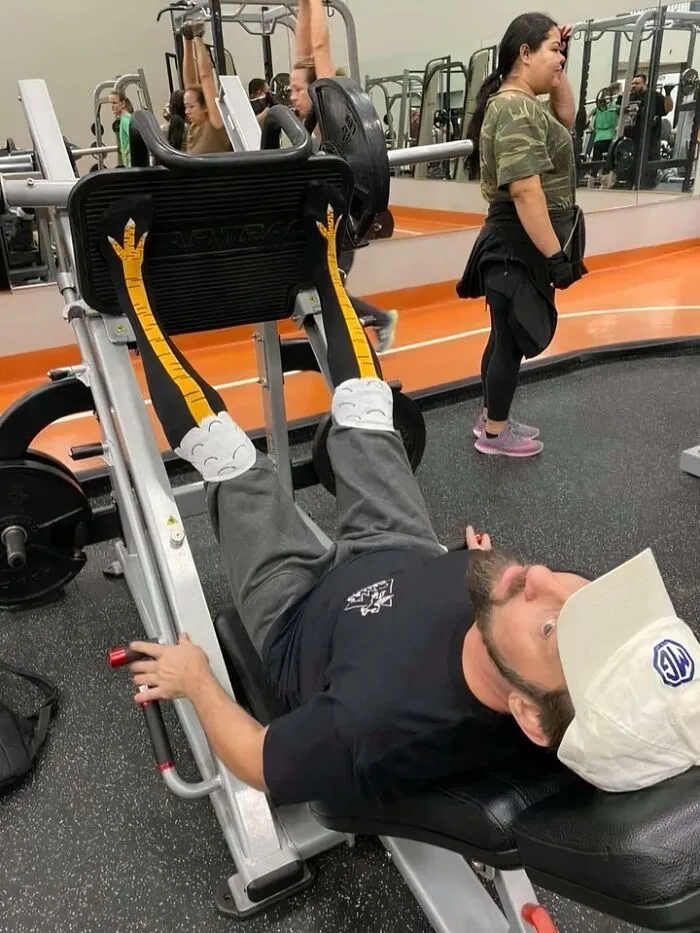
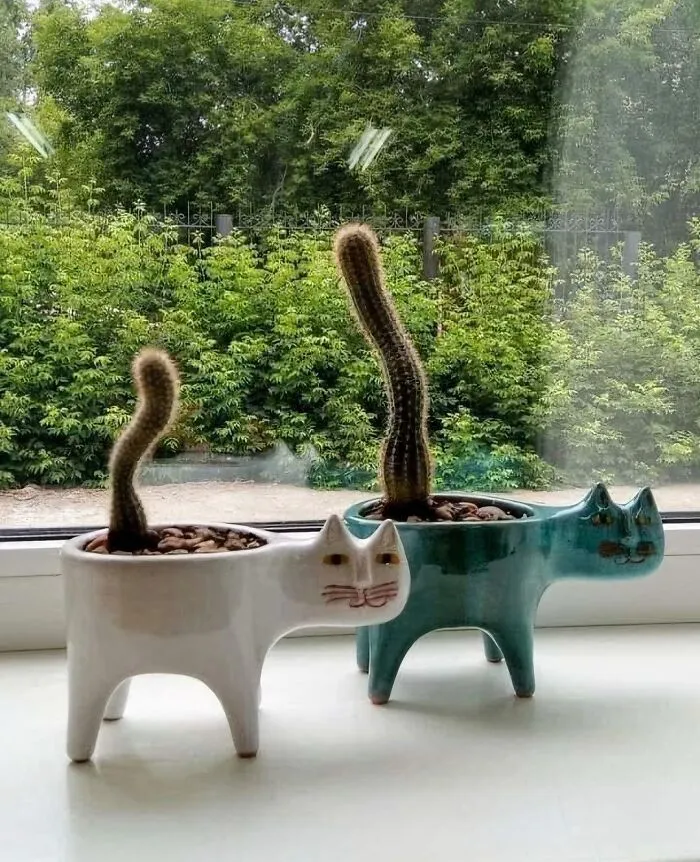
Designers often aim to boost productivity and minimize discomfort by tailoring everyday objects to individual requirements. This holds especially true in a workplace environment.
Research from the University of Leicester indicates that ergonomic setups can boost employee productivity by up to 40%. In controlled workplace studies, up to 70% of workers report direct performance improvements after switching to proper ergonomic chairs.
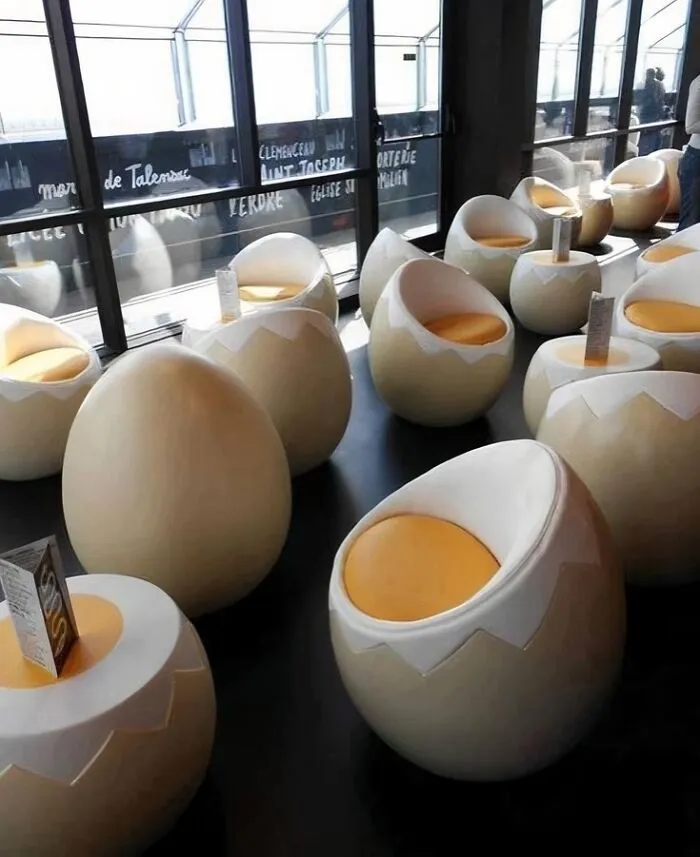

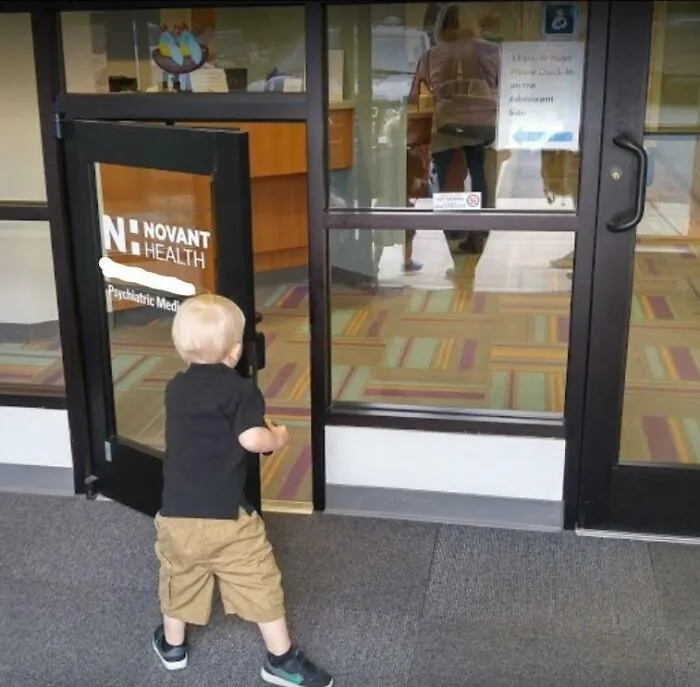
Our environment and aesthetics play an equally important role in everyday settings. For example, one company built an office break room styled like the interior of a commercial airplane, complete with simulated cabin windows and row seating.
Stepping into a regular break room that looks just like the rest of the office may not stop work-related stress. Stepping into a room that visually feels like travel can force the brain to take a real mental reset.