



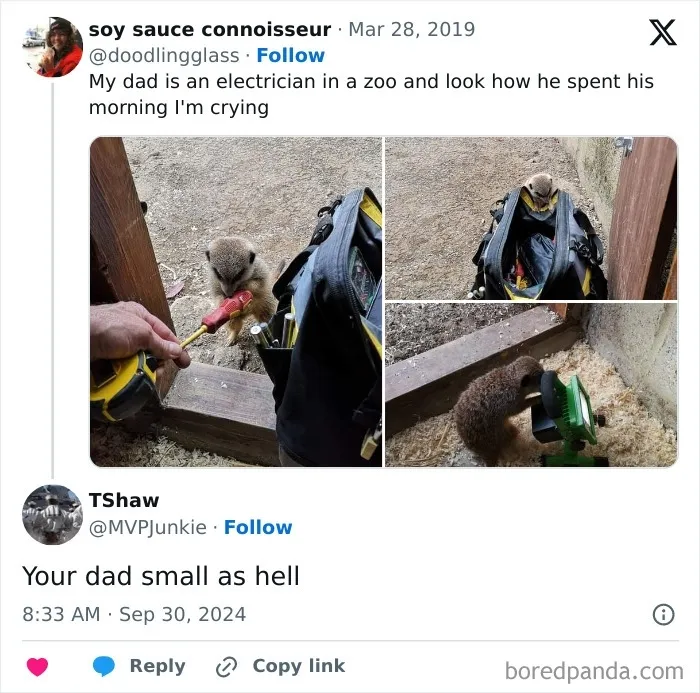
The art of the perfect insult has a longer and more distinguished history than the comment section might suggest. Shakespeare was, by most accounts, one of the finest insulters in the English language. "Thou art a boil, a plague sore, an embossed carbuncle in my corrupted blood" is a line from King Lear that no Twitter reply has yet managed to surpass, though several have tried.
Winston Churchill's alleged response to being told he was drunk — "and you, madam, are ugly, but tomorrow I shall be sober" — remains one of the most quoted comebacks in political history. The impulse to say something devastatingly accurate about another person is not a product of the internet, but the internet gave it a much larger audience and a like button.
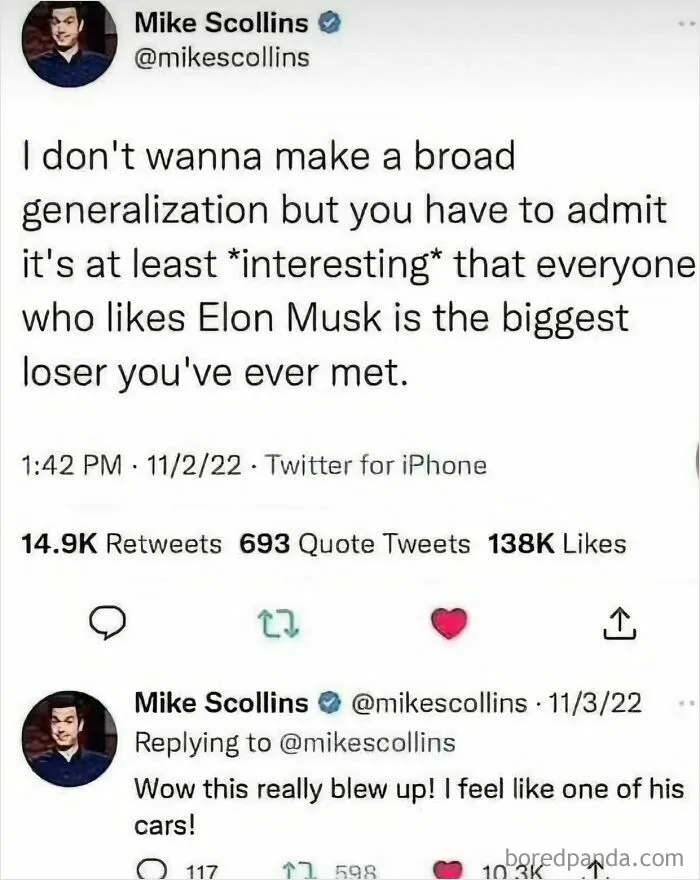
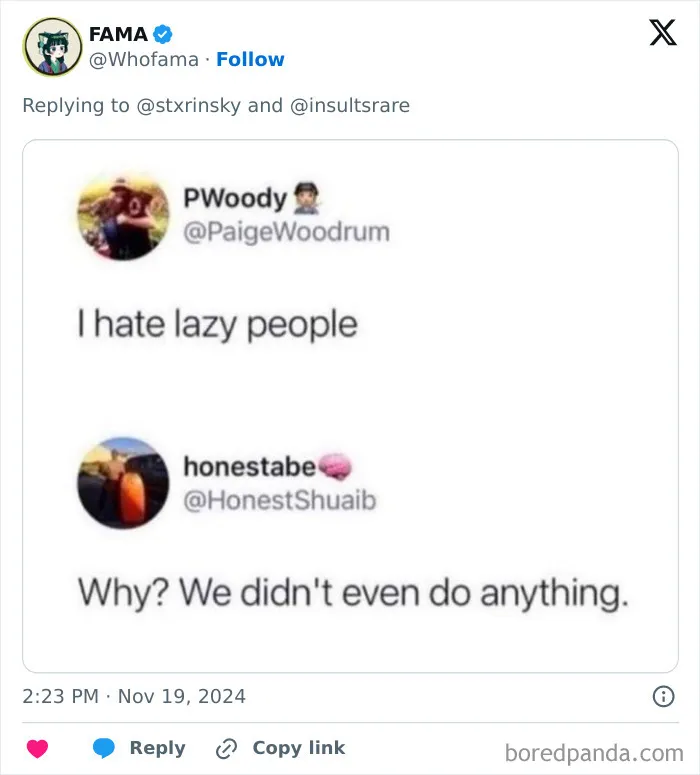
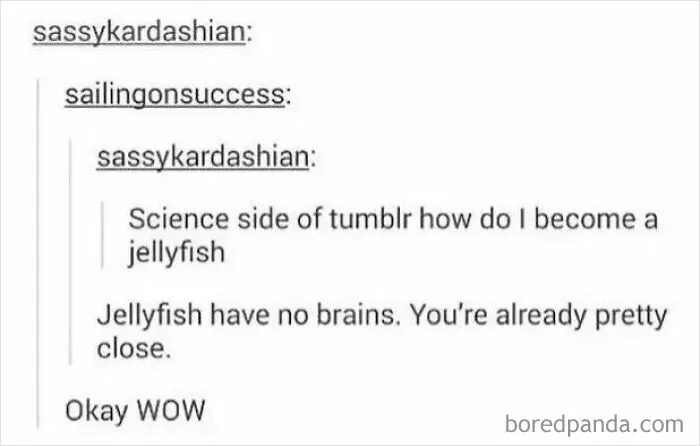
A study published by Monk Prayogshala found that nearly 28% of surveyed individuals admitted to engaging in malicious online activity directed at strangers, and 12% admitted their comments were extreme enough to be removed by a moderator.
Which means that at any given moment, roughly one in four people on the internet is either actively being unpleasant to a stranger or thinking about it. The comment sections in this collection are the other side of that statistic, the moments when the malicious impulse produced something so perfectly crafted that it transcended its own nastiness and became, against all odds, art.

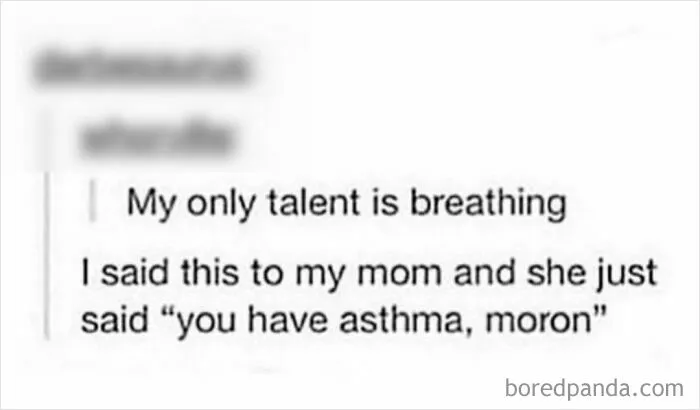
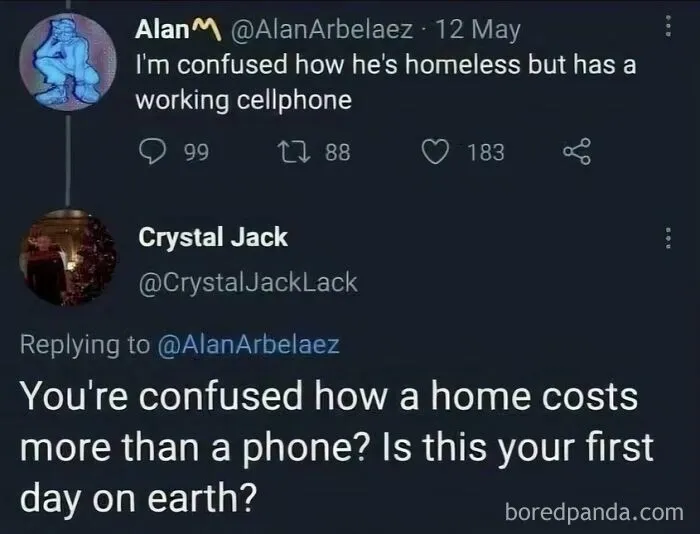
Psychologist Sebastien Montel points to online disinhibition as the engine behind all of this. Behind a screen, people feel anonymous, removed from consequences, and freed from the immediate social feedback that normally regulates behaviour. You cannot see someone's face when your comment lands. You cannot hear their voice.
The empathy mechanisms that govern face-to-face interaction simply do not fire in the same way, which makes it significantly easier to say something devastating and significantly harder to feel bad about it afterward. The screen is not just a barrier. It is a permission slip for those bold enough to comment.
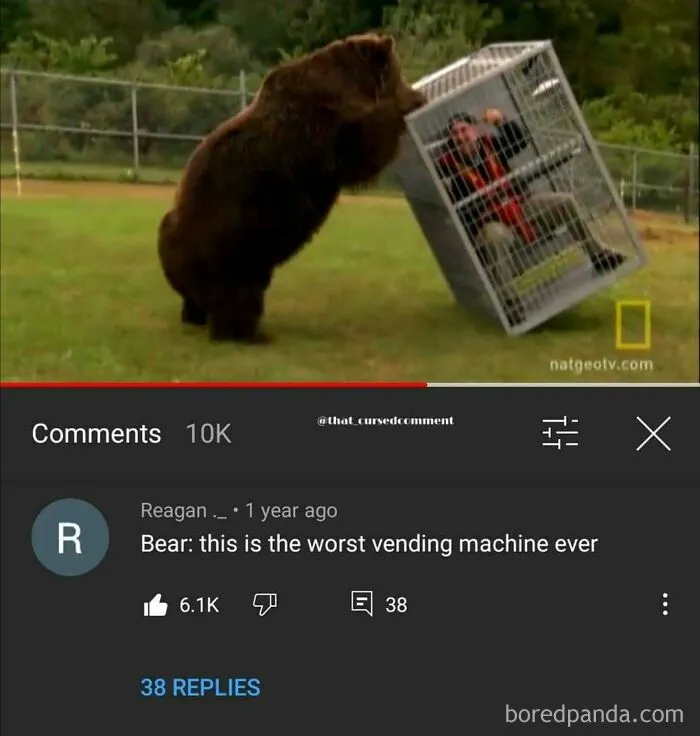
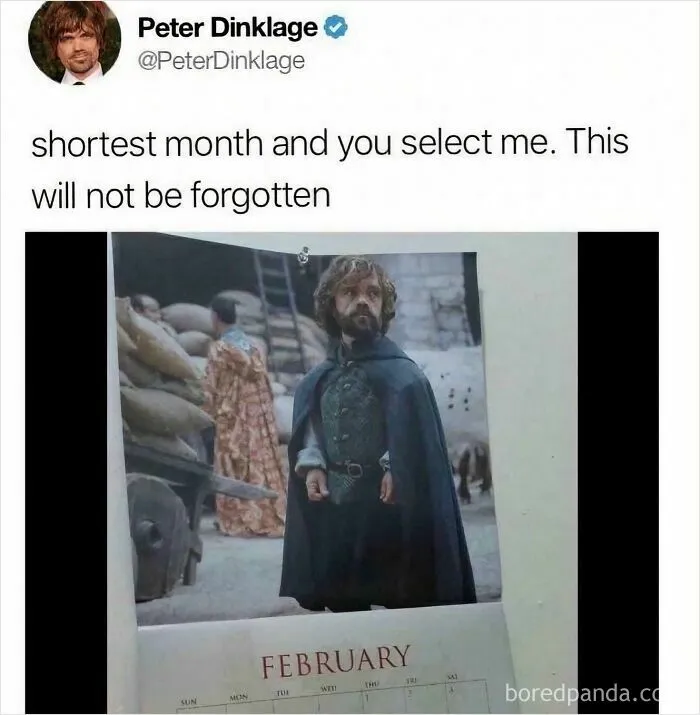
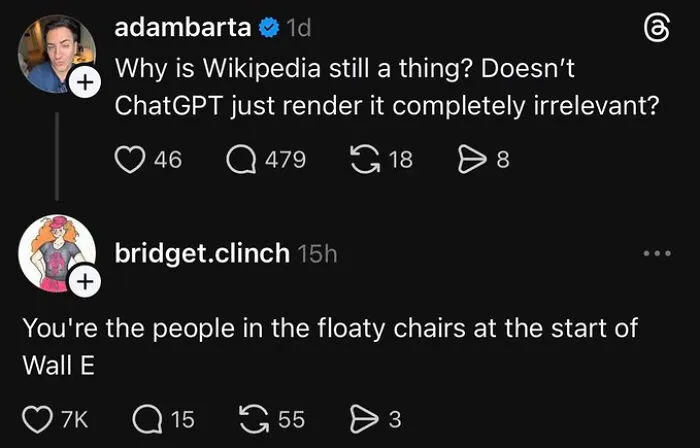
So which app is home to the worst trolls? The toxicity is not evenly distributed across platforms, according to research by SimpleTexting. They asked users to rate the toxicity of major social media apps on a scale of one to ten, and Twitter leads at 7.82. It tracks, given that it is where most cancellation campaigns, divisive memes, and genuinely unhinged public arguments begin their lives.
Reddit follows at 7.63, boosted significantly by the anonymity that the platform offers and the absence of meaningful consequences for bad behaviour. Facebook sits alongside Reddit, bolstered by years of misinformation and boomers who just love to have the final say. YouTube, remarkably, was rated lowest of the major platforms at 5.38.
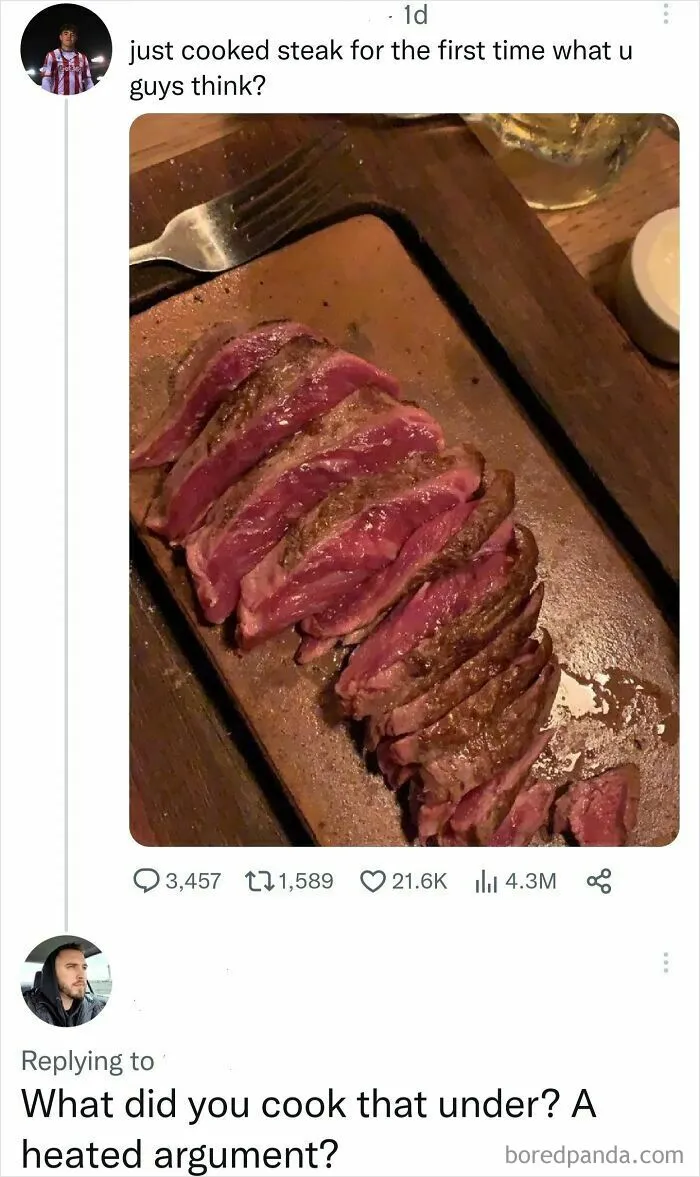
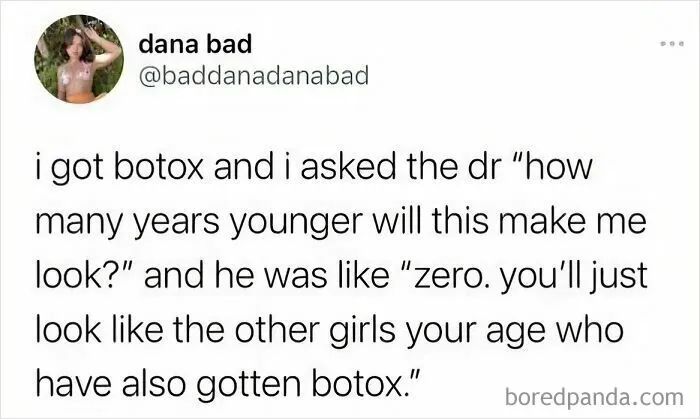
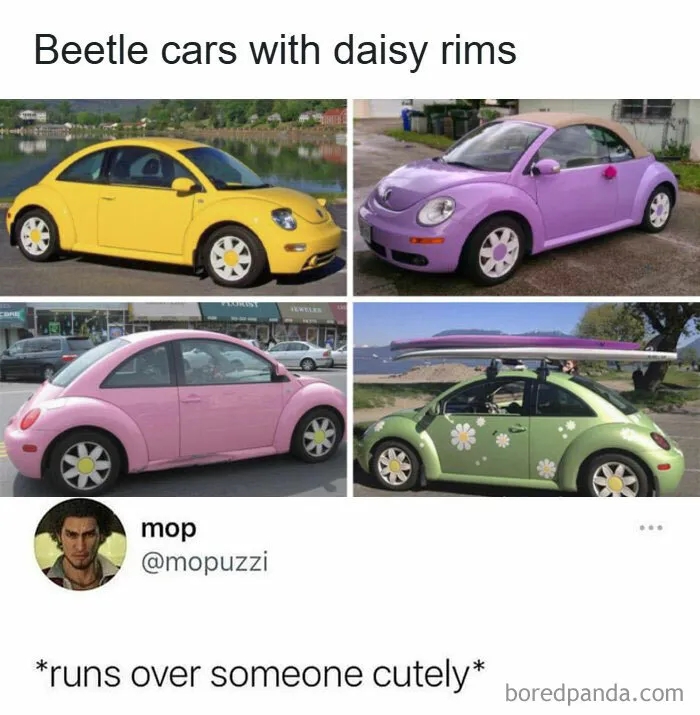
Those stats make the insults in this collection a strange kind of miracle. They emerged from the most disinhibited, consequence-free, anonymity-enabled corners of the internet and somehow gave us something worth reading twice.
The platform enabled the worst of human behaviour and accidentally, occasionally, facilitated some of its wittiest. The comment section giveth and the comment section taketh away, and sometimes what it giveth is genuinely, spectacularly funny.