



#1

#2
#3

What happens behind closed doors in some industries often directly impacts your health, wallet, and overall well-being.
For instance, not cleaning produce might seem like a minor oversight in a busy restaurant, but it carries real consequences.
According to the Mayo Clinic, properly washing fruits and vegetables reduces pesticide residue and prevents foodborne illness.
Then there is the physical hardware you touch before you even order. Research shows that restaurant menus are frequently the single dirtiest item in the entire establishment, harboring up to 185,000 bacteria per surface. Tests have shown that E. coli and S. aureus (staph) can also survive on menus.
#4

You see all their break ups, hear all their drunk confessions, find out all their dirty secrets, watch them fall over with their privates out, throw up on themselves, deal with them blacking out and hitting on you. I once had to deal with an old high school teacher I actually admired very much getting so drunk she broke her heels and I had to carry her crying to a taxi cab. She had just divorced her husband and tried to kiss me.
I have hundreds of stories like that one. It takes a very thick skinned person to deal with it sometimes. It's not all woo girls and after parties. There's some dark days.
#5
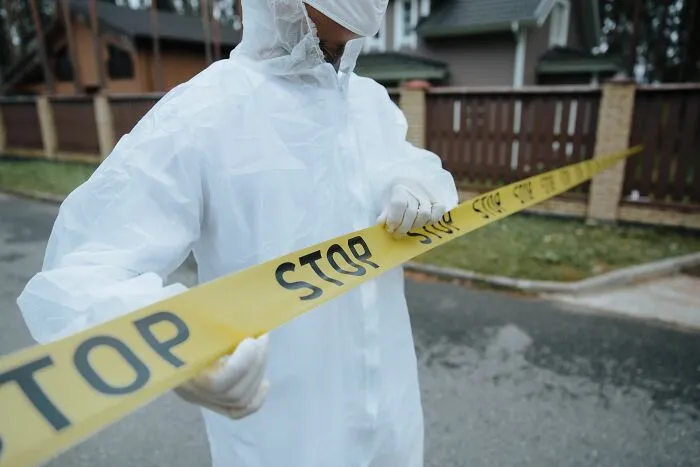
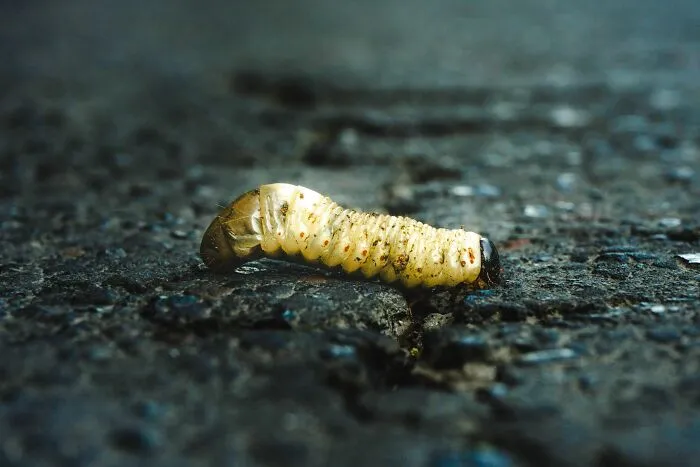
When we respond to a decomp case and there is maggot activity, the medical examiner’s office will freeze or keep the body extremely cold until the autopsy is performed.
When they move the body to the exam room, the frozen maggots will thaw and reanimate.
#6
A study by the Centers for Disease Control and Prevention (CDC) observed kitchens in over 300 US restaurants and found that potential cross-contamination occurred in 63% of them. Unwashed hands, dirty tools, and unwashed raw prep mostly drove it.
So, why are so many kitchens cutting corners?
It usually comes down to corporate pressure and economics. A SmartSense industry report revealed that over 85% of restaurants operate under a “do more with less” mindset. When staff are pushed to work faster with fewer resources, basic sanitation gets pushed aside.
#7
#8

Bobby gets a B on the quiz?
Five paragraph email telling his teacher they’re a failure and should be ashamed of themselves for ruining Bobby’s future.
Kid gets a really good part in the play but not the lead?
Five paragraph email about how Kayla will never find passion or joy in the arts again.
Sarah got a zero for not doing her assignment (after two extensions, offers for extra help, and a reminder message home?)
Five paragraph email about how you should quit teaching and I’m taking this to the superintendent.
It’s not once in a while. It’s at least once/week for every teacher in the building.
#9

There were an estimated 9.9 million foodborne illnesses in the US, according to latest official government data.
Now consider how often anyone actually checks. In the US, most restaurants are inspected once or twice a year — high-risk establishments every six months, others annually or even every two years.
That means for the other 363 days, what happens in the kitchen stays in the kitchen — unless someone on the internet chooses to expose it.
#10
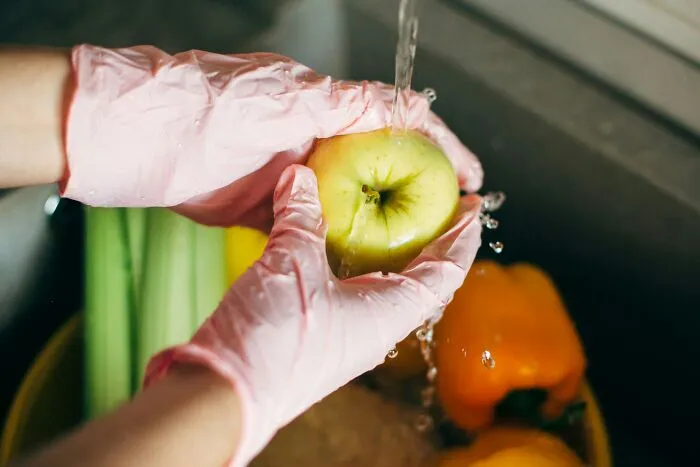
A lot of restaurants don't wash your vegetables before they cook them.
Memory care hires a LOT of messed up people. Everything you can think of. Yes, it happens.
Homeless services are a hunting ground for predators.
#11
#12

Before we jump to blame front-line staff, it helps to understand how broken systems push employees to take shortcuts. In reality, most people are just trying to survive an impossible work environment.
In a recent Moodle survey, 81% of 18-to-24-year-olds and 83% of 25-to-34-year-olds reported feeling burnt out.
The main driver of workplace burnout comes down to workload overload — people have way more tasks on their plate. Nearly a quarter of workers said they didn’t have the basic tools or resources needed to get their jobs done.
At least 20% said a poor economy was affecting their well-being at work, and 19% reported stress from taking on too much work due to labor shortages.
#13

#14
#15
Many people rush to spill the tea online simply because venting anonymously feels safe and freeing.
For employees who are still on the clock, speaking up through official channels is a massive risk.
In a recent survey by the Institute of Business Ethics, nearly 23% of employees said they noticed illegal or unethical behavior at their job in the past year. But around 33% of those who witnessed misconduct chose to stay completely silent.
A huge 43% worried that speaking up would cost them their job, while many others felt management simply wouldn’t fix the issues anyway. For the brave 67% who actually did speak up, about half faced direct retaliation or personal disadvantage.
#16

#17

#18

Recent history is filled with high-profile warnings of what happens when insiders try to challenge the system.
For example, Emily Cunningham was fired by Amazon in 2020 after helping organize shareholder resolutions and employee activism around climate change and warehouse safety.
Similarly, AI ethics pioneer Timnit Gebru was ousted from Google after refusing to retract a paper highlighting the risks of the company’s core AI technology. In the aftermath, she endured relentless online harassment and targeted misogynoir. Today, Gebru warns against whistleblowing, pointing to the severe lack of real protection for those who dare to speak the truth.
“People’s reputations and careers are basically destroyed if they whistleblow like this. Even if they’re not, then a lot of people can’t spend all day fighting the companies because they have to figure out how to feed their families and get healthcare,” she said.
#19

#20