



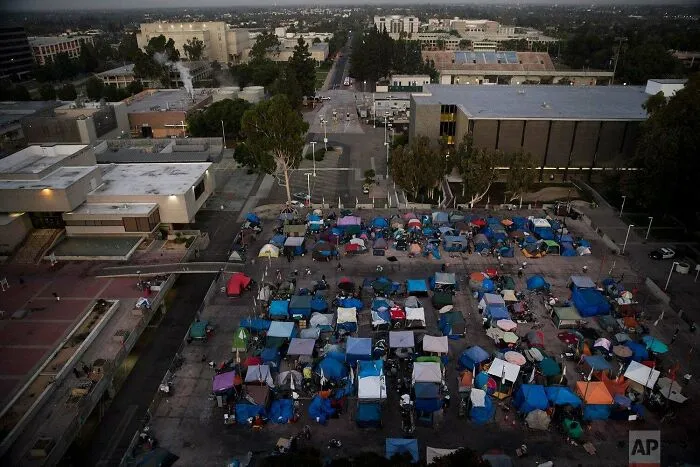
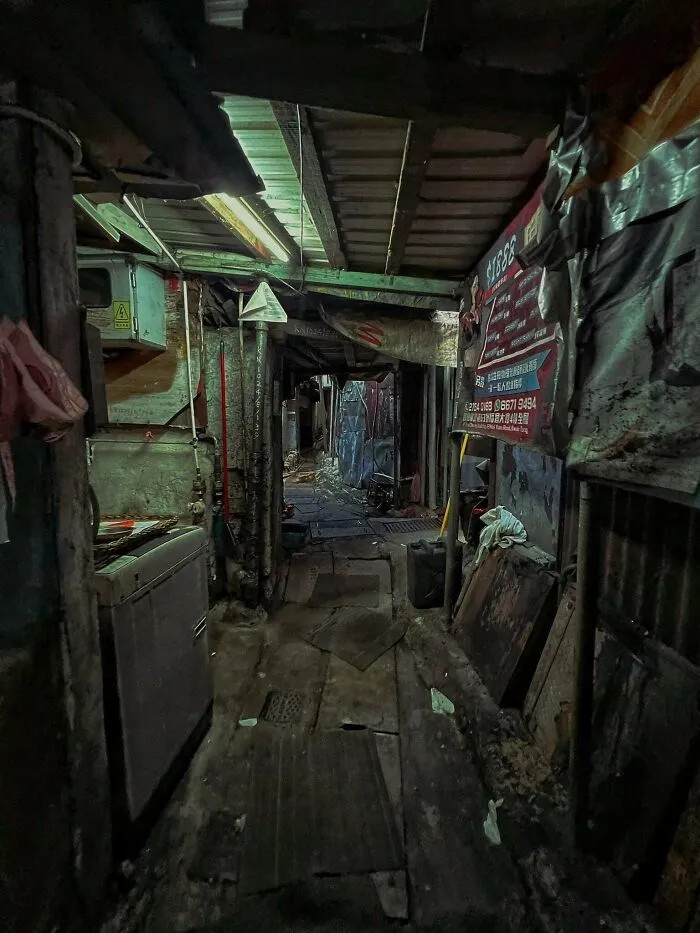
Urbanization often seems gradual, but the United Nations projects that nearly 68% of the world’s population will live in cities and fully developed areas by 2050. The movement of people from rural to urban areas, combined with huge population growth, is driving this urbanizing process.
It is also projected that another 2.5 billion people will live in metropolitan areas by 2050, which could place a huge strain on natural resources and clean air. That’s because this kind of growth might require creating even more megacities in developing countries, which can become highly unsustainable.
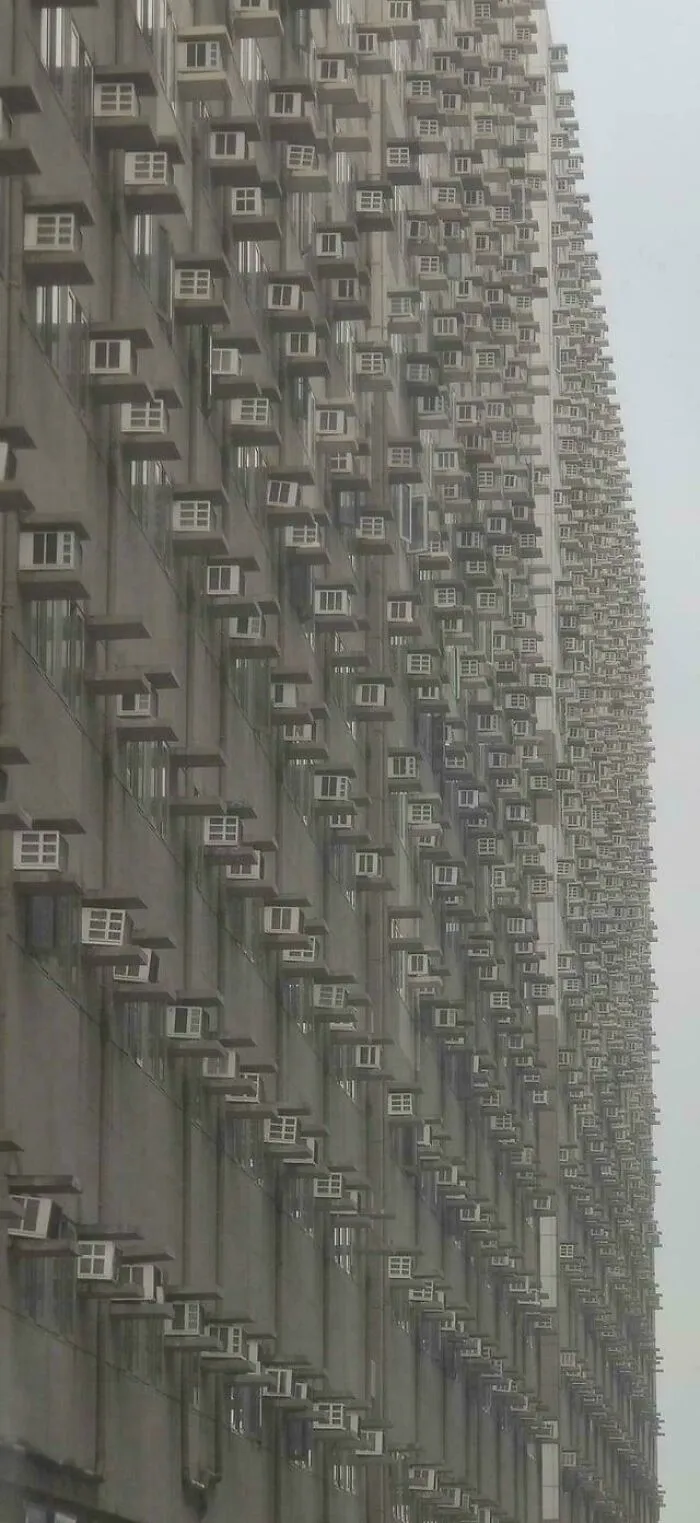
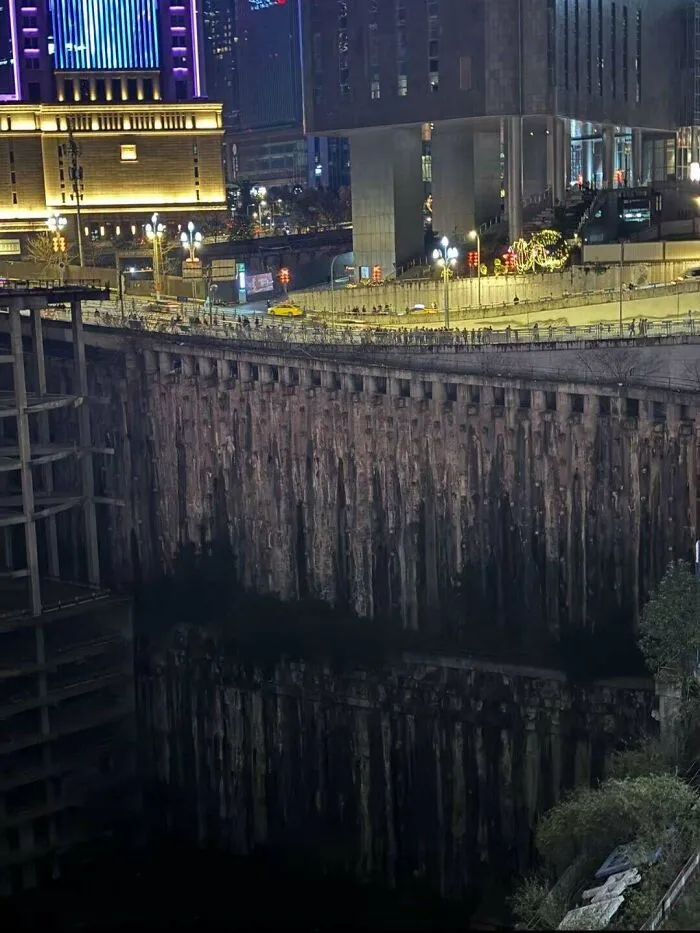
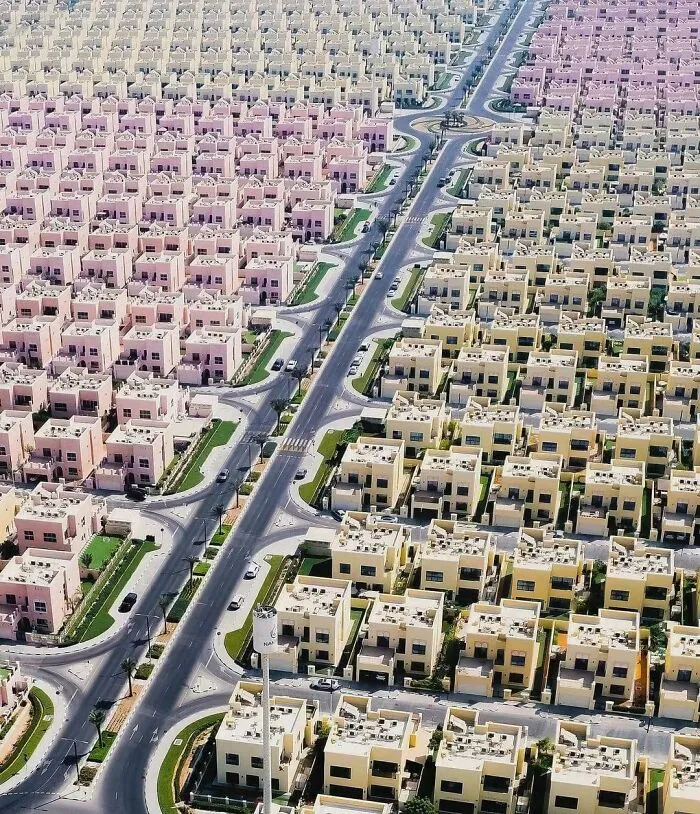
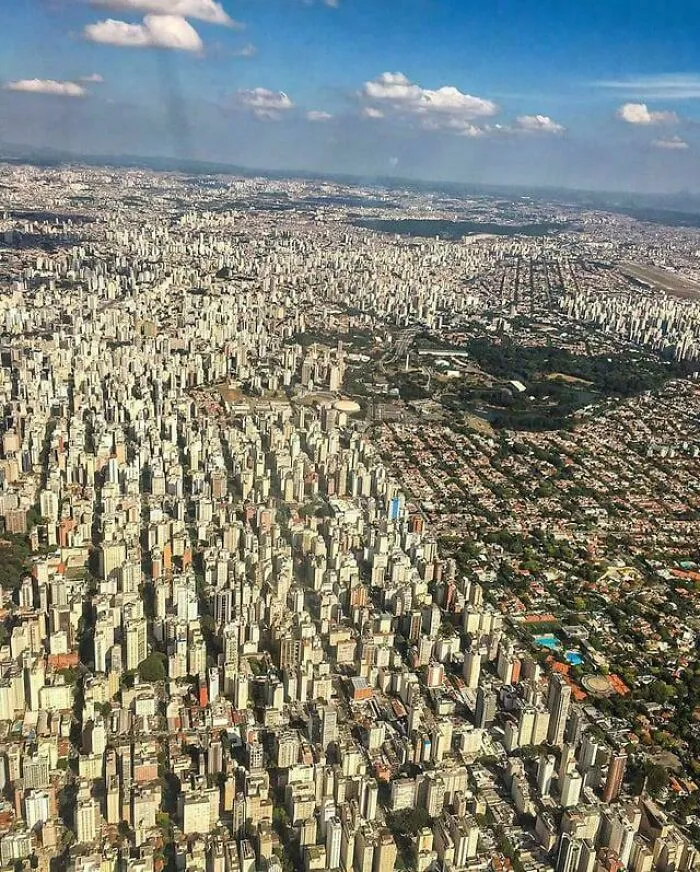
So many cities are becoming crowded, and new buildings are being built almost every day as more people look for a place to live. Unfortunately, this rapid urbanization, if left unchecked, can have disastrous effects on our Earth and its natural resources.
UGB Berkeley, which researches climate and environmental changes, explains that increased construction can lead to deforestation, habitat loss, and reduced biodiversity. Of these problems, the loss of animals and plant life is the most serious, as it can disrupt the food chain and drive some species to extinction.
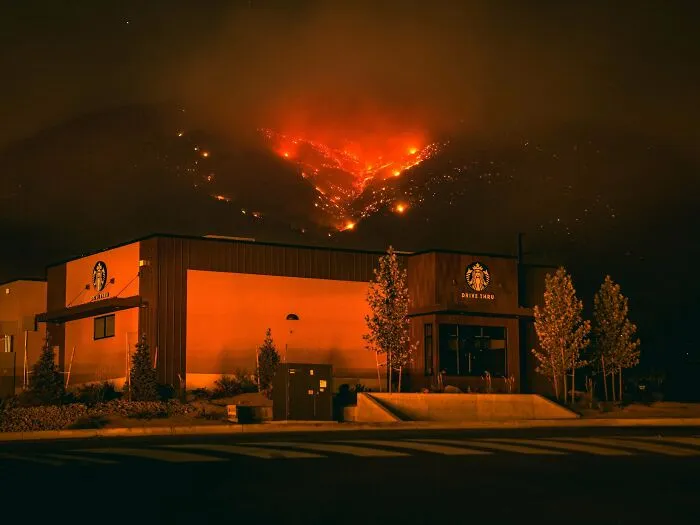
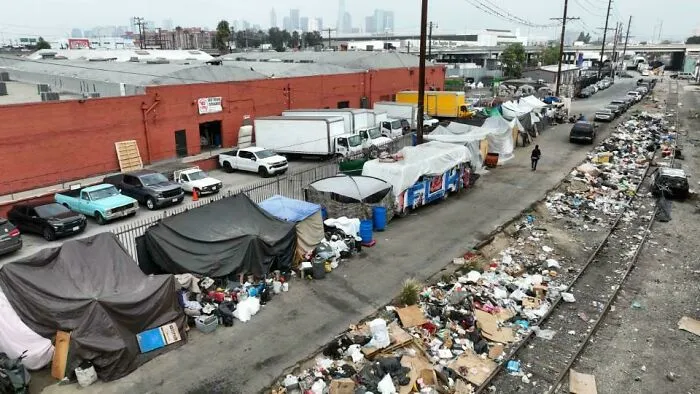
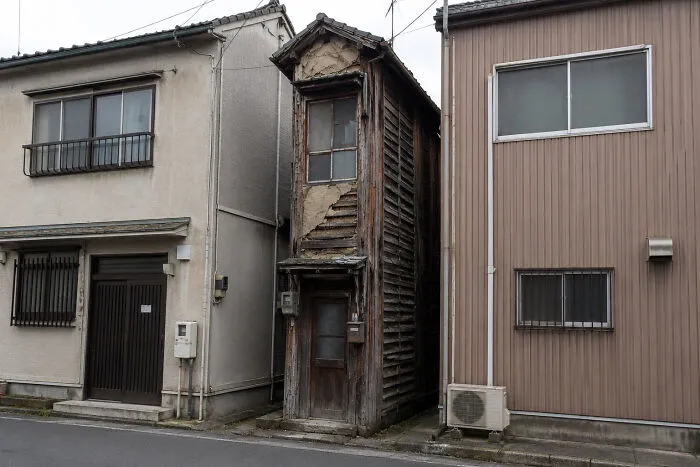
Another worrisome impact of urbanization is rising temperatures caused by asphalt and other dark-colored materials. Although these materials are necessary for construction, they create urban heat islands and raise the area’s overall temperature. Even cutting down trees to build a city can reduce the amount of precipitation in the air, which helps cool the climate.
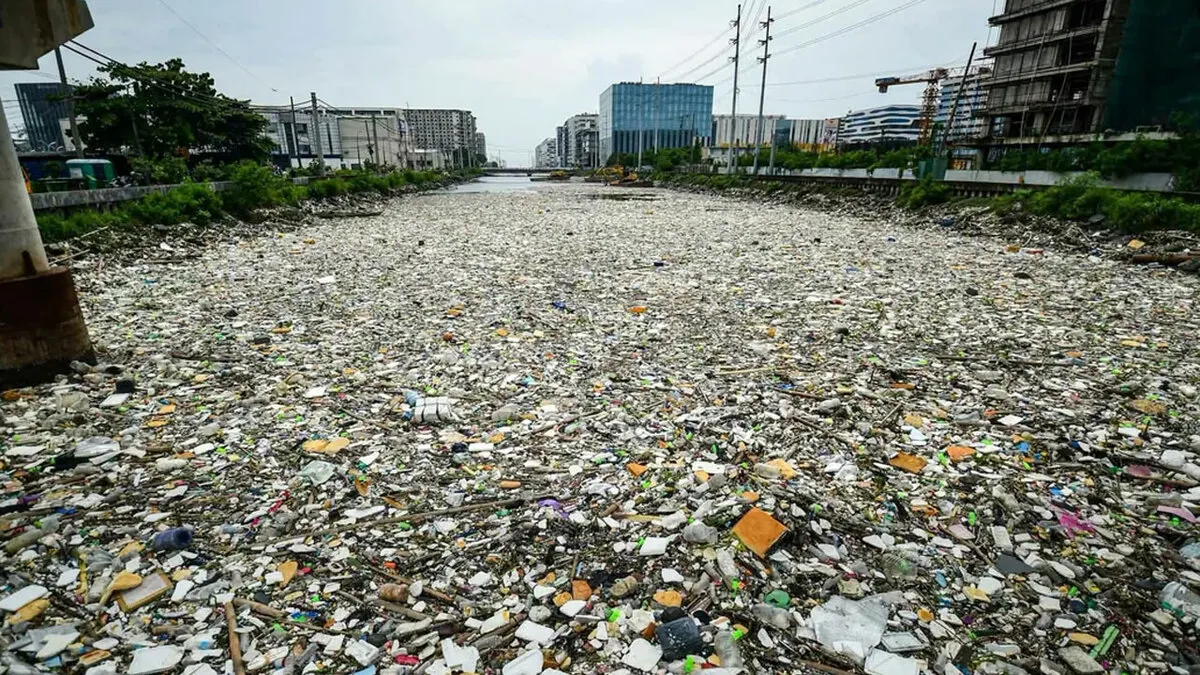
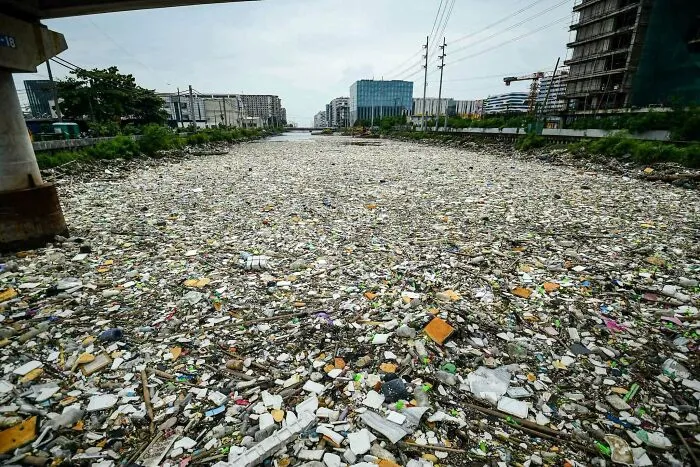
Beyond extreme heat, concrete buildings can increase water runoff and cause soil erosion. This can reduce land quality and fill water bodies with dirt and other pollutants. So many people living nearby can also lead to the rapid spread of disease through trash and industrial waste.
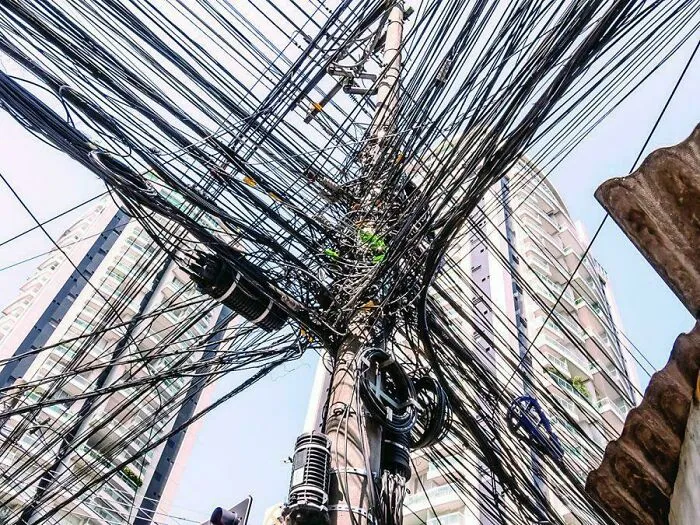
#12 Power, Telephone, And Internet Line Poles In Tatuapé, São Paulo, Brazil
What most people don’t realize about living in densely populated cities is that something is always going on, and it can never truly be quiet. That’s what UGB Berkeley calls noise pollution, which may contribute to sleep disturbances and high blood pressure. These unpleasant, constant sounds often come from traffic, construction, and industrial activity.
Another troubling aspect of urbanization is light pollution from the artificial lighting spread across the city. This is one of the most overlooked problems, and it can have many negative effects on human and animal health.
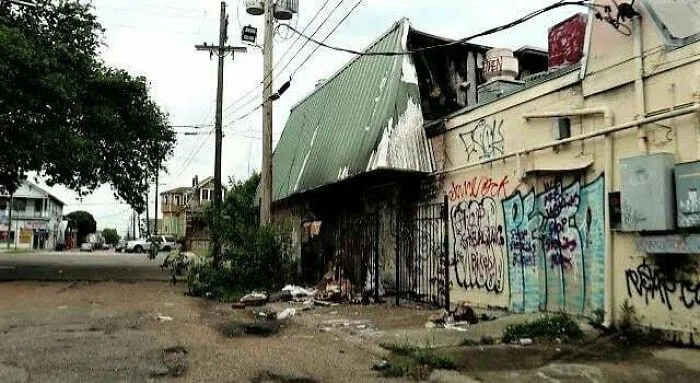
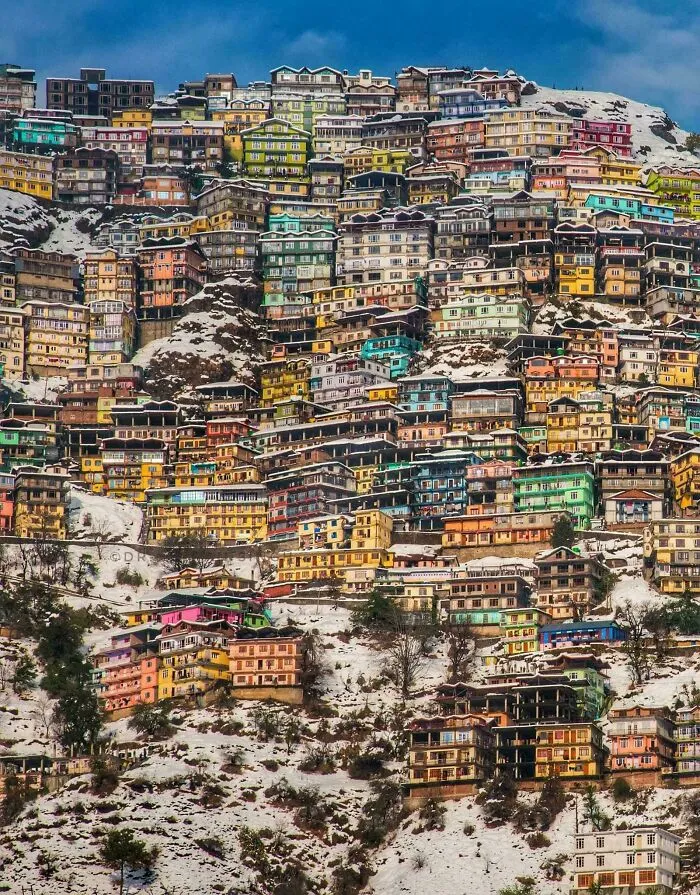
There are definitely places around the world that fit into the urban hell box, but cities and buildings aren’t all bad. According to Richmond Vale Academy, which helps people prepare for climate change, a benefit of urbanization is significant economic growth, with more jobs and educational institutions.
It might seem surprising, but safety is another advantage of city living, as people may have better access to help, hospitals, and medicines. More options for entertainment, transport, and lifestyle are other factors that show urbanization isn’t all bad and can actually benefit society.
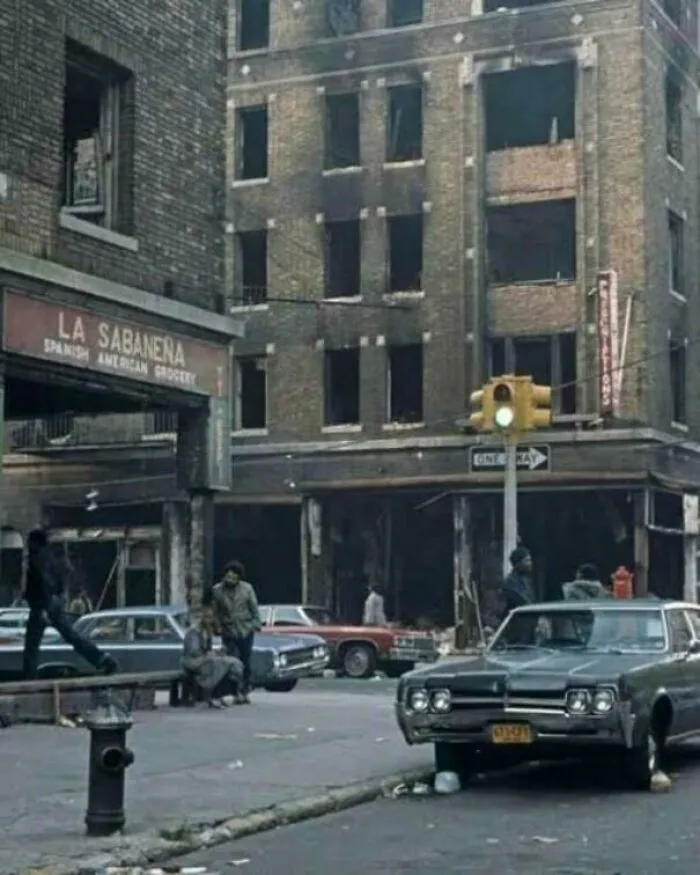
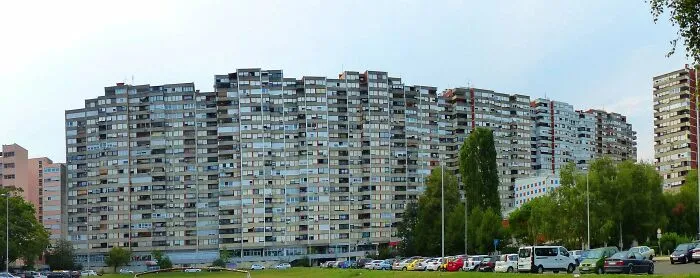
Urbanization doesn’t have to be a hellscape; it can be done sustainably without destroying the environment. According to the UN Chronicle, one way to do this is to plan, design, and build cities to reduce their environmental impact while still contributing to economic growth.
One example is compact cities with strong public transport, improved waste management systems, and less deforestation. This setup can ensure people can access the facilities they need for growth and development while also having a smaller ecological footprint.
#19 Since You Guys Are Fed Up With Egyptian Cairo Let Me Show You Us Cairo (Cairo, Illinois)