




#1 Germany
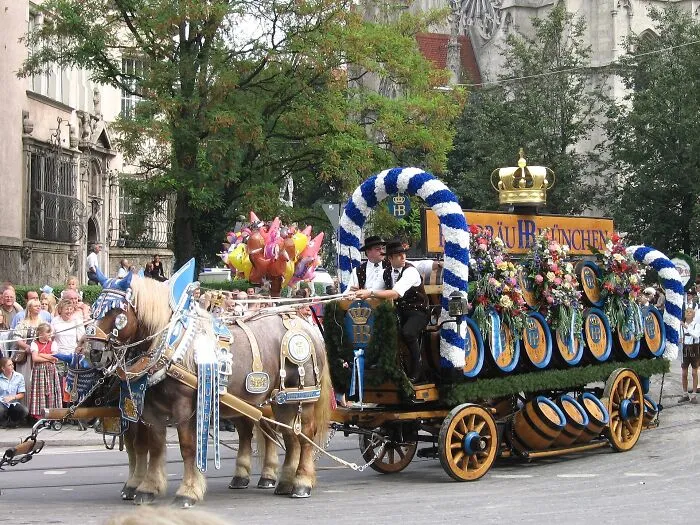
There are several Germans that are not N*zis and even more that are not Bavarian.
#2 Wales

Filmmakers often need to show us where a scene is happening without spending five minutes explaining the location. A few familiar details can do that job quickly. That might mean a sunny beach, a suspiciously dusty road, a national dish placed right in the middle of the scene, or a stereotypical character hanging around in the background.
These shortcuts help create a sense of place, but they can also reduce a country to a handful of things Hollywood thinks we will recognize.

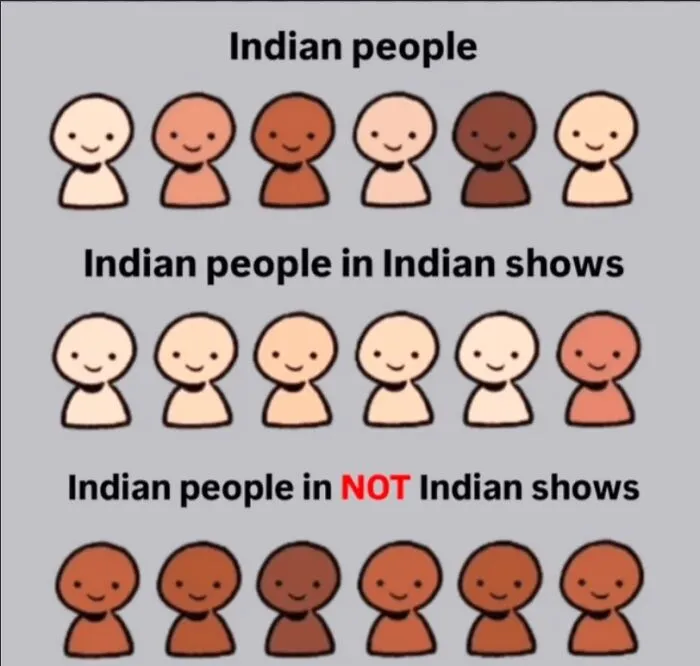
#6 Canada

For some viewers, movies and TV may be the only way they learn about places and communities they know very little about. If the same accents, personalities, storylines, and visual clichés keep popping up across different movies, they can start to mistake repetition for reality.
#7 Australia


#9 France

Research on media representation has found that fictional portrayals can activate prejudices people may already have about certain groups and influence how they view the people being shown.
In fact, the study found that people tended to have less favorable views of racial and ethnic minorities when those groups were shown negatively. At the same time, positive depictions were linked to nicer views.
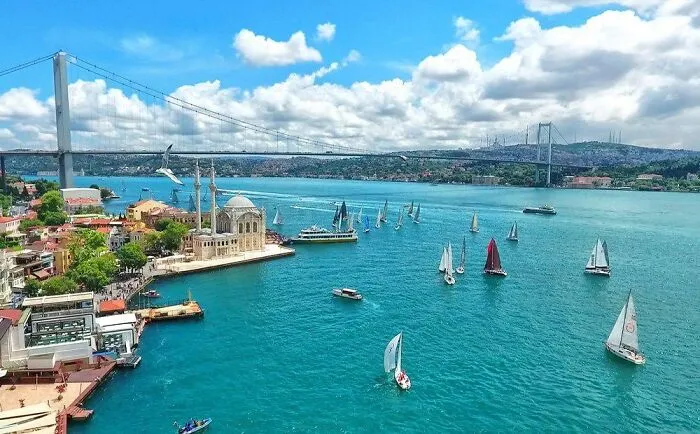
#10 Türkiye
#11 Spain
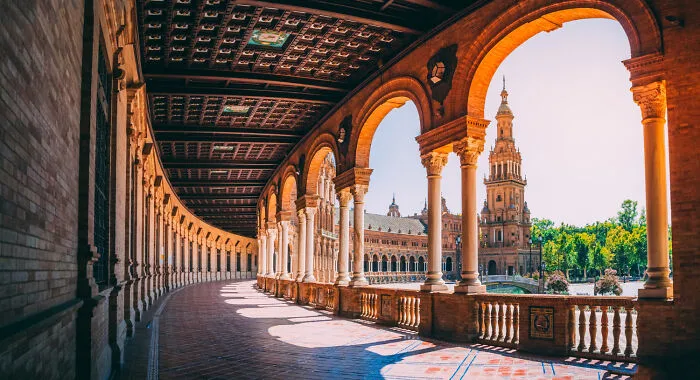
#12 Eastern Europe/Russia

Of course, not every stereotype is harmful. Nobody is likely to suffer a life-changing injustice because Hollywood decided British people need tea within arm’s reach all the time. At worst, someone from Britain may watch the scene and mutter, “We do have other drinks, you know.”
But it gets dicey when a culture is repeatedly associated with being dangerous, backward, dishonest, criminal, or somehow less civilized. Studies have linked negative media stereotypes with real-world attitudes, particularly toward racial and ethnic minorities, which is why representation matters.
#13 Switzerland

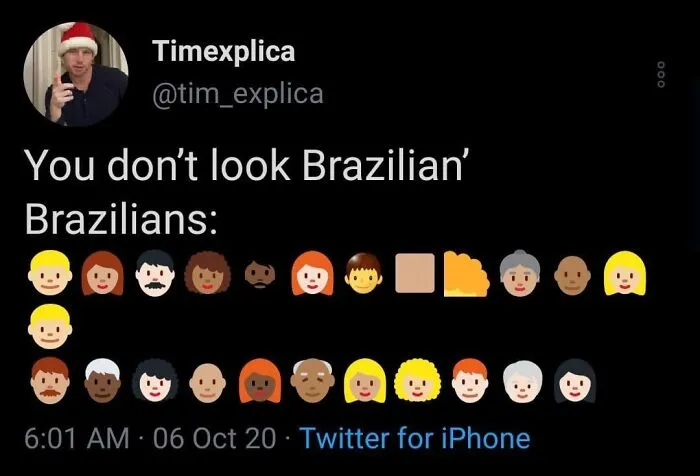
#15 USA
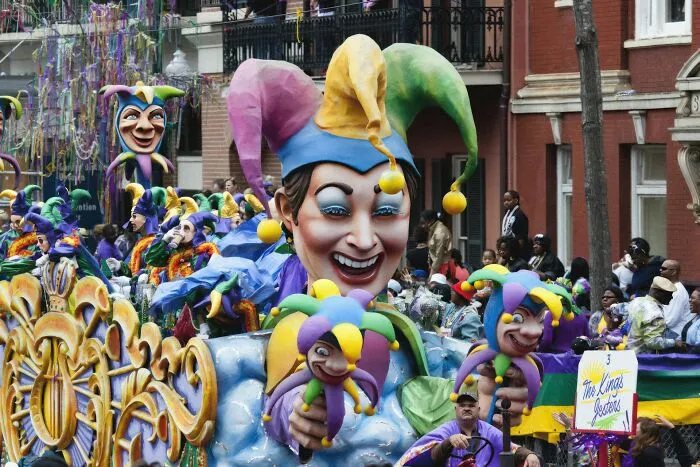
Despite the movie being set in 2026:
“I do declare, good day sir, may I offer you some lemonade while you wait?”
“Yes ma’am, I’ll be much obliged. Say, you happen to know where a fella might find a watering hole nearby?”.
Movies can also minimize the complex identity of a particular place. A country can have dozens of languages, religions, regional identities, class differences, foods, accents, and traditions, yet a movie may reduce that to one annoying cliché.
In one study, young adults were interviewed about cultural representation and said that seeing their culture misrepresented in movies could affect their identity, relationships, and understanding of their own culture.
#16 USA

#17 Netherlands
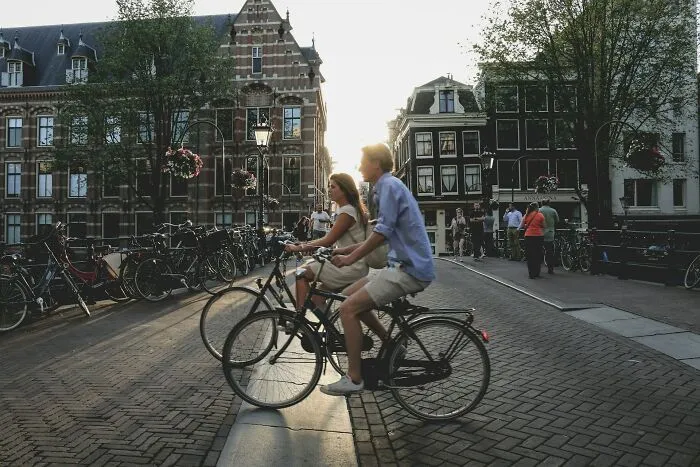
also I hate rude people. "Dutch directness" doesn't apply to all of us, and if it did it's often portrayed incorrectly. We're not as tone deaf that we don't take social cues and say everything as bluntly as possible.
#18 England

Color grading and visual design can be powerful storytelling tools, but they can also turn real places into visual shorthand. You see a certain color palette and immediately know where the movie wants you to think you are.
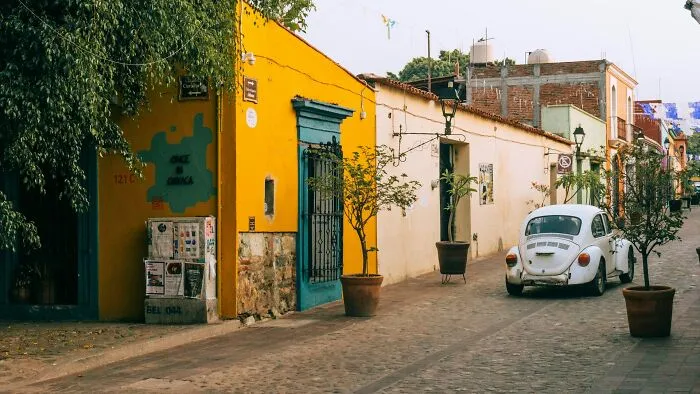
The famous “Mexico filter,” for example, has been criticized for reducing Mexico to a dusty, yellow-tinted landscape, even though the country is far more varied than that one look suggests.
#19 USA

(For the record, since I am a medical drama fan and this has come up more than once, there is no conflict of interest with a pig valve for heart surgery - you aren't eating it, and your health is more important than keeping kosher anyway.)
#20 Mexico