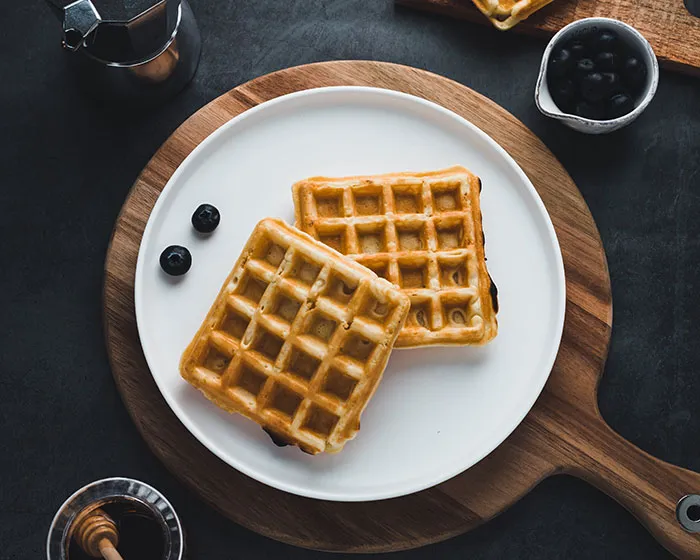






#1 Bacon, Peaches, And Sugar Cookies Were The First Foods Eaten On The Moon
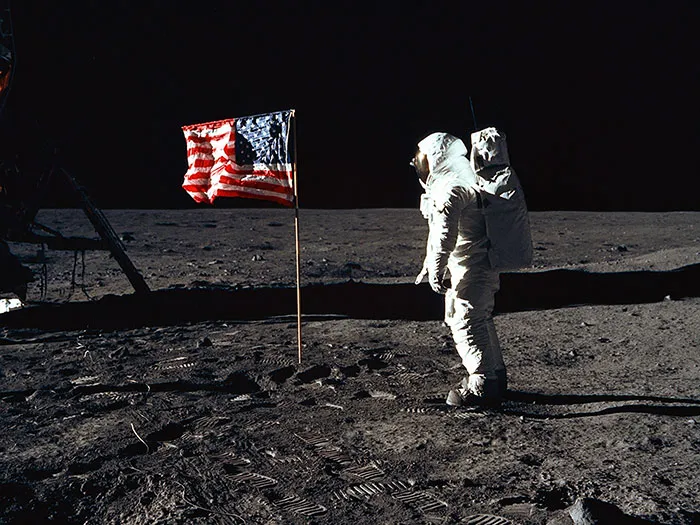
#2 Instant Ramen Came About In Post-Wwii Japan
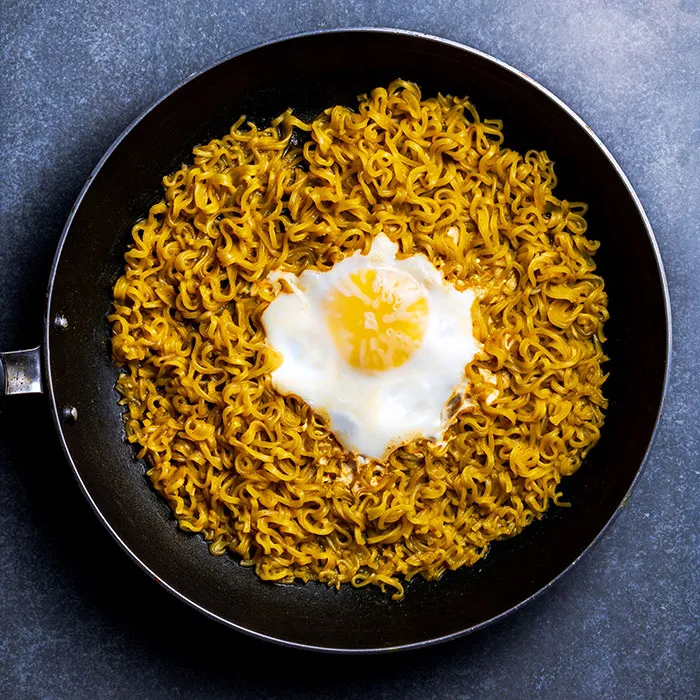
#3 ‘Epsicles’ Where The Original Name For Popsicles
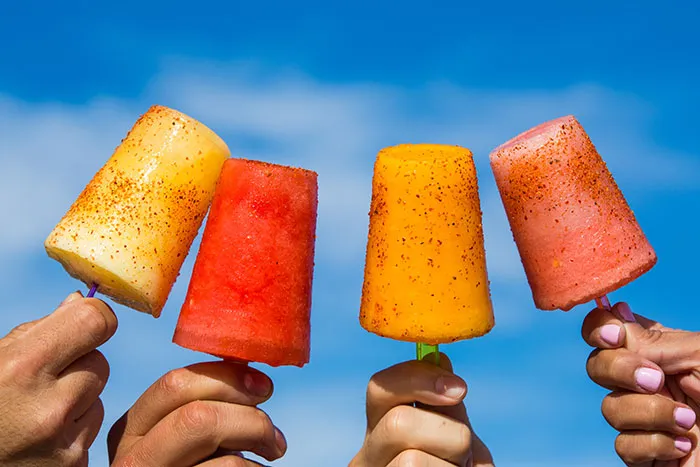
In the early days of Vogue, the magazine published a diet that consisted almost entirely of eggs and wine. Not as a weekend experiment but as a lifestyle recommendation.
A Vice writer, in the name of journalism, attempted the diet and reported back that the experience was most closely comparable to the time she had stomach flu in Vietnam. This is, in the history of food criticism, one of the more vivid and useful reviews ever committed to print. Both Vogue and the writer survived longer than the diet, but the eggs were absolutely not worth it.
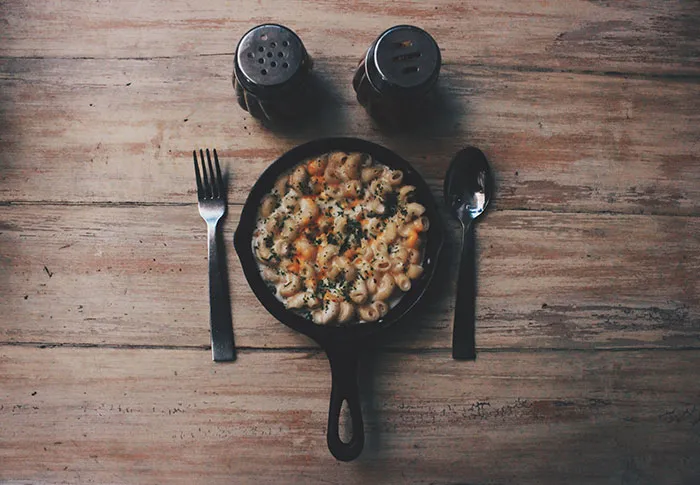
#4 Mac'n'cheese Is Hundreds Of Years Old
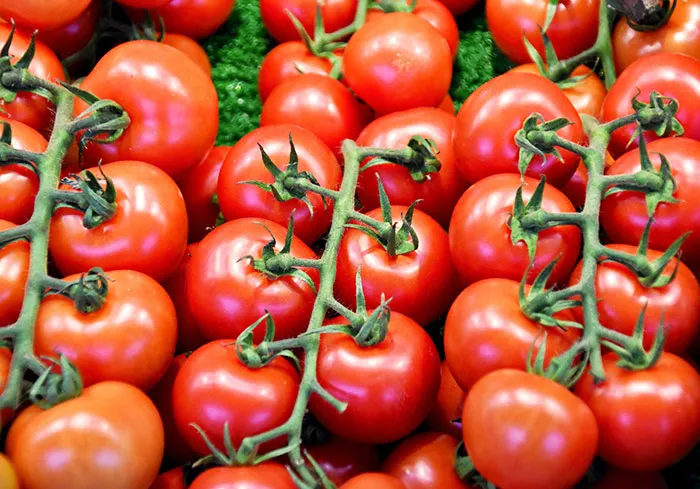
#5 Tomatoes Aren't Italian, Potatoes Aren't Irish, And Chilis Aren't Asian
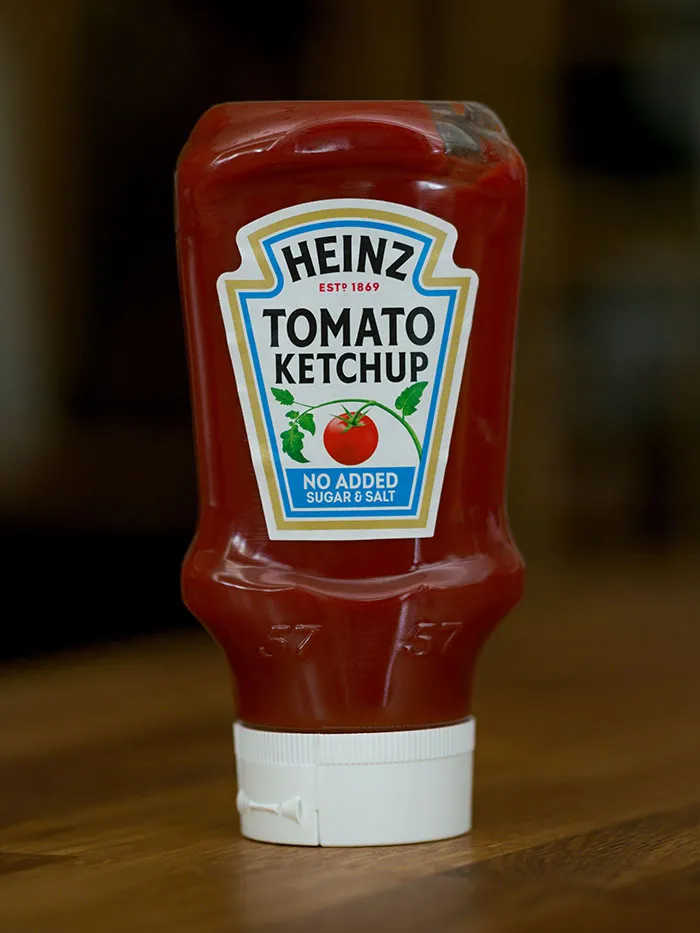
#6 Your Favorite Condiment, ‘Tomato Ketchup’, Was Once Made Of Fish
Everything you know about fruit is wrong. Bananas, pumpkins, and avocados are all, by botanical classification, berries, meeting every technical requirement the category demands. Strawberries and raspberries, despite their names and their entire public identity, are not berries in any botanical sense and never have been.
And figs, beloved, ancient, appearing in art and scripture and expensive cheese boards, are not fruits at all. They are inverted flowers. The seeds you eat when you eat a fig are actually tiny individual flowers that bloomed inward rather than outward. Nature did not consult anyone before making these decisions and has shown no interest in explaining itself since.
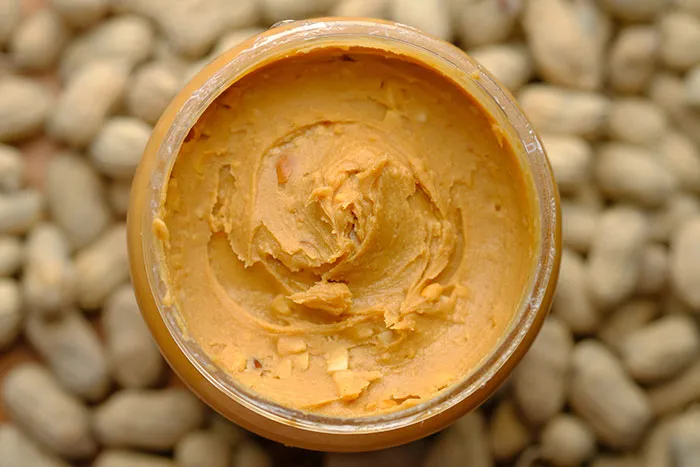
#7 Canada Gave Us Peanut Butter
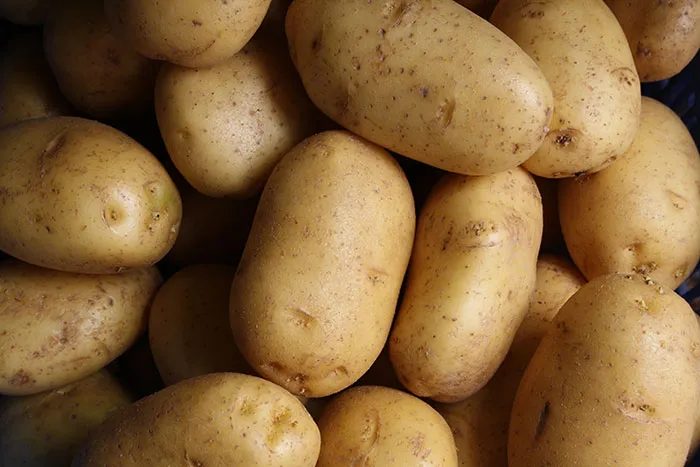
#8 A French Pharmacist Tried To Single-Handedly Make Potatoes Popular
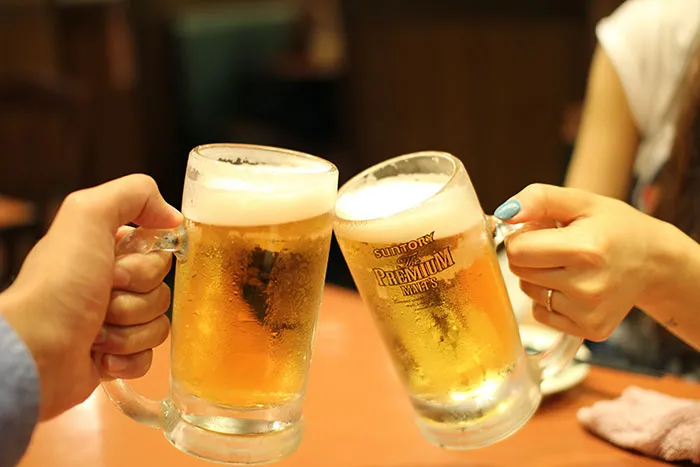
#9 The Oldest Beer Recipe Is Nearly 4,000 Years Old, Found On Sumerian Stone Tablets
For a brief and glorious period in the 1830s, tomato ketchup was not a condiment; it was medicine. Marketed and sold by doctors as a treatment for indigestion and diarrhea, tomato ketchup was prescribed with the full confidence of 19th-century medical authority, which, in fairness, was also the era of arsenic complexion wafers, so the bar was flexible.
The tomato's journey from medicinal tonic to the thing that lives next to the mustard at every barbecue in America is one of the more dramatic image rehabilitations in culinary history, and it deserves significantly more recognition than it receives.
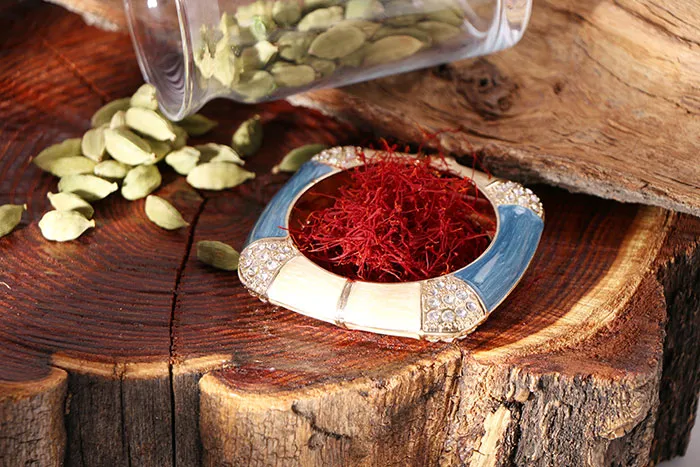
#10 Cleopatra And Alexander The Great Bathed In Saffron
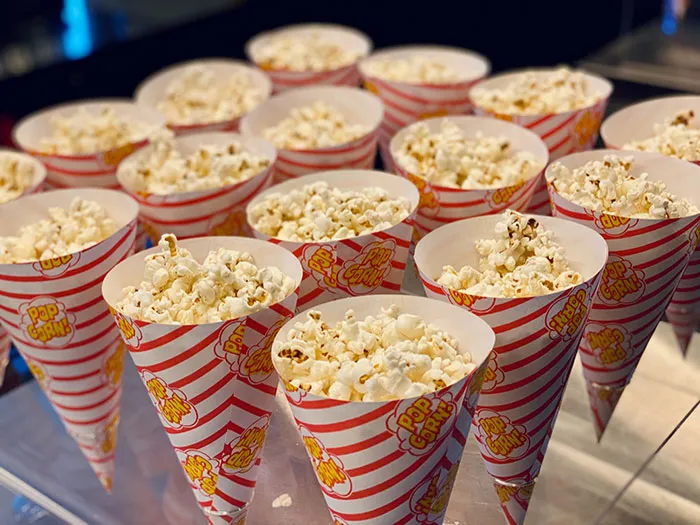
#11 Popcorn Has Been Around For Millennia
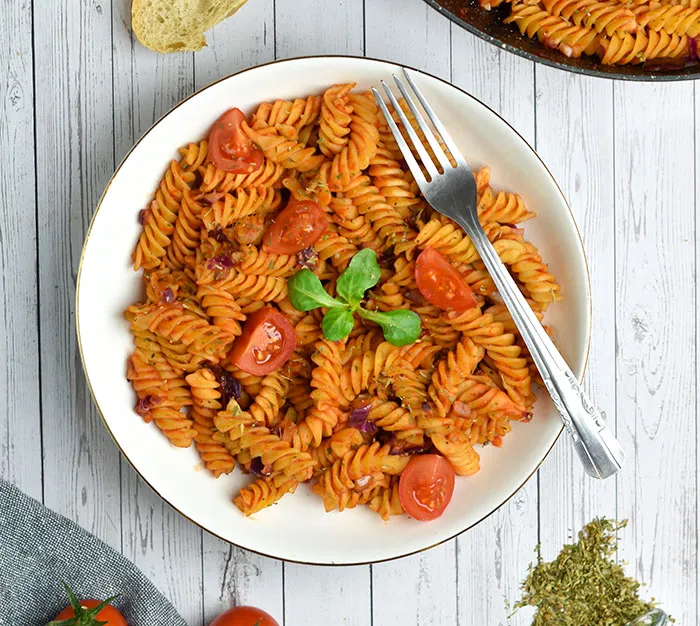
#12 Pasta Isn't Originally Italian
The naming conventions of the food world are, it turns out, almost entirely unreliable. Peanuts are not nuts; they are legumes, belonging to the same botanical family as beans and lentils, which they have been quietly concealing for centuries. Cashews are not nuts either; they are seeds.
Almonds are also not nuts; they are the seeds of a fruit, making them closer relatives of the peach than anything sold in a mixed nut tin. The actual nut, by botanical definition, is a hard-shelled fruit that does not open when ripe. Acorns and chestnuts are technically nuts. Almost nothing being sold as a nut in a supermarket is technically a nut. We are all living a lie, and the food labelling industry is complicit.
#13 The Renaissance Was The Start Of Table Manners

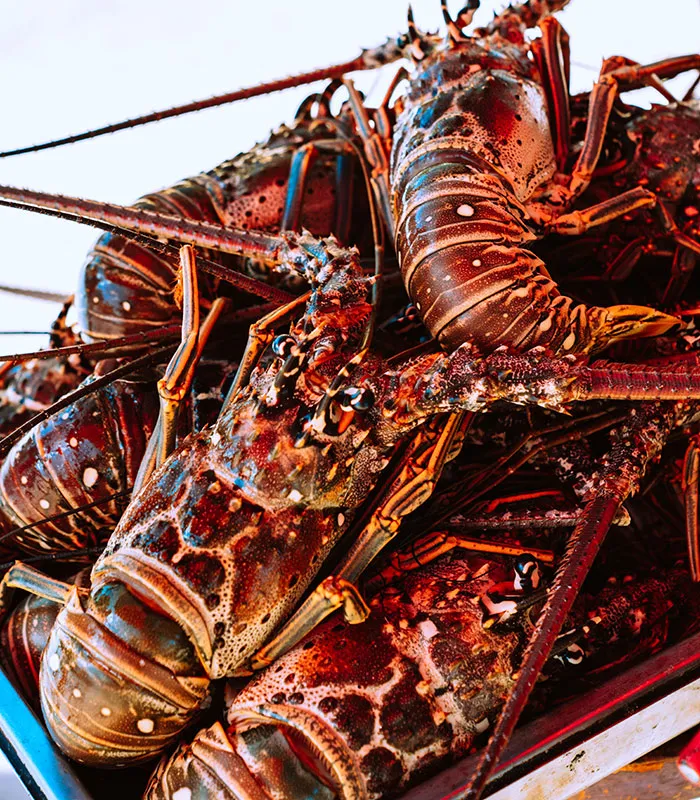
#14 Lobsters Were Once Used As Fertilizer In The USA
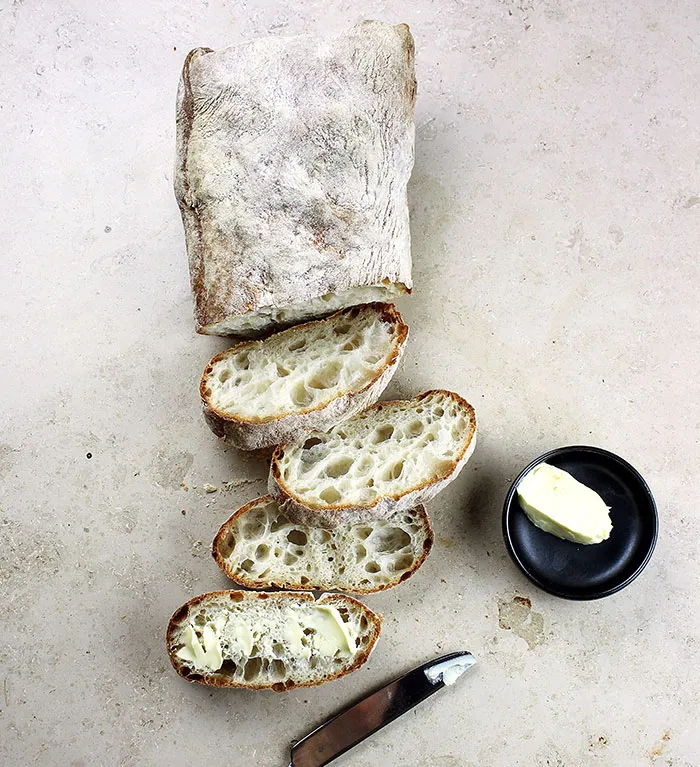
#15 Ciabatta Is Less Than 40 Years Old
Swanson had 260 tons of unsold Thanksgiving turkeys and a big problem on their hands. Ten refrigerated railroad cars were going nowhere, and one salesman named Gerry Thomas looked at the problem, proposed packaging the turkey with sides in divided aluminium trays, and accidentally invented the TV dinner.
This is a product so successful it sold 10 million units in its first year and built the entire foundation of the modern frozen food industry. The greatest food innovation of the 20th century was a last-ditch attempt not to lose money on turkey. This is how most great ideas happen.
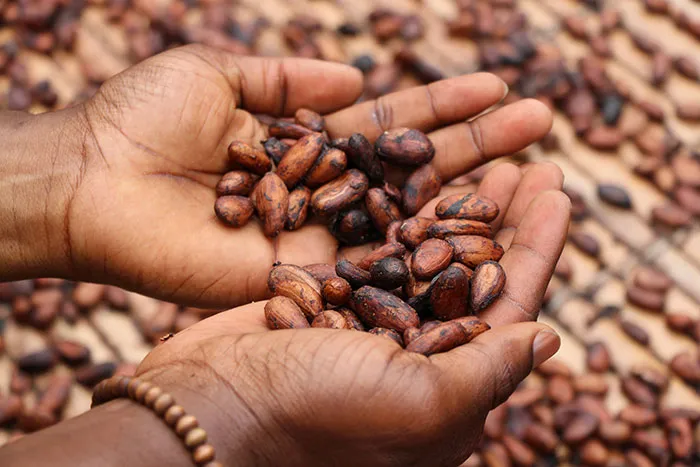
#16 Aztec Communities Used Cocoa Beans As Currency
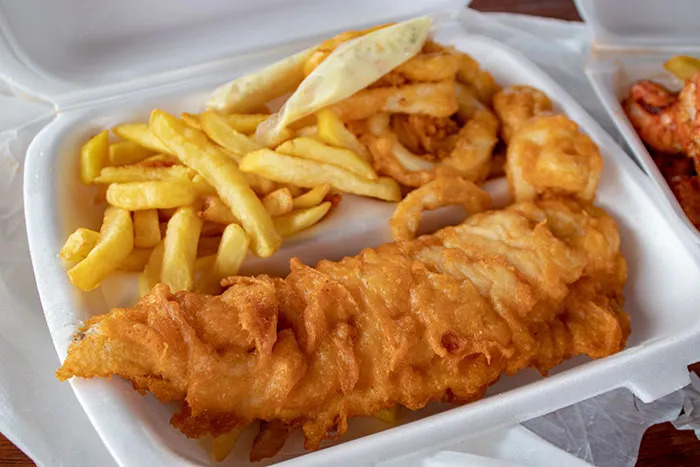
#17 The British Didn't Give Us Fish And Chips
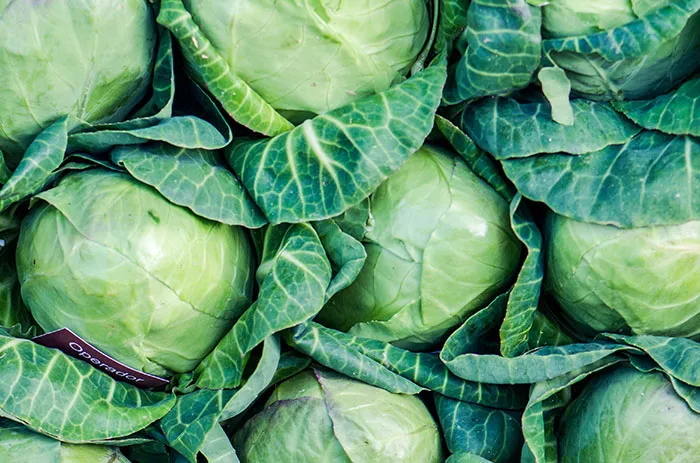
#18 Sauerkraut Sounded Too German In Wartimes And Got A New Name, ‘Liberty Cabbage’
The best-selling cookie in the history of human commerce is not complicated, not artisanal, and not the product of a Michelin-starred pastry chef's creative vision. It is two chocolate discs with white cream filling, invented by Nabisco in 1912, and it has sold over 500 billion units since its debut.
The Oreo's specific genius is the ritual it inspired: twist, lick, dunk. Three steps. Completely unnecessary. Universally observed. Nabisco did not invent the twist, lick, and dunk, though; consumers did, spontaneously, independently, across generations and cultures, as though the cookie arrived with instructions encoded somewhere in the cream.
#19 Richard Nixon Banned Soup From All White House State Dinners
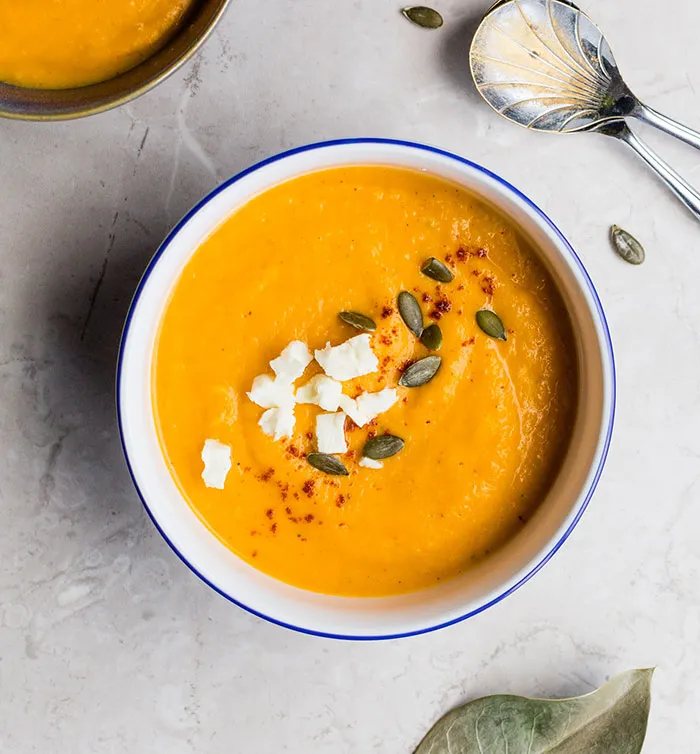
#20 The Ancient Greeks Used Waffle Irons