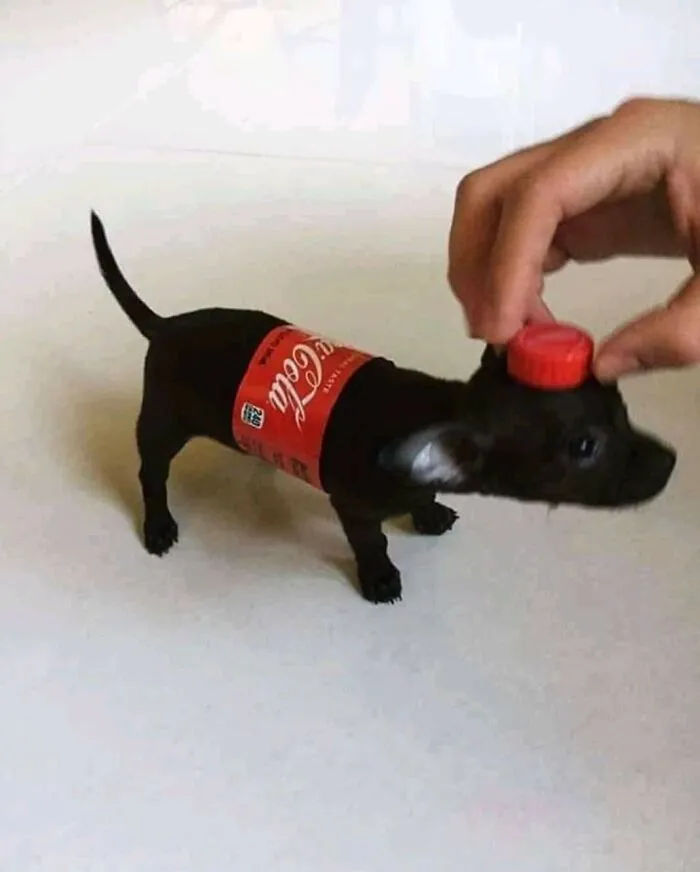


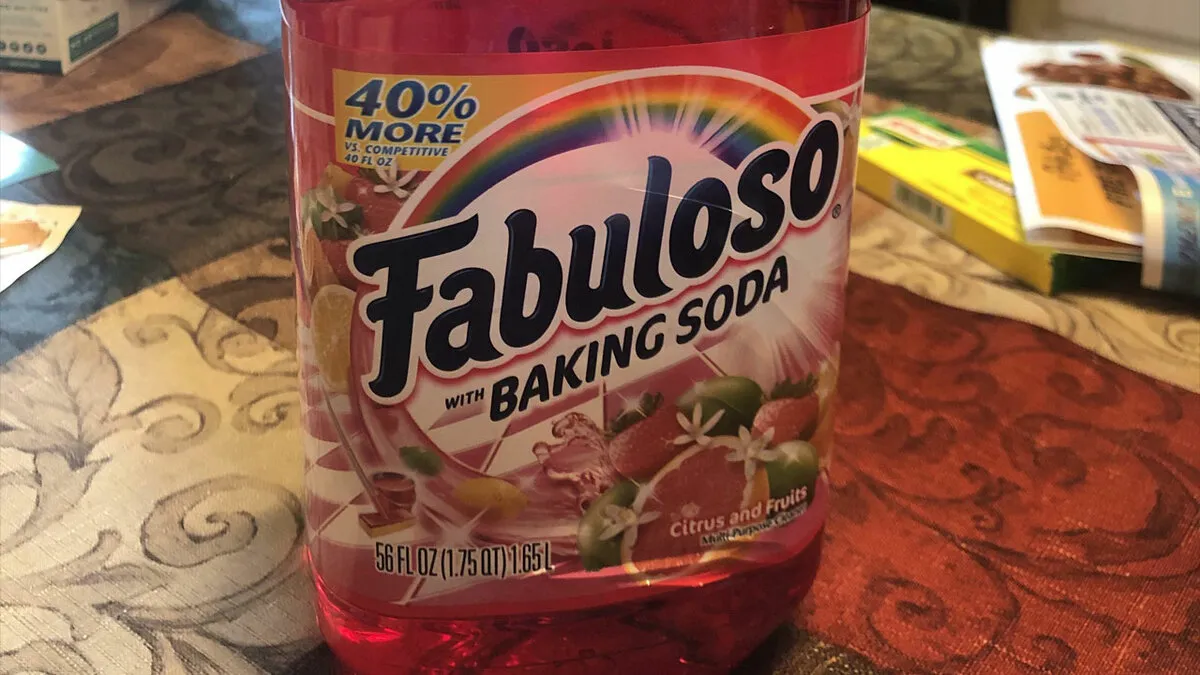





Humans are not born with a full manual on what to eat. At birth, our brains come pre-programmed with only a few basic survival instincts. A 1981 study by BJ Cowart found that human newborns automatically prefer sweet tastes and naturally reject bitter or harsh flavors. Beyond those basic reactions, young children treat the world around them as an open menu.
Learning what not to eat is actually one of the biggest lessons of early childhood.
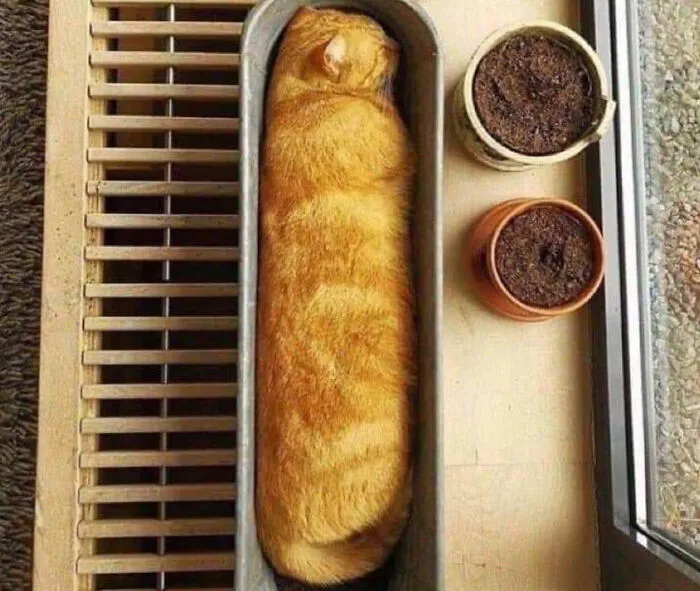
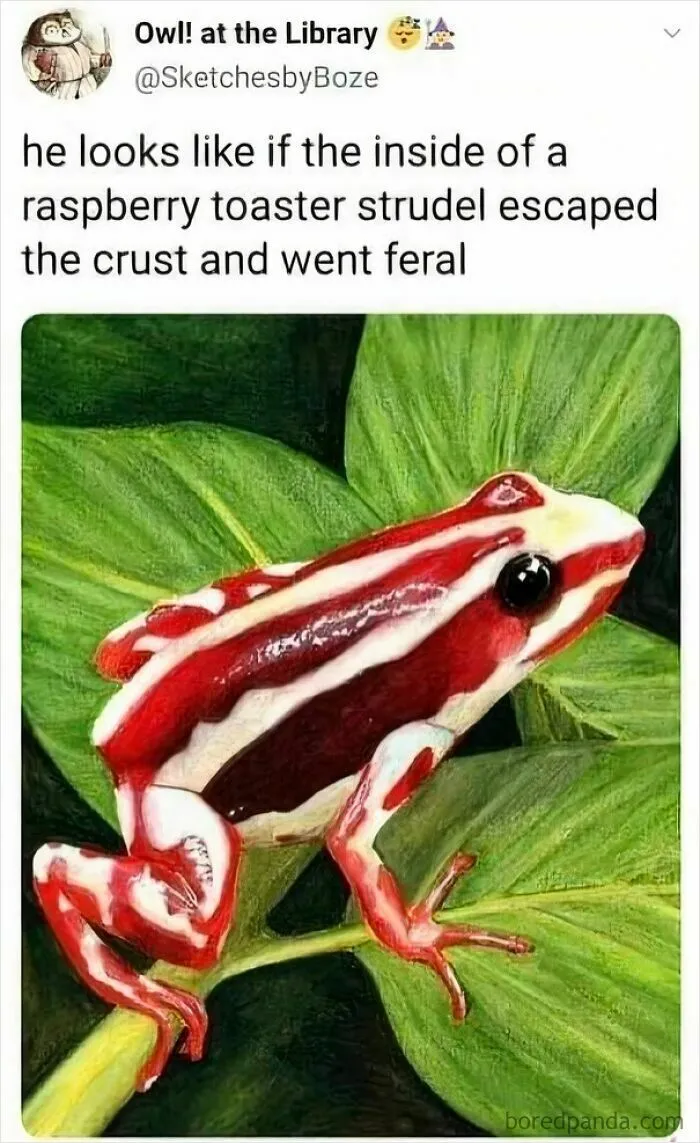

As children grow, they build on that minimal biological base through personal experience, parental guidance, and cultural rules. By adulthood, their brains rely on a well-established set of mental categories to separate safe meals from dangerous chemicals.
However, non-edible items can easily trick those mental categories when they share the same physical traits as real food.
In a 1983 study by April Fallon and Paul Rozin, researchers examined the psychological basis for how humans reject or accept potential foods. They found that people rely heavily on sensory factors — such as how an object looks, smells, and feels — to make split-second decisions about edibility.
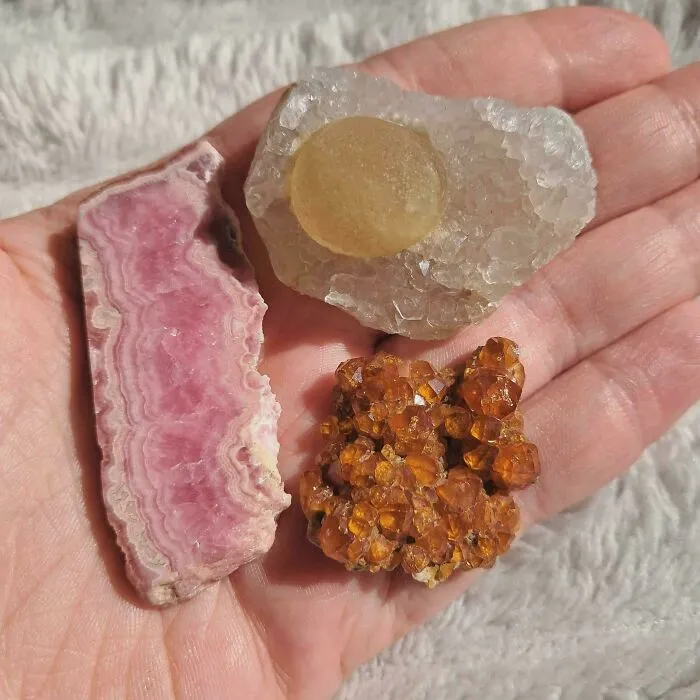

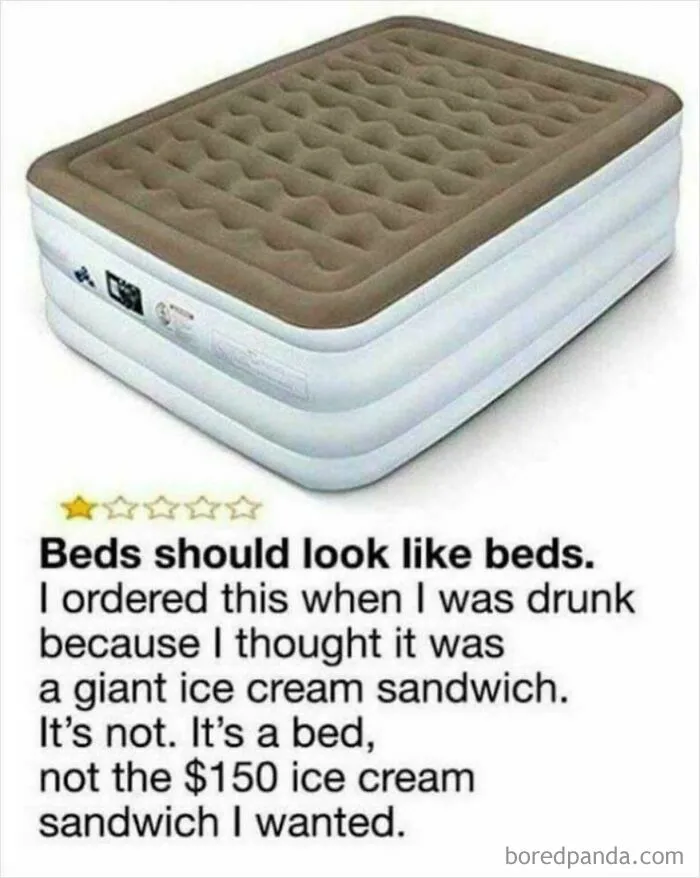
Cultural learning and cognitive knowledge can sometimes override our basic visual instincts.
When you see a colorful glass marble or a bar of scented soap, your eyes send an initial signal that the object looks attractive and similar to candy or fruit. A fraction of a second later, your learned knowledge reminds you that the item is made of glass or soap. That brief overlap between what your eyes see and what your memory knows is precisely why certain non-food items can look so surprisingly appetizing.
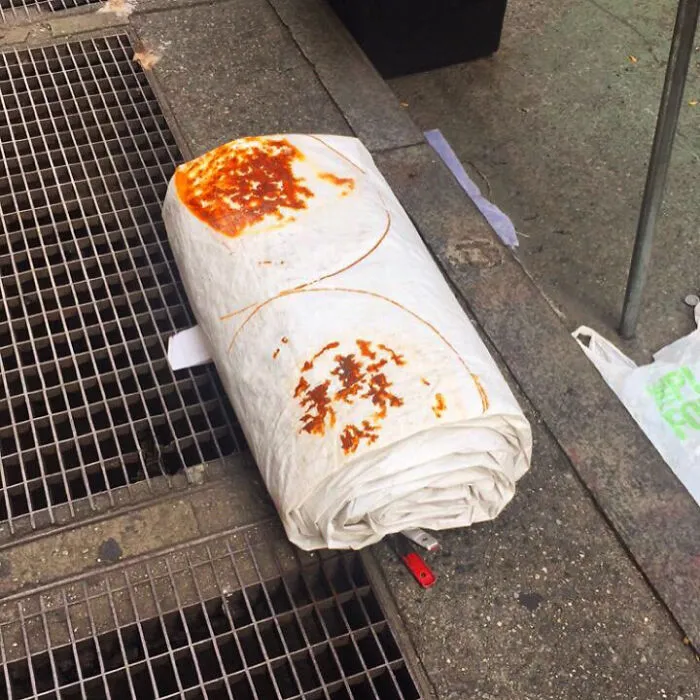
#9 Can't Tell If Rust Stained Tarp Or World's Largest Burrito Just Casually Chilling On The Sidewalk

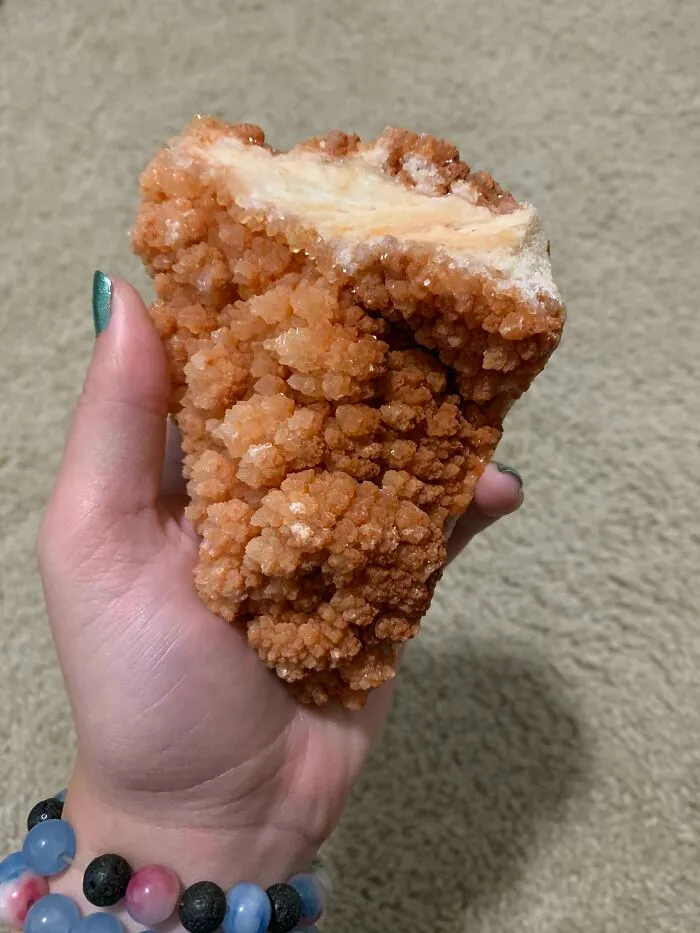
When we look at food, our minds move much faster than our mouths. In just a fraction of a second, the brain scans an item, guessing how it might taste, whether it is safe, and how familiar it feels. We are naturally drawn to food because eating triggers a rush of dopamine — the brain’s feel-good chemical that controls reward and motivation.
So, when something looks delicious, our visual system instantly perks up.
This isn’t just about hunger. It’s about memory, pleasure, and even survival instincts.
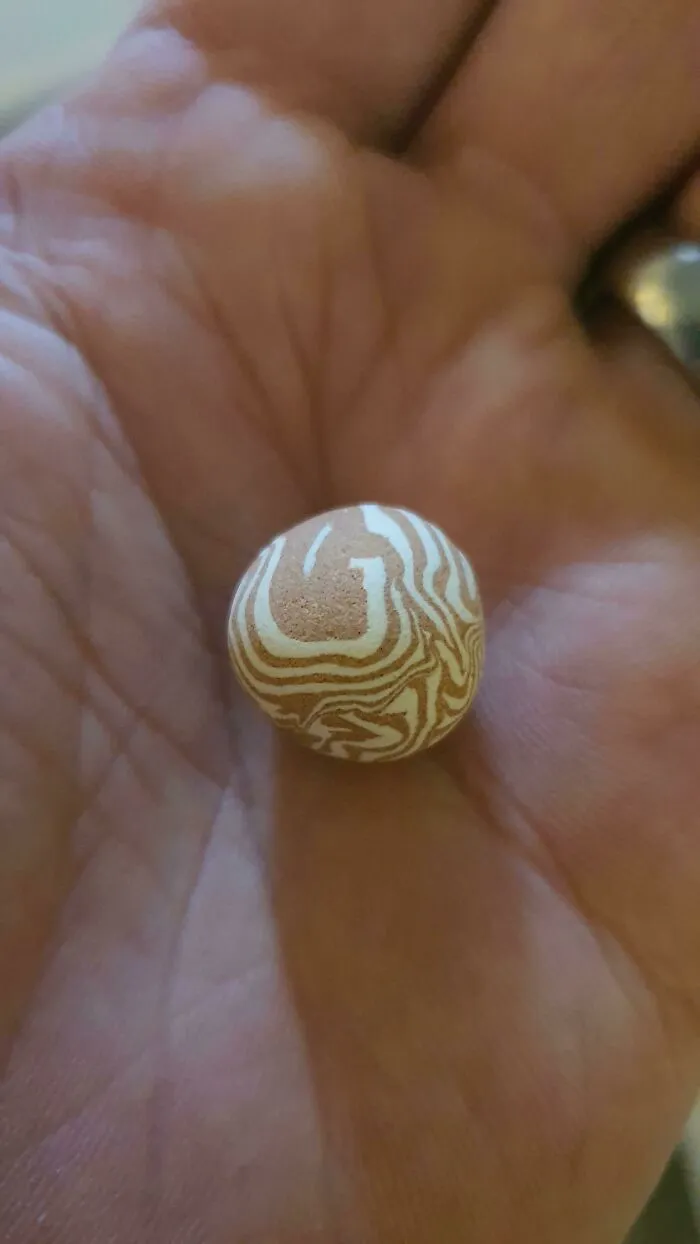
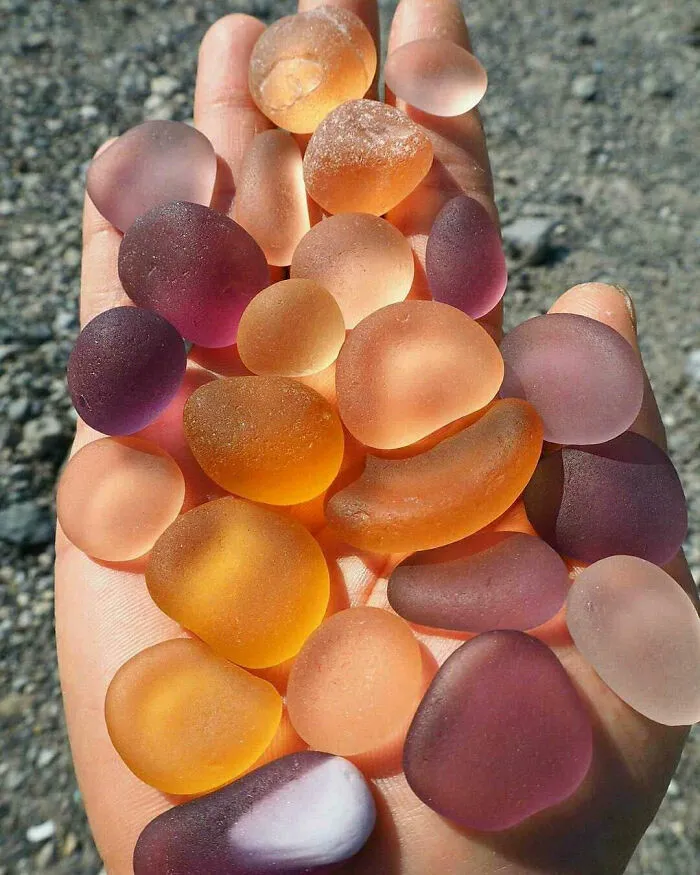
Naturally, several major brands have realized this instinct and decided to use it to their advantage — because why wouldn’t they?
Products like cosmetics, personal care items, and household goods are deliberately designed to mimic food and catch our eye. You can see this in shower gels, shampoos, body lotions, soaps, and even dishwashing liquids that look like gourmet treats.
For example, Lush Cosmetics has built an entire brand identity around making soaps that look identical to macaroons, cupcakes, and blocks of cheese, often displaying them on fresh ice or deli counters.
Tree Hut has gone viral for body scrubs that look like colorful Italian ice and smell like birthday cake or cotton candy. Even beauty brands like TonyMoly package their hand creams and lip balms in containers shaped like real peaches and bananas, while cleaning brands like Method use vibrant fruit shades and sweet citrus scents to make dish soap look as inviting as a summer drink.

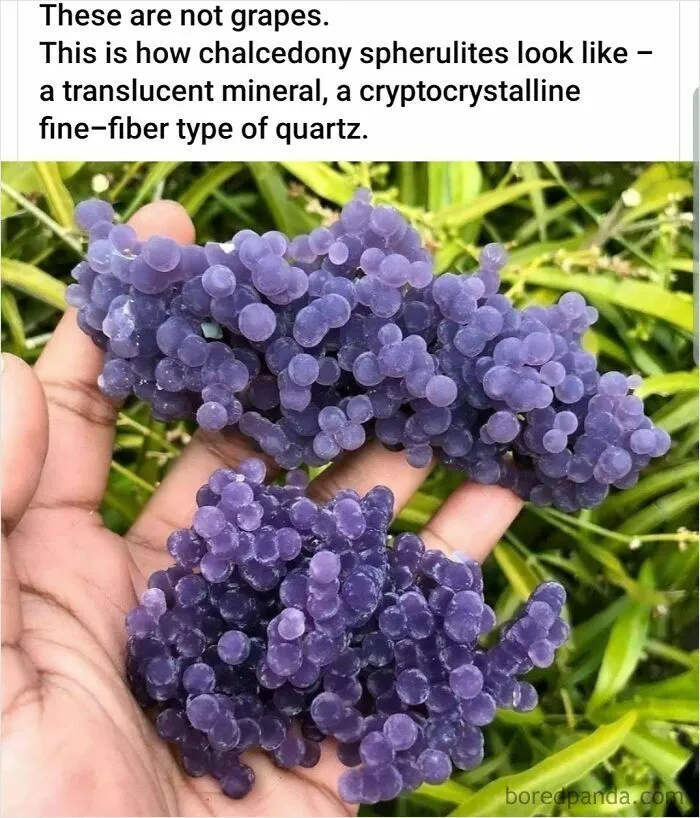

This trend is a much bigger shift in how we shop and scroll online.
From viral TikTok coffee builds to perfectly lit Instagram pastries, food content consistently gets some of the highest views, saves, and shares across every platform. People just love looking at things that look delicious.
At the same time, visual storytelling has become essential. When you have only a fraction of a second to stop someone from scrolling past your post, food-inspired visuals act as instant shorthand. It catches the eye immediately and tells a relatable story without needing a single word of text.
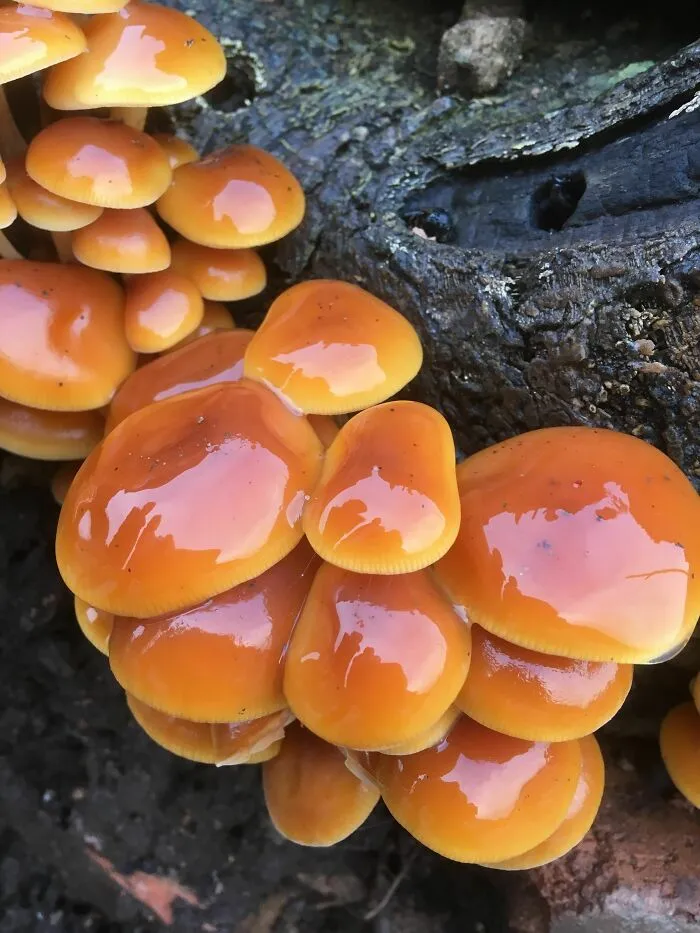

This visual confusion can be quite harmful, especially to young children who don’t know any better.
Pediatric foreign body ingestion is a major medical issue. In fact, over 50,000 cases involving children under five are reported every single year to the US National Poison Data System alone. Young kids explore the world with their hands and mouths, making food-like household products an easy target.