



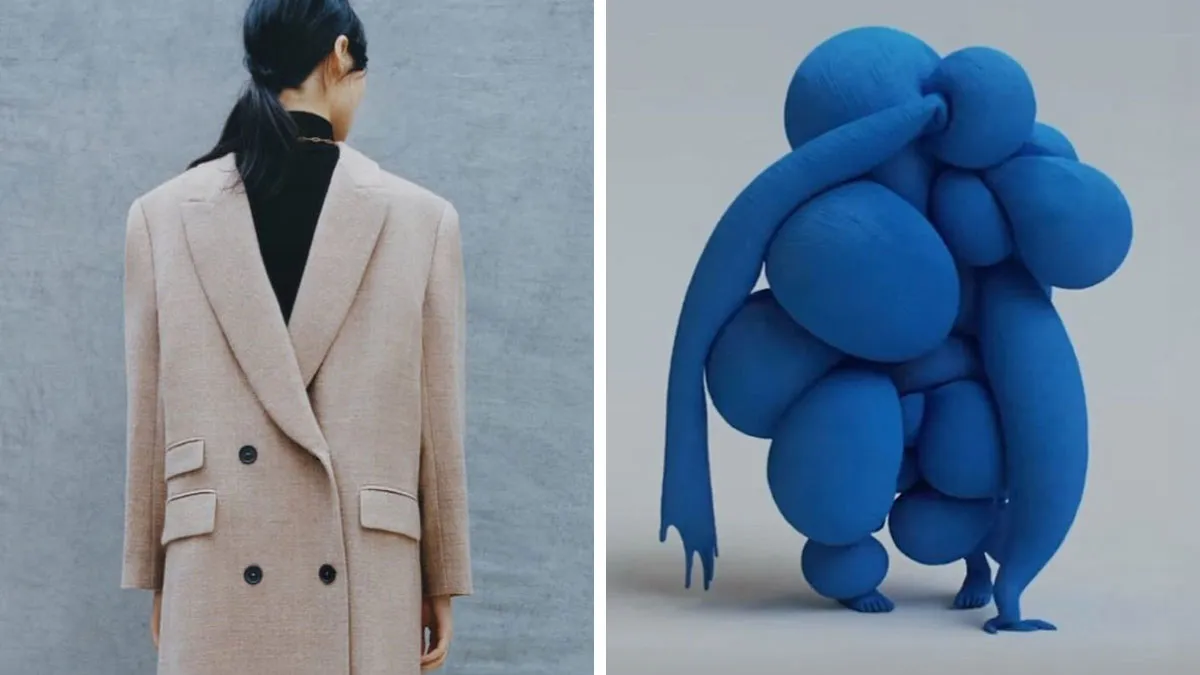


#1 When The Twenty Minute Wait For The Cloakroom At The End Of The Night Did Absolutely Nothing To Sober You Up

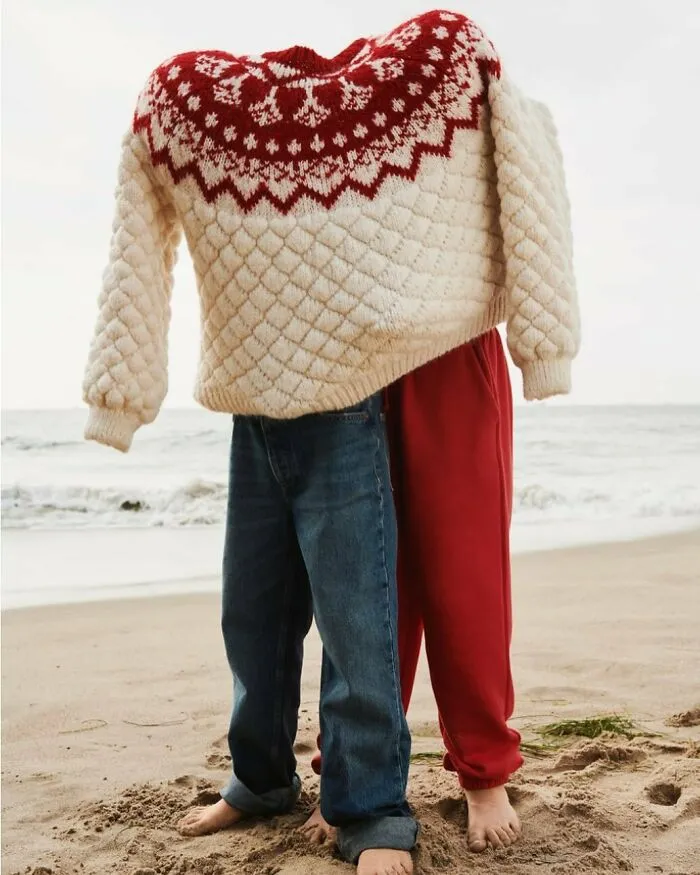
#3 When You Leave Your Toddler To Get Dressed All By Themselves And Discover They’re Not As Advanced For Their Age As You Previously Thought
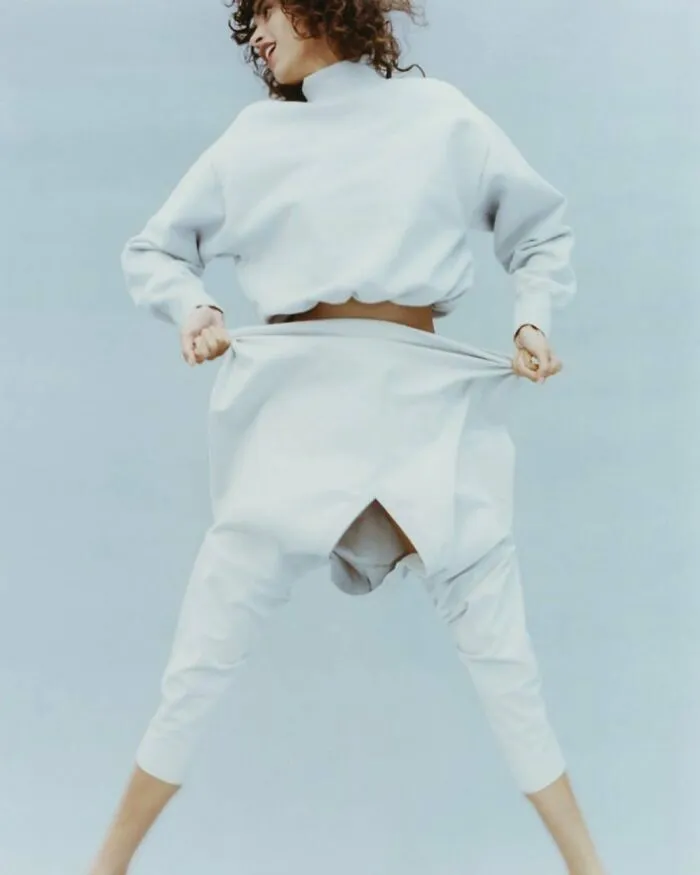
We did a little digging to find out why this Spanish fashion giant keeps putting out absurd editorial poses and products.
There are actually several strategic reasons behind the chaos — and love it or hate it, this bizarre approach is working wonders for them.
The viral confusion keeps all eyes on them, driving massive sales growth year after year. In 2025, the brand achieved net sales of €28.05 billion, up from €27.78 billion in 2024.
#4 Expectations Of How All Your Clothes Will Fit You After Your January Detox Is Over
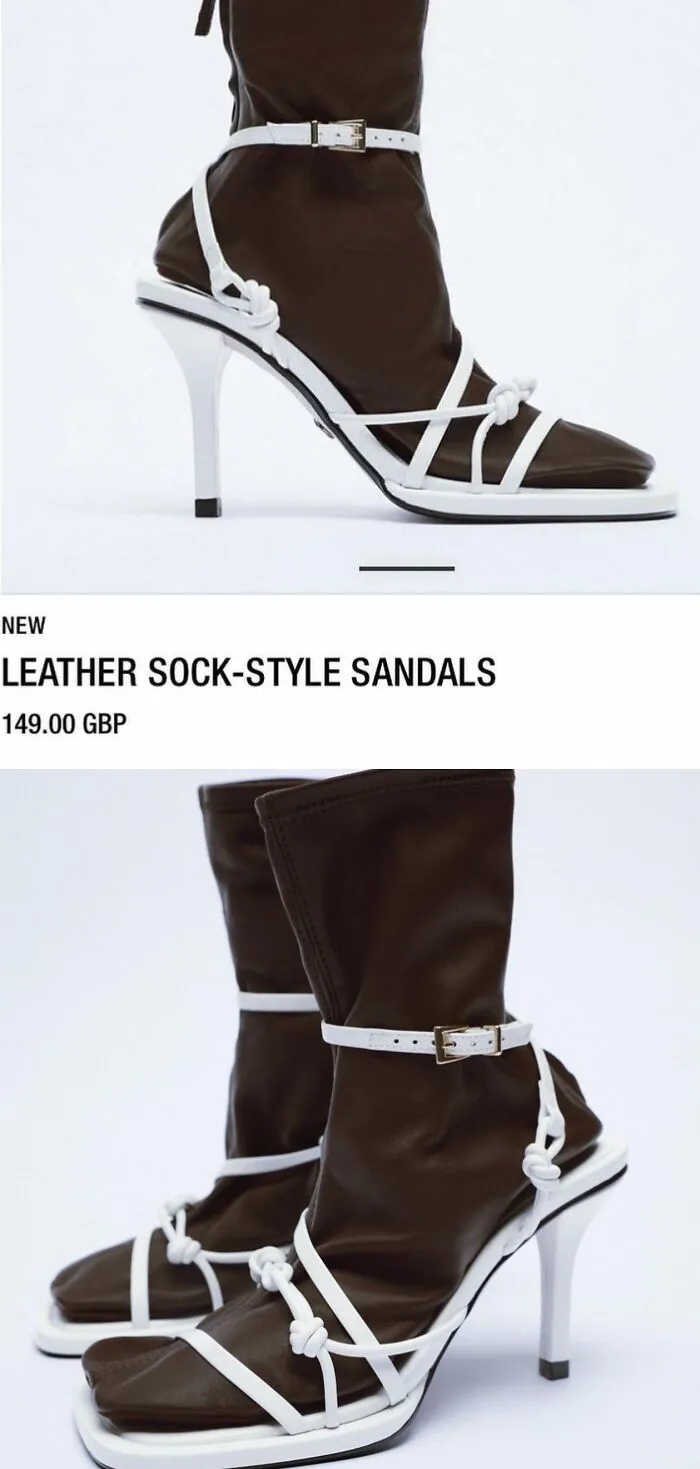
#6 You May Be Surprised To Learn That You Are Not Looking At An Amputated Foot, But A Pair Of Sandals Whose Main “Selling Point” Is A Pair Of Detachable Leather Socks
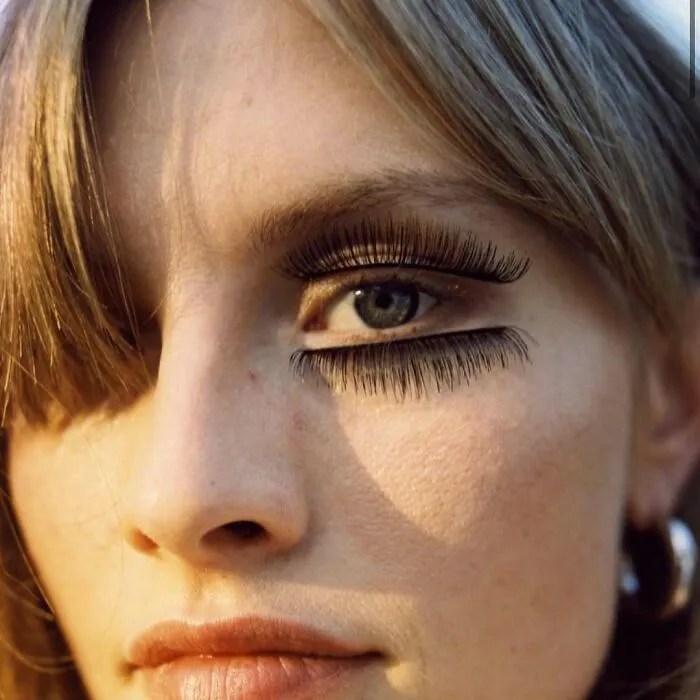
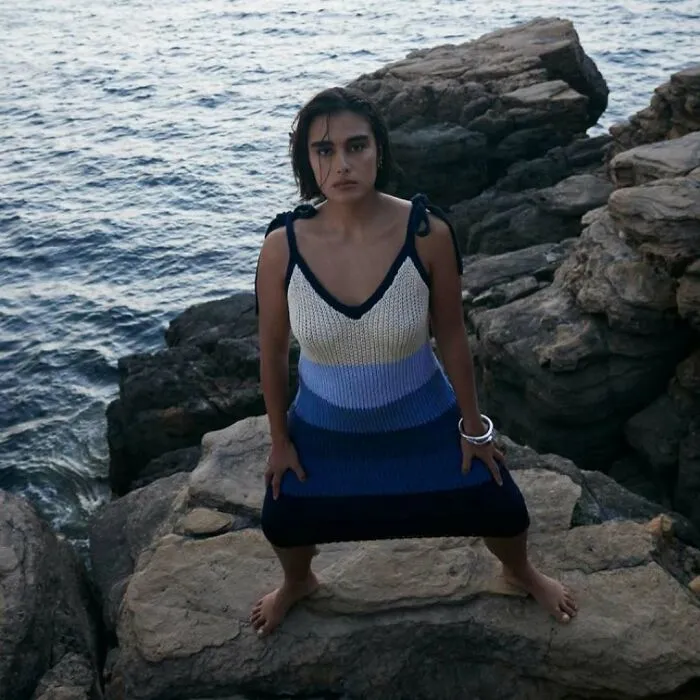
Zara’s website and app don’t feel like a normal budget e-commerce store. You won’t find typical photos showing how a garment drapes from every angle. Instead, you get moody lighting, dramatic black-and-white filters, and models in weird poses.
The website is intentionally designed to make you linger, scroll, and process the vibe before you even figure out where the armholes are.
The irony is that Zara relies almost entirely on this editorial strategy instead of flashy ad campaigns or celebrity endorsements.
In fact, the brand allocates less than 0.3% of its revenue to advertising — a fraction compared to competitors who typically spend 3-5% of their sales on marketing.
#7 When Wild Camping Looked Whimsical & Romantic On Instagram But In Reality It’s Just A Constant Stress That Someone Will See You Doing A Wilderness Wee
#8 When You Invite Your Redhead Friend To Any Outside Daytime Event Between June And September
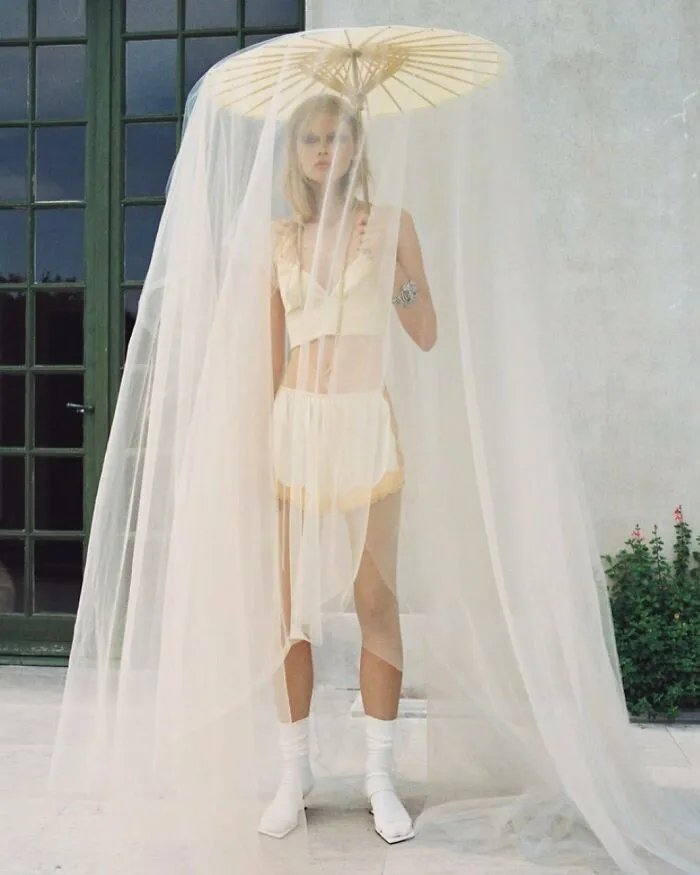

Instead of advertising, Zara channels funds into art direction that mimics high-fashion lookbooks and glossy magazines like Vogue or Dazed. Their creative directors prioritize eye-catching visual marketing over everyday practicality.
This high-concept optical trick extends straight into their physical retail stores. Zara often places its massive flagship locations on the world’s most expensive luxury shopping streets, sitting right next to high-end powerhouses like Prada, Gucci, and Louis Vuitton.
Inside, the layout features minimalist white walls, wide art-gallery-style aisles, track lighting, and very few racks. This aesthetic makes the store feel like a sleek high-fashion boutique rather than a mass-market retailer.

#11 The £19.99 Flower Holder Range Raises Some Vital Questions: Would Anyone Actually Hand Over £19.99 For This? And Does Anyone Actually Buy Flowers Often Enough To Necessitate A Dedicated Bag?!
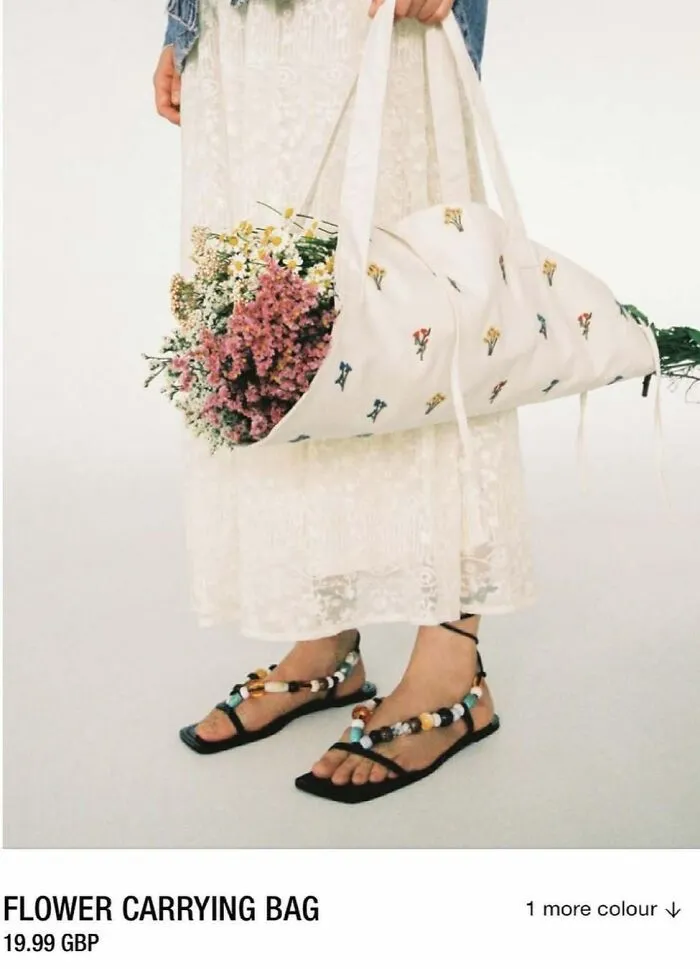
#12 When Your Roll-On Deodorant Is Taking Ages To Dry And You’ve Got Places To Be
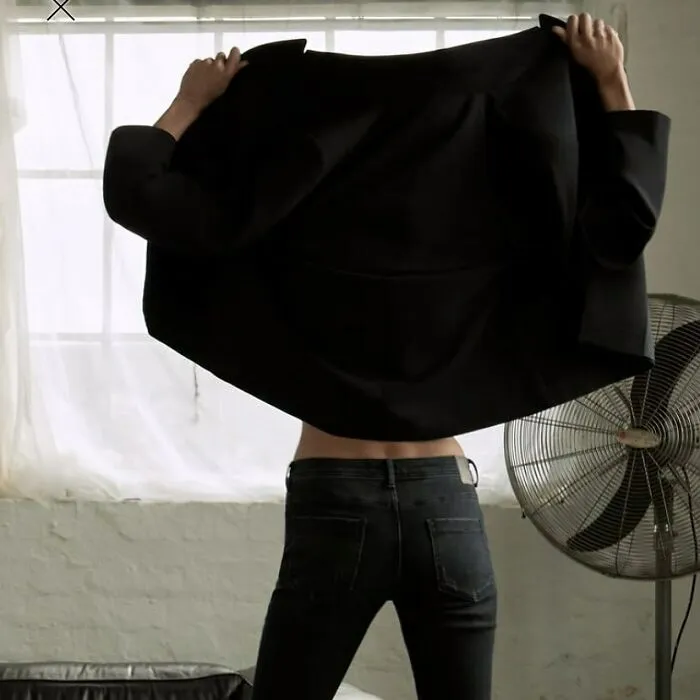
Zara grabs your attention by confusing you on purpose, Jen Clinehens, founder of buyer psychology consultancy Choice Hacking, explains.
“Because Zara didn't become the fashion powerhouse that it is today by accident. They did it through their use of some clever buyer psychology applied consciously or not to its business,” she says.
#13 Pitching Up To Board Your Flight And Hoping The Airline Staff Will Turn A Blind Eye To Your Audaciously Oversized Hand Luggage
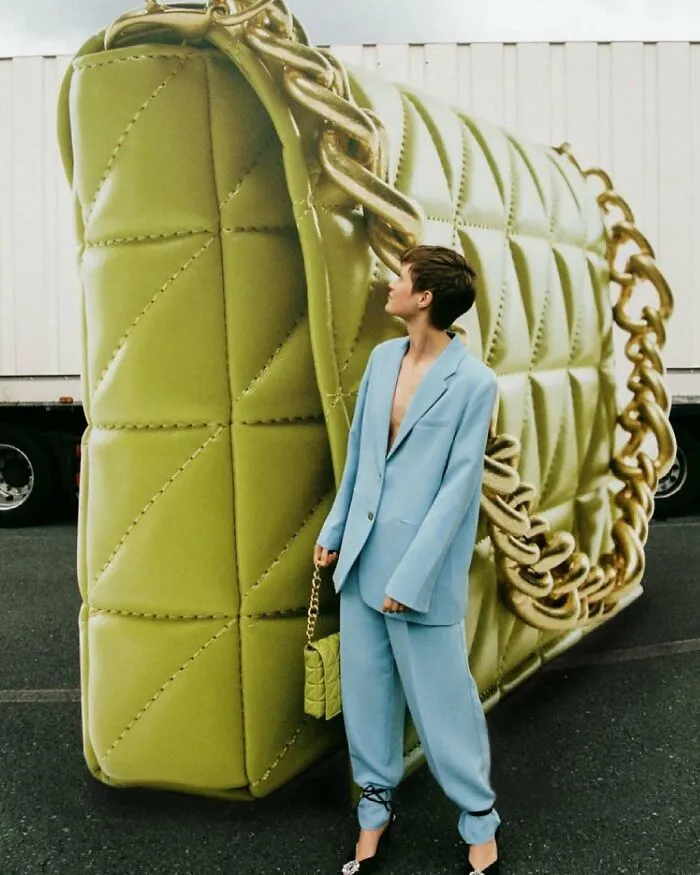
#14 When The Useless Intern Forgot To Bring The Actual T-Shirts To The Shoot And You Have To Improvise
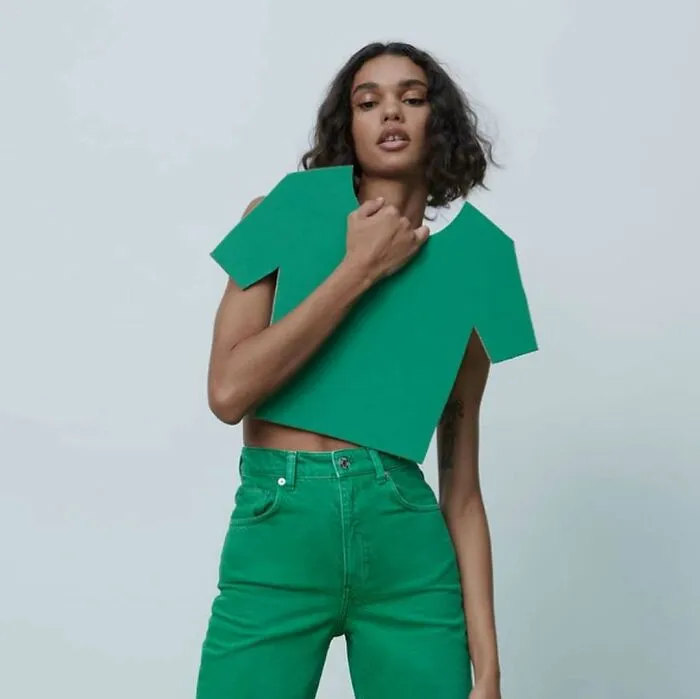
#15 Trying To Communicate With Aliens On Mars To See If The Bars There Are Open, And If They Have Room For One More

Zara’s designers also often adapt dramatic and avant-garde runway pieces to give consumers a taste of high-end luxury fashion.
However, the brand still occupies a unique middle ground when it comes to pricing. It isn’t as cheap as Shein or Primark, but it costs a fraction of designer brands.
By surrounding mid-tier price tags with bizarre model poses and minimalist, gallery-style spaces, Zara creates an illusion of luxury. It tricks your brain into feeling like you are buying directly from a high-end fashion house — even when you are just ordering a standard €30 sweater.
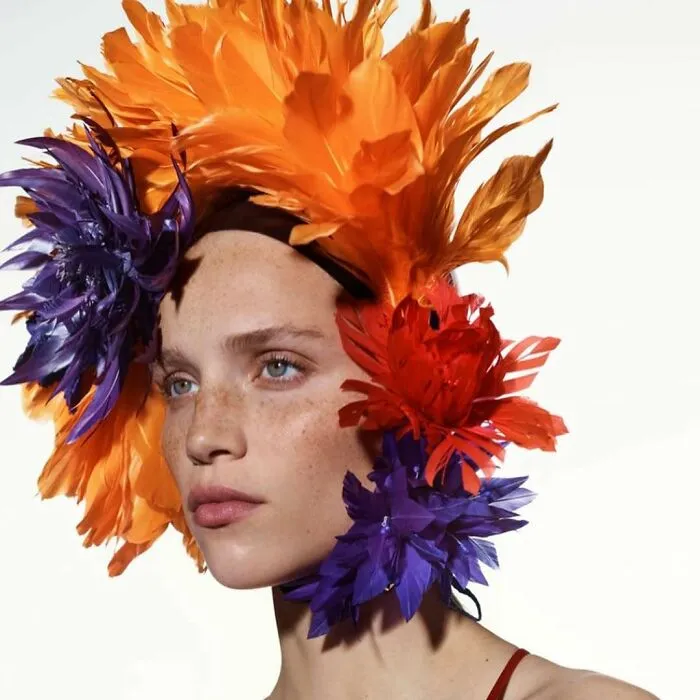
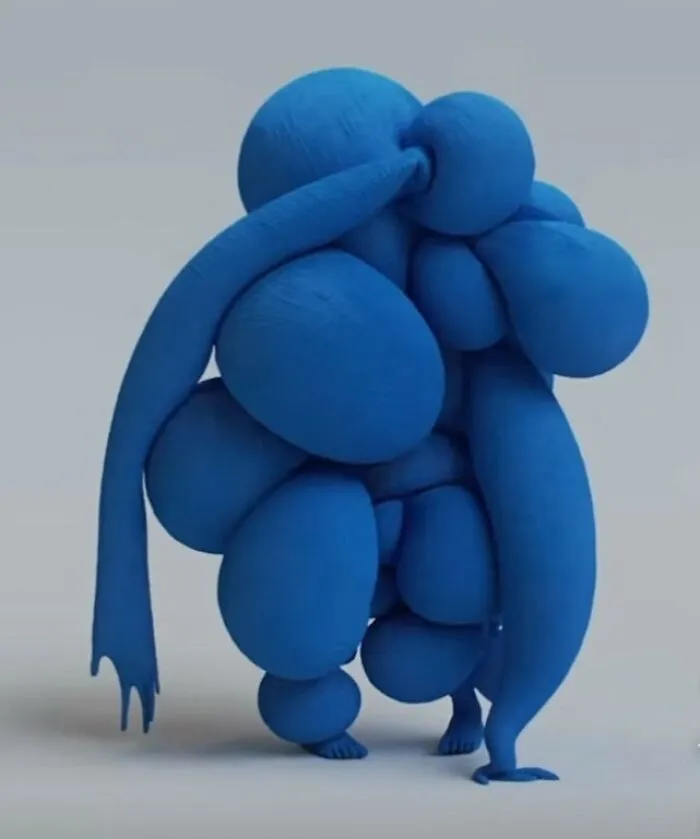
#17 Staying As Low As Possible To The Ground To Avoid Detection By The Fashion Police
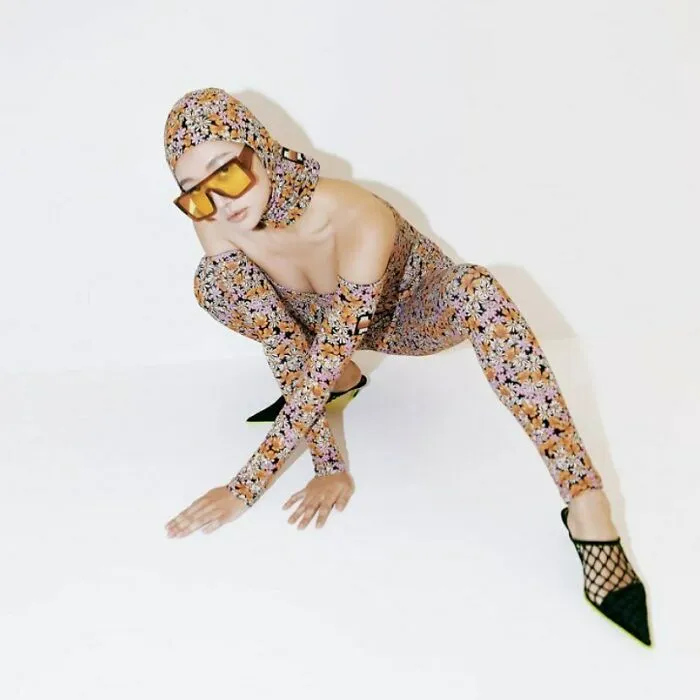
#18 When You’re Trying To Decide On A Scale Of 1 To 100 How Much You Hate The Outfit They’ve Forced You To Model

Behind this luxury illusion lies a standard fast-fashion machine. Even worse, while traditional brands release clothes once every season, Zara drops new items every two-three weeks to keep your brain hooked on constant novelty.
By mixing nonstop new clothes with small inventory, Zara creates artificial scarcity. You feel forced to buy immediately out of fear that the shirt you see today will disappear tomorrow.
“People assume if the products sell out or disappear quickly that a lot of people must want them, therefore they must be good. Zara realized pretty early on how powerful this combination of psychological forces can be,” says Clinehens.
#19 Glaring At Your Pt When They Instruct You To “Activate Your Abs” Knowing Fine Well You Don’t Have Any
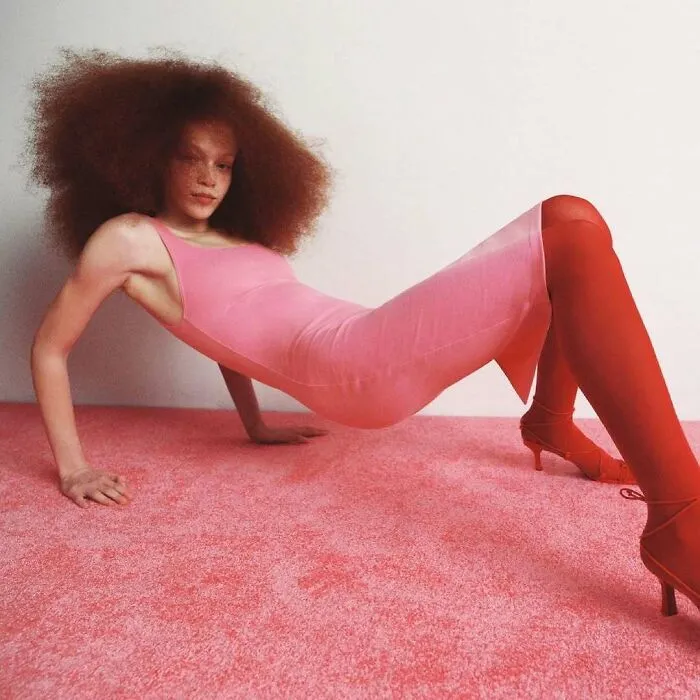
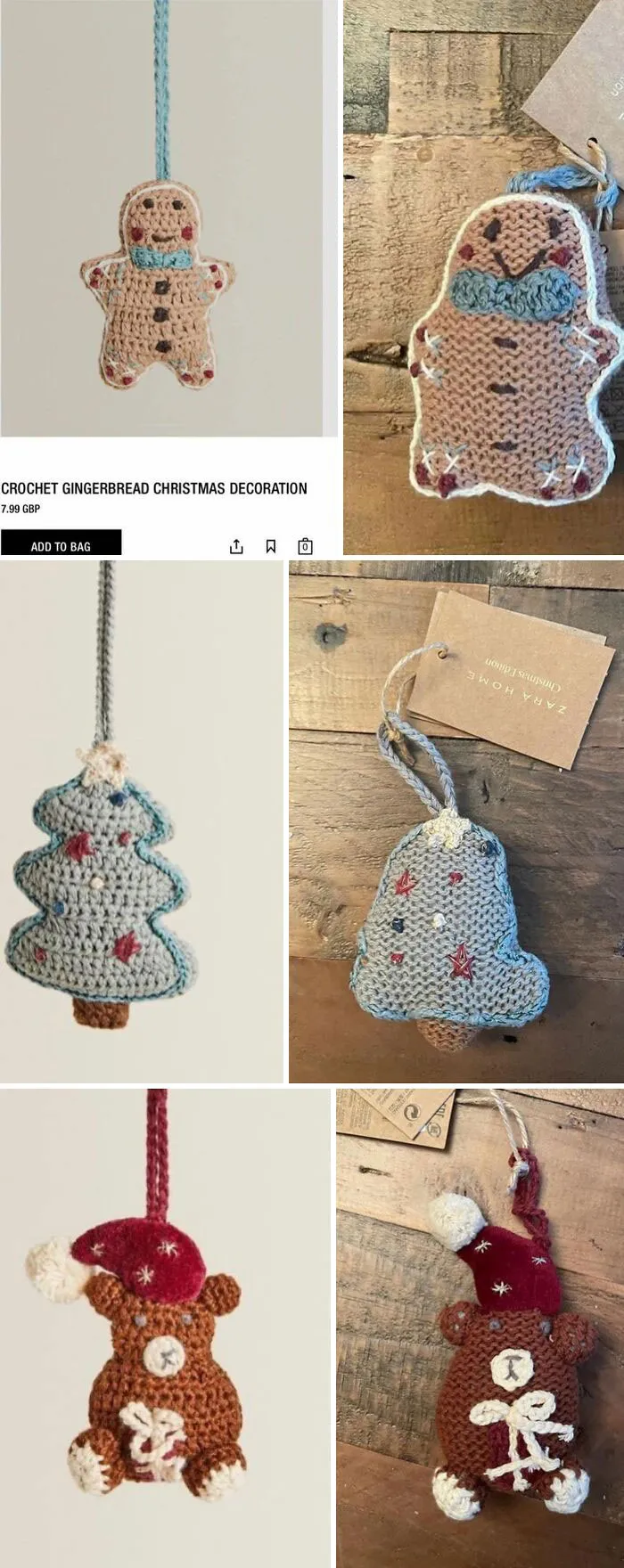
#20 Zara’s ‘Crochet’ Christmas Tree Decorations Are A True Lesson Into The Dangers Of Pinterest vs. Reality
Behind these clever tricks is a heavy human cost. Zara faces serious allegations of worker mistreatment, including unpaid wages and unsafe working conditions.
Like many fast-fashion companies, this brand outsources its manufacturing to developing nations with weak labor laws. So, it leaves vulnerable garment workers with little power to fight for fair pay or safe working conditions.