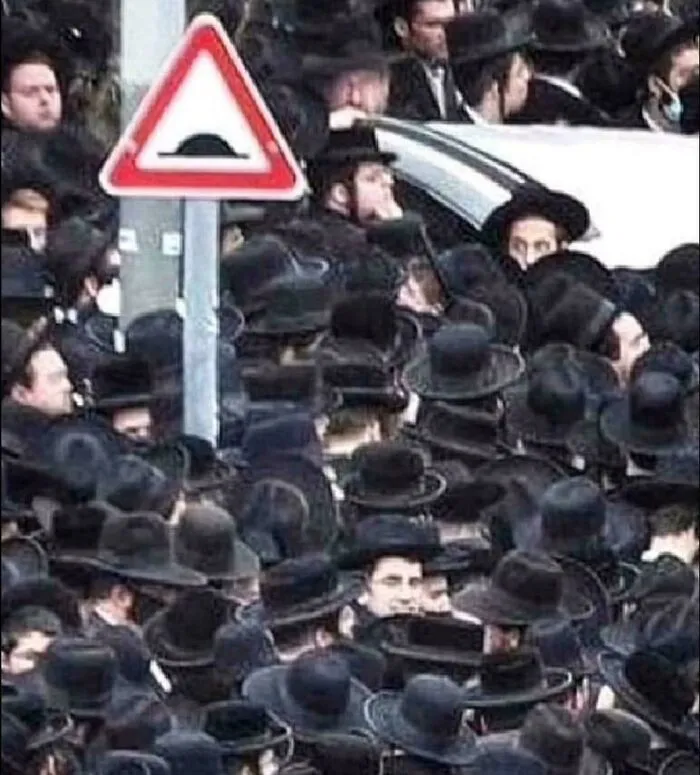





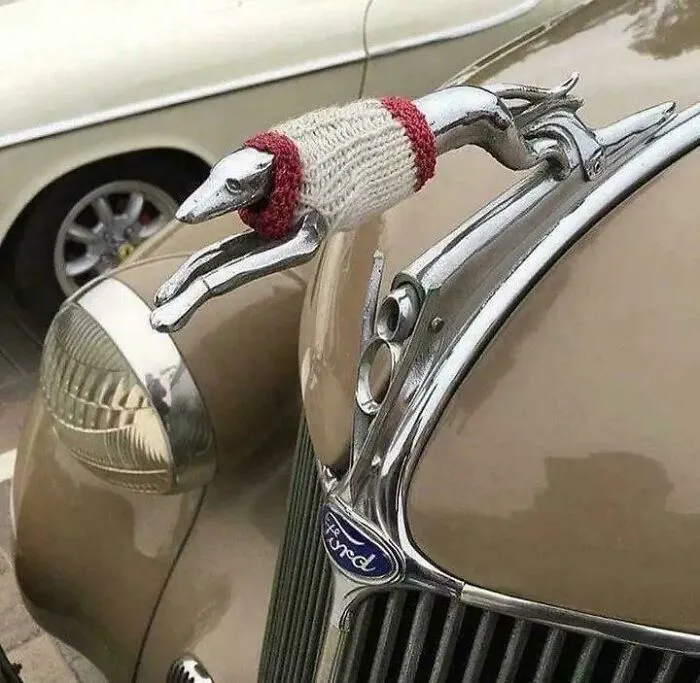


One reason why weird, chaotic, confusing, and random images go viral is that they offer something fresh and unexpected.
‘Ordinary’ memes eventually become stale. Daily humor gets boring. So you look for something slightly different to temporarily break the monotony of your predictable and boring social media feed.
Another reason why these odd and bizarre pics are so appealing is that they are mysterious and make you do a double-take.
There’s something dynamic and strange happening in the frame, and you’re left with a puzzle to figure out. You immediately have a strong emotional reaction, even if it’s confusion.

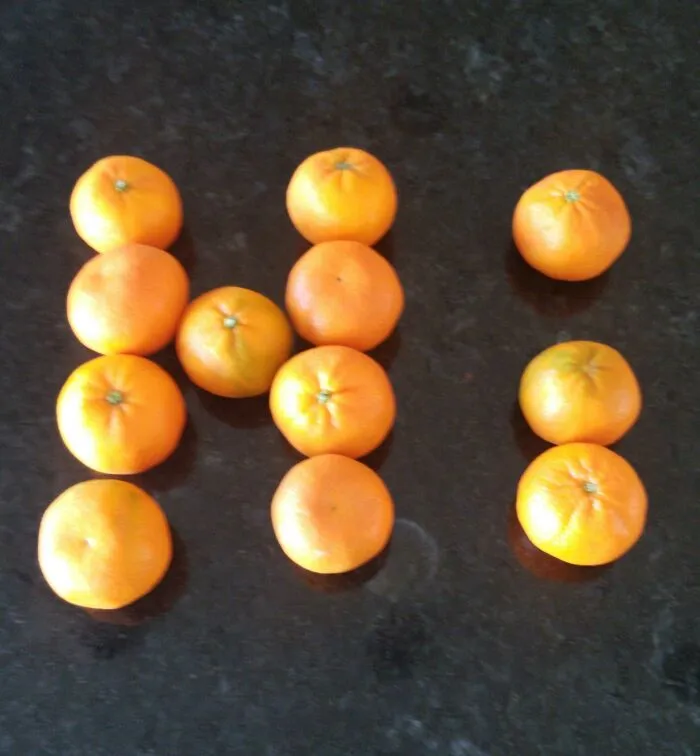
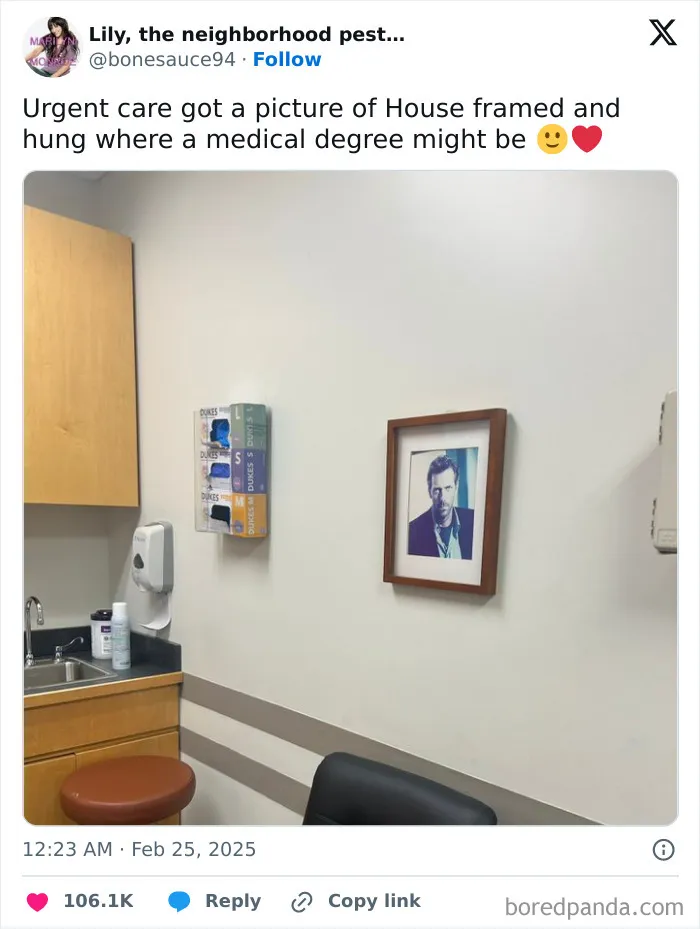
The images are also quite often visually striking and unique, and draw you in.
There’s a social dimension at work here, too. Your interpretation of the events might not match other people’s guesses, which naturally sparks a back-and-forth conversation.
You’re (not so) quietly invited to join the discussion and share your thoughts on other internet people’s interpretations of what’s happening in the pics and why.
New research, however, is adding a new dimension to the conversation surrounding virality. And weirdly enough, it has little to do with emotional impact.
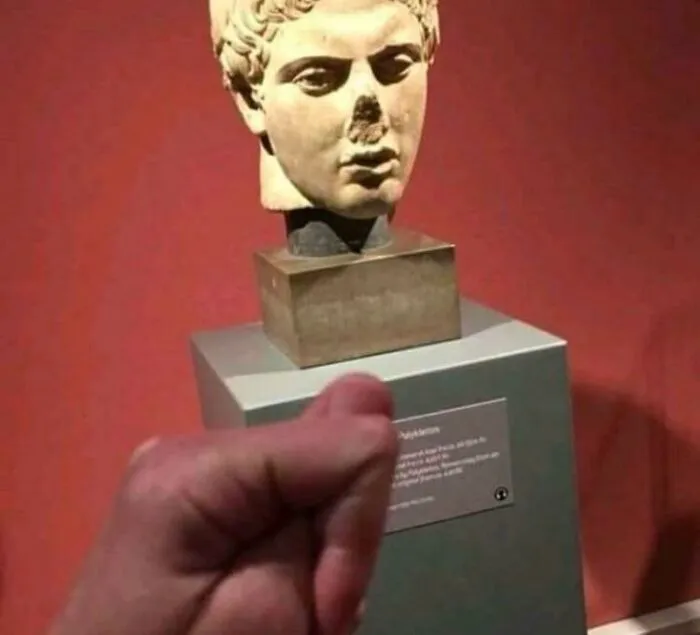


According to recent research, the memorability of content might have a greater impact on its virality than emotion does.
The Brain Bridge study, conducted by Wilma Bainbridge, an associate professor in the University of Chicago’s Department of Psychology, and her Brain Bridge Lab, looked at whether memorable images have different fates on social media than forgettable images.
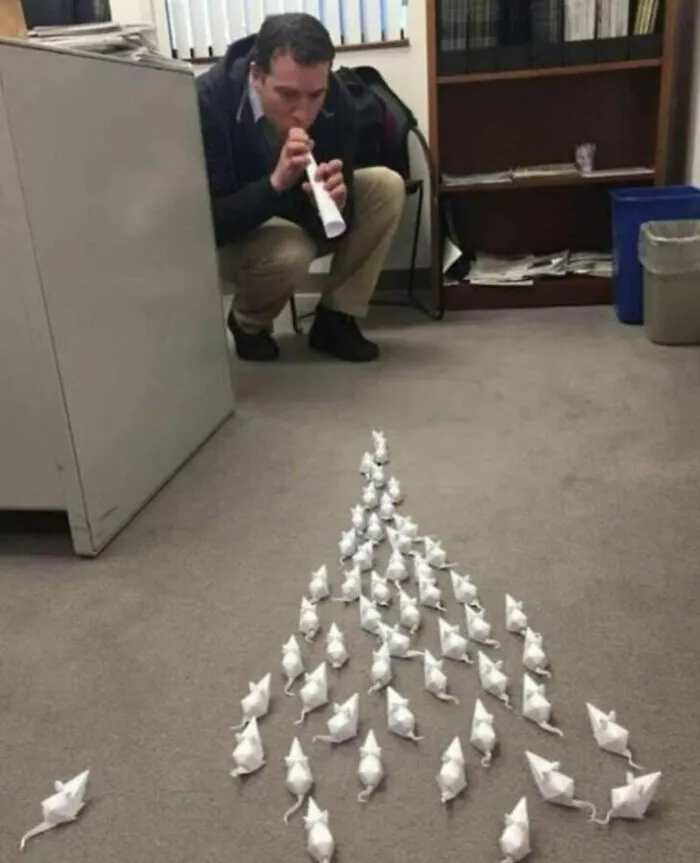
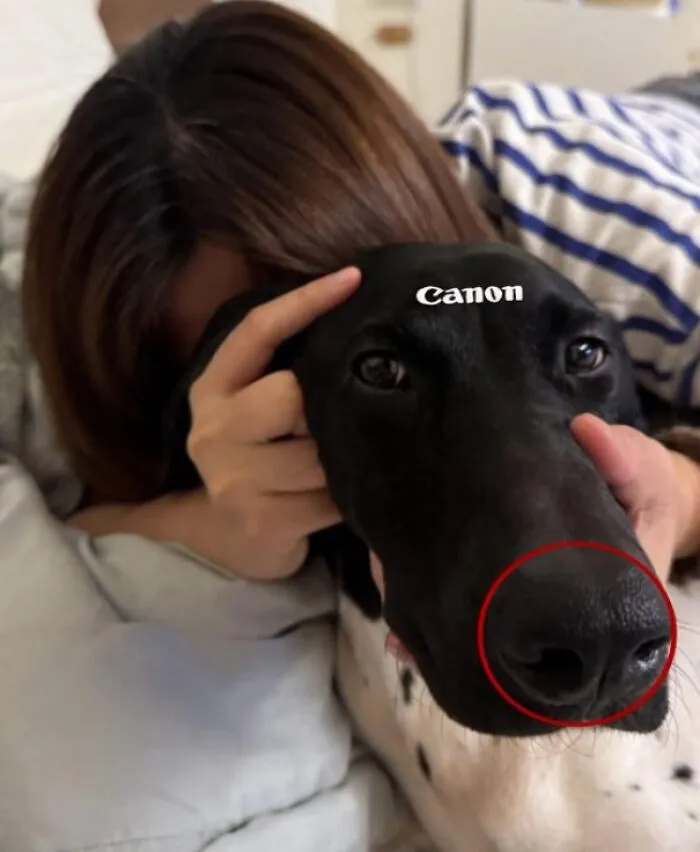

Based on Bainbridge and her colleagues’ findings, more memorable images tend to get more comments and provoke more discussion. However, they don’t necessarily get more upvotes.
Furthermore, the research found that the comments on memorable images tend to be more emotionally neutral. Meanwhile, forgettable images tend to have positive comments.


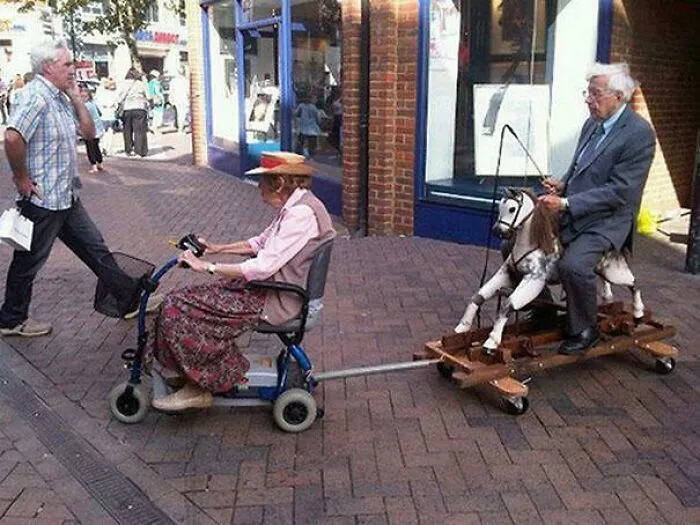
“Even if something elicits positive discussion, it doesn't necessarily stick in your memory,” Bainbridge notes.
Discussions that happened around memorable images also tended to tackle more abstract topics and ideas. These conversations went beyond the image itself.
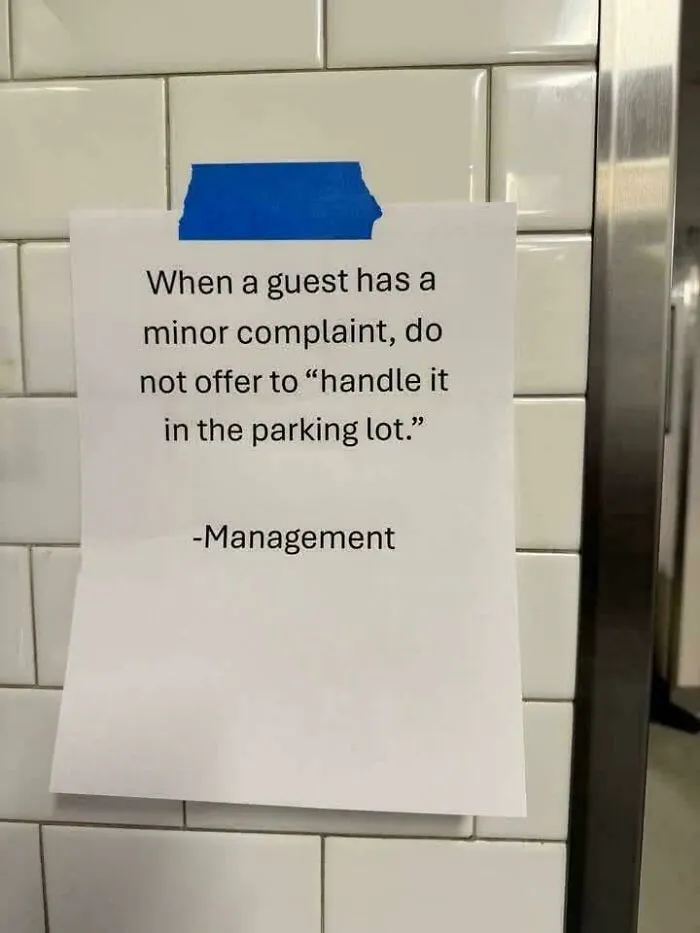

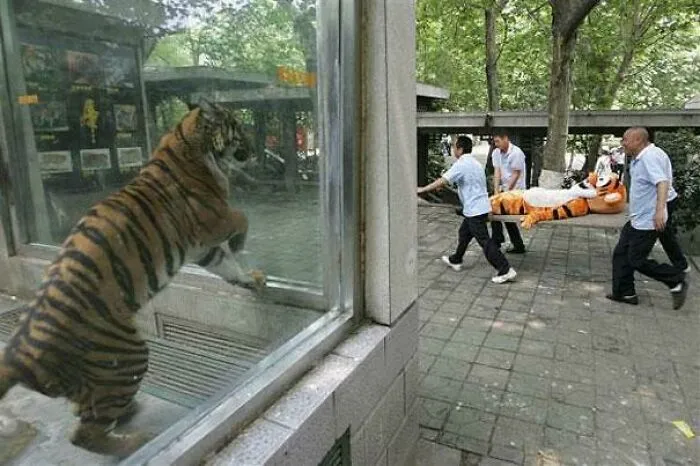
“For memorable images, we found there was more abstract language. They might talk about political views or thoughts that the image elicits — or humor, (they might) make a joke. They also talked about more things that were not directly in the image: Maybe this image would make them think about another event that happened to them or something else that they saw. So in a way, the memorable images elicited richer discussion,” Bainbridge said.