




This post may include affiliate links.

When it comes to furniture, many of us might immediately think of IKEA. The affordable prices, endless showrooms, and, of course, those Swedish meatballs are some obvious reasons people keep going back. But there’s another interesting reason IKEA furniture can feel strangely satisfying: we have to build it ourselves. A CNBC piece exploring the psychology behind the “IKEA effect” cites Daniel Mochon, a researcher and associate professor at Tulane University’s business school, whose work helps explain why we tend to place a higher value on things we’ve created ourselves.
The idea is pretty simple: even when something we build isn’t perfect, the effort we put into making it can make us feel more attached to it. So, if you build a slightly crooked table yourself, you might see it as a pretty impressive achievement, while someone else might simply see a wobbly table. That emotional attachment comes from knowing how much time and effort you put into creating it.
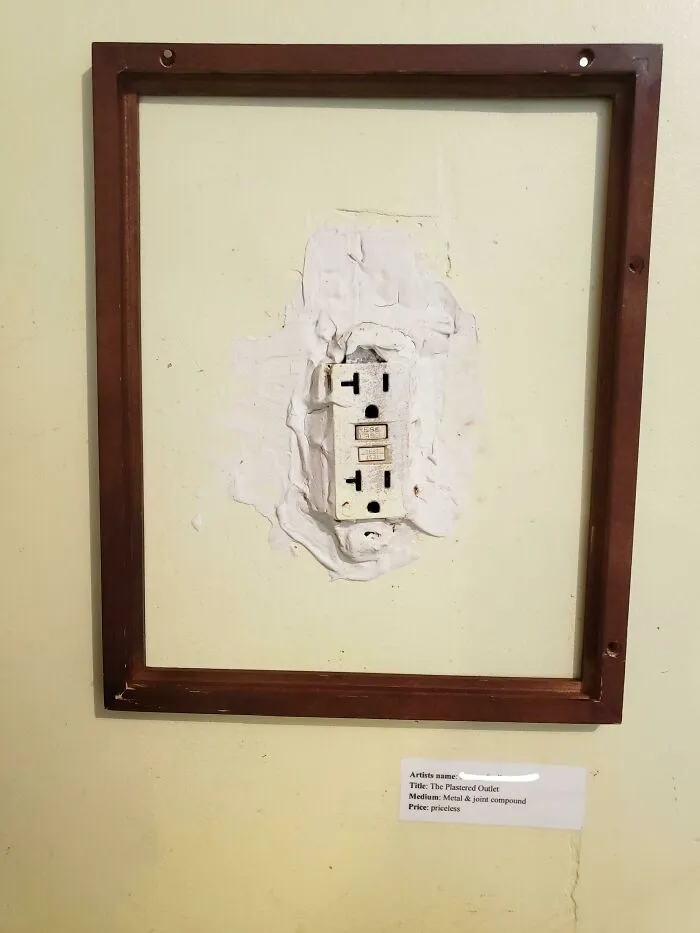
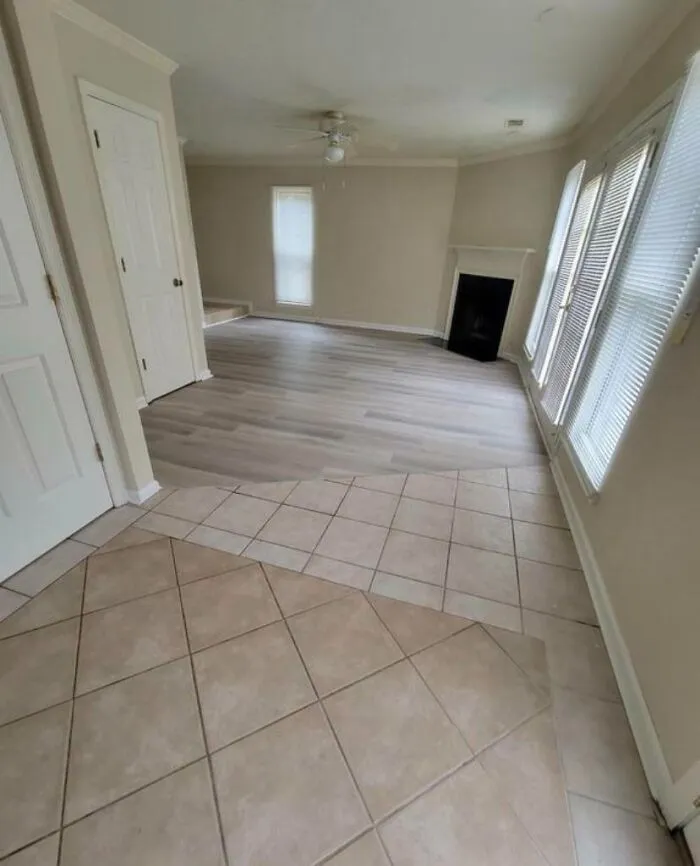
#4 My Dad Isn't So Great At Remodeling, So I Turned His Work Into A Work Of Art

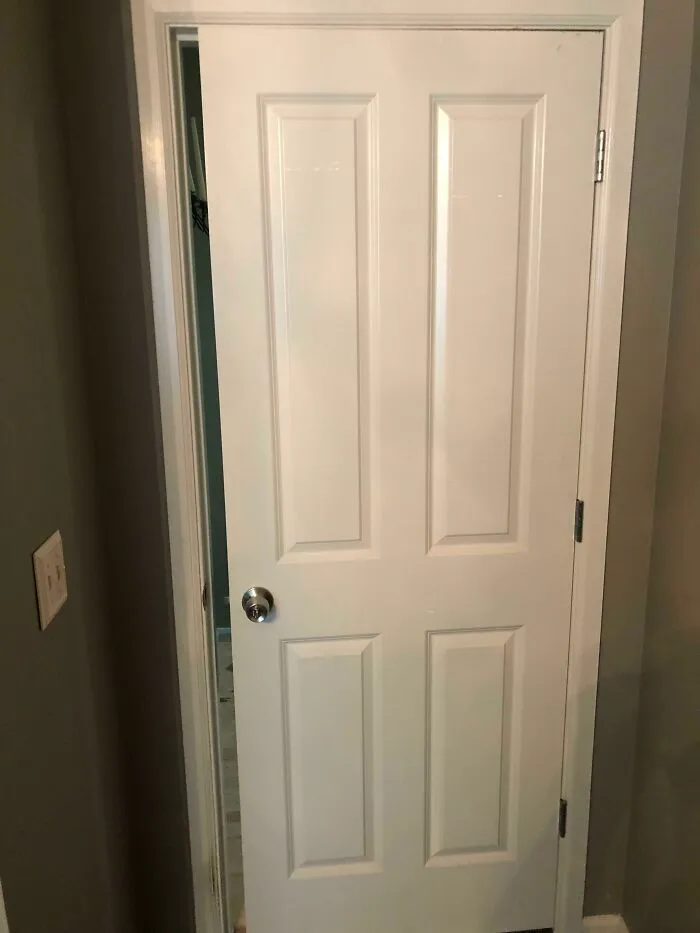
The IKEA effect really captures one of the biggest joys of DIY: there’s something satisfying about being able to look at an object and think, “Yep, I made that.” Saving money is another major bonus. Instead of spending hundreds on something new, a little creativity can sometimes give an old or inexpensive item a completely different look. In the popular book Young House Love: 243 Ways to Paint, Craft, Update & Show Your Home Some Love, the authors share plenty of budget-friendly ideas. One example involves creating a high-end-looking mirror by buying a simple borderless sheet mirror or an inexpensive thrift-store find and adding a basic wooden frame made from hardware-store molding. They also suggest transforming plain roller shades by attaching patterned fabric with fabric glue, creating something that looks much more customized without the designer price tag.
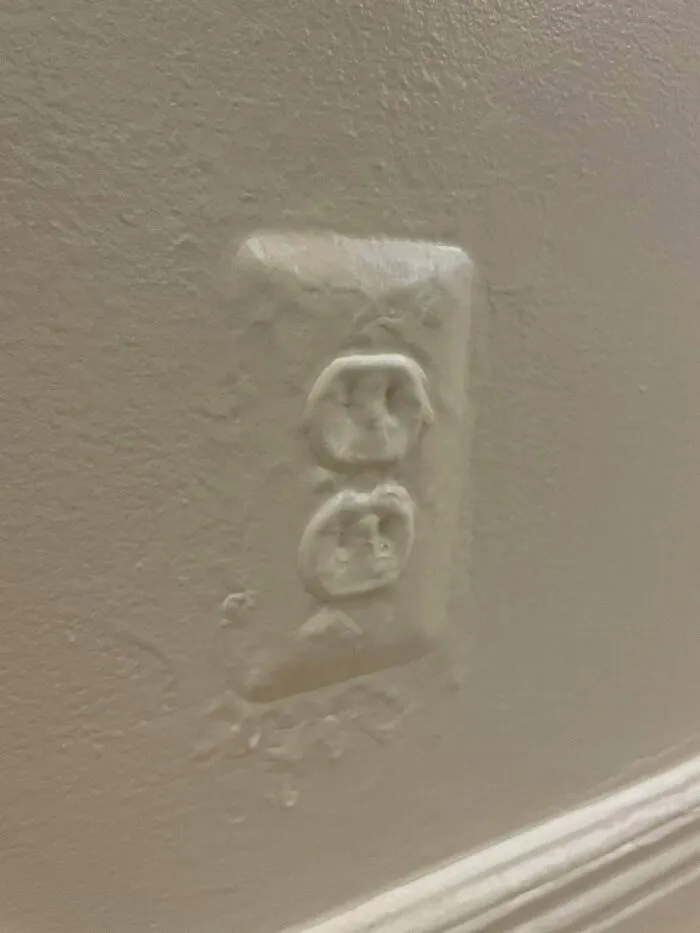
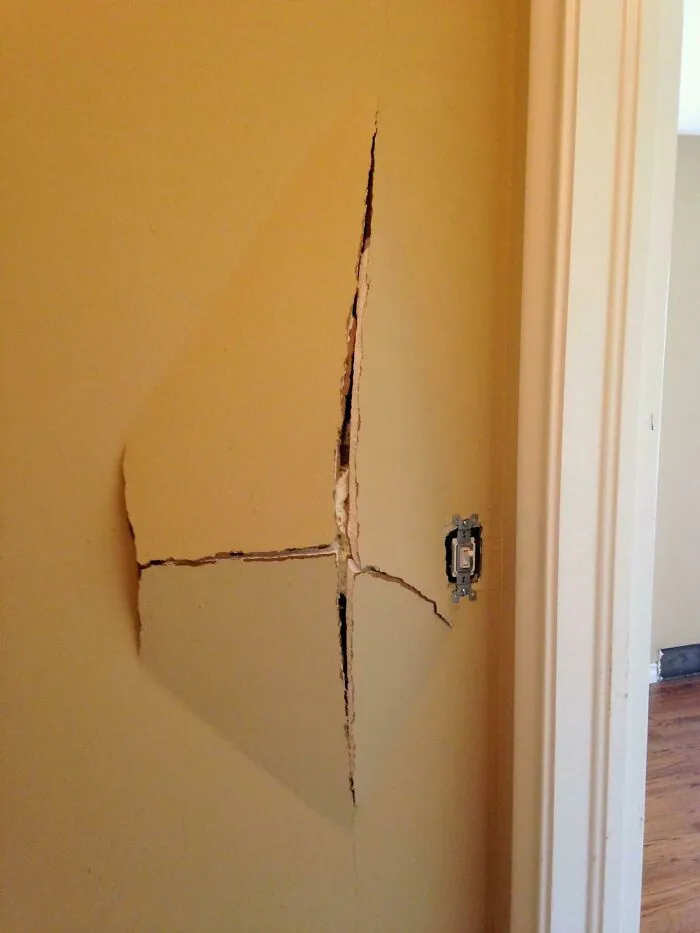
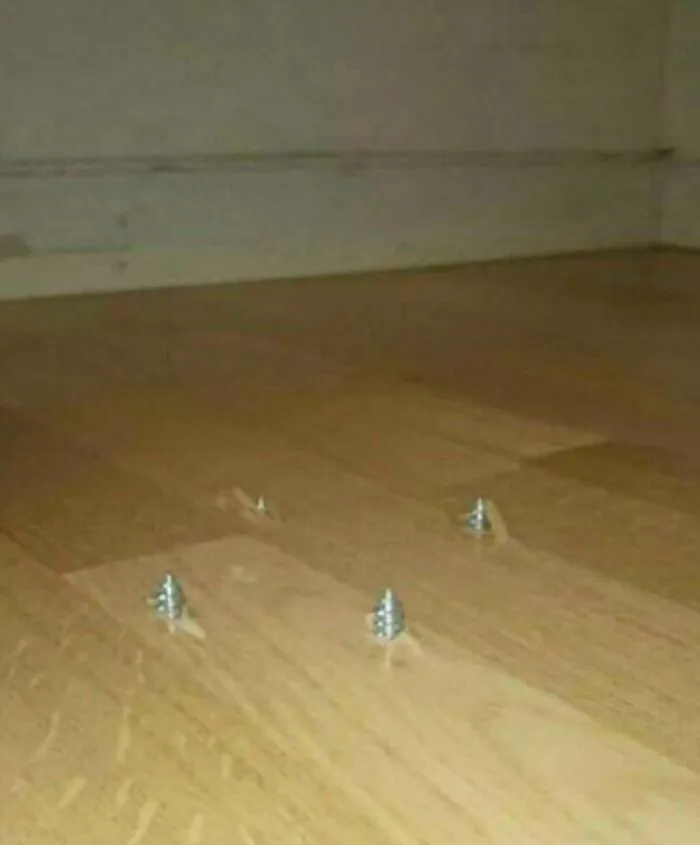
#7 I May Have Used Too Much Spray Foam Insulation To Fill A Hole On The Other Side Of This Wall
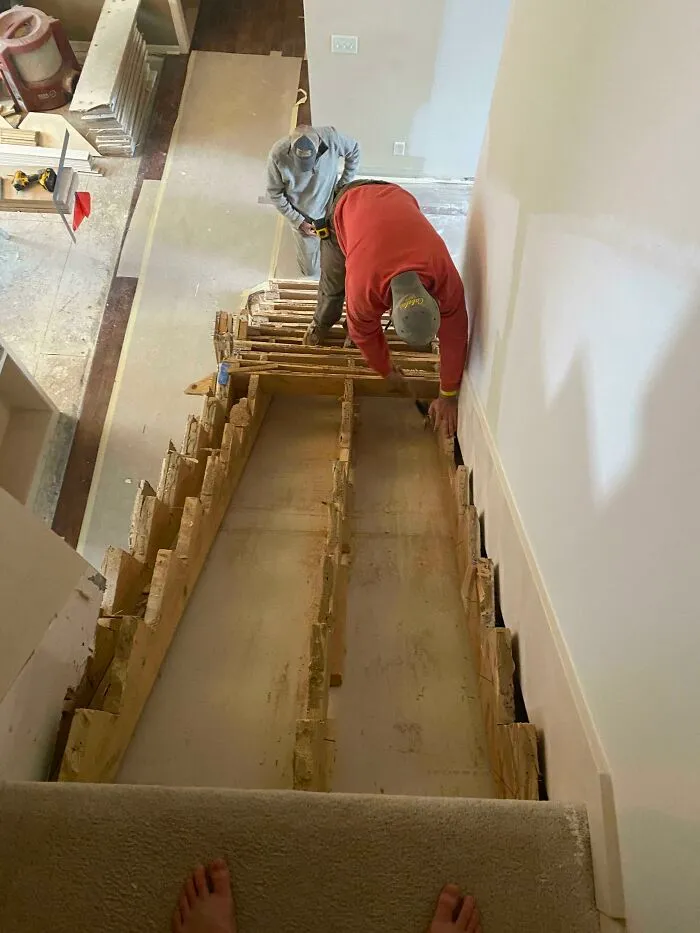
#8 My Father Forgot To Tell Me The Renovations Would Be Taking The Stairs Out Today
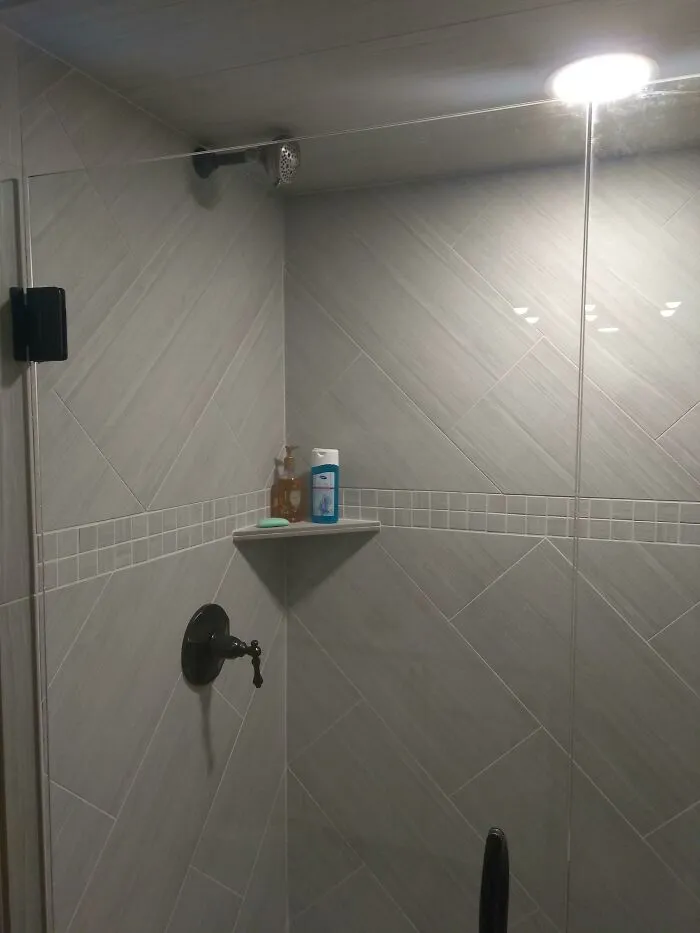
#9 My Mom Had Her Guest Bathroom Remodeled While She Was Out Of Town
The benefits of DIY aren't limited to your wallet, either. Working with your hands can also be surprisingly calming, especially when you’re spending an afternoon painting a cabinet, sanding a shelf, assembling furniture, or fixing up an old chair. Harvard mind-body expert Herbert Benson has discussed how repetitive activities can trigger what he calls the “relaxation response”—a state of physical and mental calm often associated with meditation. There’s something about focusing on one small, tangible task that can give your brain a break from everything else going on. For a while, your biggest concern might simply be whether that screw is actually supposed to go there.
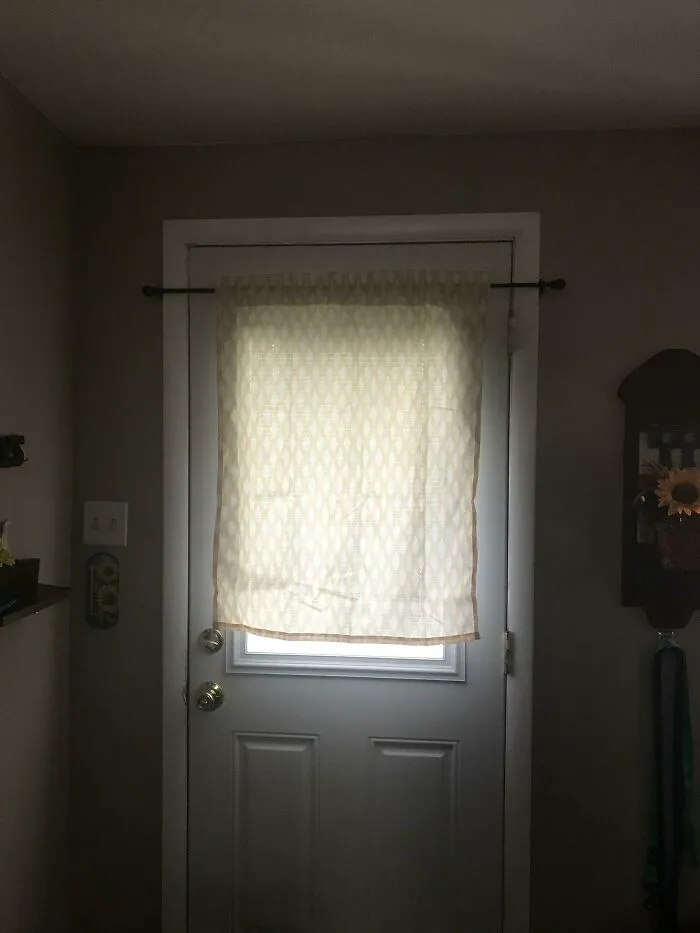
#12 Tried To Hang The Curtain Rod Above My Front Door Yesterday... Didn’t Realize What I Had Done Til I Stepped Back
There’s also research suggesting that creative activities can give our mood a boost. A 2016 study published in Occupational Therapy International found that participants who engaged in creative activities reported improvements in mood and happiness. DIY projects can offer a similar sense of satisfaction because they give you a clear goal and a visible result. When you finally fix that wobbly chair, hang the shelf you’ve been putting off, or turn an old piece of furniture into something you actually like, you get a small but satisfying sense of accomplishment. Those little wins can make a surprisingly big difference to how you feel.
#13 I've Heard Of "Painting Yourself Into A Corner" But My Wife Took It A Step Further. I Don't Even Know
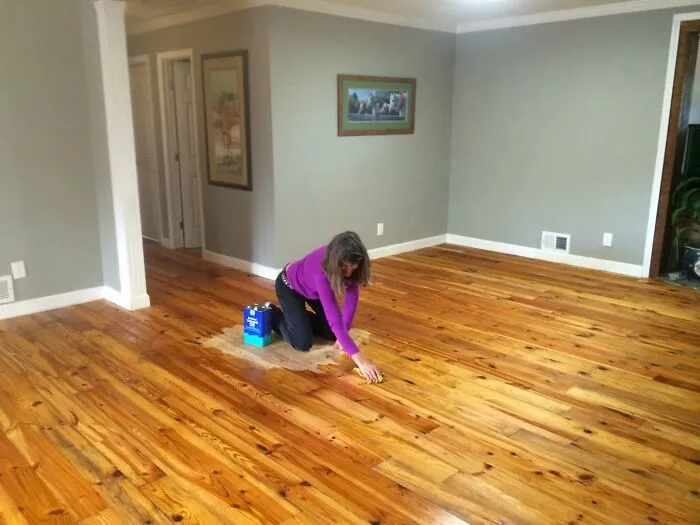
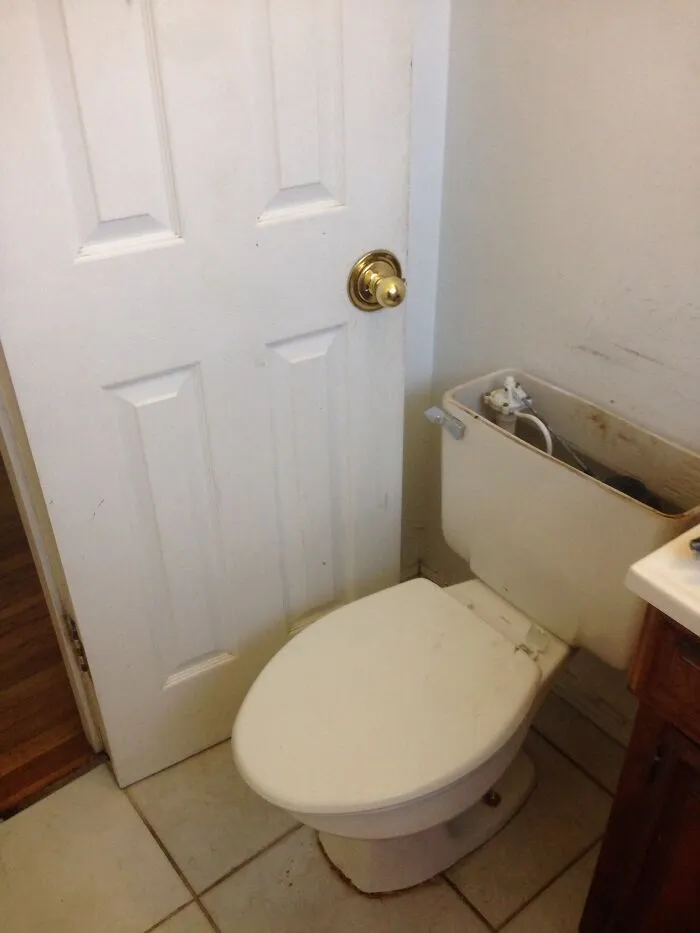
#14 Fixing A Toilet Leak

There’s another psychological benefit to being able to fix or build things yourself: a sense of control. Life can feel chaotic, and there are plenty of things we simply can't control. But when something in your home breaks, you can sometimes grab a screwdriver, take it apart, figure out what went wrong, and put it back together. Even a small repair can feel empowering because you’ve solved a problem with your own hands. It’s a simple reminder that, at least in this little corner of your life, you’re capable of making things work again.

And if you've ever started working on a DIY project “for just 20 minutes” and suddenly realized that three hours have disappeared, you may have experienced what psychologist Mihaly Csikszentmihalyi called “flow.” It’s the state of being completely absorbed in a task, with your attention so focused that you temporarily lose track of everything else. Whether you're painting, building a bookshelf, restoring an old chair, or turning empty bottles into plant pots, that deep concentration can be incredibly satisfying. People who experience flow often report greater happiness, productivity, and a stronger sense of accomplishment.