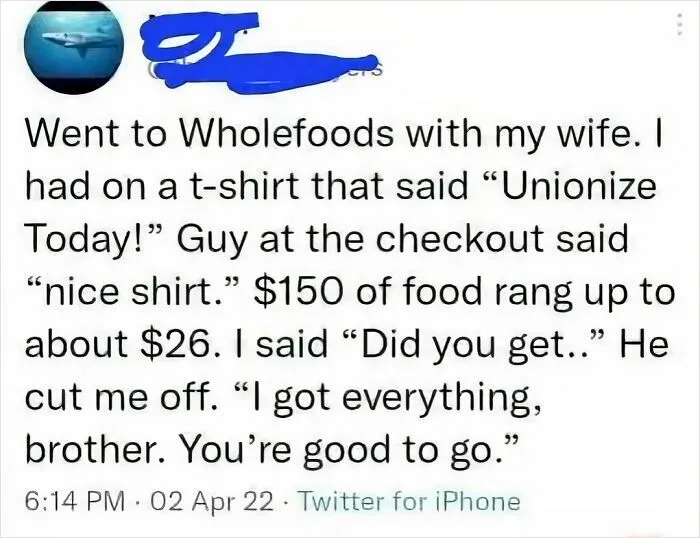


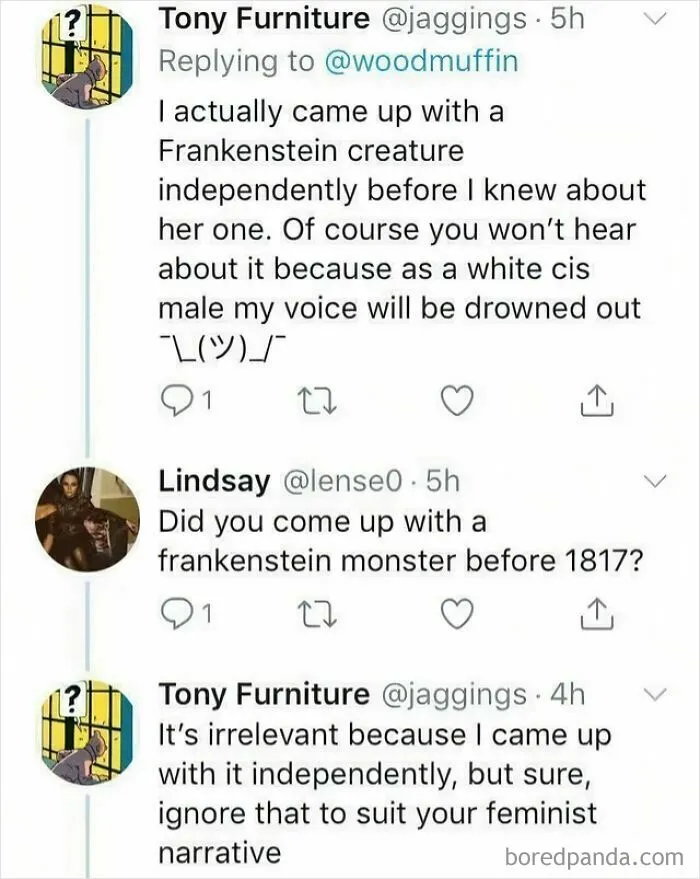
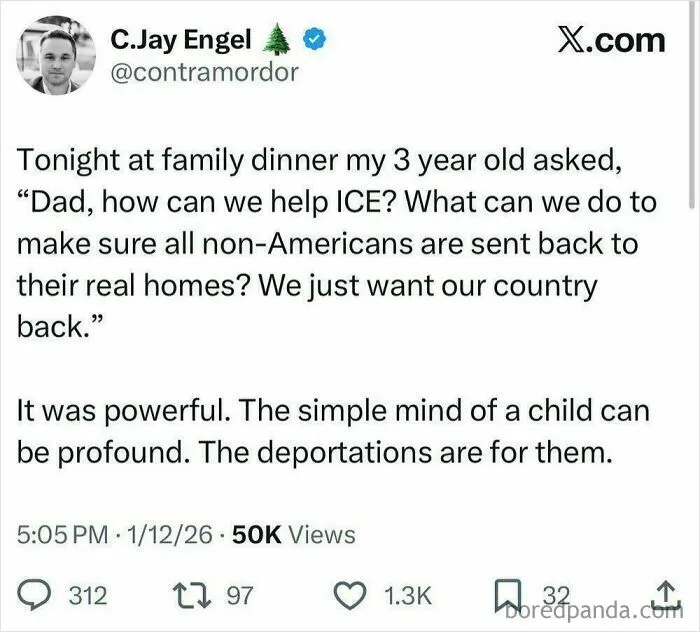
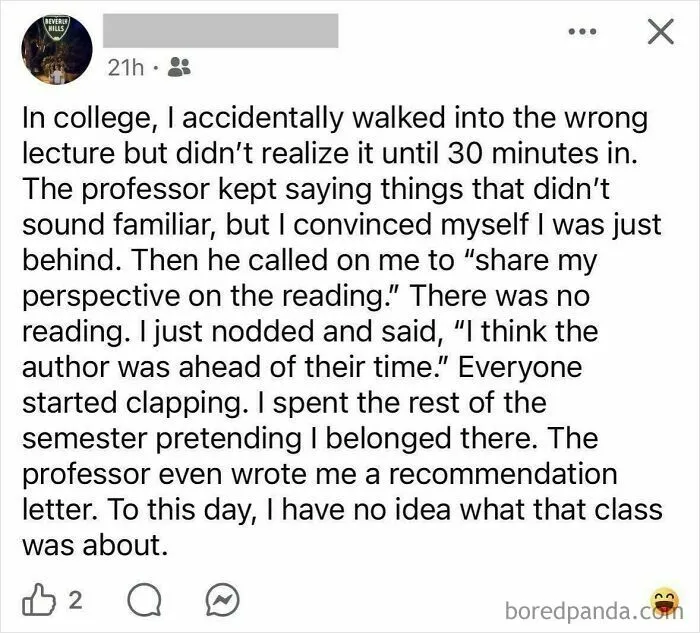
#3 Man Independently Comes Up With Idea For Frankenstein, But Is Suppressed By Feminism
Who hasn’t embellished the truth a little bit when telling a story about themselves online? And what about dating profiles – many of us present better versions of ourselves to attract potential dates. That seems to be the nature of the anonymity the internet gives us: to seem cooler, younger, prettier, more educated, and overall just “better,” we often think it’s okay to bend the truth a little. Who’s going to know, anyway?
Fake stories like you see on this list might fool some people. Colleen Seifert, professor of psychology at the University of Michigan, explains that this can be quite naive when evaluating other people’s intentions. “It's hard to imagine somebody is going to that length to try to influence my opinion about something,” she told NPR Stateside.
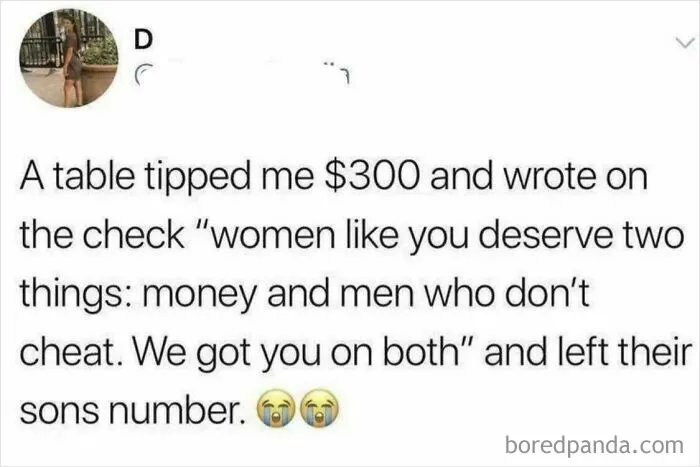
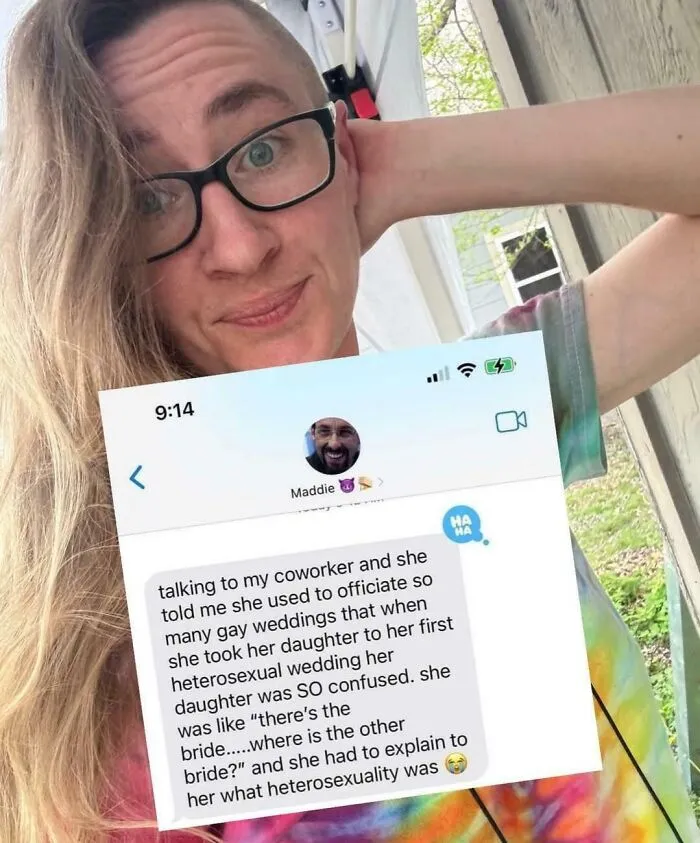
#4 Wow, What A Story, Now I Know That The Truly Oppressed People Are Actually Heterosexuals. Straight Pride Amirite?
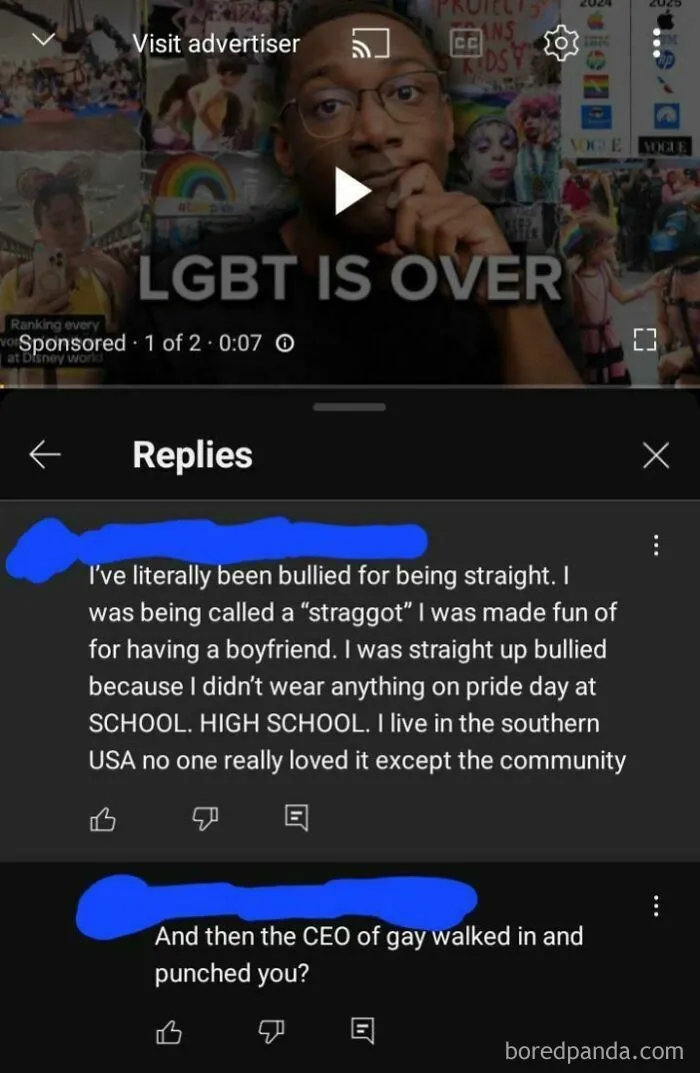
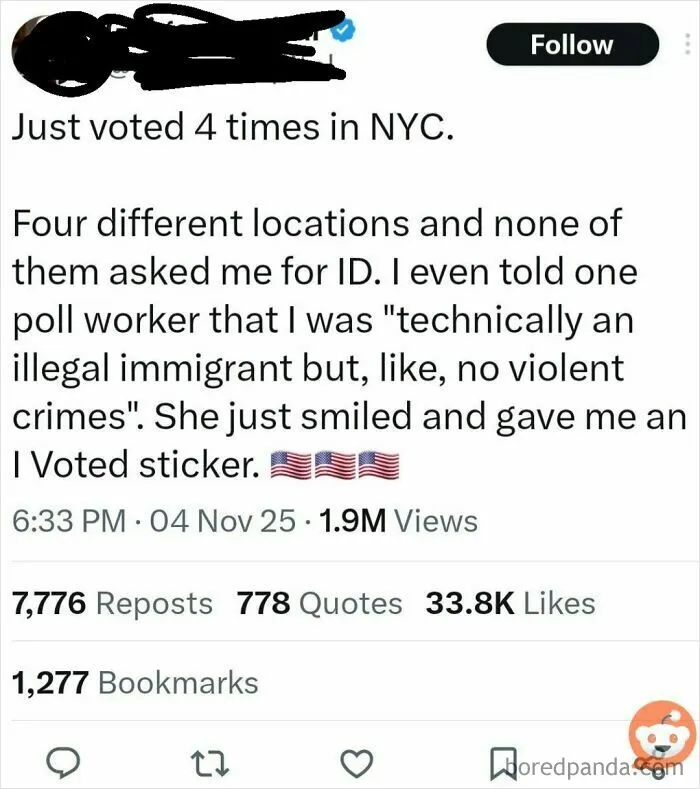
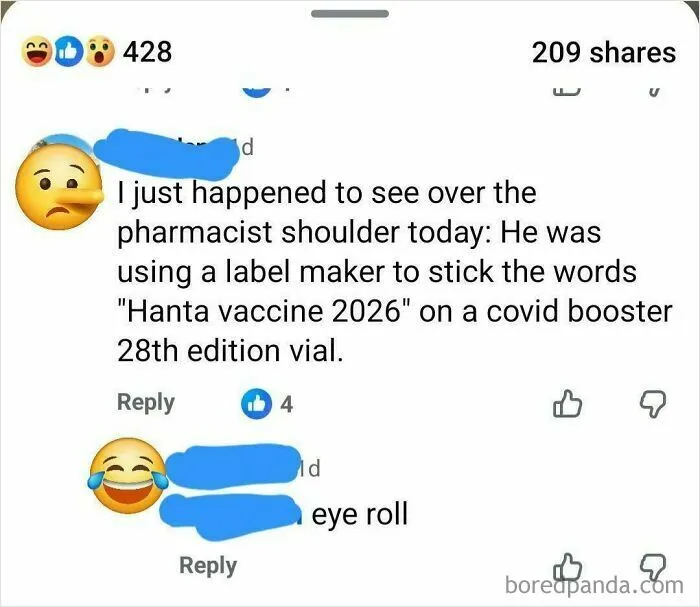
Some might argue that the versions of themselves that people present online are not real. Essentially, online is fake, and offline is real. Or, in other words, to quote comedian Dave Chapelle, Twitter is not a real place. But psychologists caution people from making such generalizations. For some people, the identities that they curate and express online are their true selves, whether because it’s safer or just more freeing.
As psychologist Emily van der Nagel explained to ABC News, some people create fake personas online because they want to express a genuine part of themselves. “[They could be] trying to tap into a genuine need they have to talk about intimate stuff in public, or sometimes it might be a frustration outlet.” At the same time, she believes people don’t do complete 180s and present different versions of themselves.
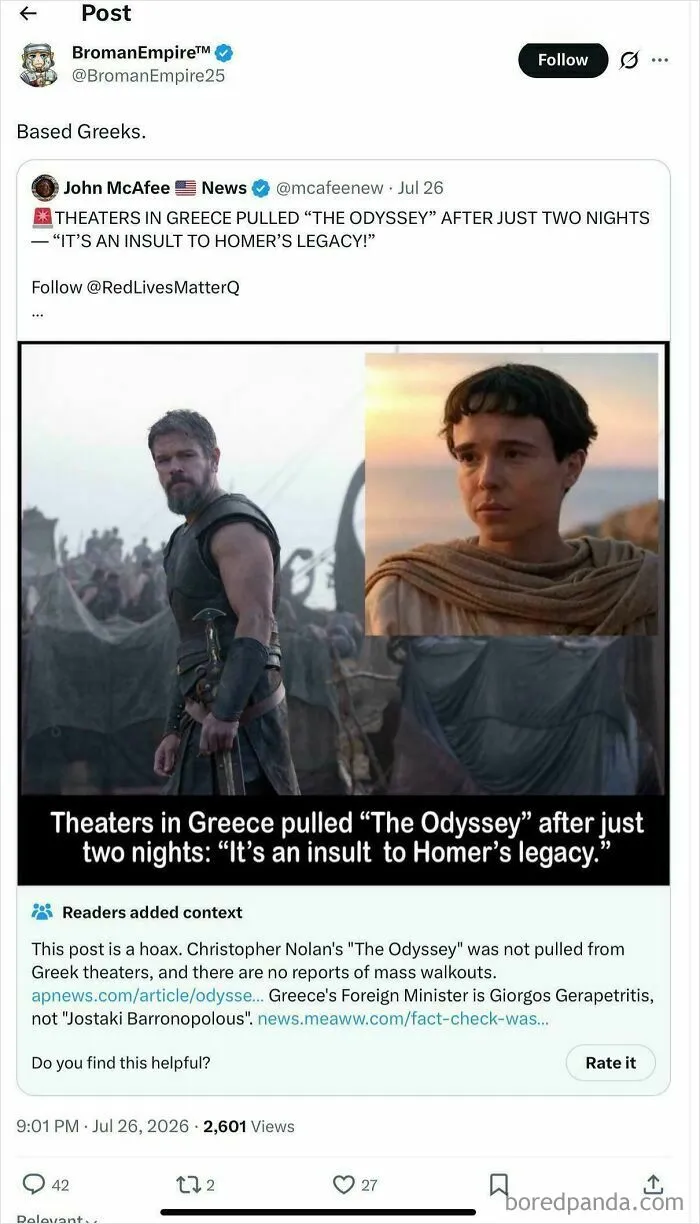
The clearest examples of people lying online come from dating spaces. According to research from Kaspersky Lab and B2B International, 57% of dating app users admit they embellish the truth. Surprisingly, married men lead the charge when it comes to lies on dating apps: 67% say they lie on their profiles or during communication.
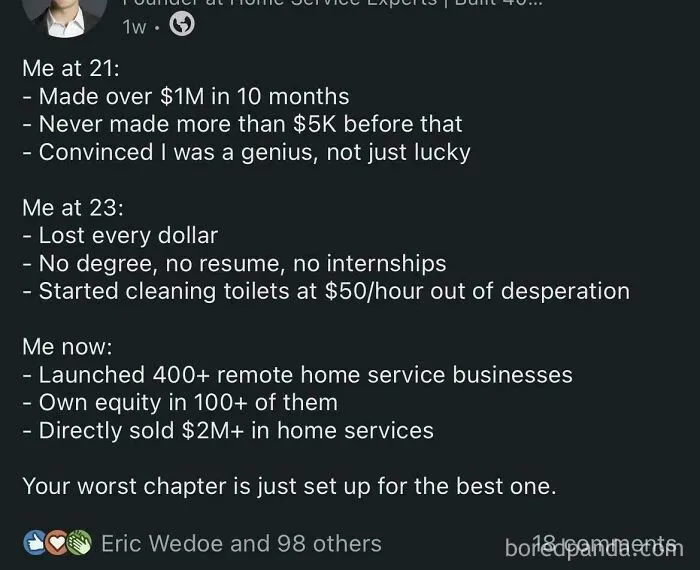
#12 How Much Are Cleaners Paid? Probably $50ph. Yes, That’s What I’ll Include In My Nepo-Baby Story
You’d think that the reason why people lie on dating profiles would be to get more matches or dates. Interestingly, most users (36% of men and 31% of women) say they do it just for fun. Only 16% of online dating app users present falsified facts about themselves to appear more attractive to potential partners.
These statistics may scare people off dating — there’s more than a 50% chance the people you matched with are lying to you. But research from Stanford University revealed that the things people are dishonest about are little white lies. The researchers called these “butler lies,” or things like saying you’re busy when you’re actually free.
“Butler lies were one way that daters try to handle saving face for both themselves and their partner,” Jeffrey Hancock, a professor of communication in the Stanford School of Humanities and Sciences, explained.
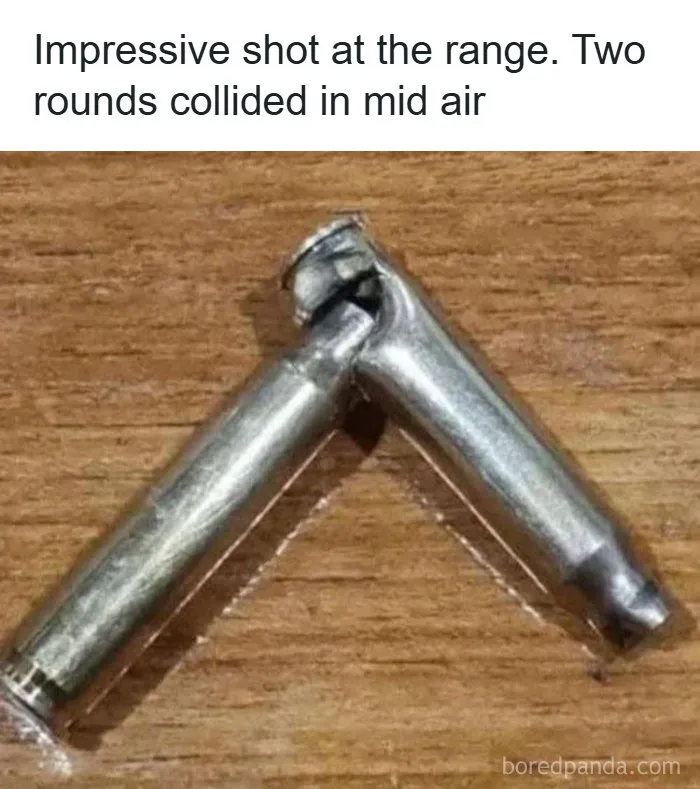
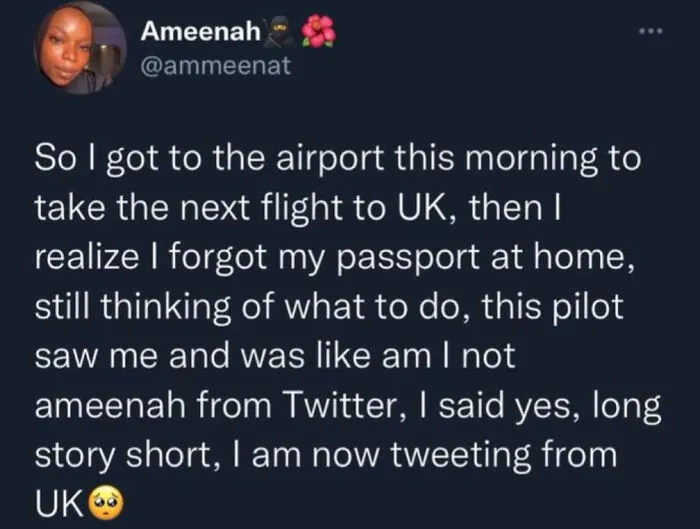
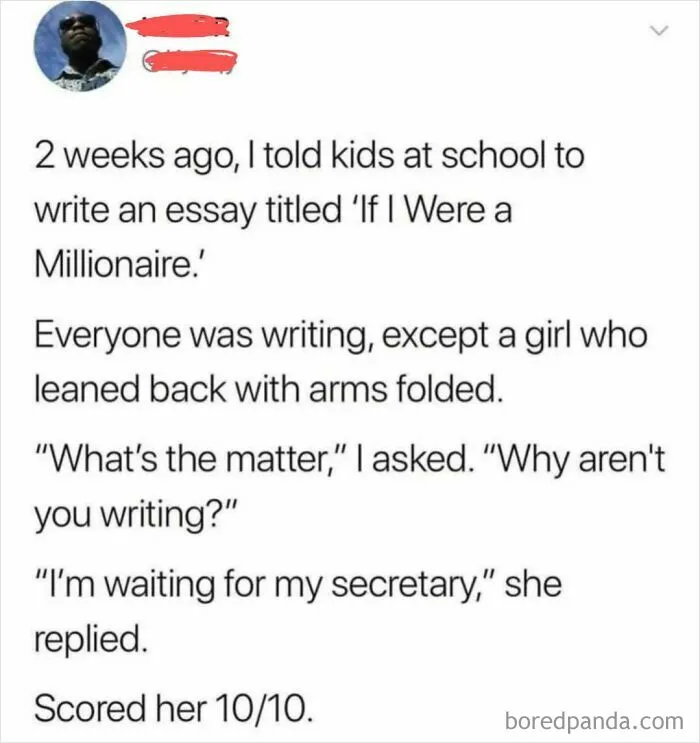
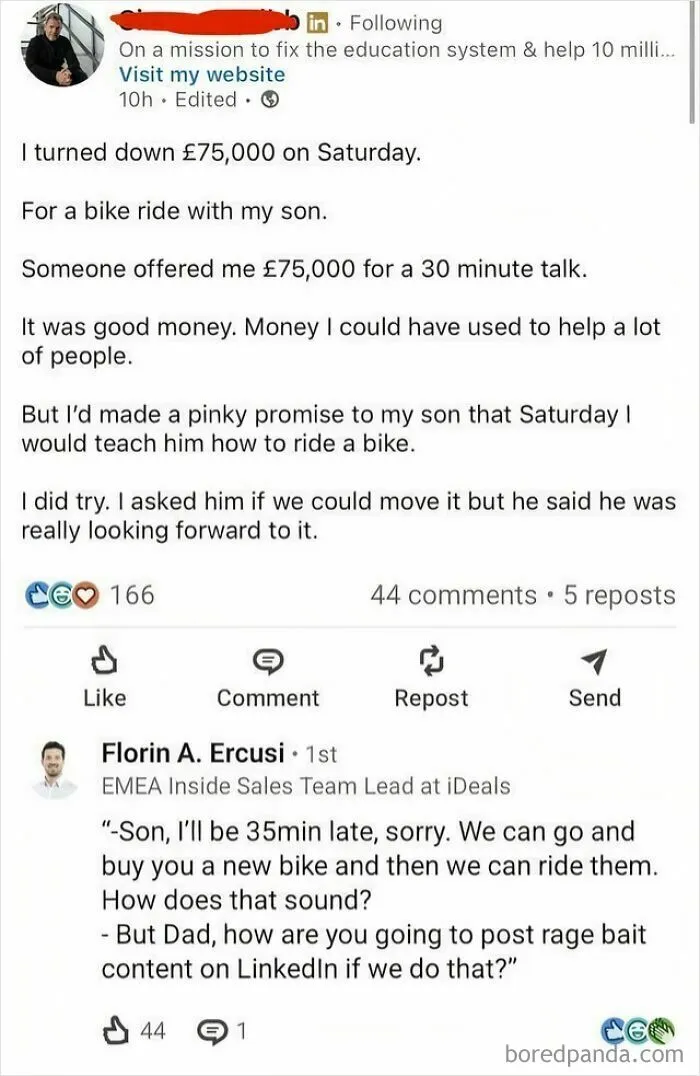
A lot of times, the stories that end up on r/ThatHappened feature humblebragging. Yet, that might be where a lot of these posters go wrong. Research shows people generally don’t like humblebrags. A 2018 study found that humblebragging usually backfires, even when it’s combined with humility, because people perceive it as insincere.
“Faced with the choice to (honestly) brag or (deceptively) humblebrag, would-be self-promoters should choose the former — and at least reap the rewards of seeming sincere,” the authors of the study write.