







Rare, specialised, and more valuable than ever. That's how economist, banker and researcher Imran Khan describes PhD holders. He says that there are roughly 8 million of them in the world, yet they make up only 0.1% of the global population.
Leading the pack is Slovenia, where 3.6% of the country's population has a PhD. "The distribution between PhD adults by gender in Slovenia finds more female doctorates than male PhD earners," notes the World Population Review site. "About 4.5% of adult females have a PhD, compared to about 3% of adult males in Slovenia."


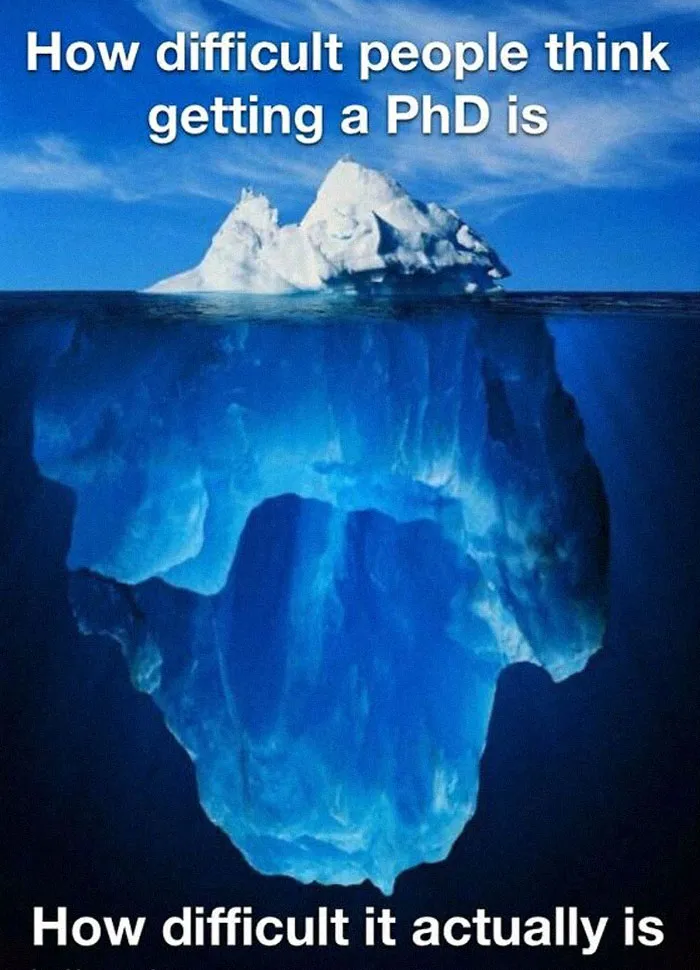
According to Khan, around half of those who set out to get their PhD end up dropping out. Research conducted by the Council of Graduate Schools found similar results.
"The study looked at 49,000 students attending 30 institutions in 54 disciplines comprising 330 programs," explain the experts at Statistics Solutions, a global dissertation consulting company. "Astonishingly, the completion rate ten years after students begin their doctoral program remains low at 56.6%."
The consultants believe that often, this is due to a lack of support from universities and/or their advisors.
Aku Sika agrees. The founder of the SikaInScience blog is currently pursuing a PhD in Regenerative Medicine at King’s College London (KCL). Sika likens choosing a PhD supervisor to online dating.
"Red Flags? Ghosting? Vague feedback that makes you spiral into self-doubt. Yep," writes the student. "Poor supervisor is one of the main reasons students don’t complete their PhD. Staying motivated is hard when your supervisor barely knows you or your project exists!"
Sika adds that if communication is poor, it can lead to a lack of direction and growing frustration. This can leave students questioning their motivation to continue.

Luis P. Prieto, a relatively recent doctor, runs the site A Happy PhD. Prieto says a lot of people seem to face the same hurdles and issues while pursuing their PhD. And for many, it's too much… They end up dropping out.
"Imagine you are in a classroom with your peer Ph.D. students. Look to the person on your left. Look to the person on your right," writes Prieto. "According to the statistics, only one or two of you will ever finish the Ph.D."

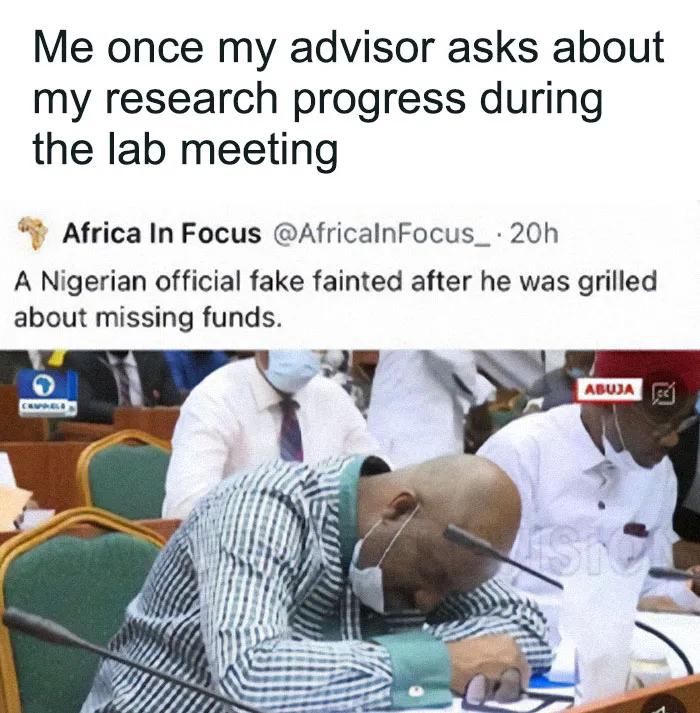

Prieto notes that several studies have found that dropping out of a Ph.D. is more probable in the first two years. "This is probably due to the students coming to the doctorate with a certain image or expectation of what doing research looks like, and academic research life not living up to those expectations – leading to disillusionment and dropout," he explains.
Prieto also points out that if about half of the doctoral students actually drop out of the Ph.D., probably many more have at least considered quitting.
“Indeed, I’d wager that you are quite lucky if you have not thought of abandoning the Ph.D. so far," he says.
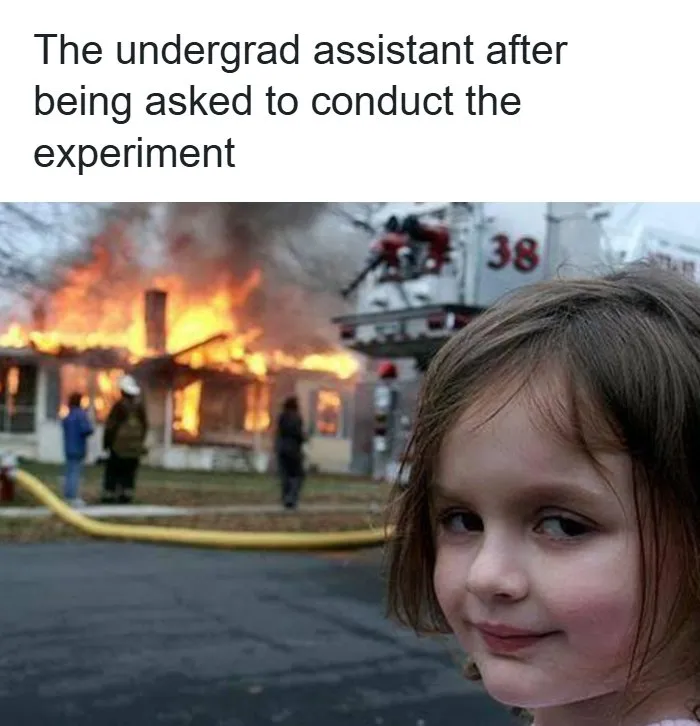


Prieto believes that dropping out of your PhD is not always a bad thing. He says that so much emphasis is placed on institutional success, that we sometimes forget the student is not a human resource. They're a human being, he argues, and their personal experience matters. "What if dropping out is the better option for this particular student, as a person, at this point in time?"
He adds that dropping out shouldn't be seen as time, or years, wasted.