



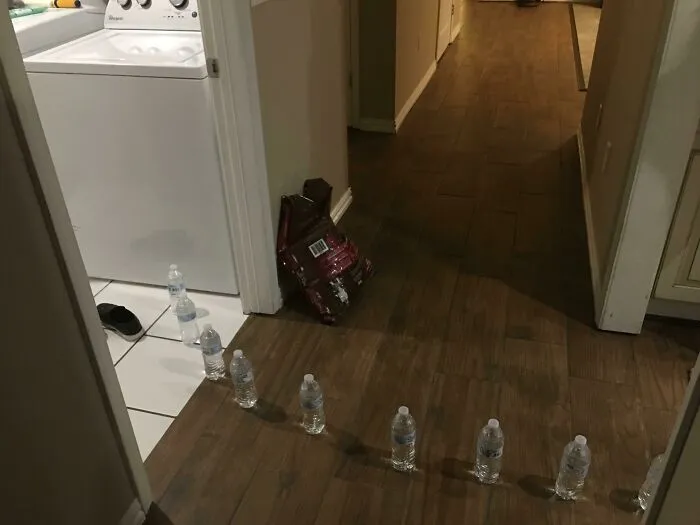
#1 My Kids Came In And Told Me There Was Water Coming From The Laundry Room. They Said It Looked Like It Started At The Washer. I Rushed In To Find This. Buncha Comedians In My House


Children’s unusual attempts at everyday tasks can look completely baffling from an adult perspective, but Fiveable explains that these actions are often part of how young minds learn. When a child approaches a familiar activity in a strange way, they may be testing an idea about how something works and watching what happens next.
Putting shoes on incorrectly, pouring a drink awkwardly, or attempting to help with household chores can all become small experiments. Each attempt gives them new information about cause and effect, allowing them to gradually build an understanding of the world around them.


That process also explains why children may persist with a method that seems unnecessarily complicated or ineffective to an adult. Their motor skills, coordination, balance, and strength are still developing, so an unusual approach may simply be the one they can manage at that moment.
They are also more interested in discovering what happens than in completing a task as efficiently as possible. A spill, a failed attempt, or a peculiar solution can therefore provide useful information, encouraging them to make small adjustments and try again. Over time, this kind of trial and error can help develop persistence, flexible thinking, and problem-solving skills.

#8 Looked Out The Window To See A Squirrel Taking One Of The Easter Eggs I Had Hidden For My Kids

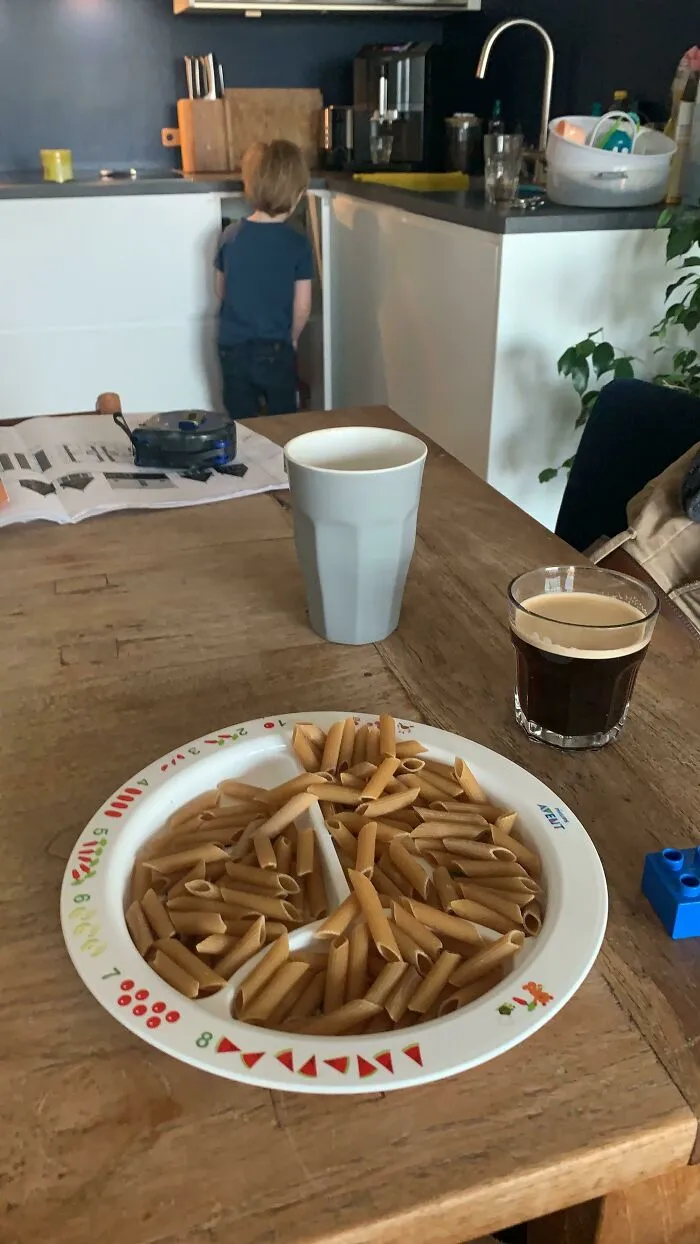
The unusual ways children interact with everyday objects can also be connected to how freely they imagine alternative possibilities. Life Hacker points to divergent thinking, which involves finding different uses or interpretations for the same object.
While adults tend to associate objects with their conventional purposes, children may have fewer fixed ideas about what something is “supposed” to do. That is why a shoe can become a pretend phone, a box can become a vehicle, or a kitchen item can suddenly turn into part of a game. What looks like an inexplicable choice may simply be a child exploring another possibility.

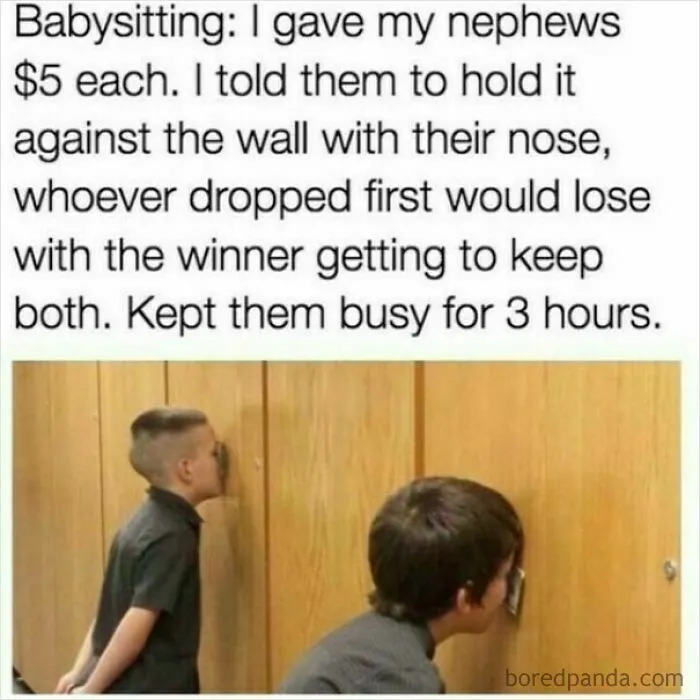
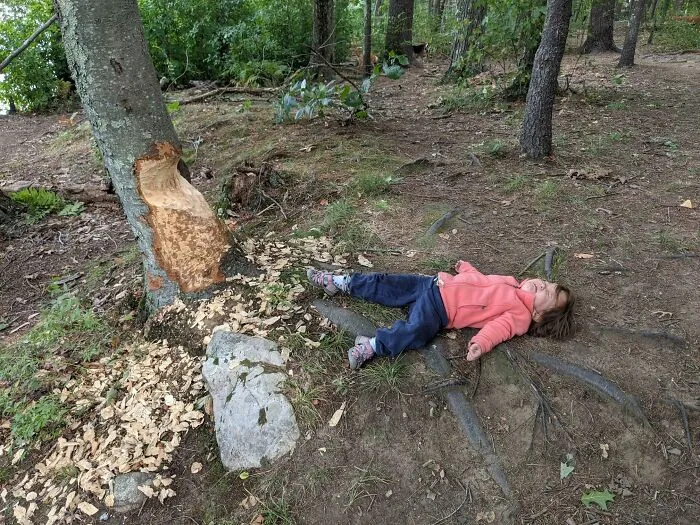
As children grow, they gradually become more familiar with the standard functions of objects, which can make those unconventional possibilities less obvious. Younger children, particularly during the years when symbolic play is developing rapidly, can treat one object as though it were something entirely different.
A block might become a car, a blanket might become a wall, and an ordinary household item can take on a completely new role. This type of imaginative substitution gives children opportunities to practice creativity and problem-solving while also making sense of the things around them. Even the objects that adults consider boring can become interesting when there are countless ways to experiment with them.
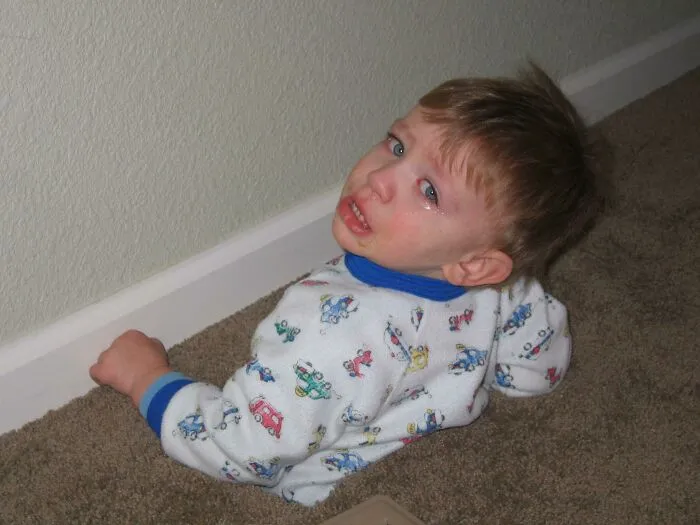
#13 That Time I Figured Out How To Take The Lid Off Of The Vent, And Proceeded To Get Stuck In It

#15 I Asked My College Age Son To Pick Up A Cake For My Brother's Birthday (His Uncle). We Are Having A Lot Of People Over Including Kids And Grandparents. He Is Not Getting Married And He Isn't Gay

Some of the messier behavior in the photos can be understood through sensory exploration as well. Parent Circle explains that touching, scraping, splashing, banging, and manipulating objects gives children rich information about how things feel and behave.
Instead of simply looking at water, for example, a child can splash it and immediately discover how it moves. Scraping something across a surface can reveal resistance, while banging two objects together demonstrates the relationship between force and sound. These experiences introduce basic concepts through direct interaction rather than explanation.



Repeated sensory activities can also contribute to the development of physical and cognitive skills. Pouring, squishing, stirring, banging, and similar movements require children to coordinate their hands and bodies while paying attention to what is happening. Those experiences can help build foundations for later activities that require greater control, such as writing, cutting, or using tools.
Sensory play may also provide a calming and satisfying experience for some children, particularly when they repeat a familiar movement. So while a parent may see water all over the floor or an object covered in mysterious marks, the child may simply be deeply engaged in figuring out how something works.