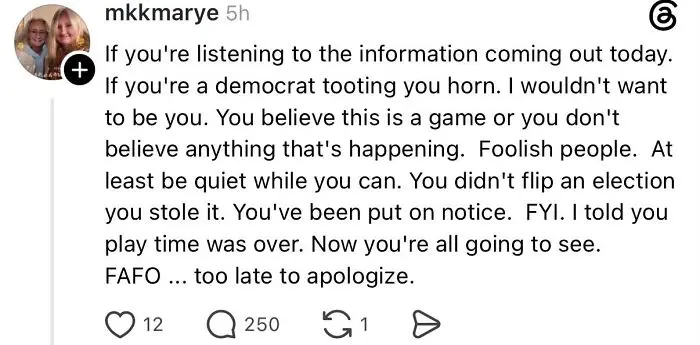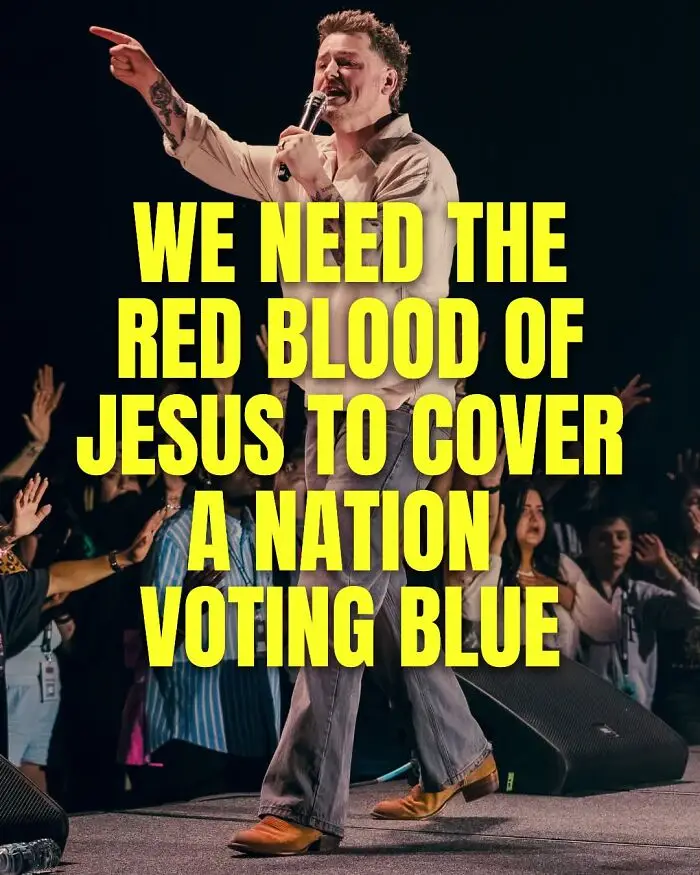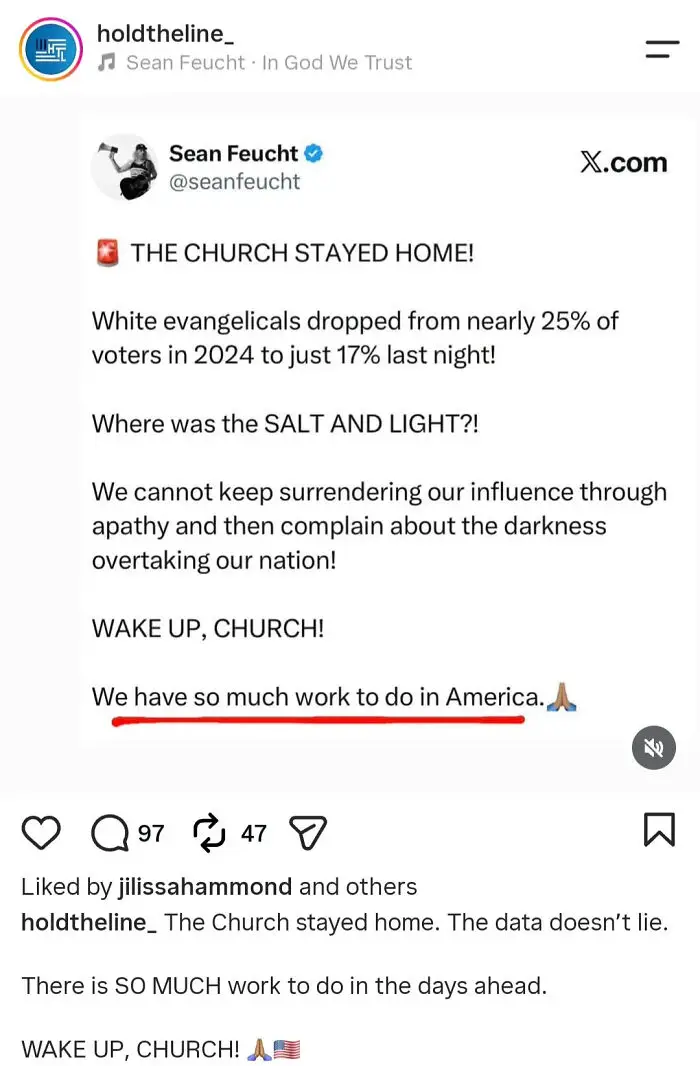


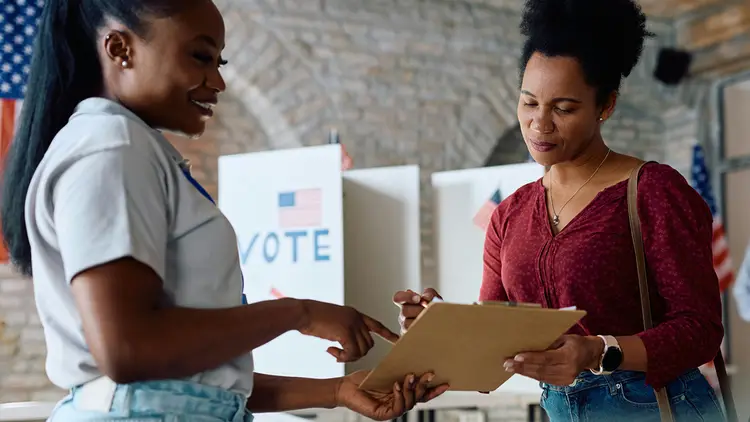



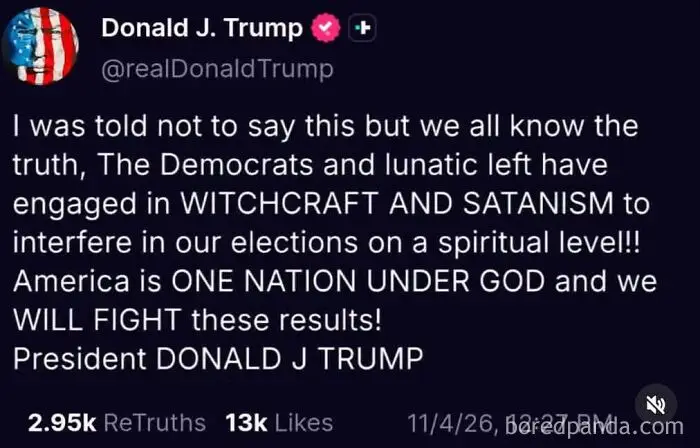
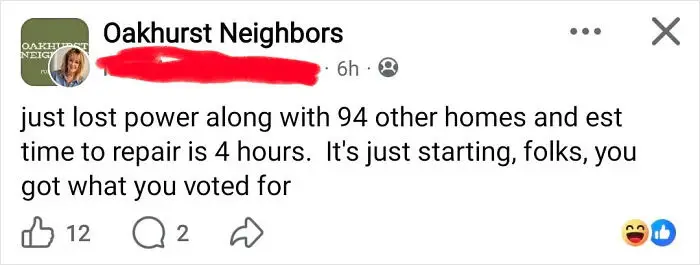
Interestingly, that terrible political polarization might be in our heads, in media headlines, and in our social media feeds. Research actually shows that the situation is not that bad. As Kristin Laurin, a professor of psychology at the University of British Columbia, explained to NPR, there is a "messy majority" in the middle that shares views both sides can agree with.
#23
#24
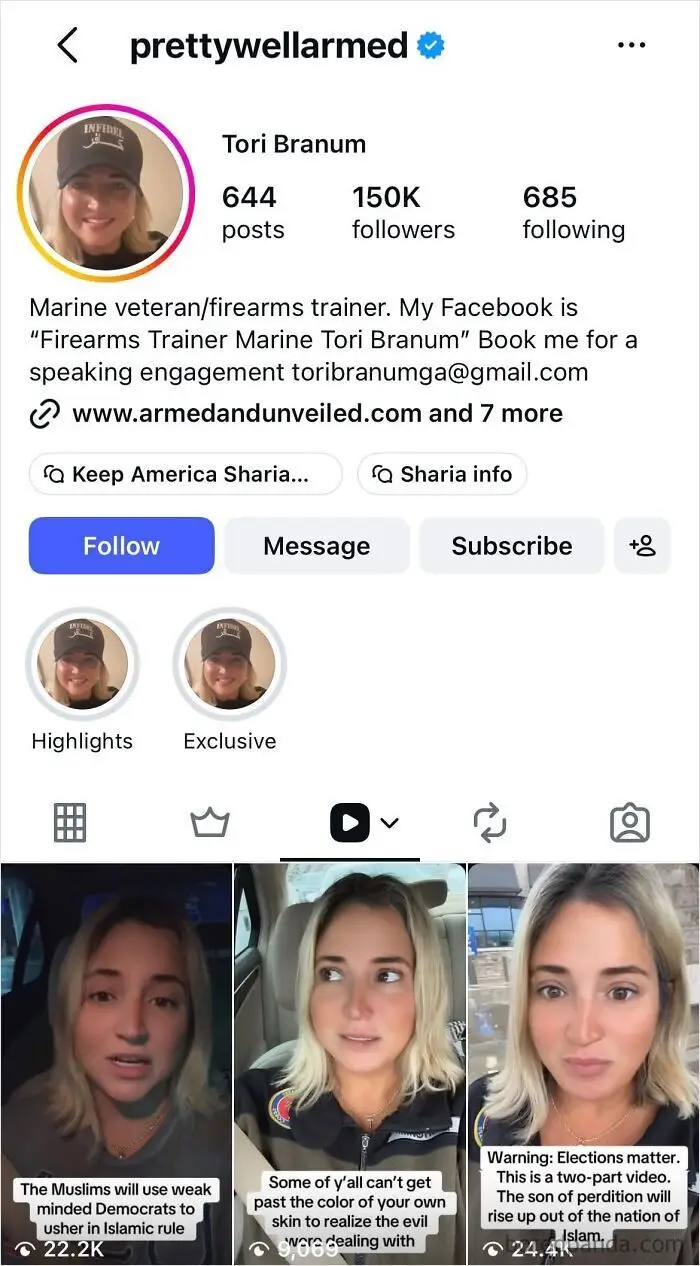
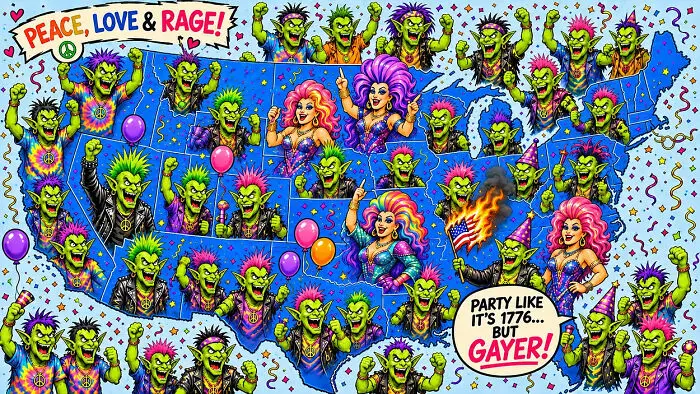
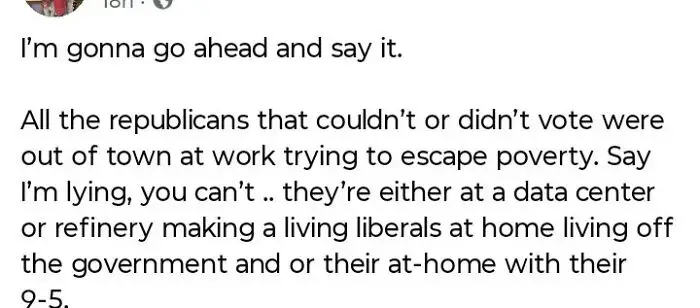
Laurin explains that politicians drive this sense of polarization by trying to paint their opponents as extreme to gain more attention from voters. "Our perceived polarization far outstrips the actual polarization," she told NPR. Social media doesn't help, either: the algorithms are designed to ragebait us and get any sort of reaction. Usually, some sort of negative one is the easiest to provoke.

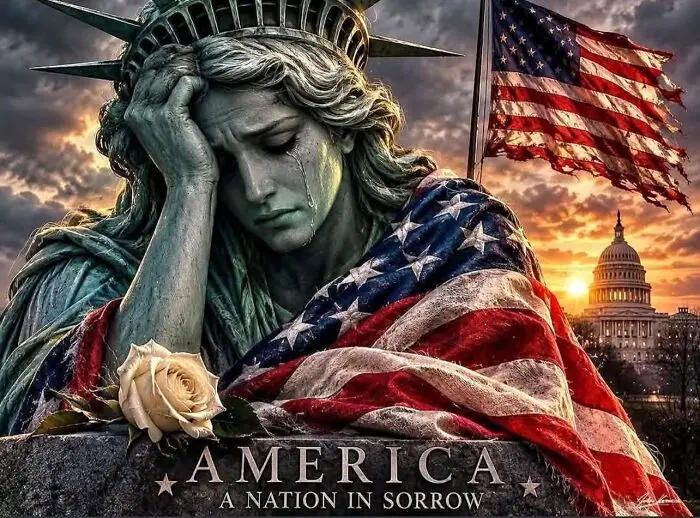
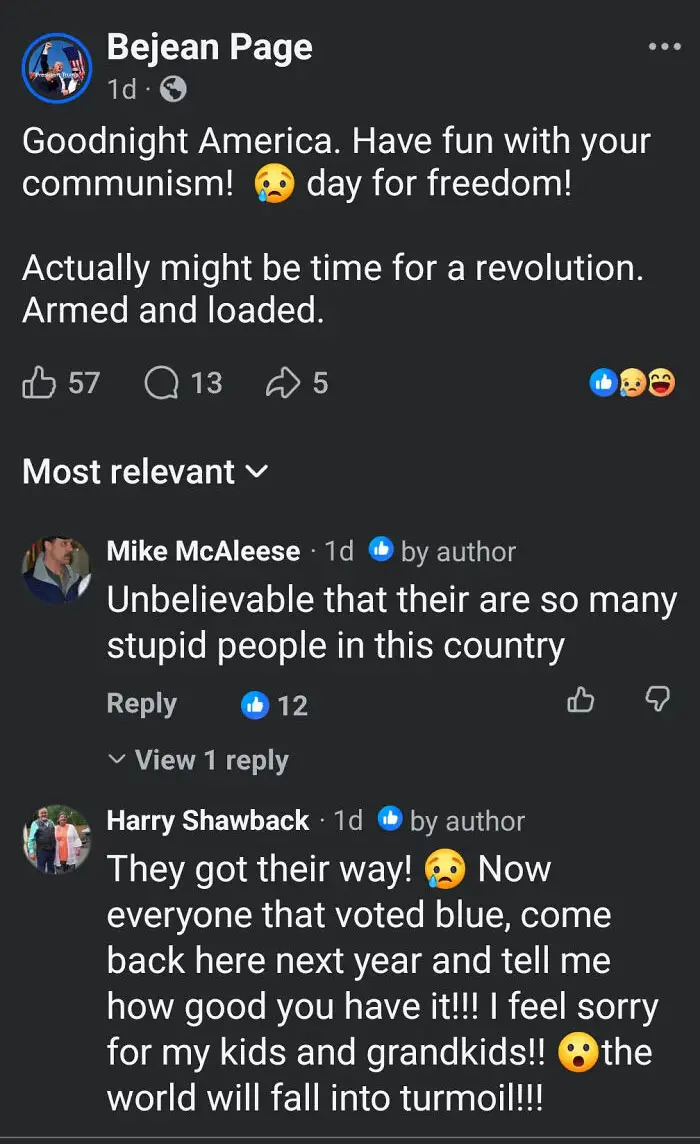
What's your mood like after these midterm elections, Pandas? If you're from the U.S., tell us all about your first-hand experience, and if you're watching all this go down from somewhere else in the world, weigh in on how important these election results might be for global politics, too!
#28
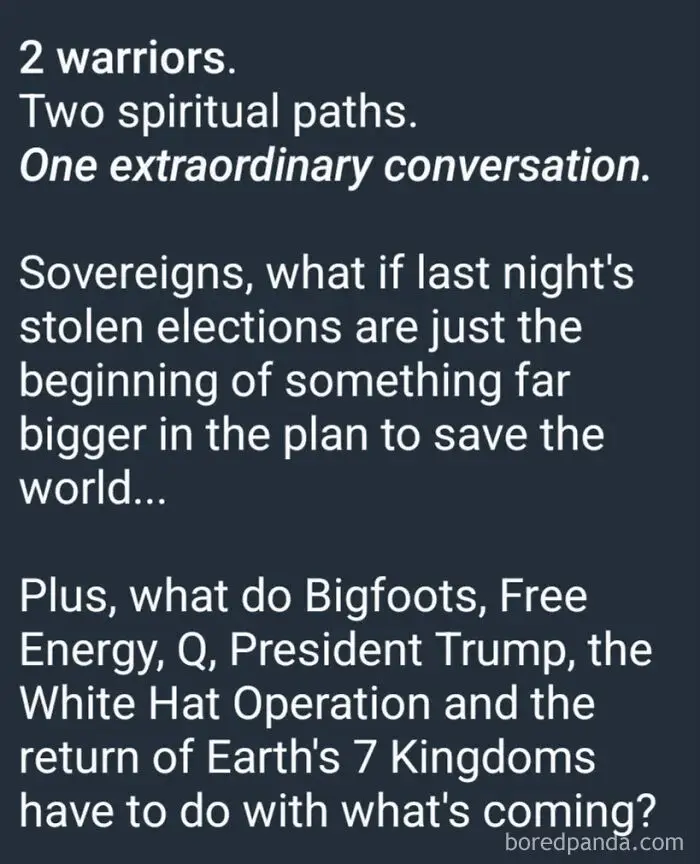
cause wdy mean bigfoot.



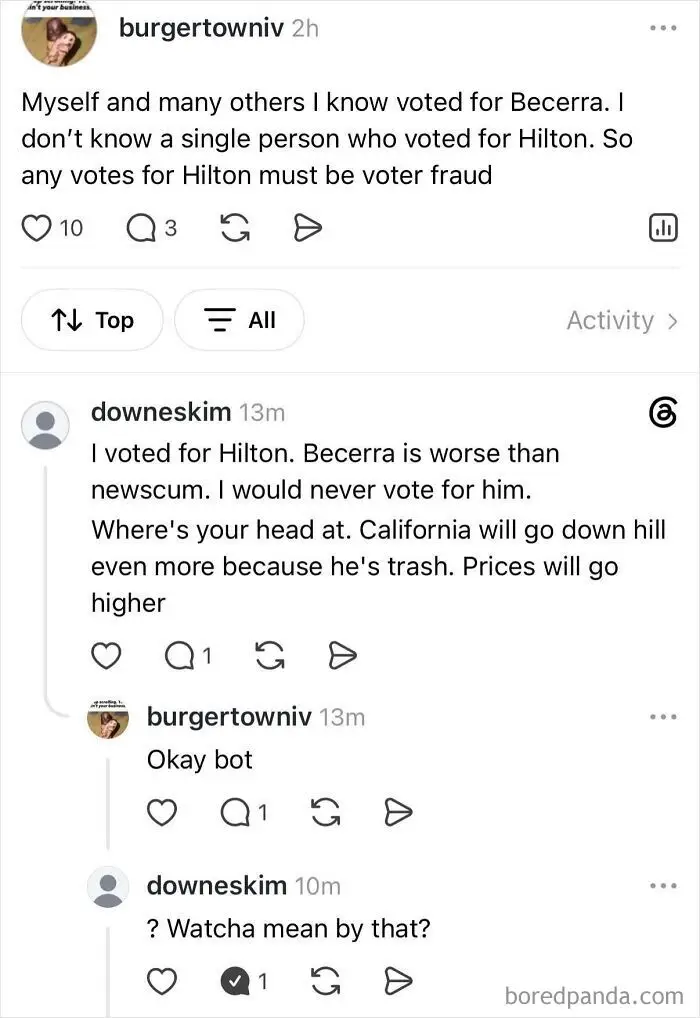
#35