






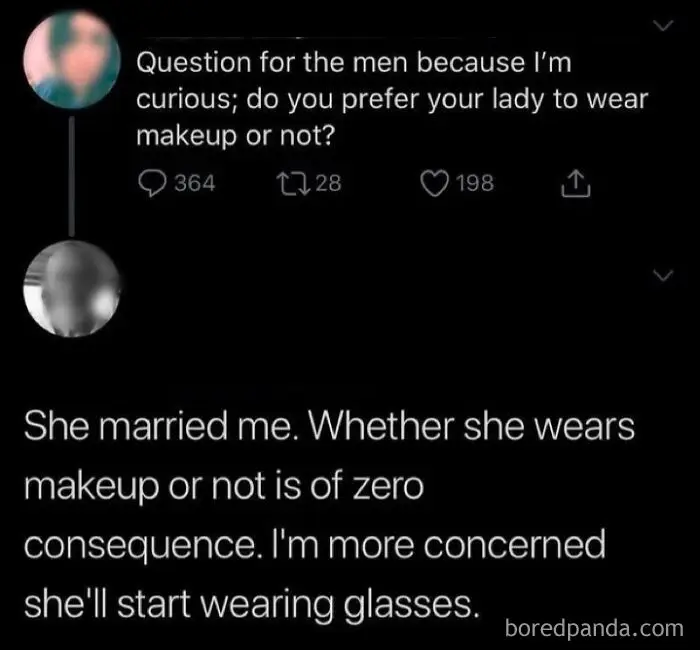

Insulting others is a big social faux pas, but insulting yourself can often boost your social standing, if done right. It's important to be able to laugh at yourself so that you don't take your mistakes and life's challenges too seriously, but there are negative effects to doing it too much or in ways that stop being funny and veer into the realm of distasteful.
When you make a mistake at work, accidentally drop your pizza on the floor when taking it out of the oven, or text the wrong person, what's your first reaction? If you're able to laugh about it and poke some lighthearted fun at yourself for being clumsy, it might mean you're a pretty well-adjusted person. Research shows that self-enhancing humor boosts our self-esteem, reduces angry feelings and decreases external expressions of anger.



When done right, self-deprecating jokes also make us more likable. Interestingly, women tend to use humor to laugh at themselves more often, while men are more likely to make jokes at others' expense. Nevertheless, both ladies and gents think being able to laugh at yourself is an attractive trait and one that's desirable in a long-term partner.
It’s what makes us more relatable in general, too. Together with her colleagues, Övül Sezer, an assistant professor at the Cornell University SC Johnson School of Business, found that laughter is often a better strategy than embarrassment after committing a social faux pas. “Owning your mistake and laughing first can completely shift the room—you move from being judged to being relatable,” she told TIME.

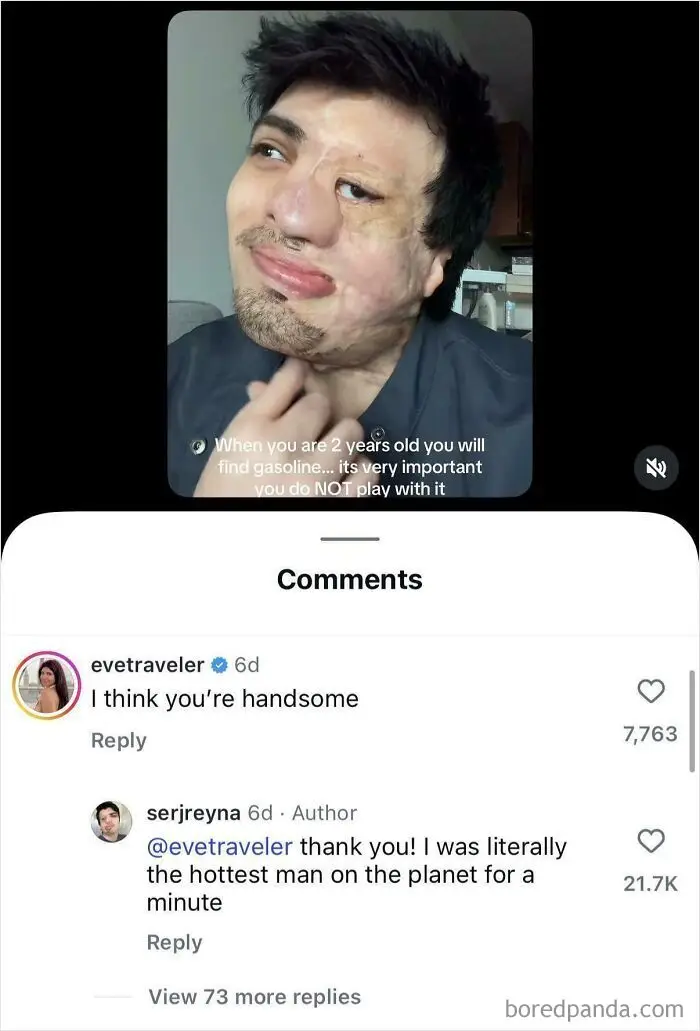

What Sezer found in her research is that we generally don’t like feeling embarrassed or observing others who feel it. If a person reacts to a small blunder like knocking over a glass of water or waving at the wrong person with mortification, we tend to judge them. We tend to dislike how people focus on whether they’re being observed and judged. “Embarrassment signals heightened self-consciousness,” Sezer told TIME. “It's almost like you're overly focused on how you’re being evaluated.”



Sezer also found that poking fun at yourself doesn’t always work to gain social points — it only works when the blunder is minor. We don’t see a person as relatable if they use self-deprecating humor after such acts as tripping a person who has recently broken their arm or congratulating a woman on her pregnancy only to learn that she’s not. “If someone else is hurt, laughter doesn't look confident anymore—it actually looks insensitive, because it signals disregard,” Sezer explained. “It's this emotional awareness of the situation that you signal to others.”


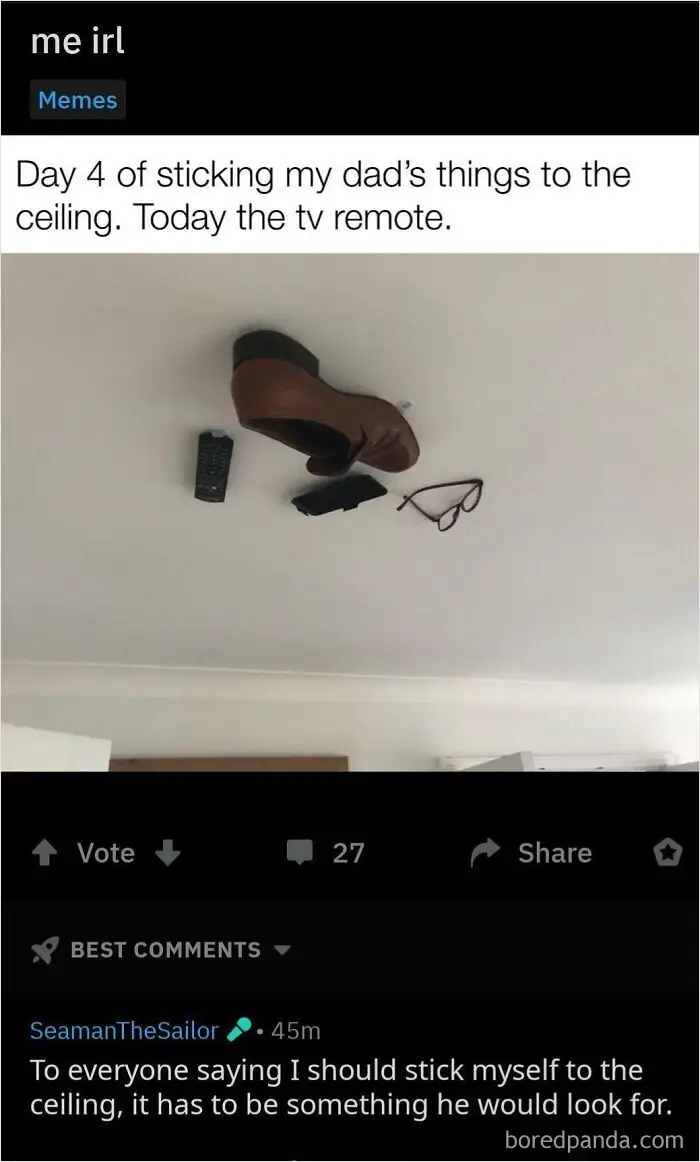
Making fun of ourselves also makes us self-aware. While a healthy dose of pride and confidence are necessary, we also sometimes need to see that we’re not all that and have faults, too.
As Kendra Cherry, MS, a psychosocial rehabilitation specialist, psychology educator, and author of the "Everything Psychology Book” writes for VeryWell Mind, recognizing your flaws “can help you better understand your own behaviors, motivations, and goals, making it easier to navigate life's challenges.”



How often do you react to blunders by making fun of yourself, Pandas? Do you think you ever overdo it? Let us know your thoughts and experiences in the comments! And if you're looking for more lighthearted and good-humored roasts, check out the times people got dragged for their confidently wrong takes and the brilliant examples of replies being way funnier than the original post.