







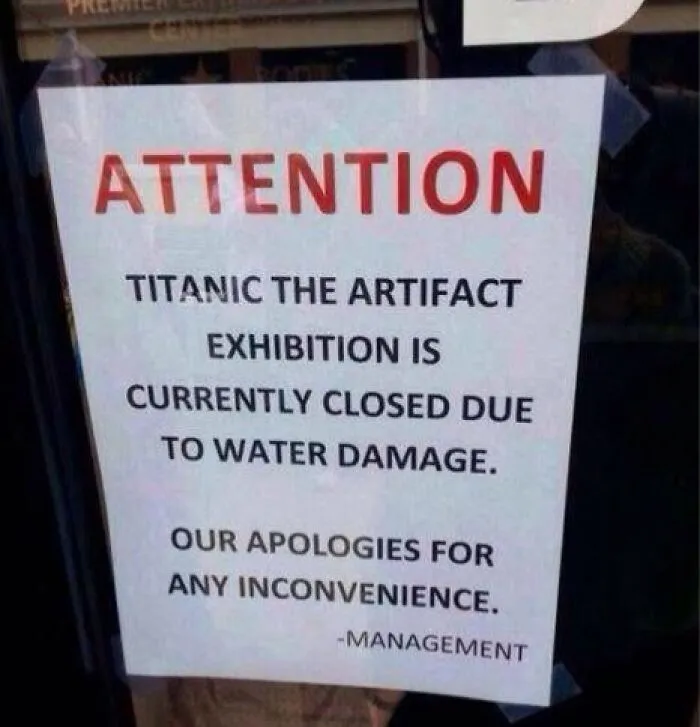
It’s frustrating when things that are supposed to work don’t. The way we try to make sense of blunders and fails is by trying to understand how someone could mess up so badly. In reality, it’s no great mystery — humans are fallible, make mistakes, have short memories, and are sometimes just clumsy butterfingers in general.
How often do you forget where you put something, Pandas? A 2025 UK-based study by the insurance tech company Esure found that an average person misplaces something up to nine times a day. At least one or two of those times cause significant stress or lead to losing the item entirely. The objects people lose most often are phones, keys, and wallets — essentials that would cause stress to almost anyone if lost.
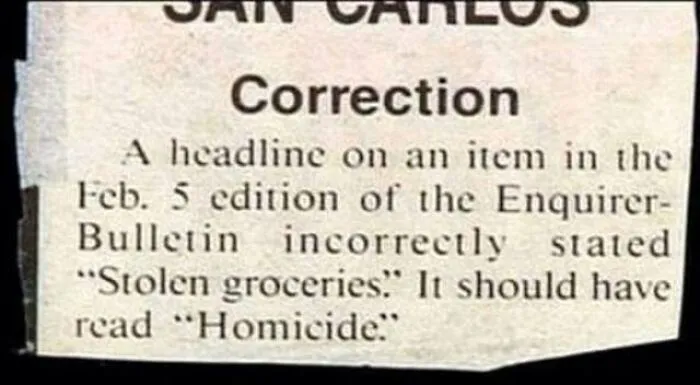


Why are we so forgetful and why do we constantly lose things? One theory is that we run on autopilot. We might just have other things on our minds. According to psychology professor Daniel Schacter, we can forget and lose almost anything if we’re not thinking about it at that moment.
“When you’re thinking about ‘What am I going to say to my friend when we meet up? or ‘What am I going to have for a meal at this restaurant?’ you’re just heightening the chances of forgetting something like your phone charger,” he told Vice. The trick? Put your keys, wallet, and phone in your bag when you are thinking about them or handling them.



Spelling mistakes seem dumb in the age of AI and autocorrect, but maybe they’re why we sometimes cringe in shame? Autocorrect can cause ridiculous misunderstandings, and, according to one survey, 22% of texters send autocorrect blunders several times a week, and 8% sometimes even do so a few times a day.
The simplest solution would seem to be to quit using autocorrect, yet for many Americans, that’s probably not viable. A 2022 survey shows that a whopping 79% of people rely on autocorrect when texting, writing emails, or editing documents. And who said that written communication has to be perfect? Life is much more fun when we have autocorrect fails to chuckle at.

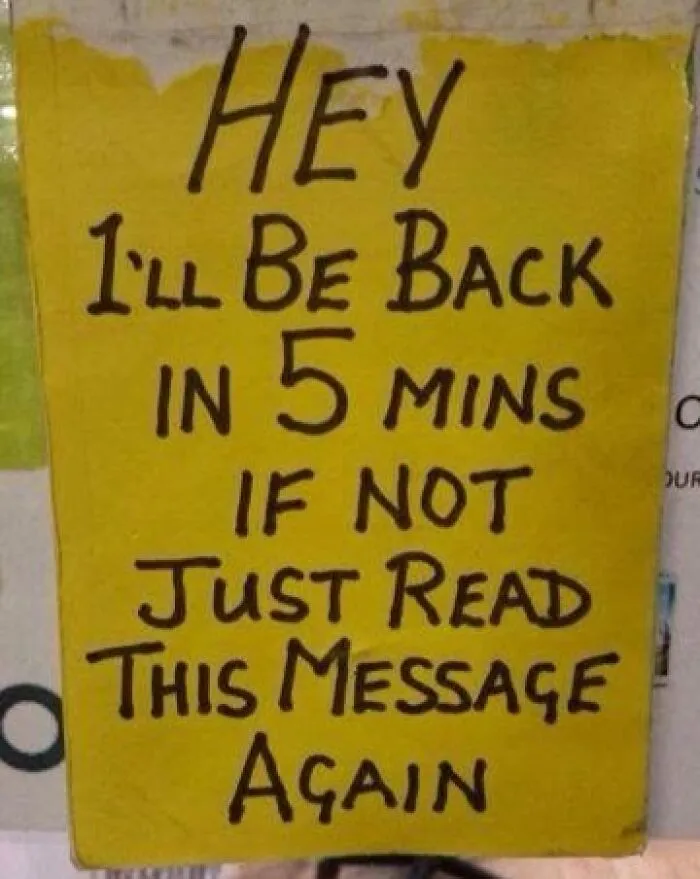

Not all fails have to be embarrassing or something to be ashamed of. People can even be proud of some of their blunders. IKEA furniture falls into this category for a lot of folks. When we assemble something with our own hands, even if it’s wobbly, missing a few parts, or not as nice-looking as it is in the picture, we’re still prouder of it than if someone else built it. That’s the IKEA Effect: the phenomenon that the more effort and labor we put into something, the more valuable it feels to us, regardless of the end result.


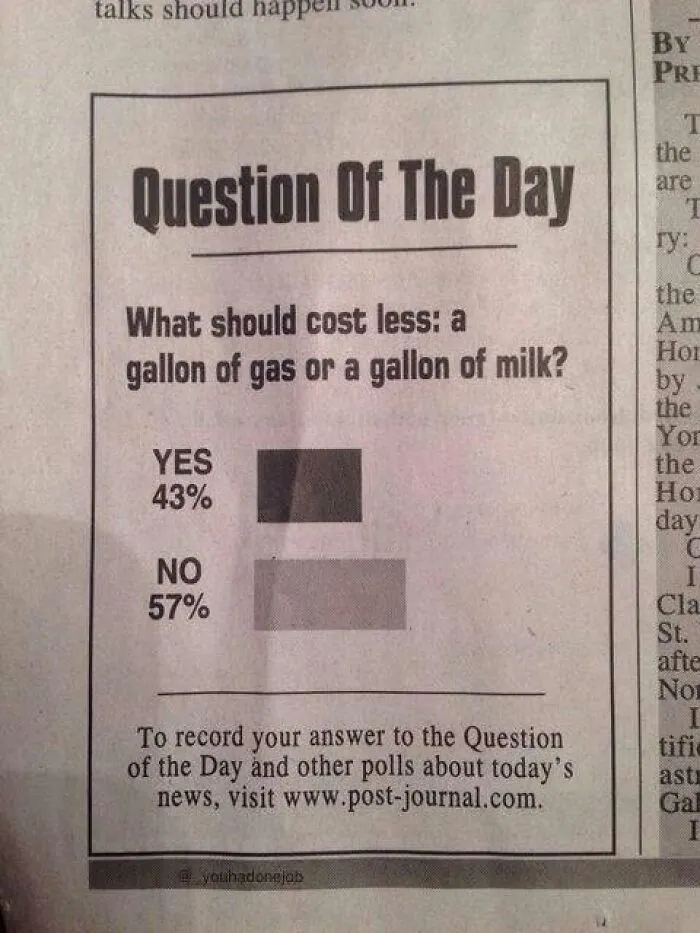
So, why do these “You Had One Job” fails trigger us so much? Probably because we often think of them as a personal flaw of the person who commits them. When we see a birthday card in the sympathy section, we might jump to the conclusion that an employee put it there by mistake and judge them as a bad employee. We don’t take into account other possibilities or circumstances: maybe some kids did it as a prank, perhaps the employee was distracted, or maybe they did it on purpose to revolt against a jerk manager or the fact that they hadn’t had a promotion in 10 years.


Researchers call this lack of consideration the fundamental attribution error. We’re biased to think that people’s personality traits override situational factors. For example, we get mad at people who cut us off in traffic and assume they’re reckless drivers who aren't generally thoughtful. What we fail to realize is that they might’ve been on their way to an emergency or a hospital, and this is uncharacteristic.