





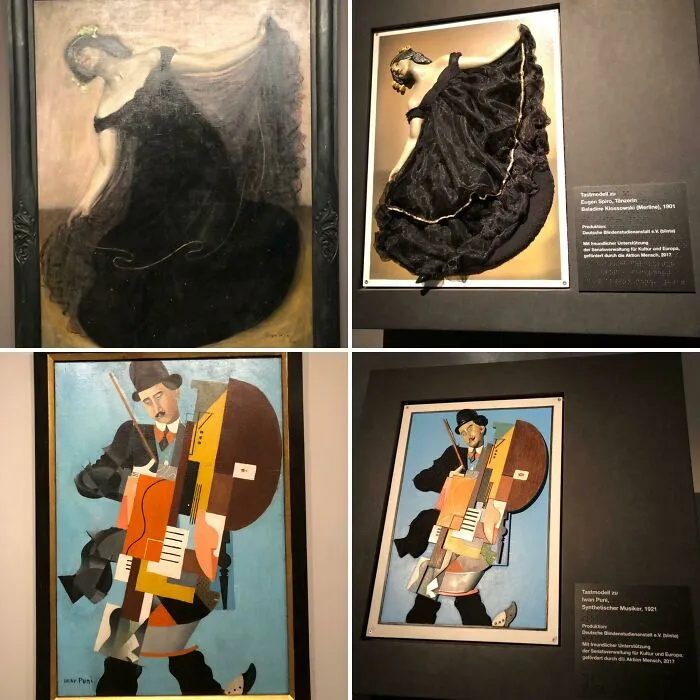
#1 This Museum In Berlin Has ‘Touchable’ Versions Of Their Paintings For Blind People
#2 Beijing Subway Allows Riders To Pay With Plastic Bottles, A Good Way To Re-Cycle Them

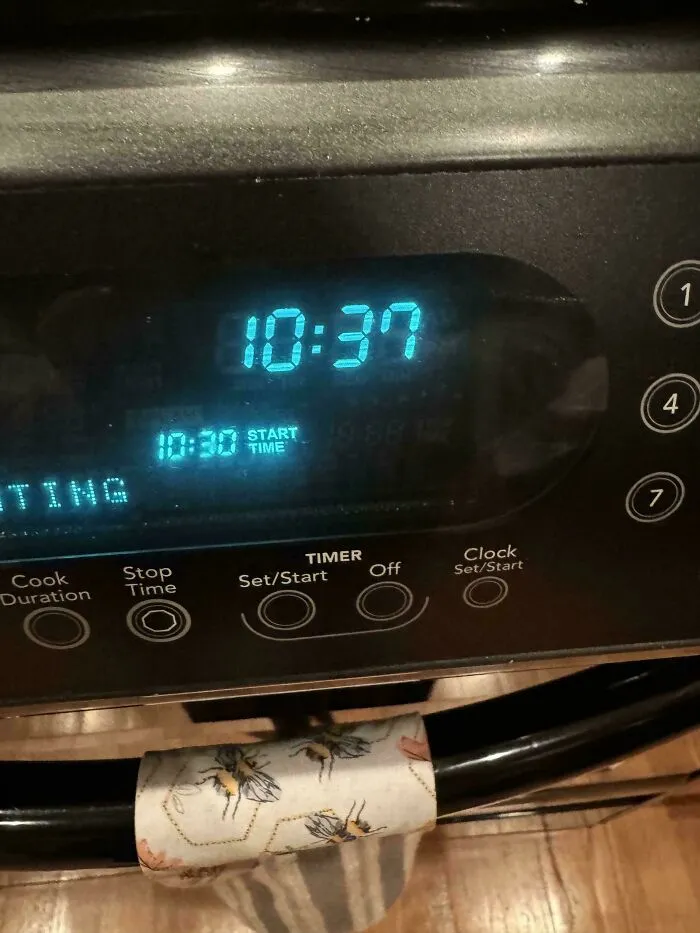
Design should make your life better, easier, and more convenient. Or is that just us?
Genuine empathy cannot and should not be taken out of the equation when you’re brainstorming possible designs, running focus groups and tests, and testing the appeal of your product, space, service, or idea.
You are, after all, designing these things for someone to use them. So, you should find a way to introduce empathy in every step of the design process.
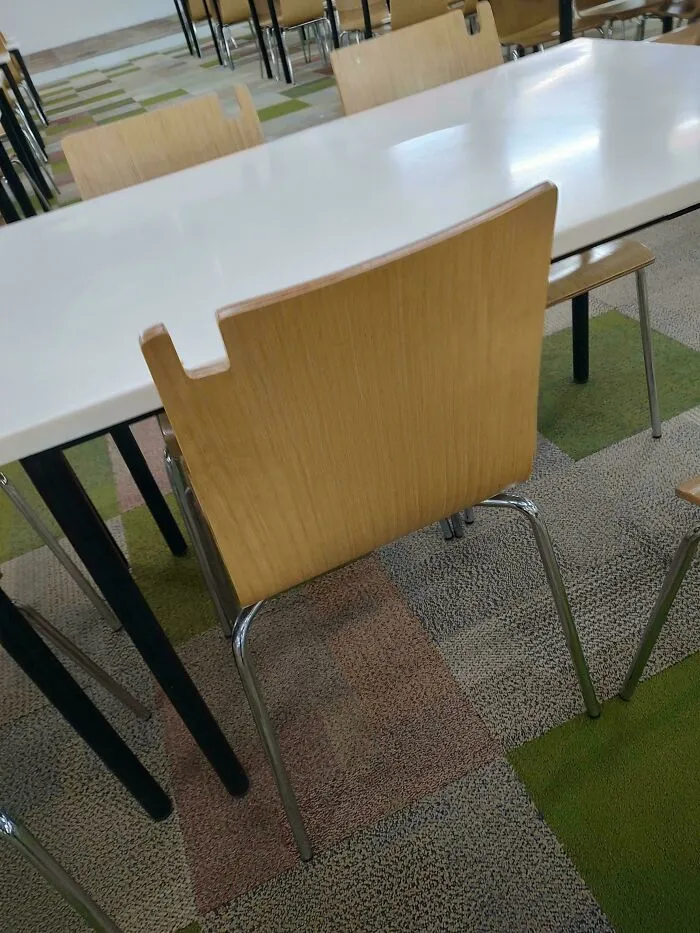
#5 This Sturdy Runner Allows People Using Wheelchairs Or Walkers To Access Our Local Beach

#6 The Guy Who Does The Grass For My Building Left A Rectangle Of Wild Flowers So The Bees Can Use Them

As a designer, you hold a huge advantage if you’re able to empathize and have the ability to put yourself in users’ and consumers’ shoes. You need to consider their wants and needs and understand their experiences and daily frustrations. And that requires periodically setting your ego aside so that you see the broader range of perspectives and implications.
That being said, you also need to counterweigh consumer-friendly ideas with your personal vision and skills. As a professional, you bring unique features and aesthetics to a product that you can’t achieve just by doing what the wisdom of the crowd tells you to.
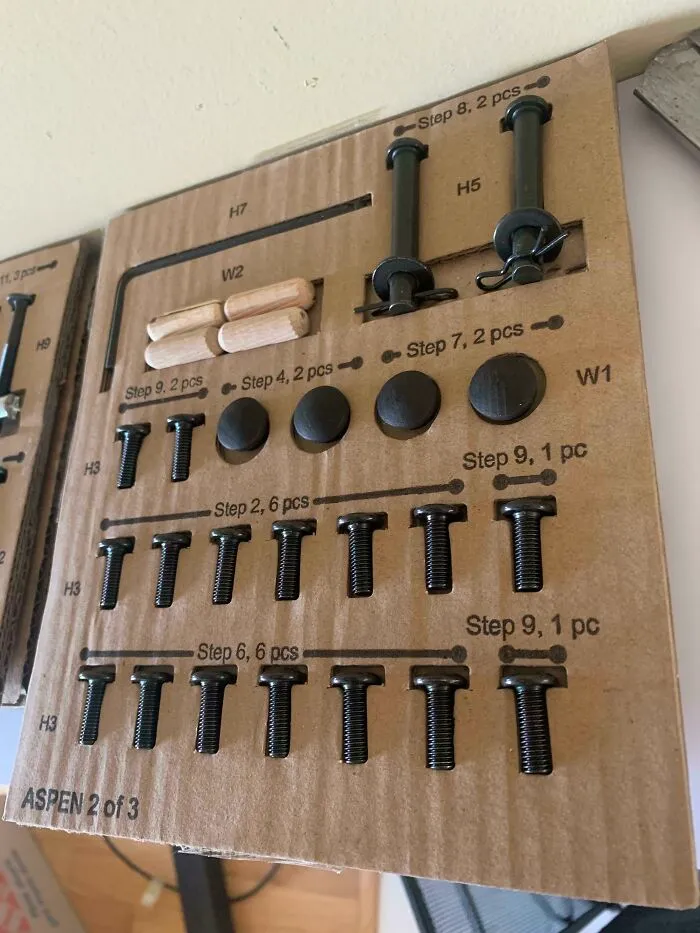
#8 They Put Rails Under The Benches In This Park So You Can Always Be In The Shadow

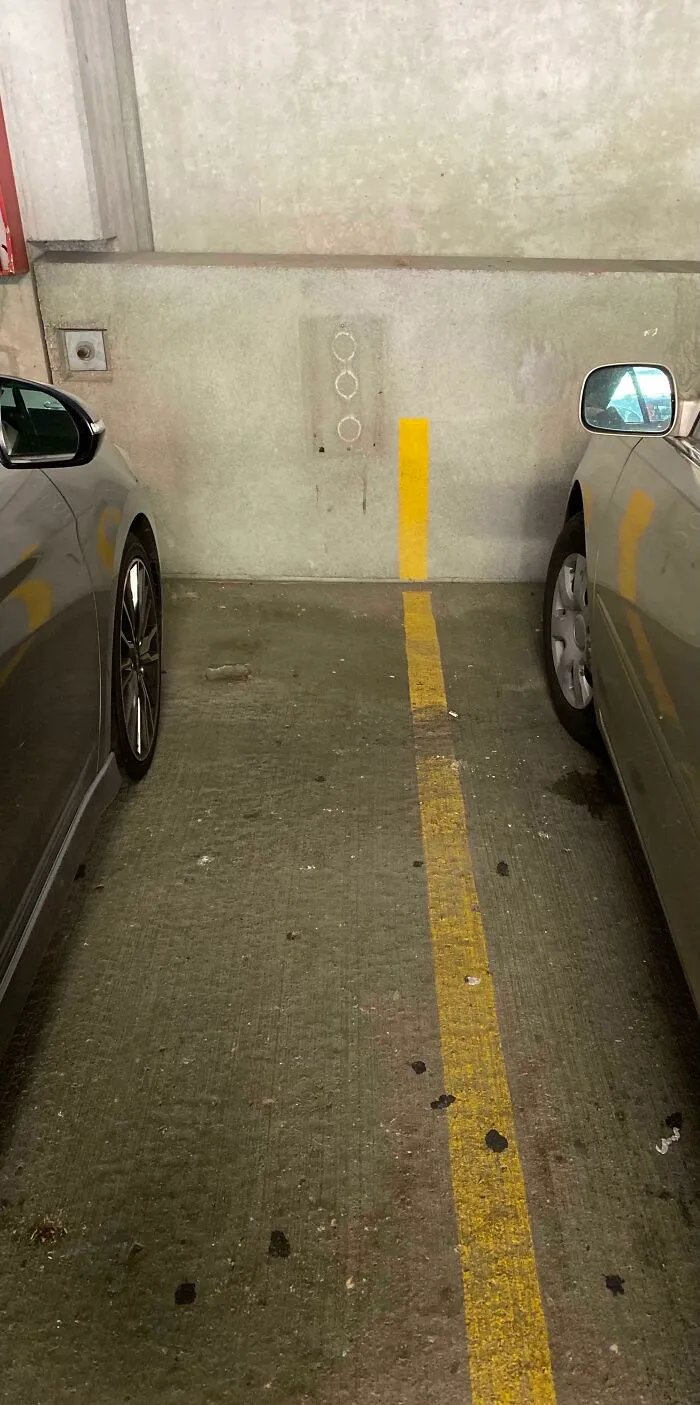
As a designer, you’re constantly balancing your vision with consumers’ needs, function and form, and the profitability of your ideas against how accessible they are to the public.
It’s tough, and not every professional gets it right. But those who manage to find the right balance between these opposites tend to stand out with their designs and body of work.
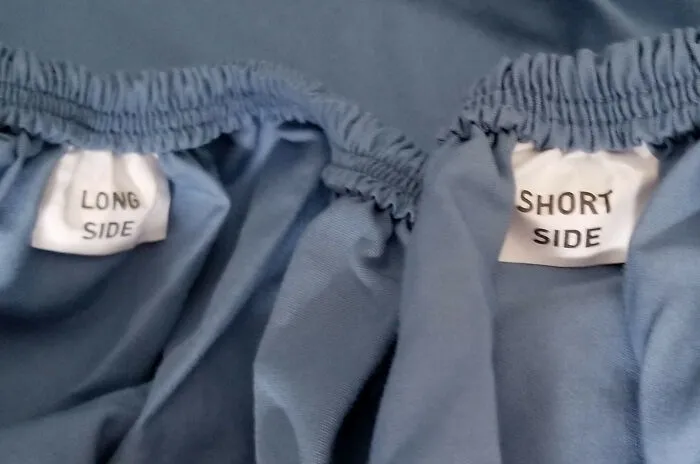
#11 Free Vegetable Leaves For Pets In My Local Supermarket's Produce Section

#12 The Hospital My Wife Delivered At Gives You A Kit So You Can Have A “Birth Day” Party

“Empathizing with the people you design for is almost always the first step in design frameworks because it helps you put aside your assumptions and gain insight into what people do, think, and feel. This is why many brands follow those frameworks and start their design process by conducting research and synthesizing key learnings about customers,” Forrester explains.
#13 I Found A Wallet On A Saturday, I Left A Note In A Way So Only The Real Owner Could Contact Me



However, empathy tends to be forgotten in later stages of the design process because of the fast pace of work, a lack of alignment between teams, and differing views on empathy itself.
The latter is sometimes seen as a single step, not as part of the entire process. So it doesn’t always make it into the final product.

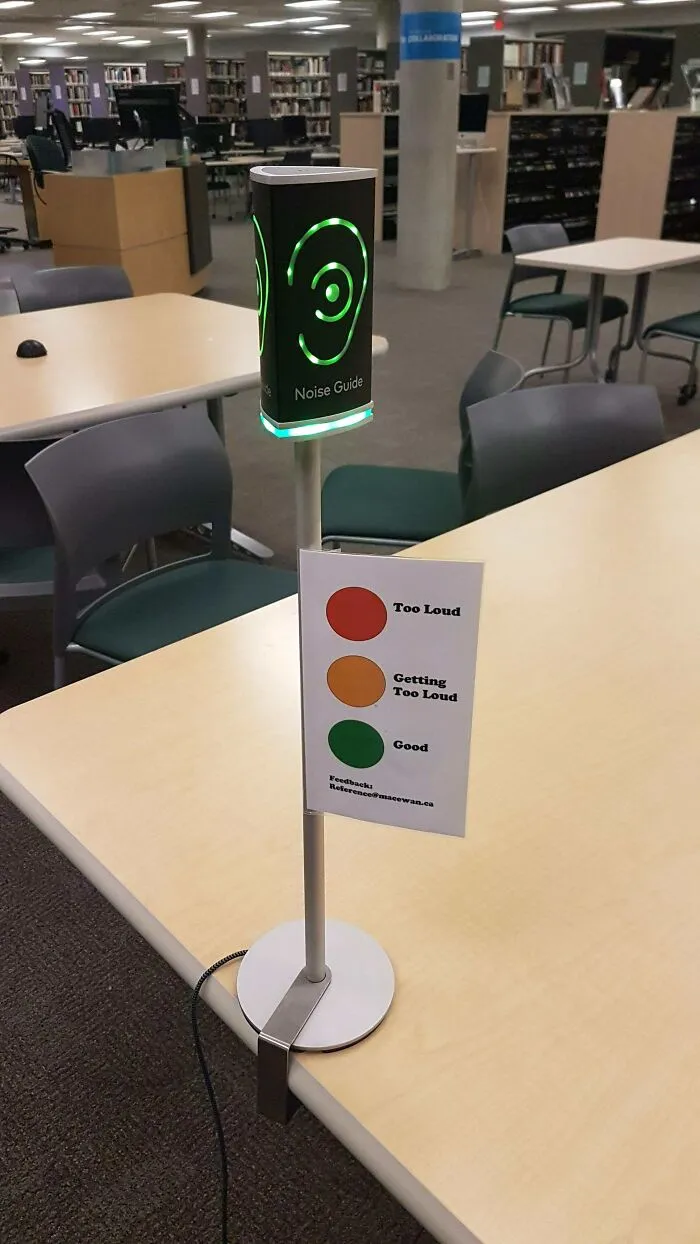
#17 My School's Library Has Noise-Level Guides That Change Colour When It Gets Too Loud
#18 This Keypad Randomizes The Numbers Every Time So Someone Doesn't Figure Out The Password From Your Hand Movements

“Many teams empathize with customers, but they don’t design for empathy,” Forrester stresses.
The idea is to view empathy not just as a means to an end (meeting customers’ needs) but also as an end in itself.
“Designing for empathy means designing experiences that not only meet customers’ needs but also show that you are emotionally connected to them and understand their experiences. It creates meaningful moments for your customers, builds brand loyalty, and humanizes the experience by demonstrating that a brand understands its customers’ needs, emotions, and that their relationship is not merely transactional.”
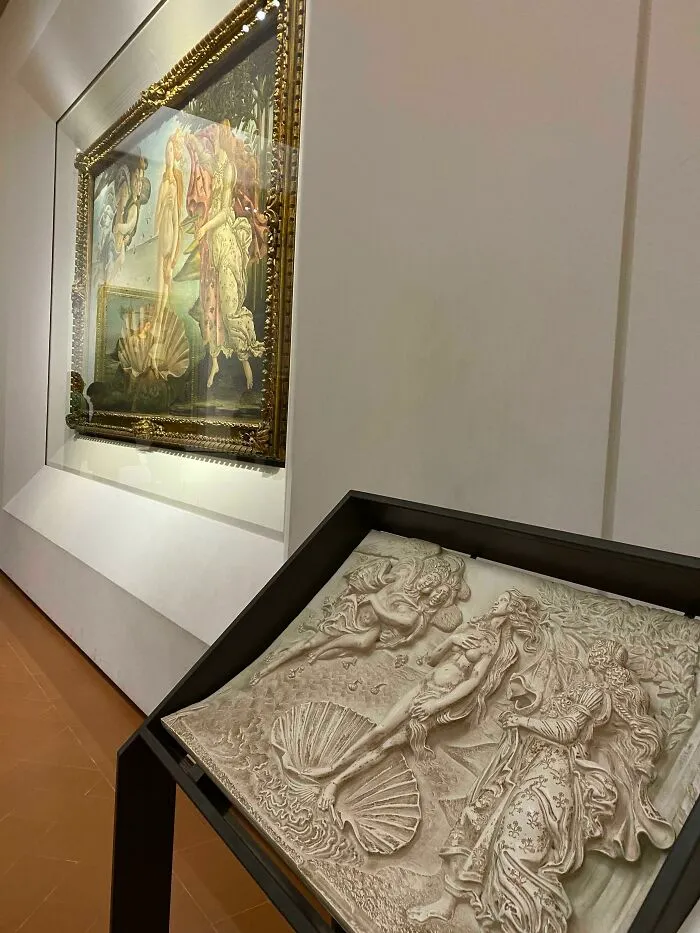
#19 At The Uffizi Gallery In Florence, They Have Versions Of Paintings So That Blind Visitors Can Still Enjoy The Art
#20 The Cafe At My Closest Beach Gives Free Drinks To People Who Collect A Bucket Of Litter From The Beach