




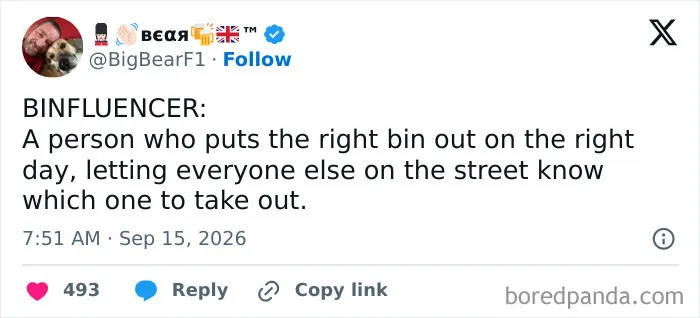

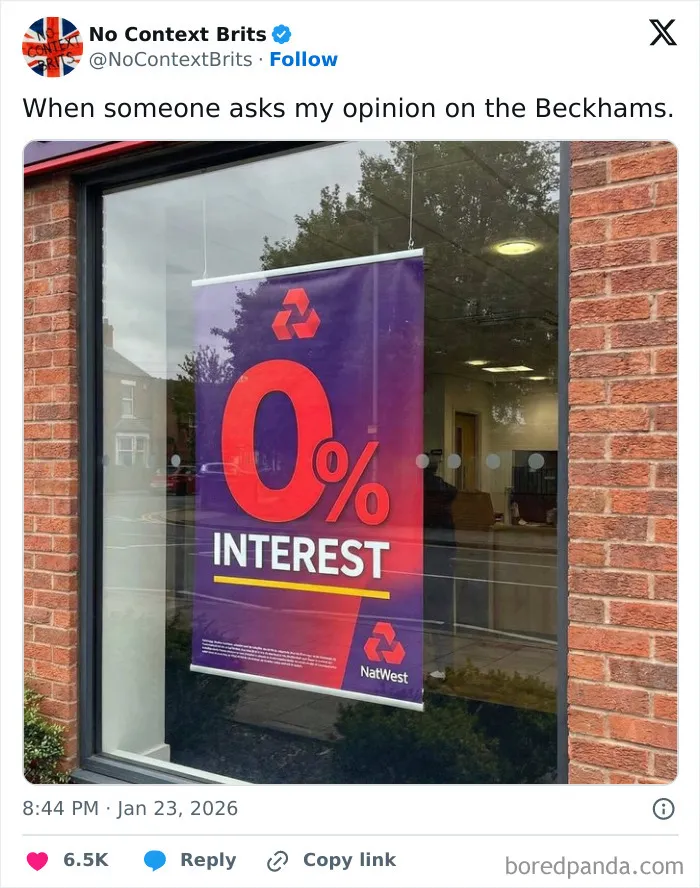
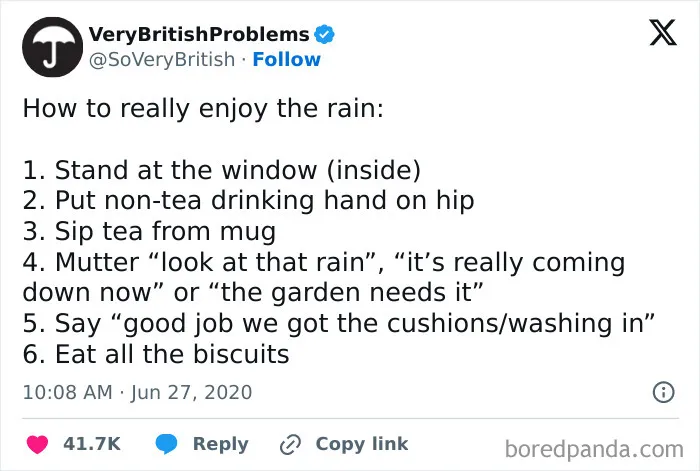
British humor is special in its own way. For many Americans, it’s simply not the kind of comedy they’re accustomed to — that boisterous and over-explanatory kind of humor. But in England, that’s pretty much the opposite. Social anthropologists like Kate Fox have pointed out that the English have an implicit “Equilibrium Rule” and an obsession with understatement that slips into their comedy style.
They love to be self-deprecating, laugh at their own ineptitude, or poke fun at their awkwardness, believing (and likely being right) that it builds trust faster than flexing success. Which is why it translates perfectly into short tweets. What better way to make fun of bleak situations like bad weather, delayed trains, or rising costs than to lean on humor as a coping mechanism?
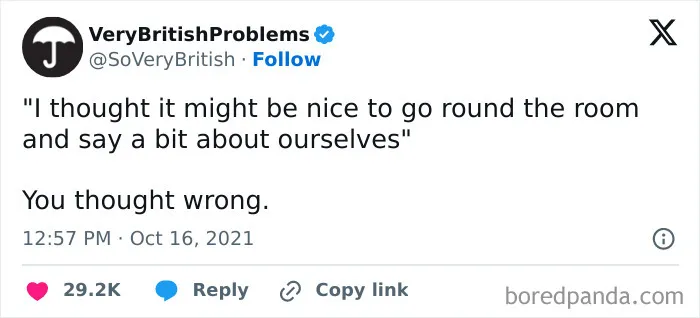

In fact, psychologists have even researched humor styles. Dr. Rod Martin, in particular, created the “Humor Styles Questionnaire” (HSQ), which divides humor into four types. Two of these are self-enhancing humor, which involves staying positive and using humor to cope with life’s hardships, and aggressive humor, which involves making fun of or putting down others.
British humor, in particular, fits into affiliative and self-deprecating humor. Affiliative humor is what we traditionally think of as harmless jokes — it’s all about using comedy to build social bonds. Then there’s self-deprecating humor, which means making jokes at your own expense. The target is yourself, not someone else. And that is very British.
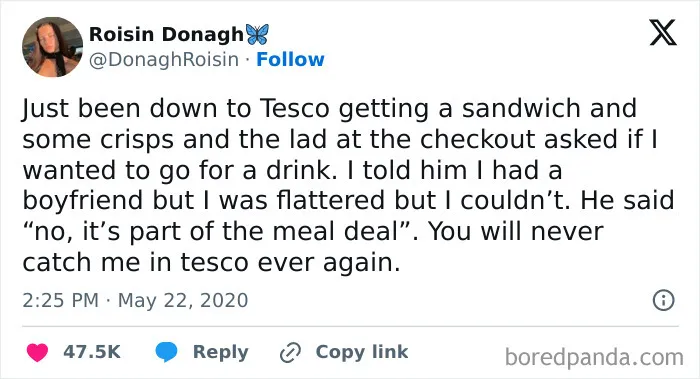
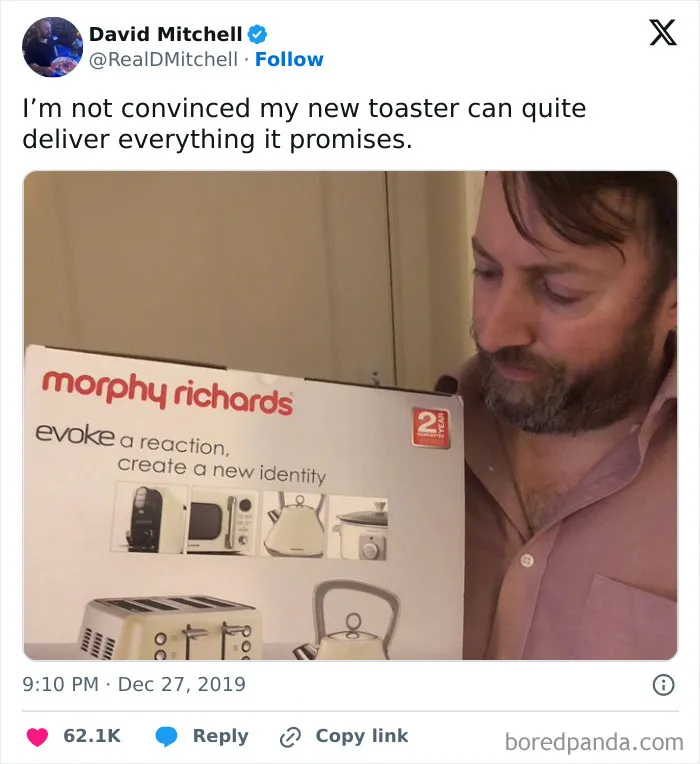
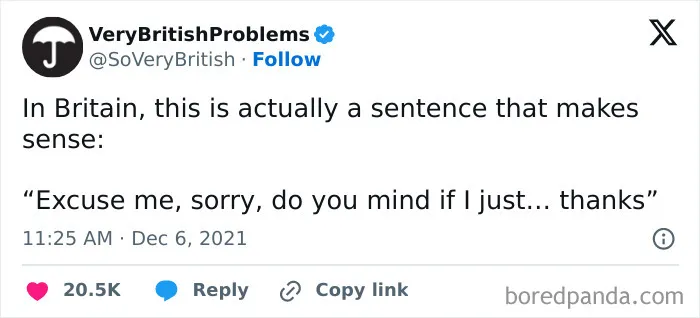

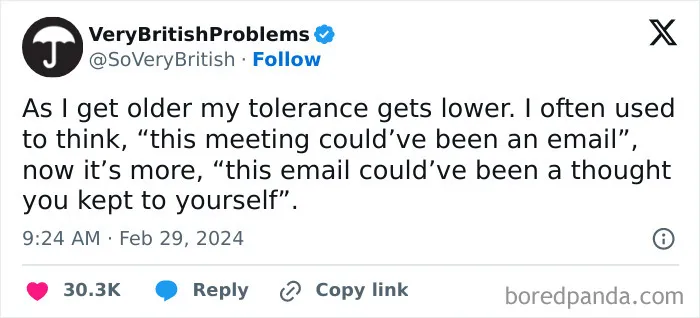
British Twitter also heavily relies on sarcastic criticism to express frustration. It lets people vent about their daily miseries without getting too aggressive or dramatic, which is the absolute antithesis of British humor. A 2018 study on the emotional impact of sarcasm actually found that delivering criticism through sarcasm rather than literal statements can soften the blow and make the speaker seem more humorous.
And anyone who has watched British shows will easily recognize this kind of humor. Ricky Gervais’ The Office is built almost entirely around deadpan delivery, helping the characters cope with corporate boredom. The IT Crowd is another perfect example of the common flat, disinterested approach to comedy. Or, more recently, Fleabag, where the main character uses deadpan commentary and sarcastic fourth-wall breaks to buffer herself from the realities of her life.
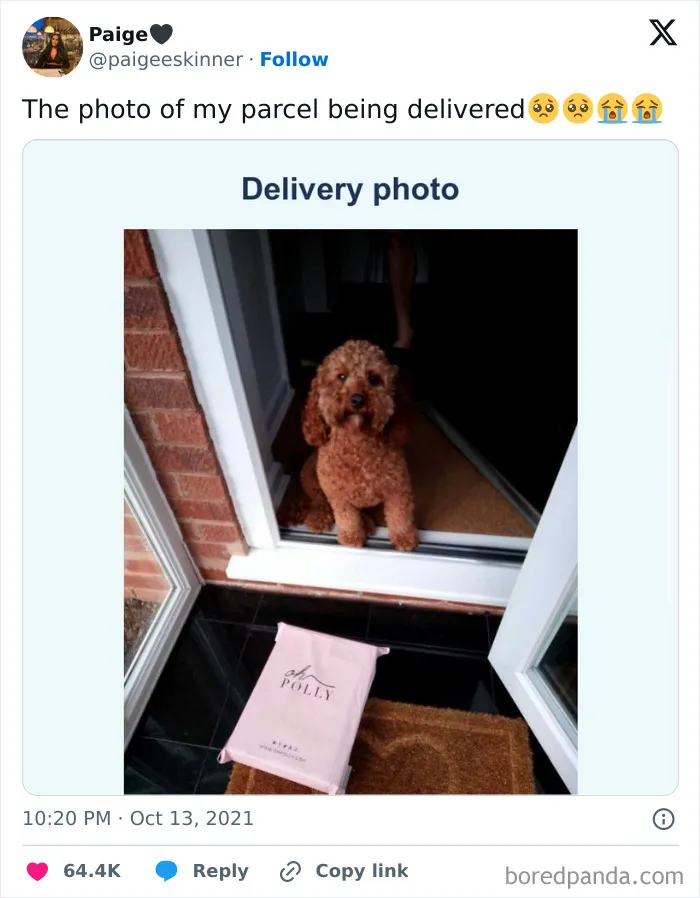
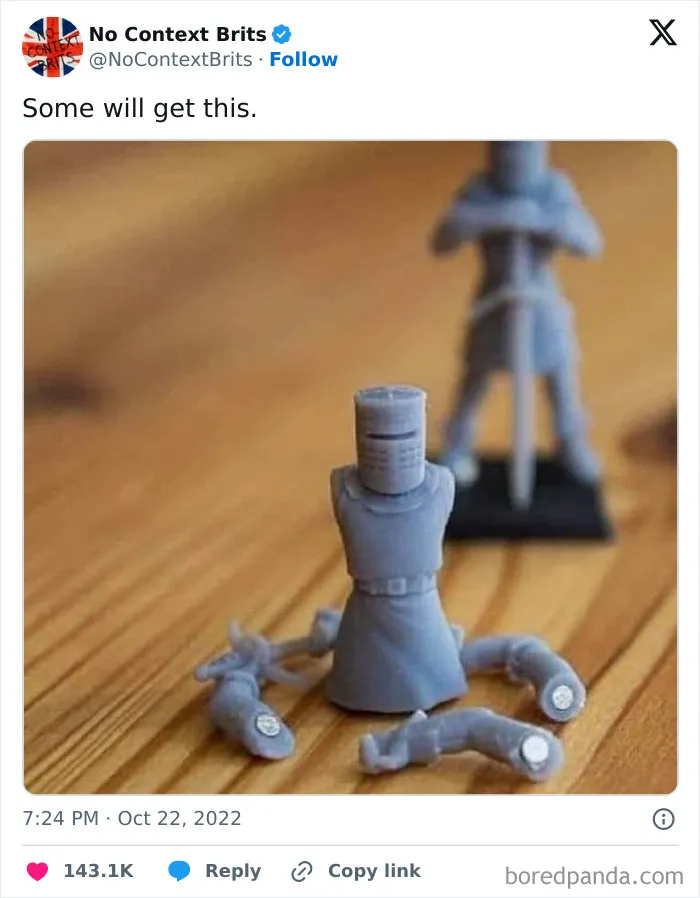

Many of these tweets also rely heavily on nostalgia, with food, shopping, and holidays mentioned time and time again. Psychologists call this “collective nostalgia.” According to Social Identity Theory, our self-esteem is partly tied to our group memberships. Through collective nostalgia, people can feel like they belong to a group that shares the same experiences.
You can see this in people sharing childhood hymns from primary school or remembering a time when phones simply weren’t a thing. You’d have to tell your friends to meet you outside a certain place at a certain time and just hope they remembered. They were simpler times, and feeling nostalgic for a time of pure, unadulterated contentment can be one of the most wholesome feelings in the world.
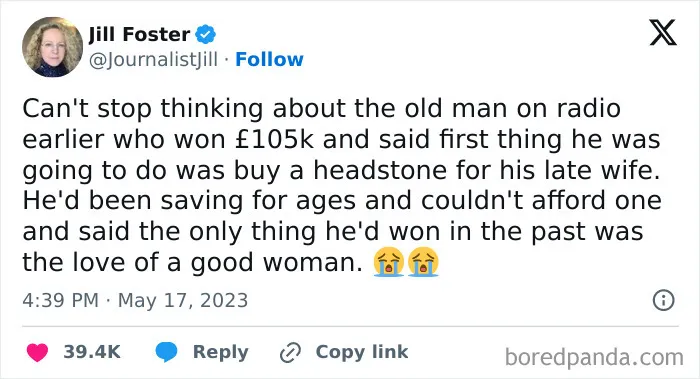
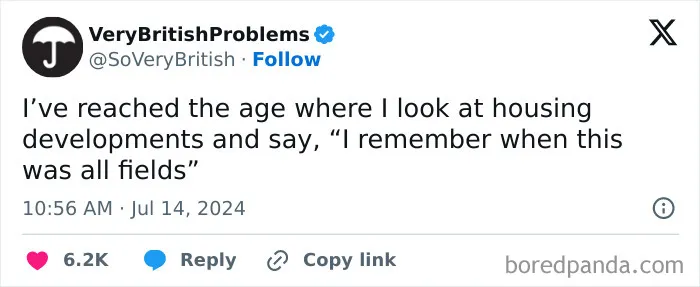


Of course, many of us born after the ’90s don’t necessarily feel as much nostalgia for this time, but we can still yearn for a simpler era. This is sometimes called “prosthetic memory,” a concept introduced by media theorist Alison Landsberg. It describes the emotional connection people can develop to memories they never actually experienced but were exposed to through media.
Watching something like The Inbetweeners can create an idealized nostalgia for that kind of mundane awkwardness: cheap haircuts, banter, gloomy pubs, and tragic outfits, along with the freedom to live it all without a camera constantly pointing at our faces. And even though they didn’t live it, they can still find humor in it, much like those who actively grew up during that time.