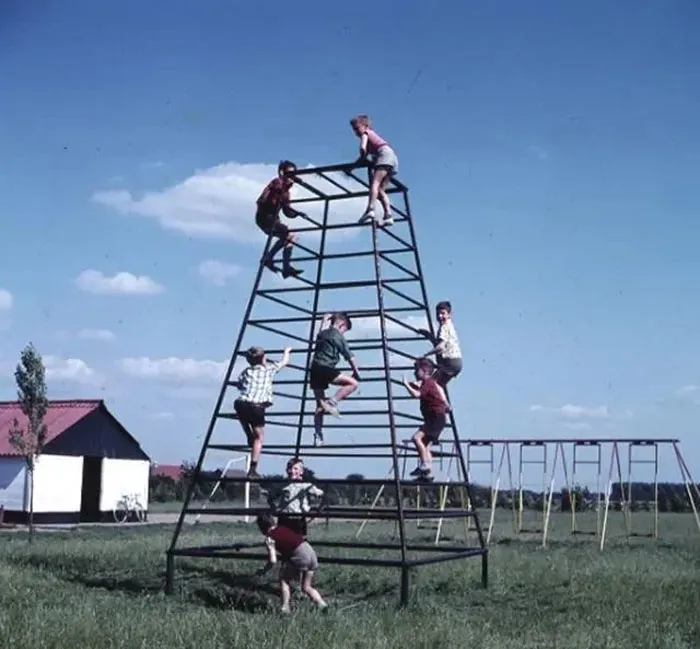


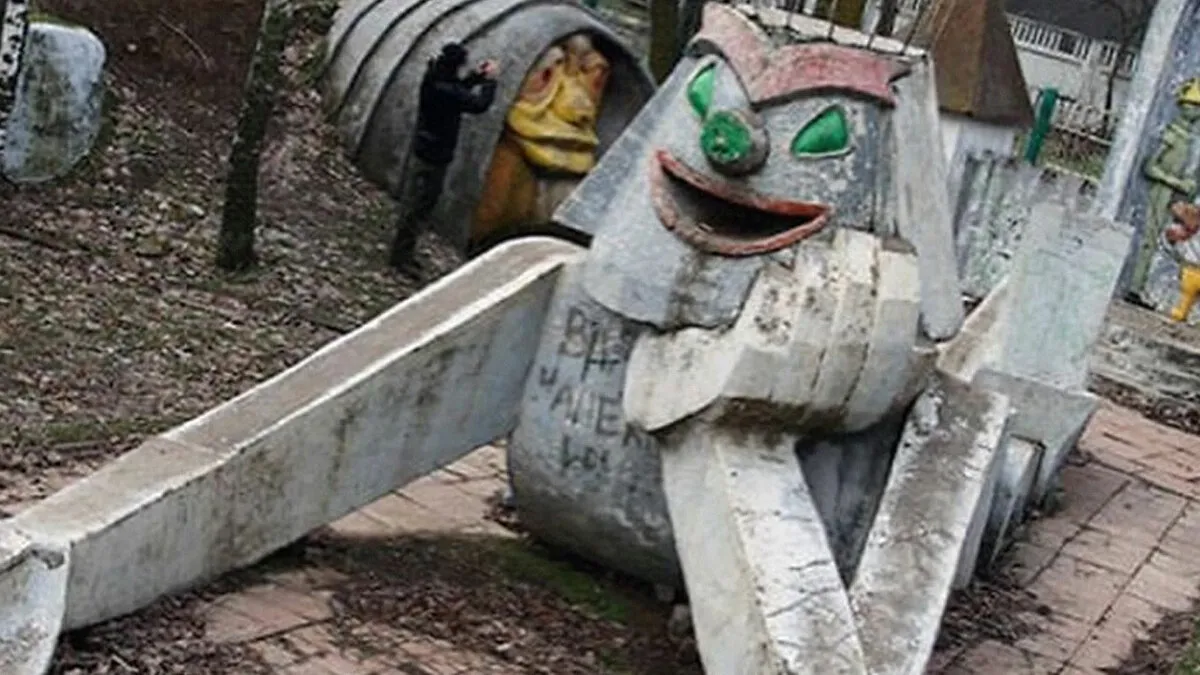



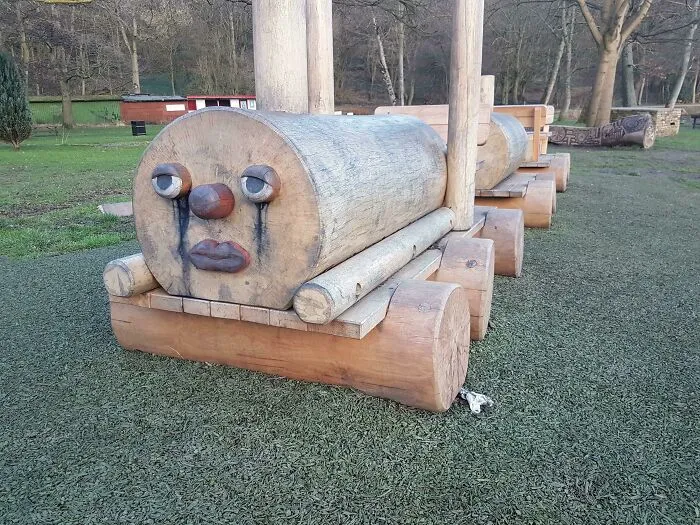
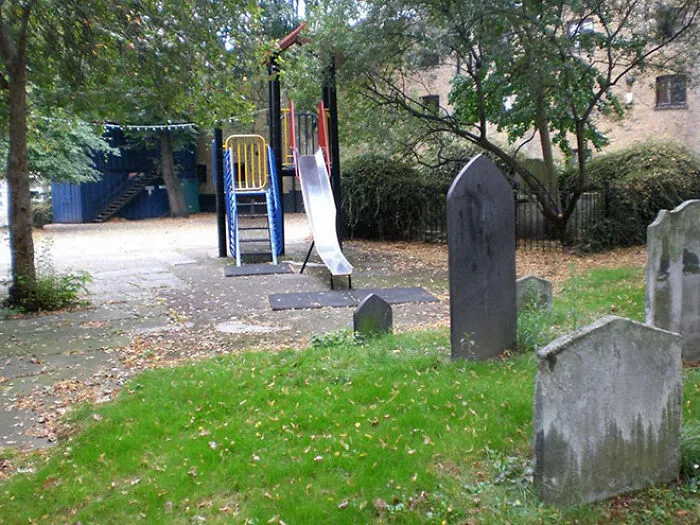
#2 Noah's Ark, In Bristol, Unveiled Its New Children's 'Elephant Play Zone'


We can laugh all we want at the horrors on this list, but designing a genuinely good playground is much trickier than it looks. There’s a lot more to it than installing a jungle gym next to a sandbox on a patch of grass and calling it a day.
At their best, playgrounds are legitimate works of architecture and art. They give children space to develop social and physical skills while, of course, letting their imaginations run wild. All of that can play a big role in how they grow and develop.
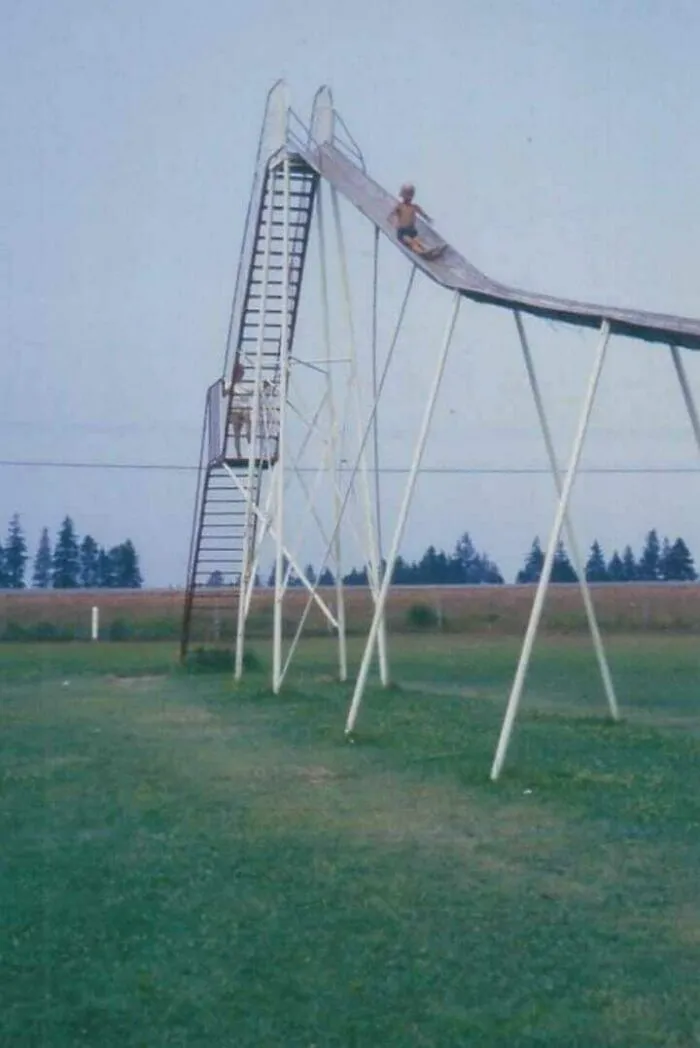
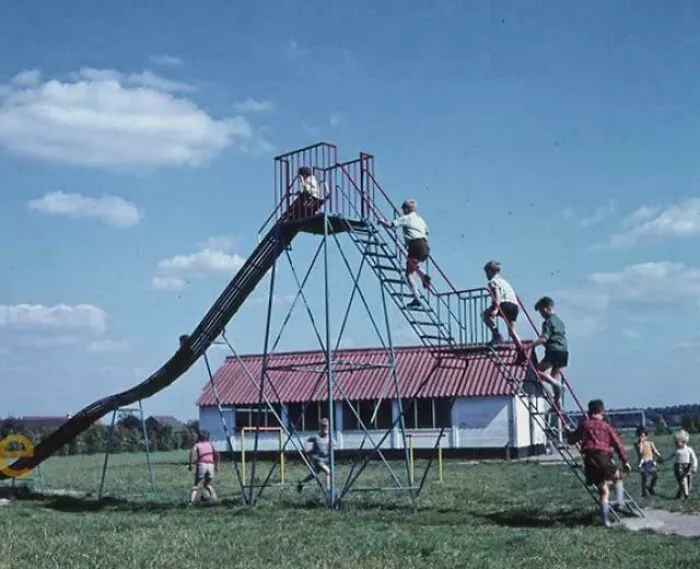
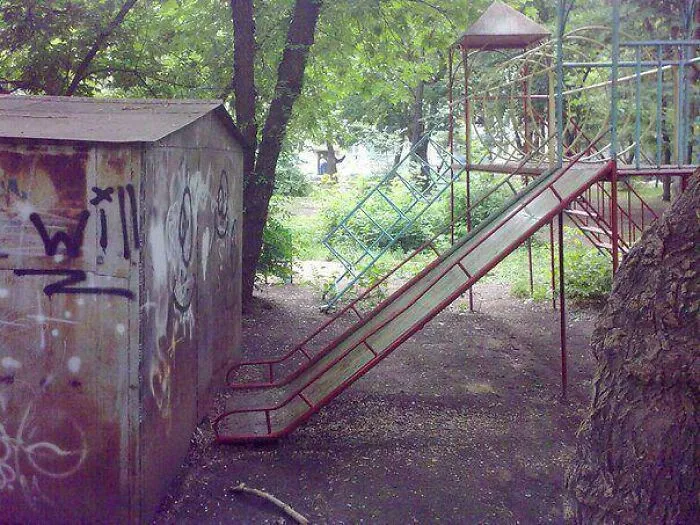
#4 70s Slides Thing Took A Long Climb To Get On Top, I Will Never Forget The Burn Of The Slide In Summer. Playground,1970s
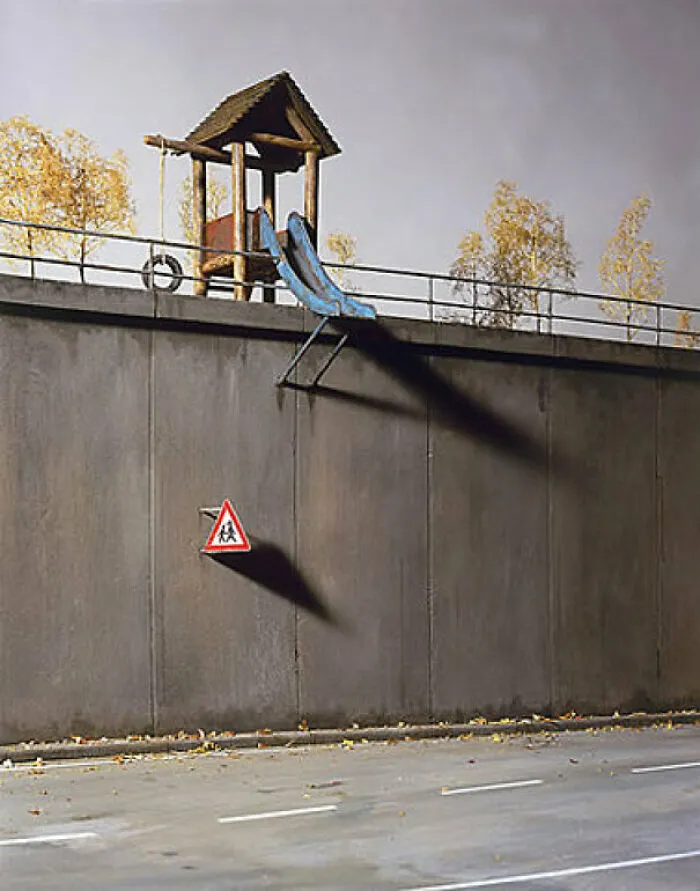
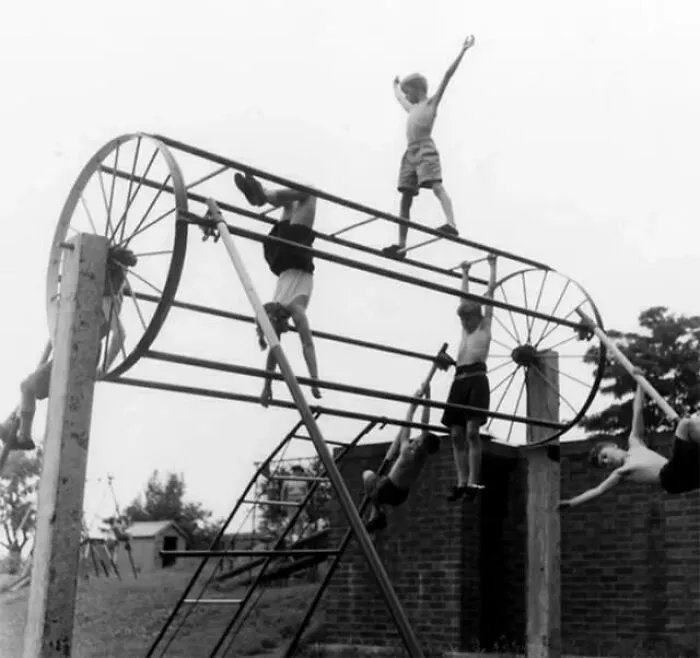
Interestingly, a well-designed playground isn’t necessarily the one that looks the most impressive. Those brightly colored plastic spaces packed with slides and built-in games can actually be less interesting for children because everything is so obvious.
You quickly figure out where to climb and what each part is meant to do, and before long, there isn’t much left to discover. A pile of mud or a couple of sticks can sometimes keep a child busy far longer, simply because there’s no one right way to play with them.

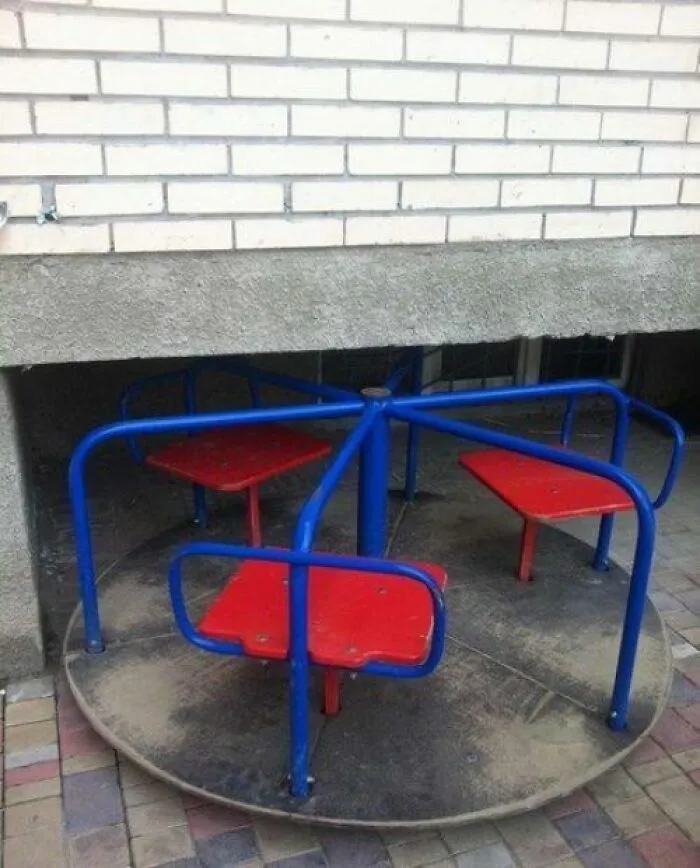
People started noticing exactly that after World War II. In parts of Europe, children were playing among the remains of damaged buildings and turning bits of rubble into their own toys and games.
Strange as the setting was, it showed adults something important: children could have far more fun when they were given materials to mess around with instead of being told exactly how everything should be used.
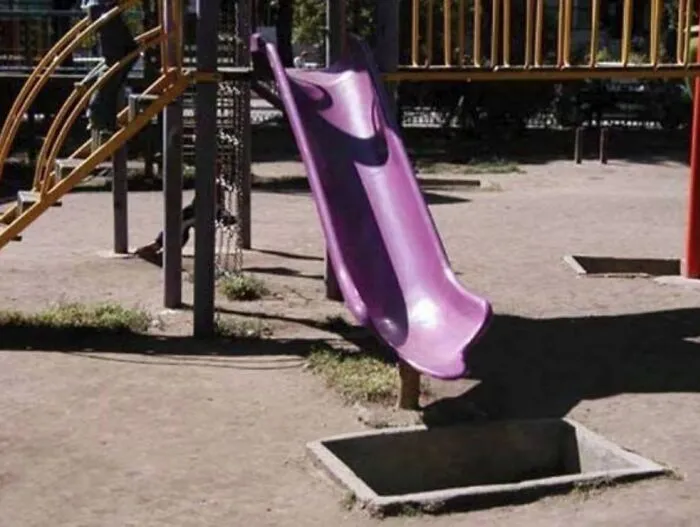
#10 Never Split Your Legs When You Slide Down
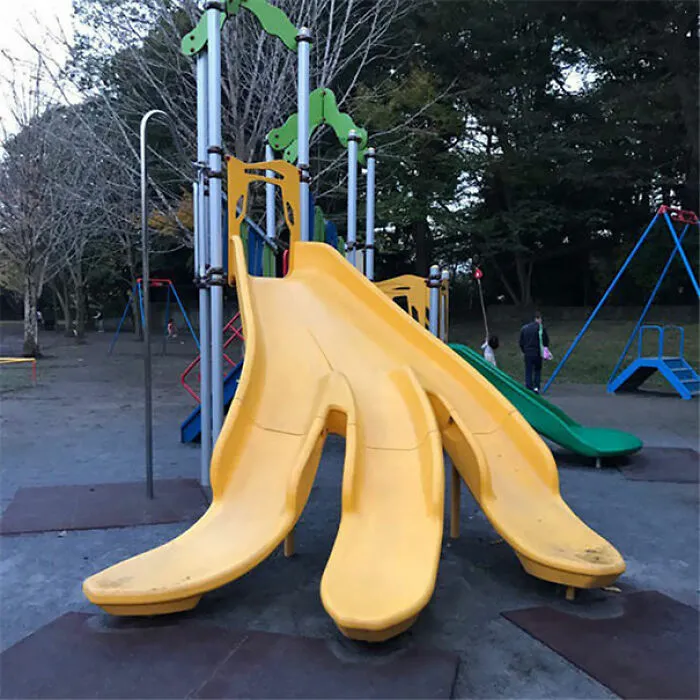
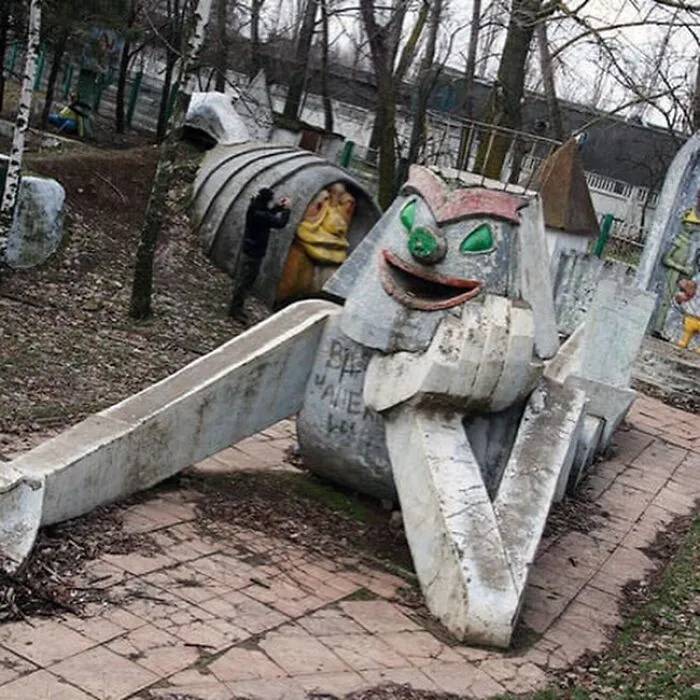
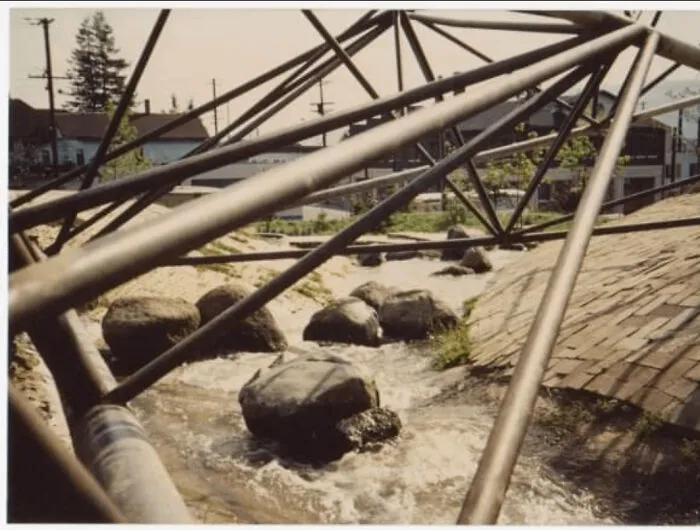
That thinking eventually led to the rise of adventure playgrounds. The idea originated in Denmark, where landscape architect Carl Theodor Sørensen helped create the first “junk playground” in Copenhagen in 1943.
A few years later, British landscape architect Marjory Allen, Lady Allen of Hurtwood, visited it and was so impressed that she brought the concept back to the UK, where adventure playgrounds soon began appearing.
These spaces looked very different from traditional playgrounds. Instead of neat rows of swings and slides, children were given loose materials and discarded objects they could move around and use however they liked.

By the end of the 20th century, that experimental spirit had started to fade. Concerns over safety were growing, and expensive lawsuits made legal responsibility a much bigger issue.
In Chicago, for example, a child was badly injured after falling from a tall slide in 1978 and was later awarded at least $9.5 million. All of this led to stricter rules and much more standardization in playground design.


Manufacturing was changing around the same time. Plastic playground pieces became cheaper to produce, and companies could sell the same modular designs all over.
By the late 1980s and 1990s, those brightly colored structures with connected platforms and slides had become the familiar playground look we still recognize today.