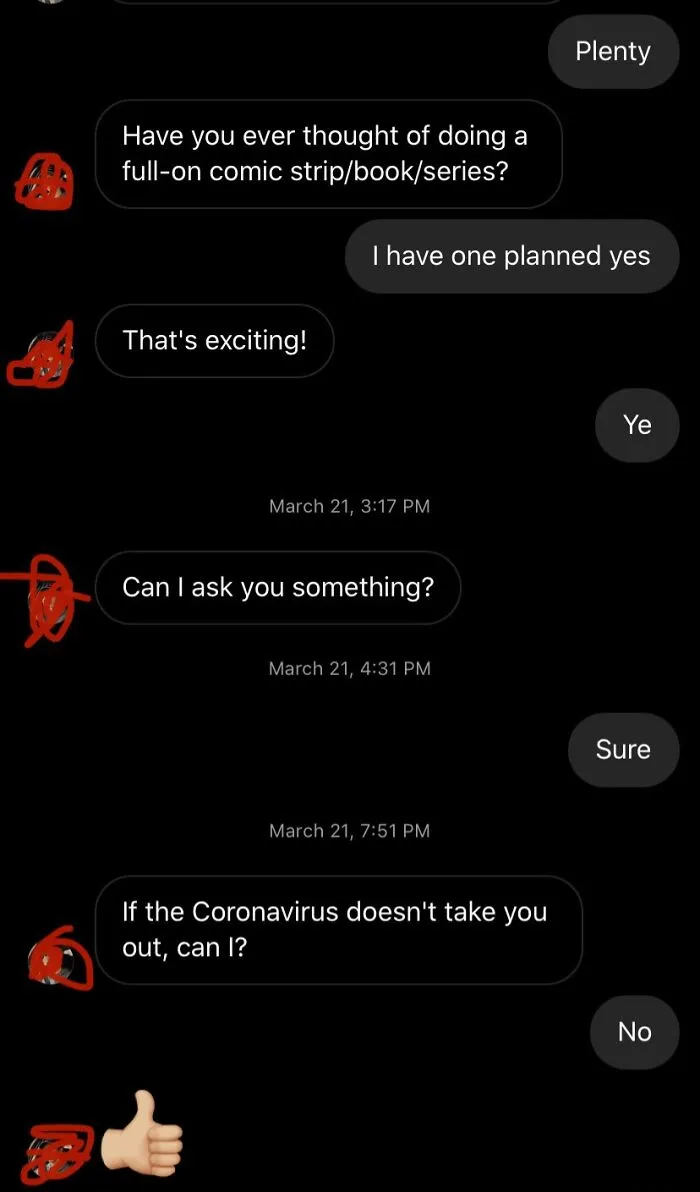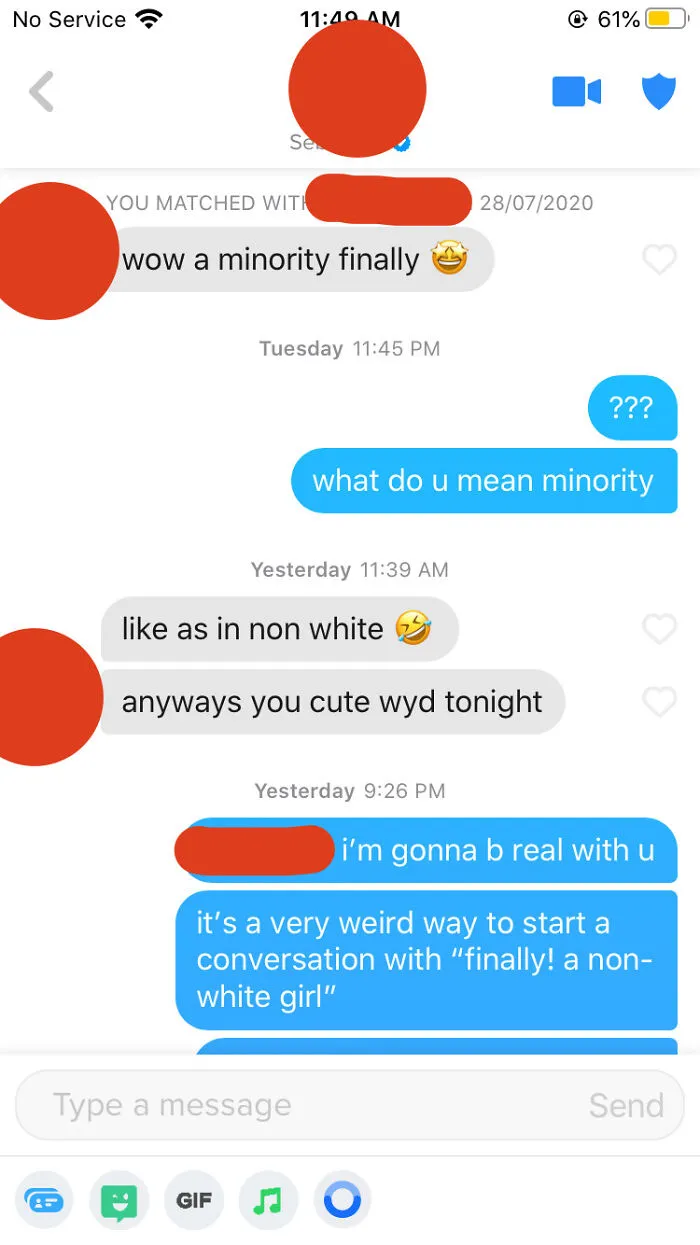




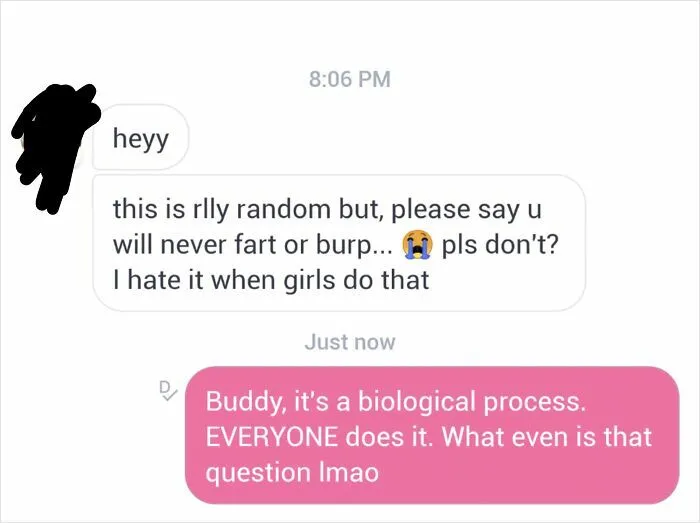
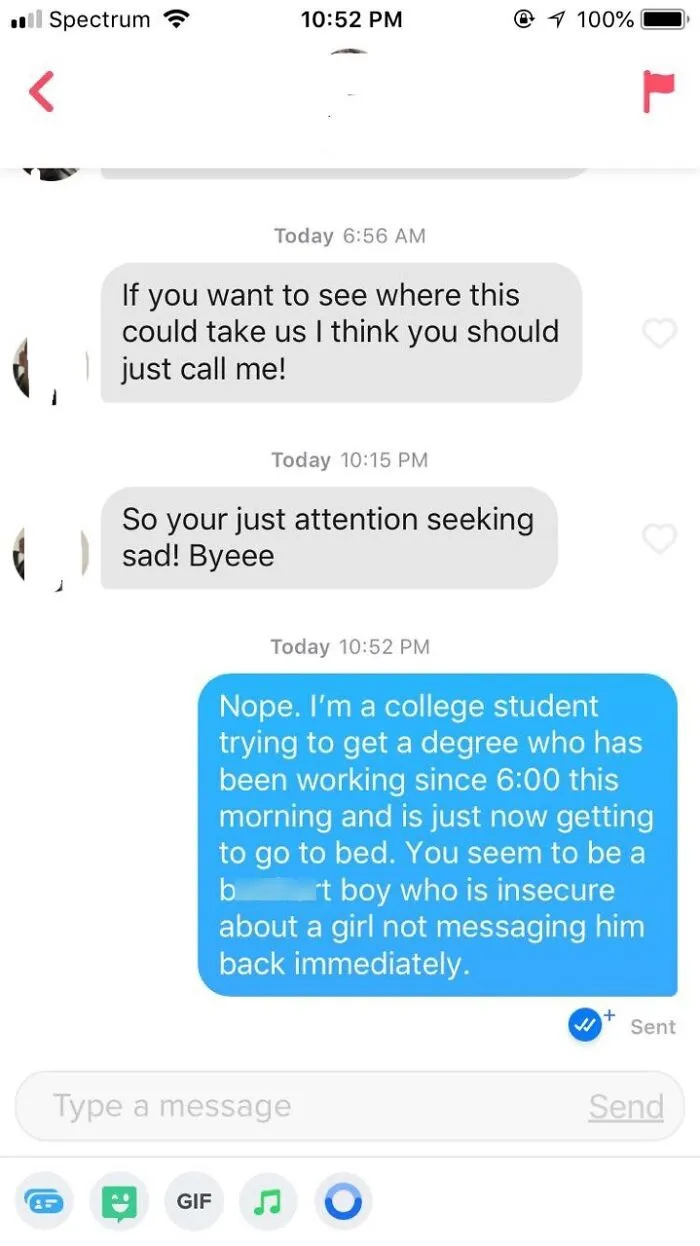
People who send unsolicited images or messages do not always want the same thing. Some are looking to start a romantic or intimate connection, while others are driven by personal satisfaction, power, or control.
A study of 816 undergraduate students found that 41.8% had sent an unsolicited nude or similar image. Of those, 64.3% said they were “partner hunting,” which suggests some people hope an unwanted advance will lead to romance or intimacy.
What senders expect plays a role in their reasons for sending these images. Those who thought they would get a positive response, or did not expect a negative one, were more strongly connected to each motivation the researchers studied. This suggests some senders misjudge how recipients will react, instead of acting without any expectations.
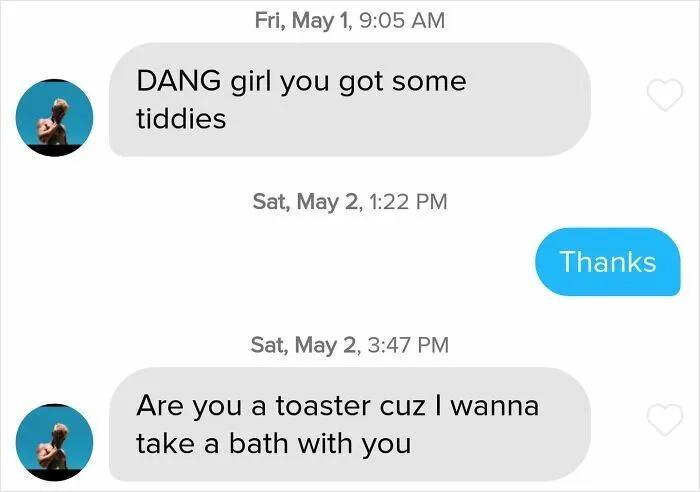
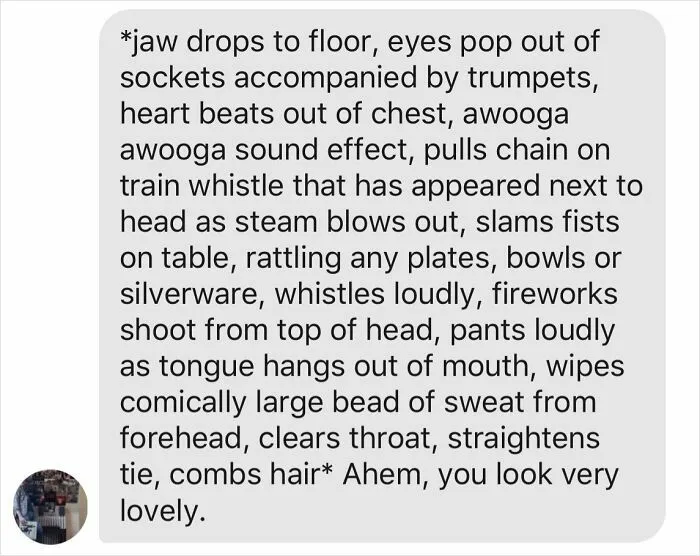
There’s also a gap between what senders expect and what recipients actually feel. Most participants reported negative or ambivalent reactions to unsolicited images, while most senders expected a flirty response. This mismatch is important because a sender might see the message as an invitation, while the recipient feels something else.
There are also gender differences in expectations and reactions. Women were more likely to expect a flirty or positive response when thinking about how someone might react. However, women who actually received unsolicited images often reported feeling unsure or negative. This shows that hoping for a positive response does not mean both people are interested.
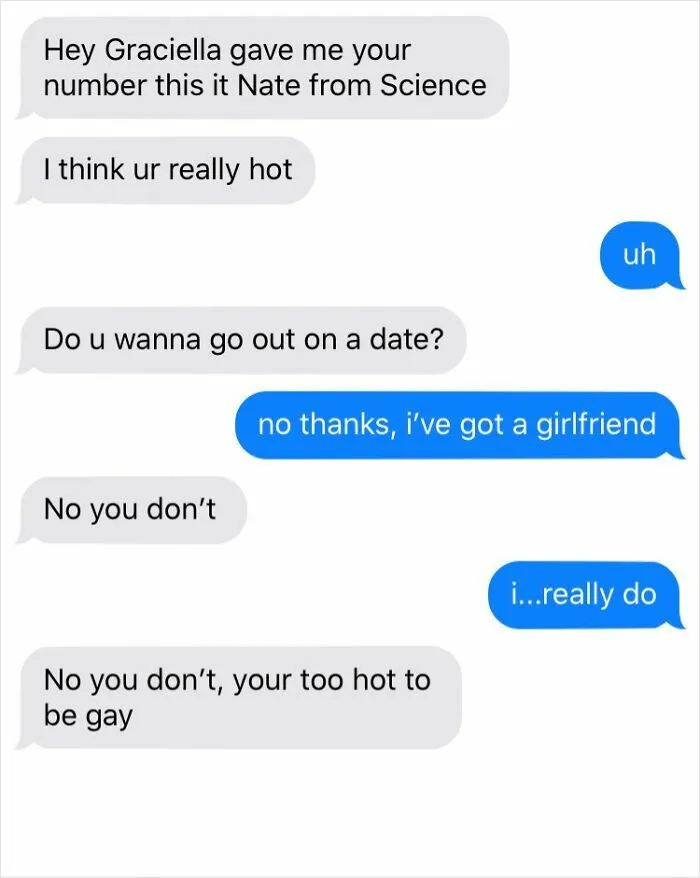
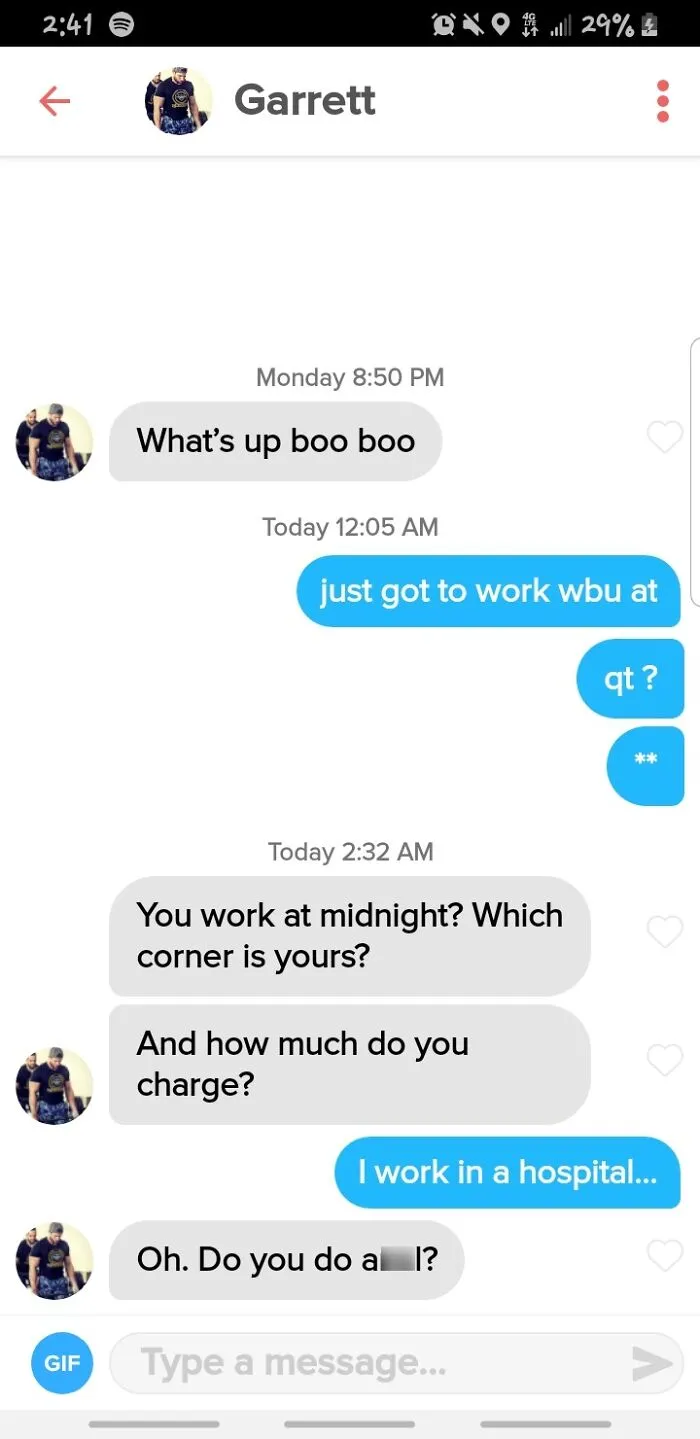
A screen can take away some of the social barriers that usually guide face-to-face conversations. Online disinhibition points to anonymity, invisibility, asynchronous communication and the lack of eye contact as factors that can weaken psychological barriers. So, someone typing alone at home deals with fewer social cues than someone speaking in person.
This distance becomes important when someone sends an unwanted message. In person, you can quickly see if someone feels uncomfortable, confused, or wants to reject you. Online, the sender might never notice these reactions. Without eye contact or being in the same room, it is easier to keep typing without facing the other person’s response.
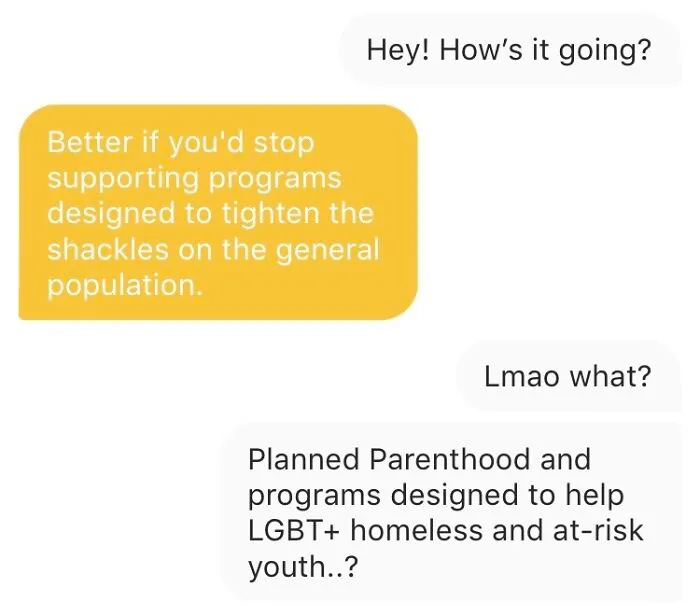
#8
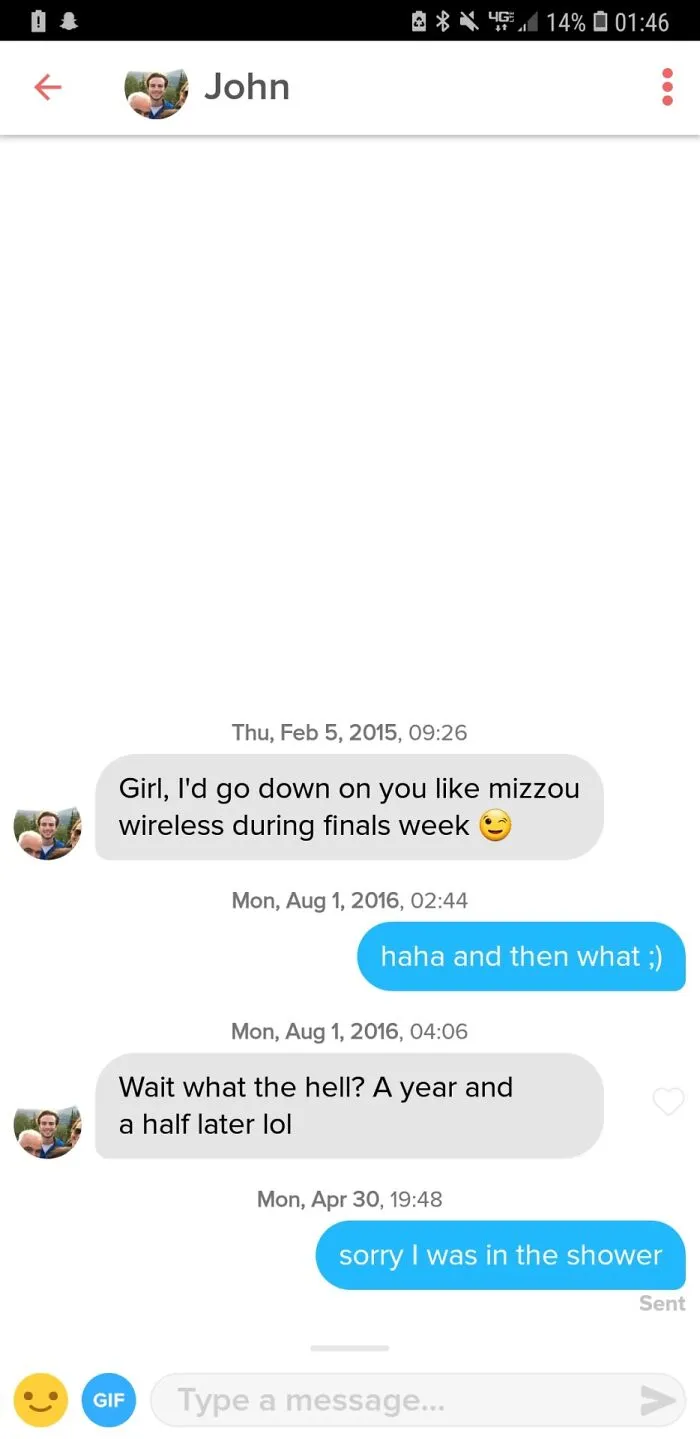
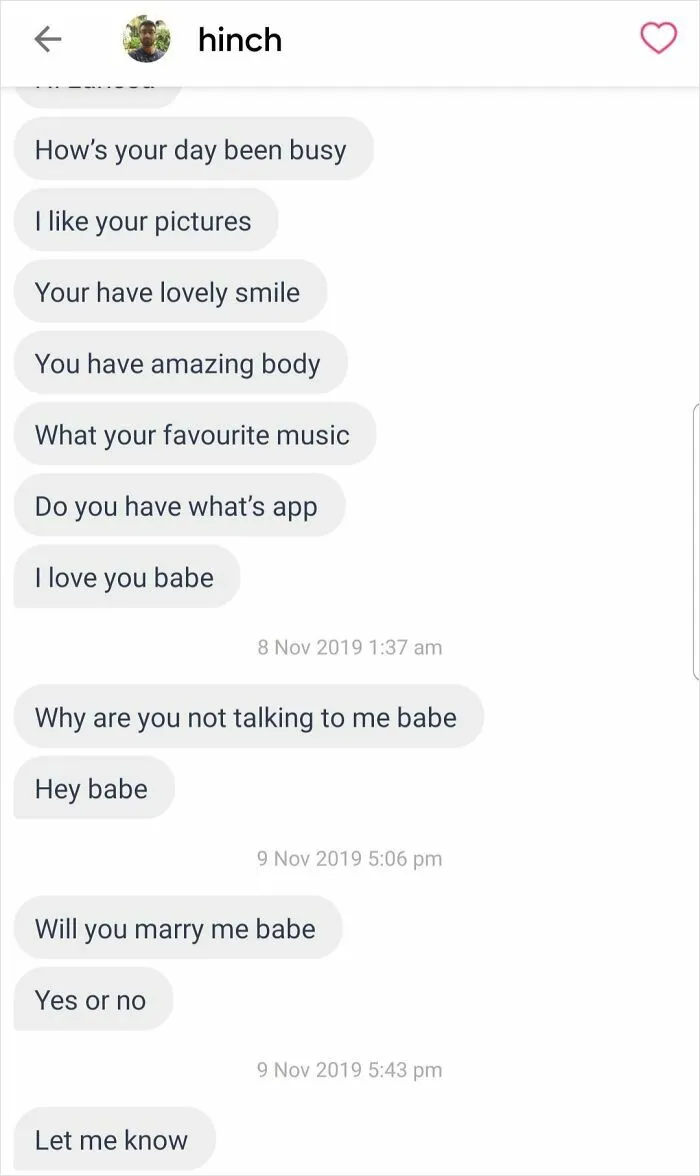
The problem extends beyond isolated screenshots. A study of 388 young women found that 53.35% had received inappropriate messages from male strangers. Another 28.35% had received inappropriate pictures, while 23.30% had received unsolicited nude pictures of male genitalia. Instagram, Facebook and Snapchat appeared most often in their accounts.
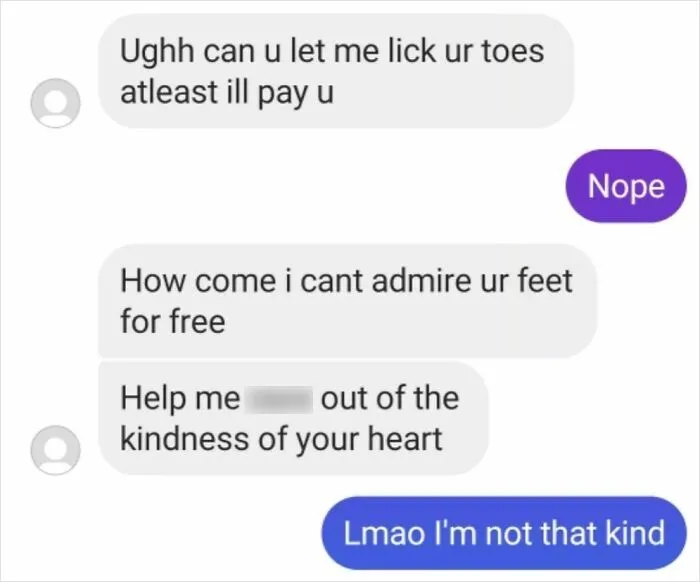
The participants did not see these experiences as harmless flirting online. Many said they received unwanted nude images from strangers without any warning. Some also mentioned that men offered gifts or money in exchange for intimacy. These results show how quickly a private message can turn into pressure, harassment, or unwanted advances.
#10
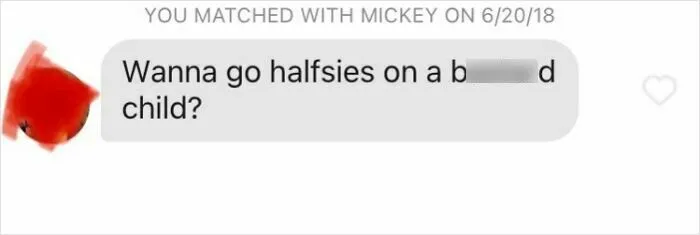
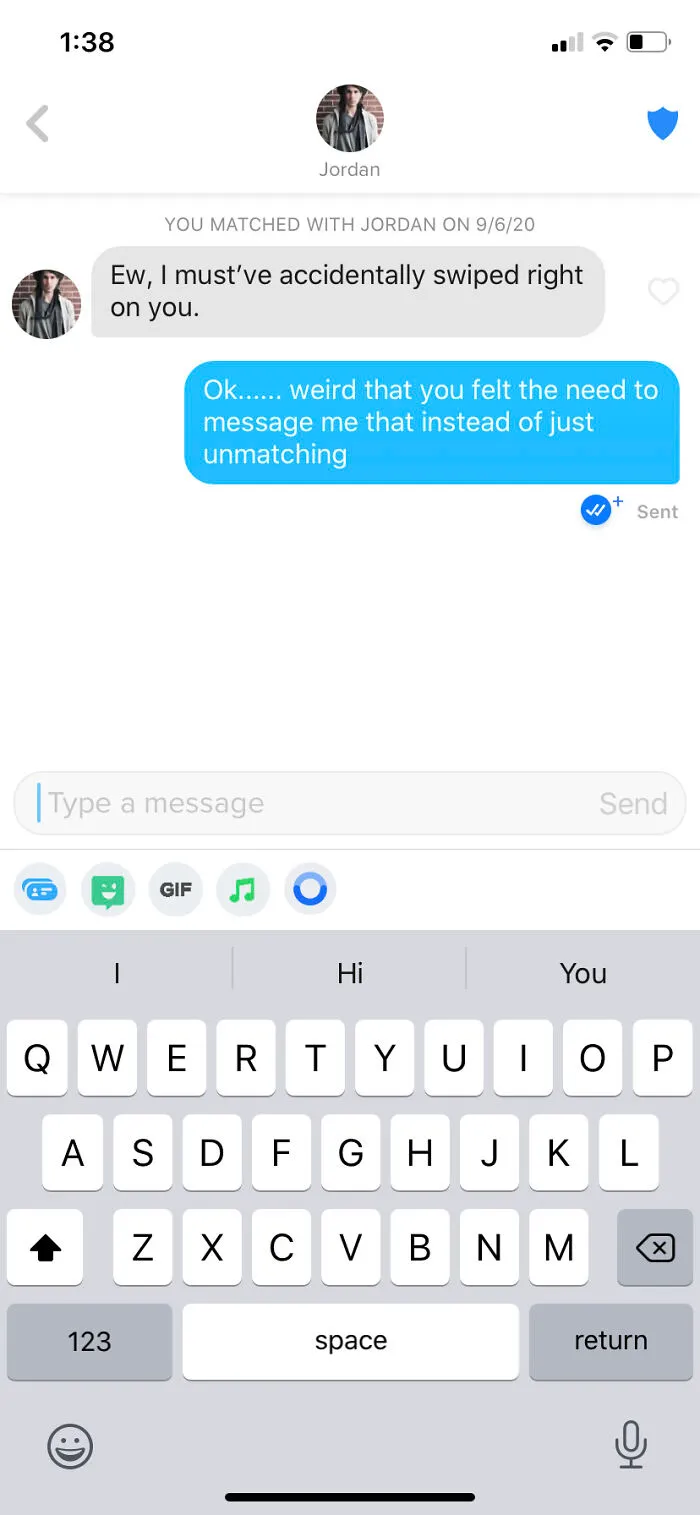
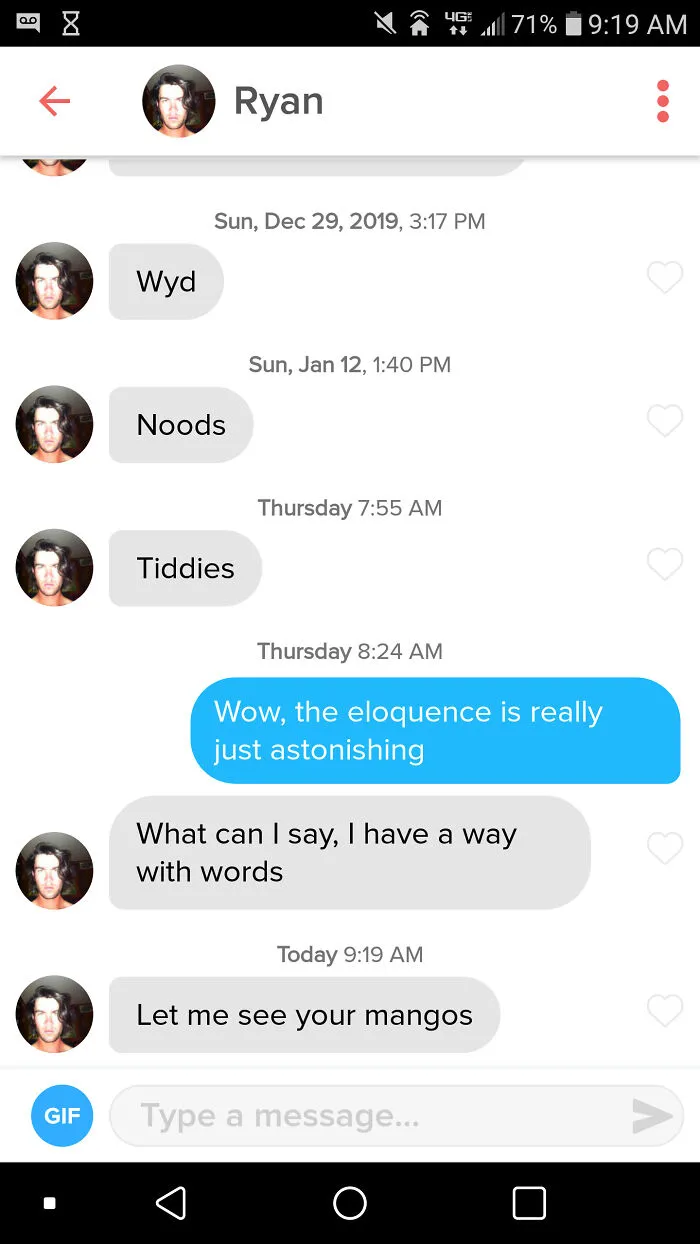
Another research published online shared that 36% of women under 40 in Britain had received unsolicited photos from someone who was not a dating or romantic partner. Of these women, 22% said they had received such an image during the previous 12 months. Overall, 8% of women under 40 reported receiving one during that period.
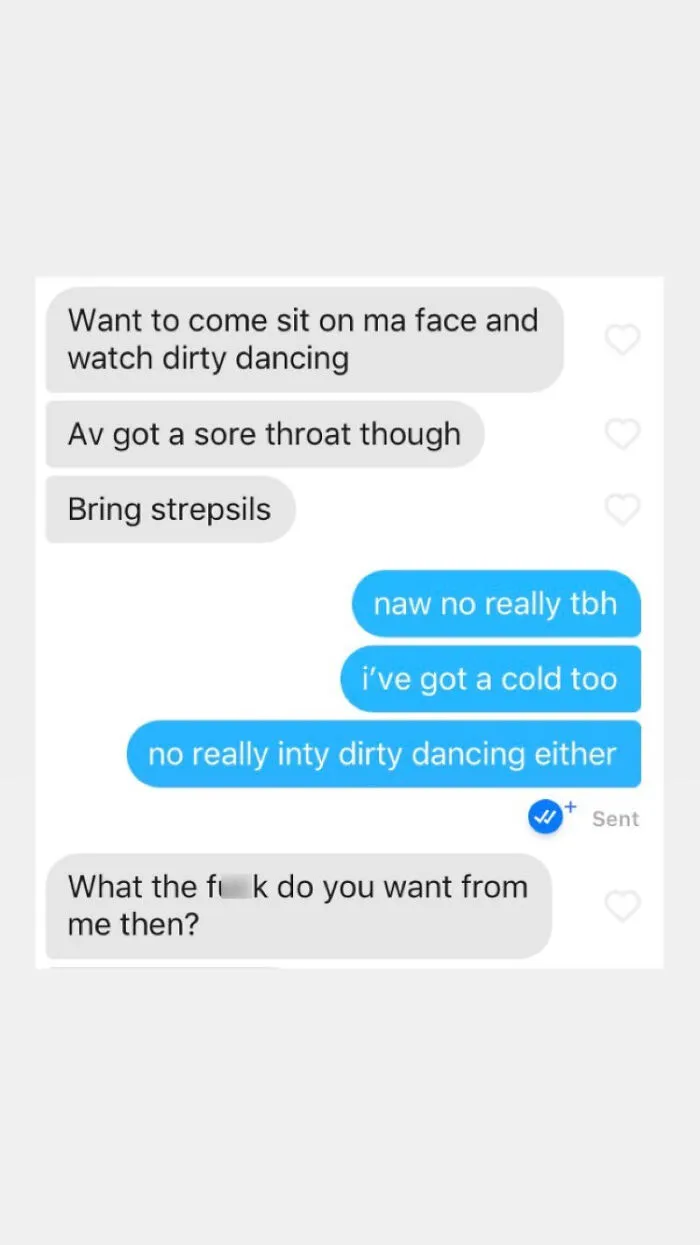
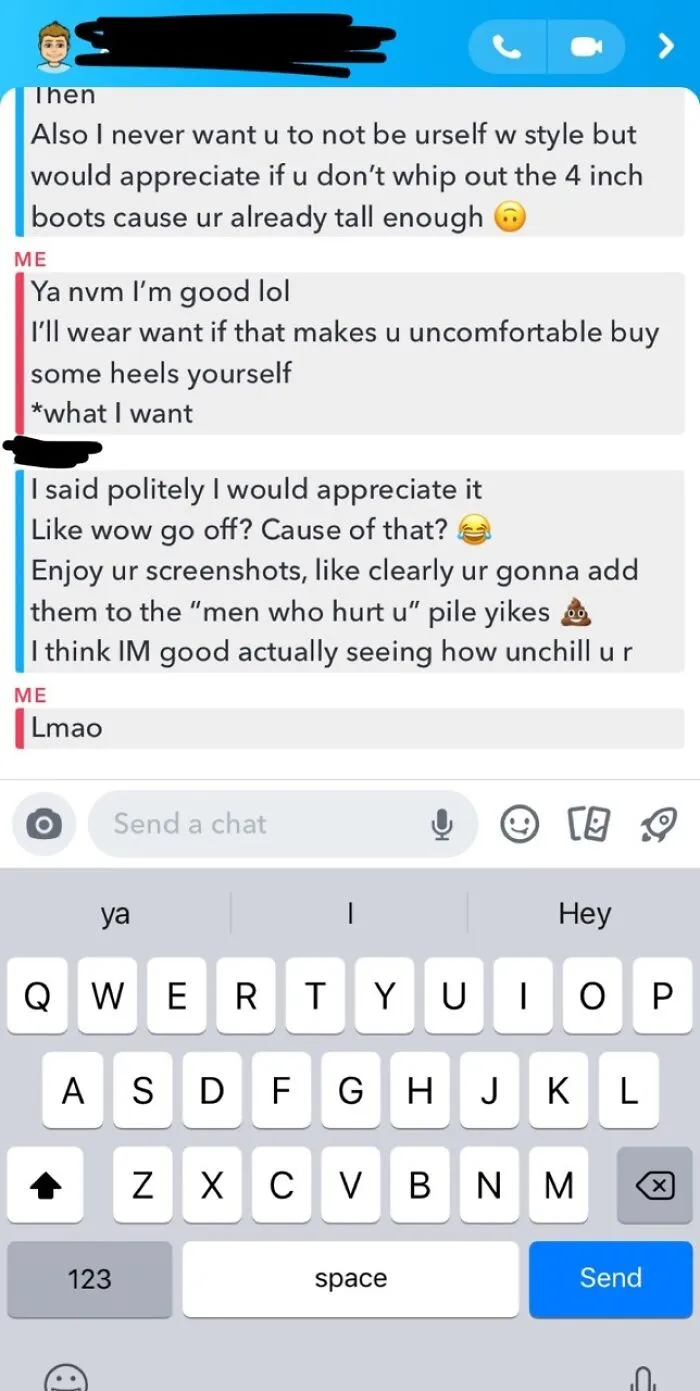
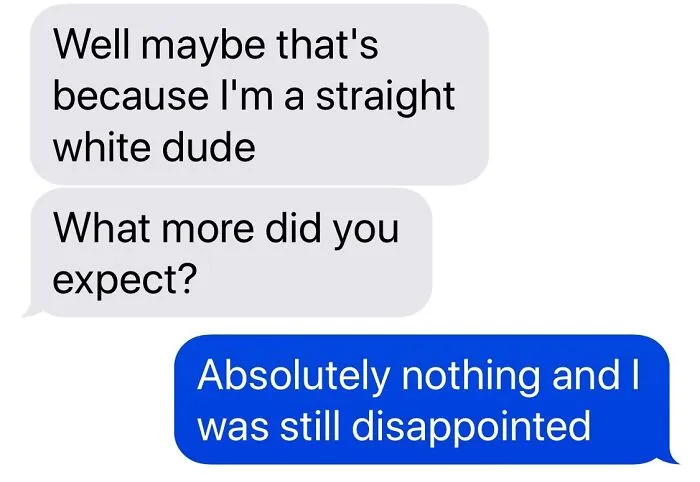
A study from the U.S. National Library of Medicine looked at 392 Spanish women between 18 and 45 years old and found that 74% had received unsolicited genital images. Of those, 45.7% came from strangers and 21.9% from men they knew. The women said they responded by blocking the sender, telling friends, rejecting the advance, or just ignoring the message.
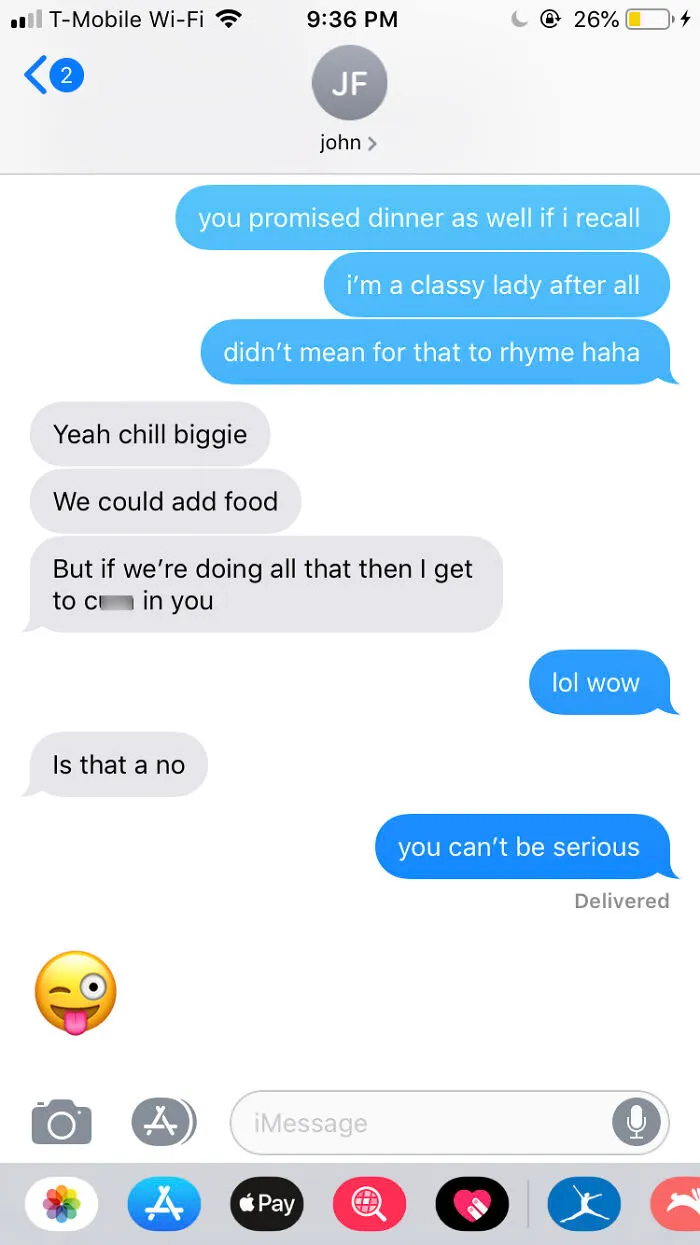
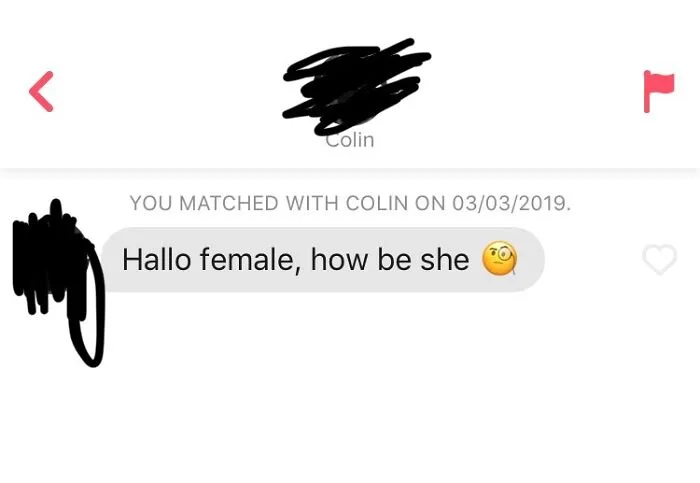
Online anonymity can also hide a serious danger: grooming. Groomers might build trust with minors, encourage explicit exchanges, move conversations to other platforms, or use threats to take control.
Grooming can start with just one online contact or go on for a long time. The person targeting a child might be a stranger or someone the child already knows. This difference is important because not every inappropriate message is grooming. However, both cases show that digital communication still requires consent and clear boundaries.
Do you think people should stop sending messages like these without being asked? What would you have done in their place? Share your thoughts in the comments!