

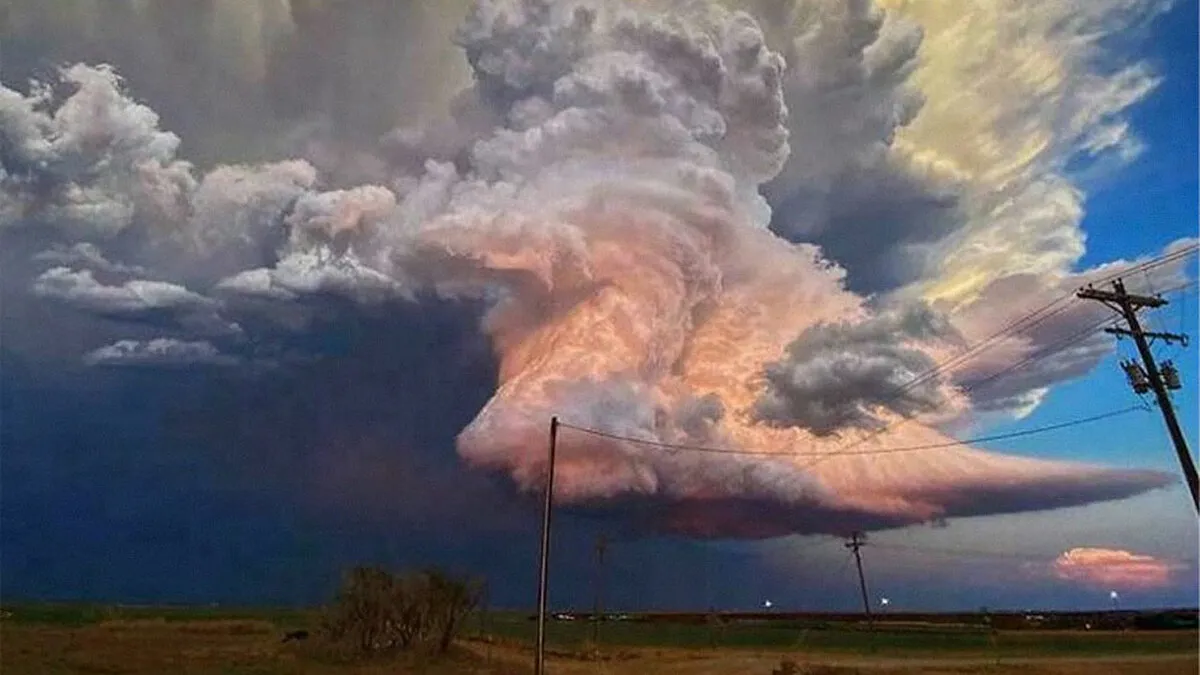


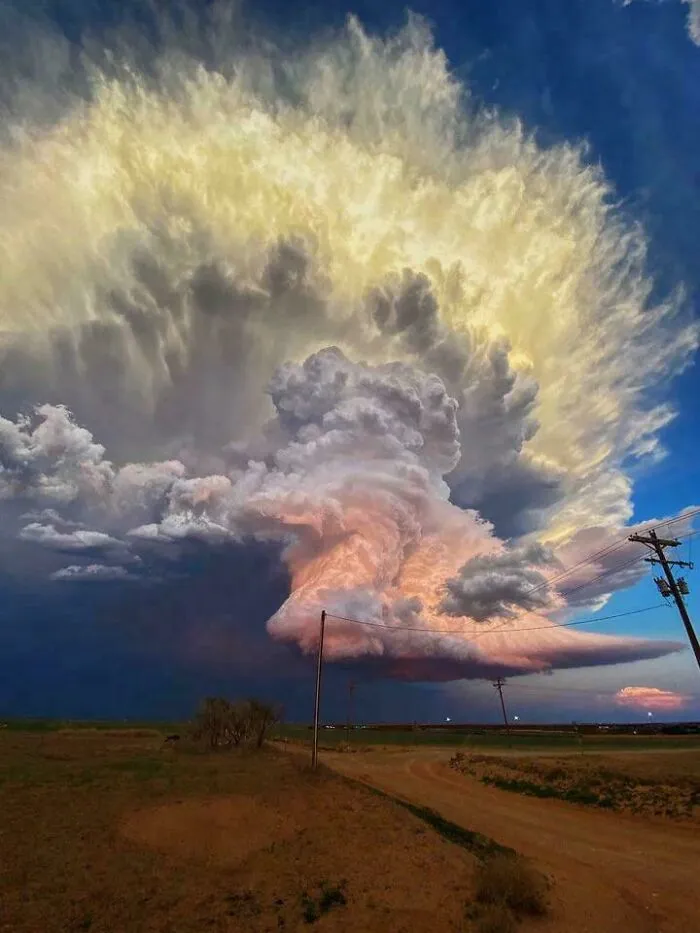
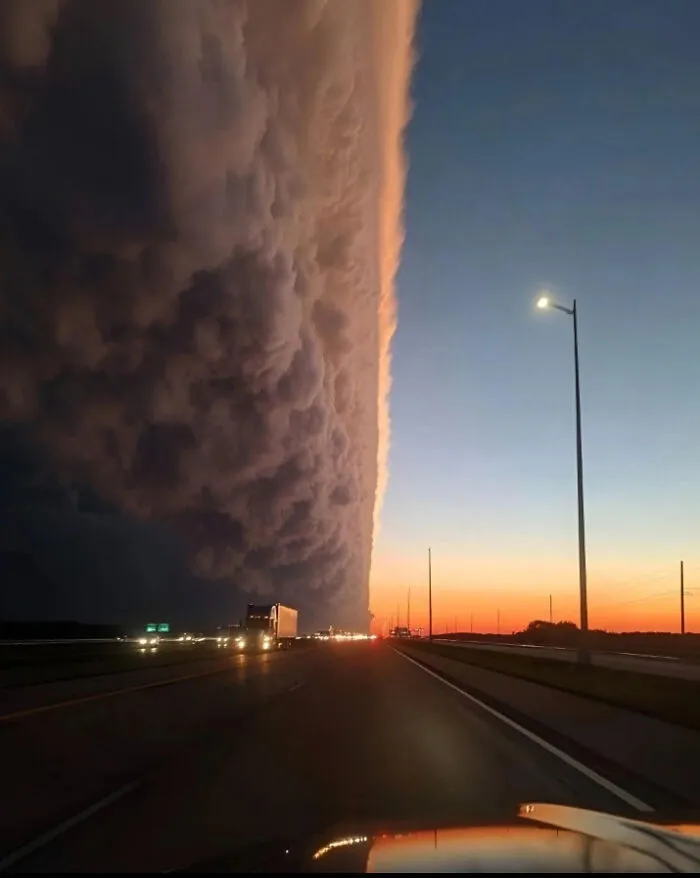
#1 In West Texas, Storm Chaser Laura Rowe Captured This Fantastic Shot Of A Mature Supercell Thunderstorm, Illuminated At Varying Heights By The Setting Sun
![Tanzania May Own The Mountain, But Kenya Owns The View [kilimanjaro]](https://img.boredpanda.com/unsafe/rs:fit:3840:0/q:80/aHR0cHM6Ly9zdGF0aWMuYm9yZWRwYW5kYS5jb20vYmxvZy93cC1jb250ZW50L3VwbG9hZHMvMjAyNi8wMi82OTljYzAyZTZlNDIwX2Rjeno2OWtyMzlsZzEtanBlZ19fNzAwLmpwZw.webp)
There are all kinds of phobias, but most of the time, we don’t even realize we have one. Research shows that 1-10% of the population experiences a specific phobia, with females several times more likely to have one than males.
Megalophobia is one such specific phobia, which is defined as an irrational and excessive fear of large objects that can occur as a result of a negative experience or due to an unknown cause. Symptoms of megalophobia include anxiety or panic attacks in the presence of large objects, but it can be treated with therapy and medication.
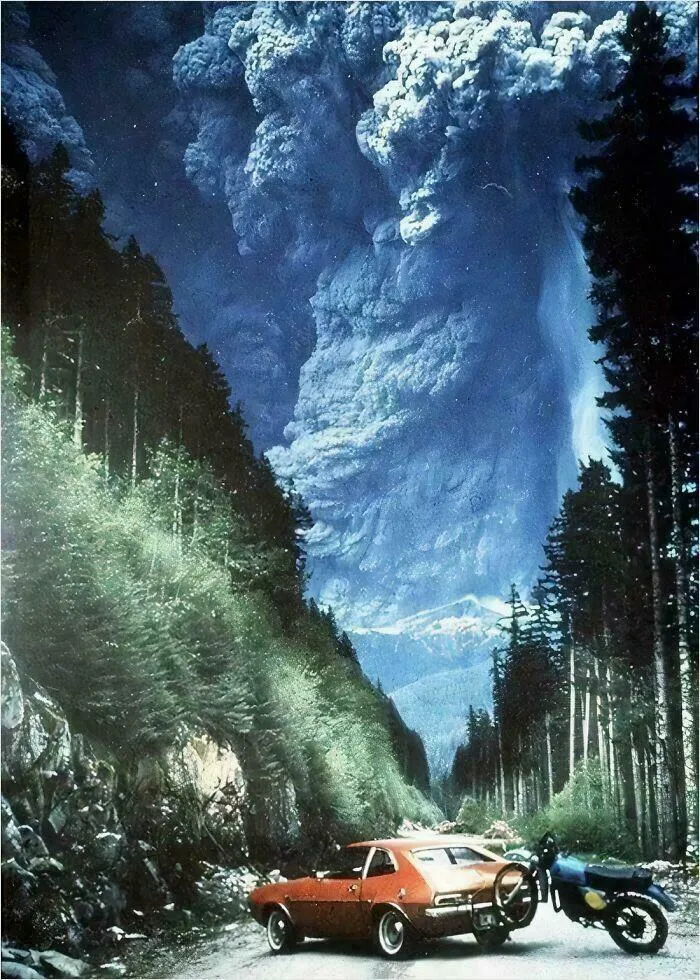
#4 On May 18, 1980, Richard Lasher Got Up To Get Some Photos Of Spirit Lake. He Snapped This Iconic Photo Of St. Helens Erupting. Then He Escaped The Ash Cloud On A Dirt Bike. Lasher Survived, His Pinto Did Not

While megalophobia is not listed in the Diagnostic and Statistical Manual of Mental Disorders, 5th Edition (DSM-5), it is recognized as a specific phobia. People with it experience intense fear when confronted with something overwhelmingly large, whether it’s a massive object, structure, or even something natural like a giant wave or a mountain.
Unfortunately, research about megalophobia is pretty limited, which puts people who have it in a tricky spot. They might not seek help because they are unaware, or their symptoms might overlap with other conditions.


The challenging part is that experts don’t fully understand where these specific phobias come from. However, they have pieced together potential causes and contributing factors. Past traumatic experiences involving a large object or vast space can cause a lasting psychological mark. Strangely, fear can also be learned by observing others’ reactions.
Genetics might play a role, too, as some people who inherit anxiety could be vulnerable to phobias. Culture could also be an influence. After all, social stories frequently shape perception, such as portraying nature as something scary.

#12 In 1989, 2 Million People From Latvia, Estonia And Lithuania Formed A Human Chain That United All 3 Countries To Show The World Their Desire To Leave The Soviet Union. Here Is One Segment Of That Chain

However, people should not take such phobias lightly, as they can hamper a person’s quality of life. People go to extreme lengths just to avoid what scares them. According to Cleveland Clinic, when people with megalophobia come across large objects, they might experience symptoms other than fear.
These include a rapid heartbeat, shortness of breath, dizziness, lightheadedness, nausea, sweating, trembling, and a strong urge to escape the situation. Going through all this can be daunting for anyone, so treatment is essential.
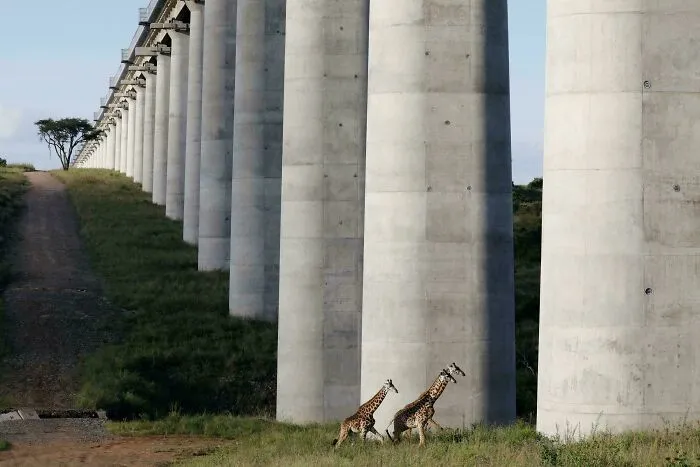
#13 Giraffes Cross Under A Bridge Of The Standard Gauge Railway (Sgr) Line, Inside The Nairobi National Park In Nairobi, Kenya


Studies highlight that in children, specific phobias can be short-term problems that disappear within a few months. However, in adults, about 80% of new phobias become chronic (long-term) conditions that do not go away without proper treatment.
They can harm a person’s physical and mental health, especially when frequent encounters trigger severe effects. Moreover, phobias often tend to worsen over time. This can restrict a person’s daily activities and choices, affecting their life altogether. That’s why professionals encourage treatment, which can include exposure therapy and/or cognitive behavioral therapy.

While we might be aware of this concept today, philosophers identified something similar and named it “the sublime.” Records show that philosopher Edmund Burke described “certain experiences which supply a kind of thrill or shudder of perverse pleasure, mixing fear and delight.”
He focused the conversation about the sublime toward experiences caused by nature’s larger-than-life size or mystery. He claimed that these experiences aren’t just beautiful, but also terrifying because of their sheer scale or unknowable nature.
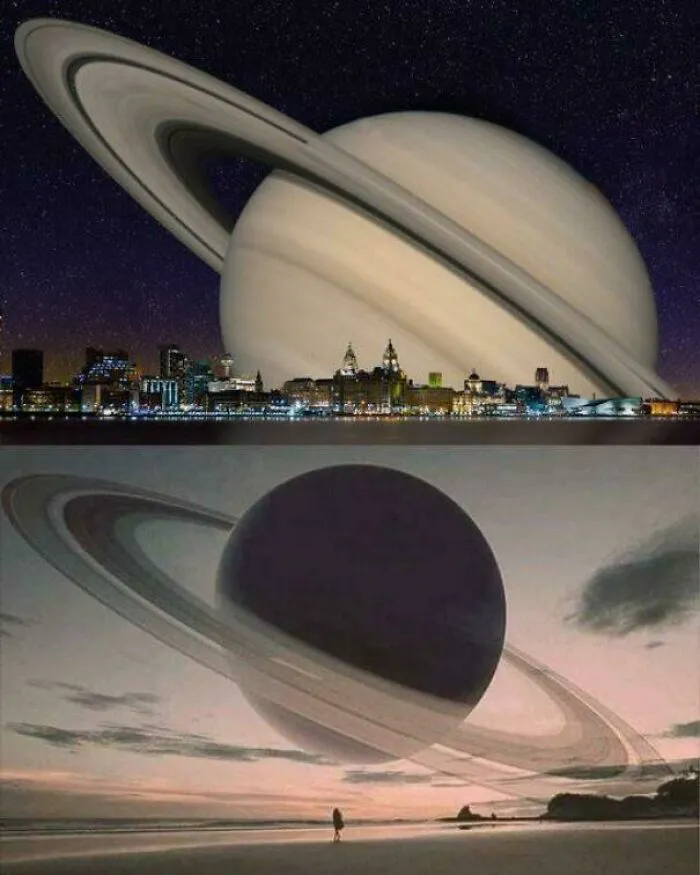
#19 If Saturn Were As Close To Earth As The Moon, This Is What It Would Look Like