




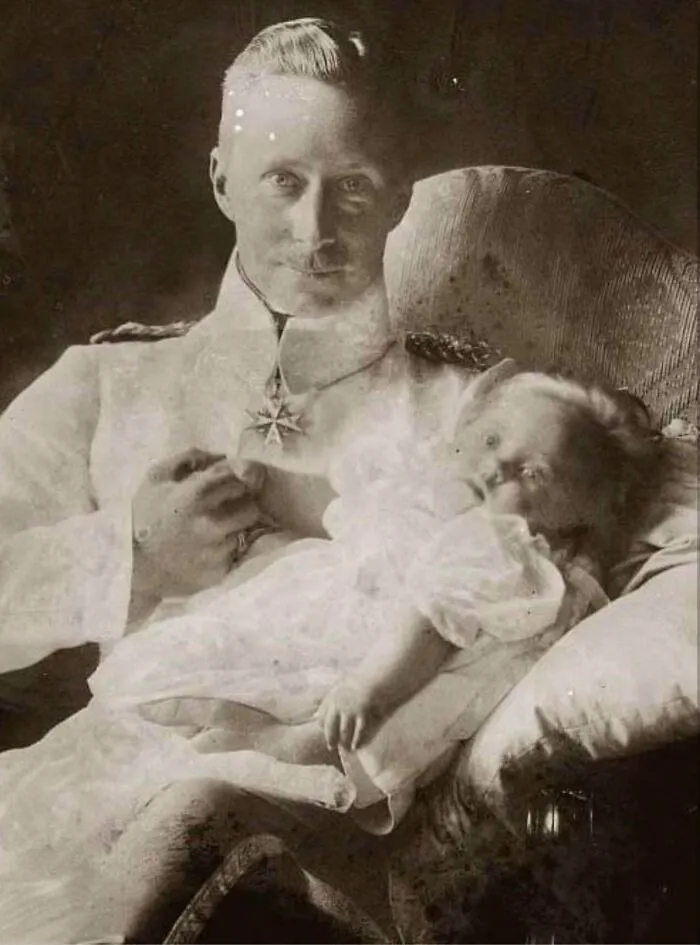
#2 Princess Alexandrine Irene Of Prussia (1915 – 1980) The Oldest Daughter And Fifth Child Of Wilhelm, German Crown Prince, And Cecilie Of Mecklenburg-Schwerin. She Was Born With Down Syndrome But Adored And Never Hidden By Her Family
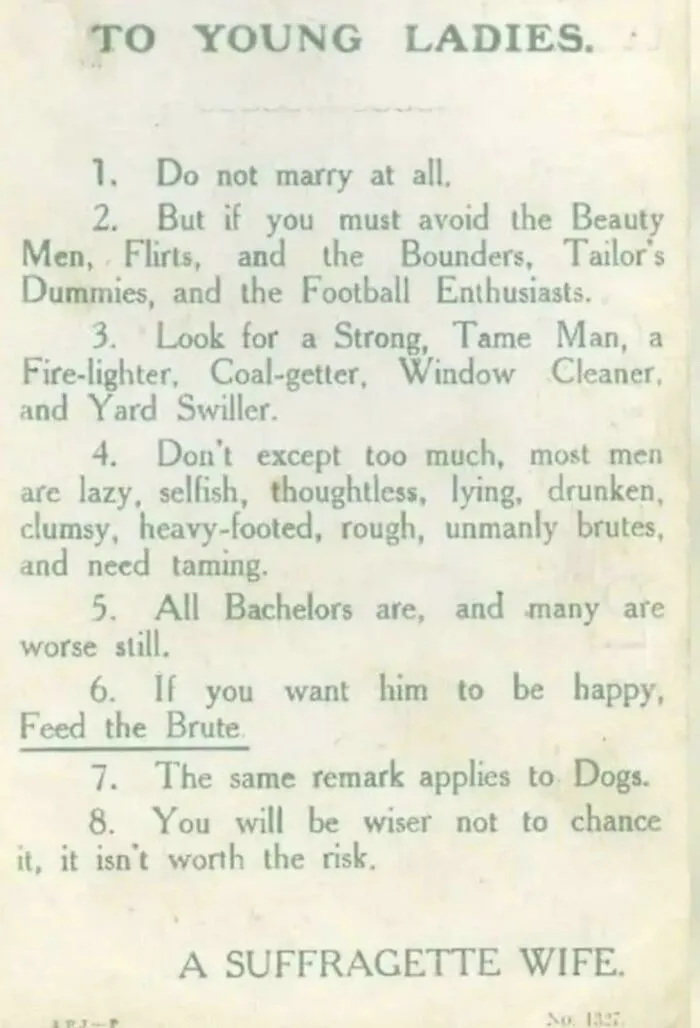
When you really think about it, what is history to you, Pandas? Is it just a bunch of dates and events that happened in the past when you weren’t even alive? Or do you look at history through a more personal lens: the sum of all the people who came before — their stories, photographs, and personal connection to you?
Some people may claim that there is no use in learning history — there’s no practical application to what you learn. Yet, historians would beg to differ. And so would many people in general, at least according to this poll by the American Historical Association and Farleigh Dickinson University. 84% of respondentss in the national survey said history is just as valuable as other fields of study.
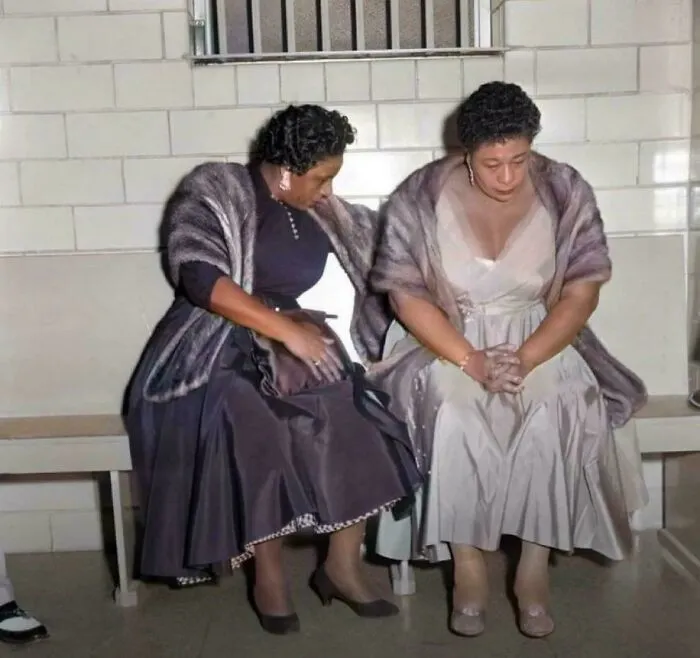
#5 Ella Fitzgerald Sitting In A Houston Jail Cell After She Was Arrested For Singing To An Integrated Audience, 1955
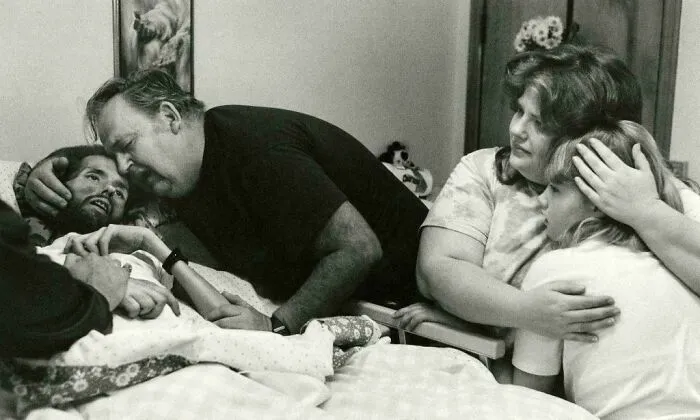
#6 In November 1990, Life Magazine Published A Photo Of David Kirby Being Comforted By His Father. The Photo Is Considered To Have Changed The Face Of AIDS
If you were to ask a historian what history really is, they would probably say it’s a field that offers explanations about the past. However, the public has a different view: two-thirds of the respondents in the study saw it as a mix of dates, names, and events. Americans seem more interested in the “what” of history and less in the “why,” especially as they focus on what they were not taught in the classroom.
The sources that people get their history from nowadays are also somewhat surprising. Instead of standard sources like museums, history books, and higher education institutions, many people get their history from video formats — documentaries, fictional movies, and news on TV.
But we shouldn’t sell people short: many view these sources critically, as films and TV shows ranked lowest in trustworthiness despite being the most popular sources.
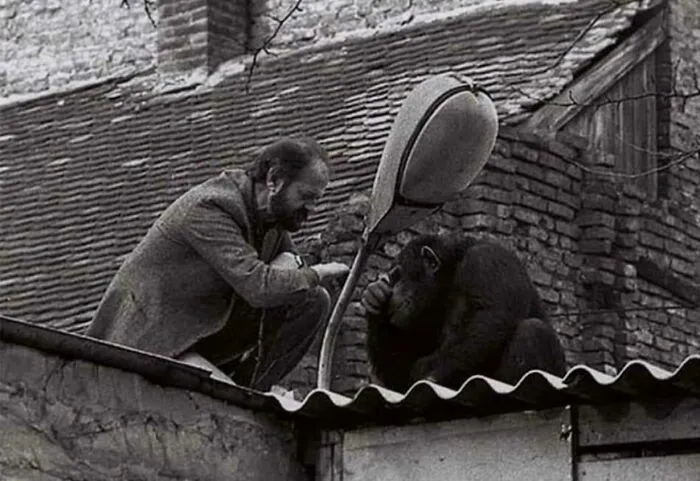
#8 Negotiations Between The Zoo Director And Escaped Chimpanzee. Belgrade, 1988
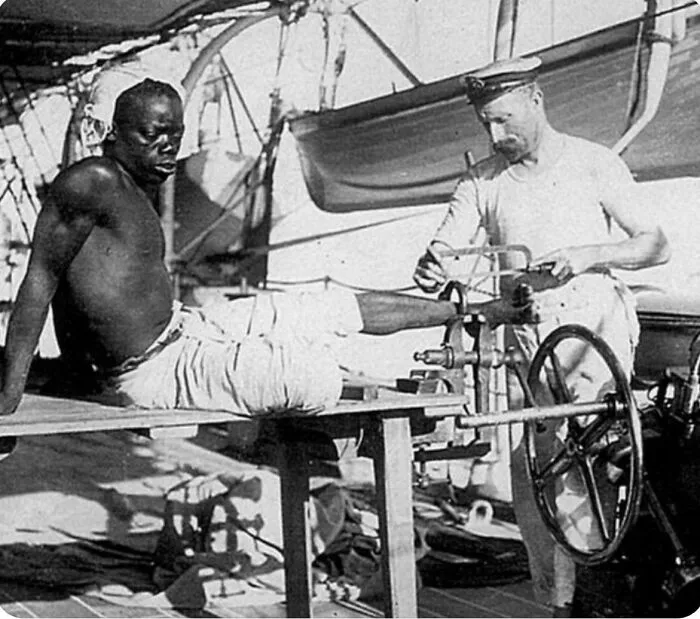
#9 A British Blacksmith On Hms Sphinx Removing The Leg Irons, 1907
Americans are also quite skeptical about how their children are taught history at school. According to a 2025 national survey from the Driving Force Institute for Public Engagement (DFI), only 15% of U.S. adults agree that public schools are doing “an excellent job” of teaching U.S. history, and 43% think they’re doing a bad job.
DFI President and CEO Patrick Richards called this a crisis point. He explained that learning history is vital to a nation's economy and civil society, and people’s attitudes toward teaching American history in public schools signal a worrying trend. “We are seeing that history is viewed as uninteresting, irrelevant, and poorly taught,” he said.
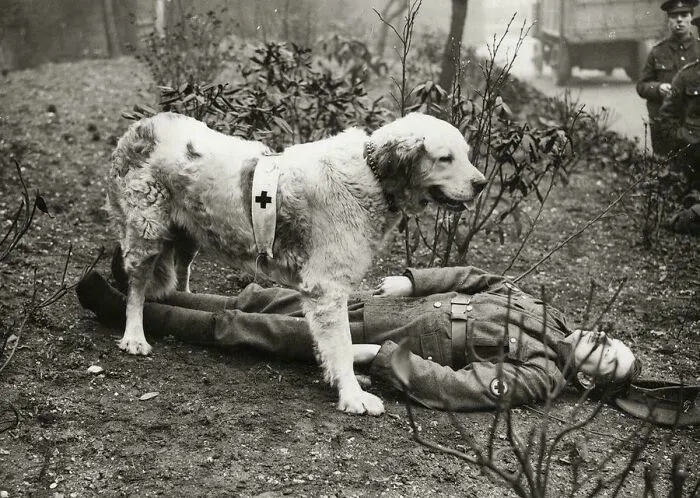
#10 One Of 16 Million "Mercy Dogs" Training To Recover Injured Soldiers,1917
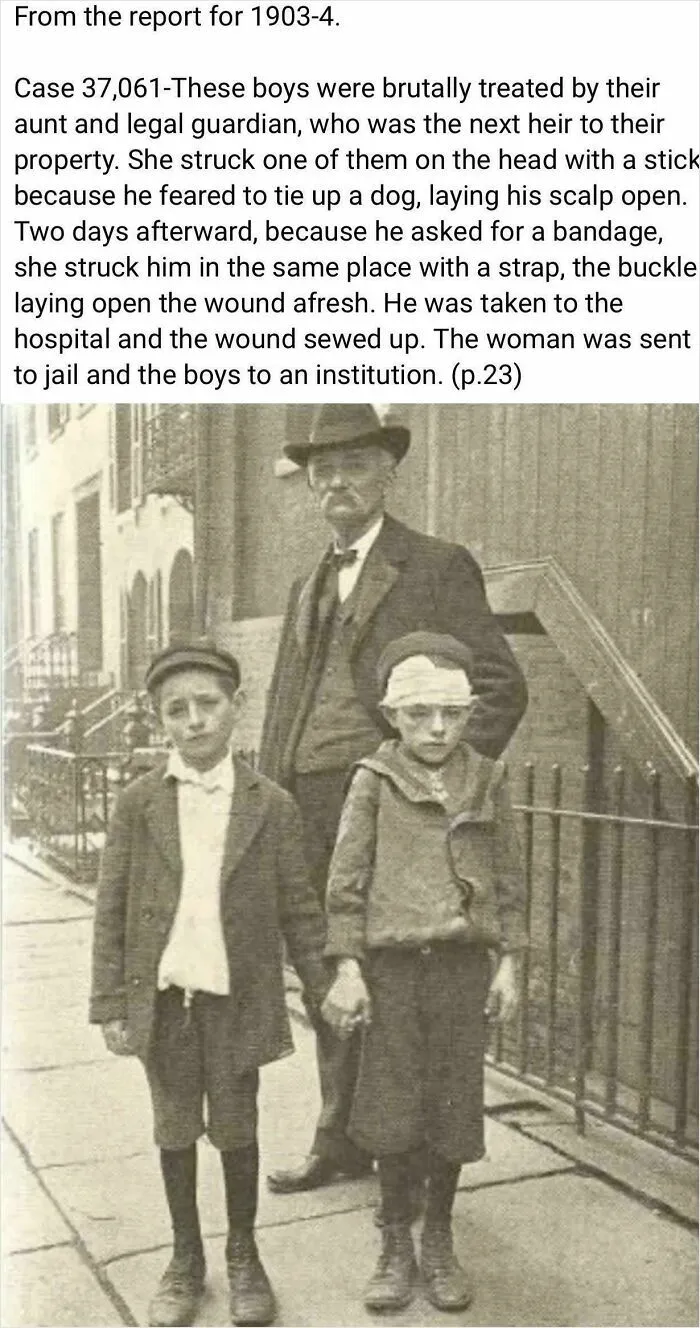
#11 Case Report Of Brooklyn Society For The Prevention Of Cruelty To Children 1903-04
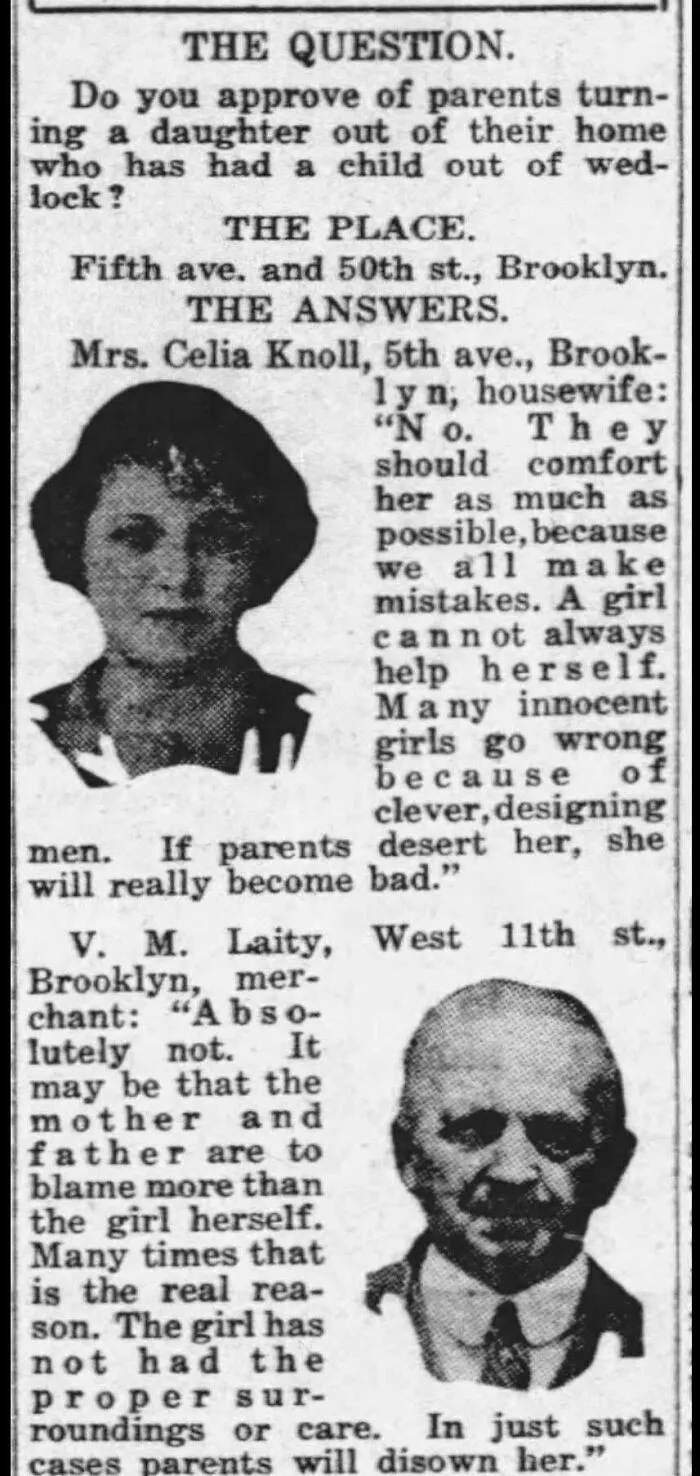
#12 The Inquiring Photographer Asks: Do You Approve Of Parents Turning A Daughter Out Of Their Home Who Has Had A Child Out Of Wedlock? June 1925
Professor Peter N. Stearns of George Mason University has said that learning history is vital to the health of any society and nation. In his 1998 essay “Why Study History?” he posits two fundamental reasons:
- to better understand people and societies,
- and to better understand change and how our society came to be.
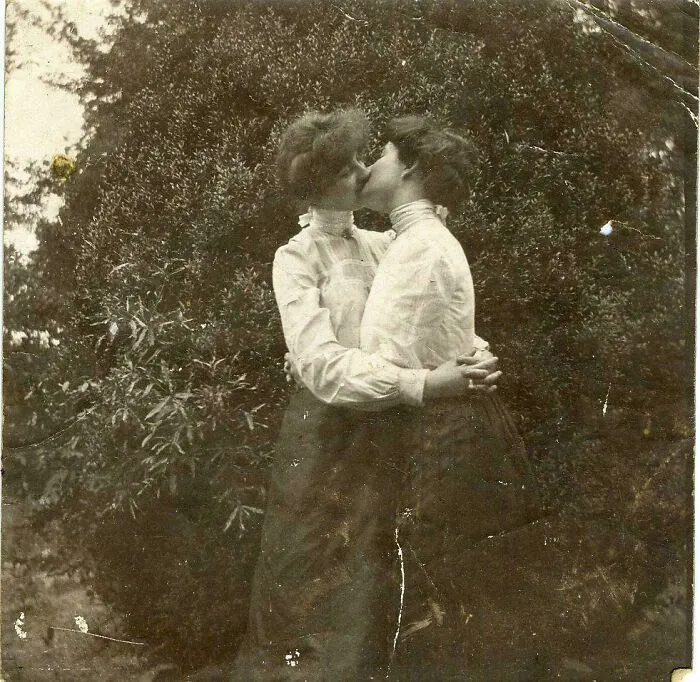
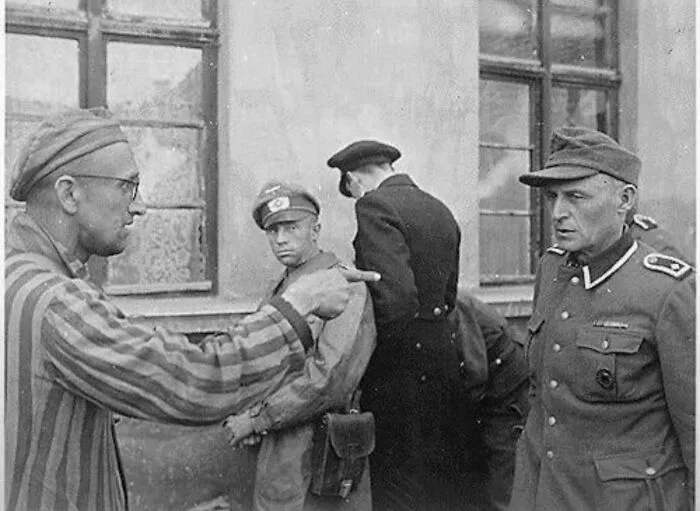
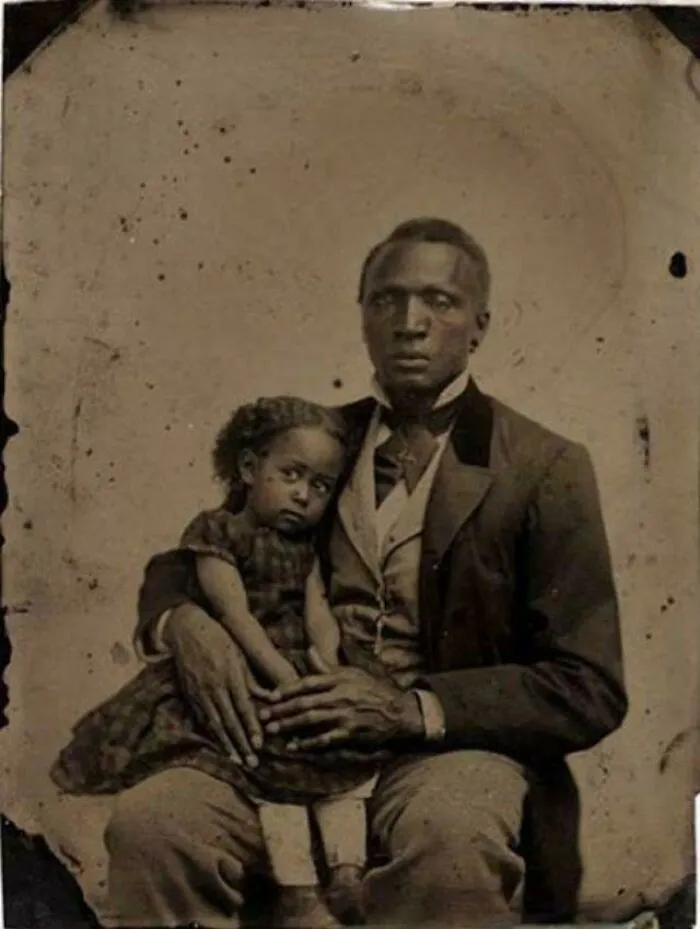
“A study of history is essential for good citizenship, both to one’s country and within a global community,” Stearns wrote. “History highlights the emergence of national institutions, problems, and values ... It offers evidence also about how America has interacted with other societies, and what that means for us today as citizens. Studying history also encourages habits of mind that are vital for responsible public behavior, whether as a national or community leader, an informed voter, a petitioner, or a simple observer.”
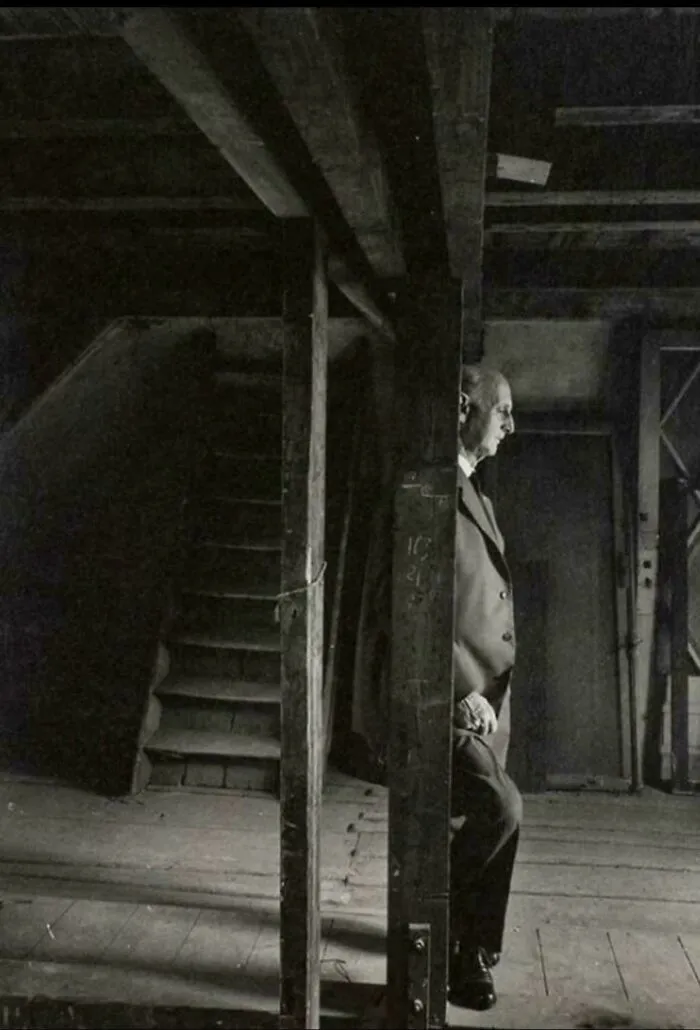
#17 Anne Frank's Father Otto, Revisiting The Attic Where They Hid. He Was The Only Surviving Family Member. 1960
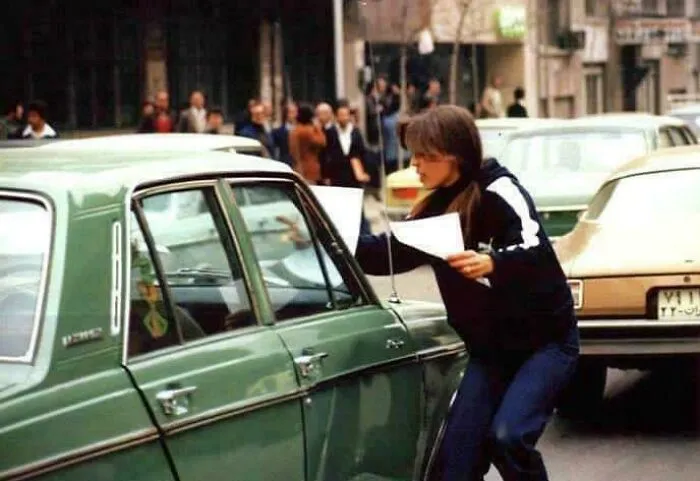
#18 Young Iranian Woman Handing Out Anti-Shah Regime Manifesto In Tehran, 1979
“Why study history? The answer is because we virtually must, to gain access to the laboratory of human experience,” was Stearns’ concluding thought. Why do you think we need to these types of photographs, Pandas, and reflect on what has happened in the past? Share your thoughts with us in the comments! And to see even more fascinating historical pics from “HistoryCord,” check out our previous publications here and here!
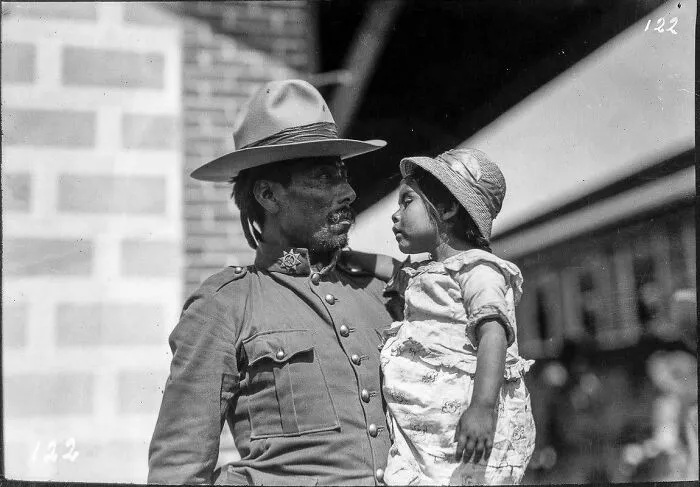
#19 Mexican Federal Soldier Says Goodbye To His Daughter At The Train Station Before Going To War, During The Mexican Revolution, 1915