

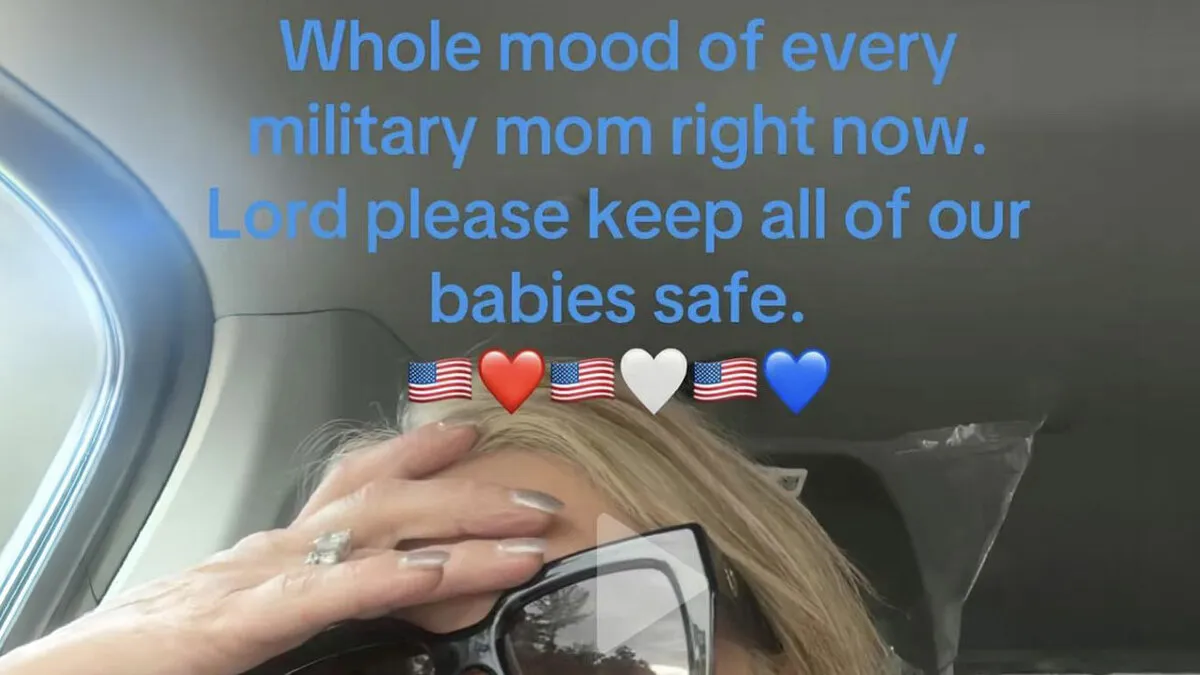



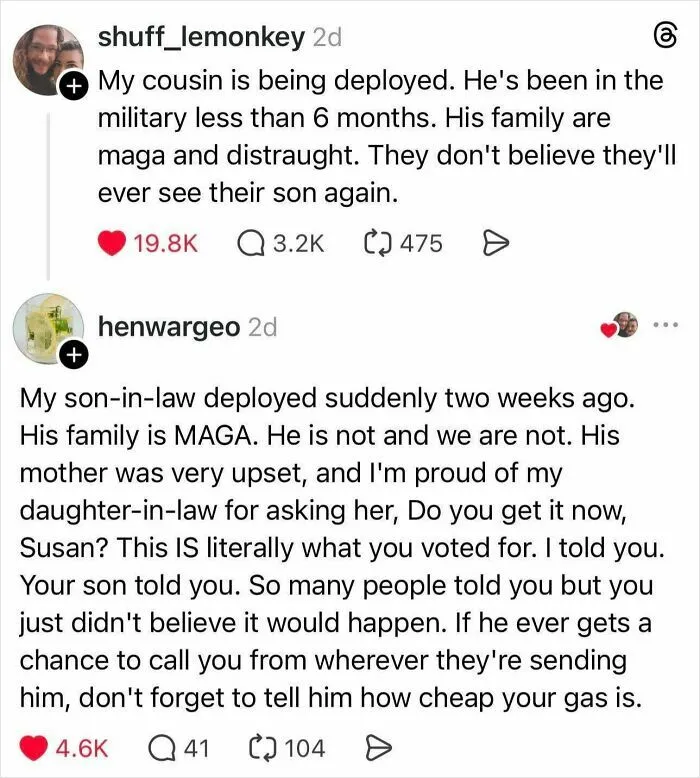
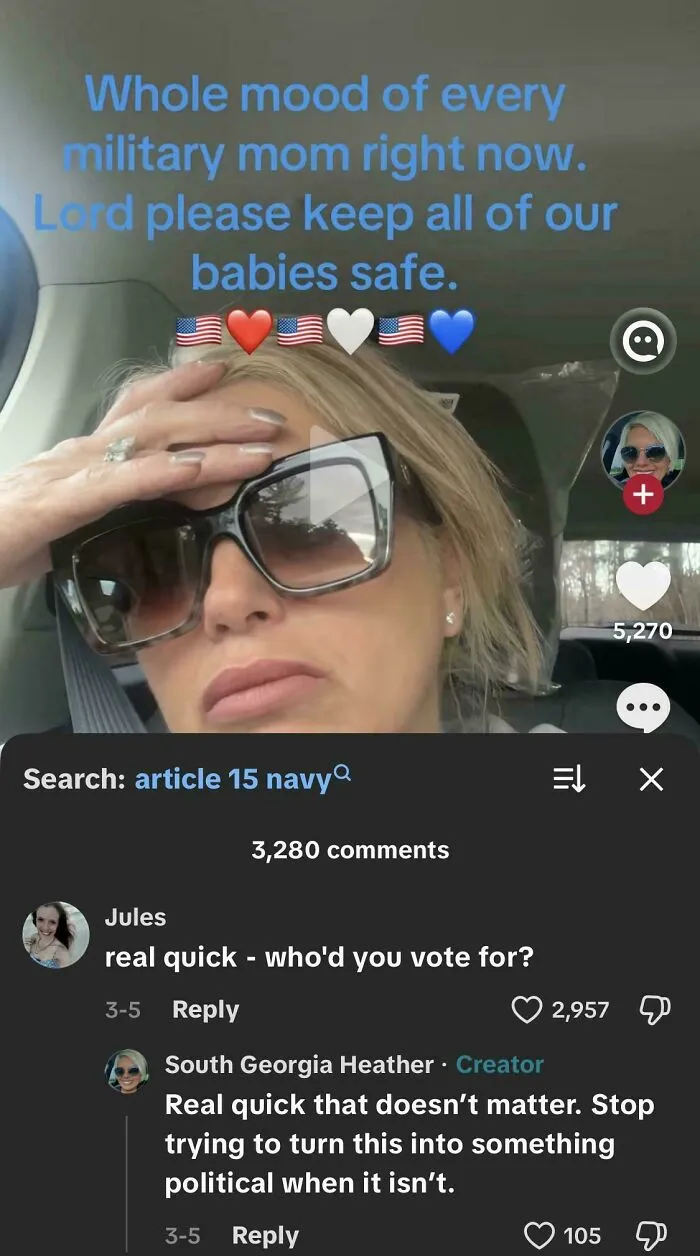
#3 Voting For Their Son To Potentially Die Because The Other Lady Had A Weird Laugh And Was Female
Everyone and the stray dog seems to have a hot take whenever election season arrives. Sometimes, their views make no sense at all. Someone who appeared to stand for something is now boldly talking about voting for a party that completely goes against their beliefs and values. It's a phenomenon as old as time, and something that experts have studied closely.
"Although voting against your beliefs seems illogical, political choices are driven by a complex interplay of incentives, feelings, and interpretations, and each person has a unique outlook and world experience," explains the team at Merrimack Valley Psychological Associates.
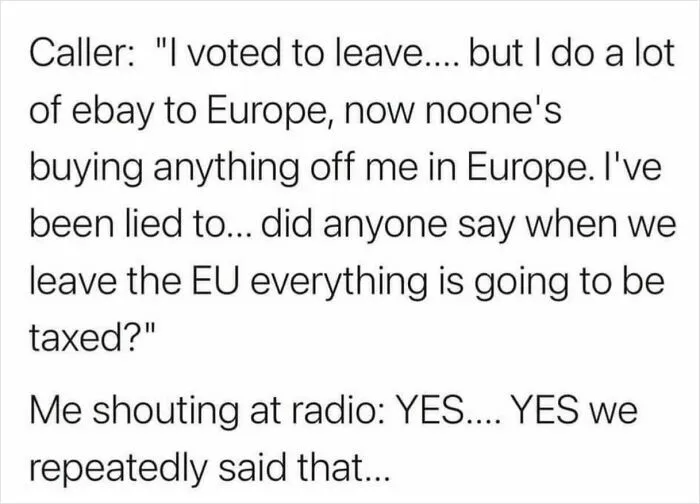
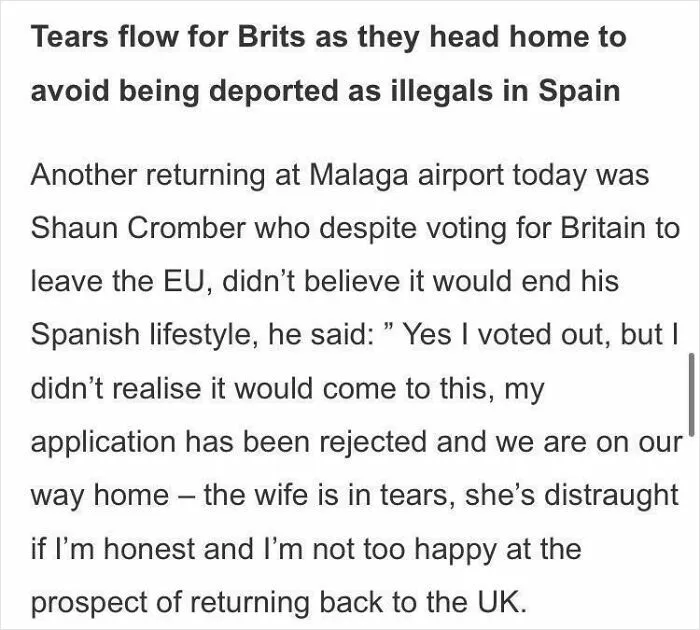
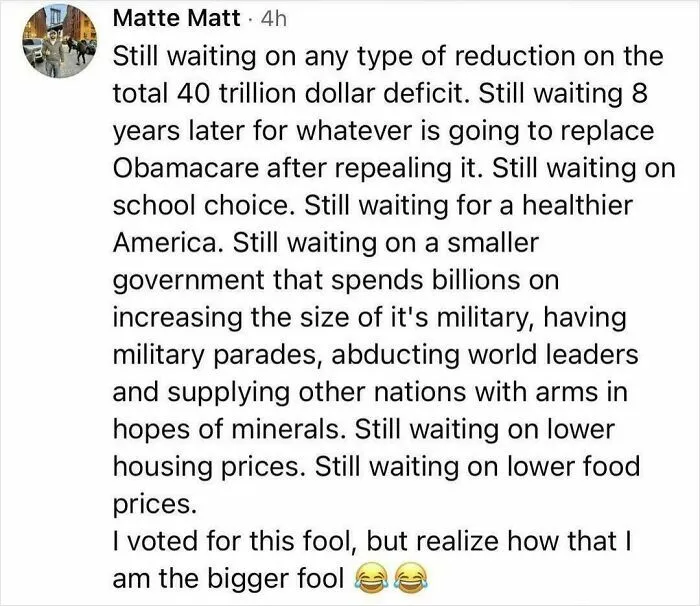
#5 I Never Thought That Voting To Leave Europe Would Mean That I Had To Leave Europe, Weeps Deluded Man
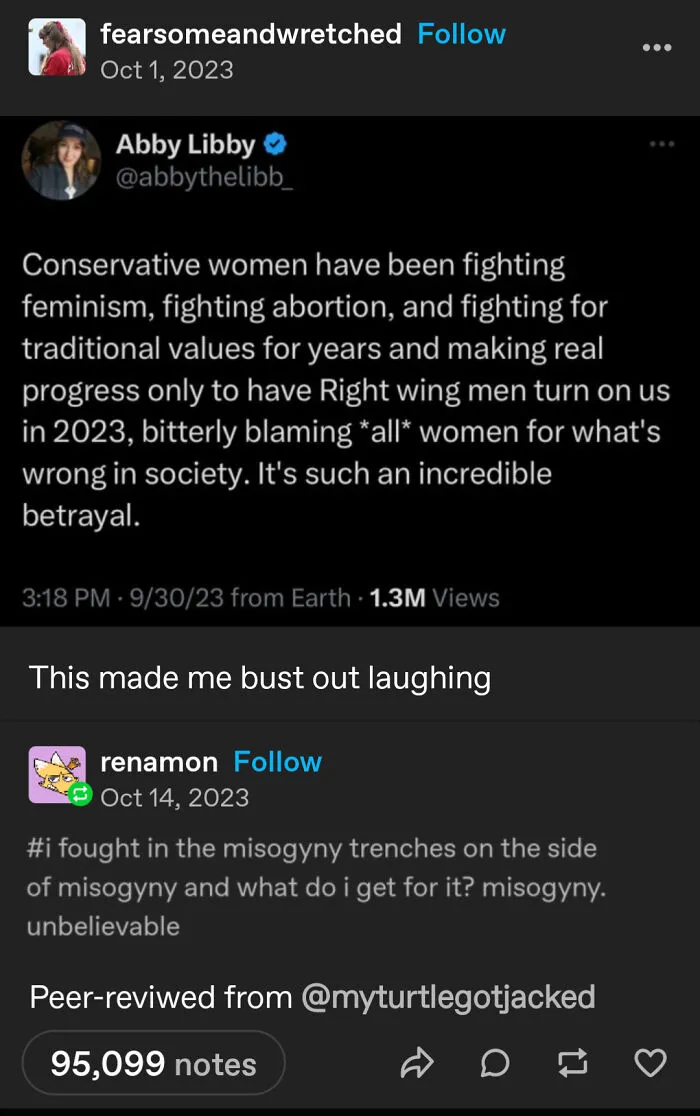
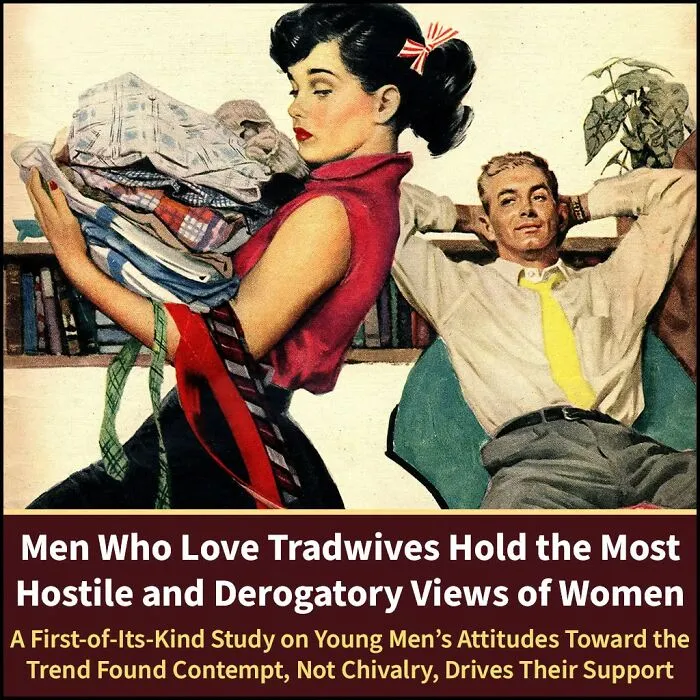
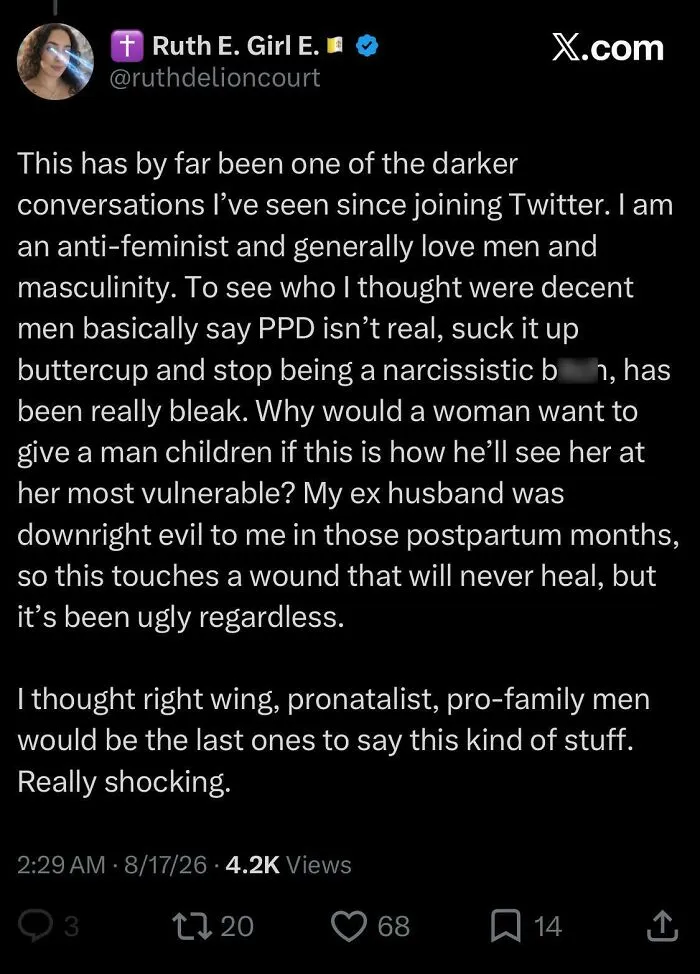
#6 Men With The Most Hostile And Derogatory Views Of Women Are The Most Enthusiastic Supporters Of The Tradwife Movement -- Not The Chivalrous Protectors The Movement's Social Media Aesthetic Would Have You Believe
The psychologists say that many Americans feel firmly aligned with either the Democratic or Republican party based on whether their views on socioeconomic issues lean more liberally or conservatively. Their chosen party becomes almost like family to them, and they see it as part of their identity.
"If a person’s favored party elects a representative who goes against either their ideals or the convictions of the party itself, they may still feel the impulse to vote for them to keep their preferred party in power," explain the experts. "They may even try to amend or ignore their own ideals to justify their choice."

Those who have been loyal to a particular political party for a while are likely to consume media that favors that party. This means that they'll probably not be exposed to much positive coverage of the opposition.
Then there's the issue of something called identity politics. "Voters often support candidates who represent their identities, including race, gender, sexual orientation, or socioeconomic status," Merrimack psychologists explain. "When political parties, campaigns or candidates embody or prioritize these identities, individuals may feel a stronger emotional connection to them."
They add that many voters, especially those who are currently marginalized or threatened by the opposing party, are motivated by policies that promise better living circumstances.
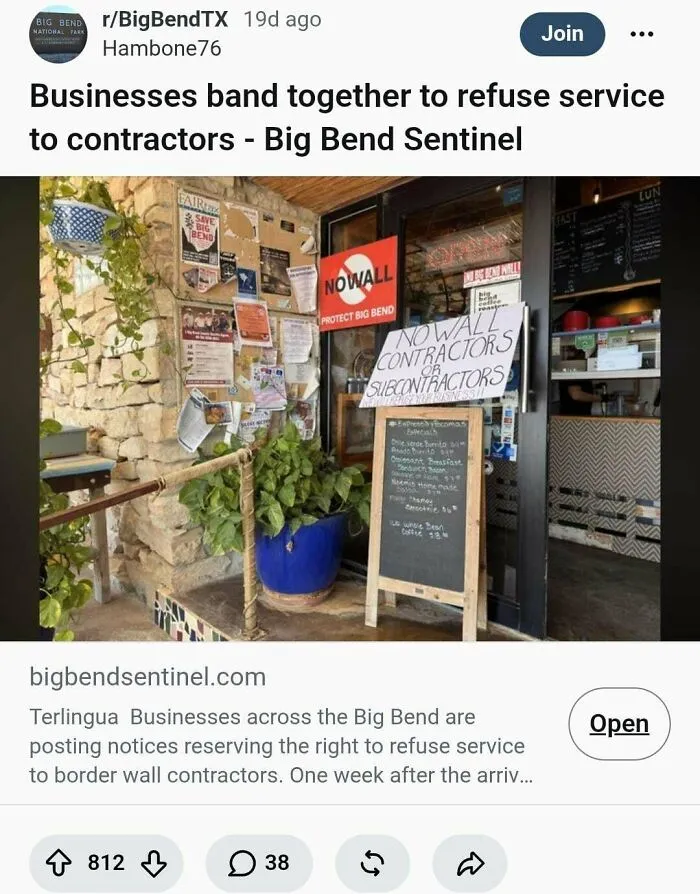
#10 Far-Right Texas Politicians Applauded A Supreme Court Ruling That Allows Private Businesses To Refuse Service To Others. But Now, Big Bend Businesses Are Refusing Service To Wall Contractors
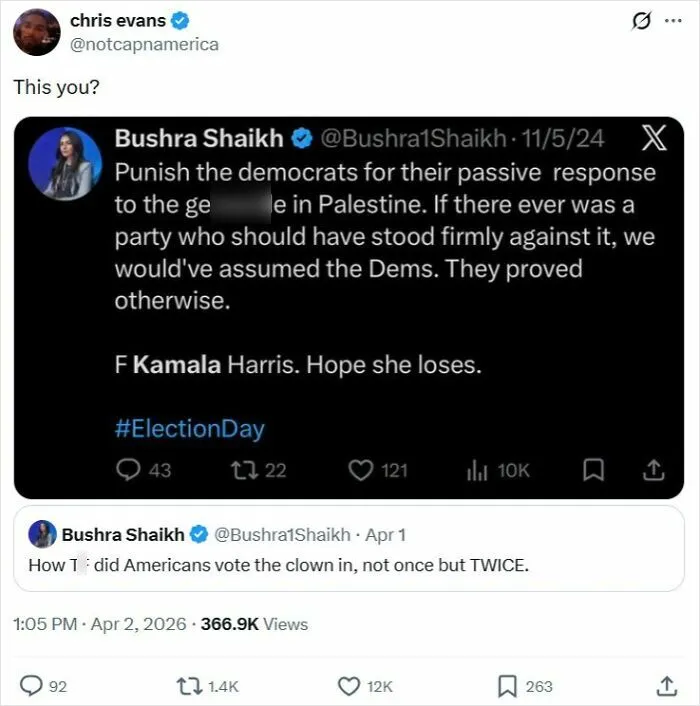
#11 She Wanted To Punish The Democrats, But Ended Up Being Punished Herself
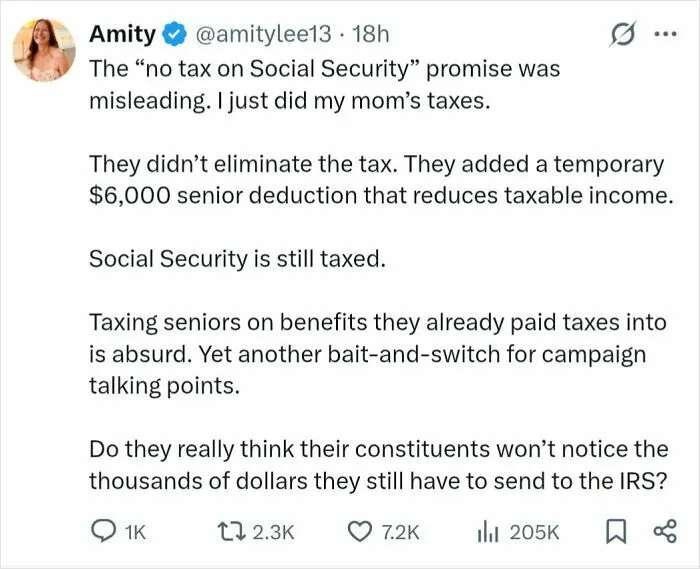
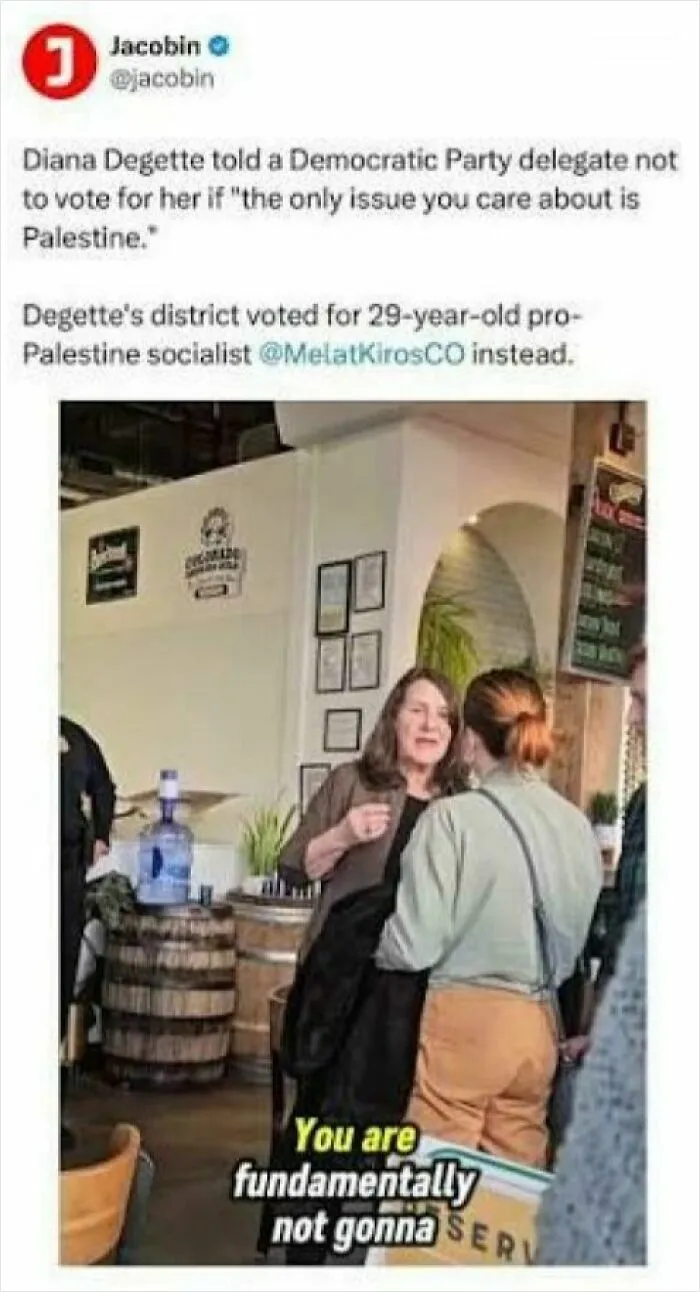
#12 29-Year Incumbent Congressman Uses Pro-Israel Stance To Alienate Voters, Gets Shellacked In The Primary
Award-winning columnist Sam Houston warns that treating party loyalty as more important than a candidate's character, competence, judgment and record can be a dangerous proposition.
"The first danger is party loyalty can cause voters to overlook serious flaws in individual candidates," he explains. "A voter may strongly identify with a particular party and therefore feel obligated to support whoever carries its label." Houston says that this can create a situation in which candidates are effectively given a "free pass."
In other words, their bad conduct may be dismissed or overlooked simply because they belong to the preferred party.
Houston adds that unconditional party support also reduces accountability.
"Politicians are more likely to behave responsibly when they know voters will judge them on their individual performance," says the commentator. "If elected officials believe party supporters will vote for them regardless of what they do, there is less incentive to listen to constituents, compromise when necessary or admit mistakes."
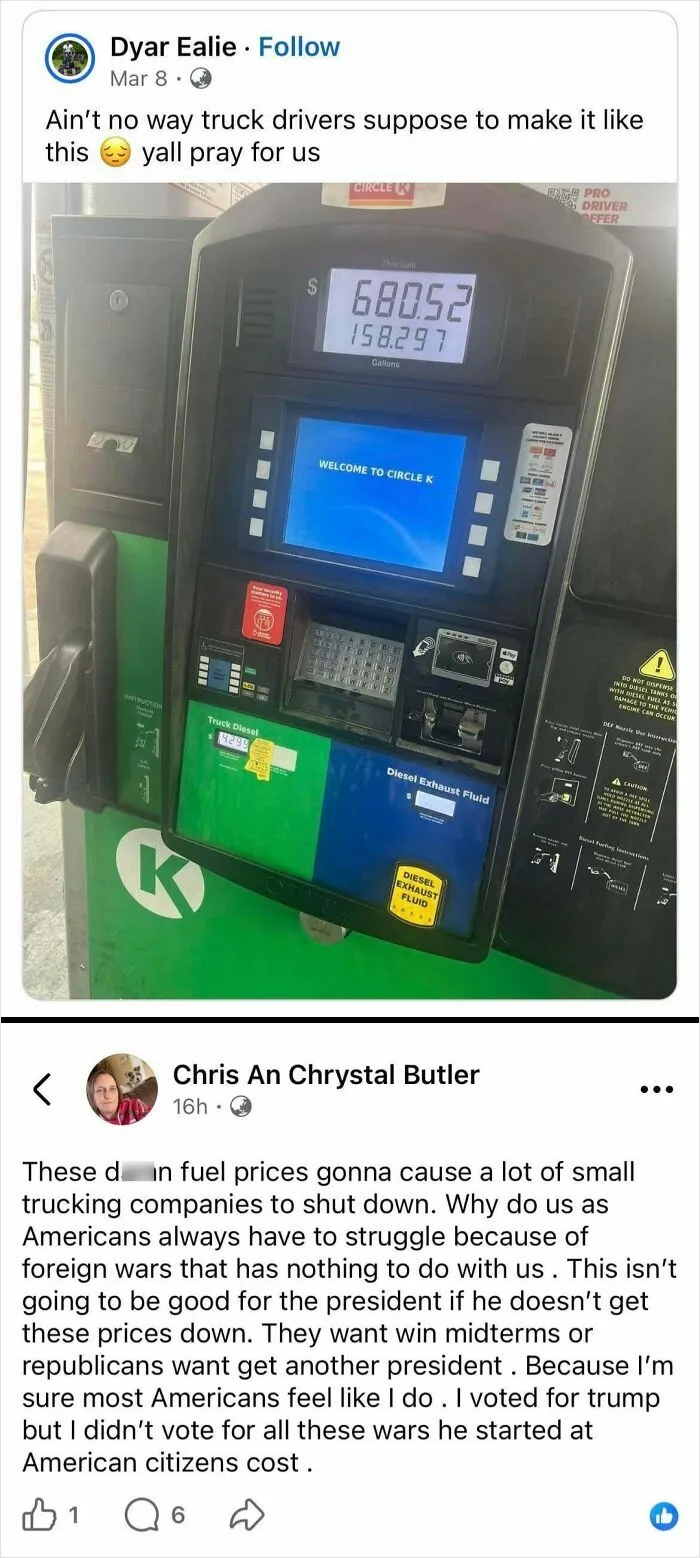
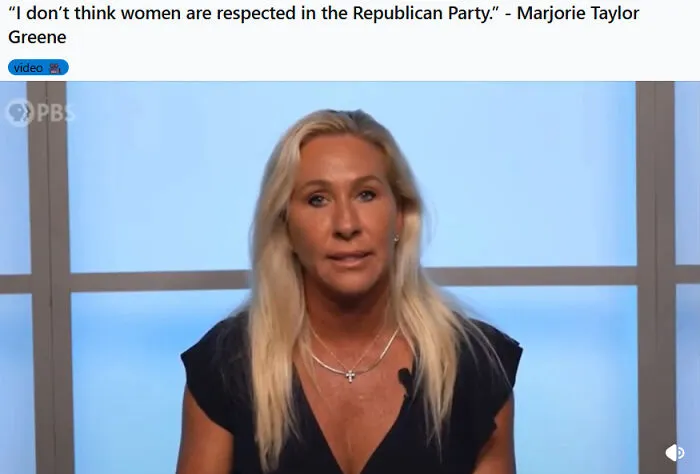
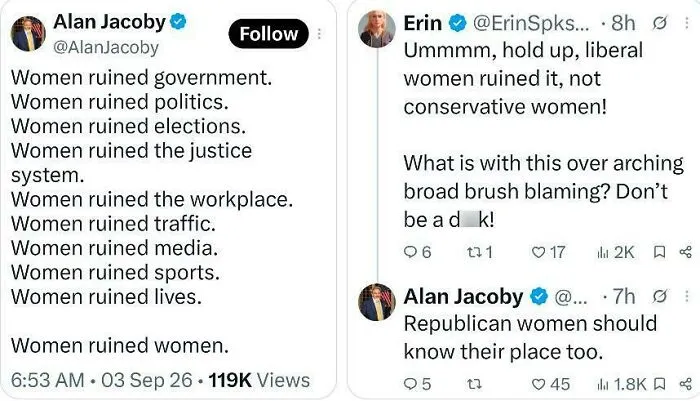
#17 When Right-Wing Women Find Out They Were Never Part Of The “Good Ones” Club 😆
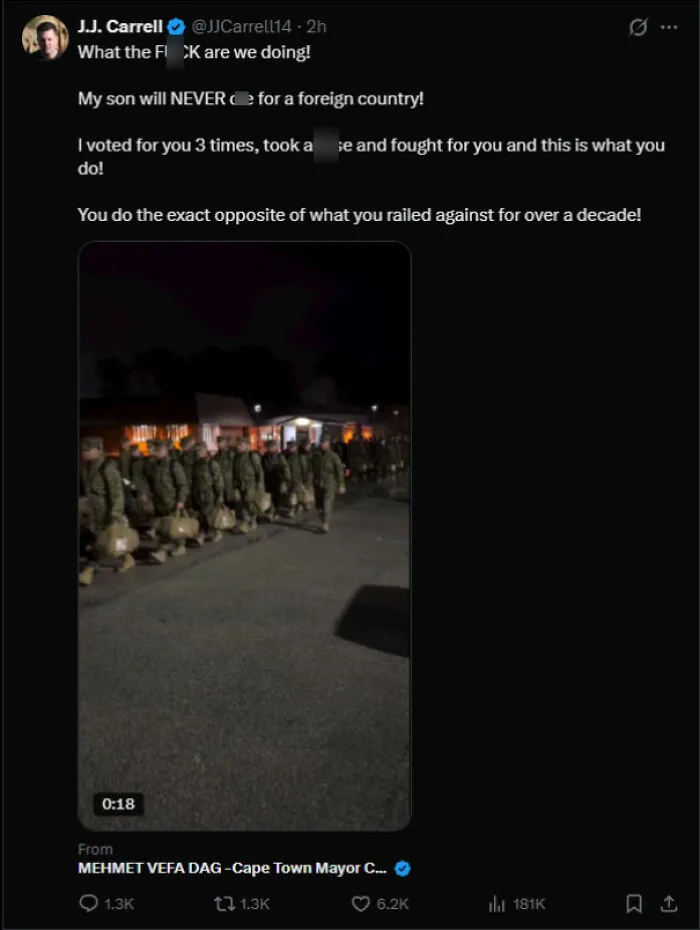
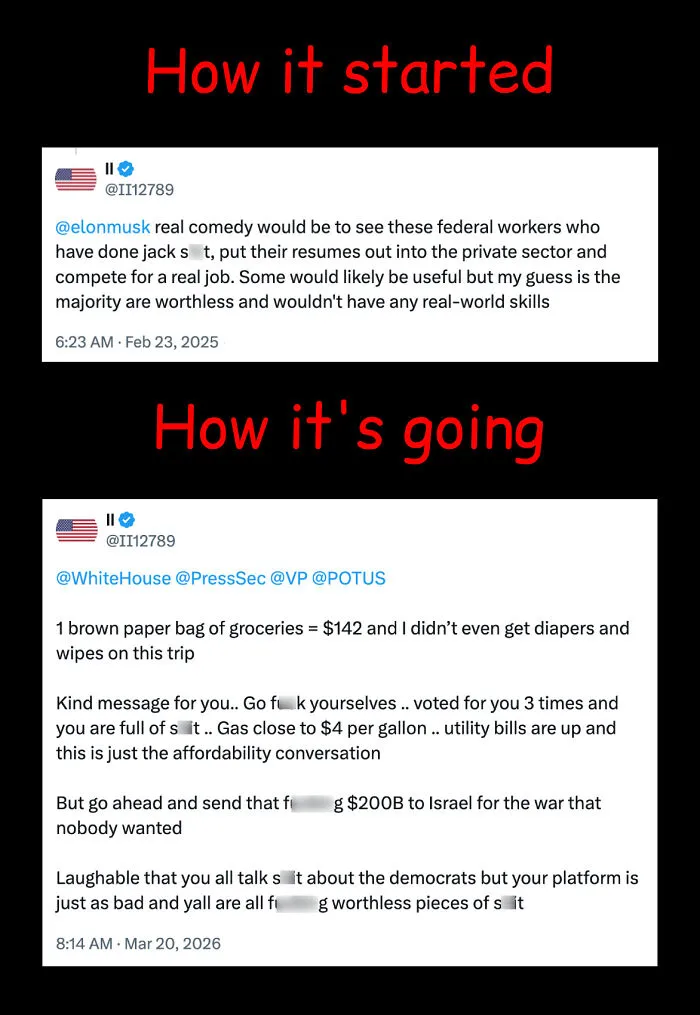
#18 Three-Time Voter Who Mocked Laid-Off Federal Workers Has Now Reached The ‘Find Out’ Phase Of FAFO
Houston believes that a responsible voter should always examine the individual candidate. And ask themselves: What is their record? Do they demonstrate honesty and sound judgment? Do they understand the responsibilities of the office? Are their promises realistic? How have they behaved when confronted with disagreement or difficult decisions?
"Most importantly," he says, "Would we trust this person with the authority of public office if their name appeared without a party label? Or with a different party label?"
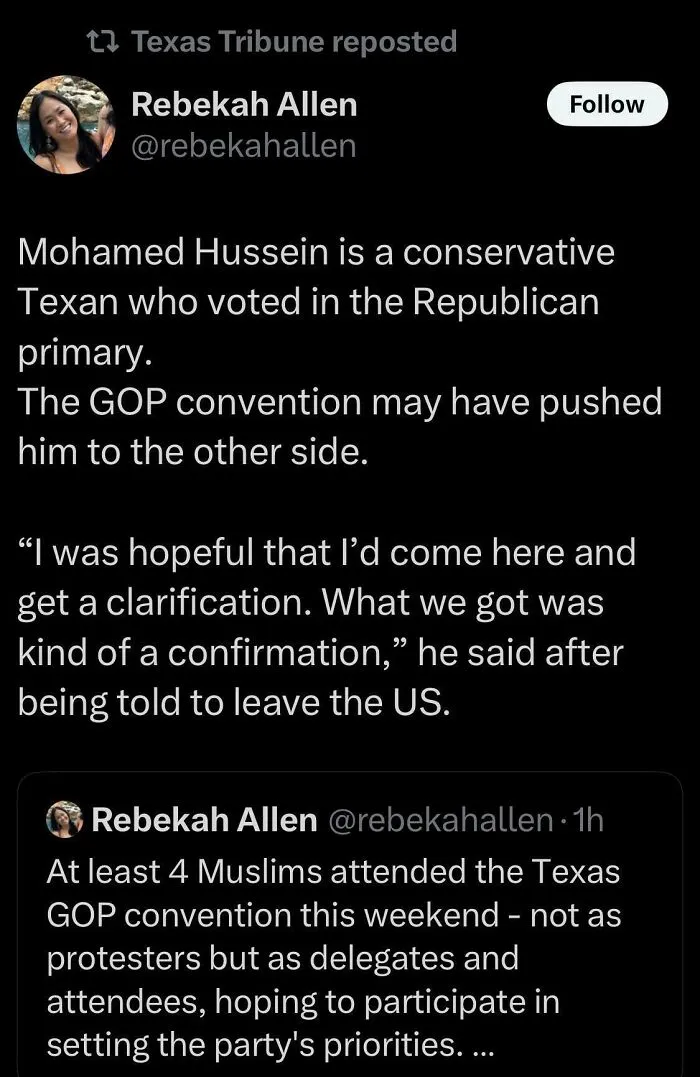
#19 4 Muslims Attended Texas Gop Convention. They Were Rejected And Told To Leave The Country. One Left In Tears