

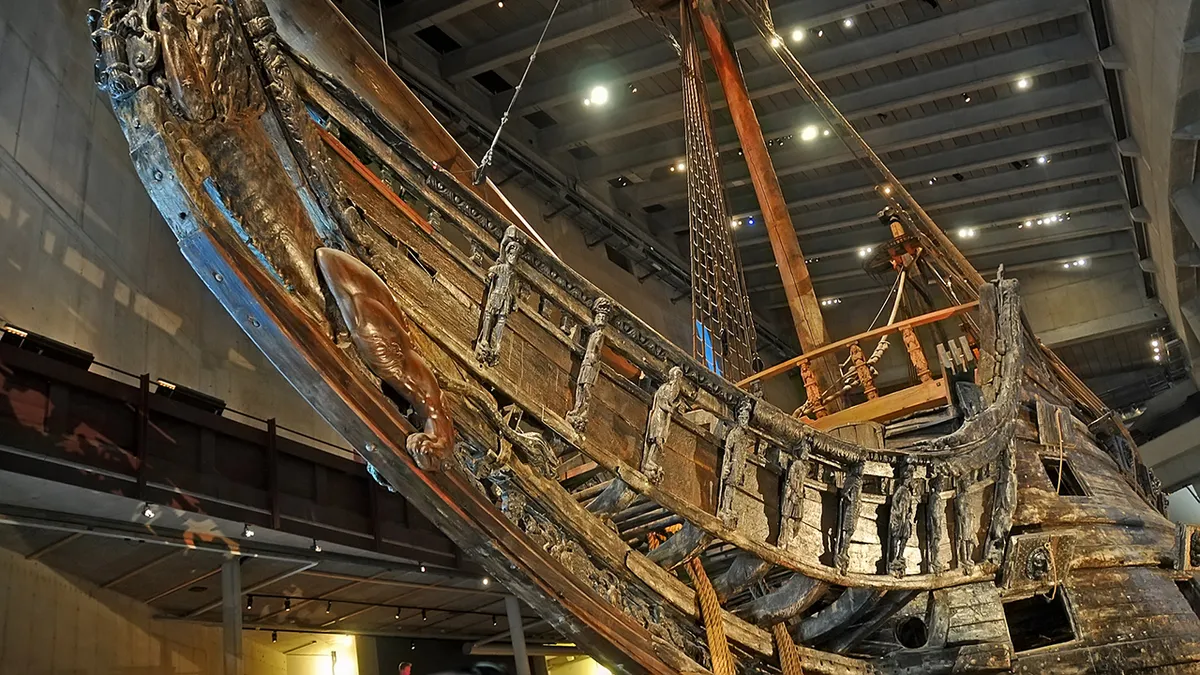


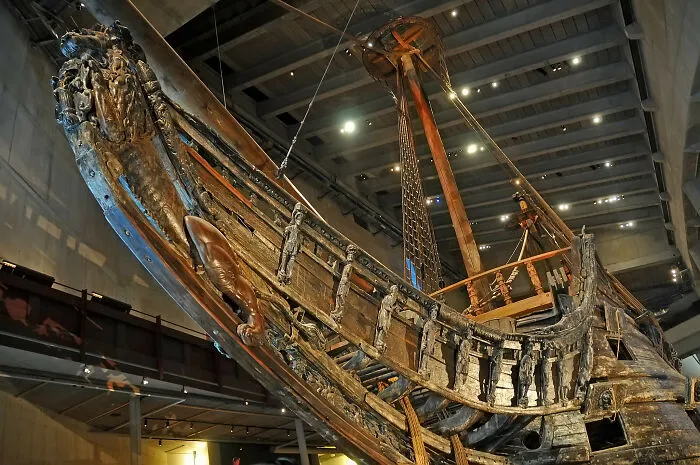
#1 The Vasa Oak Lion Figurehead
Line up the twenty figures in this feature and the range looks almost absurd. A $32 million institutional purchase sits alongside a bell whose museum owners insist has no price at all. Nearby is a $500 million court filing for coins that were never actually sold to anyone. That spread isn't a reporting inconsistency; it reflects the reality of how recovered maritime property is valued across several entirely different systems. Commercial auctions, court-ordered admiralty appraisals, insurance settlements, and objects that are legally inalienable rarely produce comparable figures, even when the artifacts themselves may be equally significant.
What determines which category an object falls into has surprisingly little to do with its age, rarity, or craftsmanship. It often has far more to do with jurisdiction, ownership law, and who had legal claim to the wreck. A Roman-era Greek bronze and a 1912 pocket watch can be separated by two thousand years yet end up in the same legal category—private property that can be openly sold. Meanwhile, two statues recovered on the same afternoon, just a few feet apart, can be permanently classified as national patrimony and removed from the market altogether simply because they were found in Italian rather than international waters. Provenance, in other words, can do more to determine an object's value than its material worth ever could.
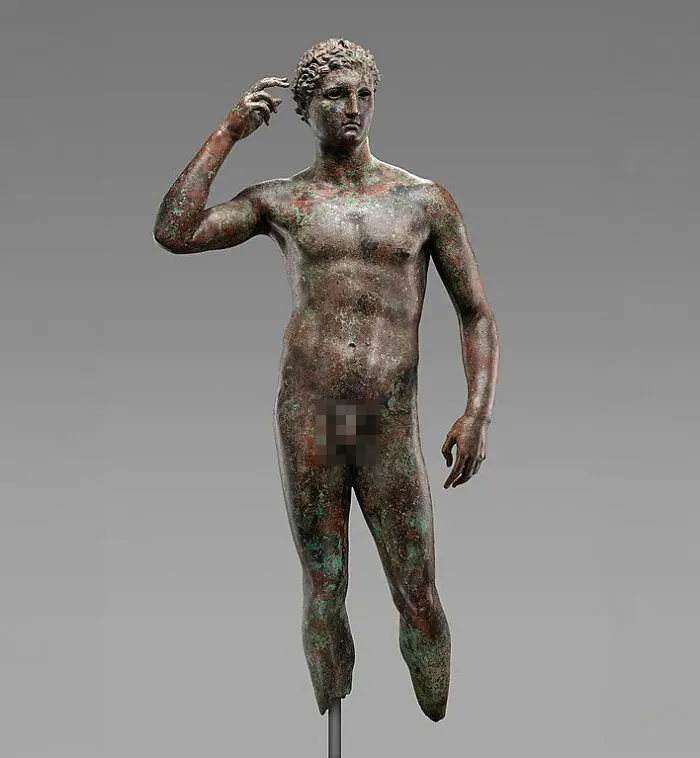
#2 Victorious Youth (“The Getty Bronze”)
#3 The Girona Salamander Pendant
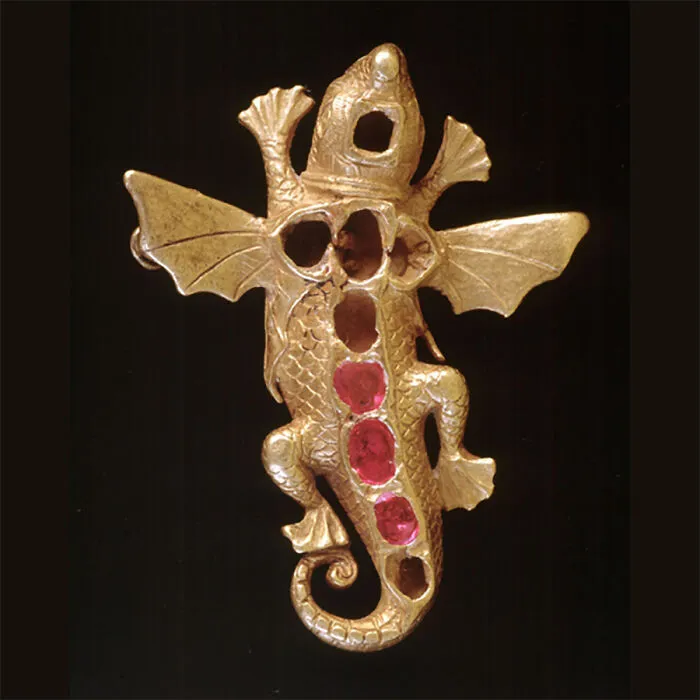
The objects that carry no price—the Antikythera Mechanism, the Riace Bronzes, the Girona jewelry, or the Whydah bell held as evidence rather than treasure—aren't necessarily undervalued compared with the watches that have fetched millions at auction. They are simply governed by a different idea of what a recovered object is for. A watch that sold for £1.78 million can, in principle, be resold. A bronze statue classified as inalienable state patrimony cannot, by definition, enter that market again. The distinction isn't about one object being worth more than another; it's about whether the law allows that worth to be expressed in money at all. In both cases, valuation ultimately becomes a decision about what society believes a recovered piece of history is worth—and who, if anyone, has the right to put a price on it.
#4 The Riace Bronzes: Statua A
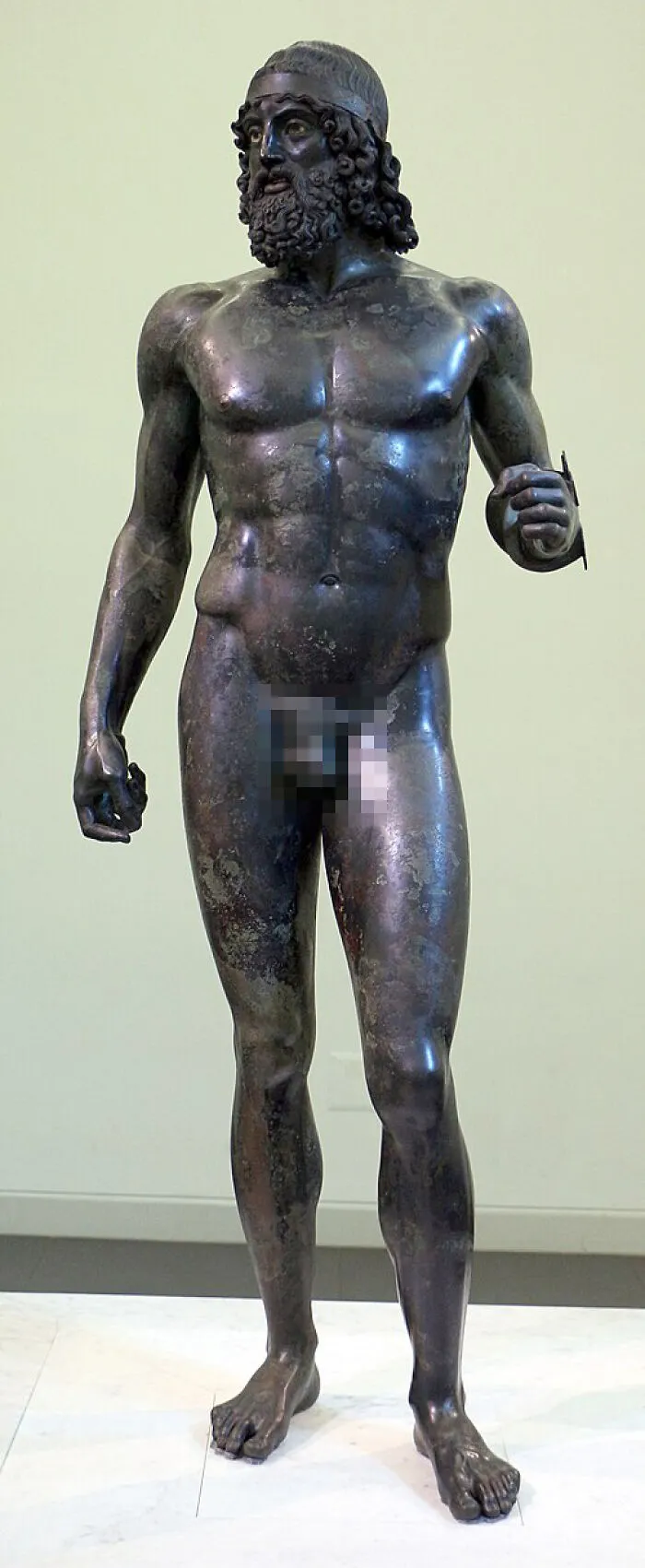
#5 The Riace Bronzes: Statua B
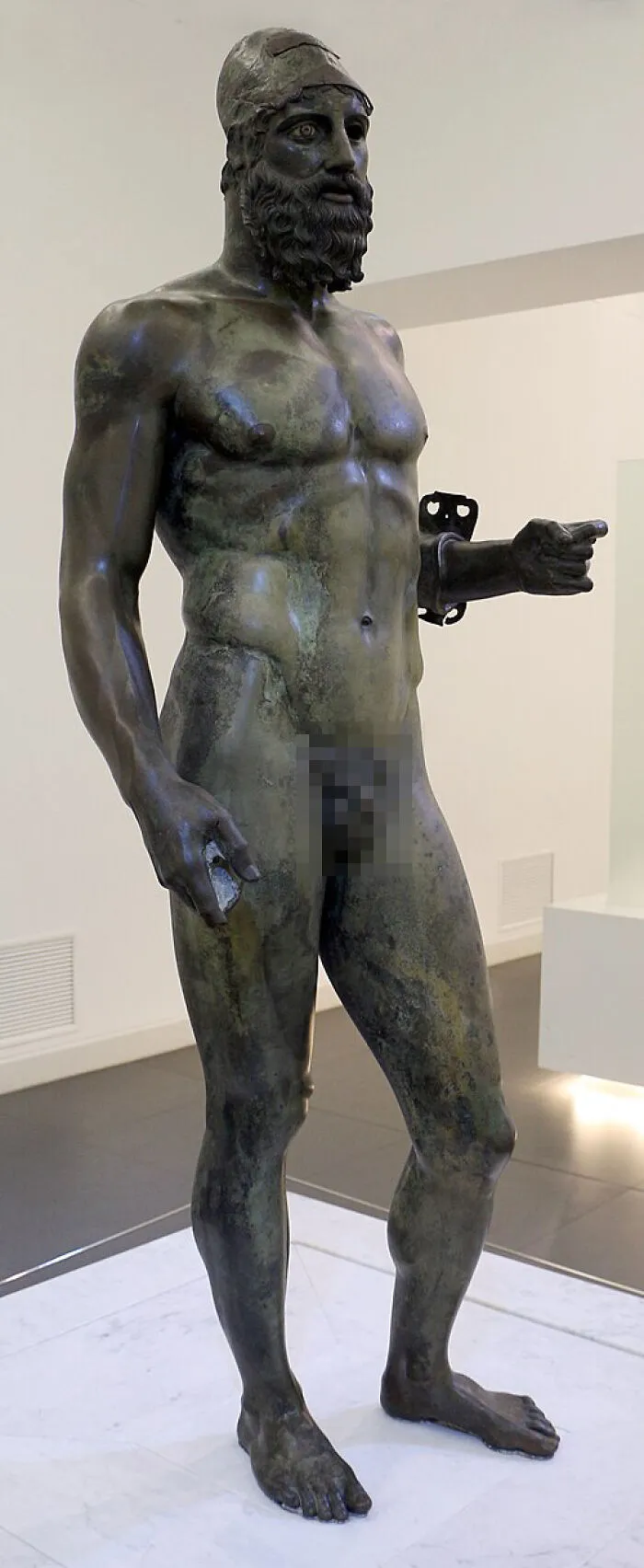
#6 The Antikythera Ephebe

#7 The Marathon Youth
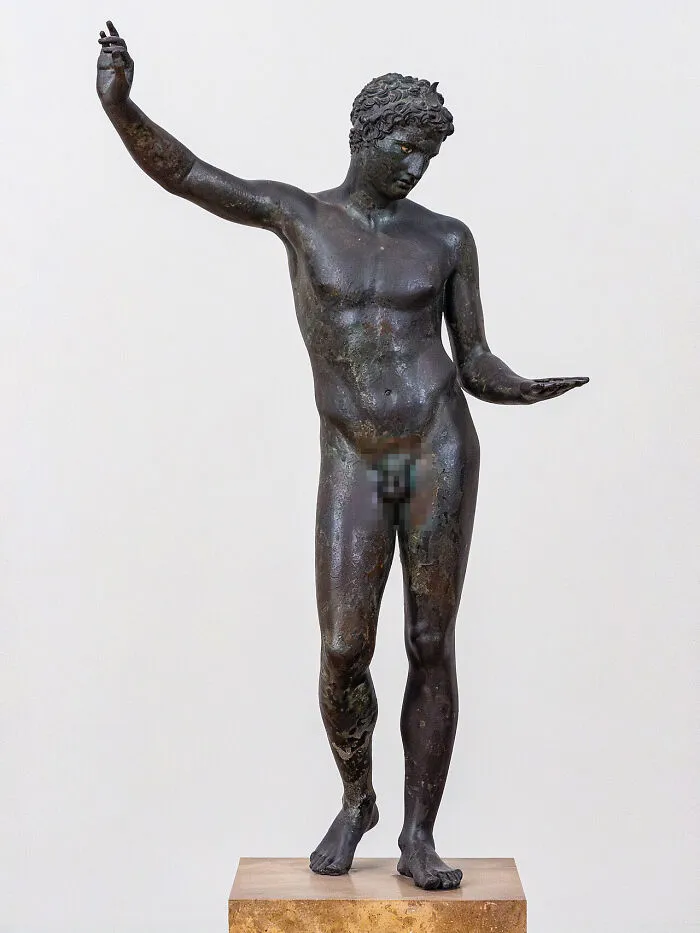
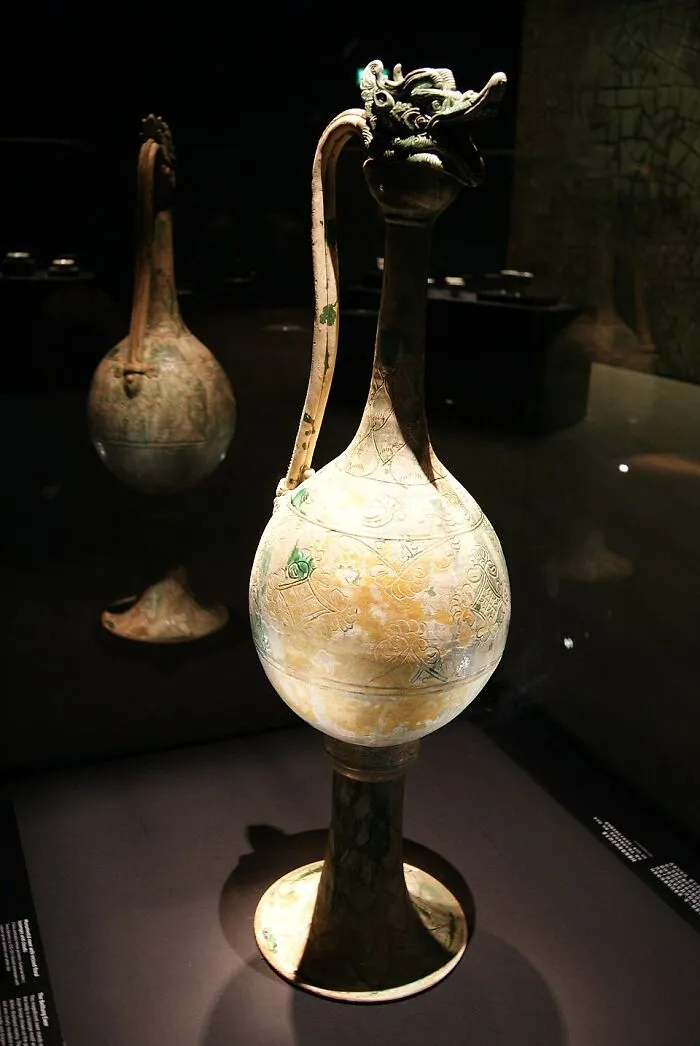
#8 The Belitung Monumental Splashed Ewer
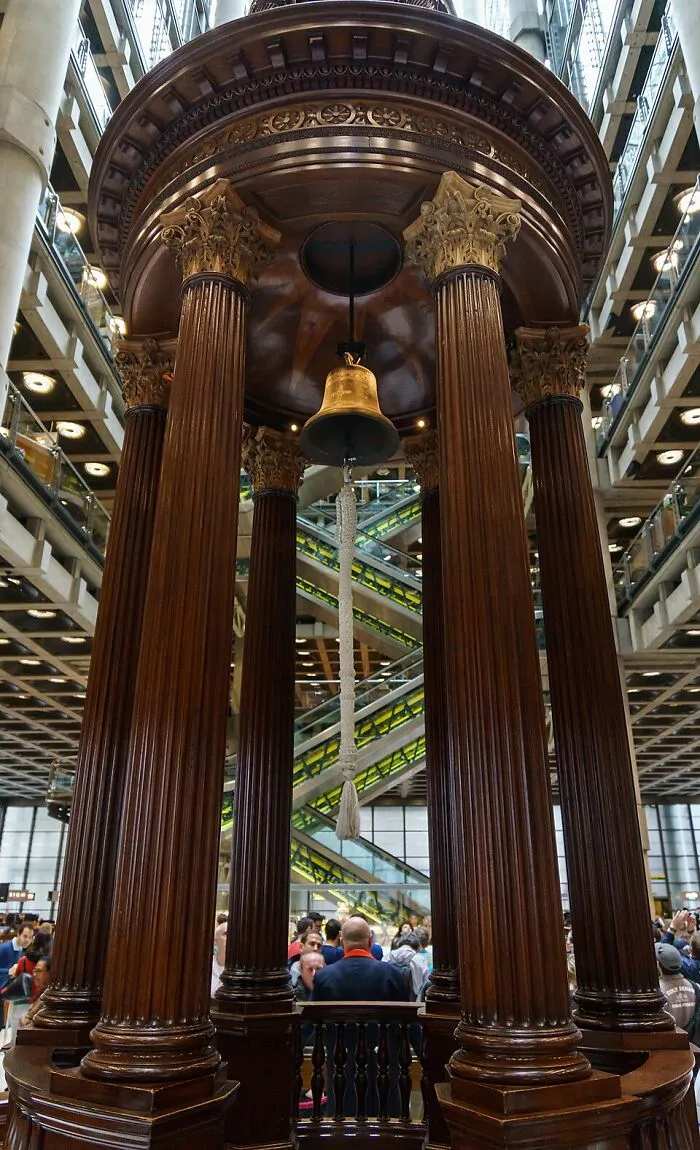
#9 The Lutine Bell
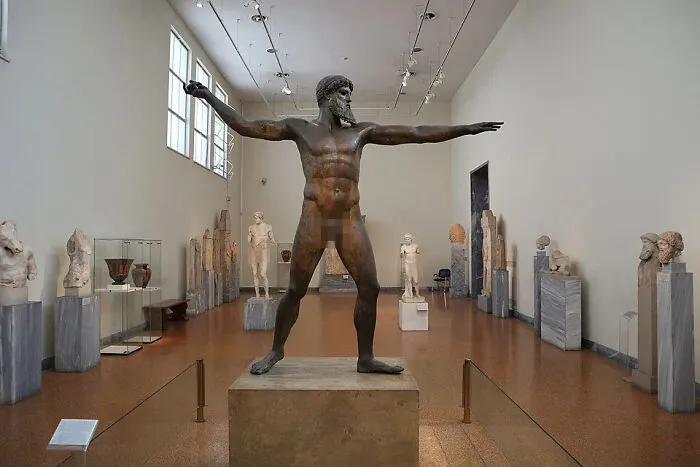
#10 The Artemision Bronze
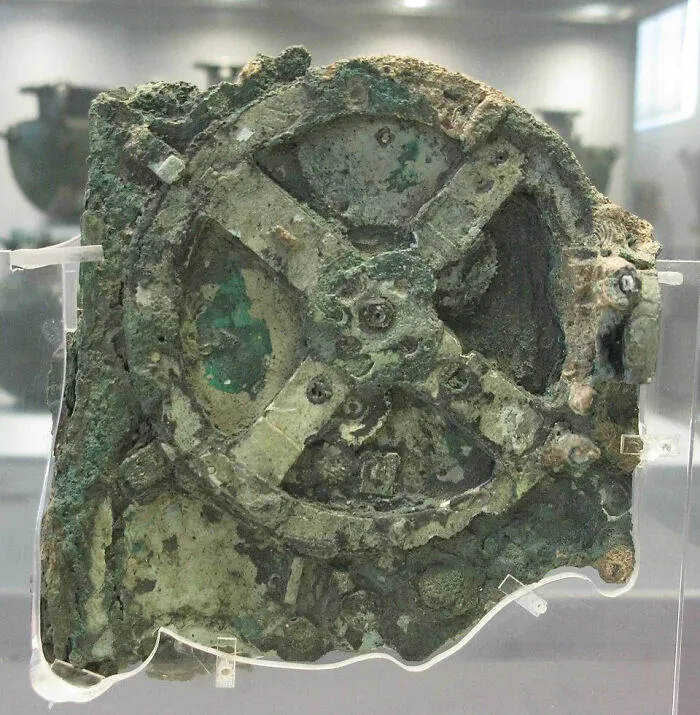
#11 The Antikythera Mechanism
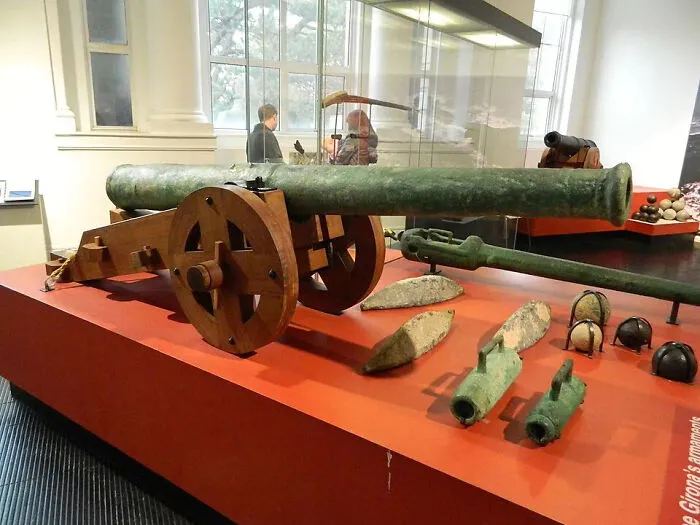
#12 A Girona Bronze Saker Cannon
#13 Isidor Straus’s Gold Pocket Watch
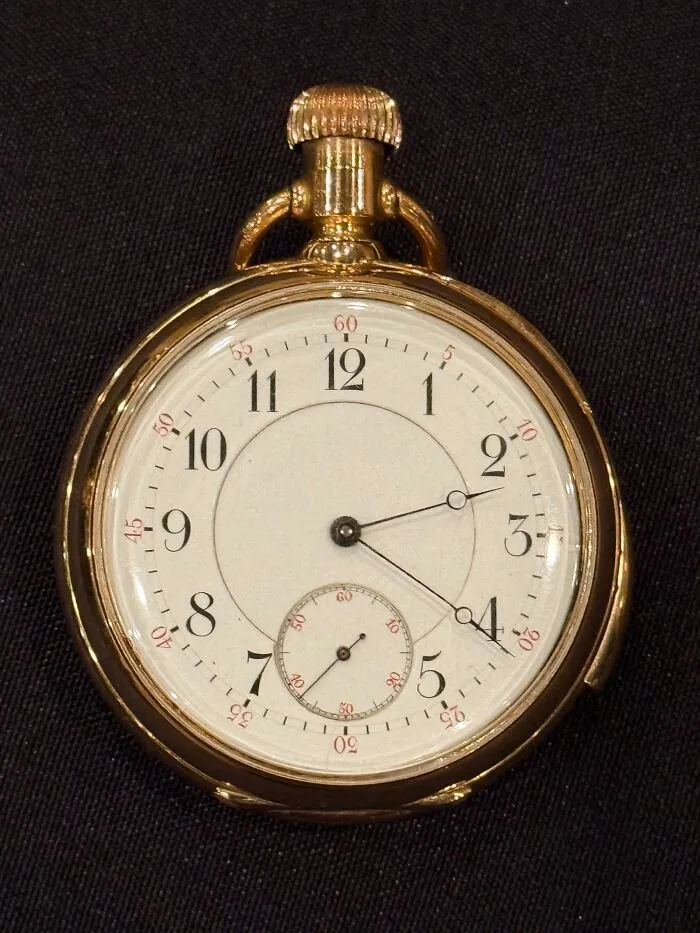
The cable ship CS Mackay-Bennett, chartered specifically to recover bodies from the disaster site, brought up Isidor Straus’s remains on April 22, 1912. The log identified him as Body No. 24. The watch was formally recorded by the provincial coroner in Halifax, Nova Scotia, before being returned to the couple’s eldest son, Jesse Isidor Straus. It stayed within the Straus family for 112 years. During that span, Isidor’s great-grandson, Kenneth Hollister Straus, had the corroded movement professionally restored to working order.
The historical and financial record indicates that what makes this watch historically load-bearing is what the water did to it. When recovered, the internal mechanism had flooded and stopped at approximately 2:20 a.m. This is the exact moment historians generally place the stern’s final plunge beneath the surface. The watch was consigned to Henry Aldridge & Son on November 22, 2024, where it hammered for £1,780,000, establishing the current world auction record for Titanic memorabilia.
Shipwreck: RMS Titanic Sank: April 15, 1912
Recovered: April 22, 1912, CS Mackay-Bennett
Material: 18K gold, Jules Jürgensen movement
Documented value: £1,780,000 ($2,320,000)
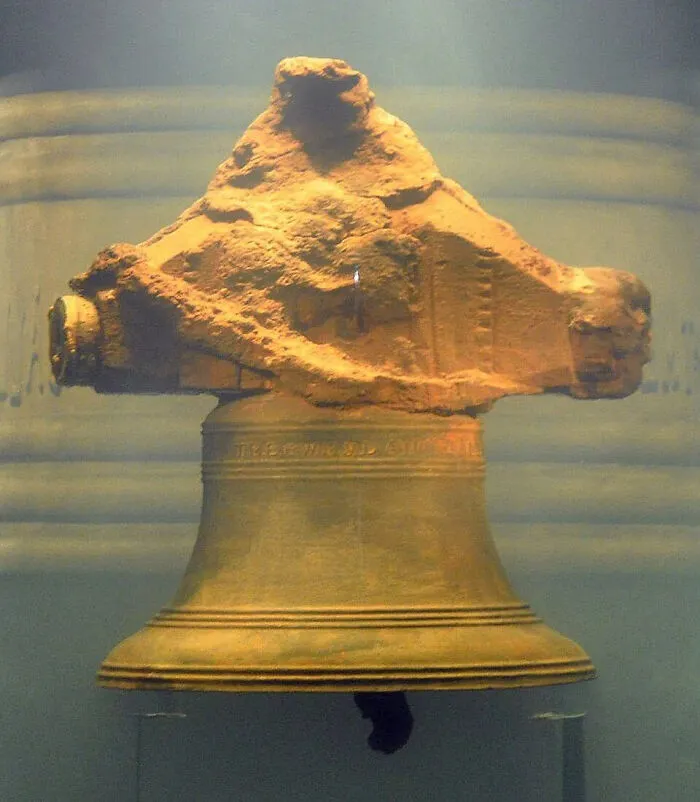
#14 Inscribed Bronze Bell Of The Whydah Gally
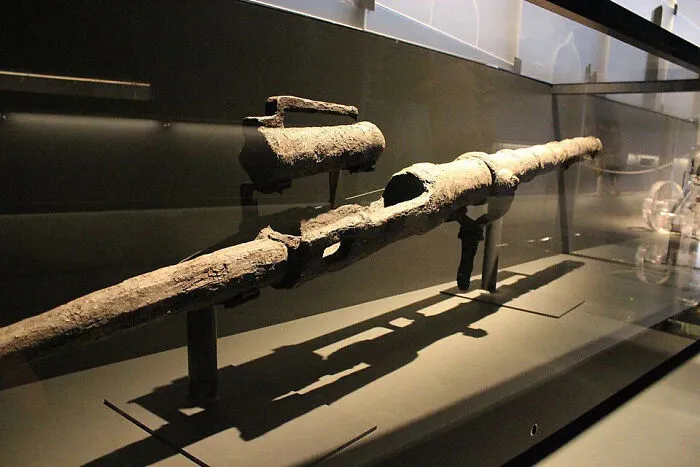
#15 The Mary Rose “Cannon Royal”
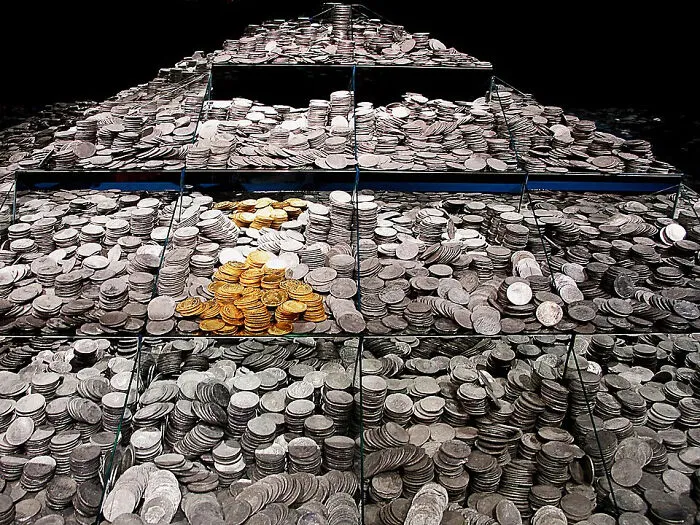
#16 The Mercedes 17-Ton Coin Cargo
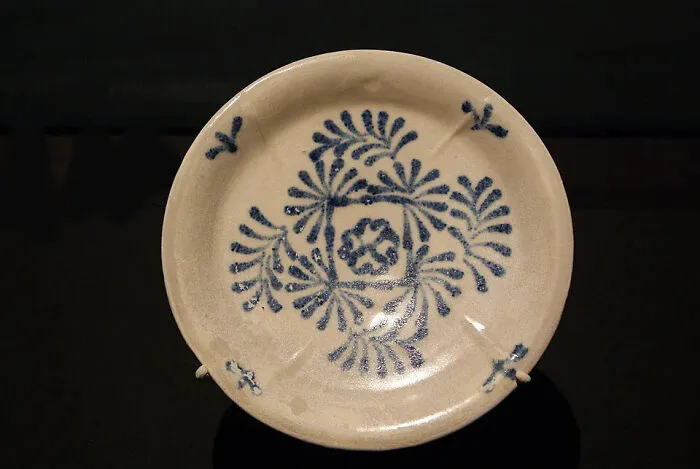
#17 A Belitung Blue-And-White Dish
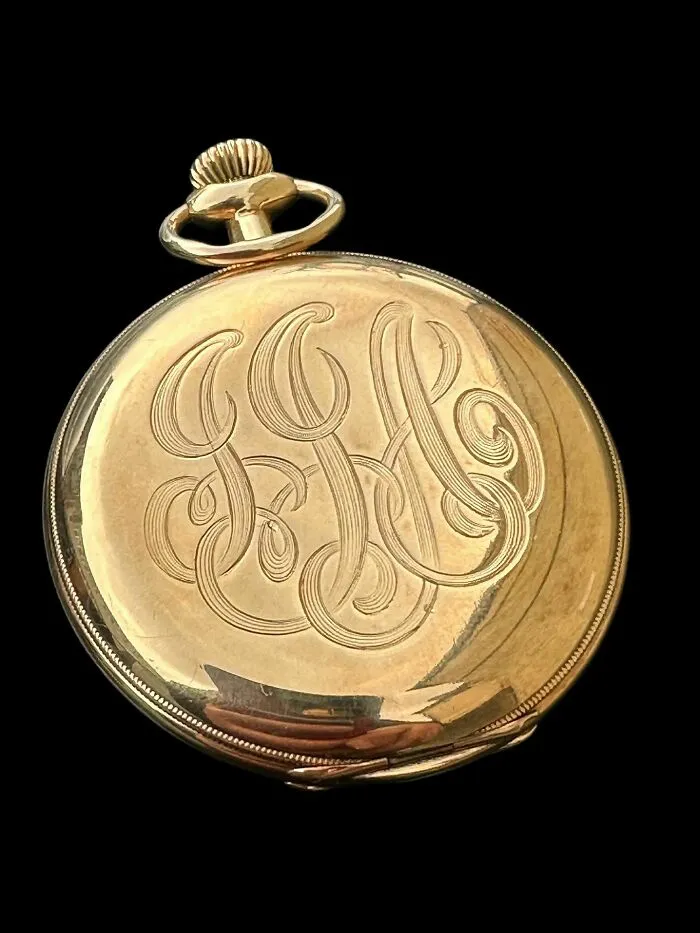
#18 John Jacob Astor Iv’s Gold Pocket Watch
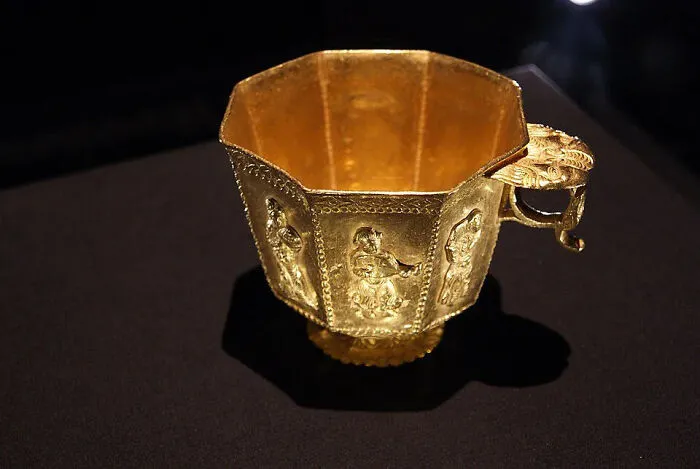
#19 Tang Dynasty Imperial Octagonal Gold Cup
#20 “The Big Piece” — 15-Ton Hull Section