




It hurts to watch someone you love slowly destroy the very foundations of their life. You should be there to support them. However, without any boundaries, you might soon find that they try to pull you down with them. And you have to ask yourself if you’re willing to help someone who won’t help themselves, no matter how traumatic their experiences are.
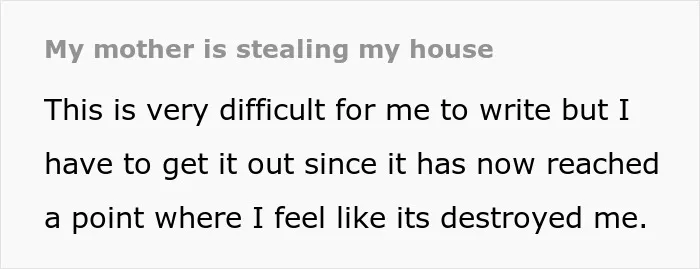
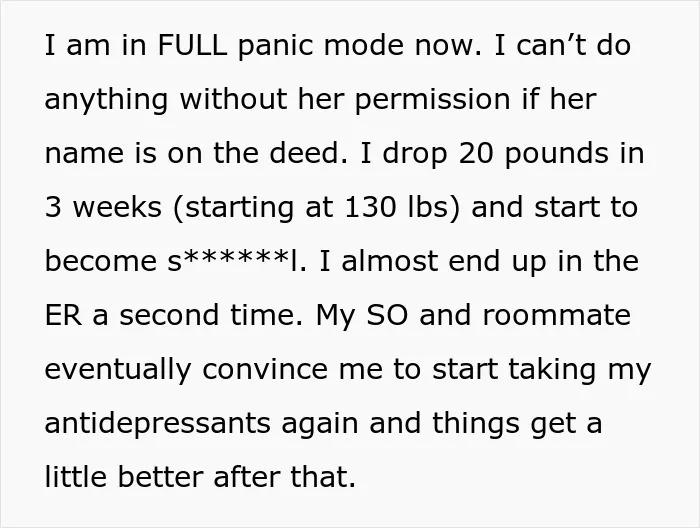
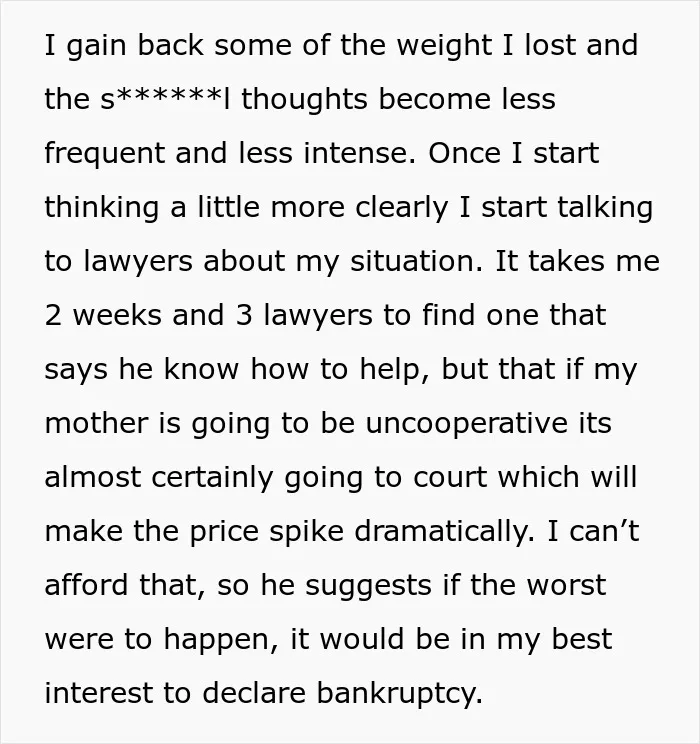
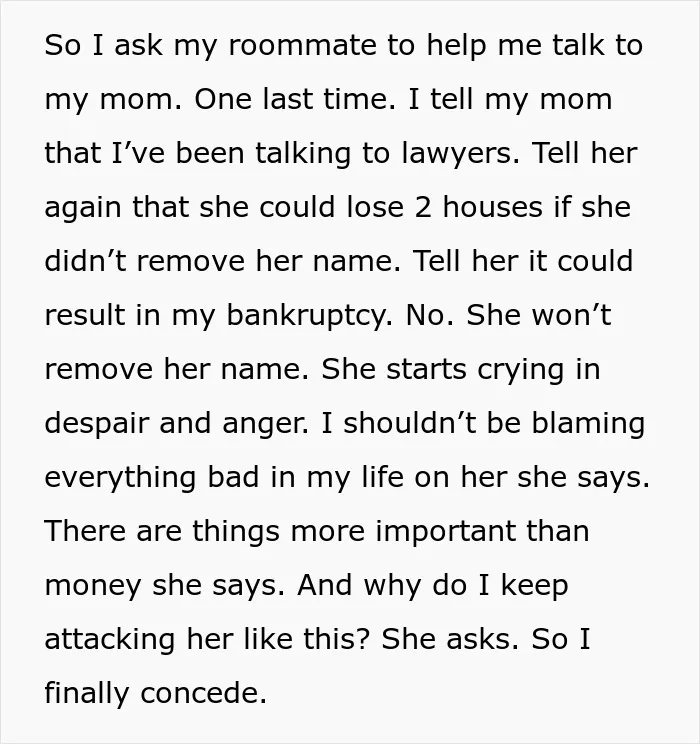
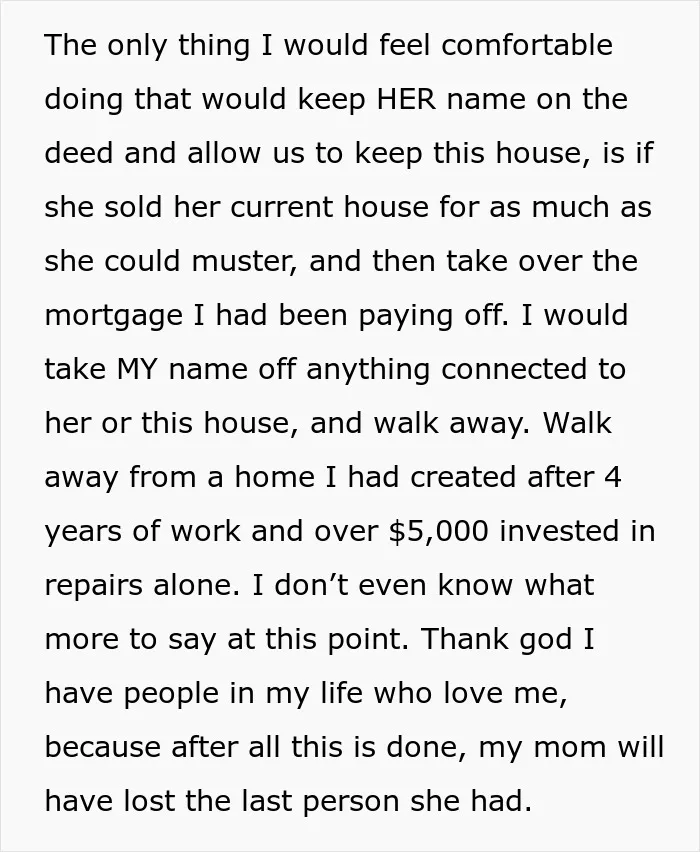
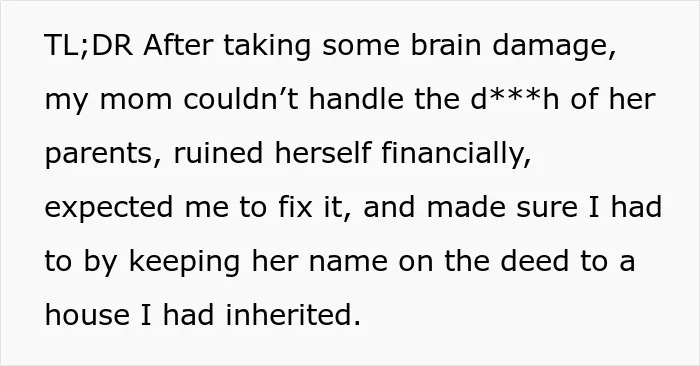
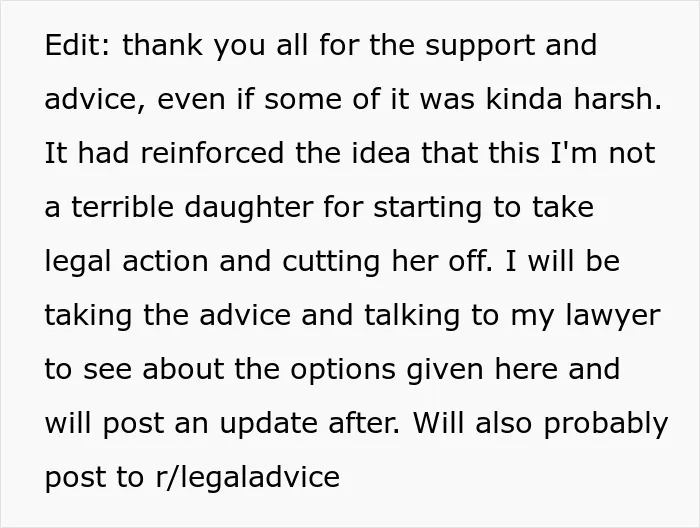
A woman opened up to the ‘Entitled Parents’ community about an incredibly dramatic and sensitive problem she had. She shared how her own mother, who has had an incredibly difficult past and a history of making horrible financial decisions, tried to drain her savings and steal her house. You’ll find the full story below.
It is a huge challenge to support a loved one who refuses to take care of themselves and behaves irresponsibly

This woman vented online about how her mother, who has experienced deep trauma and makes bad money decisions, started hurting her finances
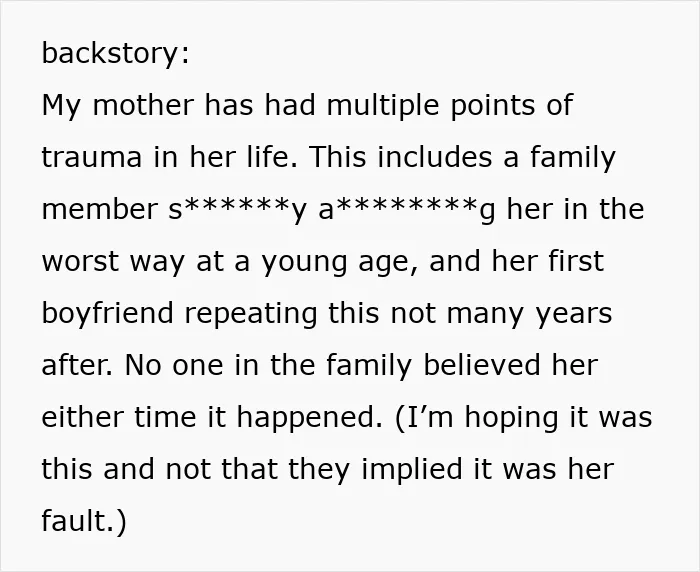
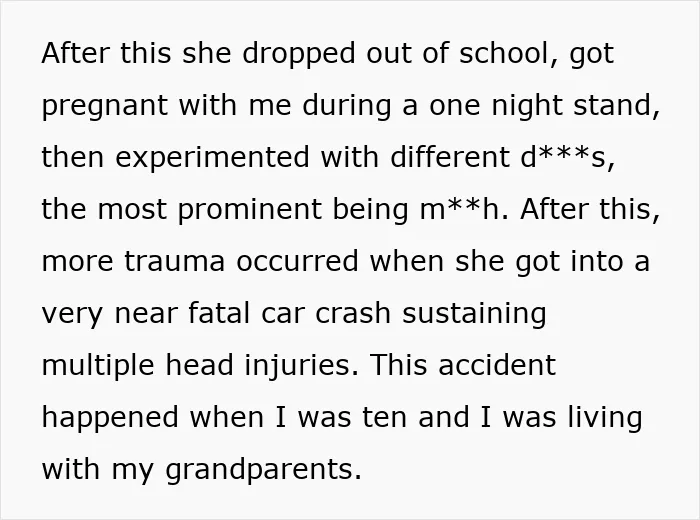
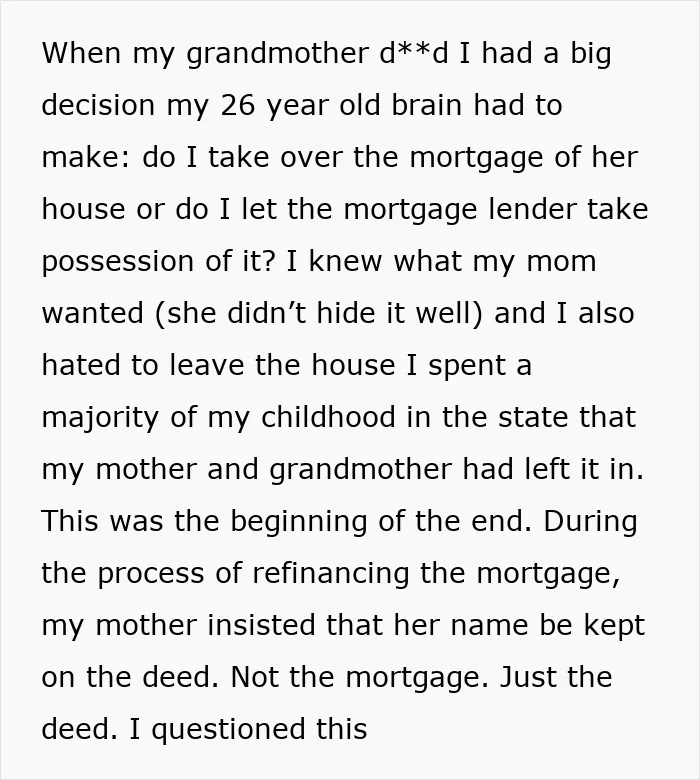
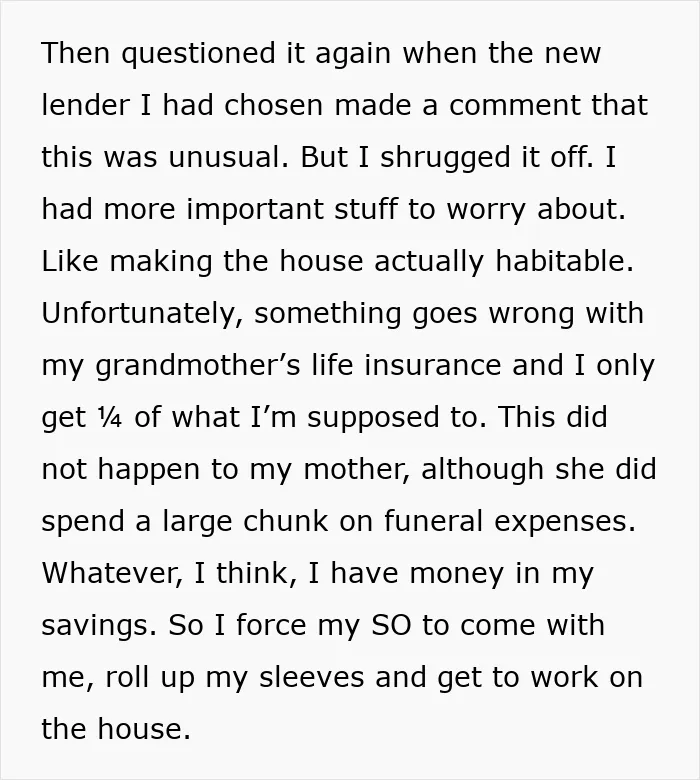
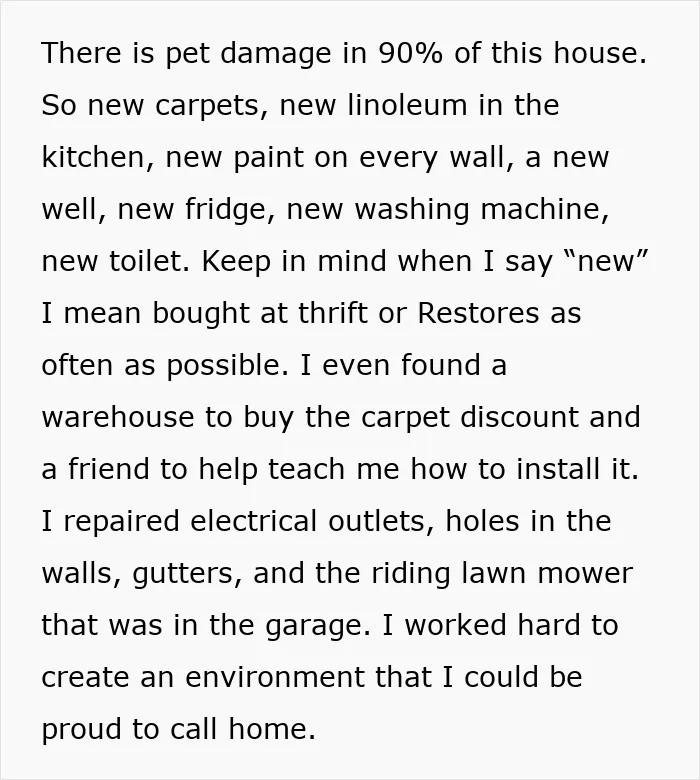

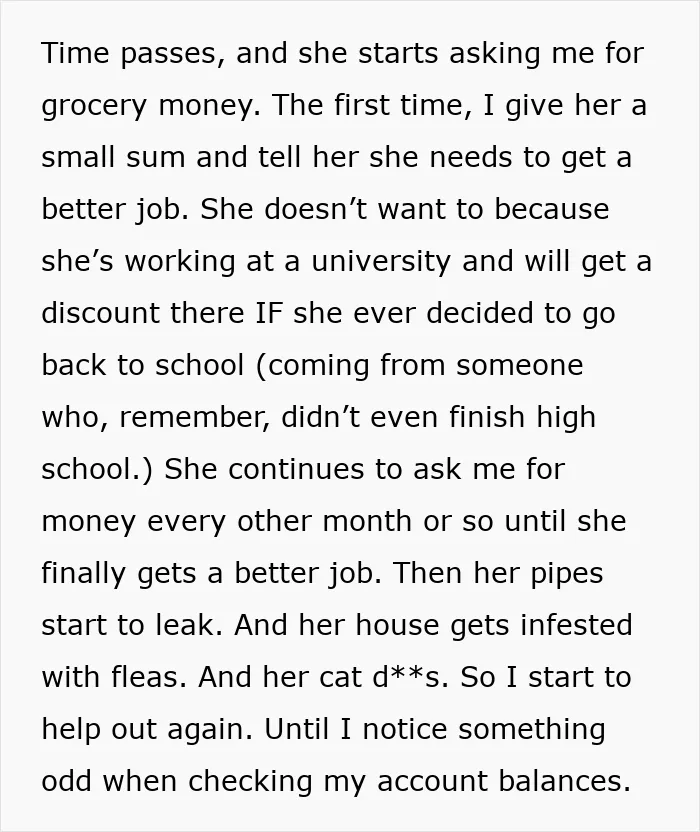
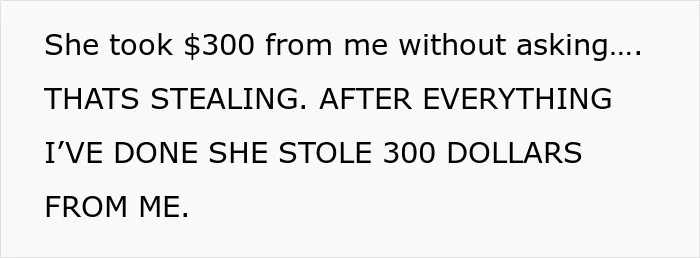

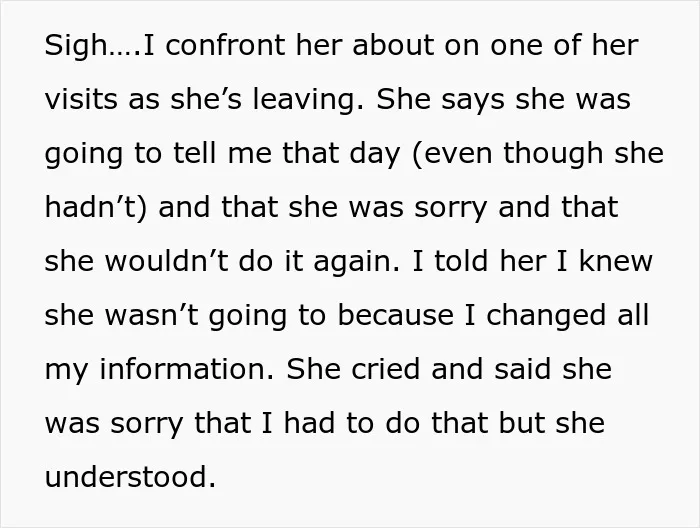
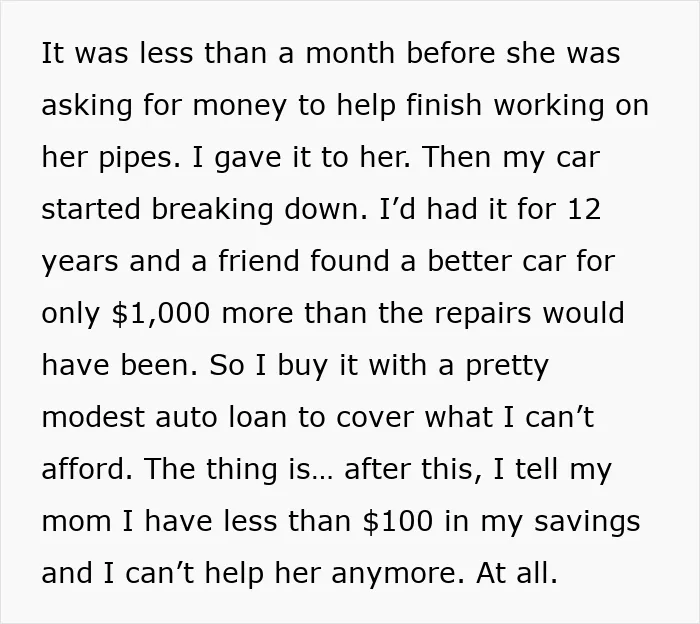
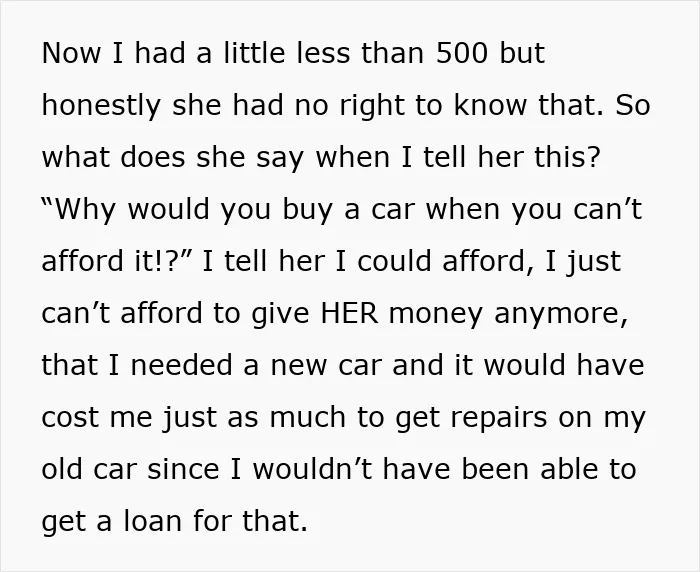
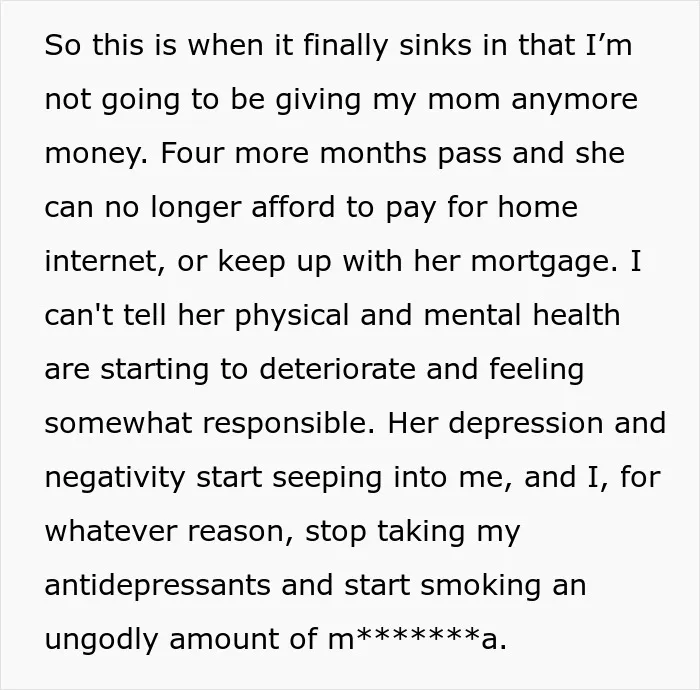
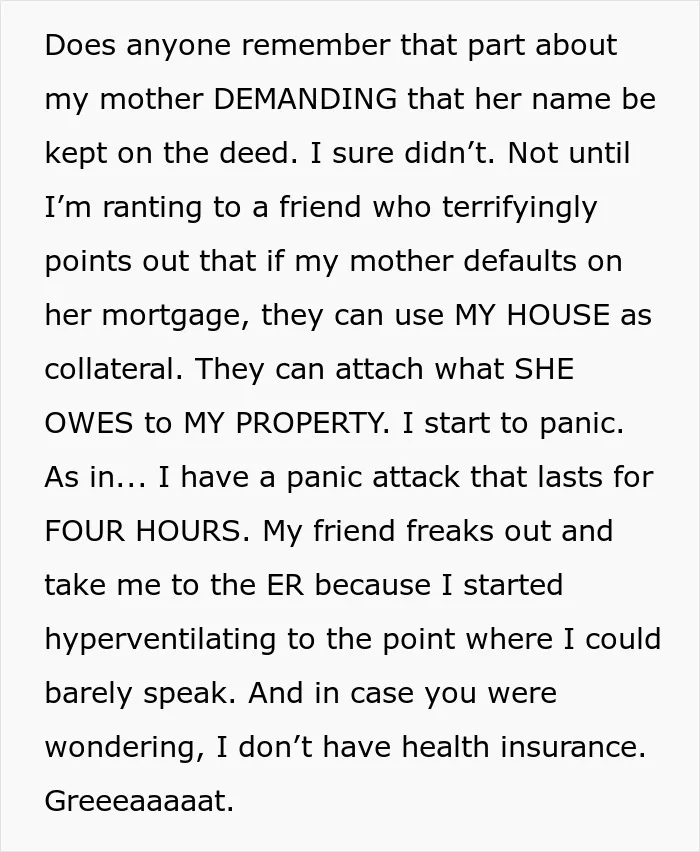
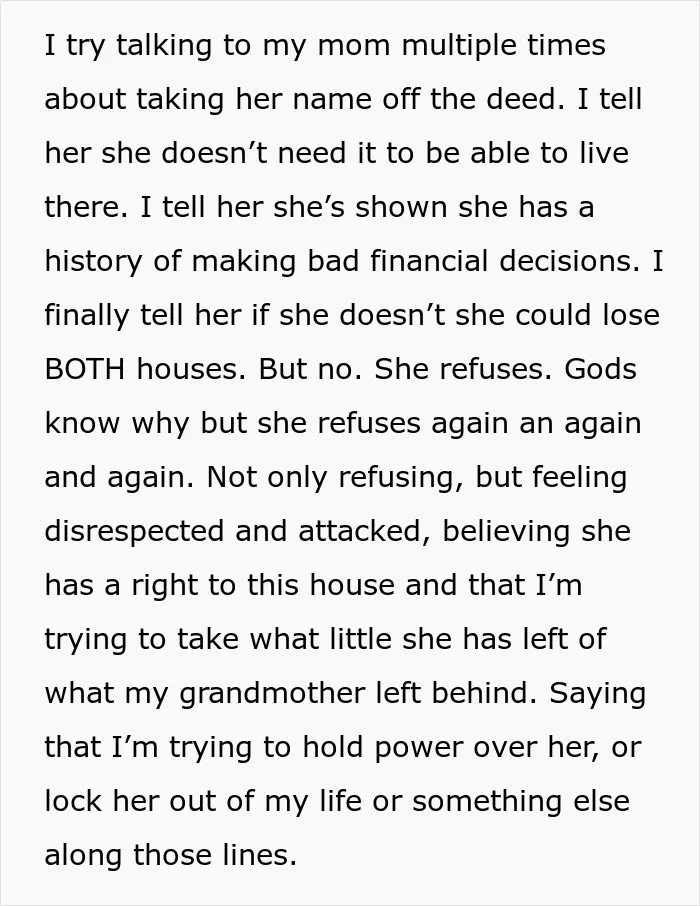
Here's how the author tried to solve the issues with her mom. It led to a ton of stress


You should never lend anyone money that you're not prepared to lose, no matter how well you think you know the person
The sad reality is that you can’t help someone who fundamentally doesn’t want to help themselves. If they don’t see any issues with their entitled, toxic, and selfish behavior, you can’t force them to become kinder and more empathetic.
The best you can do is offer them guidance (e.g., that they go see a therapist) and set healthy boundaries. Ideally, you’ll be able to clearly communicate what your needs are, what kind of behavior you expect from them, and what happens if they continue walking all over you. You can be friendly, you can be firm, just don’t go around shouting and blaming them for everything because they’ll just get defensive and double down on their (unreasonable) position.
The hard part is actually protecting your boundaries and going through with any consequences that you’ve laid out. For example, if you can no longer afford to financially support one of your parents, you have to cut them off financially if they refuse to get a job or start budgeting responsibly. If you constantly back down, they will keep walking all over you and put your finances and future at risk. If they continue harming your emotional and mental health, reduce contact with them until they seek help, adjust their behavior, and start treating you with the respect that you deserve.
None of this is easy. Telling someone you love “no” and asking them to change their behavior is incredibly difficult. When it comes to money and finance-related favors, things get even messier and murkier. A good rule of thumb is to never lend anyone anything you’re not prepared to lose. Ever. There is, after all, no guarantee that you’ll be paid back, no matter how well you (think you) know someone.
One reason why a relative or friend is coming to you for cash is that they can’t get a loan from a bank. “That means traditional lenders consider them to be too high risk to lend money to -- and that’s even after considering all the potential interest they could make on the loan. Most loans to friends and family have a very low or nonexistent interest rate. So by loaning a loved one money, you’re taking on a ton of risk for a fraction of the payout a bank would normally get,” Forbes explains.
Around three-quarters of people who borrow money from their family or friends don’t pay it back in full. So, if you decide to lend anyone some money, see it as a gift. It’s quite likely you’ll never get it back. If you’re unwilling to part with the cash, don’t give it away in the first place. Don’t assume that someone will be honorable and trustworthy if they have a history of behaving otherwise.
Another reason to avoid lending your family and friends money is to avoid enabling their bad financial decisions. They have no incentive to develop good, healthy, responsible money habits, budget, and save like a proper grown-up if you’ll help them when they mess up. Let them own their mistakes and feel the consequences of their poor actions. Otherwise, they’ll never learn and will continue relying on you, draining your bank account, and guilt-tripping you.
Meanwhile, take stock of your financial situation. What are your earnings like? How much money do you save every month versus what you spend on needs and wants? How big is your emergency fund? Realistically, can you afford to help out your loved ones? And if so, for how long? How important and reciprocal is this relationship? Plan a bit ahead. Don’t put your future in jeopardy just because you want to be ‘nice’ to someone who (probably) wouldn’t return the favor.
You must be willing to be brutally honest with yourself about whether you're stuck in a genuinely toxic relationship
Physician and clinical mental health writer Kristen Fuller, M.D., emphasizes a fact that most of us know intuitively: relationships are meant to be two-way streets. In a healthy relationship, both people are meant to help each other, instead of just one person taking most of the burden most of the time.
When you’re gauging the type of relationship you have with someone, look at how this person makes you feel when you spend time together. In a nutshell, if you constantly feel drained, frustrated, and your self-esteem suffers, you may want to rethink this connection. On the other hand, if you feel heard, valued, and supported, you may want to invest even more time and energy in this relationship.
“If you feel more miserable than happy when you spend time together, then you may need to set personal boundaries and take a step back from this person in order to protect yourself. This is not selfish, but rather an act of self-love,” Fuller writes in a post on Psychology Today.
Other questions that you should honestly answer include:
- Does this person go out of his or her way to cause you grief, or does the individual hurt you when you are already down?
- Does the person trivialize things that are important to you?
- Does he or she ignore your requests and needs?
Some of the most common signs of a toxic relationship include the person constantly lying, manipulating you, being controlling, being violent, exhibiting narcissistic personality traits, refusing to deal with conflict, and refusing to apologize for anything they have done. What’s more, they tend to be unwilling to accept responsibility for their mistakes, they’ll blame others, and they won’t listen to your concerns.
“Recognizing and admitting that you are in a toxic relationship may be difficult, as many people are blinded by love and temporary happiness. Additionally, many people feel they may be lonely without that friend, lover or sibling. They might even intellectually recognize a toxic person or situation, but their emotions end up having more influence over their decisions than their intellect,” Fuller states.
People with a history of having connections with toxic individuals may experience them as ‘normal’ because they feel familiar. “It may be scary for them to cut these ties. It’s sad, but true, that they may even believe what the toxic person said about them, that they’re stupid, ugly, worthless, or whatever. The good news is that this toxicity can be reversed with therapy, self-love, setting boundaries, establishing positive relationships, and self-help groups.”
We want to hear from you, too, Pandas. What would you realistically have done differently if you were in the post author’s shoes, dealing with a financially irresponsible, traumatized parent? How would you help them? How would you protect your own boundaries? Join the conversation in the comments.
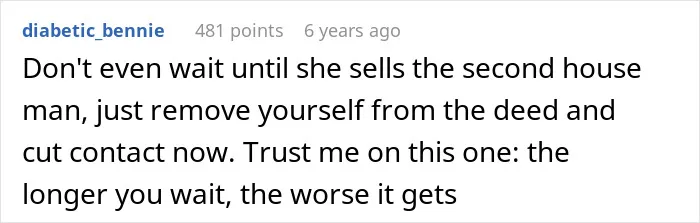
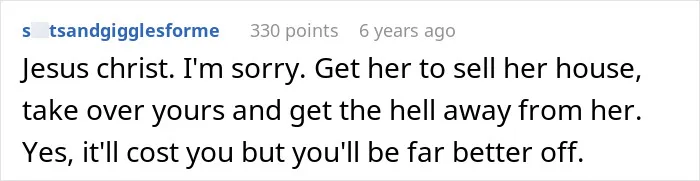
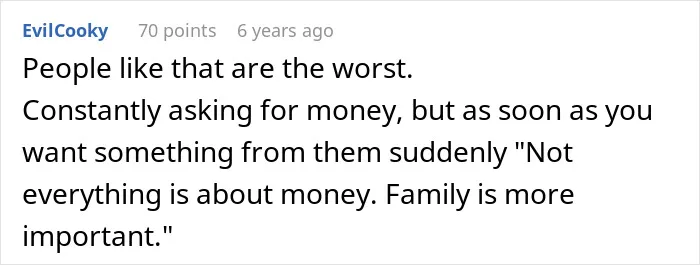
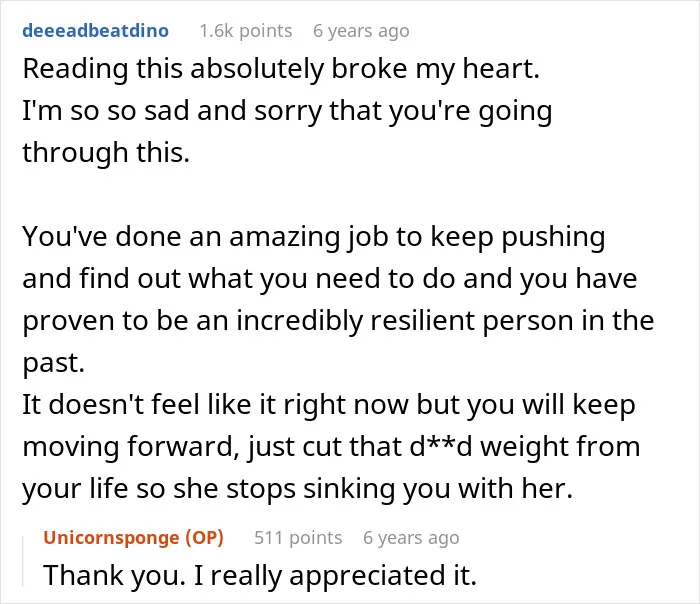
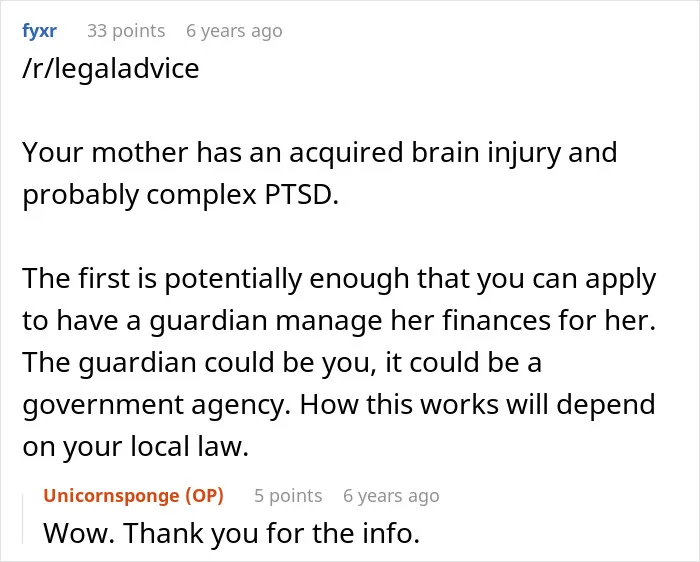
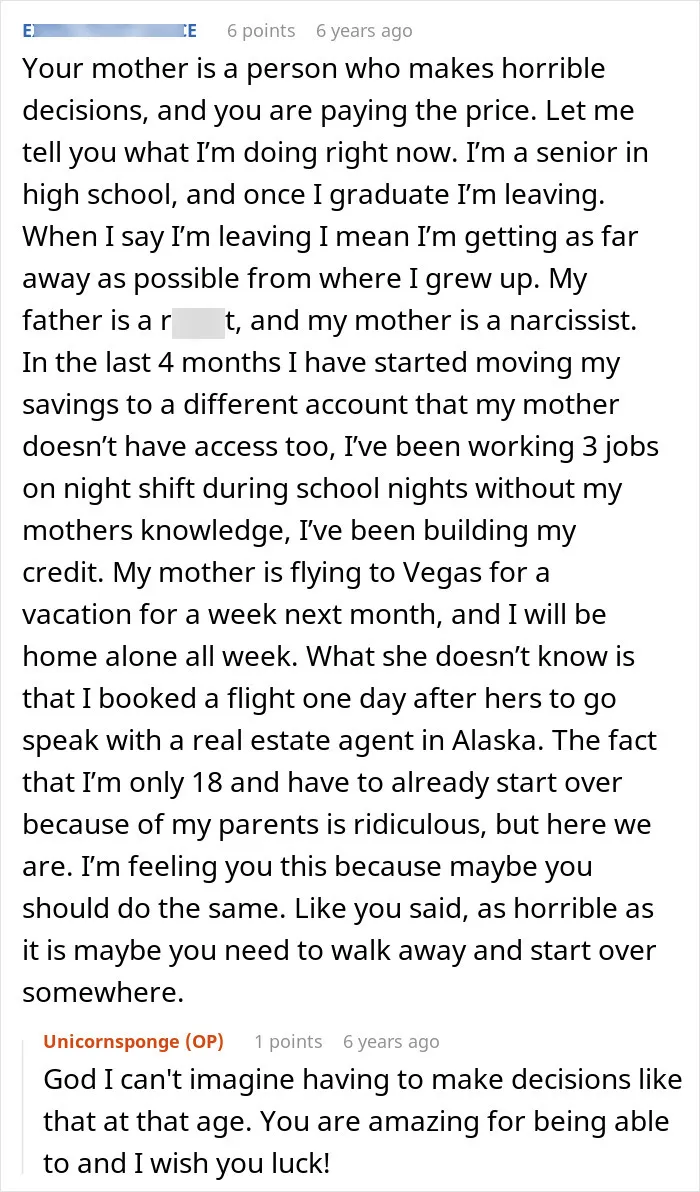
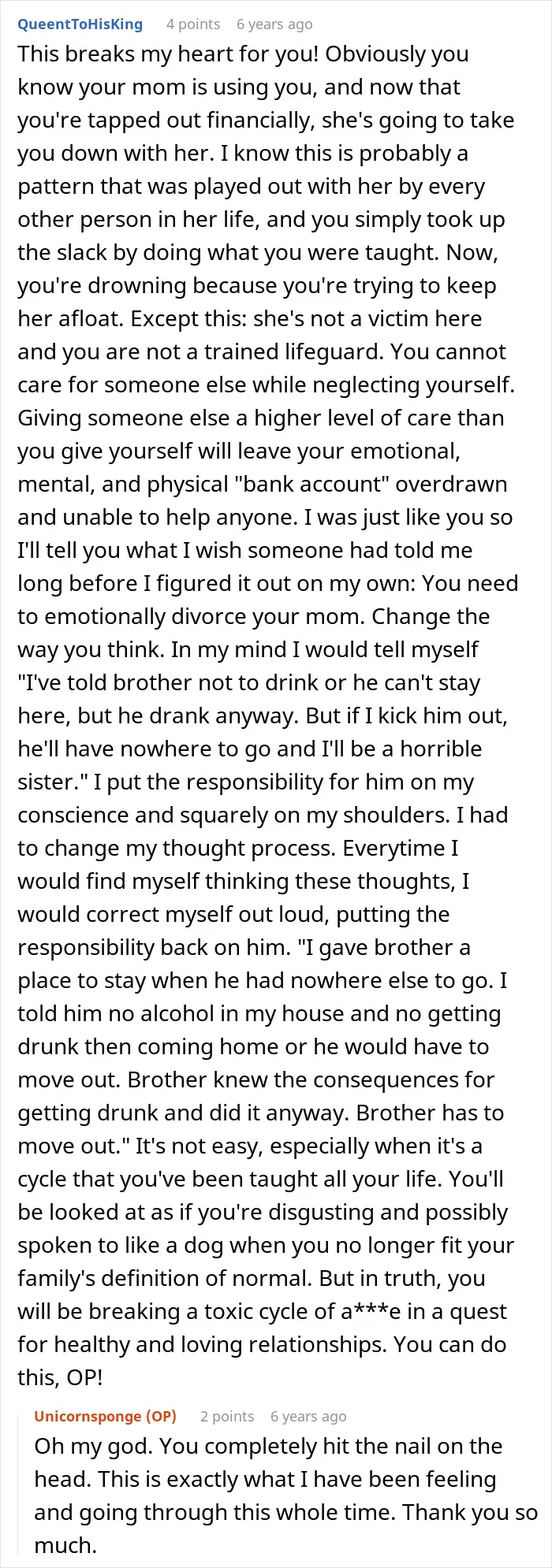
Many readers were incredibly supportive of the woman. Here are their perspectives
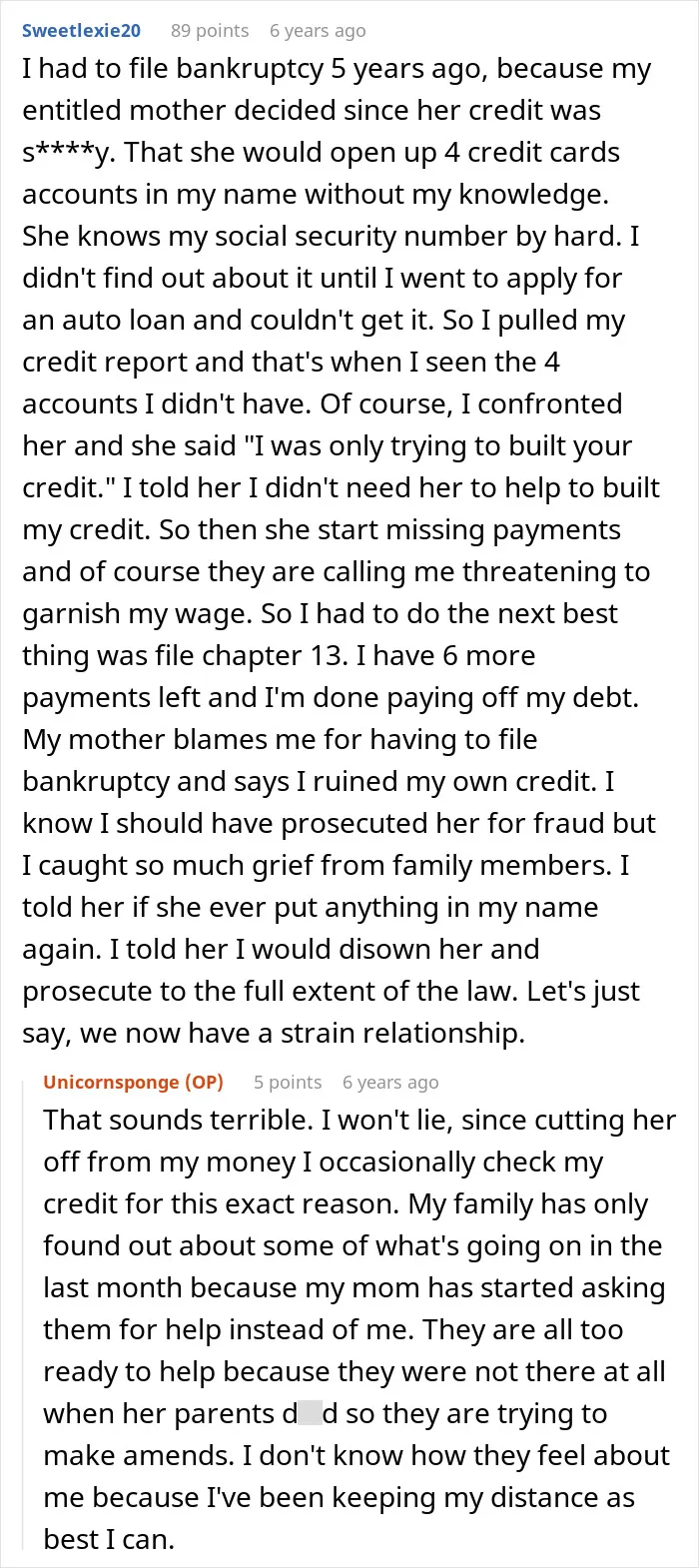
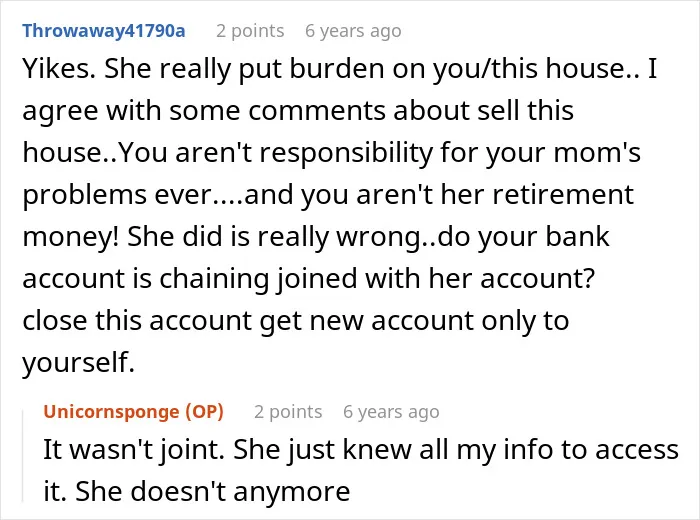
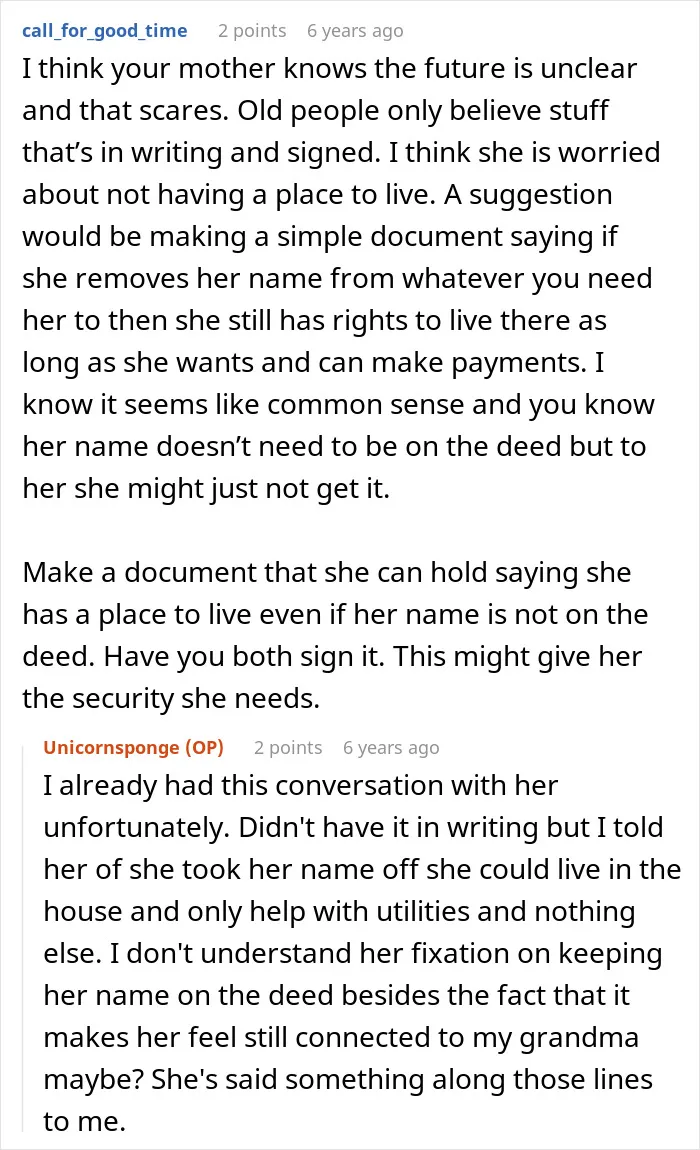
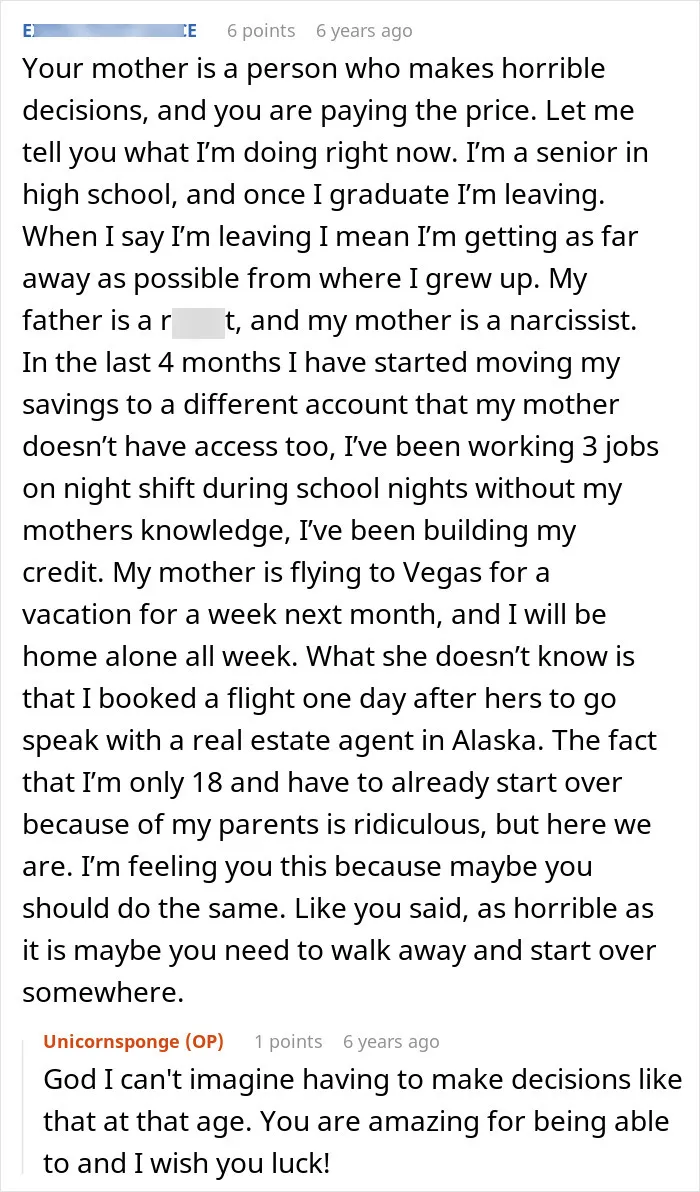
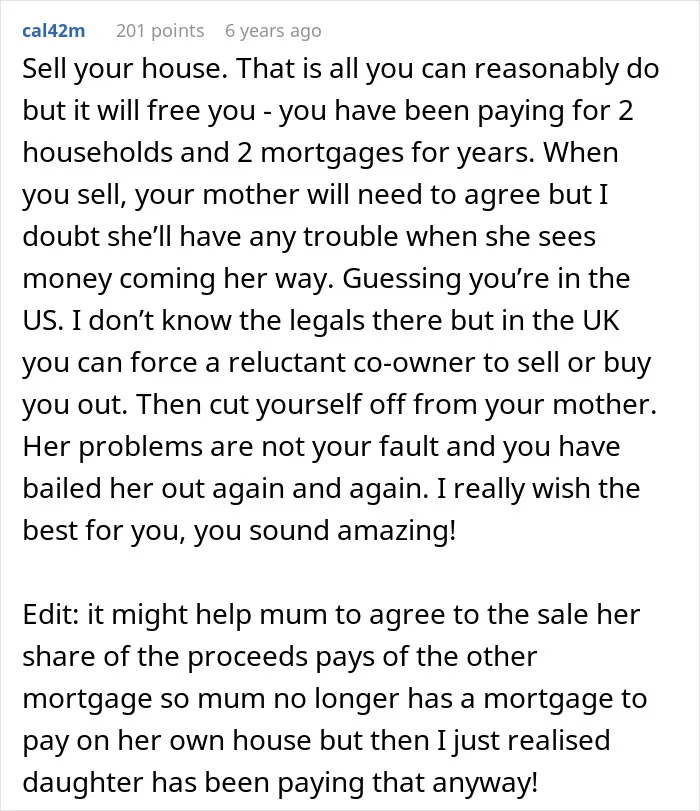
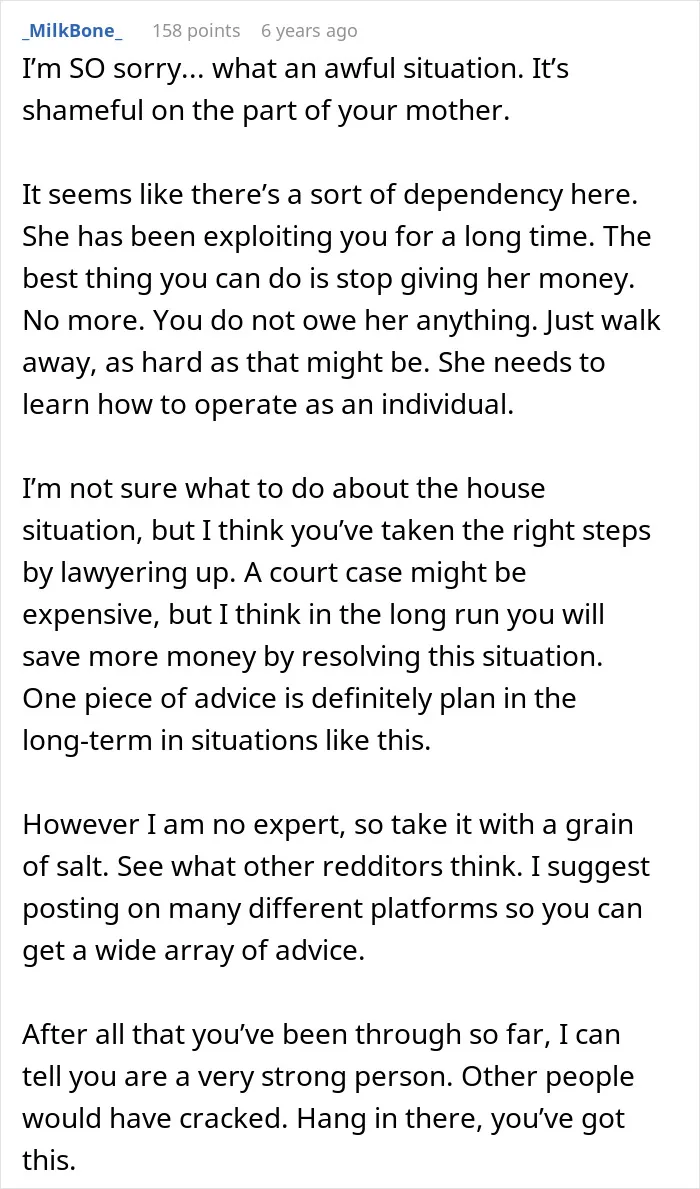
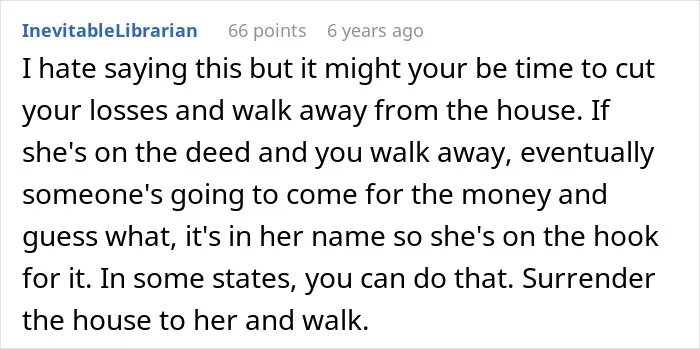
More internet users shared their advice and opened up about what they'd do if they were in the author's shoes