








It isn’t just that people miss the past; it’s that they yearn for a simpler time when things didn’t feel so fast-paced and chaotic. That’s exactly what the 90s felt like to most folks, and they may even be romanticizing their experiences.
According to Daniel Miessler, a cybersecurity and AI engineer, millennials often feel nostalgic for how much creativity and self-expression was encouraged when they were younger. They might also miss their childhoods, when the focus was on more quality time rather than people constantly being captivated by their screens.



An interesting thing about the 90s was that the culture seemed strongly focused on rising environmentalism and eco-consciousness. People tried their best to save the planet and swapped many commercial and materialistic possessions to go green. This was also when grunge and alternative fashion began taking society by storm.
It’s clear that people were inspired to believe that standing out, being bold, and being vocal mattered more than fitting in. This feeling was probably amplified by the emergence of the Internet and social media spaces where people could post about themselves and their thoughts.


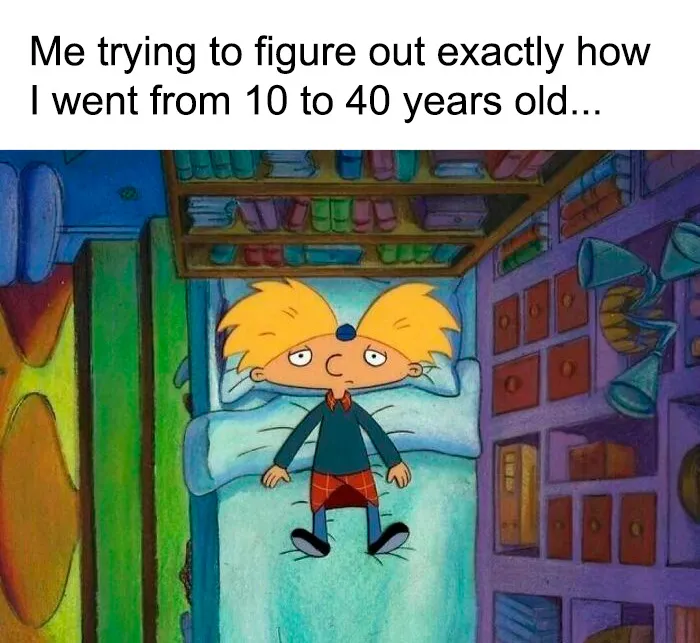
When people think of the past in a slightly bittersweet way, it is called nostalgia, and researchers have found that this experience can stabilize mood when the present feels chaotic or unstable. Researchers have also observed that this sentimental longing for past events may stem from sadness or loneliness, but can be converted into stronger feelings of well-being.
Although nostalgia draws on the past, it is ultimately future-oriented, as it can motivate a person’s emotional states, behaviors, and even goals by making them want to be better and try harder to make their previous self proud.

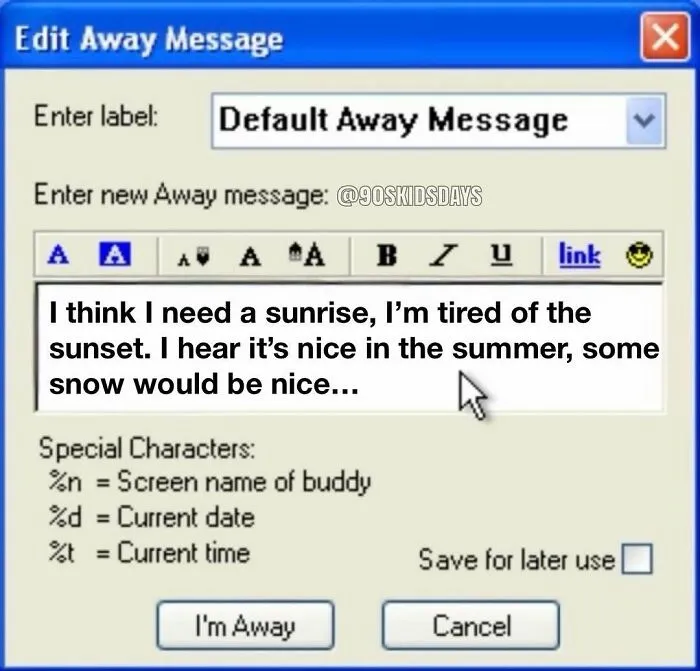

Recalling the past can be quite a lot of fun because it brings to mind so many interesting memories. Murray Blehart, a self-proclaimed 21st-century philosopher, explains that idealizing bygone days can bring positivity, as long as you don’t get carried away.
People often feel gratitude and joy when thinking about their past, but if they aren’t self-aware, they might put those moments on a pedestal while ignoring their present. This can do more harm than good by making folks feel stressed and unhappy.
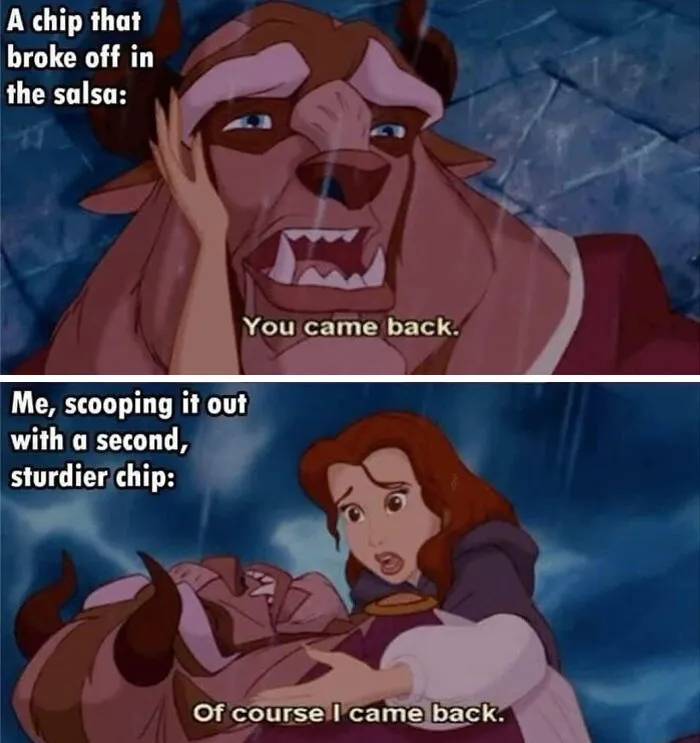


Nostalgia isn’t just a passing pleasant feeling; according to Medical News Today, it can actually cause folks distress and make them feel depressed if they believe their past was better than their present. This kind of unrealistic yearning could harm a person’s mental health if they keep repeating the nostalgic cycle.
Research also suggests that people who recall unpleasant memories tend to have more negative thoughts afterward. Some individuals also have a tendency to ruminate over the past and struggle to let go of what happened, which could cause them anxiety and even more tension.


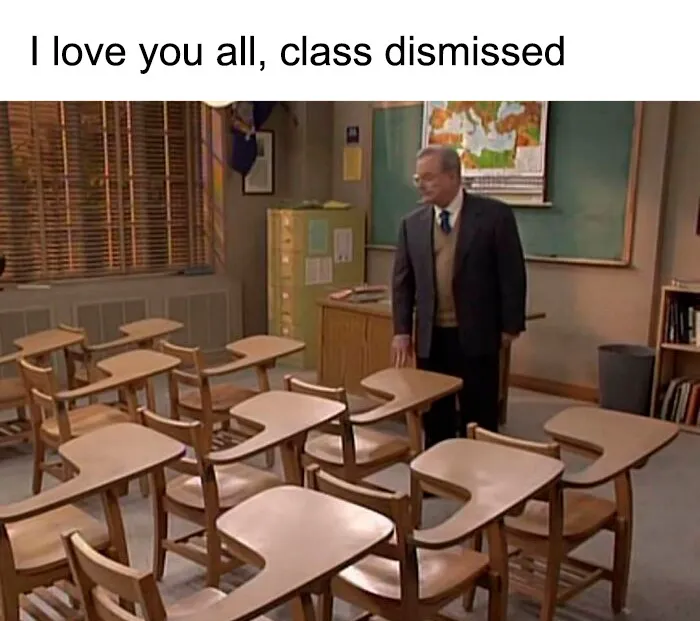
A good way to enjoy nostalgia without getting swept away by it is to practice mindfulness. This technique helps a person notice and focus their awareness on the present moment without judgment or comparison to the past. Then they can enjoy their childhood or other memories without feeling bad about what was and what could have been.
Another good way to stay grounded is to invest in your current relationships, since a healthy social network can greatly boost your mood. Sometimes reminiscing with friends can also help folks feel positively about themselves and their social connections, rather than bringing up any feelings of loneliness.