




This post may include affiliate links.



Great design isn’t always easy to find. But part of the reason for that is that it isn’t always easy to define either. It takes a creative eye to be able to come up with a brilliant idea and a clever designer to be able to execute that idea flawlessly. That’s why so much of the design we see in our daily lives is frankly underwhelming. It’s boring, it doesn’t stand out, and it looks like it took a few minutes to come up with.
So if you want to avoid putting disappointing designs out in the world, you’ll want to first understand the psychology of good design. According to Brain Sinew, there are a few factors that can make a design “feel good.” These include balance and stability, symmetry and order, and pattern and expectation.

#5 This Railing On Gazebo In Naples Has Braille Describing The View For Blind People. More Of This Please

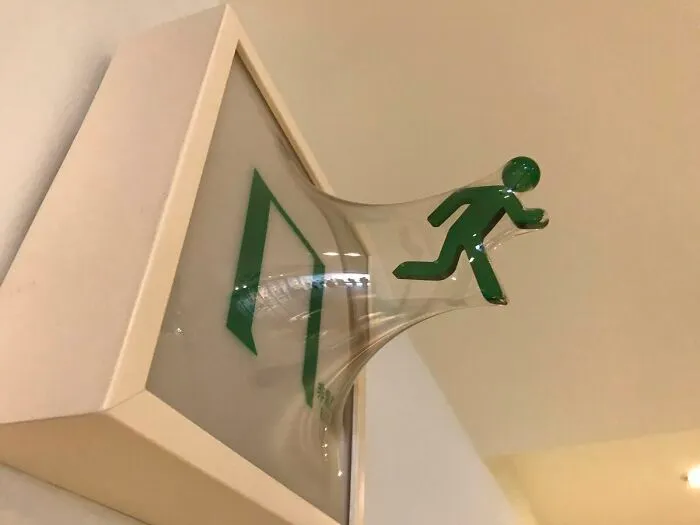
Our brains appreciate looking at anything that is balanced and symmetrical. It feels safe, and we associate symmetry with health and strength. Humans also seek out predictable patterns. But seeing something that subverts what your brain expects and breaks a pattern will stand out. So sometimes with design, that’s the best choice you can make.
Brain Sinew also notes that great design creates connection through human emotion. If your design makes your audience feel something, that’s a great first step. Obviously, you probably don’t want people to experience negative emotions after viewing your design. But you should always tailor your design to the specific kind of engagement you’re looking for.

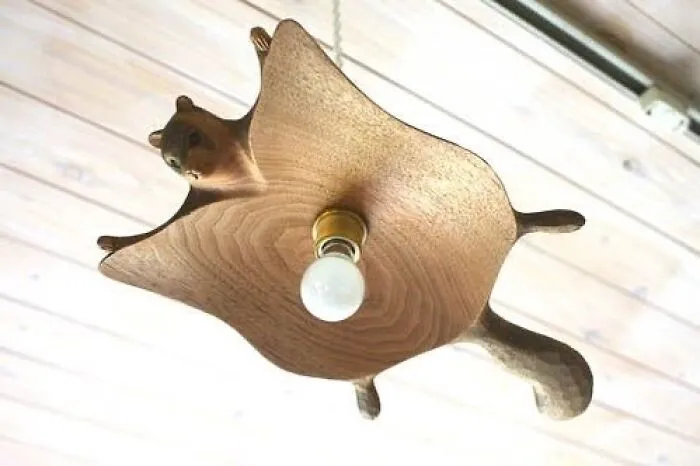
#8 I Know It's Nutty To Say But My Squirrelfriend Totally Lights Up My Life
While aesthetics are clearly important, great design isn’t all about looks. It also has to serve a real purpose. And if you’re the person in charge of the project, you’ll want to define that purpose before getting started. Remember to prioritize clarity and consistency, so you don’t lose the plot along the way. And trust a skilled and proven designer to execute the game plan. You want to take some risks, but not with who you choose to pull off your project.


You may not be a designer yourself, so it may be difficult to get yourself into the mindset of one. So if you want to better understand what it’s like to be a designer, Scott Berkun, author of How Design Makes the World and Why Design Is Hard, wrote an article breaking down the 5 most dangerous (and exciting) ideas for designers.
First, he notes that the idea that everyone is a designer can be intimidating, as some people take it as a threat to their field. But Berkun explains that what he really means is that designers should be willing to take ideas or inspiration from anything and everything.



Next, Berkun points out that designers have no power. But he argues that this is fine, as long as you can accept it. “There is probably a small set of decisions you can make without approval from someone else,” he explains. “And if you want more of your ideas to make it out the door, you either need more power, or to get better at borrowing the power of others to get things done.” But there are benefits to not being the one in charge who has all of the power; it’s just about perspective.



In the same vein, Berkun explains that “the generalists are in charge.” Whoever your boss or manager is has a more general role than you do, and if you want that kind of job, you have to be willing to do less actual design. Being a manager doesn’t require having as many specific design skills; as long as you can say yes and no, you can be in charge of people. But all designers have to decide whether or not that path is right for them.