





With so much negativity around the world today, you may wonder how some people still find it in them to do what is right for their fellow human beings. This is despite the risk of getting nothing in return, or worse, having that kindness repaid with the exact opposite.
University of Virginia professor and author Jonathan Haidt shared his theories in an article for UC Berkeley’s The Greater Good Magazine, attributing it to the feeling of “elevation.”
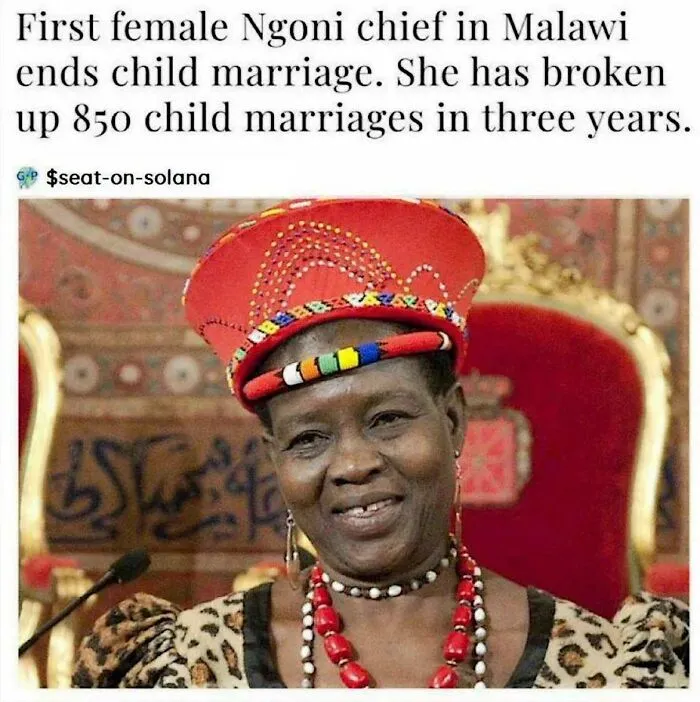
#6
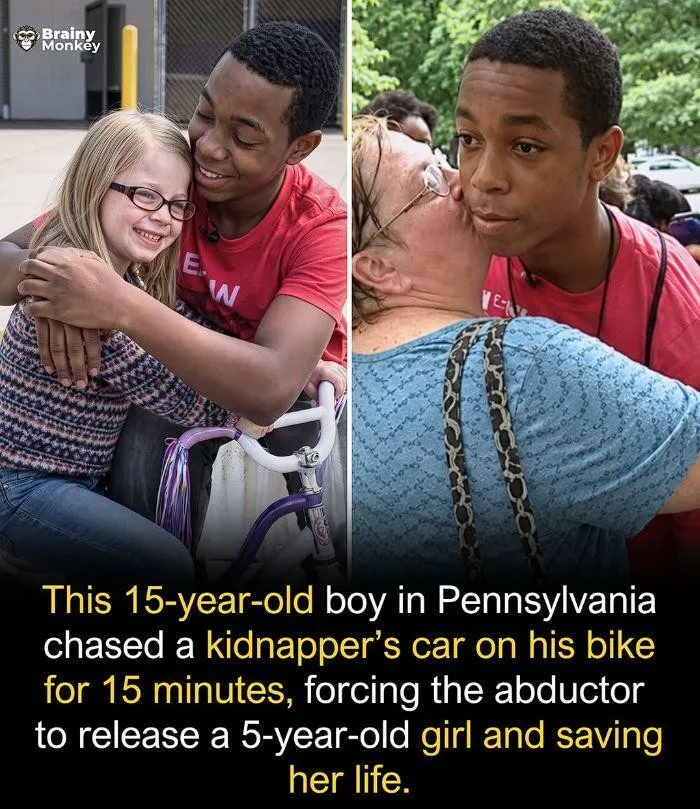
Haidt described elevation as an experience humans have whenever we see a manifestation of humanity’s “higher” or “better” nature. In essence, it’s that uplifting feeling we get when we see goodness in other people.
“Feelings of elevation seem particularly capable of fostering love, admiration, and a desire for closer affiliation with the doer of the good deed. The woman in the snow-shoveling incident wrote,” he noted.
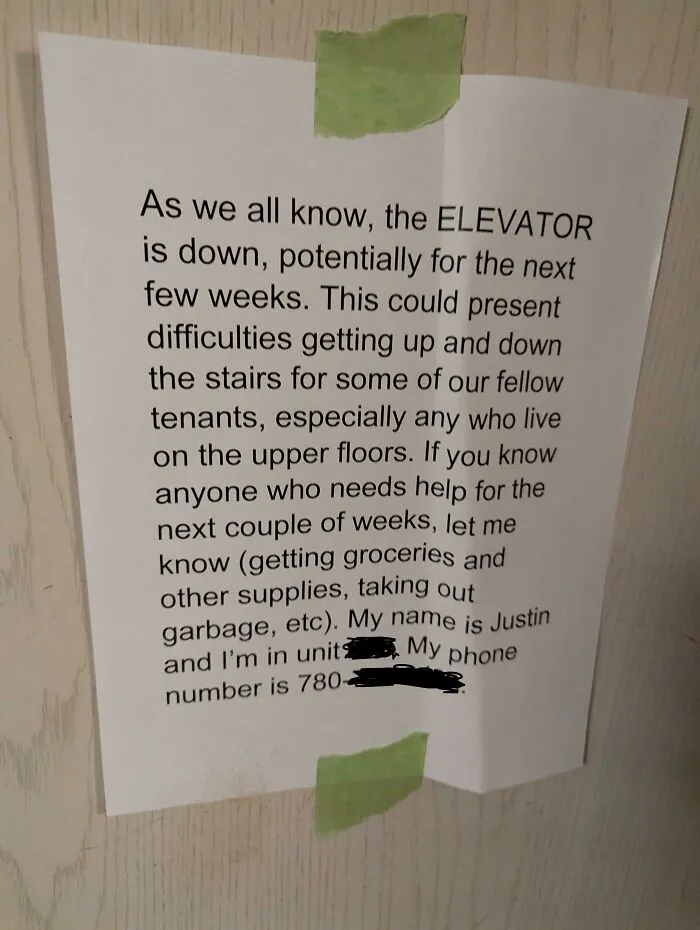
#8
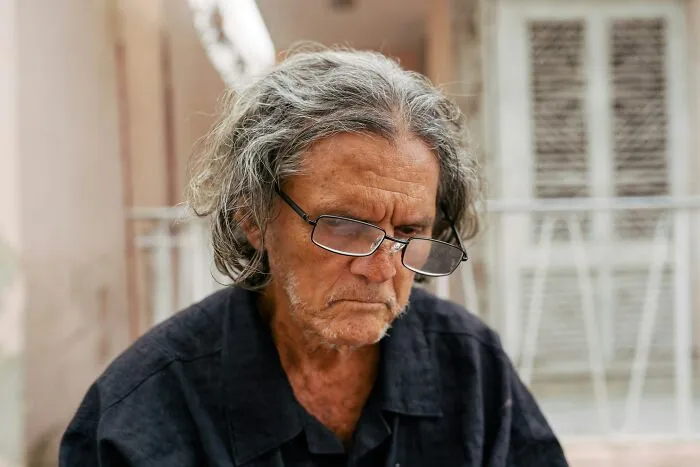
So I’m stuck in traffic this morning, in front of Mitchells' on San Jose Ave. Rain absolutely dumping everywhere, atmospheric river style. The car in front of me pulls over and double-parks. Out steps this older guy, probably in his 50s, he runs over to a homeless man standing there under the rain, with only one shoe. He just hands over his Jordans. Hops back in his car and speeds off. Whole thing lasted maybe 15 seconds.
No camera, no tik tok flex, just a genuine interaction. An awesome human being doing something kind for no other reason than to help. You made my day, man. Thank you.
#9

I didn't know he was cheating; he told me he was in his late 30s, never married, and there were no pictures of his family on his social media so I trusted him. I was 18; I know him being interested in someone so much younger should have been a red-flag, but I'd only recently got away from a pretty a*****e home and having someone treat me like an adult made me feel special. But then I got pregnant; we weren't planning on it, but I was happy; I feel so stupid now but I really thought we could build a life together. He tried to pressure me into aborting, and when I said no (I've no judgement for anyone who would terminate in my situation, but I couldn't imagine doing it, and it's not an easy thing to get access to where I live) he just ghosted me entirely.
I ended up finding his real Facebook account; everything he told me except his first name was a lie. He's 45, and was married with two kids, the oldest being only three years younger than me. I ended up messaging his wife (I'll call her "Mary" for this); she asked me a few questions, thanked me, and promised she didn't blame me, and I thought that was that. When my son was born, I gave him my last name and told the hospital staff I didn't know who the father was because I was embarrassed about what I'd done.
Six months later, Mary reached out to me. She told me the divorce was ongoing, she'd separated from her husband (he basically ditched their family entirely as soon as he was found out, which makes sense in hindsight), and wanted to know if I'd be okay meeting up to talk about things. I agreed and TBH basically had a breakdown in Starbucks while talking to her; I'd dropped out of college, my applications for gov't assistance were taking too long, my own parents wanted nothing to do with me, and I was at risk of losing my apartment. I felt like a failure and was considering giving my son up for adoption because I didn't think I'd be able to care for him. I still feel awful about her having to comfort me, but she did; she outright hugged me despite everything. And a week later, she reached out again saying she'd talked to her kids and that if I wanted, I could come and stay with their family.
I've been living with them for almost a year now; my room used to be Mary's husband's games room, apparently, but now it's me and my son's. It was very awkward at first, especially with the kids, but they never hated me for what I did and after some adjusting we've been getting on well. We hang out sometimes at home and stuff, we've had a couple of sessions of all airing out our grievances about their dad, and they've both come to me for advice; the youngest invited me to her drama club's Christmas play and I don't think I've ever been so honoured. They call my son their nephew, instead of their half-brother, which I guess makes us maybe sisters but I don't want to push that if they're not comfy so I'm not putting a label on it.
And Mary's just been an absolute angel. I've tried to get her to accept rent, more than once, but she insists that as long as I'm saving some money I don't owe her anything; she's helped with childcare, she buys food for us with everyone else, and she's promised that she'll fund a lawyer if I ever feel ready to go after her ex for child support. She called me "my eldest" when talking to a friend recently and y'all I had to go and cry for a while. She really does treat me and my son like family and I think she's going to be his grandma. My son's going to grow up with the loving household I didn't have because this woman looked at me, the person her husband cheated with, and chose to open her heart.
In his piece, Haidt noted that while elevation and disgust are polar opposites, they are also similar in that both are contagious. Most of you reading these stories are also likely moved by the kindness these people showed. Here’s how Haidt explained it:
“Powerful moments of elevation, whether experienced first or second-hand, sometimes seem to push a mental ‘reset’ button, wiping out feelings of cynicism and replacing them with feelings of hope, love, optimism, and a sense of moral inspiration.”
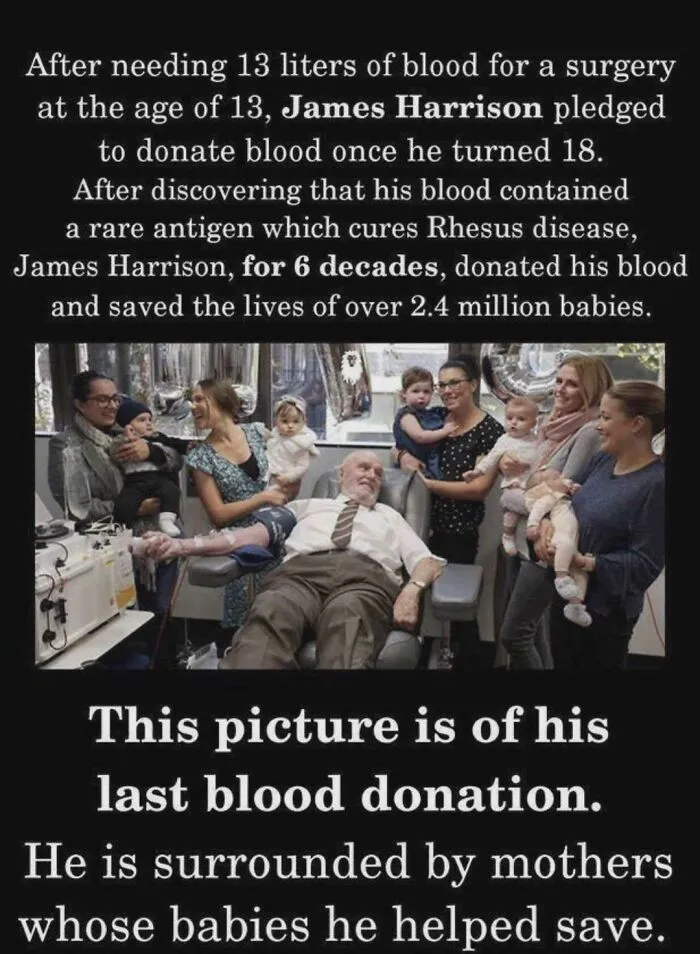
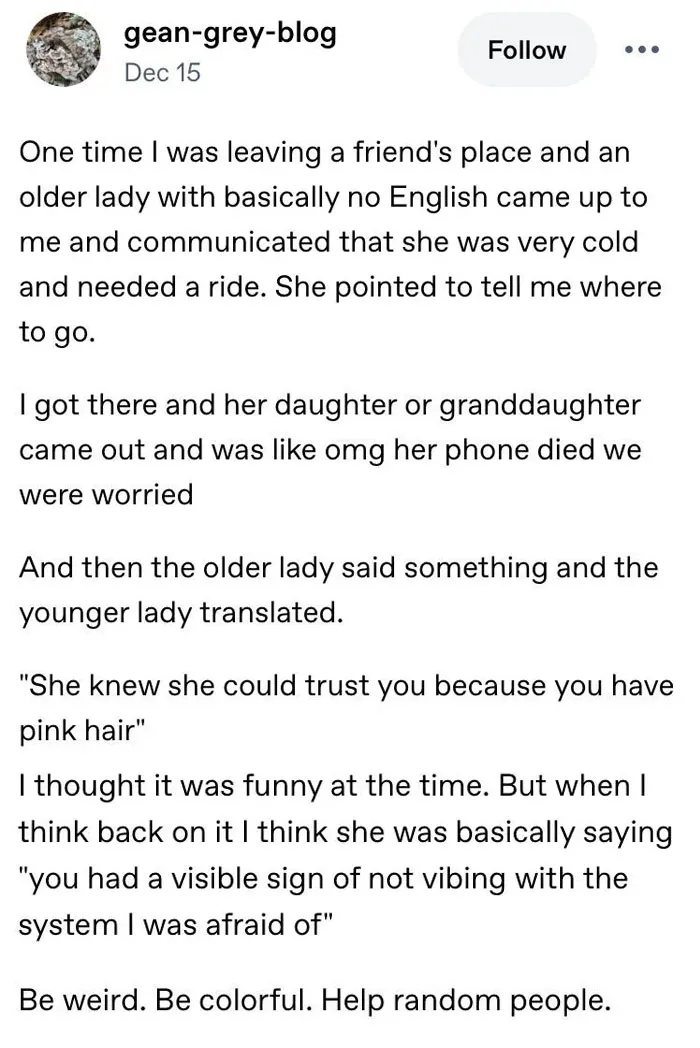
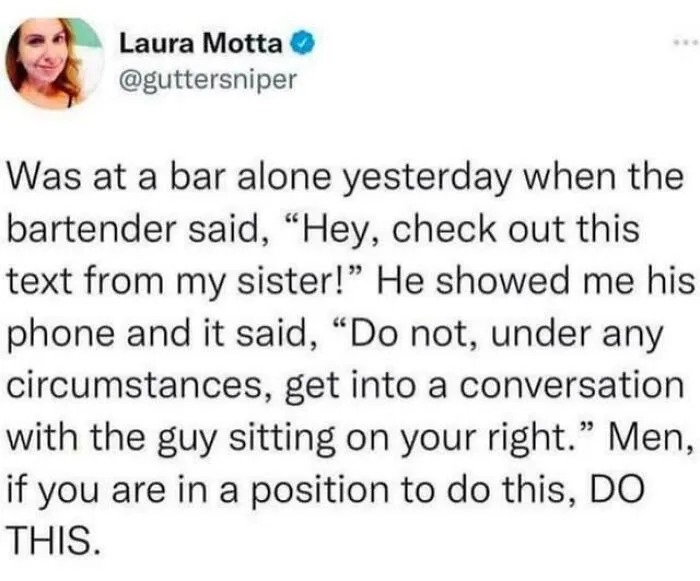
Volunteering is a quintessential example of doing the right thing. It’s giving up the spare time you set aside for leisure and relaxation to do an act of kindness for someone you don’t know.
While it is an admirable trait, some experts find it puzzling. That’s why University of Minnesota psychology professor Mark Snyder chose volunteerism as a field of study.
#14
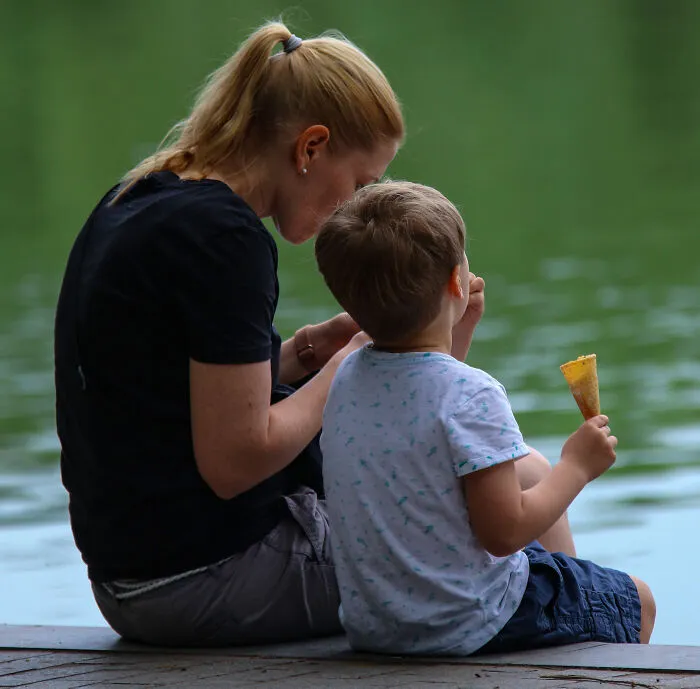
Hello! I (34f) am a single mother of 3 kids (17m, 12m, and 10f). Back in April, my son(17) came to me asking if his friend, who was in a bad spot, could stay with us. Knowing this boy from frequently coming over, I agreed. He is a great kid, he just turned 18 a couple days ago, and does what he can to help out. The younger kids treat him like a sibling as well. Here is where I’m struggling. He and my son both go to a technical career school, to help them gain knowledge for different career choices. My son works with computers, while his friend is interested in engineering. Both great choices. There is a grant program that helps with the costs of their learning equipment and whatnot that goes based off of taxes. Of course, my son is qualified, but I have no way to help his friend with getting the grant. I have tried contacting them and explaining the situation, and got nowhere. Does anybody know of any programs that are available to help teens who are trying to better themselves?
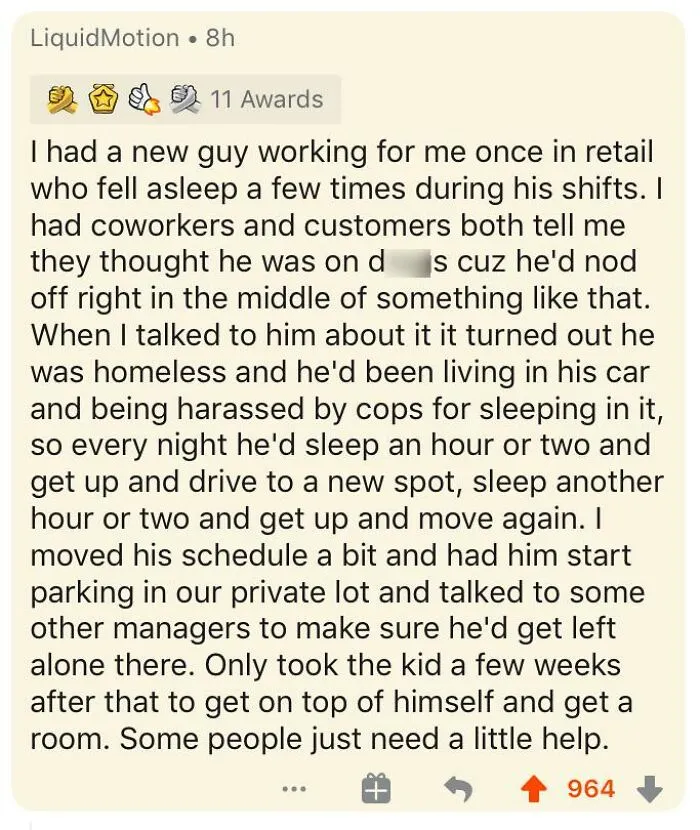
“(Volunteering is time-consuming. It's stressful, it takes time away from your job or family or leisure." What is it, he began to ask, that propels so many people to donate their time, their energy, and their efforts anyway?” Snyder said, speaking with the American Psychological Association.
#17
#18
A few years ago, my wife and I were heading to a cabin for a weekend getaway when my car started making horrible noises. We pulled over, turns out the serpentine belt was shredded from an oil leak. We were completely stuck on the side of the road.
Within five minutes, a guy named Marcus stopped to help. He drove me to grab a replacement belt, but we couldn't install it ourselves. Then he did something incredible, he offered to lend us his spare vehicle for the weekend so we wouldn't miss our trip.
Two complete strangers, and he just handed over his keys. Took a pic of my license and that was it.
We made it to our cabin. A mobile mechanic fixed my car later that day, and we returned Marcus's vehicle the next evening.
I still think about him. He didn't have to stop. He definitely didn't have to trust us with his car. But he did, without hesitation.
That's the kind of kindness that sticks with you.
Snyder and his group identified five primary motivations for volunteering: satisfying personal values, addressing a community concern, feeling better about oneself, challenging oneself, and better understanding other people.
According to Snyder, volunteering can have both altruistic and egotistic components. As he emphasized, it's better to see these two feeding each other than competing.
#20