



This post may include affiliate links.
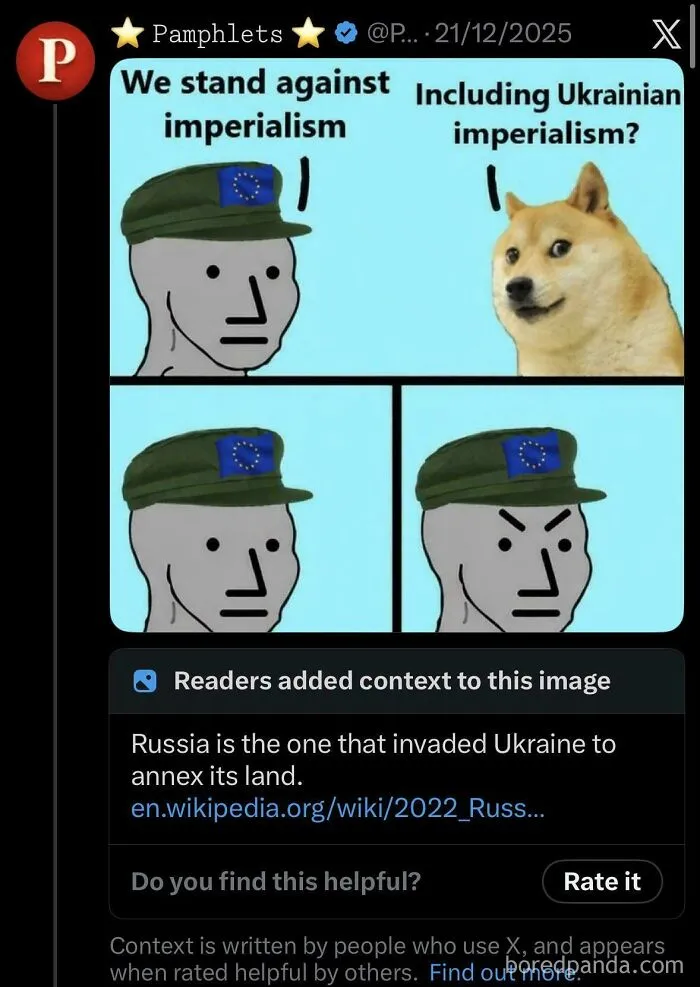
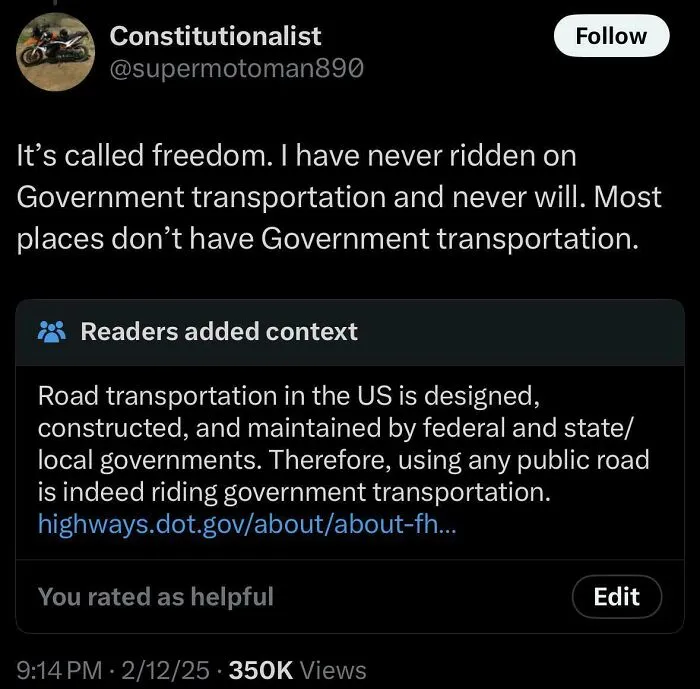
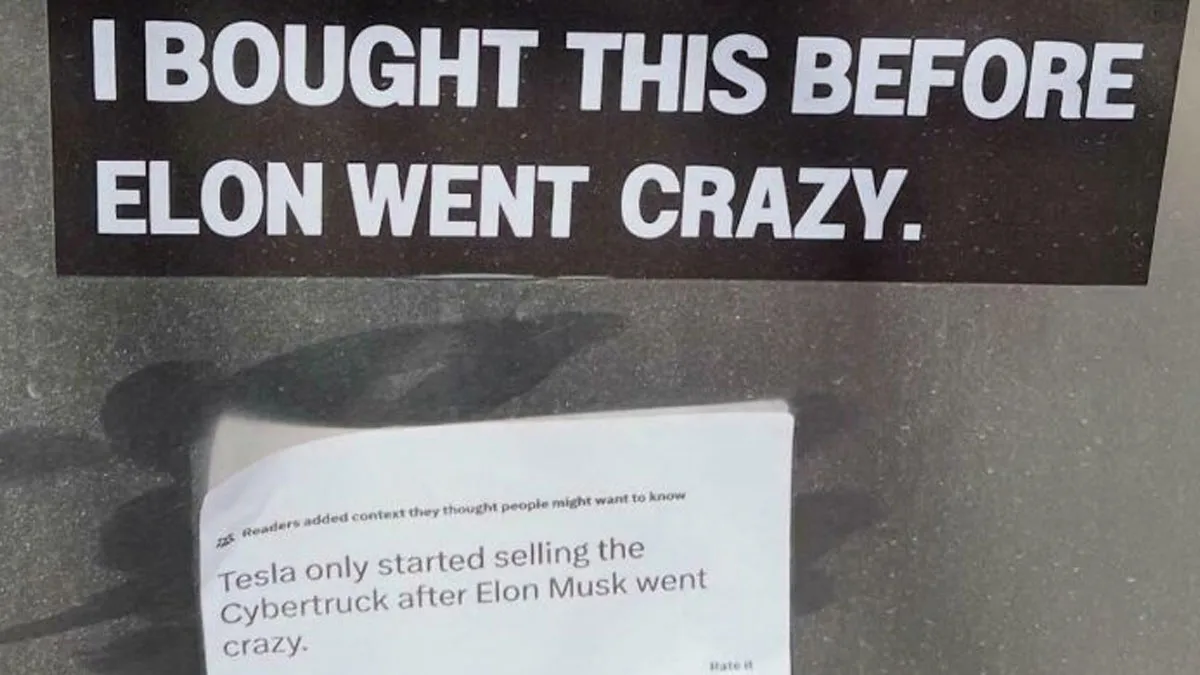
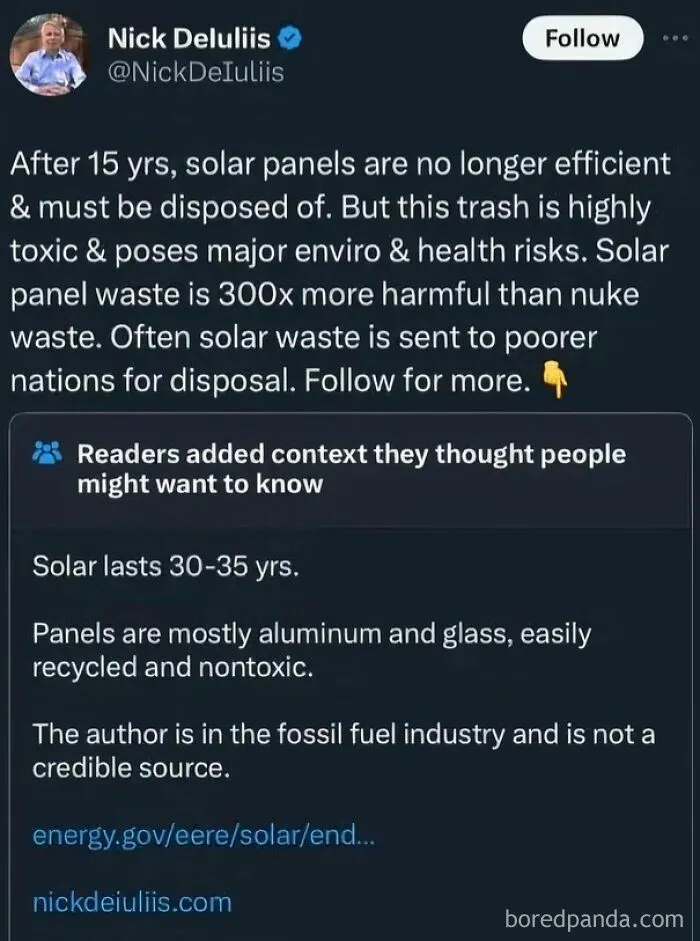
#1 Don't Believe Everything You Read On Xitter
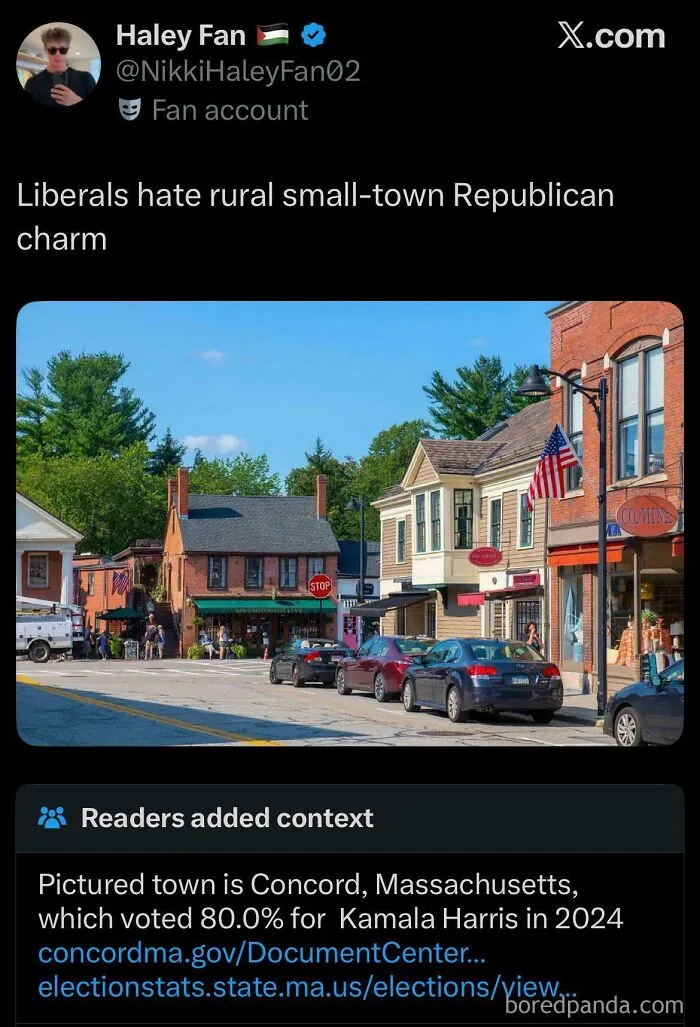
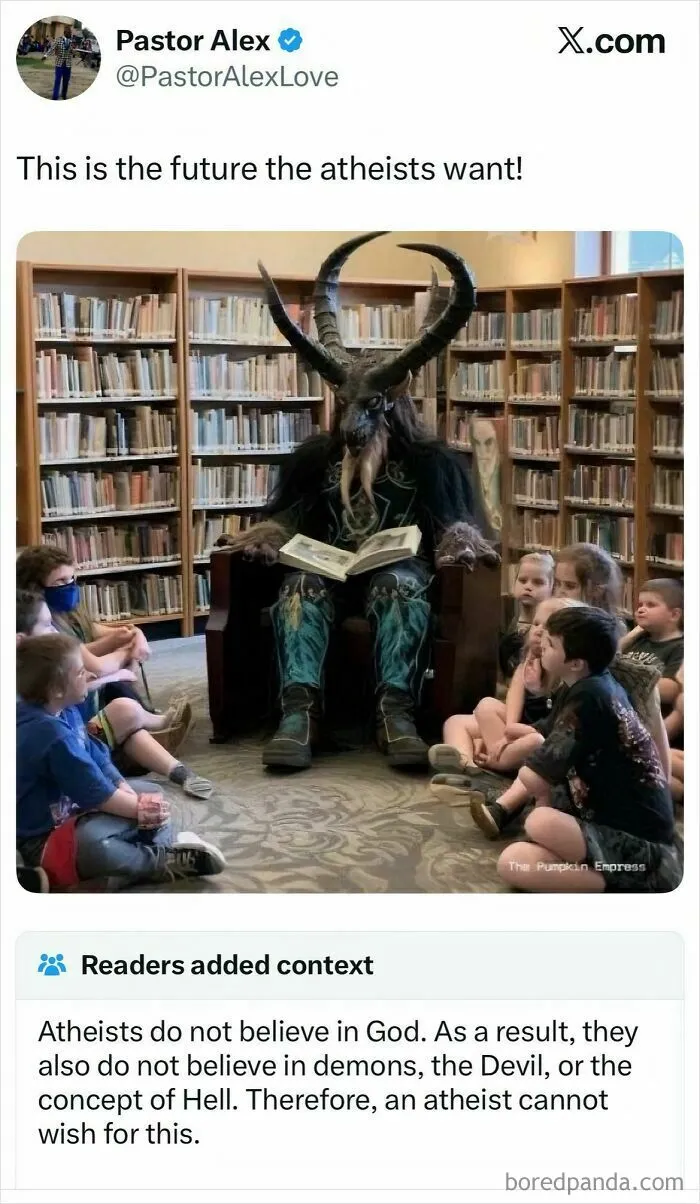
If you only go online to look at memes on social media and communicate with your friends, you might not notice how rampant misinformation is on the internet. It doesn’t seem like a pressing issue if your only concerns are how many likes your Instagram story has received or finding local events in your area on Facebook.
But the reality is that many people are keeping up with global events from social media. The Pew Research Center reports that 38% of adults in the United States say they regularly receive their news from social media, and 35% say the same about YouTube. So if someone is spreading lies on the internet, there’s a good chance that another person will take those false claims as gospel.
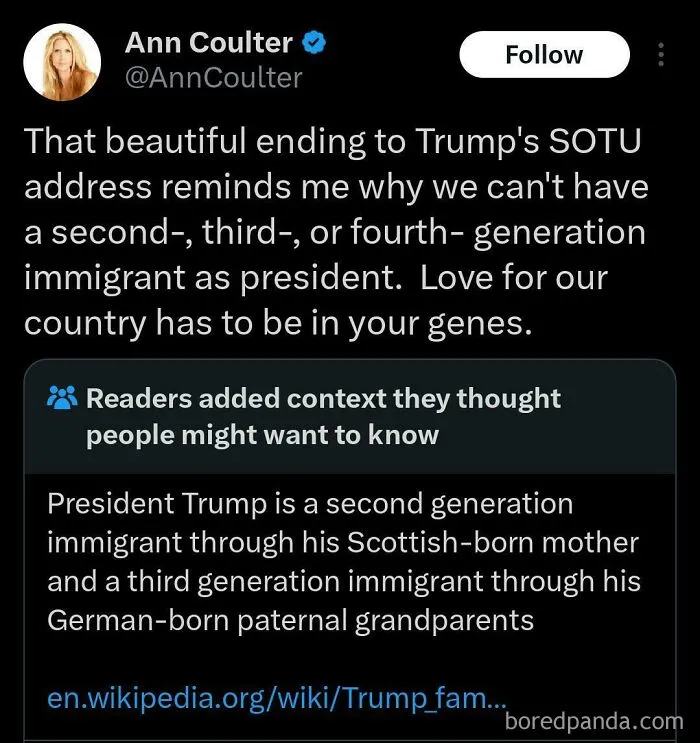
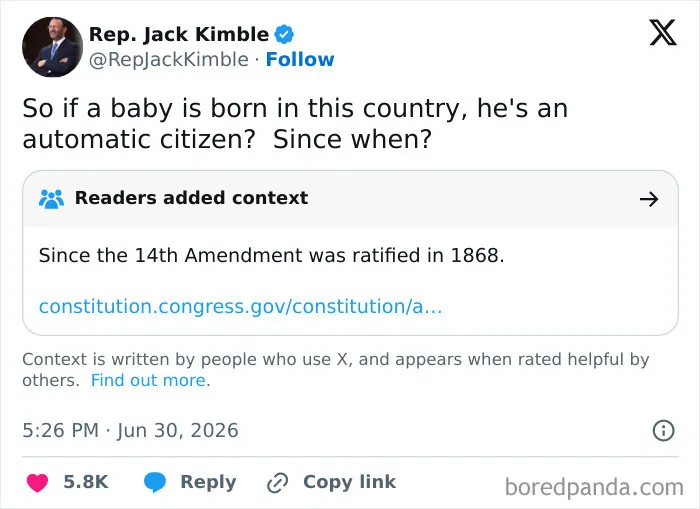
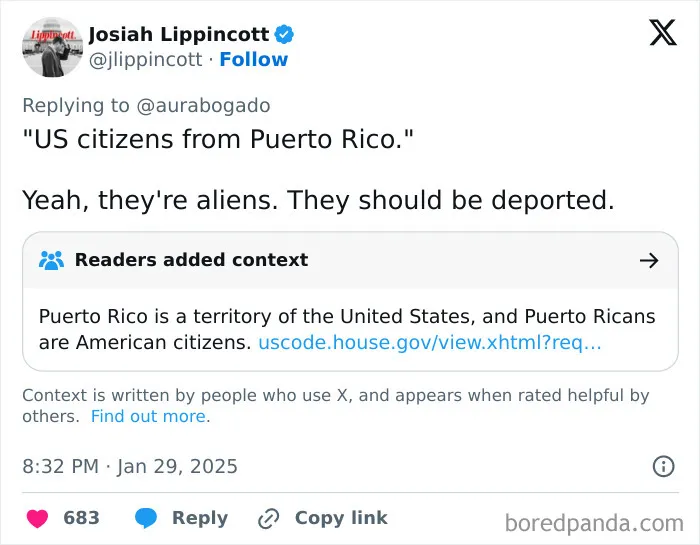
#5 Birthright Citizenship
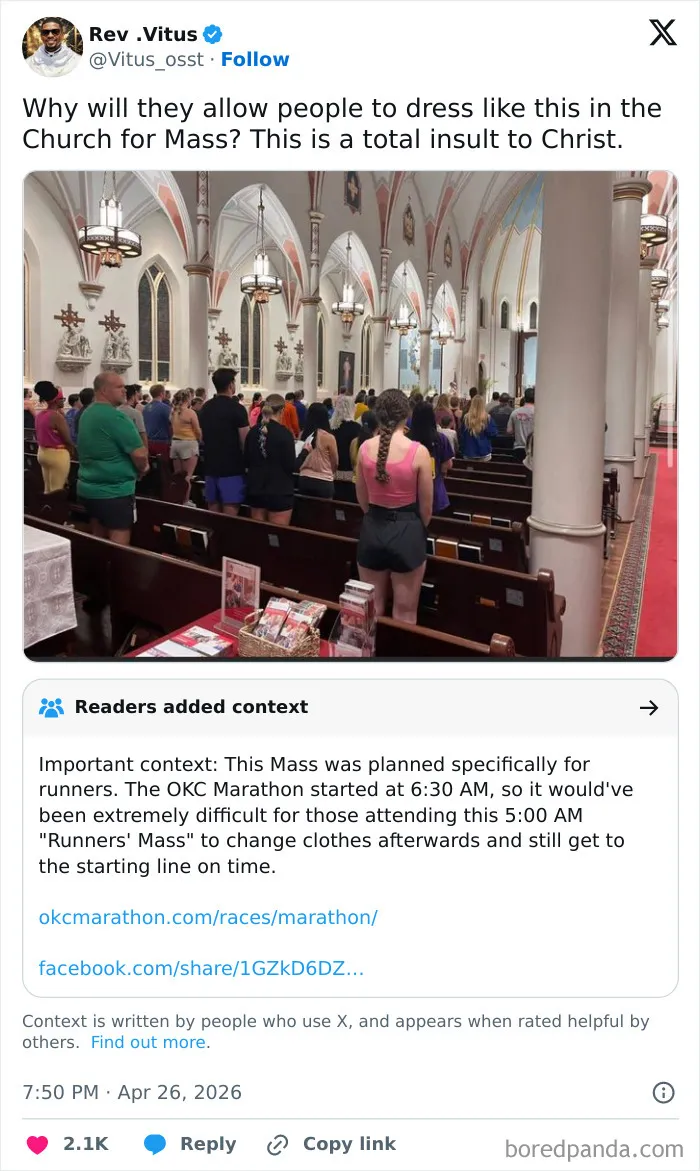
#6 Church Service For Runners
Unfortunately, there are plenty of lies going around the internet. Research from the Social Market Foundation found that two in five local Facebook groups and over 80% of X searches featured at least one piece of misinformation in their last 1,000 posts. Meanwhile, almost 4% of news posts on Facebook included false claims, and on X, over a quarter of news posts were misinformation.
This is even worse in areas with limited or no local news outlets. In these “news deserts,” fake news appears nearly three times as often as it does in other areas. And misinformation tends to peak at certain times. For example, places with local elections saw misinformation skyrocket in the days leading up to voting day.
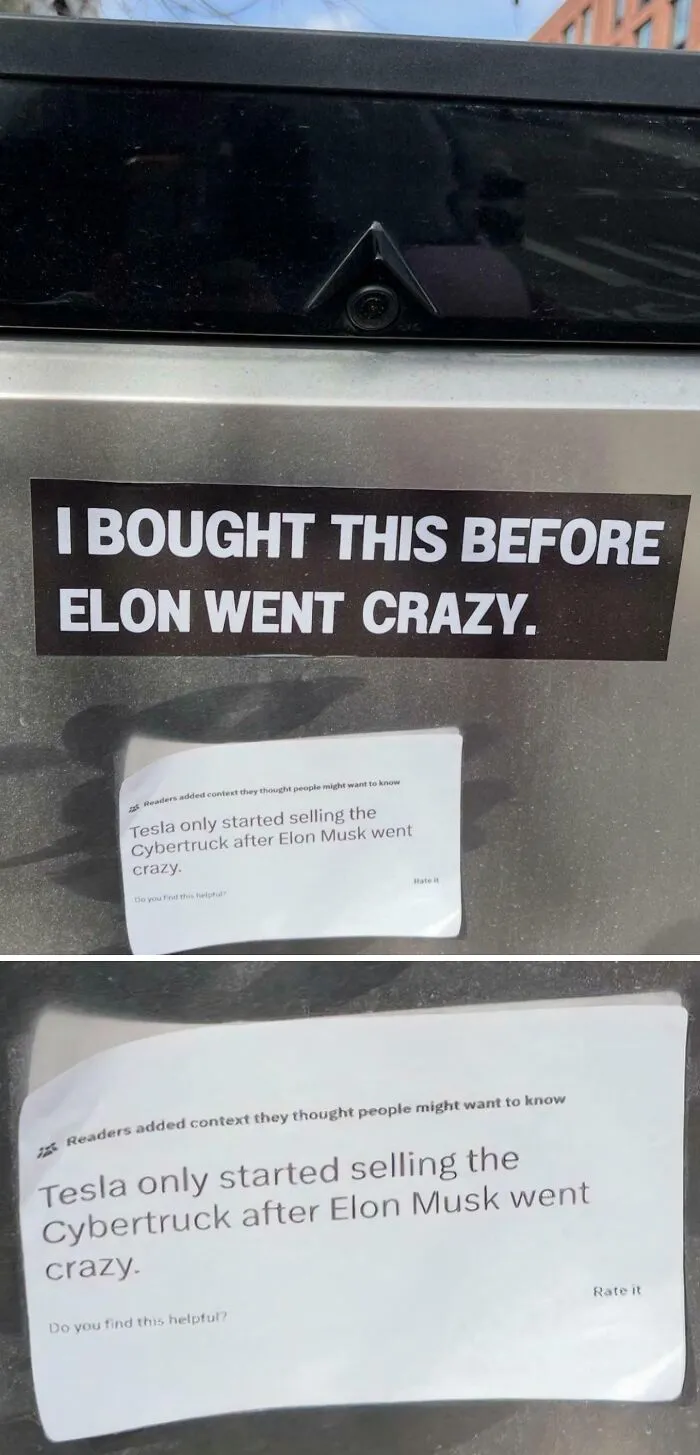
#8 When Pretty Much The Entire Tweet Gets Noted, You Know It's Bad
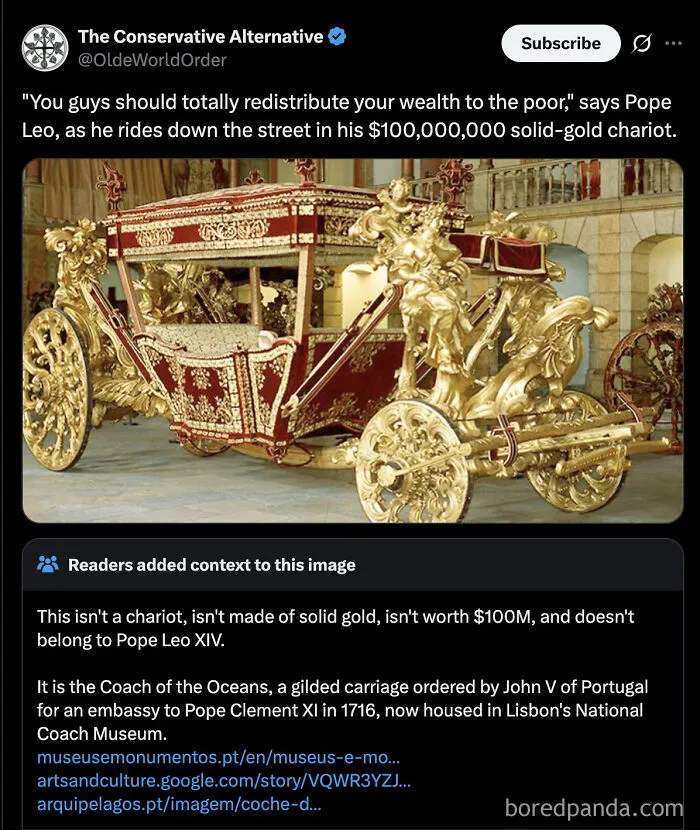
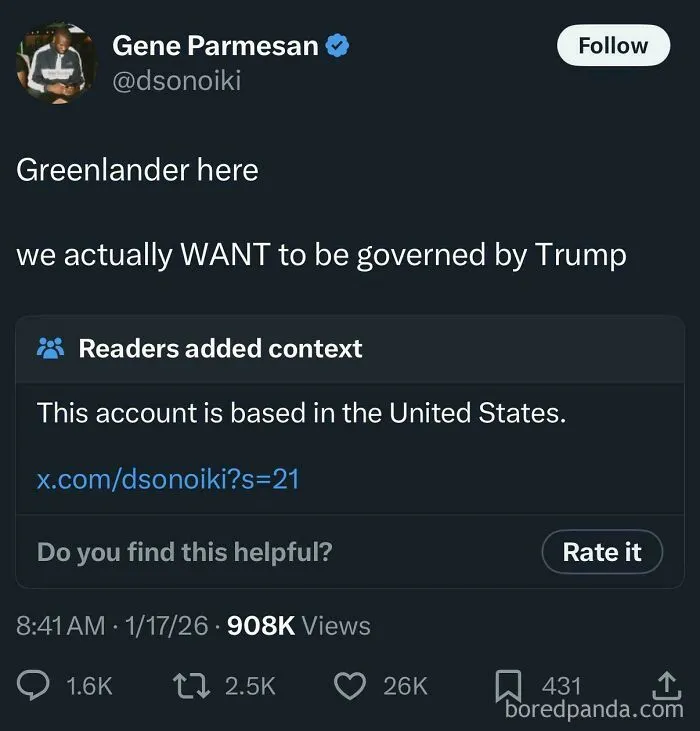
Now, you might be wondering why these false claims online are such a big deal. They’re just honest mistakes, right? Well, not always. The Anti-Defamation League notes that disinformation, the intentional spread of lies or propaganda, is rampant on the internet too. And it can be incredibly dangerous.
Disinformation can heavily impact elections and politics. Donald Trump knows this all too well, as he has claimed that the 2020 election was “rigged” and stolen from him, even though he lost fair and square. But his claims have pushed many of his supporters to distrust those on the other end of the political spectrum, leading to further division in the United States.
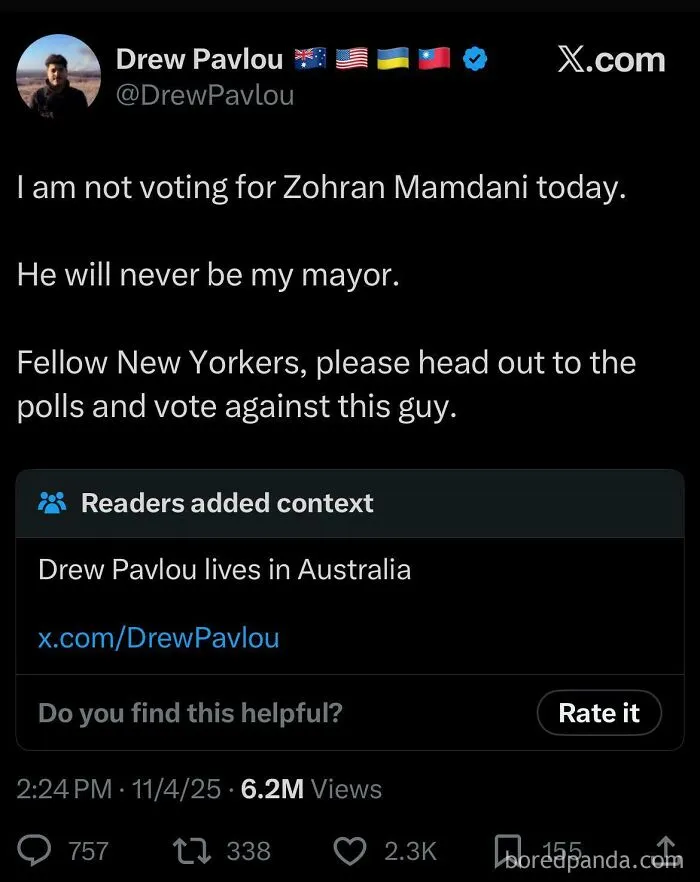
#11 Drew Should Sit This One Out
Misinformation online can also be very dangerous when it comes to our health. We’ve all heard that vaccines cause autism or that sunscreen causes cancer, but these claims are simply false. We need vaccines to keep us safe, as the United States is currently seeing the largest outbreak of measles in 35 years because of declining vaccination rates. Meanwhile, not wearing sunscreen can greatly increase a person’s risk of developing skin cancer, something that nobody wants. And while there’s absolutely nothing wrong with having autism, no, your child will not magically get it after receiving their vaccines.
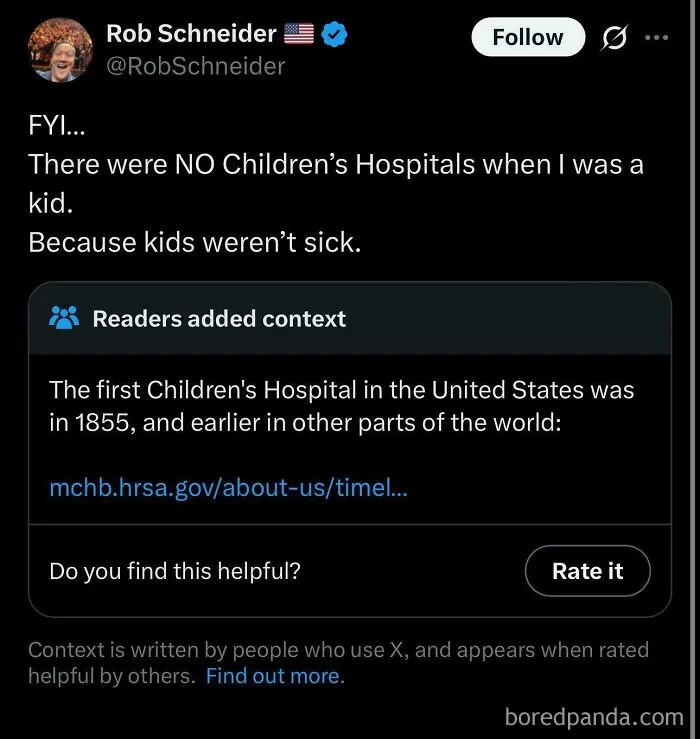
#13 Base On This Logic, Rob Is Nearly 200 Years Old
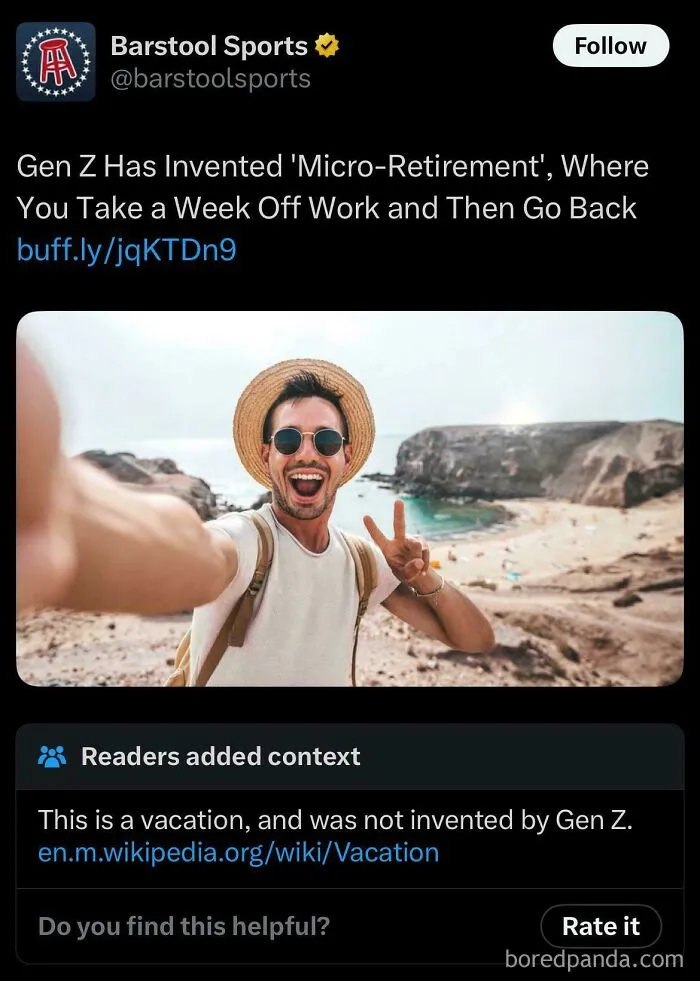
#14 Micro Retirement
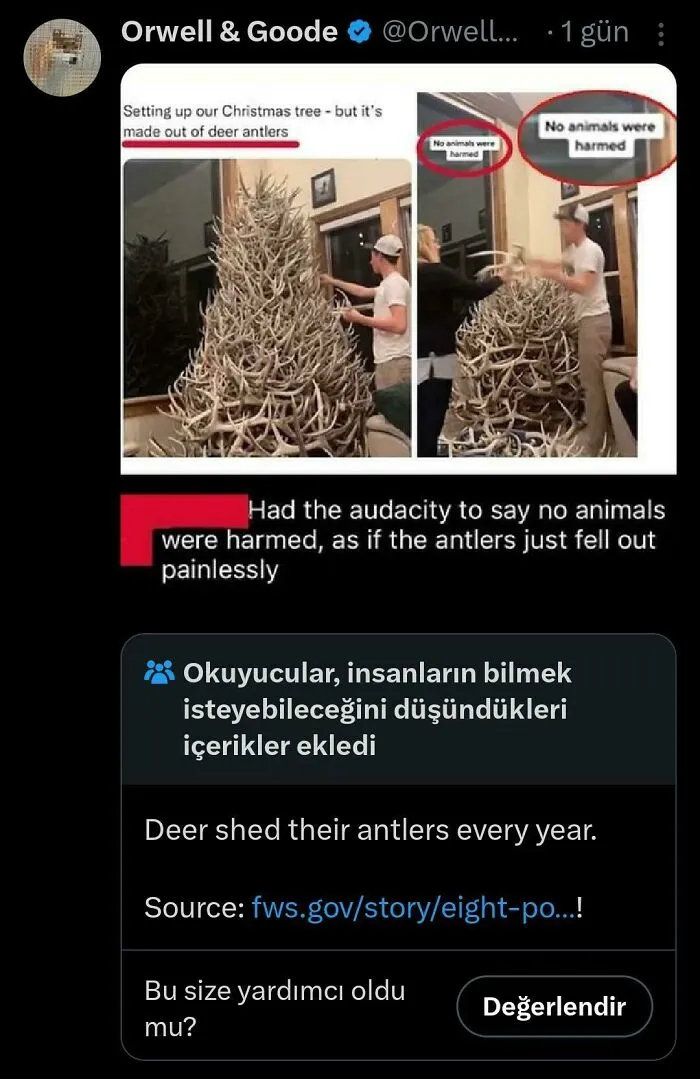
The unfortunate thing about misinformation online is that it can spread so rapidly. The American Psychological Association notes that this happens because social media doesn’t have the same safeguards in place to protect against false claims that mainstream news outlets do. Of course, there are some major news outlets that spread disinformation as well. But in general, they are supposed to fact-check and be careful about what they share. On the internet, however, anything goes.
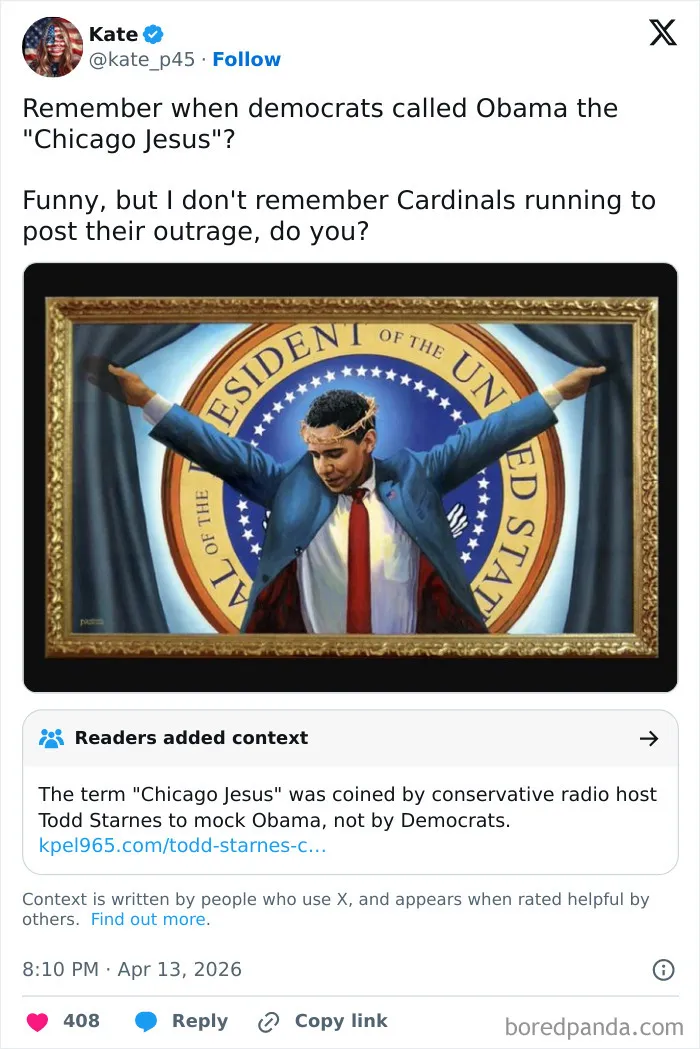
#16 Dawg That’s Not How That Works
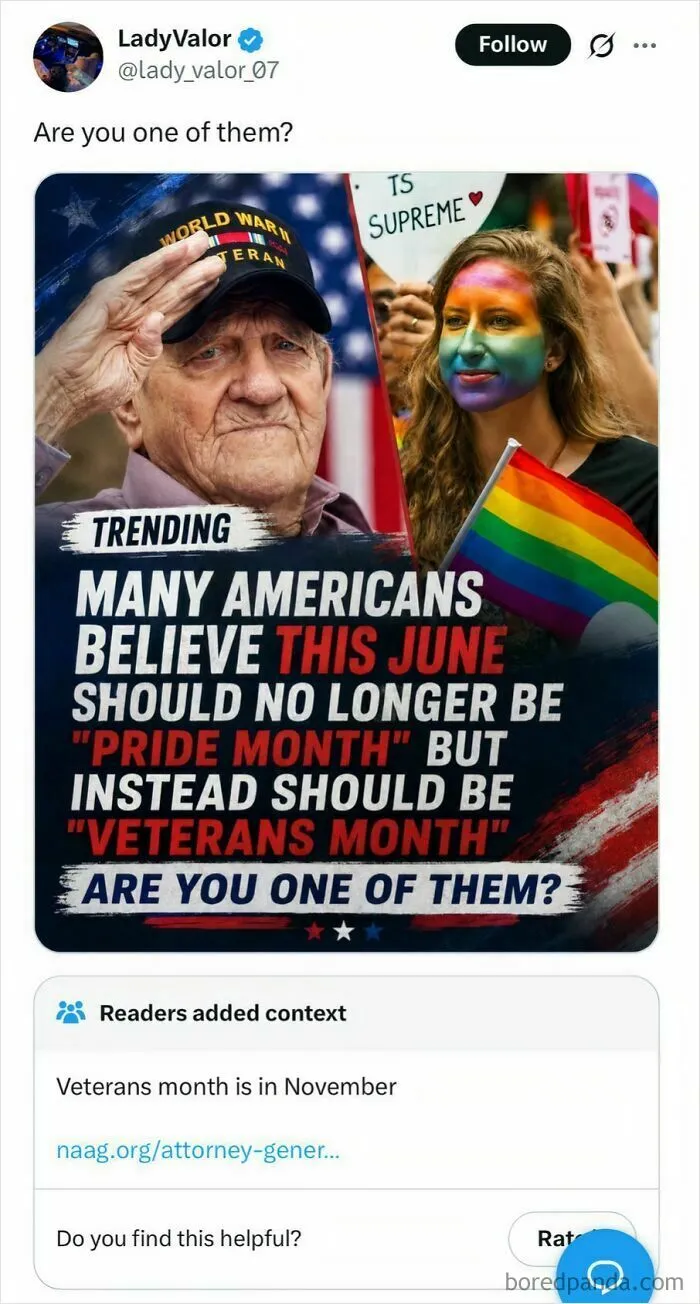
The algorithms on social media sites also make it much easier to find yourself in an echo chamber online. If you engage with a certain kind of content, the site will continue to push similar videos or posts onto your feed. The platform doesn’t care if these posts are full of conspiracy theories or false claims. As long as you’re engaging with those posts, you’re going to see more and more of them, which can send you down a rabbit hole of misinformation.