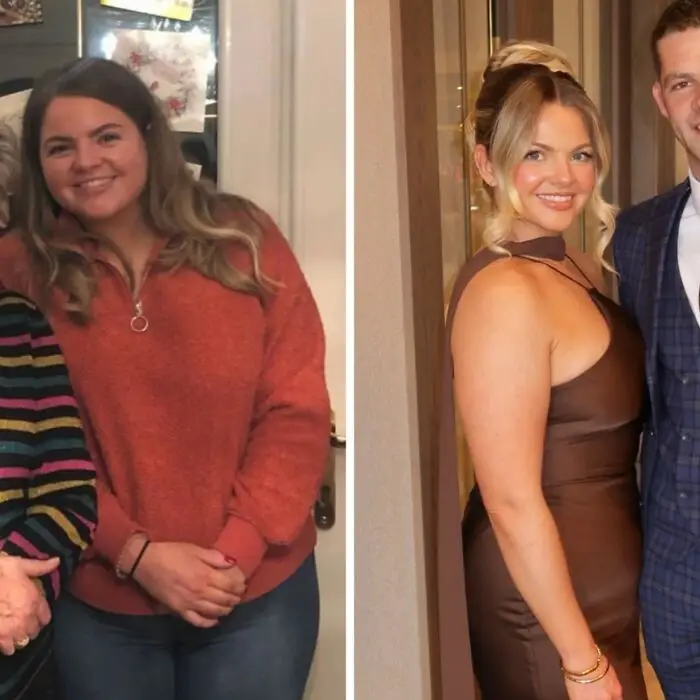






#1 I'm Going To Win This Trend, Here's Me At 34, And Now At 44, Hard To Believe I'm The Same Person

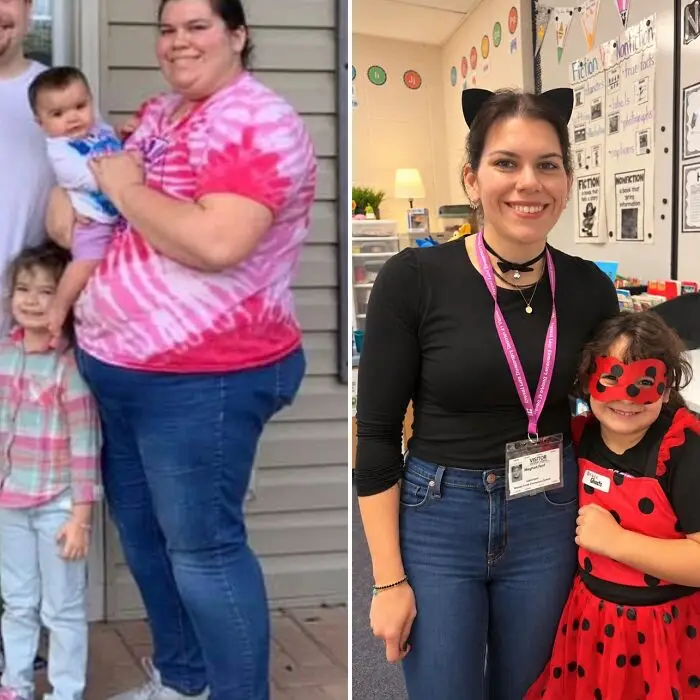

With age comes experience and wisdom — at least that's what people say. But does the number of years we've been on this Earth matter when it comes to how happy we are? Research shows that yes, there is a several-year window when we're the happiest, but it's not our 20s.
In a survey where people aged 50 and older were asked to look back at their lives and think about when they were the happiest, the majority named the first half of their 30s as the most memorable and joyful period of their lives. So, most people would probably be happy to not be 25 again.



When people are able to look back at their lives, there's something too chaotic and frantic about their 20s. Things don't exactly get easier later, as in their 30s and early 40s, many people have to juggle progressing in their careers, maintaining their romantic partnerships, and possibly even raising children.
Researchers have dubbed the period between 30 and 45 as "established adulthood" — after emerging adulthood and just before midlife. As people are having children later in life and both men and women are equally engaged in the workforce, these are usually the years when people would be most stressed. Nevertheless, for many, they are the happiest.



There's a slight gender difference in how people perceive their 20s. According to a YouGov poll, women are more likely to say that life after they turn 30 is better. Men, on the other hand, see their 20s as their best decade.
Few people have it all figured out in their 20s — we're still figuring out how to take care of ourselves. That's why it's not surprising that younger people report struggling more with mental health. According to a 2026 Pew survey, 36% of adults under 30 rate their mental health as poor.



There's a myth online that the brain develops fully at 25 — many memes have been made about people realizing the dumb mistakes they've made as young people, "because my frontal lobe developed." Although 25 as the cutoff for when our brains stop developing is based on science, newer research shows that this development goes on well into our 30s.



During the 1990s and the 2000s, scientists found out about the magical number 25 through brain imaging. During childhood and adulthood, our brains build lots and lots of neural connections. As we age, the brain "prunes" away unnecessary ones and strengthens those that stay.



Further research found that some regions of the brain don't fully mature until around the age of 20. Yet the researchers didn't scan the brains after the participants were in their 20s, so they estimated that the maturation process stops around 25. That's how that age got stuck in our collective consciousness.