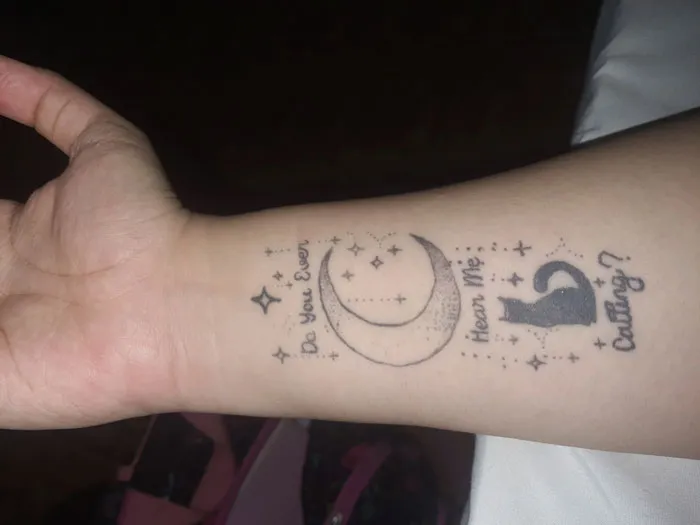


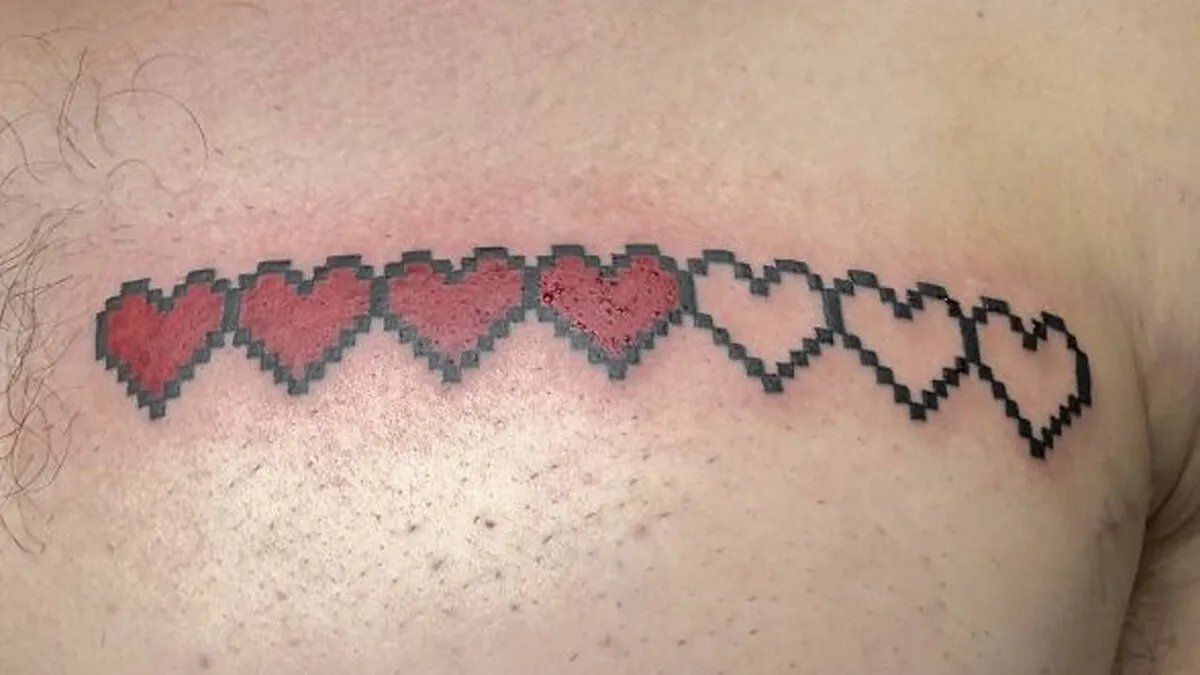


#1 After My First Loss I Got This Tattoo
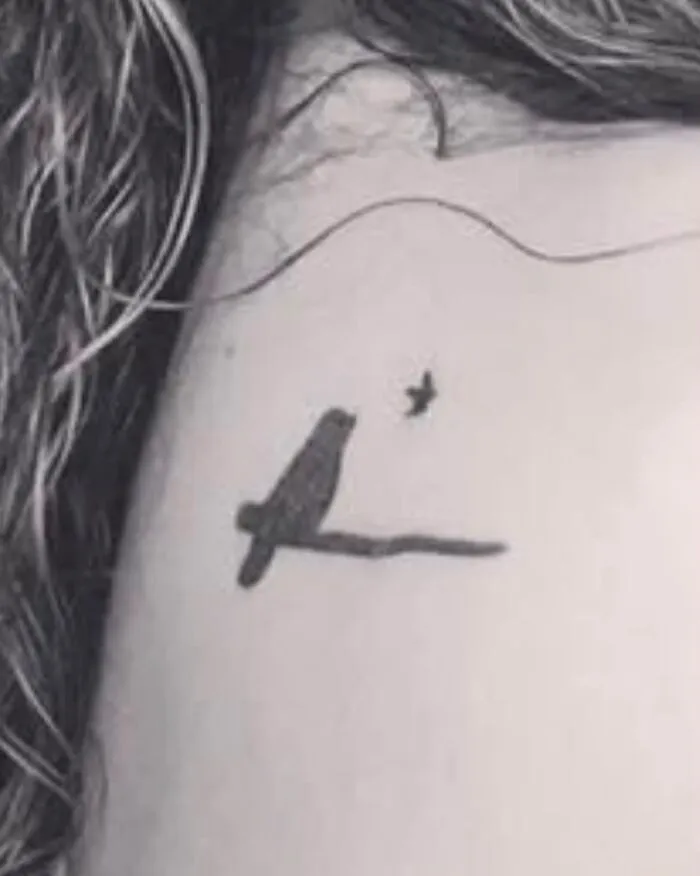
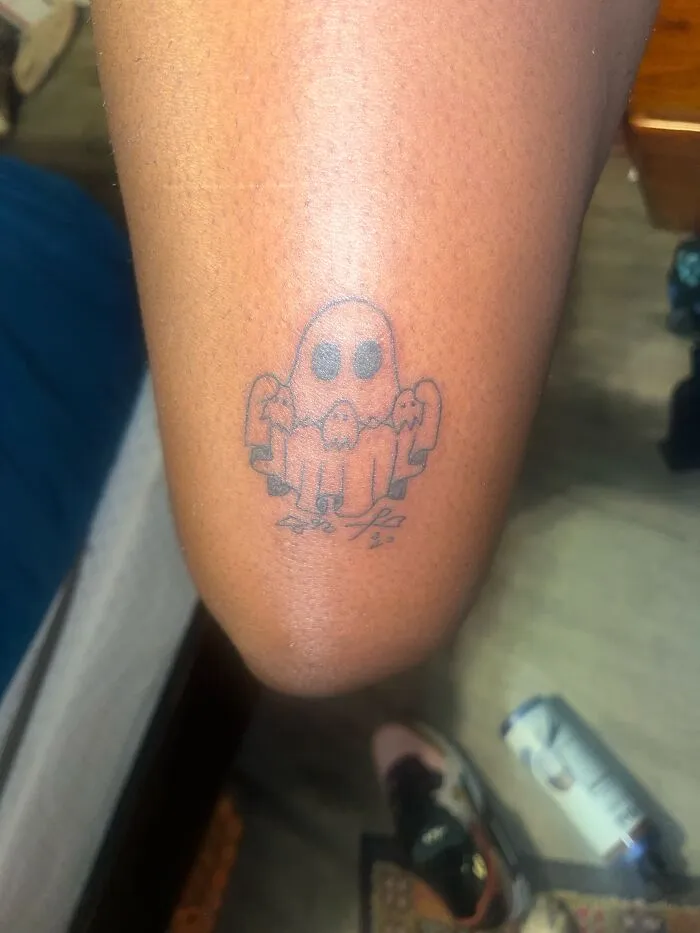
#2 These Are For My Oldest Daughter, Who I Lost 9 Years Ago
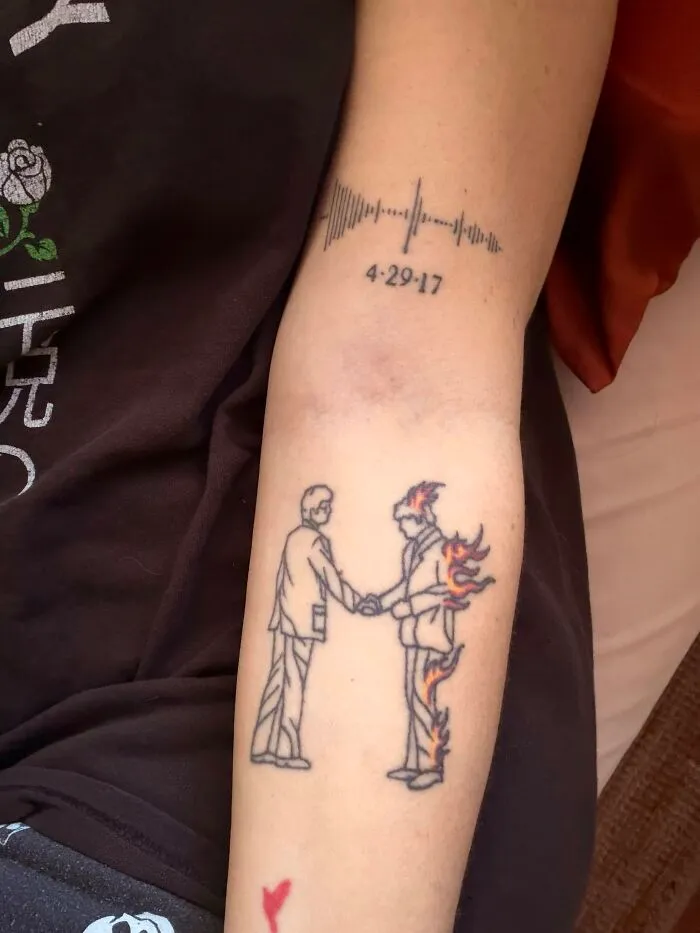
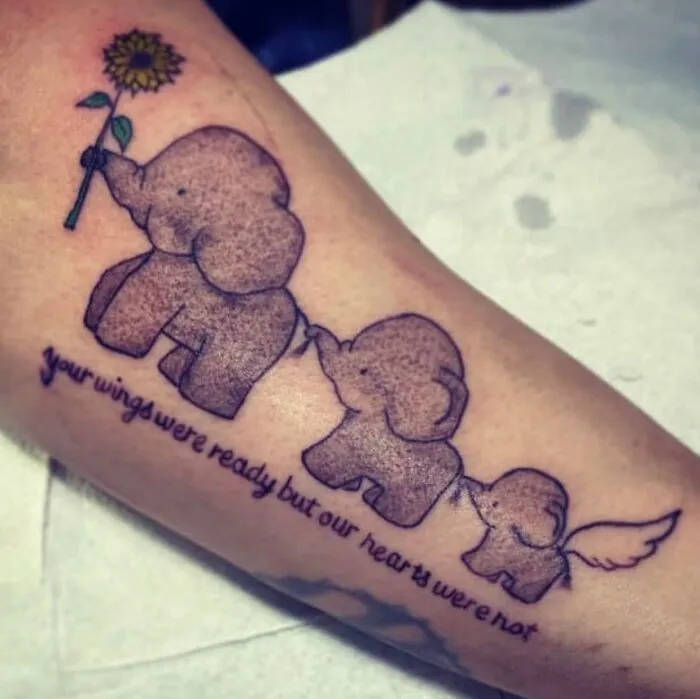
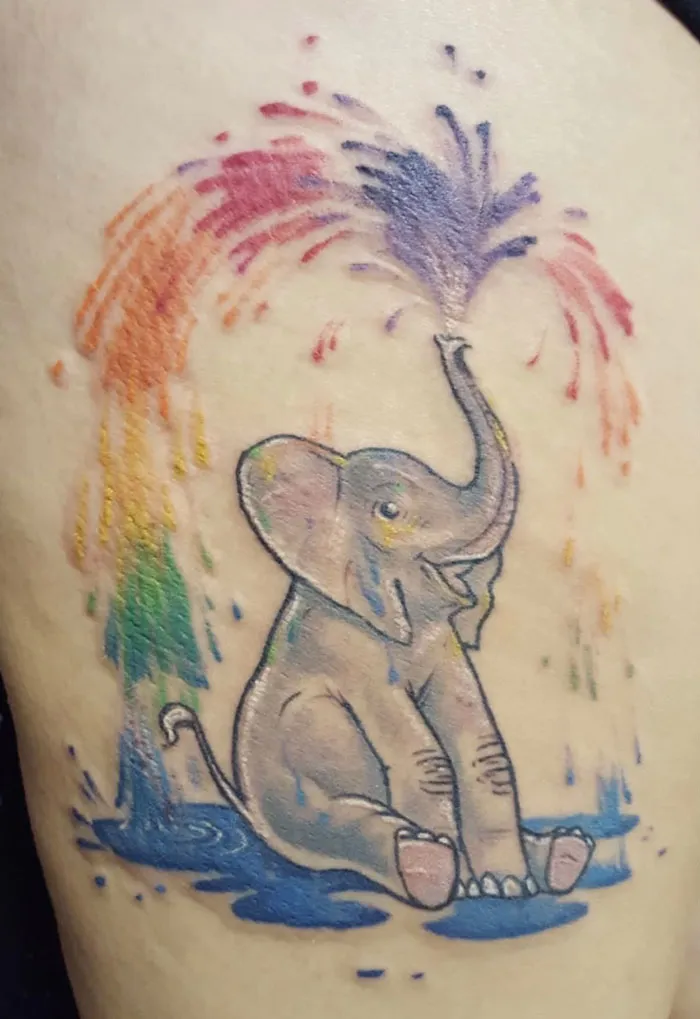
#3 3 Siblings, I’m The Oldest, The Youngest One Passed Away 5 Years Ago At 26.. She Loved Elephants And Sunflowers 😔
Tattoos are powerful, and they’ve become almost universal. According to Pew Research, a large majority of U.S. adults say society has become more accepting of people with tattoos in recent decades. And 32% of adults have a tattoo themselves, including 22% who have more than one.
Of the surveyed individuals, most got their tattoos to honor or remember someone or something: 69% of tattooed adults say this is either a major or minor reason they got any of their tattoos. Just under half (47%) say they got a tattoo to make a statement about what they believe, and 32% say they got at least one to improve their personal appearance.
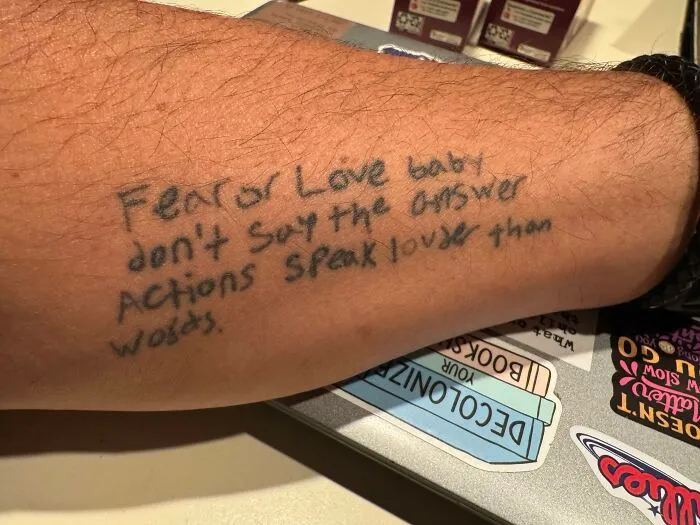
#4 My First Tattoo, In My Trans Son’s Handwriting. When He First Came Out, My Reaction Was Anything But Fully Supportive
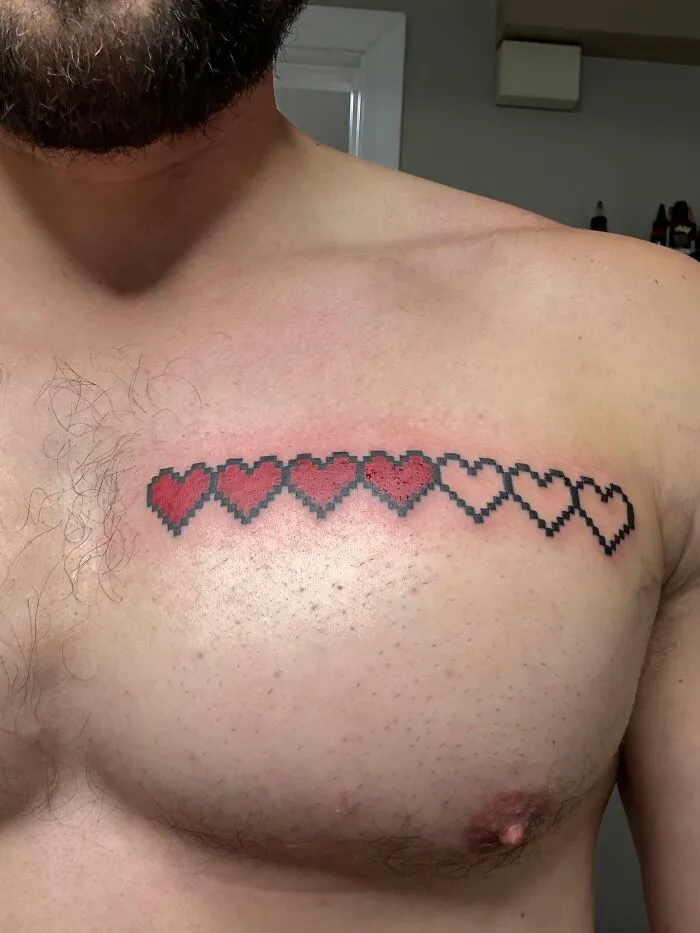
#5 The Four Living Children I Get To Go Home To Every Night. The Empty Ones Are Those I’ll Never Get Told, To Know, Or To Hear Laugh Or Cry
According to a survey of Yale students, 70.6% of tattooed students felt that “tattoos are a spiritual symbol or marker for a transformation in one’s identity.” Meanwhile, only 17.6% believed they were a symbol of rebellion.
While tattoos have become intertwined with identity, their significance varies immensely. Sometimes, they can also be therapeutic, helping transform painful reminders into mesmerizing pieces of art.
For instance, renowned tattoo artist, painter, and speaker David Allen uses his incredible skill to help breast cancer survivors. His work is dedicated to supporting people through their transition by covering post-mastectomy scars with tattoos. He uses plants, flowers, and other botanical imagery as a visual language for “adaptation, regrowth, and resilience.”
#7 When I Was 14 I Got A Girl Pregnant. When I Was 15 She Lost The Pregnancy
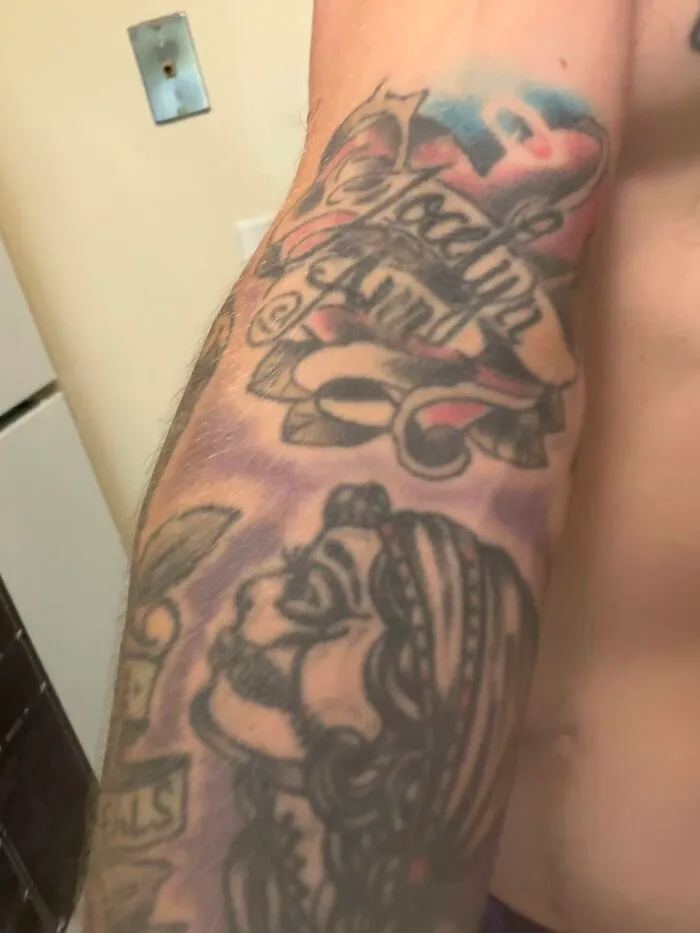
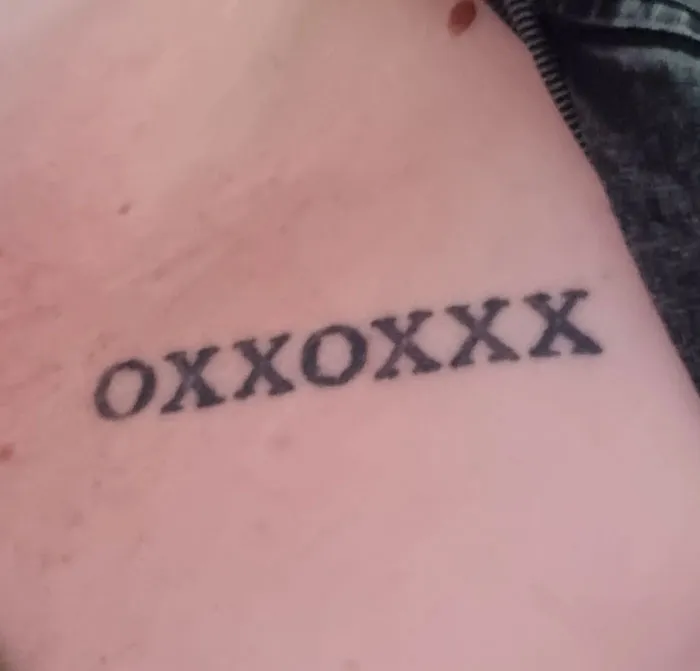
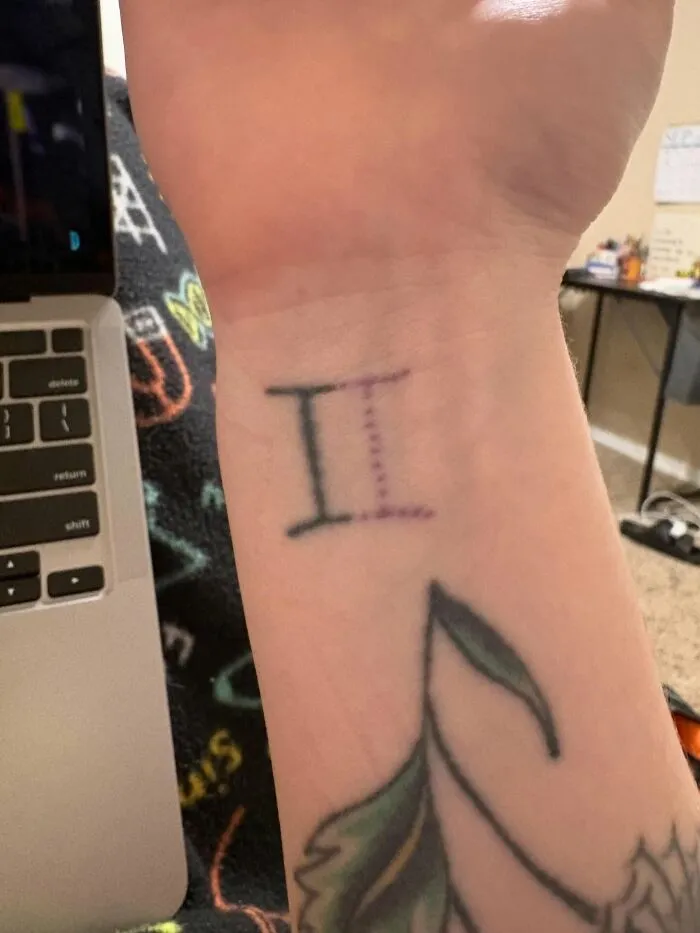
#9 Used To Be An Identical Twin And She Passed At 20 Hours After Birth. Half Of It’s Dotted For Her And We Happen To Be A Gemini So The Twin Has Double Meaning
Alice Nicholls is another such artist and a researcher. She believes tattoos can help people heal from grief and affirm their identity. Using her talents, she supports her clients in reclaiming their identity. It’s honestly fascinating how powerful ink can be.
However, tattoo art is not really a modern concept. In fact, it’s an interesting part of history that is often overlooked. But body art has been around for a really long time, and its purpose varies widely, from protection to punishment.
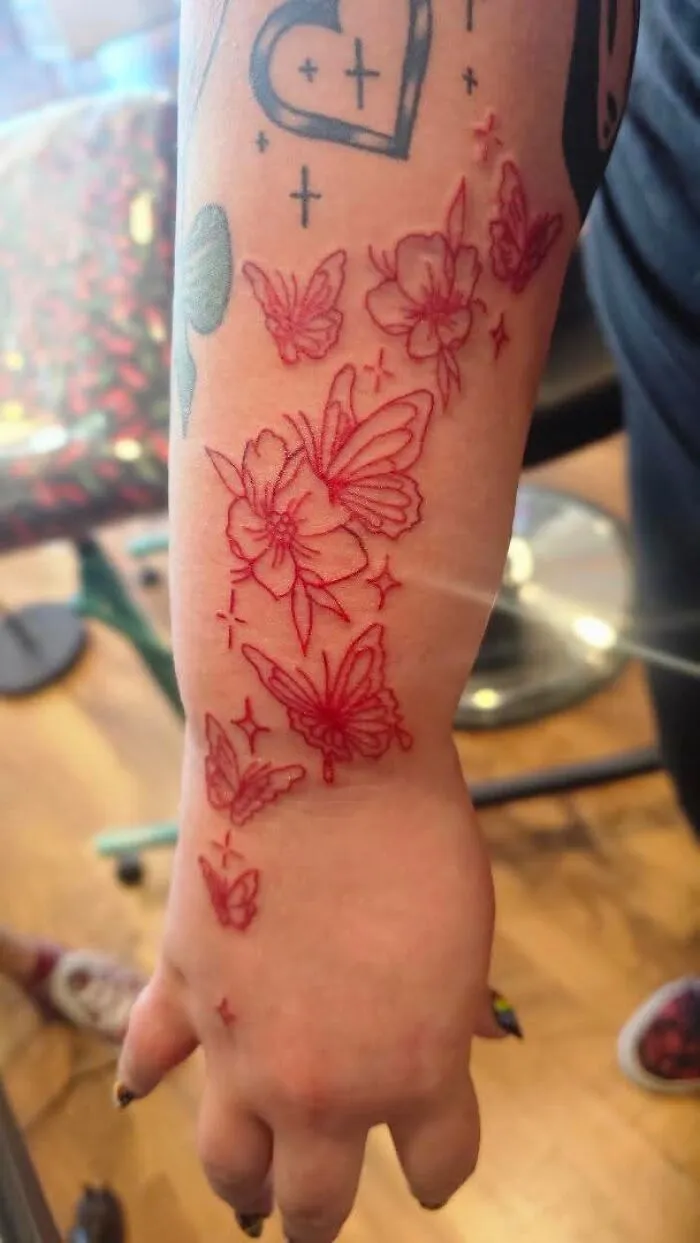
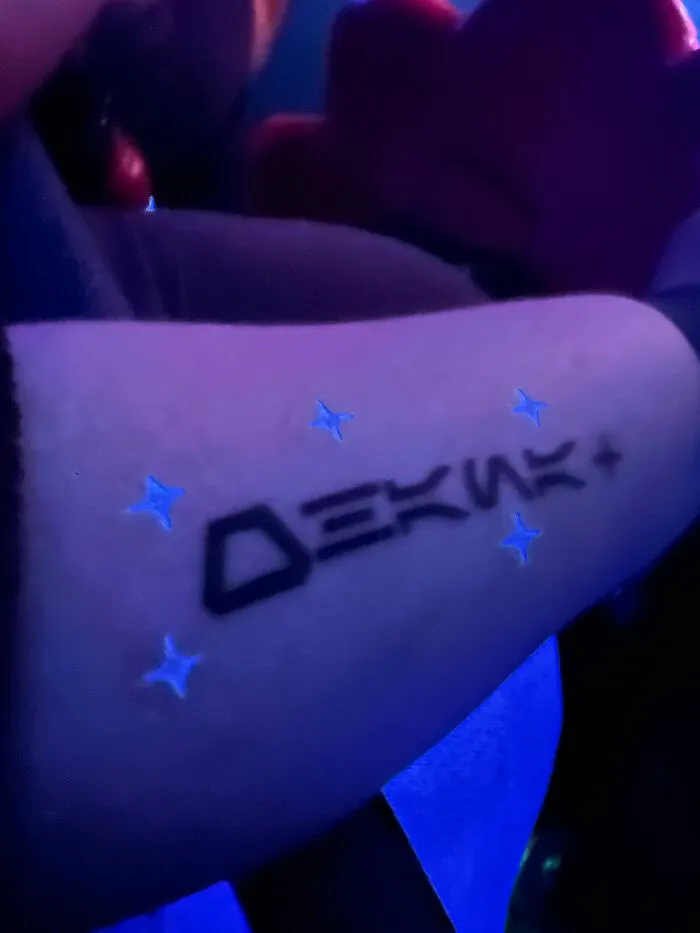
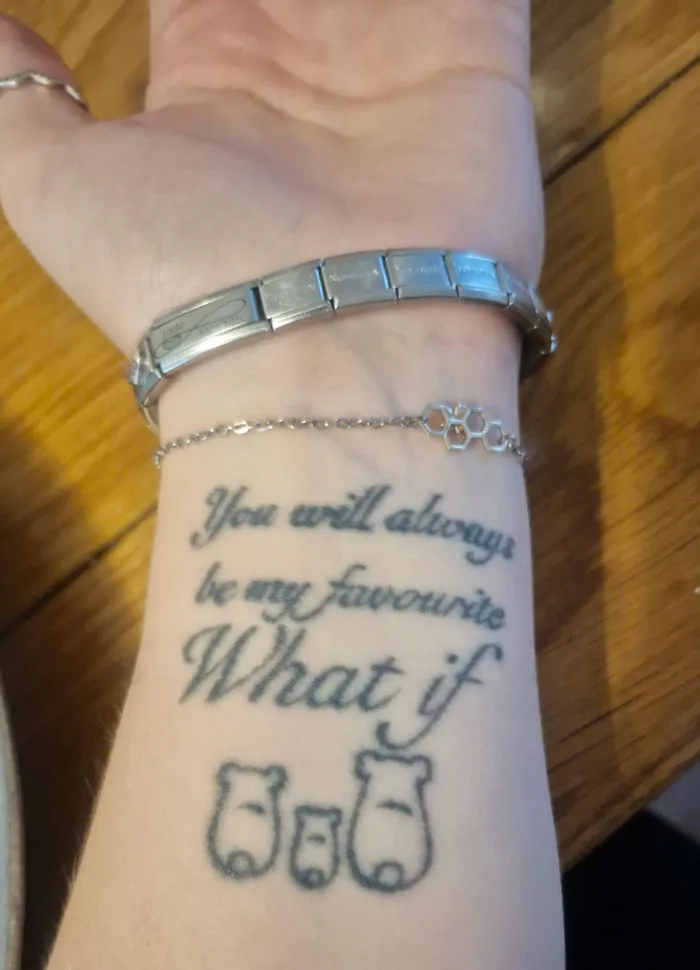
#12 I Have A Similar One. Mine Says Ohana In Aurebesh (Star Wars). One Star You Can See For My Ivf Daughter. And 5 In UV Ink For Losses. They Are There If You Know How To Look
For a long time, historians believed that Egyptians were the earliest tattoo artists. Figurines from circa 4000-3500 B.C.E. and mummies with tattoos from circa 2000 B.C.E. show that body art existed in ancient civilizations.
Joann Fletcher, an honorary archaeology research fellow at the University of York, who studies tattooing’s mark on history and culture, told Smithsonian Magazine, “Because this seemed to be an exclusively female practice in ancient Egypt (though recent finds prove at least one man was inked), mummies found with tattoos were usually dismissed by the (male) excavators who seemed to assume the women were of ‘dubious status,’ described in some cases as ‘dancing girls.’”
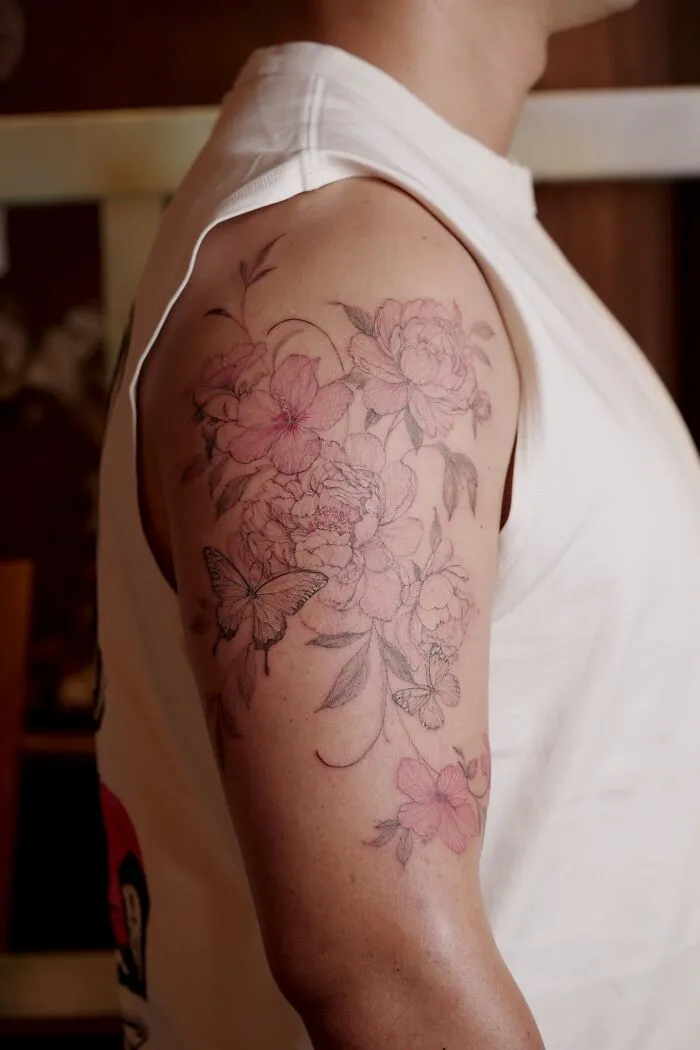
#13 The Big Peonies Because They’re My Wife’s Favorite Flowers. The 2 Butterflies Are For The Babies We Lost Last Year
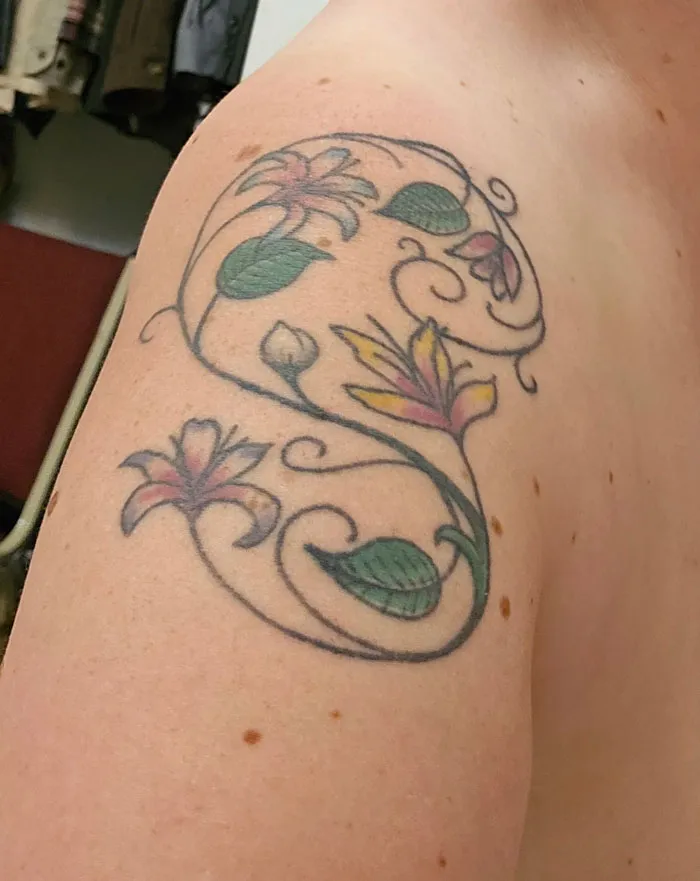
#14 I Have A Flowering Vine Tattoo, Leaves For Each Of My Sons, Flowers For My Daughters. A Single Bud For The Baby We Didn't Get To Keep. I Plan To Eventually Add Little Ladybugs Or Bumblebees For Grandkids
“The female mummies had nevertheless been buried at Deir el-Bahari (opposite modern Luxor) in an area associated with royal and elite burials, and we know that at least one of the women described as ‘probably a royal concubine’ was actually a high-status priestess named Amunet, as revealed by her funerary inscriptions,” Fletcher commented.
She personally believes that the tattooing of ancient Egyptian women had a therapeutic role and functioned as a permanent form of amulet during the very difficult time of pregnancy and birth.
Her theory is supported by the distribution pattern, largely around the abdomen, on top of the thighs, and on the breasts. It also explains the specific designs, particularly the net-like distribution of dots applied over the abdomen.
#17 I Have One Similar To Some
#18 Because An Elephant Never Forgets And Ill Never Forget The Storm Before My Beautiful Rainbow Baby
However, experts’ theory that Egyptians were the earliest tattoo artists changed in 1991. When Ötzi the Iceman, a 5,300-year-old frozen mummy near the Italian-Austrian border, was excavated, his body bore ink.
Fletcher explained, “Following discussions with my colleague, Professor Don Brothwell, one of the specialists who examined him, the distribution of the tattooed dots and small crosses on his lower spine and right knee and ankle joints corresponds to areas of strain-induced degeneration, with the suggestion that they may have been applied to alleviate joint pain and were therefore essentially therapeutic.”
“This would also explain their somewhat ‘random’ distribution in areas of the body which would not have been that easy to display had they been applied as a form of status marker,” she noted.
#19 Two Spiders On The Web For My Kids Who Are Earthside And One Still Connected Even From Beyond
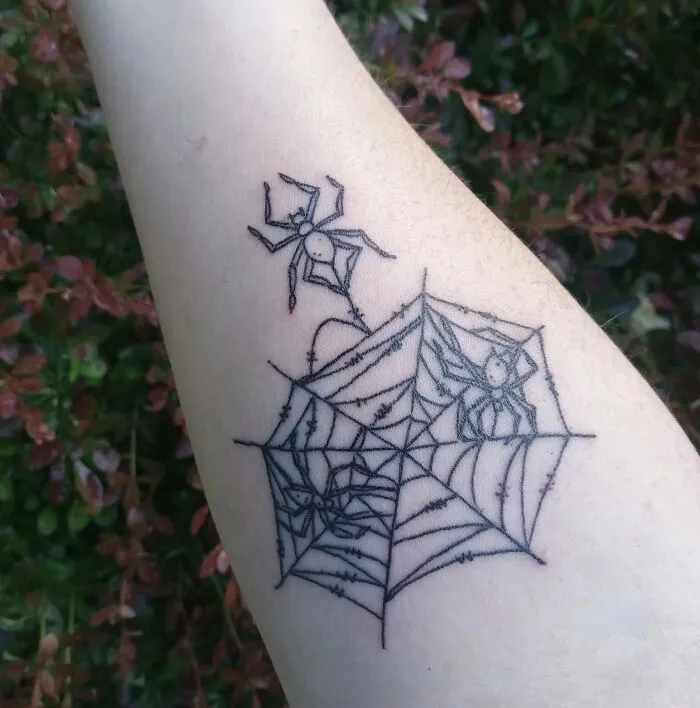
#20 Not The Same But Similar, I Have This Tattoo For My Best Friend Of 15 Years That Lost For Cancer