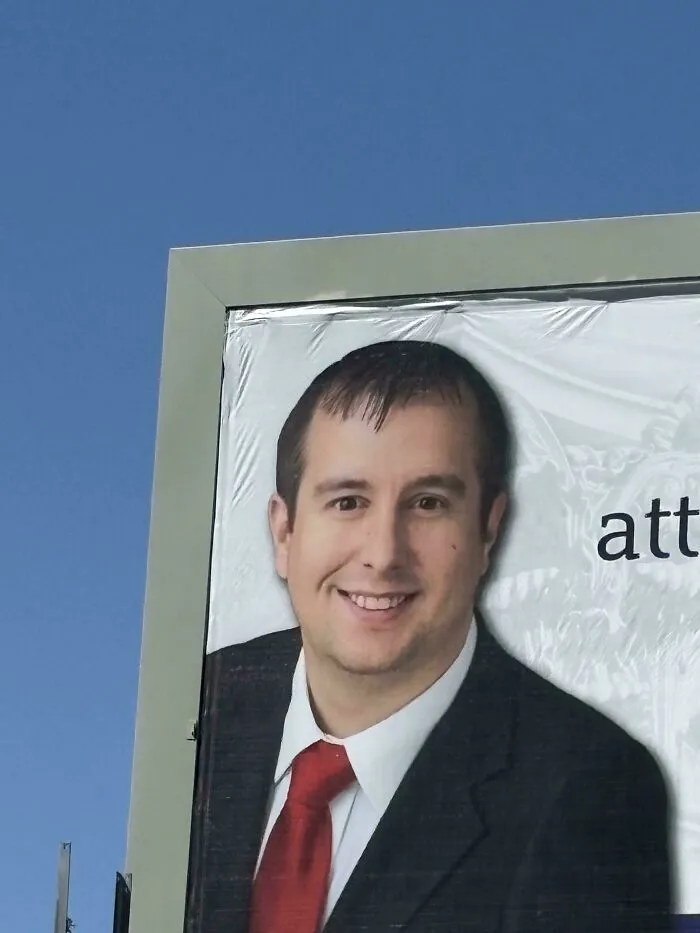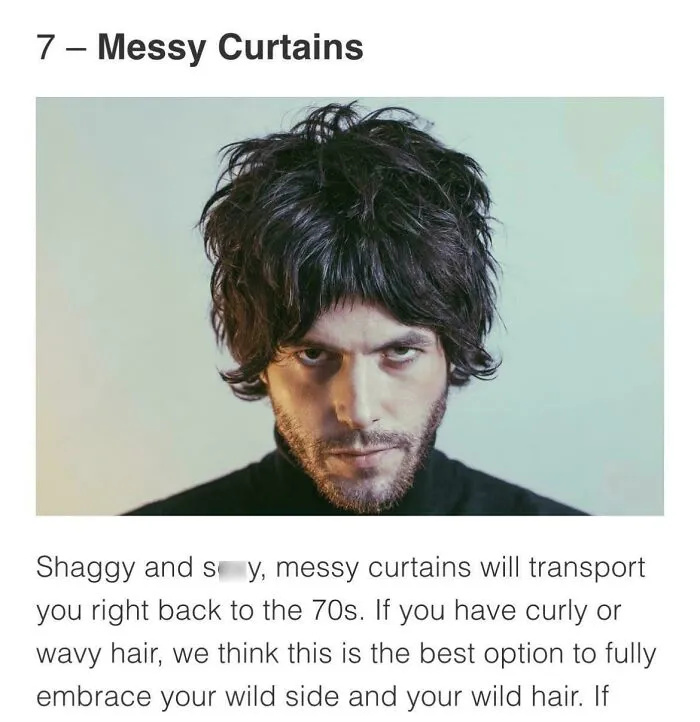


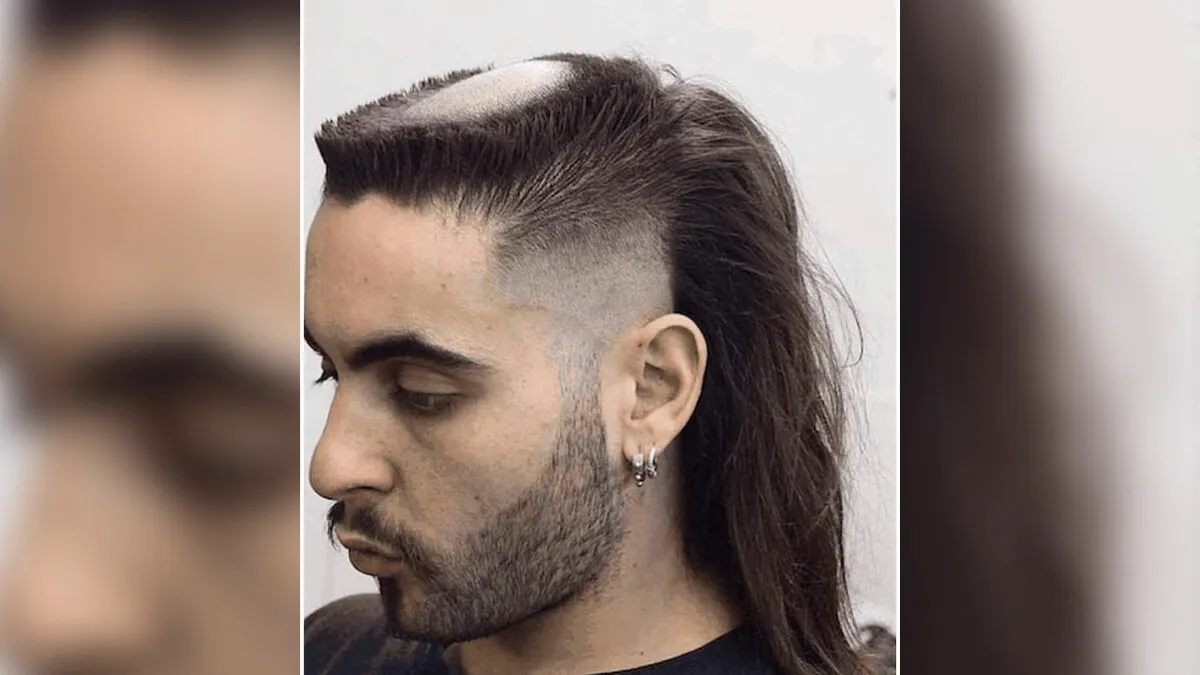


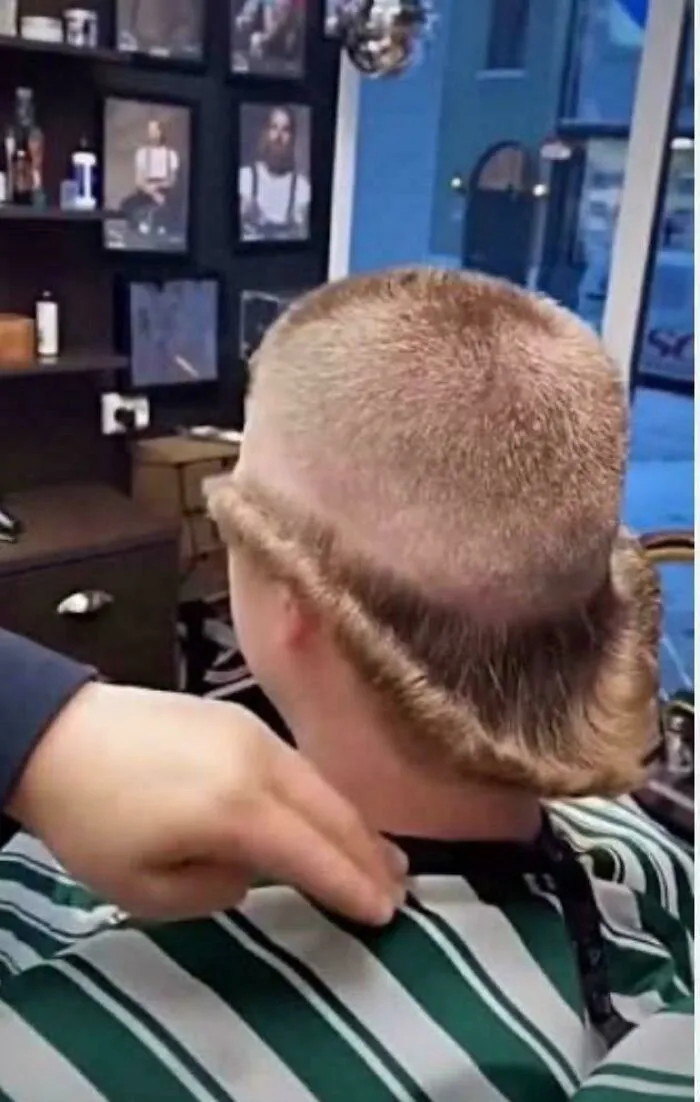
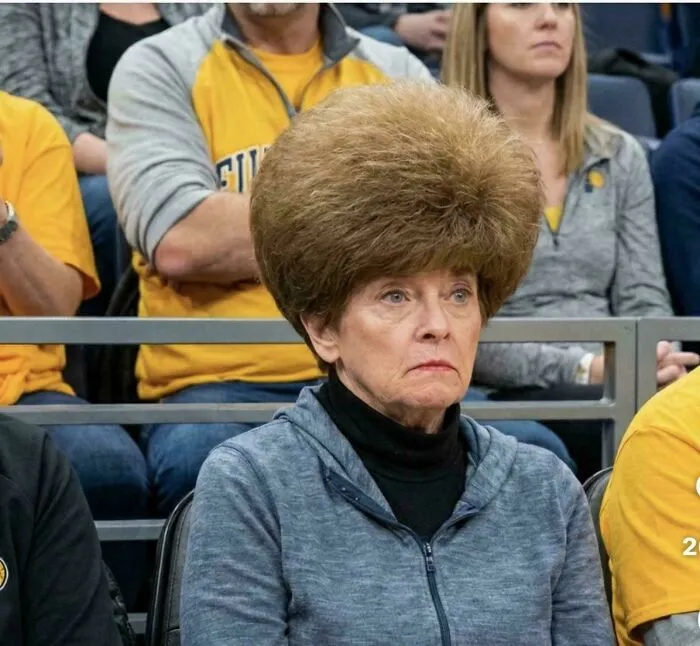
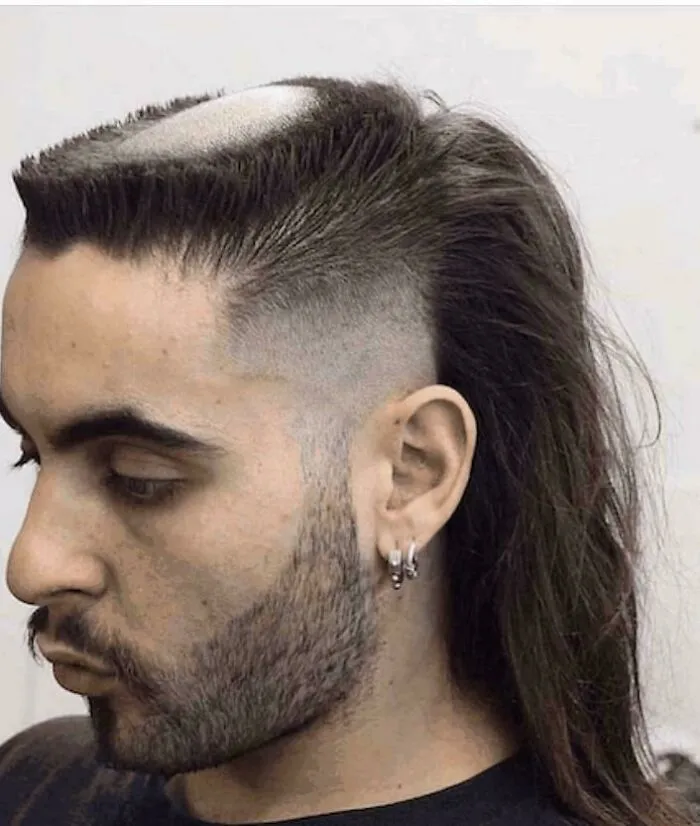
While these are mostly posted in good nature, just to show off funny moments in people’s lives, it’s not always completely without consequences. Dr. Marianne LaFrance at Yale University actually studied the mental and emotional impact of bad hair days. It may seem like a funny concept to study, but she found it can heavily affect how you see yourself.
Bad hair days and bad haircuts have been shown to increase self-doubt, social insecurity, and self-criticism. Because of a lack of confidence, your daily work, tasks, and even social interactions can also be negatively affected, like a domino effect. The study even showed that participants who thought about their bad hair days felt immediately less intelligent and less capable of handling everyday tasks.
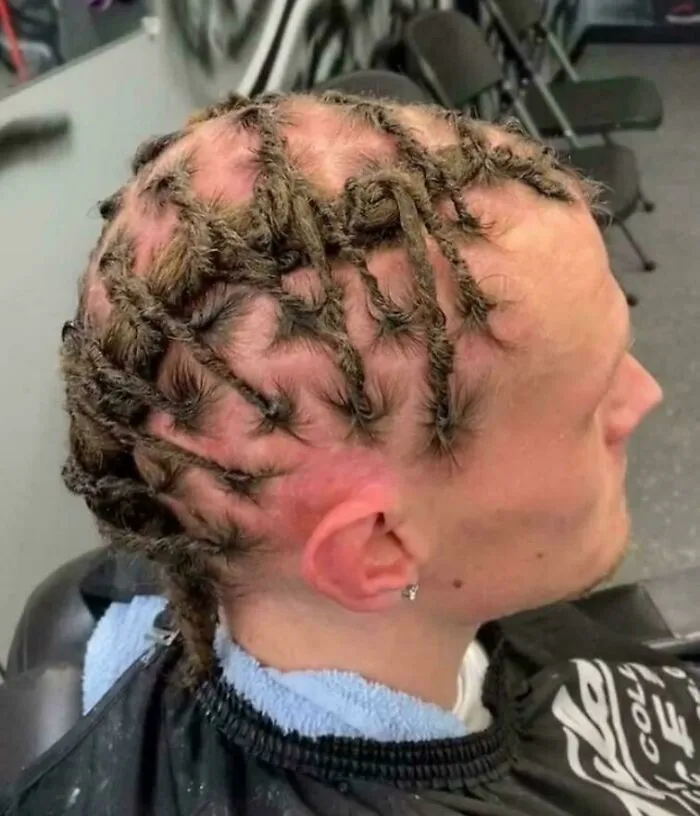
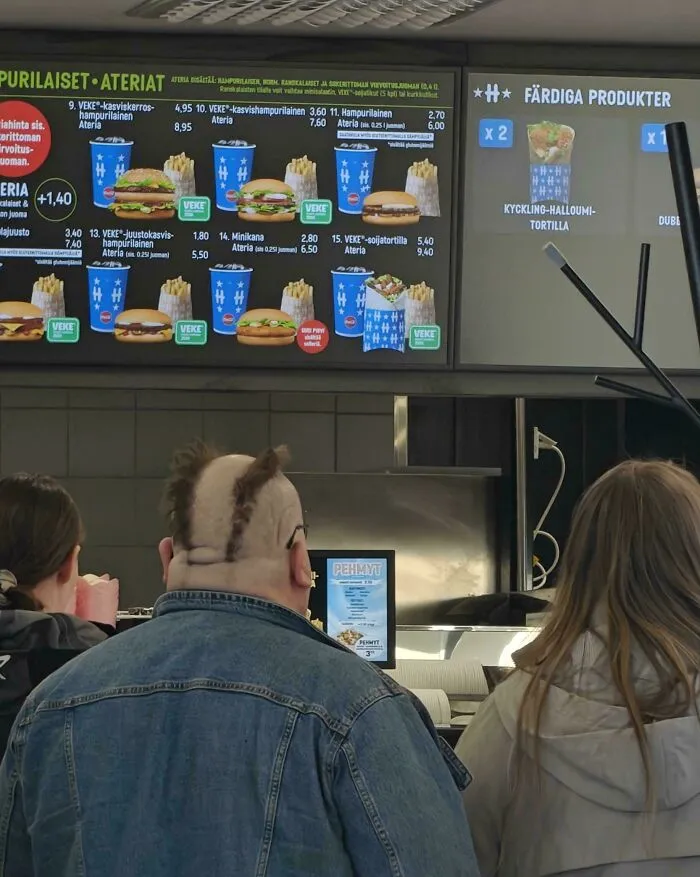

It also doesn’t help that sometimes, when you go to a hairdresser, they may not exactly see your vision or even make it happen the way you imagined. A OnePoll study of British consumers found that about 1 in 5 adults, or 20% of respondents, have cried after leaving a hair salon. It even led 12% to say they called in sick to work or skipped social events just to avoid being seen.
It’s never easy to perceive yourself in a way that can actually affect your daily life. But at the same time, it’s just as hard to force yourself into a situation where your looks will end up drawing attention. Either people will notice the haircut, or you'll feel like everyone’s staring. It sounds vain, but everyone cares about how they look to some degree — and if you think you don’t, yes, you do.
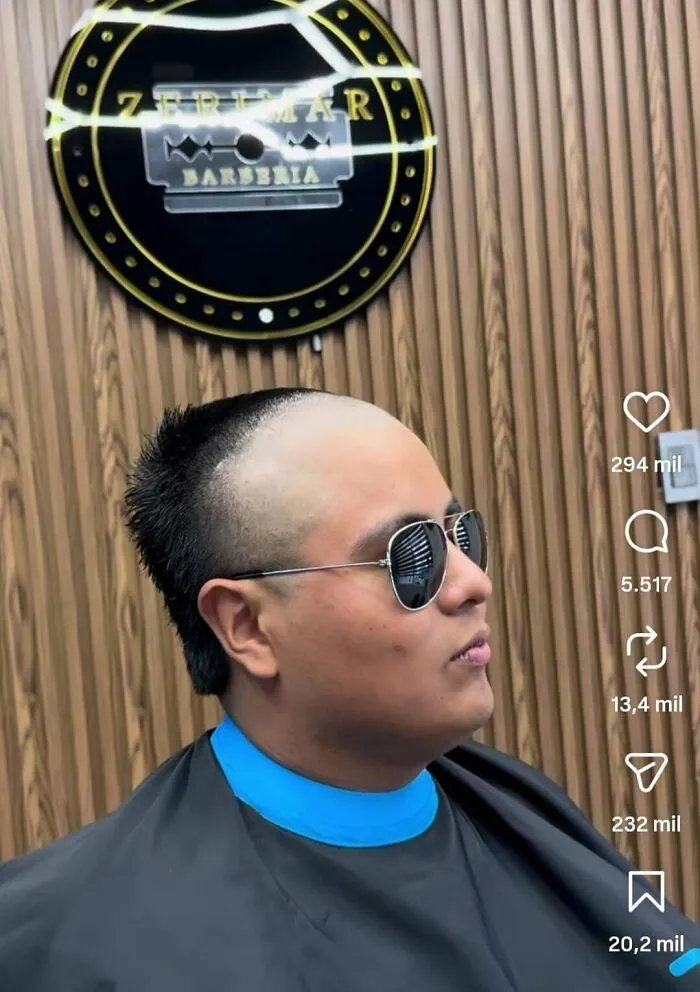
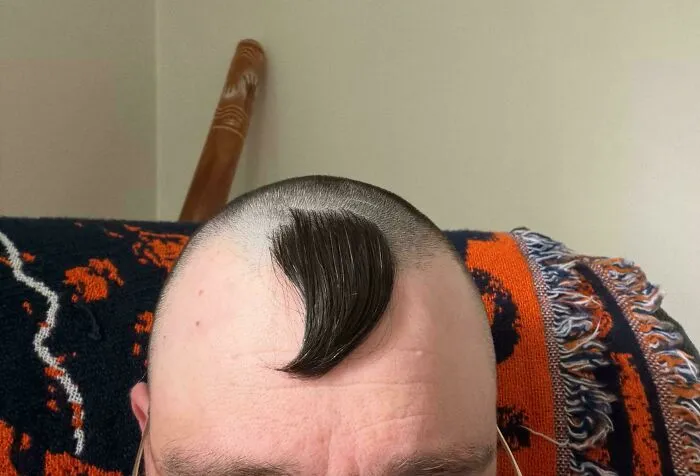

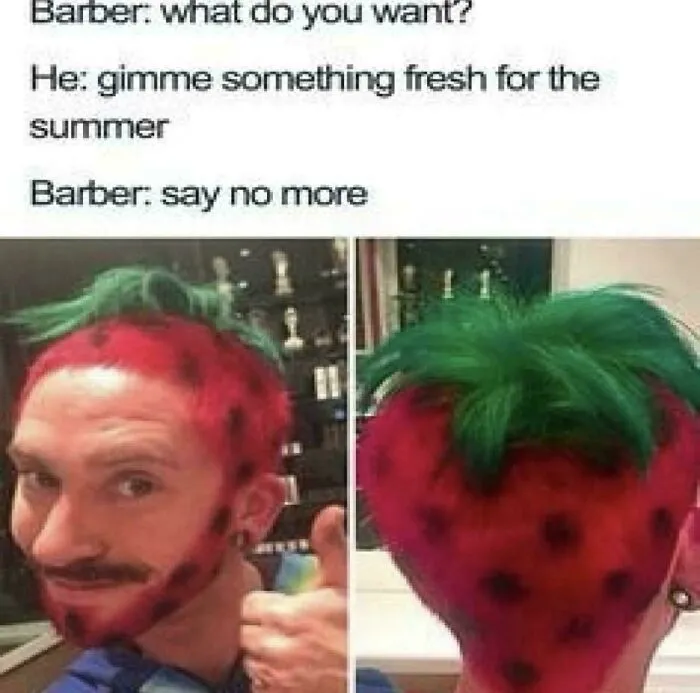
In situations where you aren’t just having a bad hair day, but a bad haircut week, you can usually go to a different salon and try to fix the problem. But that can get pricey, which is becoming an increasing issue for anyone wanting a haircut. To the point where some people might even try to do their hair themselves at home.
During the 2020–2021 lockdowns, DIY haircuts actually spiked dramatically on Google Search Trends, with terms like “how to cut your own hair” growing by 300%. And yes, apparently, emergency salon appointments also spiked once restrictions were lifted, which is hilarious.
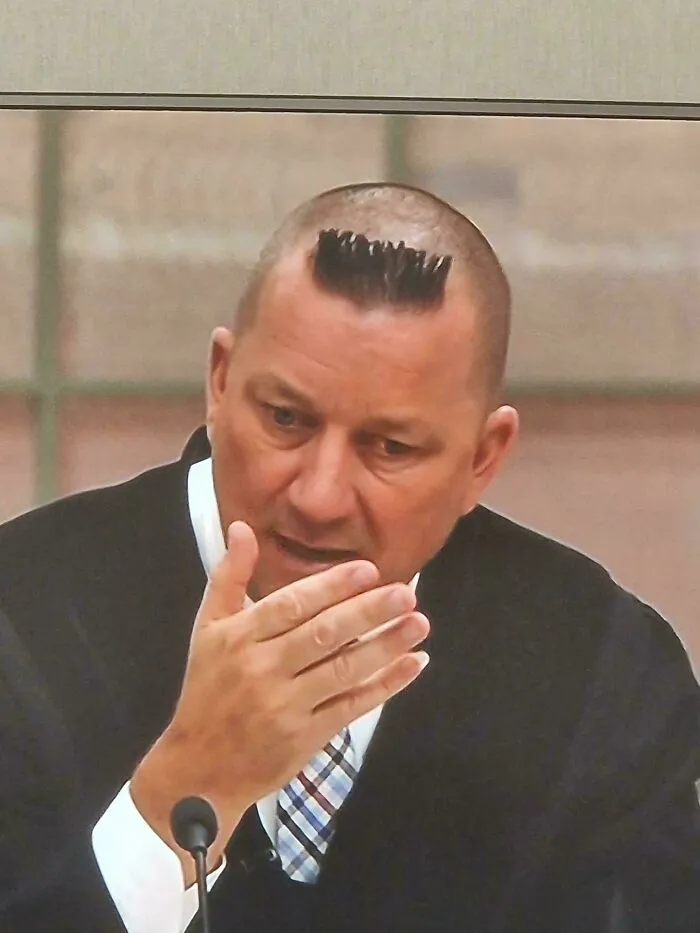
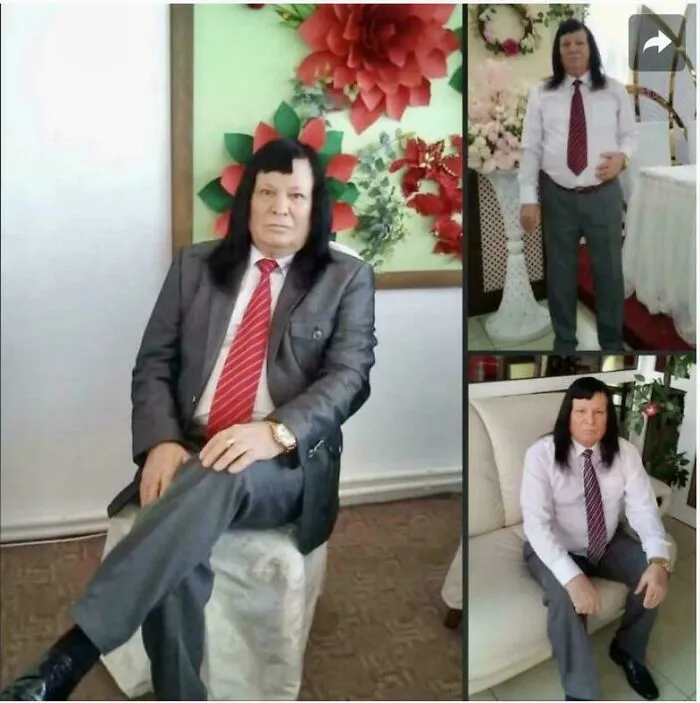
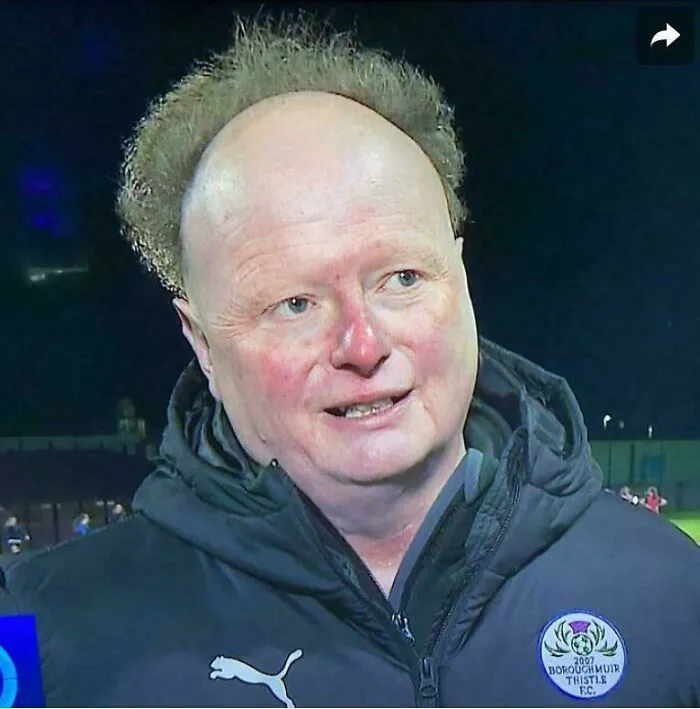
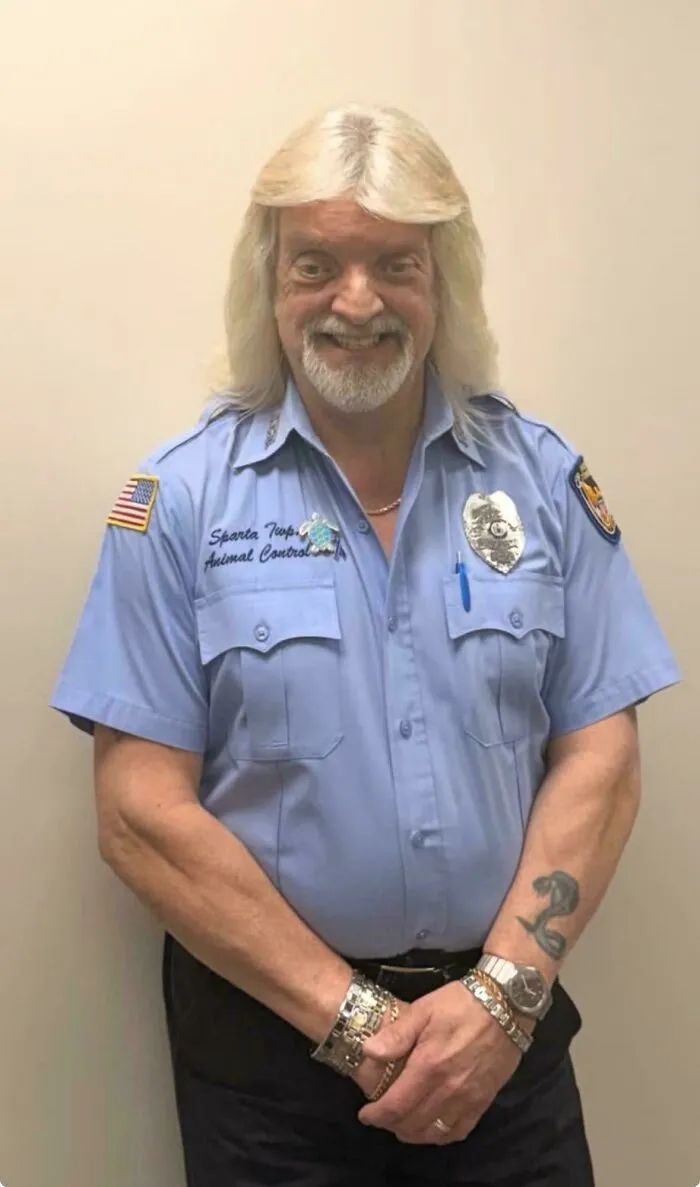
Other times, it’s not just the hair that’s a problem — it’s the lack thereof. Sometimes hair looks funny; other times, bald spots or a gust of wind reveal that some people are going bald. Male pattern baldness, also known as androgenetic alopecia, is actually the biggest factor in these cases, as it affects around 80% of men by the time they’re 60 years old.
This number is lower among younger men, but about 20 to 25% of men with a genetic predisposition to baldness, for instance, if their dad or grandfather is bald, will begin showing signs of hair thinning by their early 20s. This, in reality, is no reason for shame or insecurity, but, well, if having hair can affect one’s self-esteem, losing it can be just as stressful, if not more.
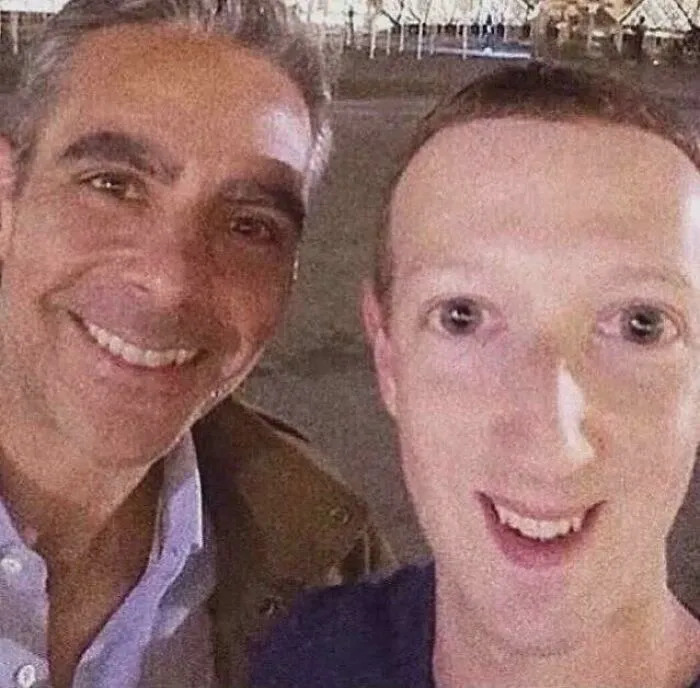
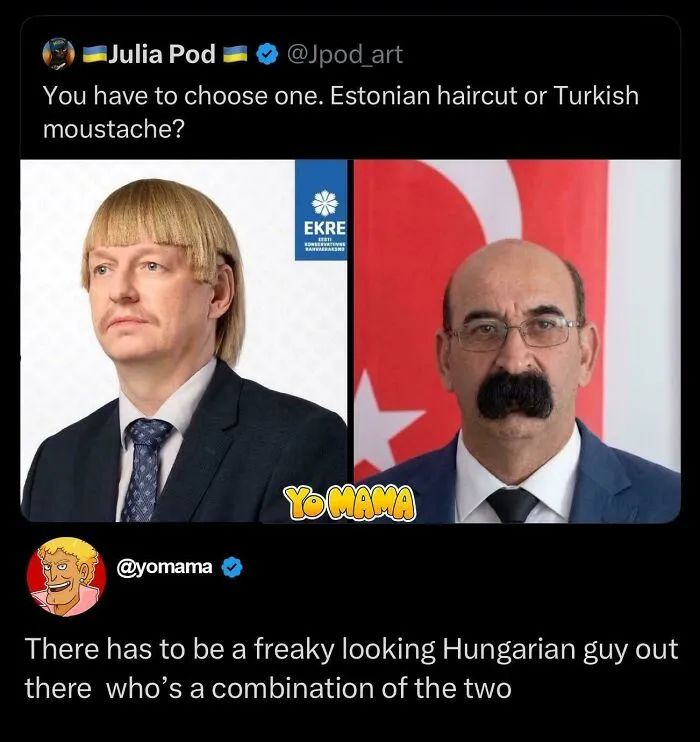
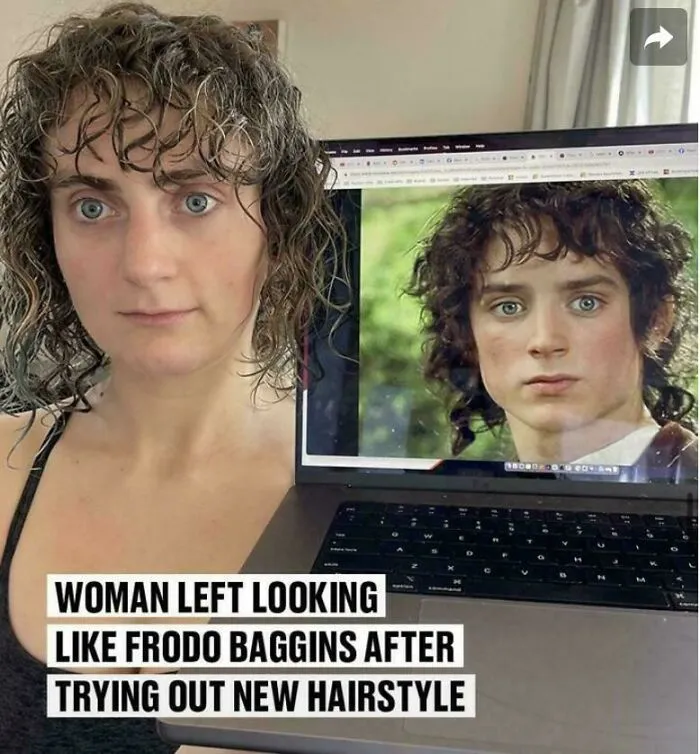
#18 Karl Ix Of Sweden Was So Religious That He Turned His Combover Into A Crucifix

Despite the large number of men who experience hair thinning, only a small minority seek surgical hair transplants or even non-surgical hairpieces like wigs and toupees. Studies have shown that most men either fully embrace the bald life by shaving or cutting their hair short, or they opt to use non-invasive daily treatments (most of which are highly toxic to pets, too!).
But in the same study, around 2% to 5% of balding men actually end up getting surgical hair transplants, despite the high cost. While bald and shaved heads, or close buzz cuts, are now trendy for many, the idea that having hair is better than shaving it still persists, and it’s a hard societal expectation to break.