




This post may include affiliate links.
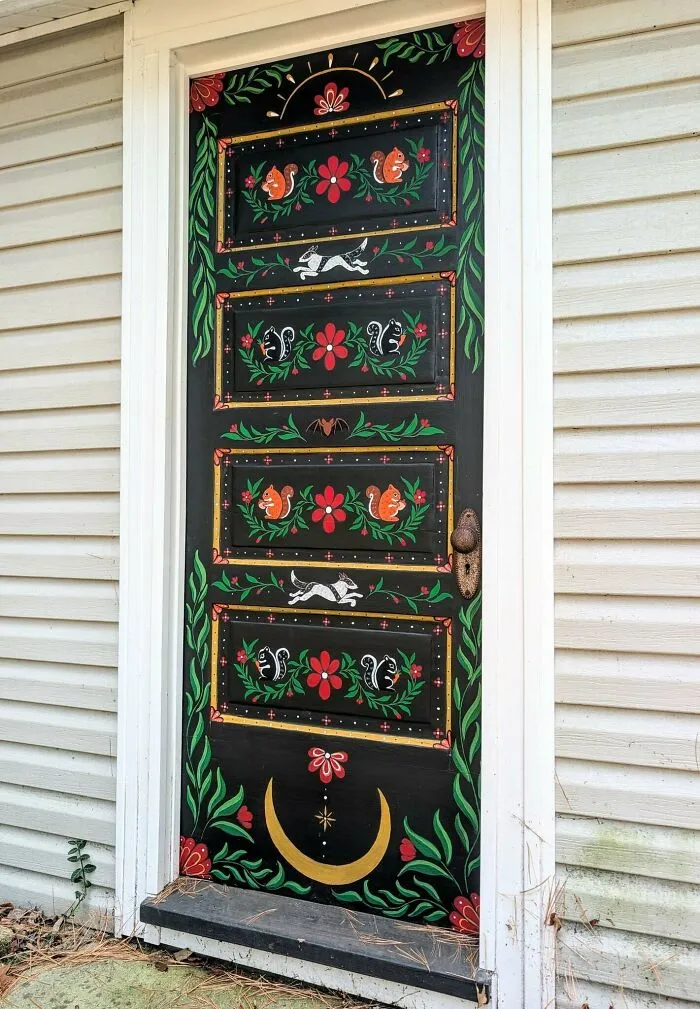
#1 I Painted The Door In Our Back Yard To Tell The Story Of Our Dog The Squirrel Chaser (Who Sometimes Runs Into Skunks Instead 🦨)
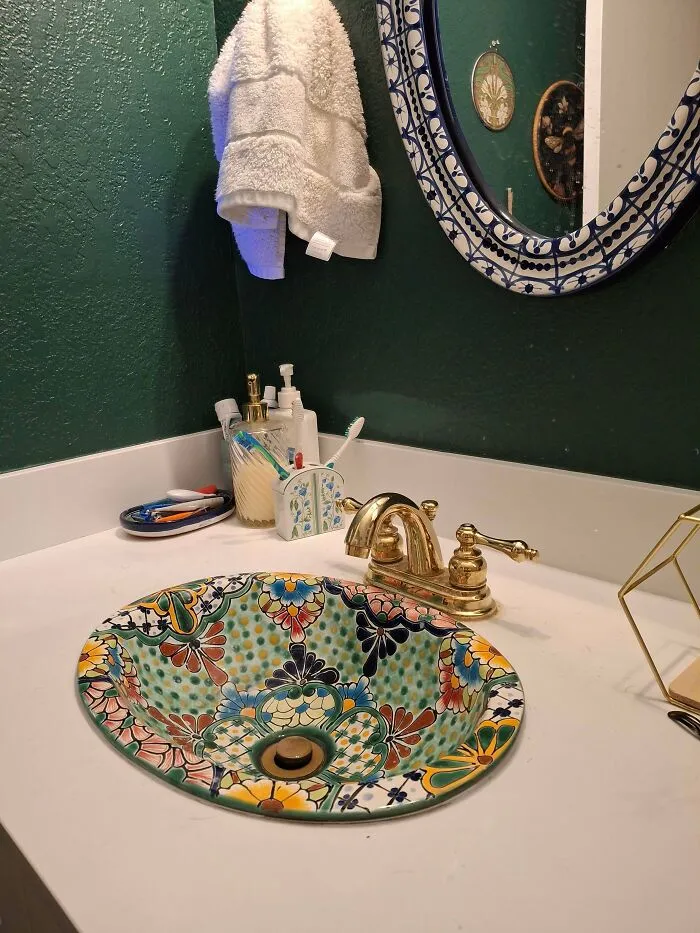
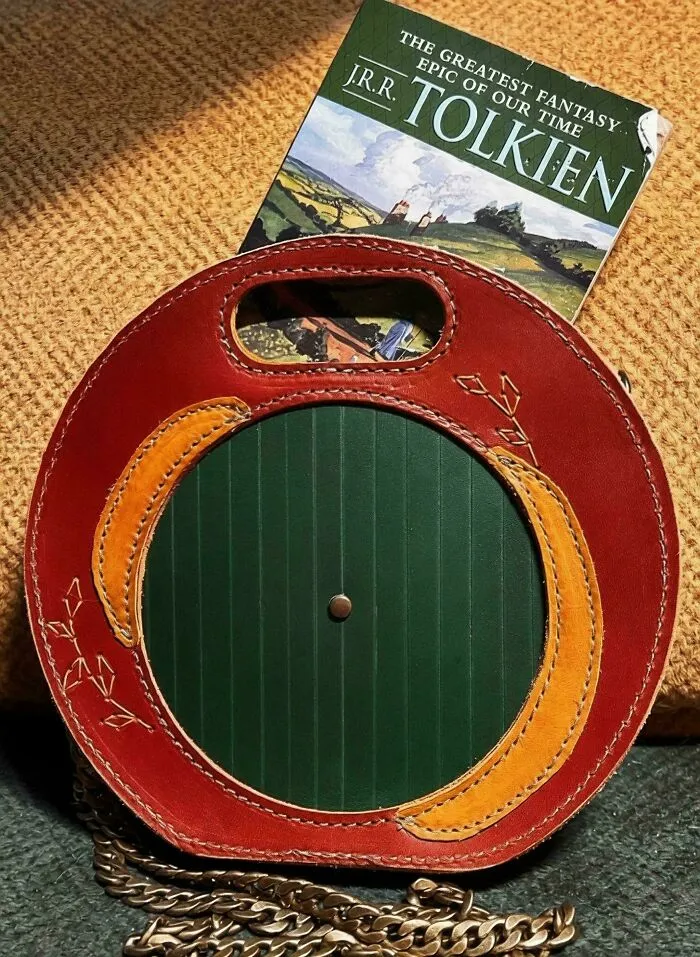
Whimsy gets a bad reputation from the part of the brain that is very concerned about being perceived as a functioning adult. Therapist HJ Cho, writing for Oprah Daily, acknowledges this and says the trend seems ridiculous at first glance, particularly when you have a job and bills and a general sense that fun stopped being something you were allowed to prioritise somewhere around 2009.
Most adults have been conditioned to earn or justify what makes them happy, which makes anything playful the first thing to go when life gets heavy. It is also, Cho argues, exactly the wrong instinct.
Whimsy is a form of play, and play is the antidote to burnout — lowering stress, activating the brain's reward pathways, and keeping people connected to each other and to themselves.
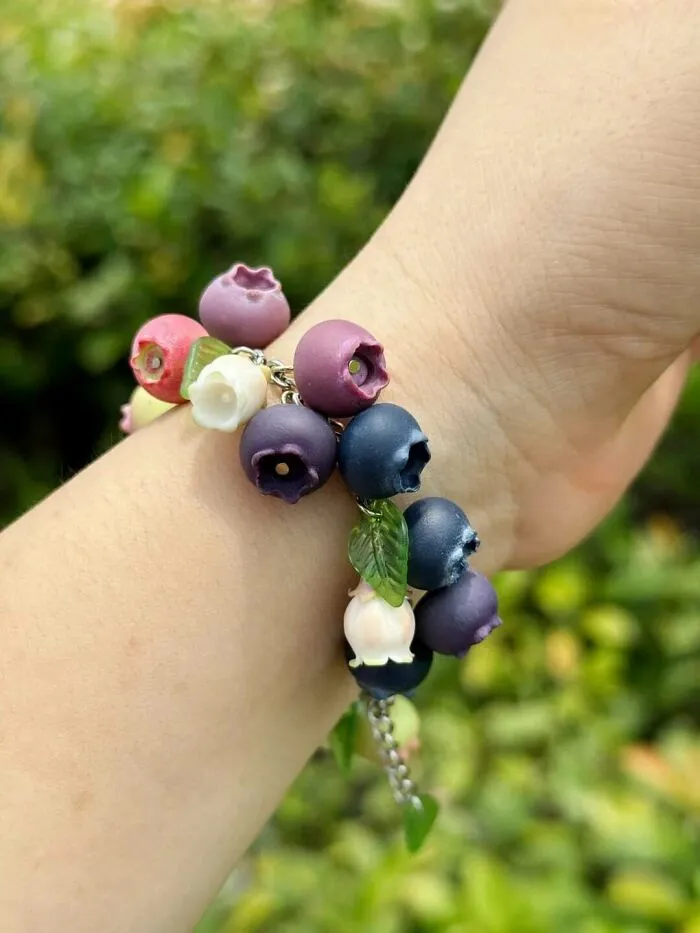
#4 Handcrafted A Blueberry Charm Bracelet Capturing Their Full Cycle Of Growth

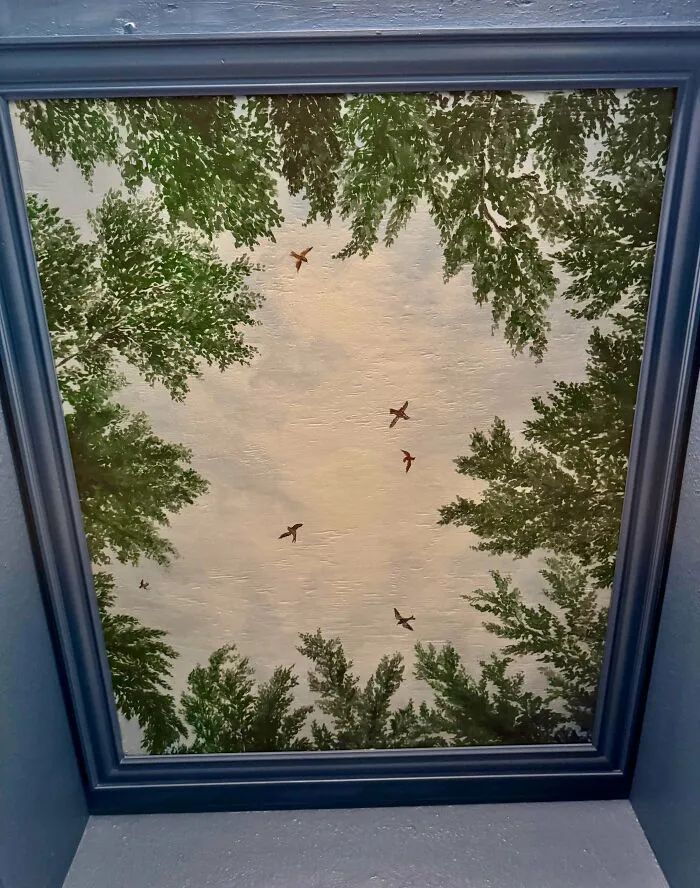
Whimsy also involves novelty, which strengthens the brain and makes ordinary life feel more interesting. Cho draws a distinction between play as an action and whimsy as a state of mind, a reframe that allows you to see the ordinary world through a lens of exceptionality.
Your biggest asset, she says, is your own imagination. The tiny door on the skirting board, the espresso served in a literal flower cup, the pet who is formally told they are in charge when you leave the house- none of it solves the world's problems. It just provides, reliably and without requiring much effort, a few bright spots in the dark.
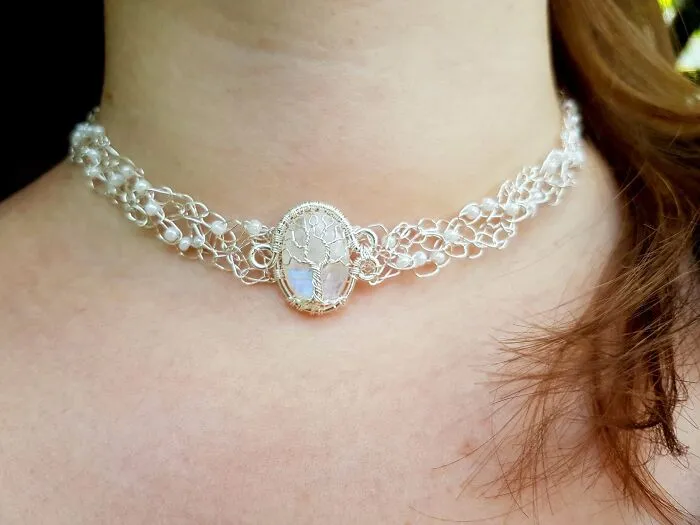
#7 Wire Is A Fun Material To Crochet With. Here's An Elven Moonstone Necklace I Made Using 0.3 Mm Wire
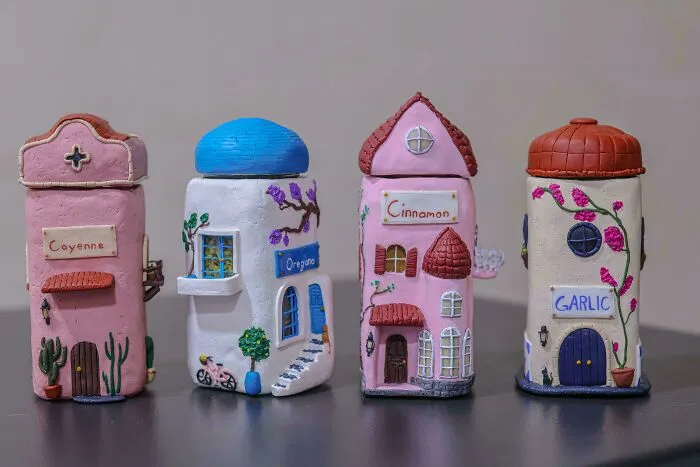
#9 Someone Suggested I Should Share My Creative Crochet Piece With You ❤️

Therapist Paige Sutula has noticed something shifting in her practice. People are showing up to sessions not just stressed but depleted in a way that goes deeper than a bad week. Burned out, overstimulated, emotionally exhausted, moving from responsibility to responsibility without ever fully landing anywhere.
And increasingly, what they're gravitating toward in their off-hours is not productivity or self-optimisation. It's tiny treats after hard days. Farmers market mornings. Fantasy novels under string lights. Oddly specific trinkets that serve absolutely no practical purpose except delight.
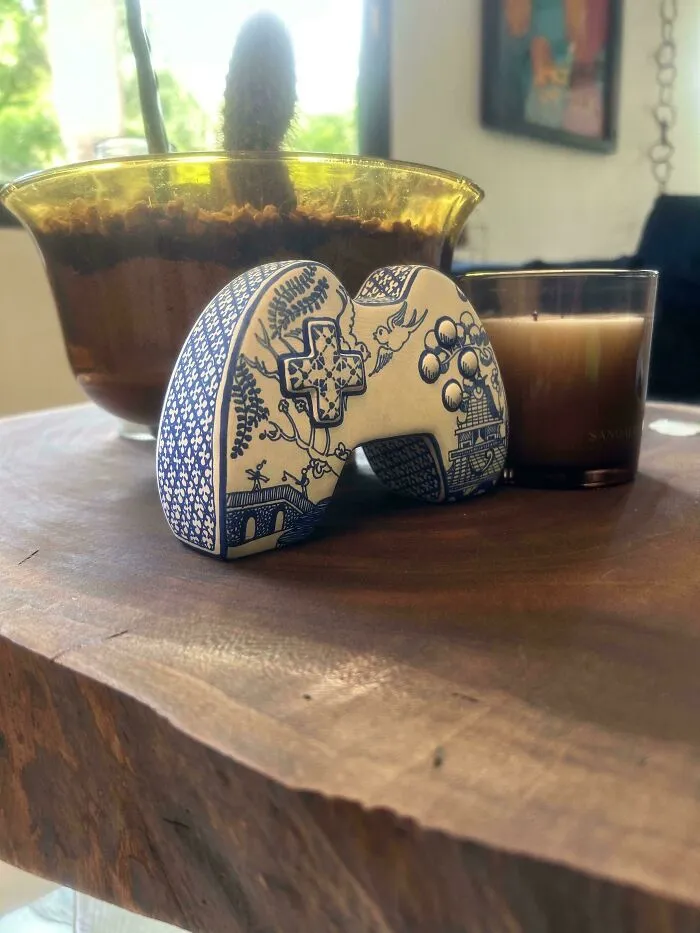
#10 Added A Stained Glass Decal On My Sunroof And The Rainbows Make Driving More Enjoyable 💕

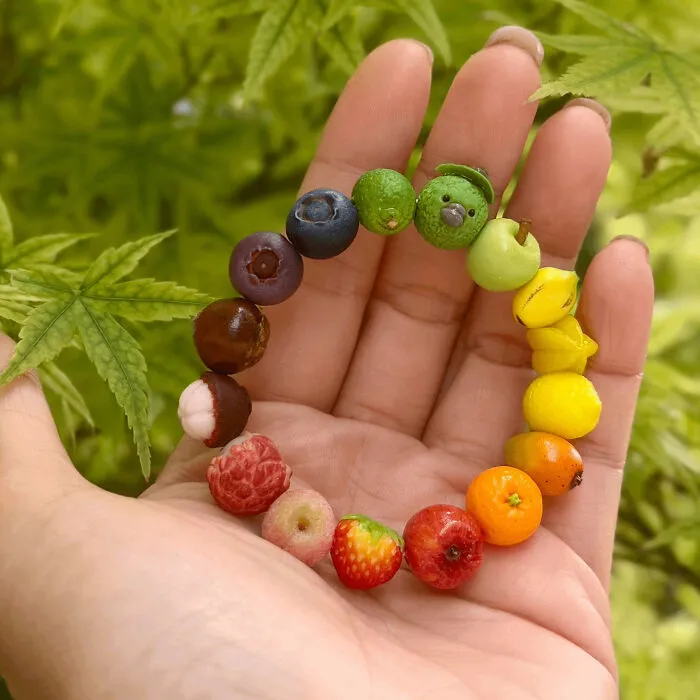
#12 Just A Tiny Plate Of Handcrafted Clay Fruits Adding A Massive Dose Of Color And Whimsy To My Workbench Today! 🍓🍊🍋🍏🔮
Sutula explains that the neuroscience behind this craving makes sense. When stress levels remain elevated for long periods, the brain reorganizes around efficiency, vigilance, and problem-solving. It begins pushing creativity, curiosity, and rest to the margins, as they feel like luxuries the system cannot afford.
Eventually the nervous system starts looking for experiences that feel tangible and human. Not because watering plants cures anxiety, but because touching soil instead of a keyboard for five minutes reconnects the body to sensory experience and emotional presence in a way that no amount of scrolling can replicate. Tiny joys are psychologically doing a much bigger job than they appear to be doing from the outside.
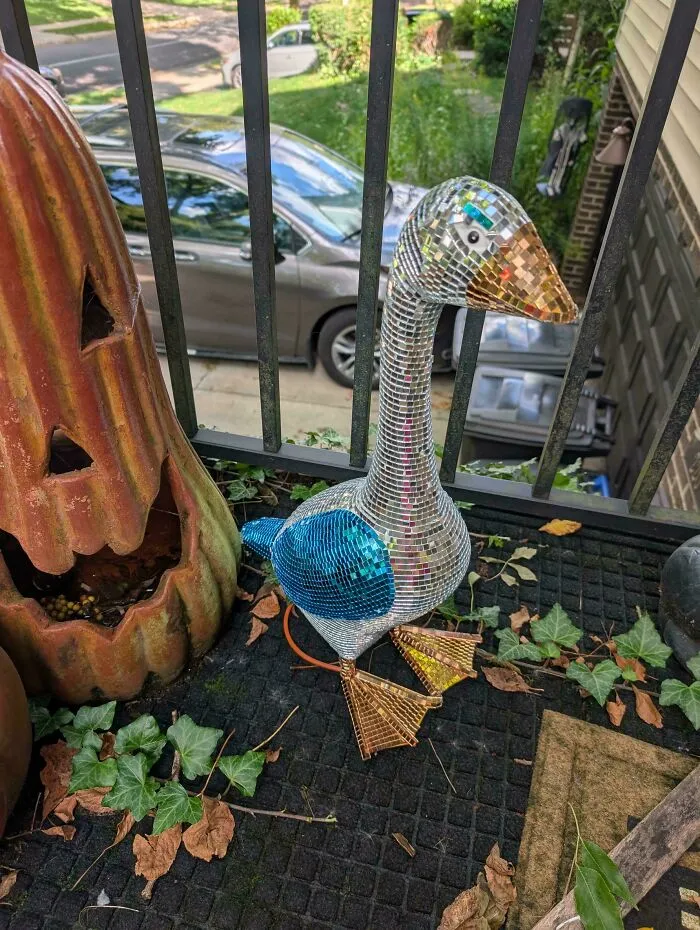
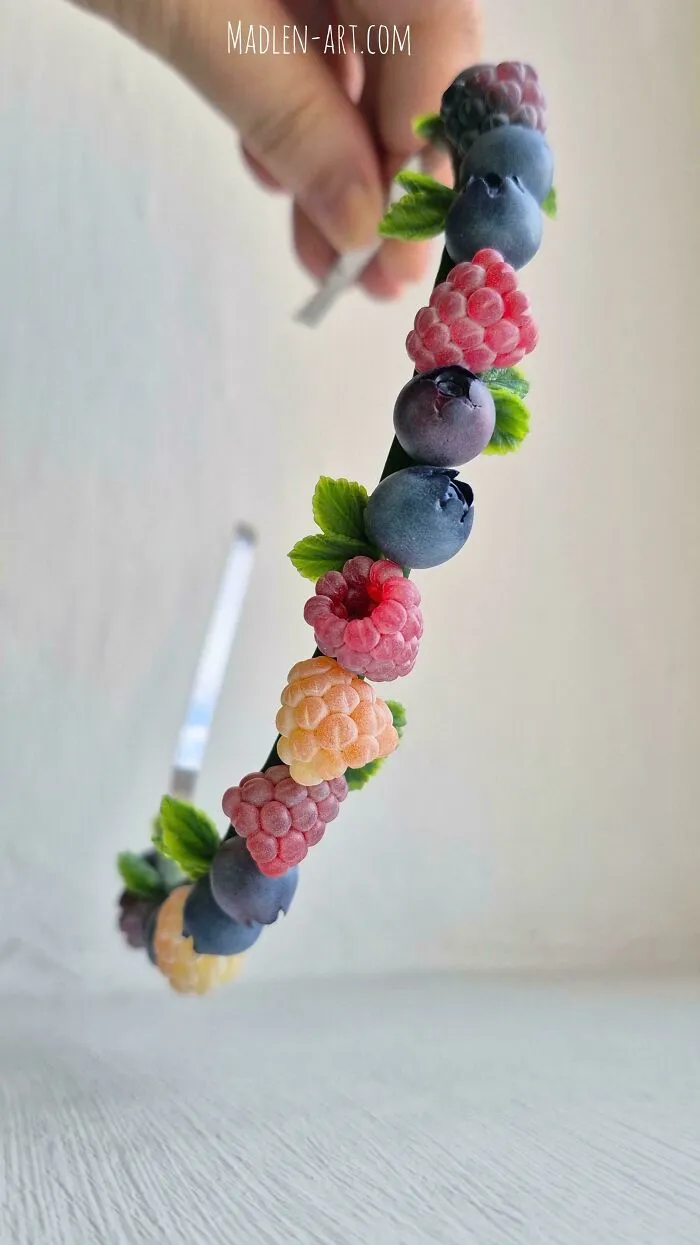
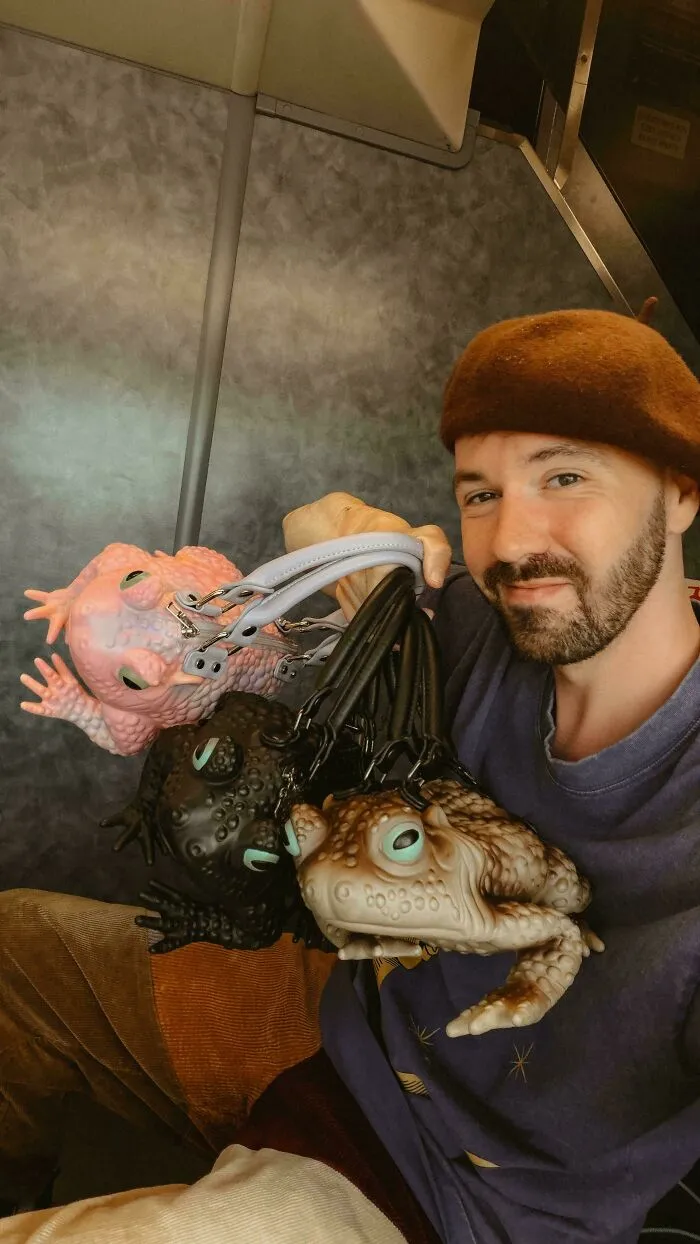
Psychologically speaking, the inner child is the part of the psyche that has been along for the entire ride, explains Written Off Writing. It has been carrying the feelings, instincts, and ways of experiencing the world that existed before language, before logic, before someone explained that you cannot actually fly by flapping your arms with enough enthusiasm.
It knew how to play before it knew how to be sensible. It knew how to create before it learned to be practical. And it has been sitting in the background of every sensible adult decision, every hardware store visit, every pair of chosen for comfort over character shoes, waiting. Shutting the inner child down entirely, as Written Off Writing puts it, carries a real risk. The risk of losing the ability to find joy in life at all.



Happiness researcher Gretchen Rubin has spent years studying what makes people deeply content, and her advice for adding whimsy to daily life is refreshingly low-stakes. Start with objects, she says. Choose the mug that makes you smile over the one that's just a mug. Buy the notebook with the cover that makes you feel something.
Don't see these as frivolous decisions. They are small, daily investments in your own environment that compound over time in ways that a perfectly functional but deeply uninspiring mug simply cannot. You should also create playful touches at home. Add a piece of art that makes you laugh, give your plant a name, or create a corner of the house that exists purely for the purpose of being delightful rather than functional.