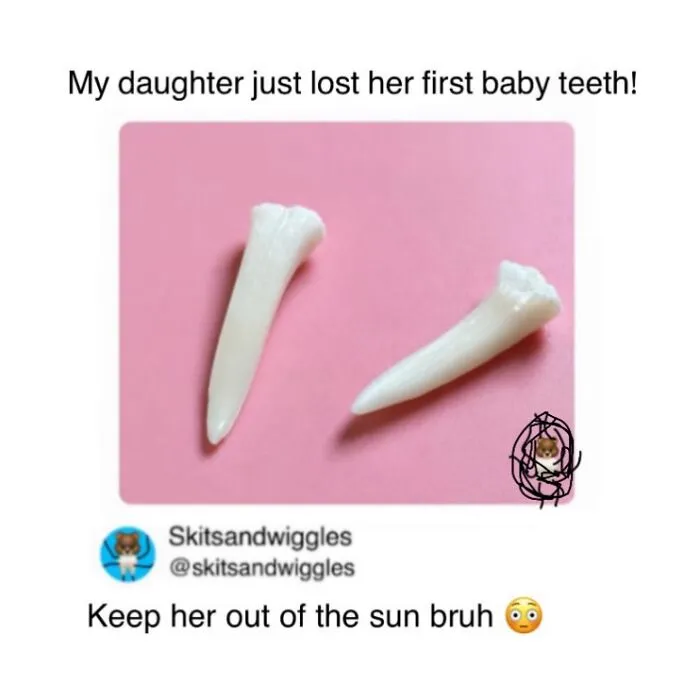




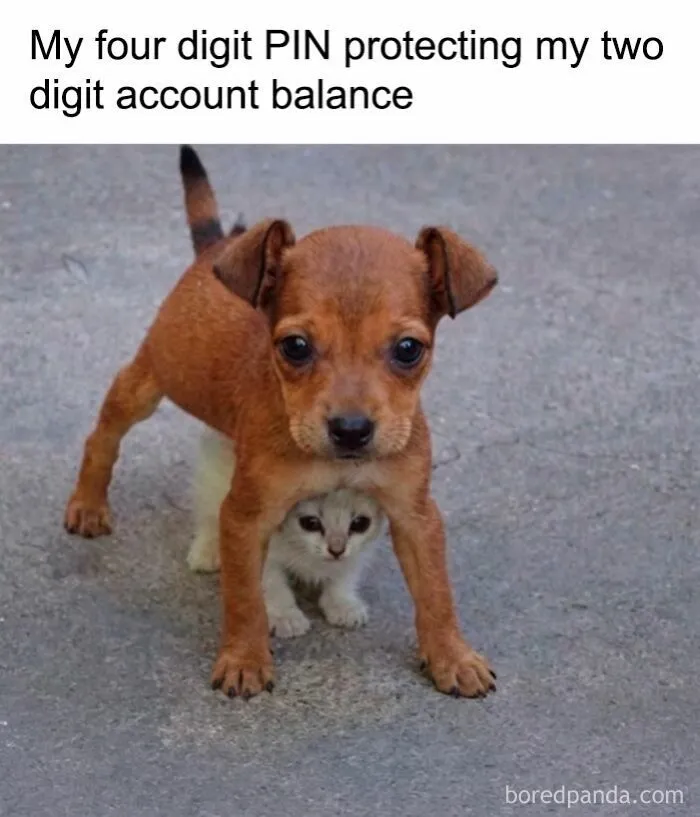
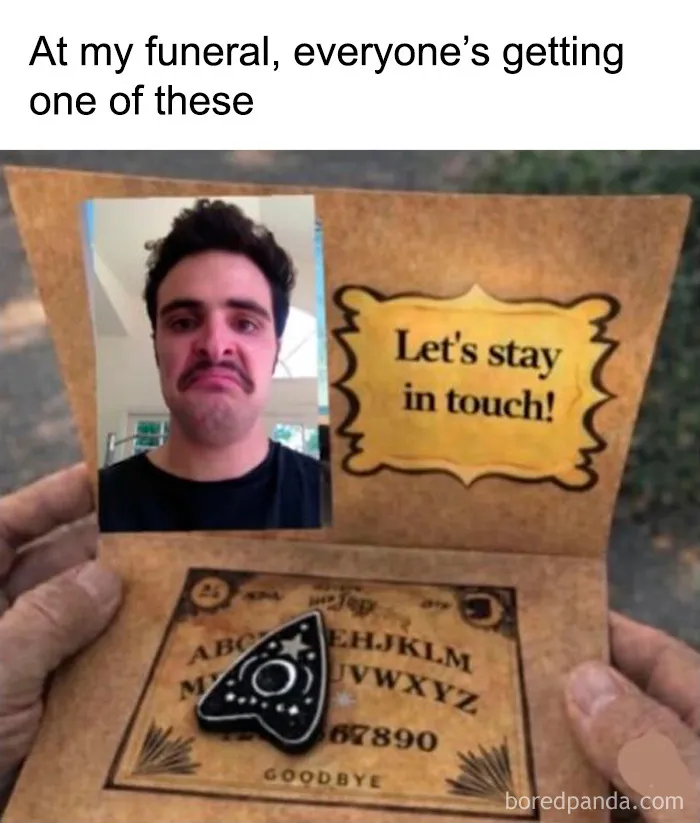
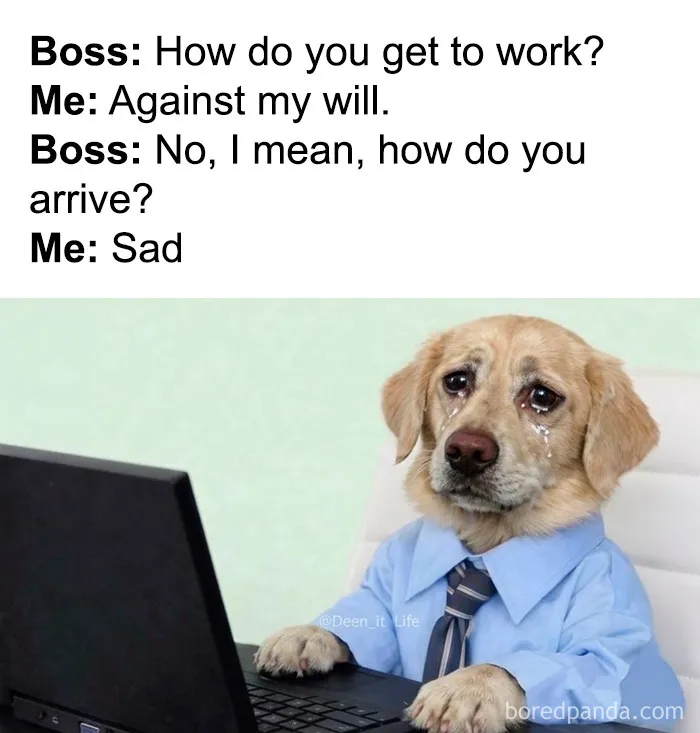
It’s probably fair to say that life on the internet would be very different without memes. Whether it’s a goofy animal, something motivational, or something a little more, shall we say, “niche” or oddly specific, memes have become so central to our online experience and how we communicate with others that such a scenario is pretty hard to even imagine. And really, with all that memes give us, why would we even want to?
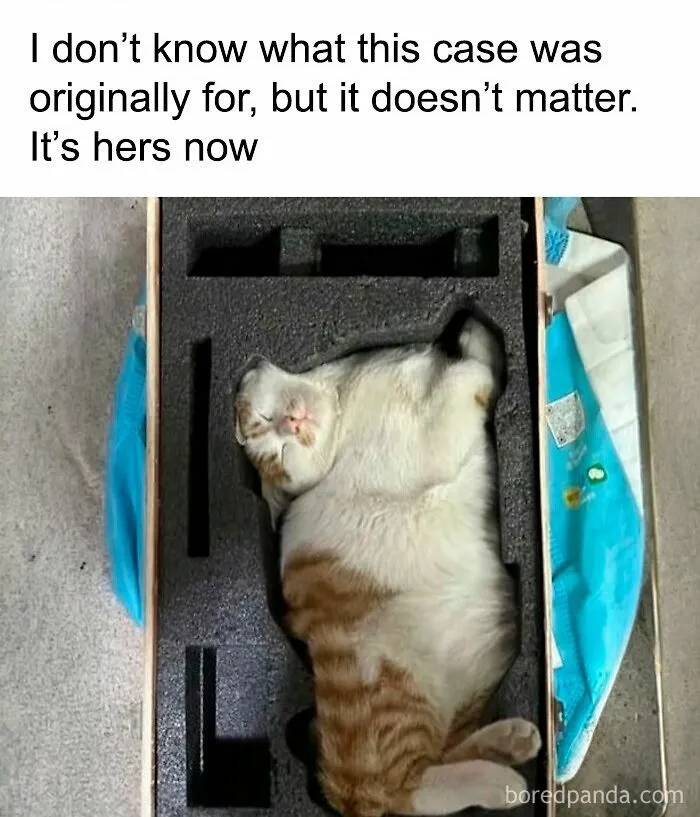
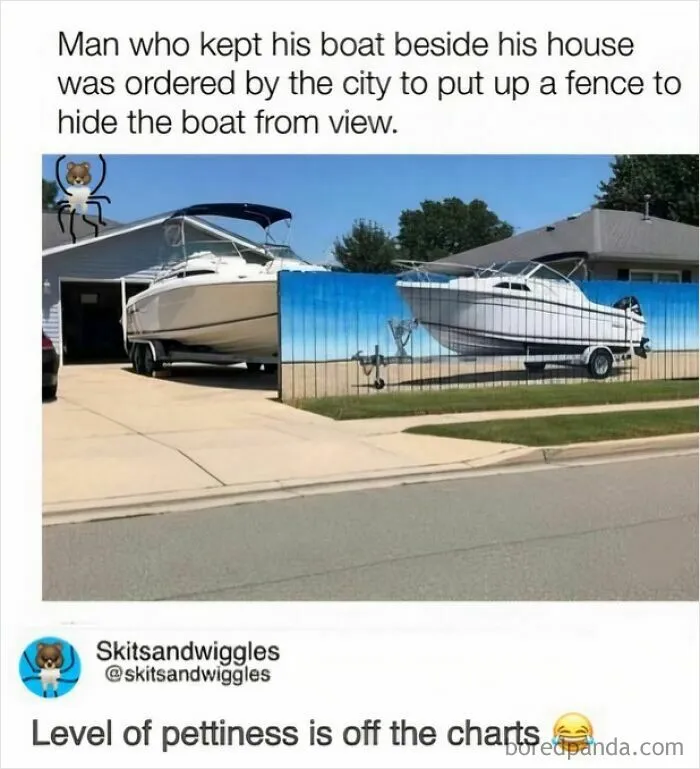

Experts have long maintained that humor is a pretty good antidote for stress. And memes, as pithy yet on-point as they are, are perfectly packaged for this. And no, we’re not just biased—there’s actually research to back up the idea that memes can help us cope.


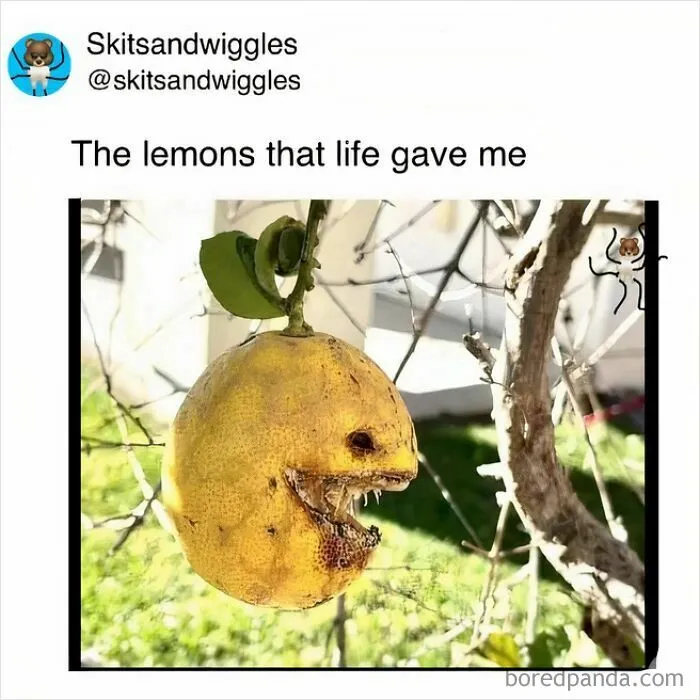
Remember the dumpster fire that was COVID-19 back in 2020? Yes, that legitimately terrifying and heartbreaking time when we all isolated at home while worrying constantly for our loved ones, jobs, heck, the whole planet? Well, several studies actually looked at how memes might have helped people cope during all of that.
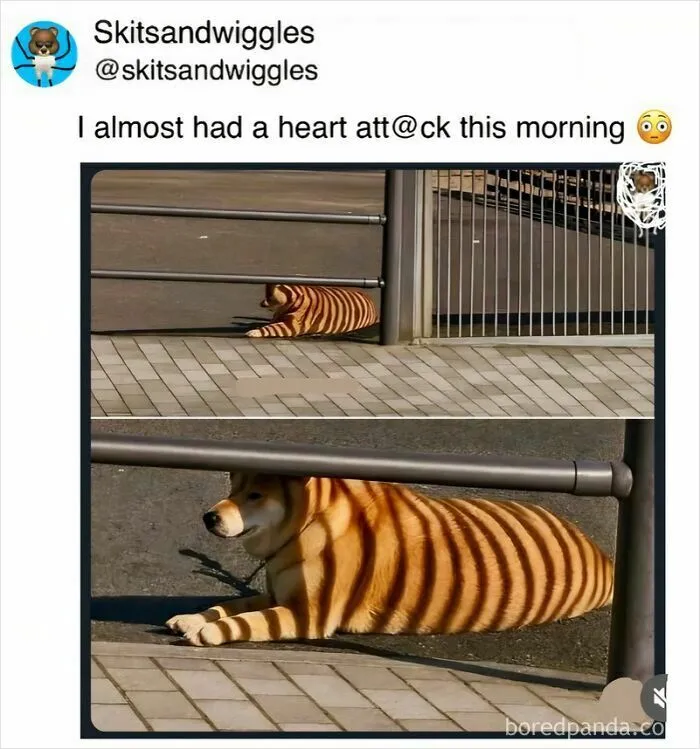
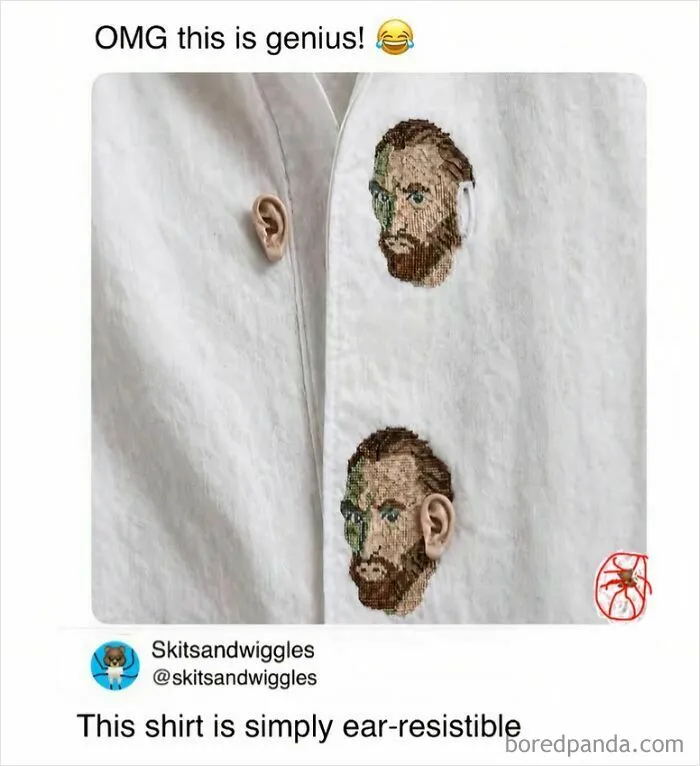

One Penn State research team specifically asked whether memes could help people cope with the stresses of pandemic life. They found that memes didn’t actually reduce COVID-related stress levels—hardly surprising, since, as one researcher noted, “It will take a lot more than a few cats to lower our stress about a pandemic.” But they did find that people who viewed memes were in a better mood and felt more confident in their ability to cope with life during that period. For this reason, the researchers suggested that memes could have psychological benefits during stressful times.

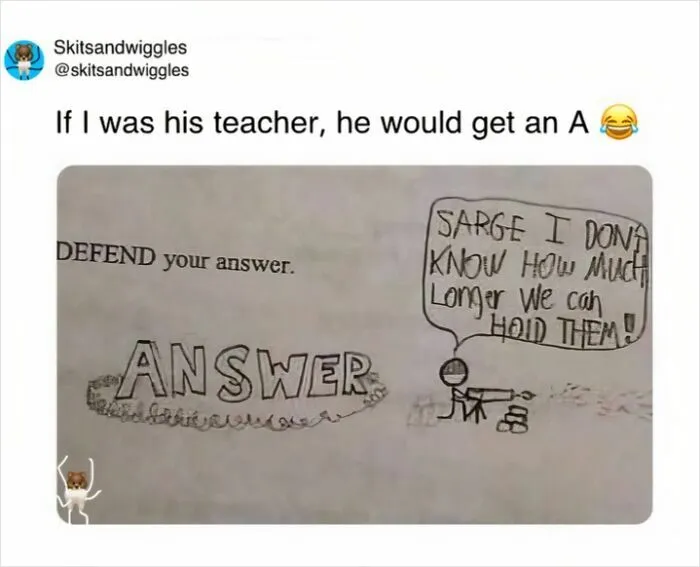

Lynn Zubernis, Ph.D., writing for Psychology Today, makes a similar case for memes that depict mental health challenges, explaining that they often use “dark humor and irony as a coping strategy for the poster and for those experiencing similar symptoms who view the meme.” When it comes to depression, for instance, and similar “difficult-to-communicate themes,” Theodora Blanchfield, AMFT, writes for Verywell Mind, research has found that memes also “give people a safer—and even socially sanctioned—way to unload some of the burden of their heavy feelings.” She also notes the role humor plays here, explaining that “finding the humor in tough situations can take some of the power away from these otherwise taboo feelings.”
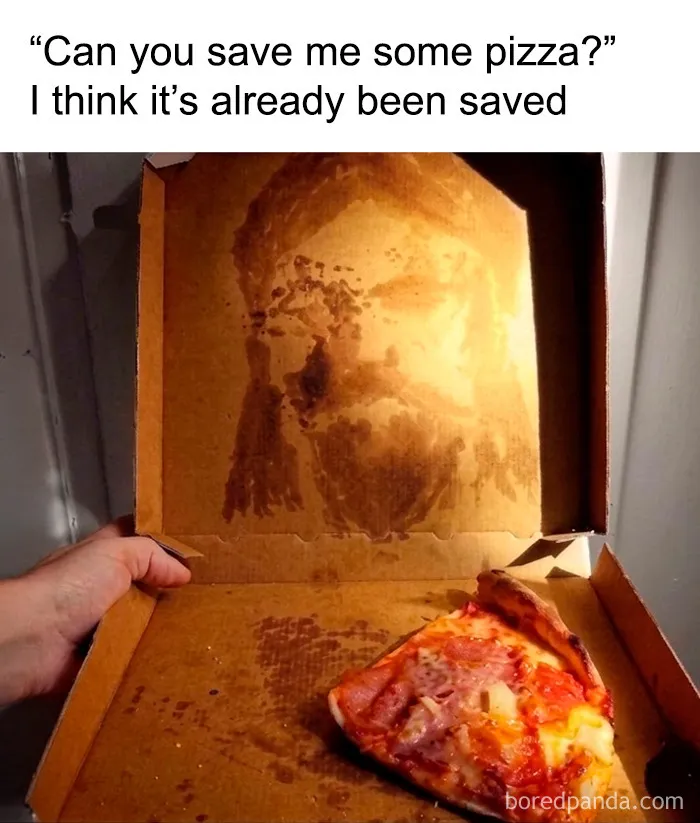


But memes can also help us to cope with more universally relatable human experiences—things like fear of betrayal or crushing disappointment, according to Zubernis. Memes about these kinds of human experiences are amusing, she says, but they’re also validating reminders that these things are “part of life and usually not the end of the world.”