





#1

We may never know whether these stories are true or not...
According to the Forensic Colleges site, only 54% of lies can be accurately spotted. Vanessa Van Edwards, author of the best-selling book Captivate, and founder and lead investigator of the Science of People, further notes that at least 82% of lies go undetected.
Van Edwards, who developed a course in lie detection titled “How to Be a Human Lie Detector,” says that extroverts tend to tell more lies than introverts. With only six out of ten Americans claiming to tell the truth every day, how do we when we are being duped?
#2

#3

Van Edwards says that one of the first steps in detecting lies is becoming familiar with how someone typically acts. This is a process known as establishing a baseline. In other words, explains the expert “How someone acts when they are under normal, non-threatening conditions […] or how someone looks when they are telling the truth.”
One thing that might change when someone is lying is their speech patterns. Their nose might not grow but their voice or mannerisms could suddenly be different.
Gregg McCrary, a retired FBI criminal profiler, says that the trick is to identify the person’s regular speech patterns by asking typical, straightforward questions, like what their name is or where they live. This will help flag any changes in speaking or characteristics when they're faced with more challenging, interrogative questions.
#4


#6

Another sign someone is lying is when they seem to be holding back bits of information. Researchers refer to these individuals as “liars who deceive by omission.” They're the ones who don't have much to offer when asked to provide more details.
"This can be quantified through transcripts of phone calls, witness statements, or noticed by an absence of descriptive words in a conversation," notes the Forensics Colleges team. Some experts suggest asking these liars to recall events backwards.
"Truth-tellers will stick to the same story while offering more details, while liars often get tripped up and create a different story while not adding detail to the original," the site adds.
#7

#8

#9

Then there are those who do the complete opposite. They're hit with a bout of verbal diarhea when confronted, and seem to believe that the best way to cover their tracks is to stretch the truth into as many words as possible.
"Since such a liar may make up things as they go, they may also tend to add excessive detail to convince themselves or others of what they are saying," the site explains. "They may also embellish with words that a person telling the truth wouldn’t think of adding."
These liars typically also use more third-person pronouns (e.g., he, she, and they) to distance themselves from any first-person (e.g., I, my, mine) involvement.
#10

#11

#12

The experts from IE Law School say that when it comes to catching a liar, non-verbal cues are gold dust. That's because the body involuntarily cracks under pressure. Crossing and uncrossing legs; Tapping feet; Adjusting body positions under difficult questions are just some of the giveaways the site mentions.
"The trick is, you want to judge if someone’s body reflects what they’re saying," it explains. "If they’re shaking their head as they tell the truth, that’s an obvious contradiction. If they’re smiling during a serious point, then something is off."
#13

#14

It was leukemia and 16 years later, I'm still alive.
Nobody ever believes my count was that high...
#15

It also helps to pay attention to their posture. For example, if the person leans back and shields their eyes, they could be trying to withdraw, or escape, from the situation. If they slump and lower their head, they might be about to cave, crack under the pressure and tell the truth.
#16

#17
#18

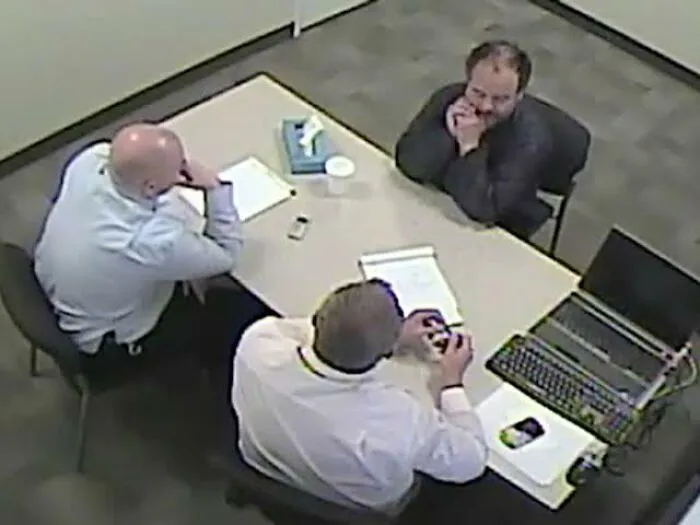
The legal experts say that when you're trying to get the truth out of someone, it’s far more useful to be empathetic than aggressive.
"This is because the accused is evaluating you, too," they explain. "You want to make a liar feel comfortable. If you’re non-accusatory, they’re more likely to slip on details and give valuable insights into their behavior."
#19

#20