






#1

#2

#3
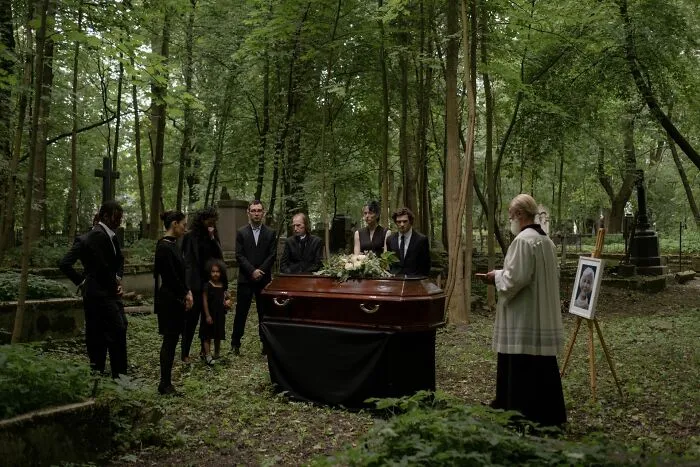
Mike Gravel explains that the familiar feeling of "everyone knows everyone" in a small town is partly a result of how closely connected people’s lives can be. Unlike larger cities, where social circles can remain separate, smaller communities often have overlapping networks in which the same person might simultaneously be a neighbor, coworker, family friend, parent from the local school, or familiar face at a community event.
This means information can travel through several different connections at once. When someone does something unusual or their circumstances suddenly change, there may already be several people with enough shared connections to notice and discuss it.
#4

Well guess what was found in her freezer.
#5

#6
That familiarity is strengthened by the limited number of places where people regularly interact. A small town might have only a handful of popular shops, churches, schools, restaurants, clinics, or community gathering spots, meaning residents repeatedly run into the same people. Over time, that repetition creates a detailed familiarity with other people's routines and reputations.
Someone does not necessarily have to deliberately investigate what is happening in town; simply seeing the same faces and hearing bits of information from different acquaintances can gradually produce a surprisingly complete picture of someone's life. It also helps explain why an unusual event can quickly become common knowledge, sometimes before the people involved realize that others have noticed anything at all.
#7

#8

#9

The British Psychological Society notes that gossip serves several social purposes, from learning whom to trust and monitoring reputations to reinforcing community norms and strengthening relationships. In a small town, these functions can become especially noticeable because people tend to have overlapping social circles and may depend on one another in everyday life. But not every piece of information is equally likely to stick.
Stories involving danger, unexplained events, hidden threats, or something that violates ordinary expectations can grab attention much more easily, giving people an additional reason to pass them along. Research into urban legends has found that stories perceived as particularly frightening and believable are more likely to be retold, while familiarity can also make people more willing to share them.
#10

#11

#12

That may help explain why a creepy story can take on a life of its own in a small community, even when nobody is completely sure whether every detail is true. A story does not necessarily need to be verified to feel worth passing along if it leaves people thinking that someone else should know about it. Specific local details can make these tales even more convincing and memorable.
There is a big difference between warning someone not to go into the woods at night and telling them to avoid the old road behind the abandoned mill after midnight. A recognizable house, bridge, railway, road, or other local landmark gives the story a physical setting that people can picture for themselves.
Over time, that location can become permanently associated with the tale, allowing new versions of the story to emerge even after the original events have faded from memory.
#13

#14

#15

According to Gigi’s Ramblings, secrets can become especially compelling in close-knit communities because curiosity about hidden information comes with much higher social stakes. In a small town, people often know the families, places, and histories involved, so discovering that something has been happening behind closed doors can feel much more personal.
That effect can become even stronger when the secret involves a serious crime, disappearance, unexplained loss, or other disturbing event. Small towns are often imagined as peaceful and familiar places where everyone knows everyone, so a shocking incident can feel like a violation of that identity.
The contrast between the town people think they know and the darker story taking place beneath the surface creates the kind of narrative tension that is difficult to ignore.
#16

#17

#18
The familiarity of the setting can also make these stories feel unusually vivid. Residents may recognize the road where someone disappeared, the house connected to an investigation, the abandoned building people avoid, or the family whose name keeps coming up in conversations. Instead of being a distant news story, the event becomes attached to places people pass every day.
Close social networks can then keep the story alive as it moves through relatives, schools, workplaces, churches, shops, and other local gathering places. A rumor may seem to come from several different people, even when everyone is ultimately repeating the same original story. In some rural communities, limited local reporting can add another layer, as major incidents may receive attention mainly when they are dramatic enough to attract outside coverage.