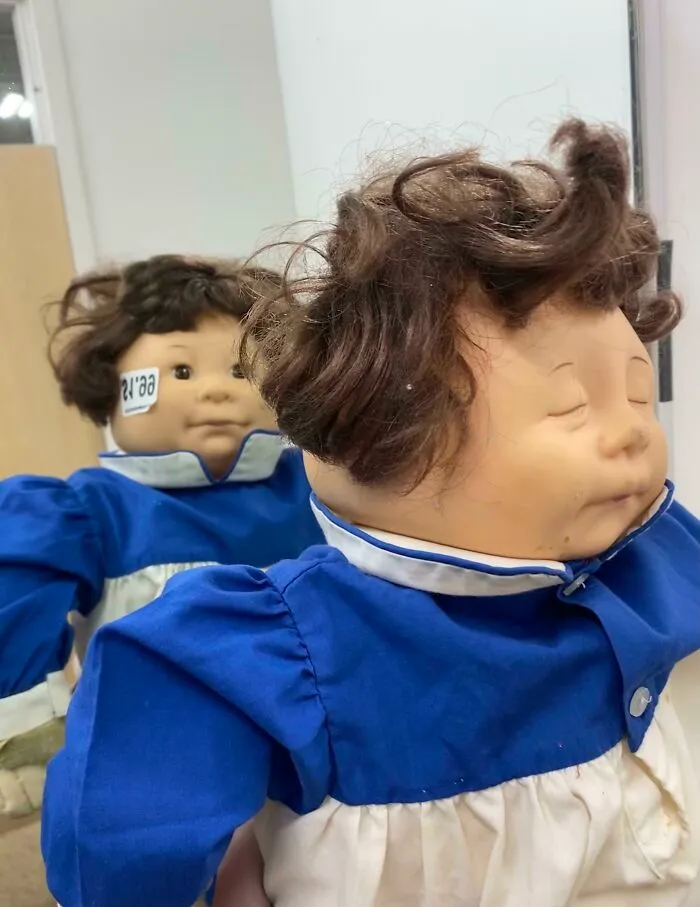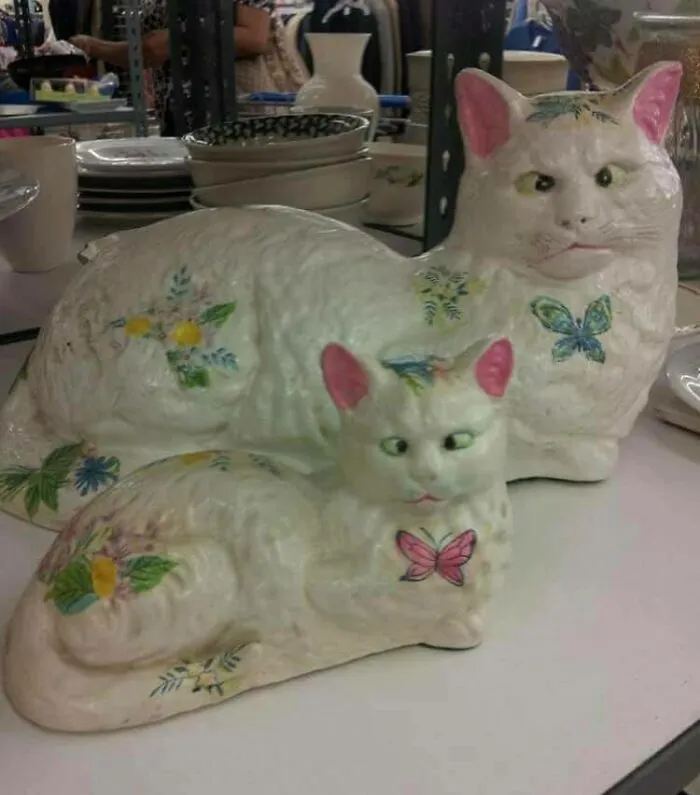


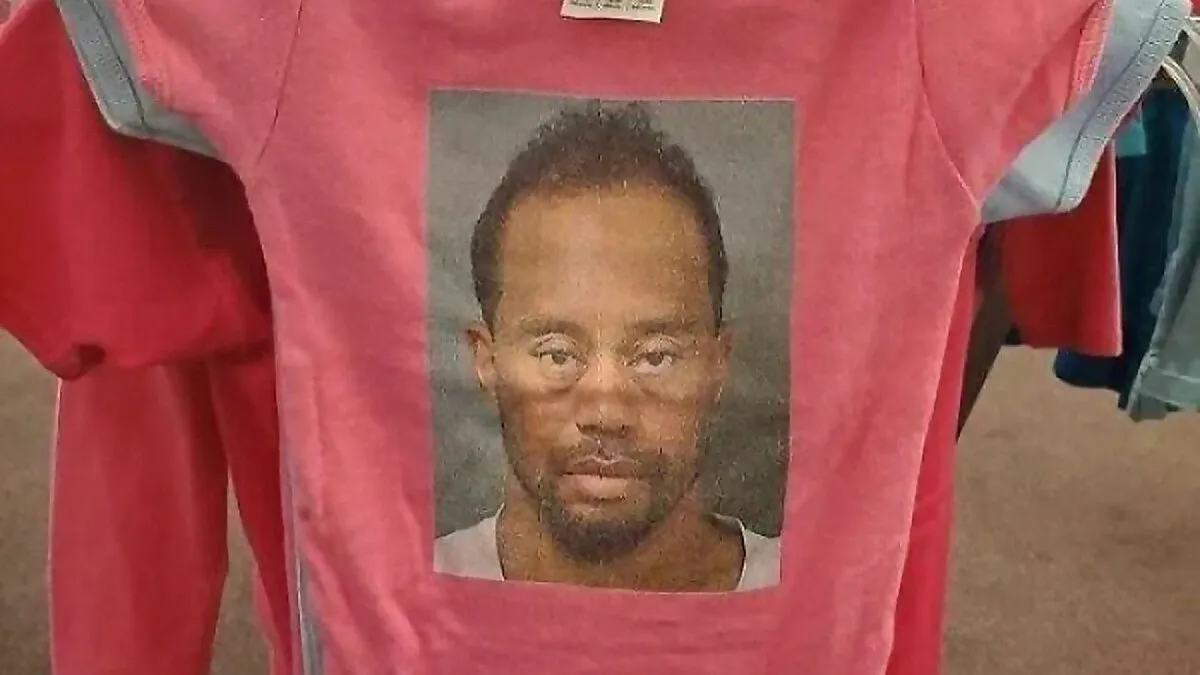


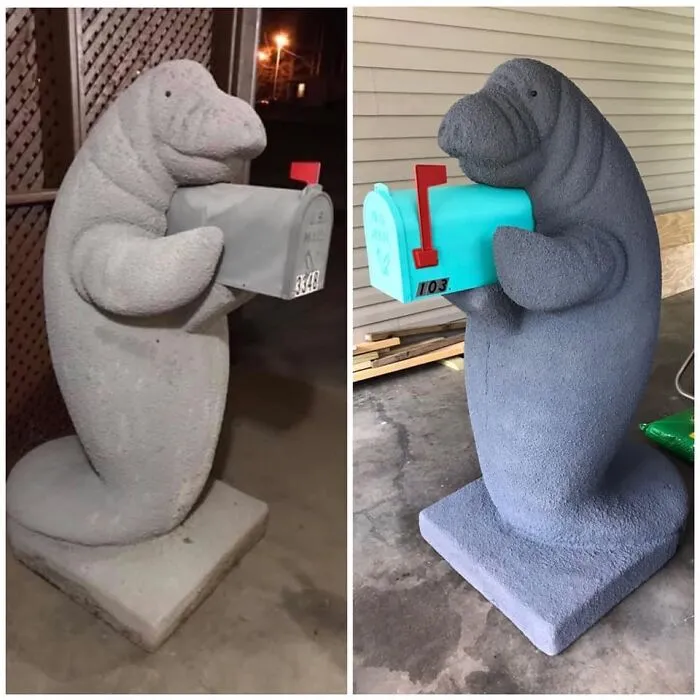
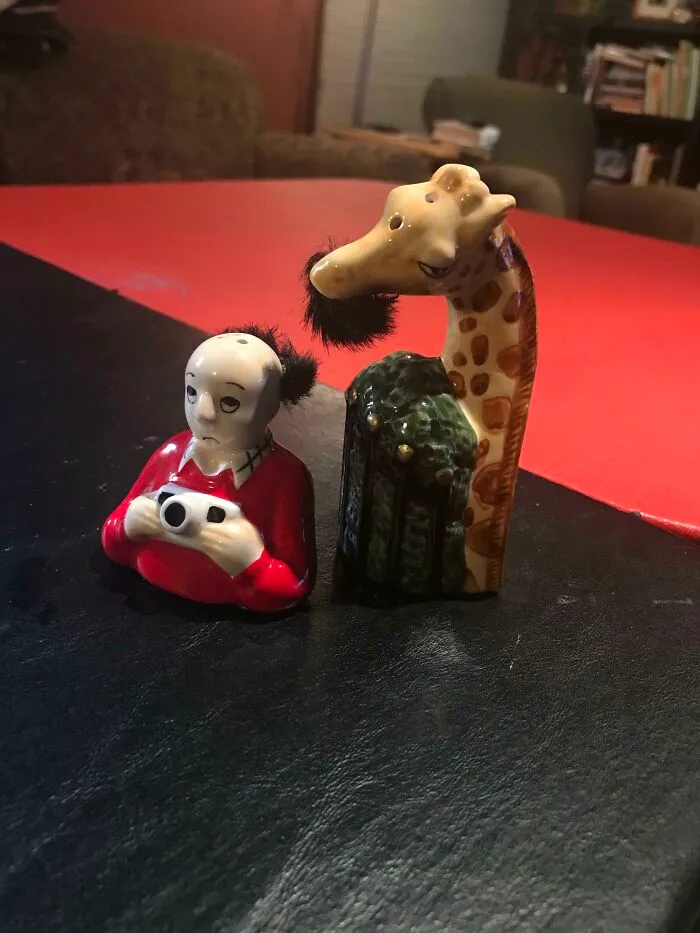
#2 Found These Weird Salt And Pepper Shakers. A Giraffe Eating A Tourist’s Toupee
#3 When You Find A Nifty Bracelet In The Charity Shop Only To Come And Find That It's An Mid 19th Century Victorian Mourning Bracelet Made From Solid Gold And Tightly Woven Human Hair
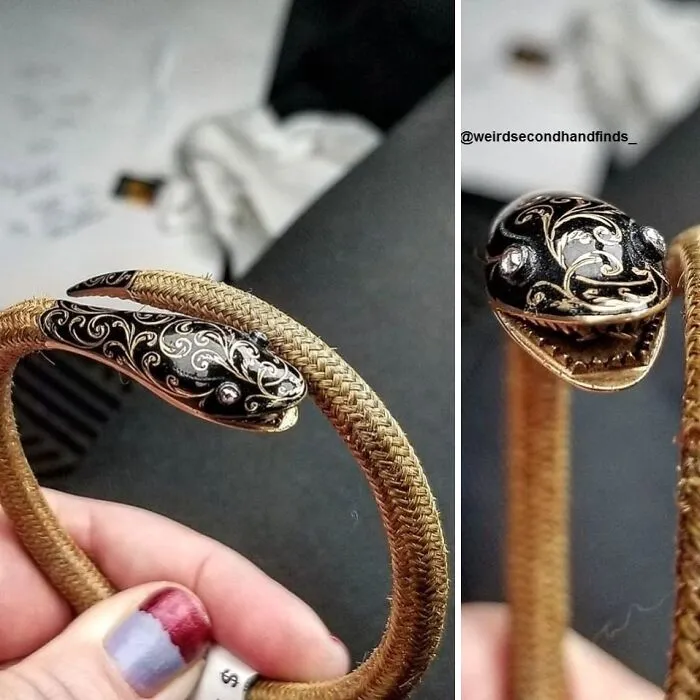
There was once a time when certain people would turn their noses up at the mere thought of buying secondhand goods. Those who dared to wear a hand-me-down, or browse a thrift store were considered "poor" and even "less-than" to some.
Then the words "vintage," "sustainable chic," "pre-loved" and "gently-worn" entered the chat, and suddenly thrifting became (almost) everyone's new favorite sport. According to Statista’s Secondhand apparel report, the value of the second-hand apparel market is forecast to hit $84 billion globally by 2030. That's an increase of $56 billion in just a decade.
Analysts say that at this rate, fast fashion may soon be outpaced by the second-hand fashion market. Not such a stigma attached to it anymore, it would seem.
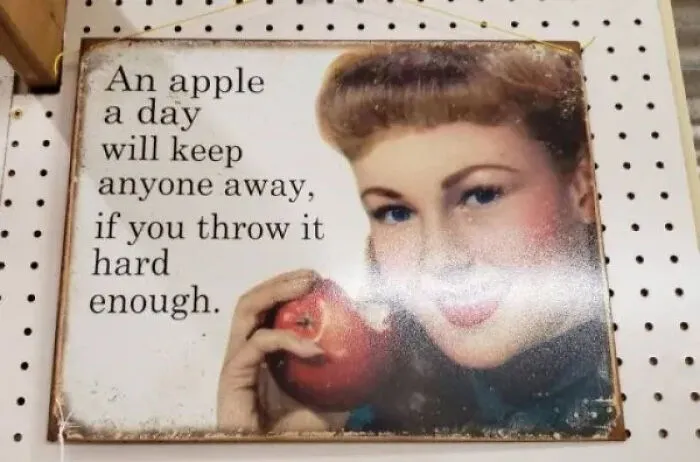
#4 Can't Argue With That
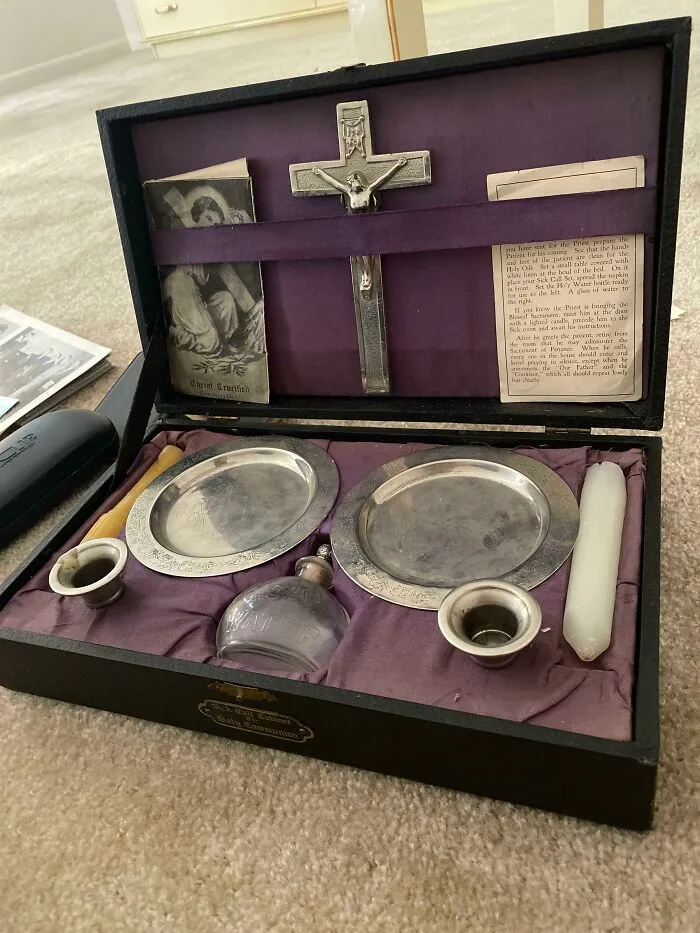
#6 Well I Don’t Know How To Say This But I Bought A Bedroom Set At The Local Gallery And Didn’t Check The Drawers, After Moving It All Up 3 Flights Of Stairs I Found Photo Albums, Notes, Cards, And This Exorcism Kit
Besides being more affordable, there are several benefits to buying secondhand. A major one is that you're helping to save the planet.
"Second-hand clothes have a hugely positive social and environmental impact. They reduce carbon emissions, save lots of resources, water, and energy. They also prevent old clothing from ending up in landfills or incinerators," explains the team at Loop Generation, a London-based secondhand store and online marketplace.
They add that fashion remains one of the most unsustainable industries today. Enough clothing is discarded each year to match the weight of the Empire State Building.
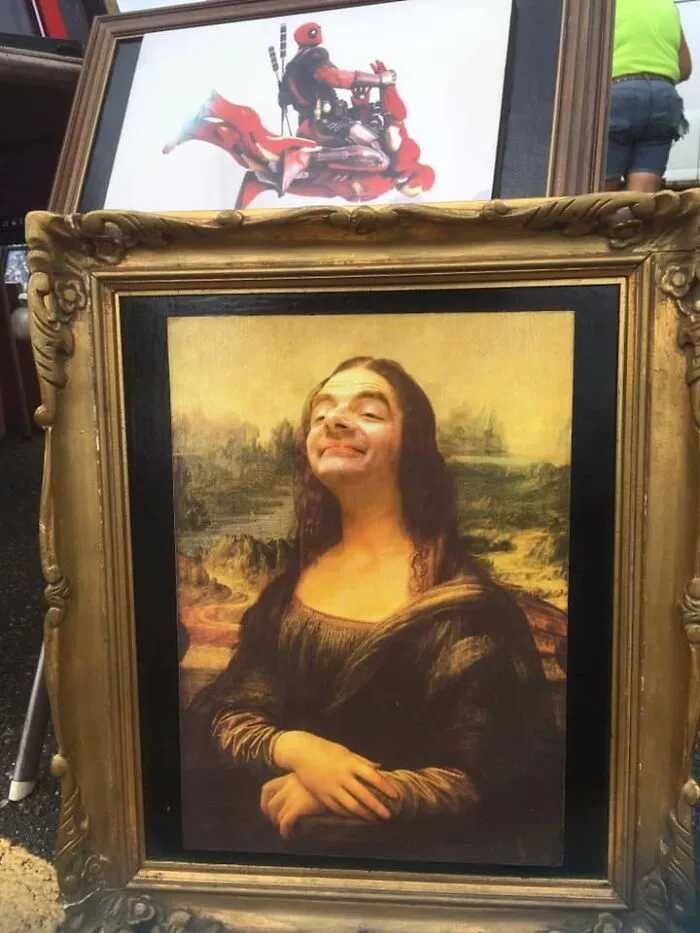
#7 Mr Bean Mona Lisa Paint. Seen Yesterday At Hartville Flea Market In Ohio
According to Businesswaste.com, the world produces 92 million tons of textile waste every year.
"Old clothes make up most of this trash, but it also includes other textiles such as towels, curtains, tablecloths, and carpets," notes the site. "Billions of new clothing items are designed, created, and sold annually yet many are also chucked out."
And what you might not realize is that when you return brand-new goods purchased online, they often end up in landfills.
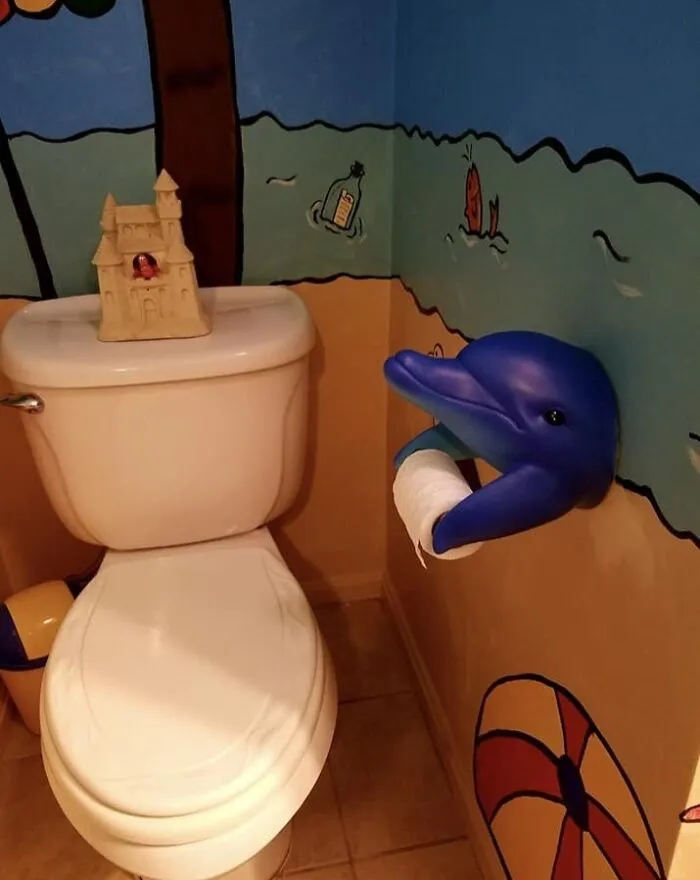
#10 My "Flipper"Tp Holder. Perfect Addition To My Basement Bathroom. Found At Savers In RI $5.99
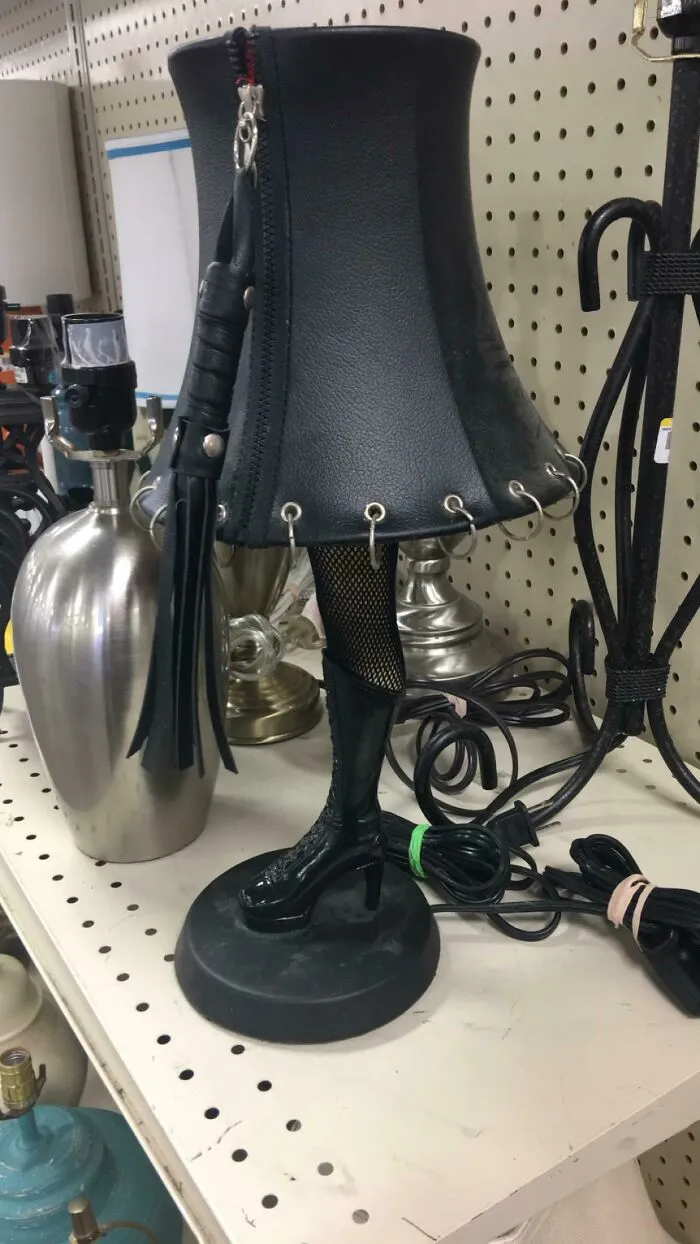
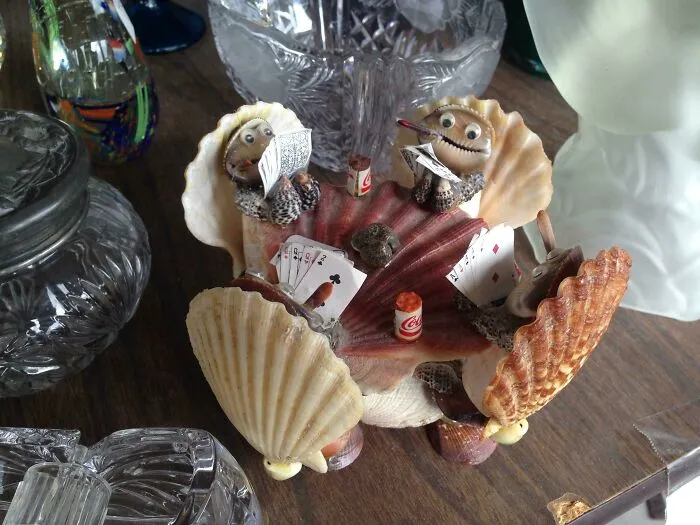
#12 The Craftsmanship Was Impeccable, But I Didn't Have The $5 Cash To Get It :(
A BBC report reveals that when we buy something online and return it because it doesn't fit/we don't like the color/it was an impulse buy, there's a very high chance those goods get dumped.
"The reality is that much of it simply ends up in landfill. That is, once its been shipped all over the country, or even the globe, a few times," the report notes, adding that in the United States alone, customers return approximately 3.5 billion products every year. Only 20% are actually defective.
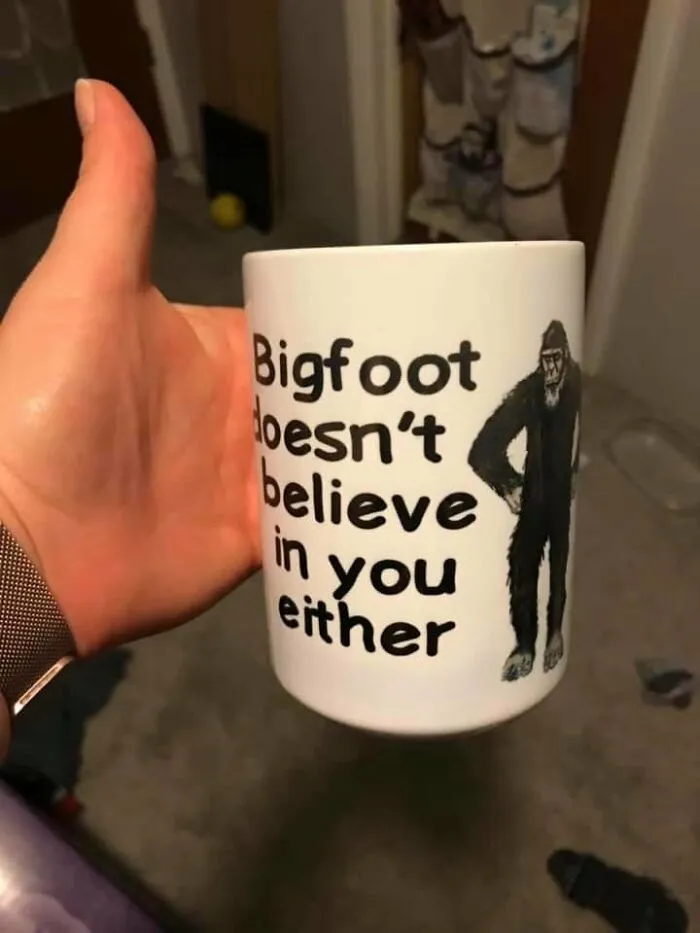
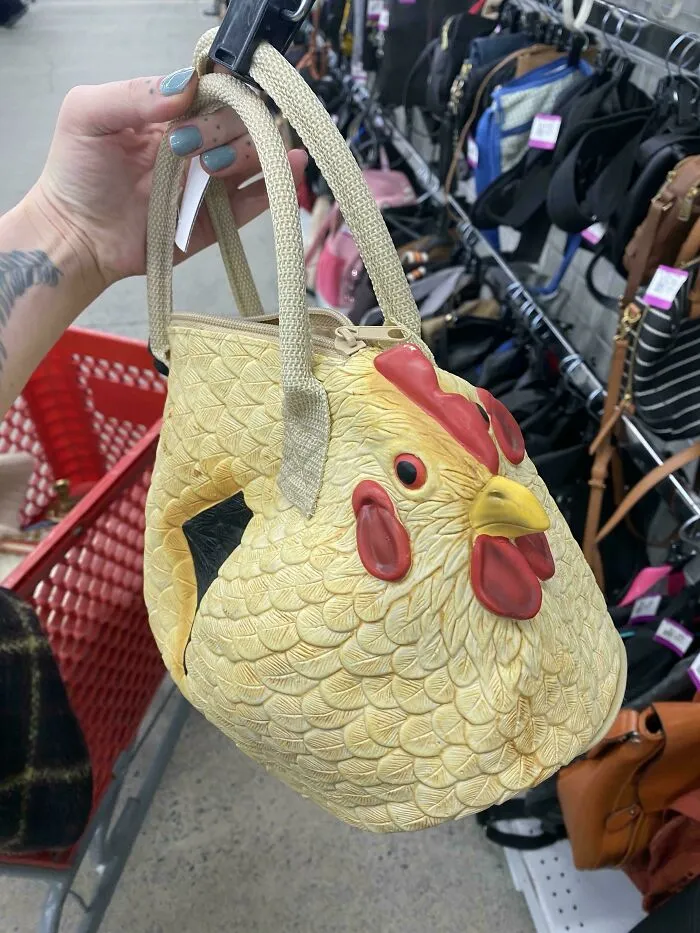
#15 Cursed Truth
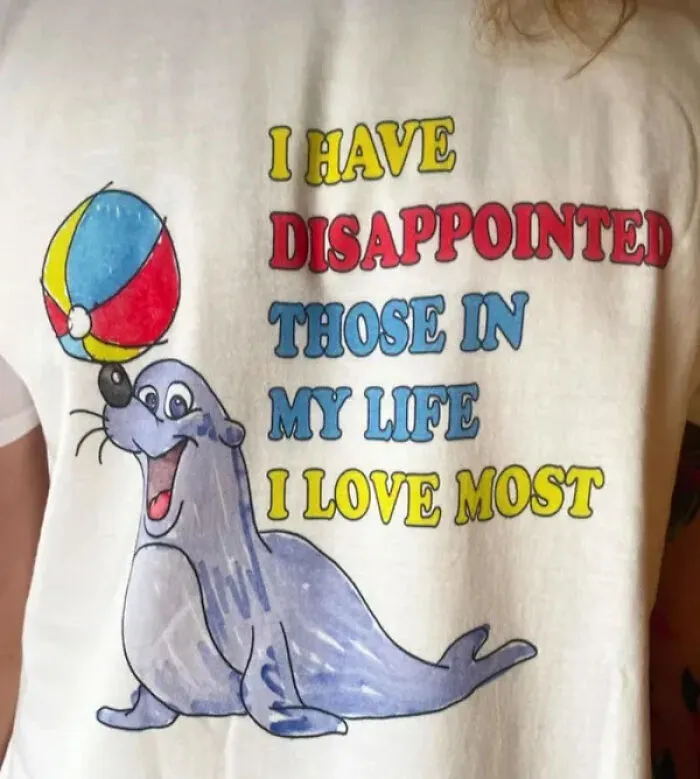
“We know that many of the products that are returned end up in landfill before we even use them which only adds to the vast amounts of used items already ending up in landfill... These products use precious resources which are becoming scarce and we are throwing them away unnecessarily,” says Sarah Needham from the Centre for Sustainable Fashion at University of the Arts London.
But the environment isn't the only winner when we shop secondhand...
#16 I Love Being A Manager At A Thrift Store. I Get To See Everything Before It Goes Out. These Big Bird Heels For Instance
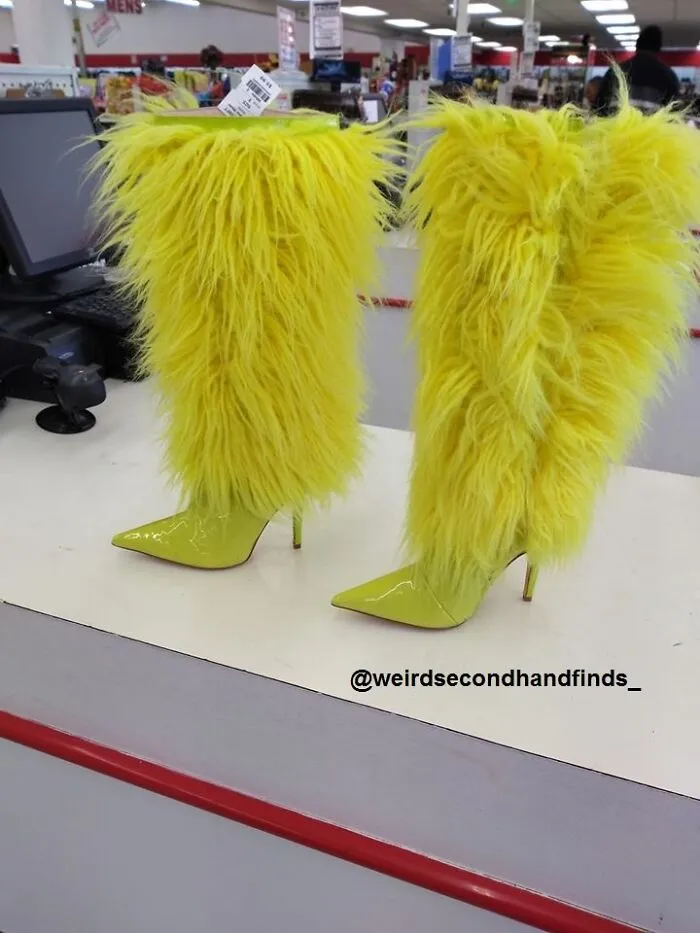
#17 Unexpected Collab
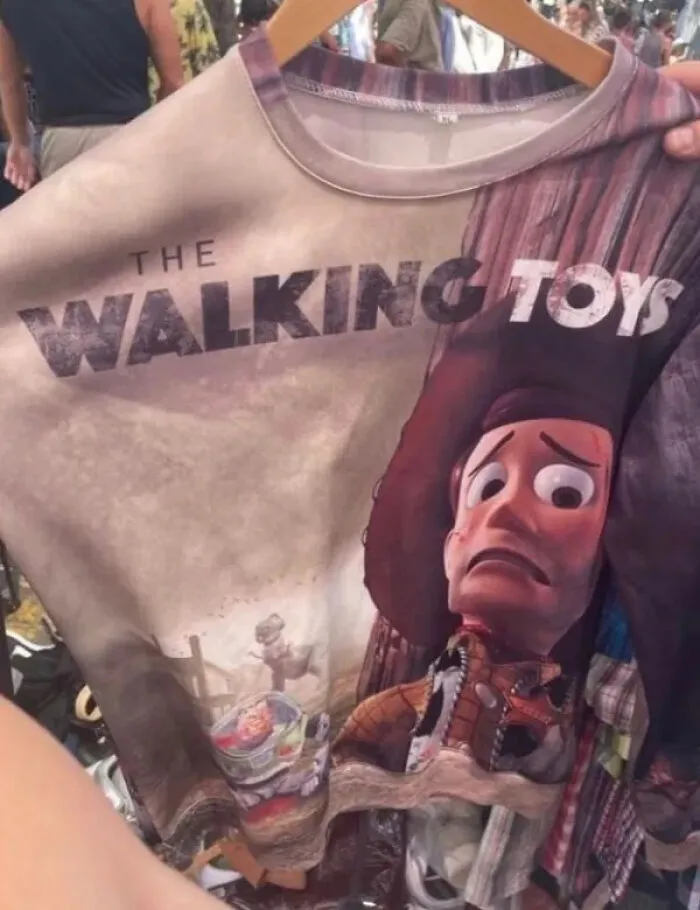
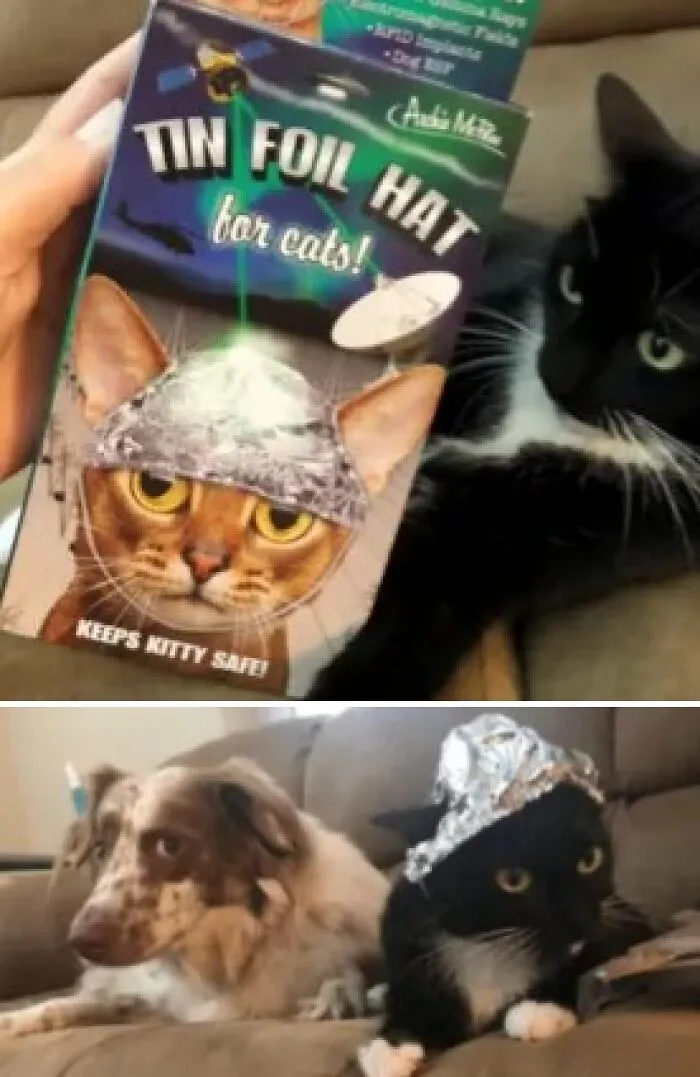
#18 Finally Safe
Another reason many people love buying secondhand goods is because often, the quality is so much better than some of today's mass-produced stuff.
"They don’t make them like they used to" is a phrase you might have heard your grandparents, or even parents, say. And they aren't wrong. As South Africa's Nedbank team explains, the convenience of modern mass-production often comes at a cost to the quality of the goods produced.
"Unfortunately, this can even be a business strategy," notes the site. "Built-in obsolescence is the practice of deliberately designing a product to wear out quickly, so that the consumer must buy a new one, thus ensuring ongoing business profits."