





#1
#2
#3
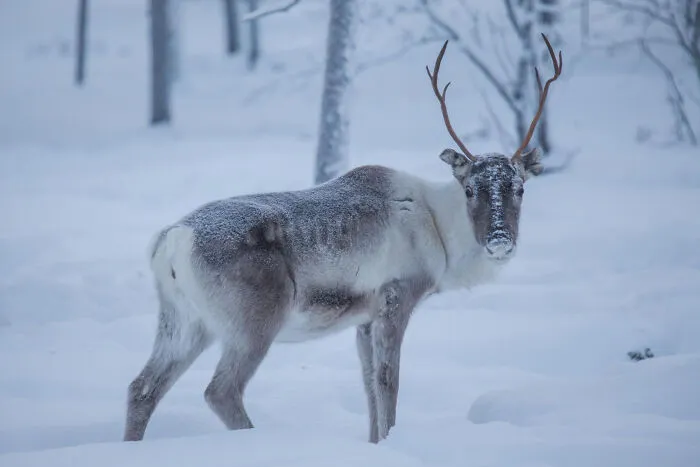
Most people only talk about cats and dogs, but reindeer have been waiting for a while for their time in the spotlight. According to Treehugger, a modern sustainability site, reindeer eyeballs turn blue in winter, which helps them see better in low light. No other mammal can do this, making it a cool scientific marvel.
In the summer, their eyeballs are golden-colored, and scientists presume that this iridescent color change occurs when pressure inside the animal’s eye builds and gets squeezed out of an area called the tapetum lucidum. That’s the shiny, mirrored layer behind the retina that allows certain animals to see in the dark, and in reindeer, apparently, it also turns blue.
#5
#6
Every creature on the planet has something cool they do that seems impossible, and one example is the armadillo, which is apparently bulletproof. BBC Wildlife revealed that armadillos’ bodies are covered in bony six-sided tiles called osteoderms that have been observed to deflect bullets in some instances.
The story behind this was that a Texan man was hit in the face with his own bullet when it bounced off the armadillo he was trying to shoot at. This animal’s tough exterior inspired the Aztecs to call it āyōtōchtli, which means “turtle-rabbit.” Each tile on its body is hard and bony but covered by skin and keratin, held together by tough, flexible collagen fibers.
#8
#9
If you have ever seen a weird-looking pig with a short and flexible nose trunk, chances are you have come across a tapir. This large, plant-eating mammal has been around for 20 million years but hasn’t changed much. According to Hooray Heroes, which provides personalized books and gifts for kids, the tapirs are considered living fossils.
They are also distantly related to horses and rhinoceroses and are mostly found in jungle and forest regions of South and Central America and Southeast Asia. Unlike other animals, which have gone through many cycles of change and evolution, their unchanged look suggests they’ve reached the perfect form.
#10
#11
#12
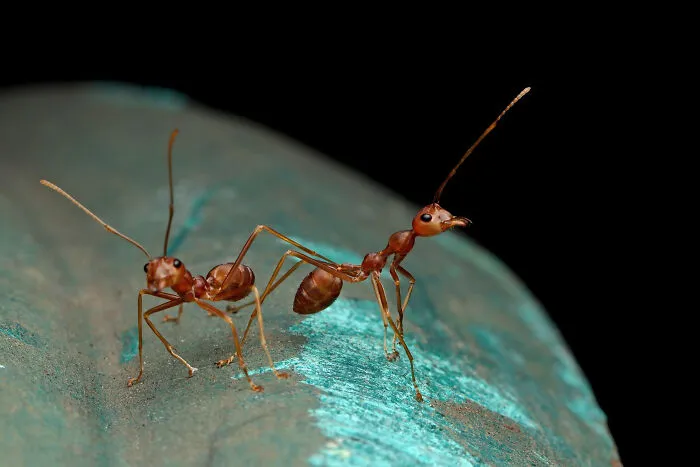
....which you probably shouldn't do, btw, at least not without having a professional guide present. In my case, we had a guide. I hope the ant was ok.
Birds are often seen as the kookiest creatures because of their adorable, funny antics. One such bird is the puffin, which you can find around rocky coasts and offshore islands, and it is nicknamed sea parrot because of its brightly colored bill. The WWF, a leading global environmental charity, notes that these birds are mostly found in Europe.
Puffins are already colorful, but during breeding season, they dress to impress as their orange legs and distinctive red-and-black eye markings stand out. Unlike other birds who might fly through any weather, these creatures weigh between 320–480 g, which is why they struggle during storms and strong currents.
#13
#14
#15
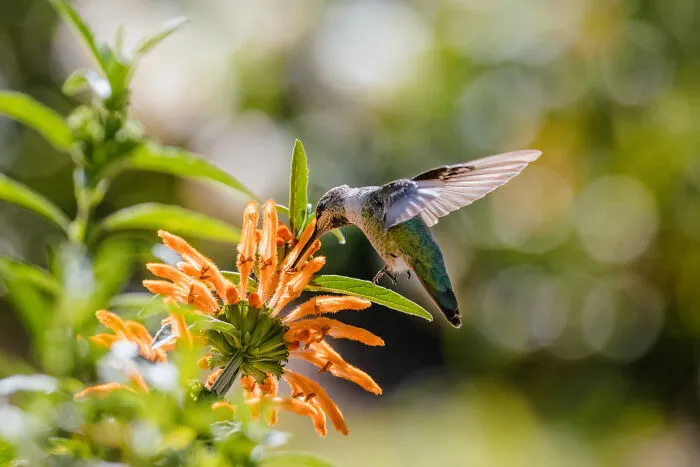
From the biggest to the smallest animals, all of them are absolutely fascinating, and none more so than the flying ant. According to the smallest NatGeo Kids, we’re usually used to seeing these insects marching about in our gardens, but in summer, because of the hot, humid weather, winged ants tend to fly.
They take to the skies so that their queens get a chance to mate with males from different colonies and create new nests of their own. They might appear in swarms because there's more safety in numbers, which also increases their chances of finding mates. Seeing a bunch of them take off might seem scary, but they don’t pose any harm. In fact, a swarm of flying ants interrupted a Wimbledon match in 2018, but the game later went on as normal.
#16
#17
Whether on land or sea, animals always find a way to make things interesting, and in this case, the quietest creature is often the most fascinating. If you’ve ever been underwater, you might have noticed colorful underwater trees and branches, which are actually corals.
According to Shedd Aquarium, they are considered animals because each has a mouth and a stomach, and they are related to creatures like jellyfish and sea anemones. What’s interesting is that they can permanently attach themselves to the ocean floor and kind of take root as most plants do. Their giant structures provide life-saving habitats for over a quarter of all marine species.
#19
bulls don’t see colors. the color red doesn’t “make them angry/irritate them”. the reason a matador’s flag is red is to hide blood better.