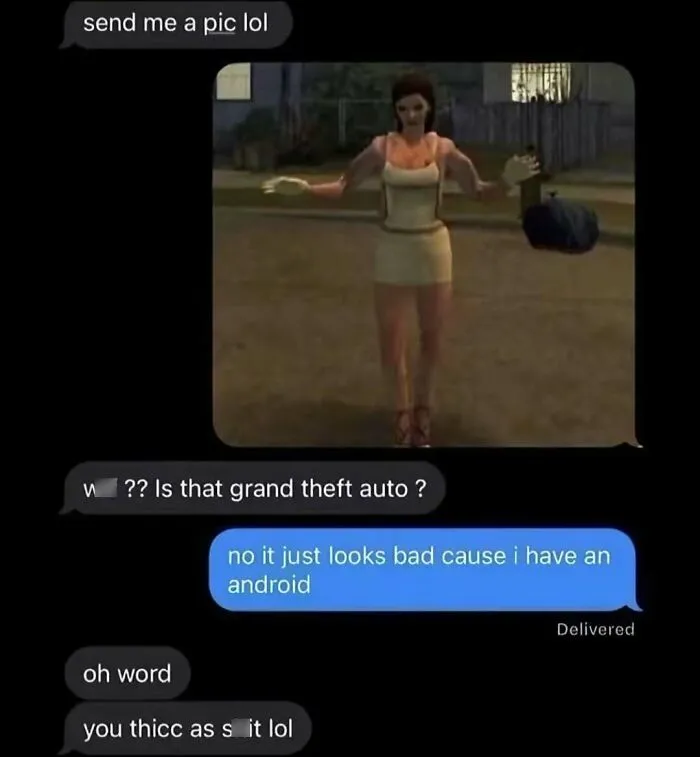








97% of people admit to having taken and shared a screenshot, which means the remaining 3% are either lying or have achieved a level of digital restraint that the rest of us should probably study. The practice is so universal that researchers now classify it as a baseline habit of modern smartphone behavior. It is something people do as automatically and as thoughtlessly as checking the time or opening an app they didn't mean to open.
Instagram, Safari, and Facebook are where the majority of screenshots are captured, which makes sense given that those are also the places where people are most likely to post something they will immediately regret.
But what is more concerning is that 1 in 4 people admit to sharing intimate or explicit messages with third parties without the sender's permission. The screenshot function was designed to help people save information. It has also become one of the most efficient tools for betraying someone's trust ever accidentally included in a software update.

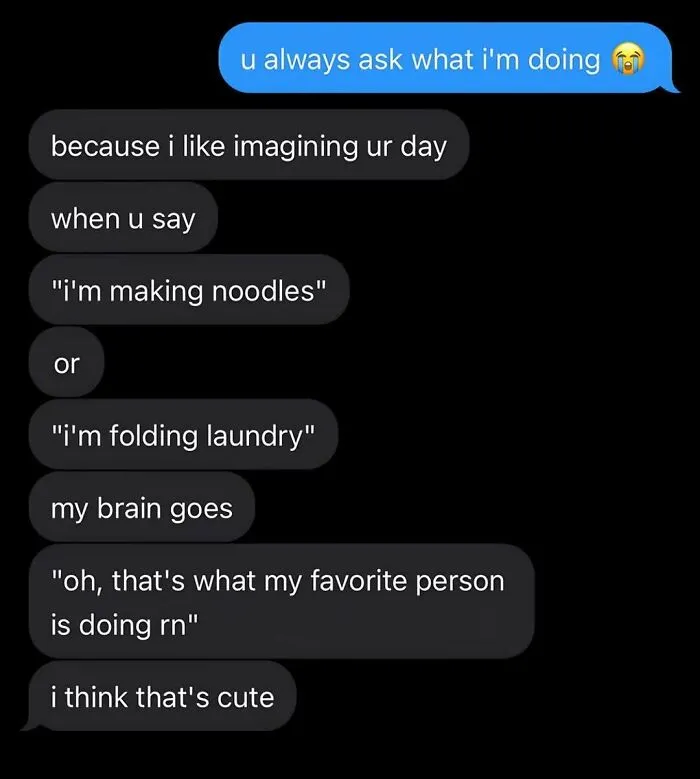

But something deeply ironic is happening, according to researchers. Taking a screenshot actually causes the brain to forget it immediately. The phenomenon is called cognitive offloading, and it works like this: the moment your brain registers that the phone is saving something, it decides it doesn't need to store it internally and promptly exits the moment entirely.
The screenshot creates a memory cost rather than a memory. Unless you actively go back and review what you captured, the information is, for most practical purposes, gone.
Which means that the 97% of people faithfully screenshotting their way through daily life are largely building a camera roll full of things they cannot remember taking and will not look at again. The information isn't saved in any meaningful sense. It's just transferred from one place of forgetting to another, slightly more organized place of forgetting.
The screenshot has a longer history than most people realize, and it starts, brilliantly, with someone pointing a Polaroid camera at a computer monitor. In the 1950s, before any software existed to capture what was on a screen, engineers who needed to document text or software bugs would simply photograph the monitor directly.
It was unglamorous, it was slow, and it was the best available option. Shortly after, mainframes developed the ability to print out text data from a screen, the first software-based screen capture, though it produced a printout rather than an image.


IBM formalized things considerably in 1981 by adding a dedicated Print Screen key to its PC keyboards (ah, the good old days), which sent the screen's text content directly to a printer. Apple then took the concept graphical in 1984 with the Macintosh, introducing keyboard shortcuts that could capture an actual image of the screen rather than just its text. Microsoft followed (as per usual).
The screenshot slowly evolved from an engineering tool into a consumer feature. And then in 2007, the original iPhone put it in everyone's pocket with a simple button combination, and the rest is on 97% of people's phones. From a Polaroid pointed at a monitor to 20 billion screenshots a day in the space of fifty years. Technology moves fast. Human behavior, as the following collection of screenshots confirms, has not always kept up.
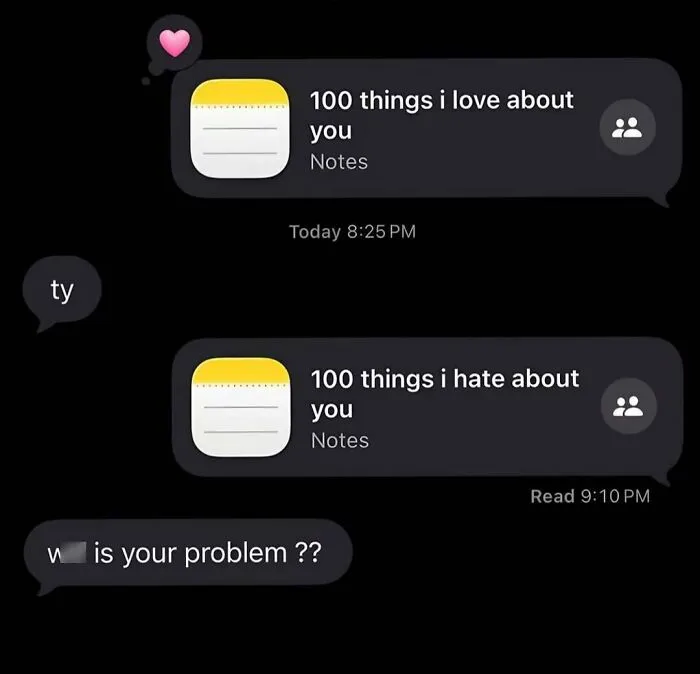

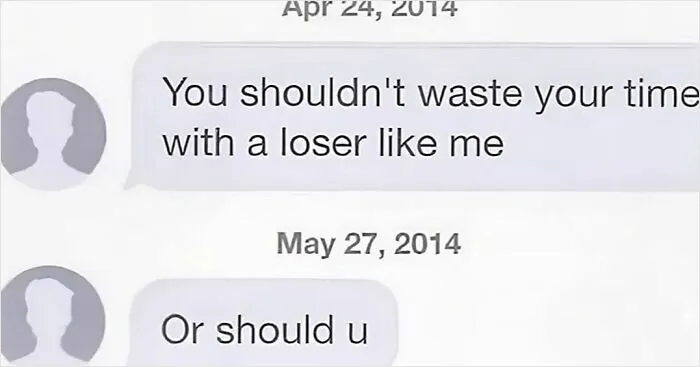
Despite the cultural assumption that screenshots exist primarily to be forwarded to the group chat with a string of reaction emojis, the data tells a different story. Only 24% of screenshots are taken with the intention of sharing them with someone else. The remaining 76% serve entirely personal purposes like financial records, notes, things people wanted to remember, receipts in the most literal sense.
The average person's screenshot folder is less a gossip archive and more a chaotic digital filing system that nobody asked for, and nobody has organised, ever. It contains a boarding pass from a trip that already happened, three different screenshots of directions to places they have already been, and something from a conversation they cannot remember having.
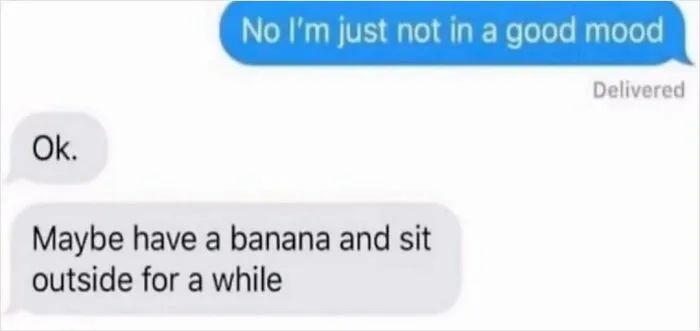
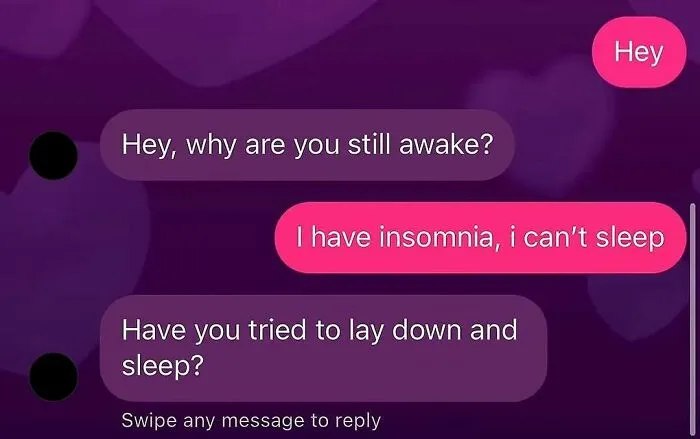

Screenshots have been used as legal evidence in courtrooms with increasing regularity. In one particularly instructive case, a plaintiff presented what she claimed was a photographic record of harassing text messages as evidence in a workplace wrongful termination lawsuit. Her original phone was allegedly non-functional, the passcode was unavailable, and the evidence existed only as a screenshot. It seemed airtight. It was not airtight.
Forensic investigators from iDS were brought in to examine the image and identified more than fifty individual inconsistencies. The font was wrong. The spacing was wrong. The time and date configurations didn't match Apple's default formatting. Most damningly, the image contained iOS interface elements from software versions that hadn't been released yet at the time the alleged harassment was supposed to have taken place.
The screenshot, in other words, contained evidence from the future. The judge found that the plaintiff had submitted false evidence, given false testimony, and lied in open court. She was sanctioned $158,000 along with her attorney and law firm. The lesson: forensic experts are very good at their jobs, and faking a screenshot is considerably harder than it looks.