






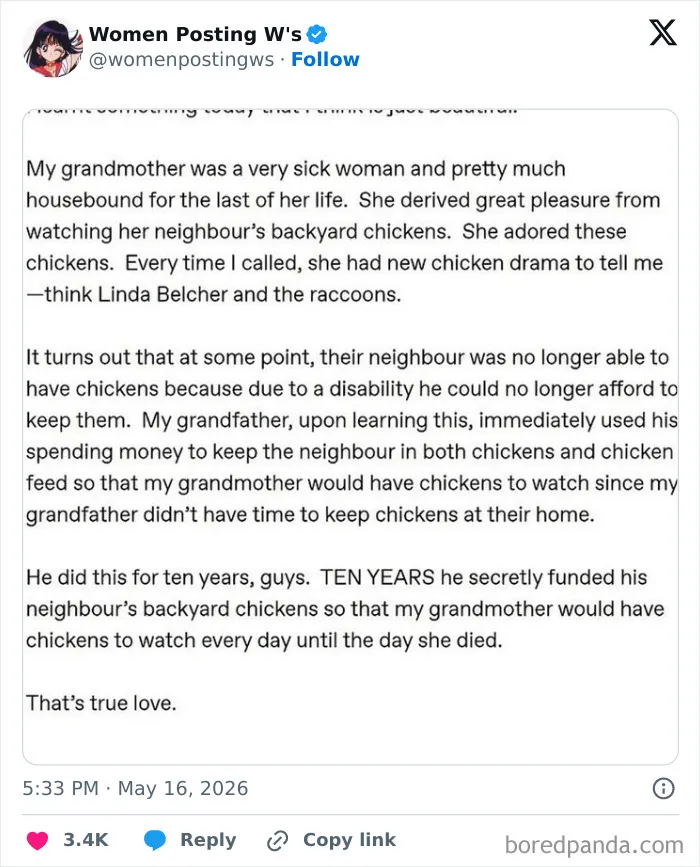

There's a reason that the "I have to tell someone" feeling shows up right after something good happens. Humans are wired to want an audience for their joy, and psychologists have a name for it. It's called capitalization, the act of sharing positive news with another person to make the good feeling last longer and grow bigger.
According to Psychology Today, people who tell others about their wins and get an enthusiastic response end up happier and more satisfied in their relationships than people who keep quiet. So no, you are not being extra by texting your group chat about that promotion. You are doing exactly what your brain wants.

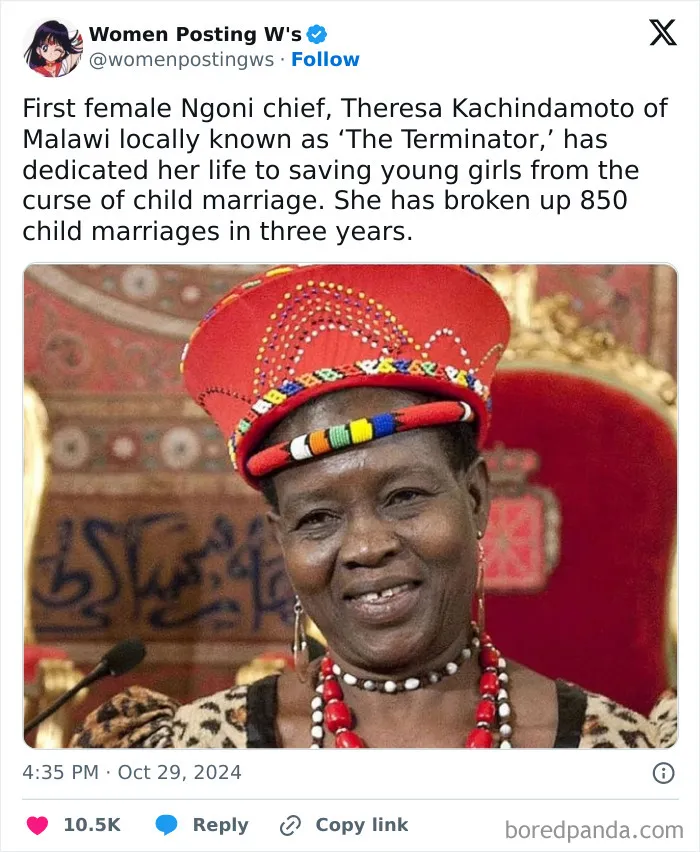
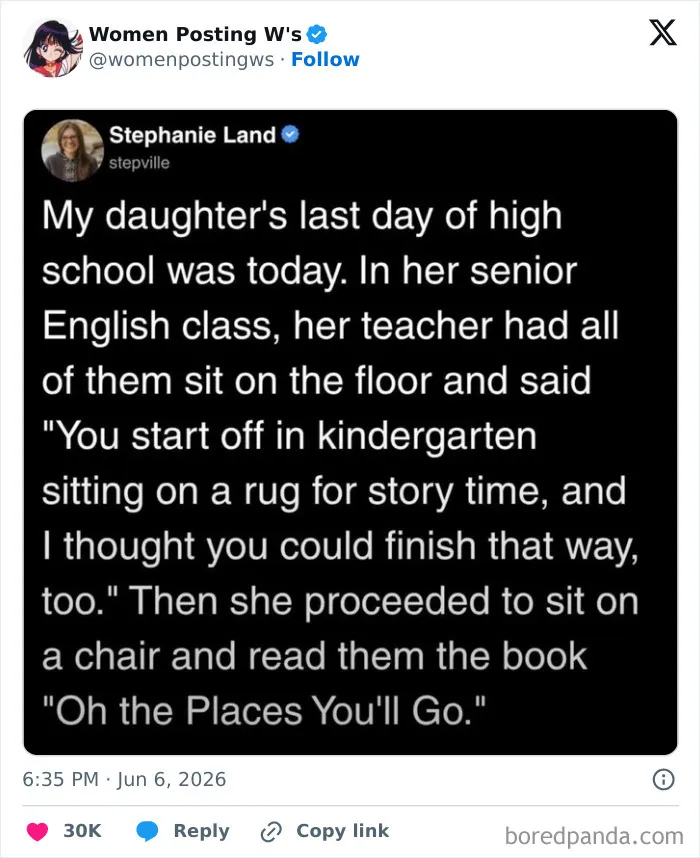
The internet just happens to be really good at giving that feeling a bigger stage. Not everyone has a roommate awake at midnight to hear about the callback you booked or the marathon you finally finished. Posting it online means someone, somewhere, is scrolling at exactly the right moment to clap for you.

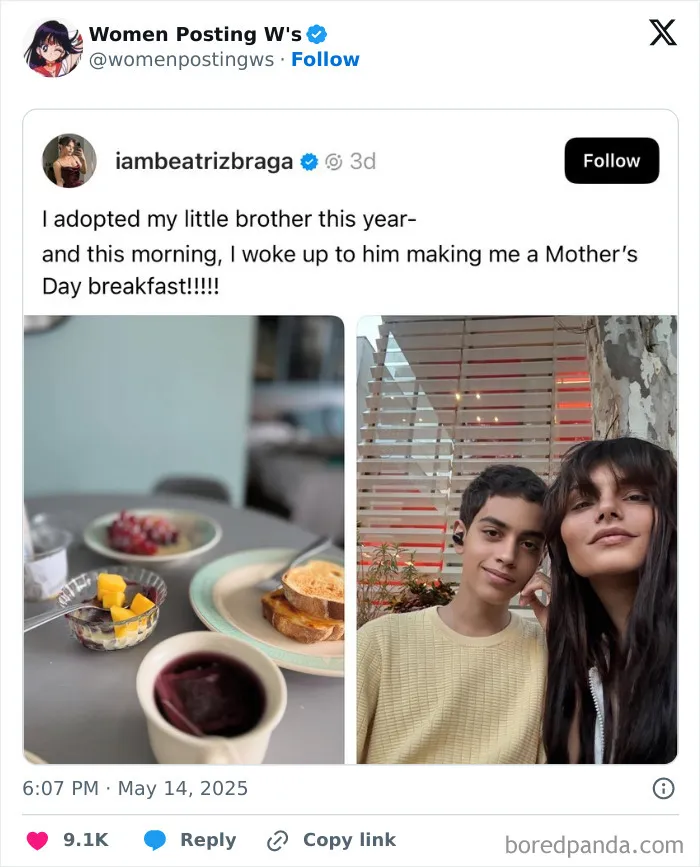

And how that someone responds actually matters more than people realize. Researchers studying what makes good news land well found that an enthusiastic, engaged reaction, something they call active constructive responding, does more for a relationship than a polite nod ever could. A comment section full of exclamation points and heart emojis is basically a crowd of strangers doing that for you all at once.
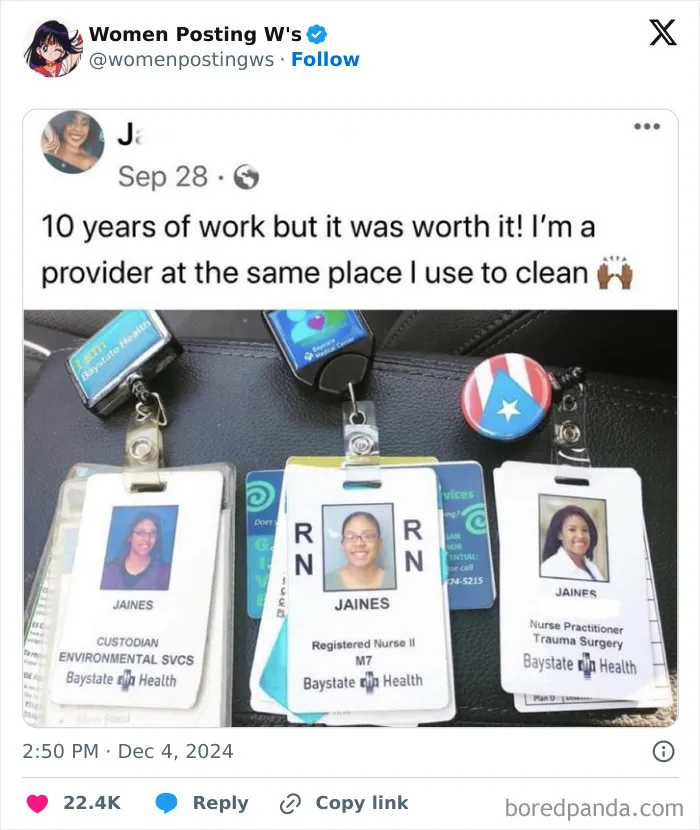


What is interesting is that this works even between total strangers. You would think cheering for someone you have never met would not do much, but studies on these kinds of exchanges suggest otherwise. Sharing good news with people outside your close circle, even people who are essentially internet strangers, has been linked to more trust and more openness between everyone involved. That might explain why a comment section full of women you will never meet in person can still feel like genuine support instead of empty noise. The connection is real even if the people are online.

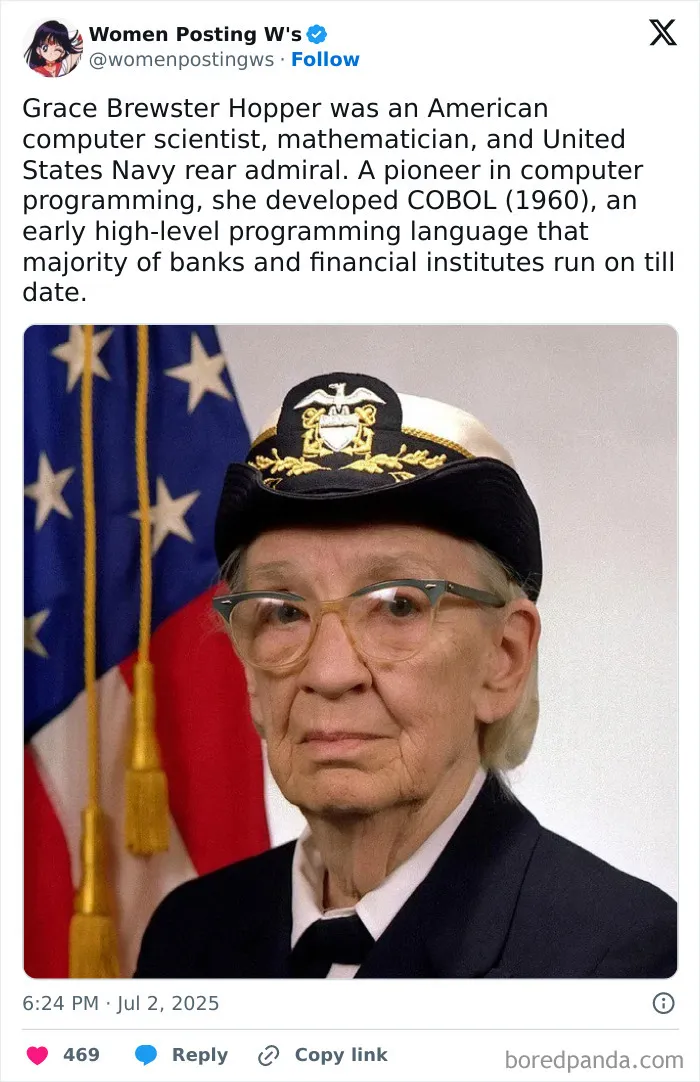

Sharing a win also helps you actually hold onto it. A lot of people are quick to feel their disappointments in vivid detail but let their victories blur by in a matter of minutes. Talking about a good moment, even in a caption, forces you to slow down and relive it. Research on capitalization interactions suggests retelling a fortunate event can boost how good it feels and even helps people remember it more clearly later on. That post is not just for your followers. It is a little bookmark for your own brain, proof you can scroll back to on a rough day.
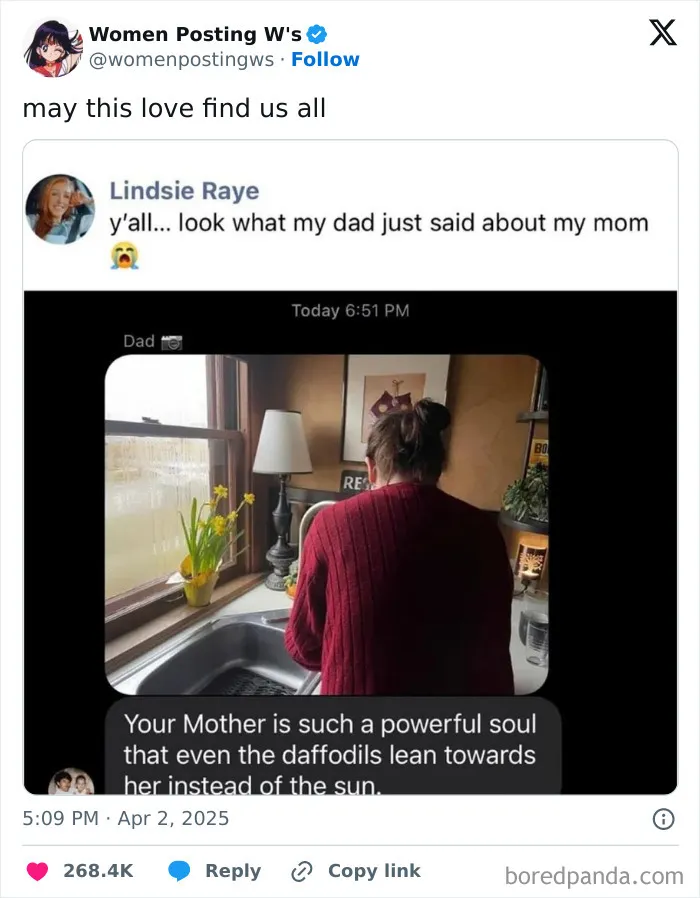


Then there is the part where a lot of women are taught, gently or not so gently, to be quiet about their wins. Downplaying a big achievement gets rewarded as modest, while getting genuinely excited about yourself can get read as showing off. That double standard is exhausting, and pages built entirely around women hyping each other up are a nice antidote to it.